




-
 Courier delivery
-
 DHL Courier delivery
-
 Warranty 1 year
-
 Free 30-Day returns

Configuration Matched to Material — Every tool head, vacuum zone, and cutting parameter is selected after a physical trial on the buyer’s actual stock, not guessed from a generic chart.
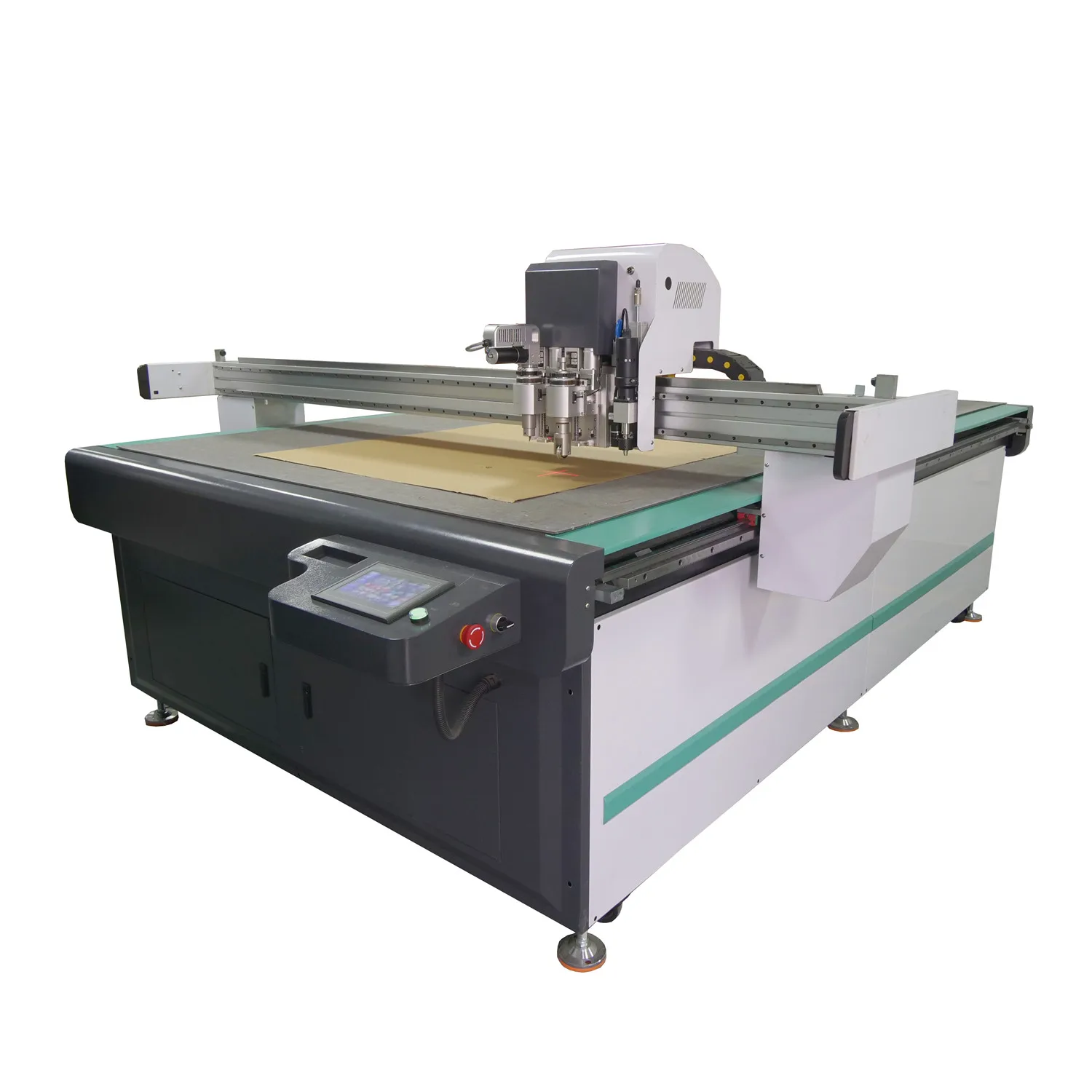
Technical Specifications
| Parameter | Value |
|---|---|
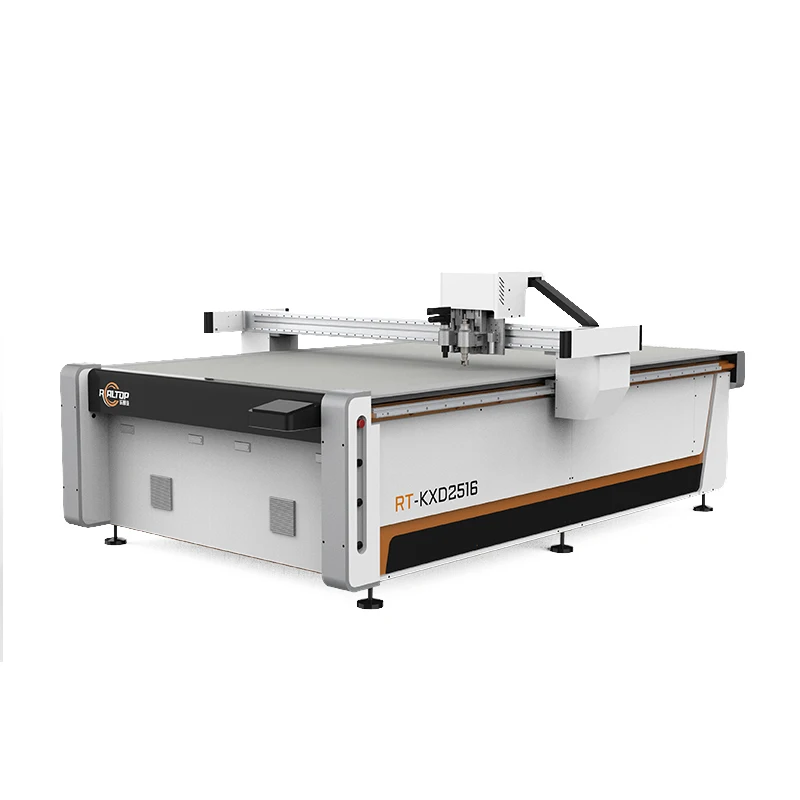
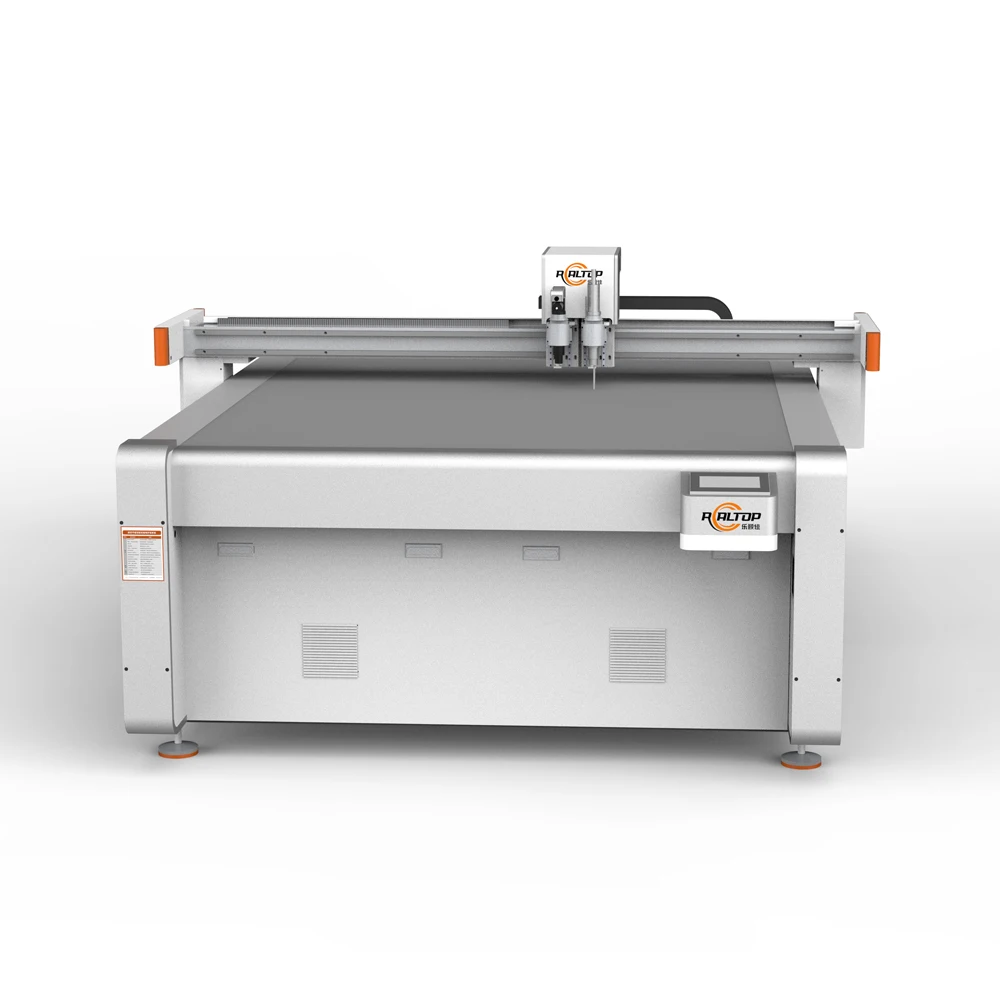
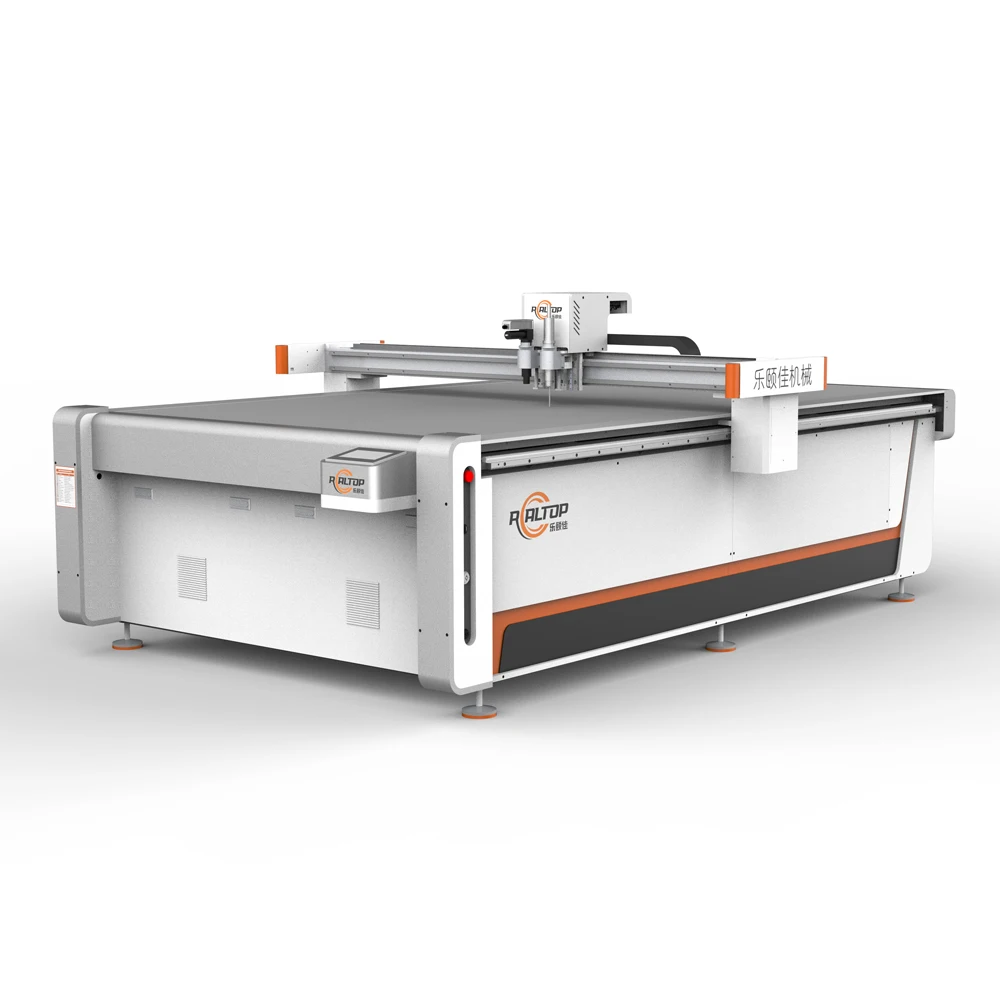
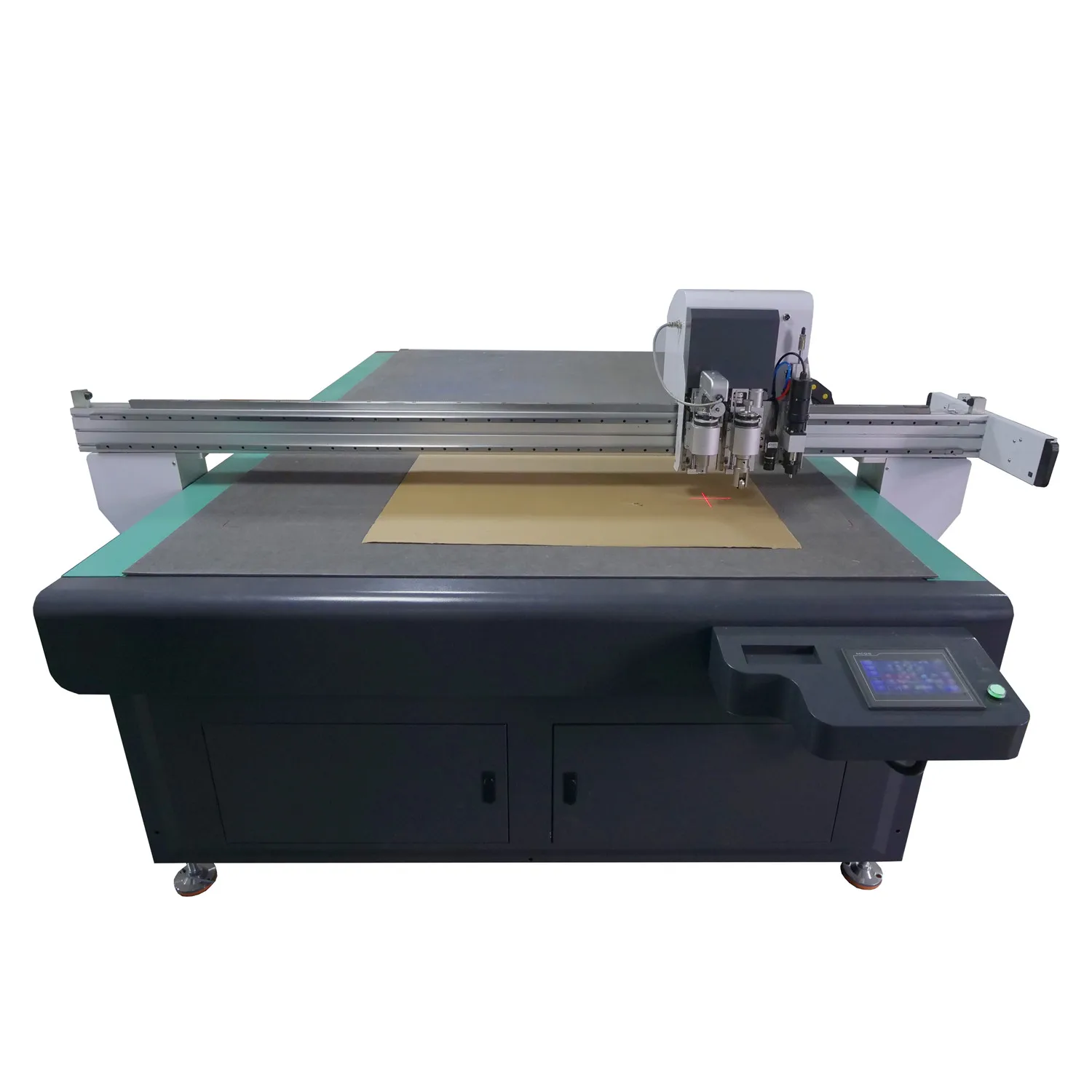
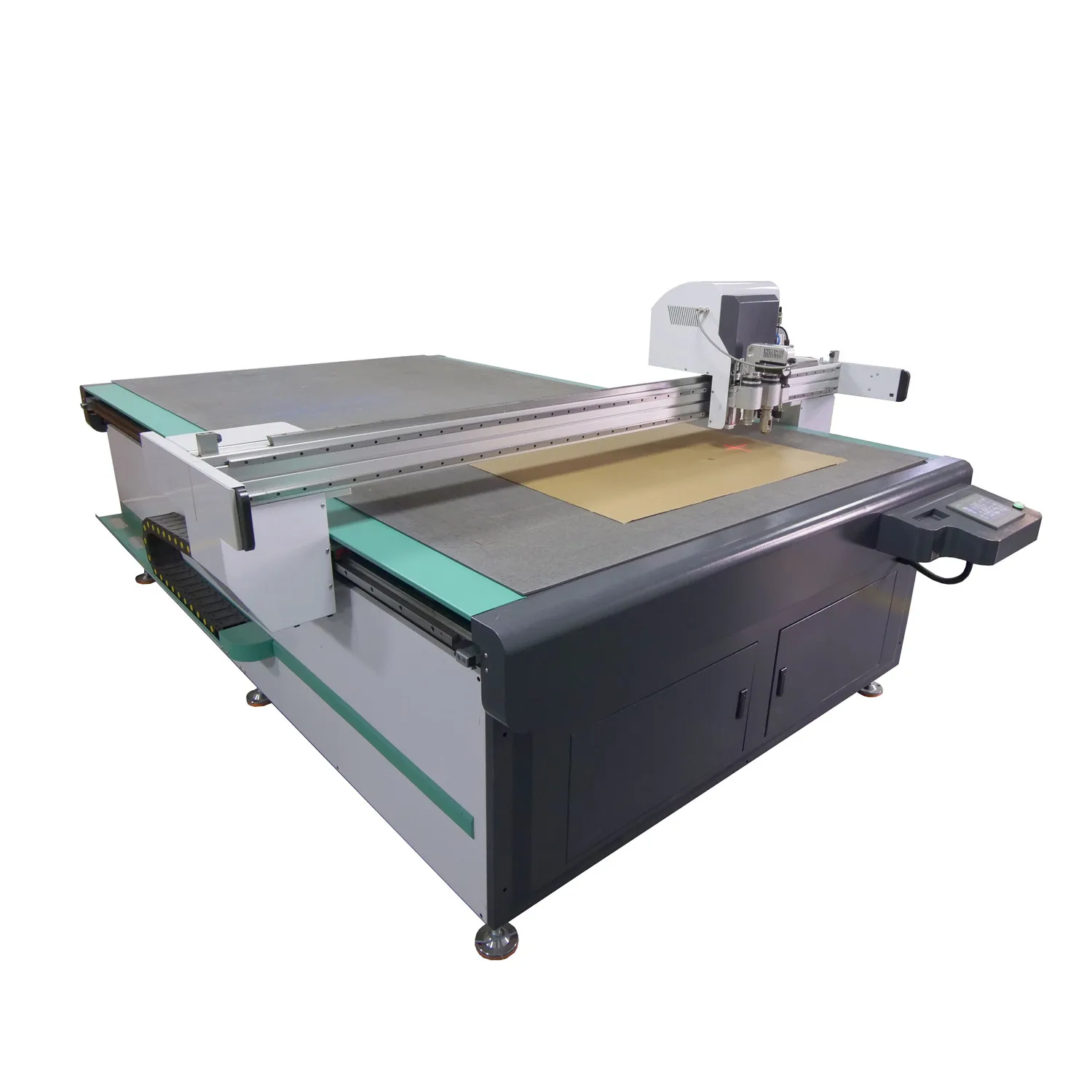
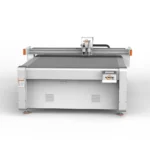
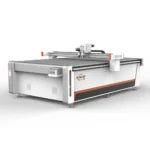
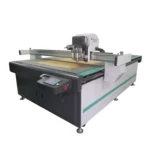
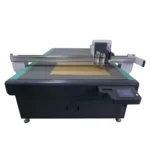
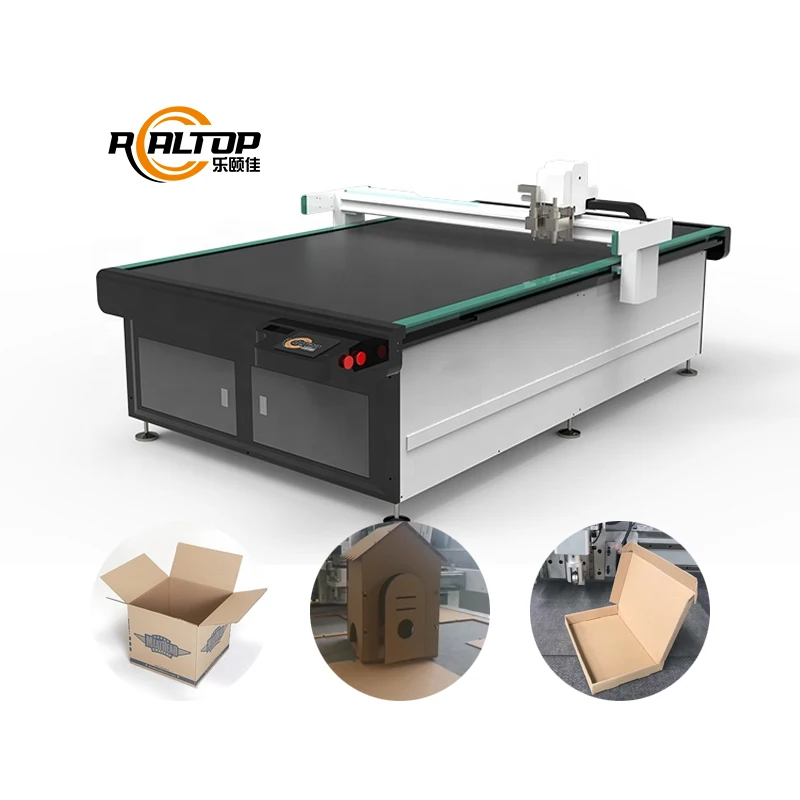
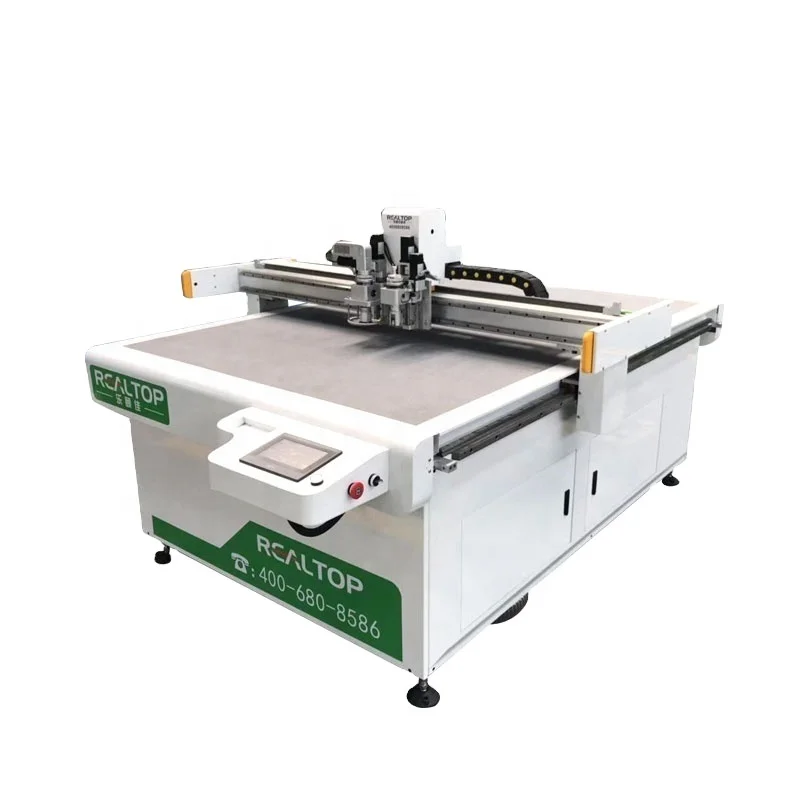
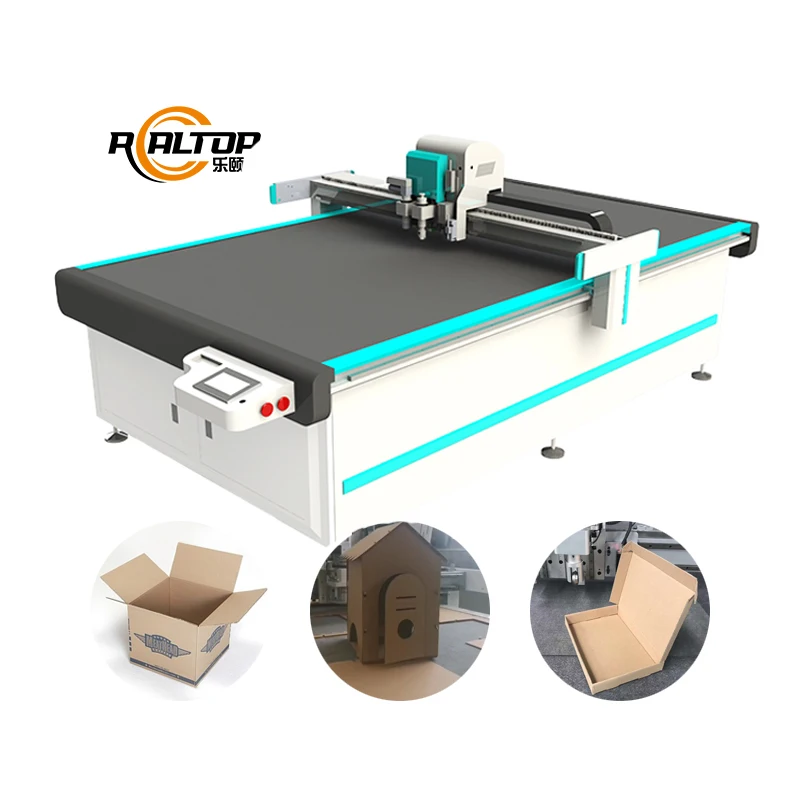
| Product Type | CNC Vibrating Knife Cutting Machine |
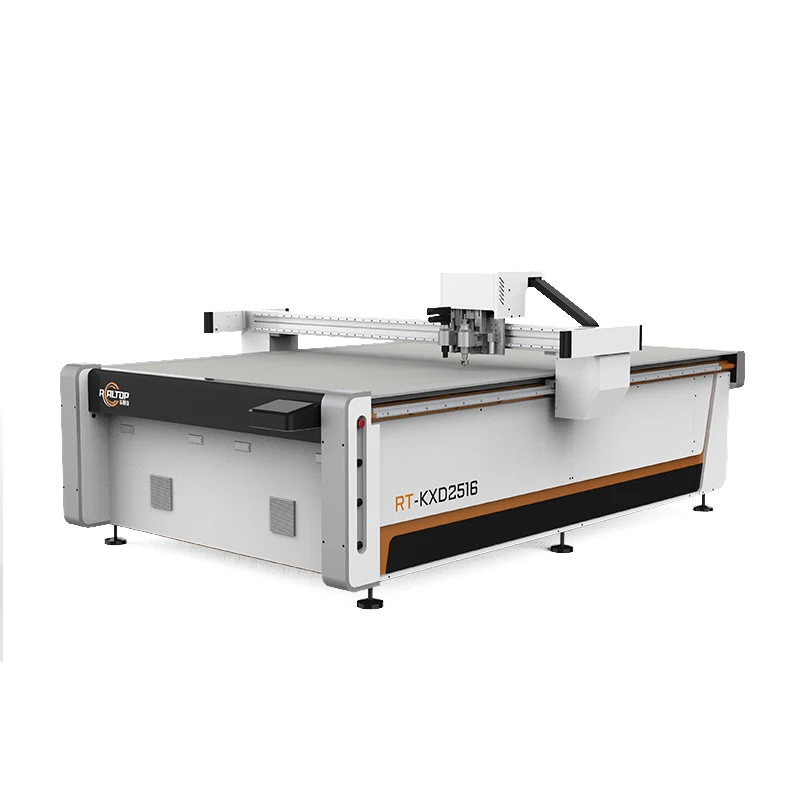
| Model | RT-D2516/RT-S2516 |
| Working Area | 1600 × 2500 mm |
| Machine Size | 3450 × 2300 × 1250 mm |
| Rated Power | 9 kW |
| Table Type | Flat working table with vacuum adsorption |
| Vacuum Pump | 7.5 kW |
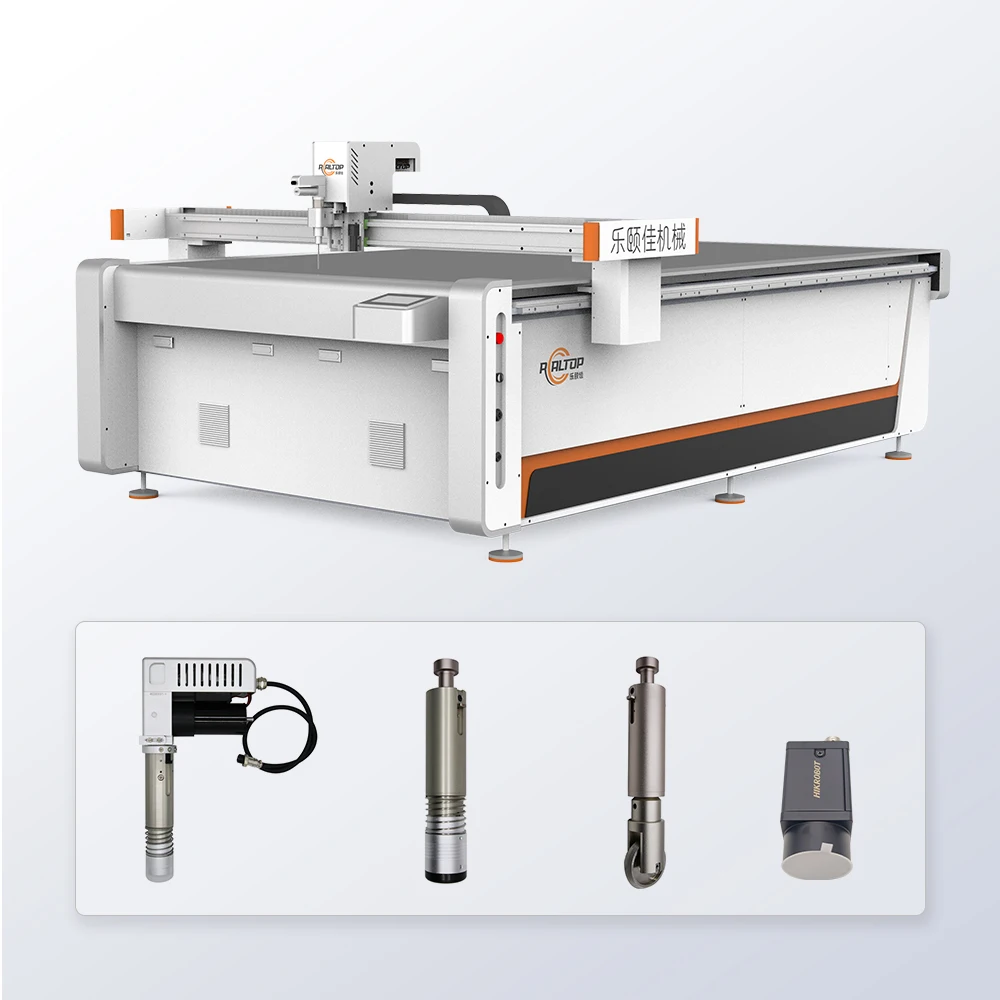
| Multifunctional Head | Swiss imported knife: vibration full cutting, vibration half cutting, cursor location |
| Safety Device | Infrared sensors |
| Translational Velocity | 800–2000 mm/s |
| Cutting Speed | 200–800 mm/s (varies with material) |
| Repeated Accuracy | ≤0.1 mm |
| Transmission System | Delta digital servo motor, Taiwan Hiwin linear guide, synchronous belt, ball screw |
| Instruction System | HP-GL compatible format |
| Voltage | 380V ± 10% |
| Conveyor | Germany imported conveyor belt, auto feeding |
| Cutting Thickness | ≤100 mm (varies with material) |
| Software Language | English, Russian, Italian, Chinese; other languages customizable |
| Certification | CE declaration where applicable |
Application Suitability
| Application | Material or Output |
|---|---|
| Carton sample making and short-run packaging | Corrugated board, greyboard, folding carton stock |
| Sticker and label contour cutting | Self-adhesive vinyl, coated paper, release liner |
| Large format electrical appliance carton | Heavy-duty corrugated and honeycomb paperboard |
| Express logistics box and e-commerce mailer | Single and double-wall corrugated |
| Snack food and gift box packaging | Coated cardstock, laminated board |
| Flexible non-metal cutting | Leather, PVC, sponge composite, silicon, rubber |
Why the Wrong Tool Head Still Ships — and What It Costs
A cutting head specified by working area alone will fail the moment the board grade changes. I learned this the hard way when a corrugated sample order came back with crushed flutes and ragged crease lines. The buyer had specified a standard drag knife for a mid-range flute profile, then switched to a heavier double-wall stock without telling us. The machine was not wrong; the tooling choice was.
This is the gap that causes most post-delivery disputes on a CNC Vibrating Knife Cutting Machine. The working area gets all the attention in the first email, while flute depth, board density, and liner weight sit unasked. A 3 mm E-flute and a 7 mm B-flute demand different oscillation amplitudes, blade angles, and downward pressure. [NEED_CITE: corrugated flute profiles and corresponding knife tooling requirements] When those variables are not pinned down before the machine leaves the factory, the buyer ends up with torn edges, incomplete creases, or a vacuum table that cannot hold small die-cut pieces flat.
How We Match the Head to Your Board
Every packaging job that lands on our floor starts with the material, not the catalogue. The Swiss imported multifunctional head on the RT-D2516/RT-S2516 carries three functions — vibration full cutting, vibration half cutting, and cursor location — so a single tool station handles creasing, kiss-cutting, and through-cutting in one pass. We run the buyer’s actual cardboard or corrugated sheet on the flat vacuum table and record blade depth, oscillation frequency, and travel speed for that specific grade.
This approach means a carton sample maker cutting 300 gsm coated card one week and 5 mm honeycomb board the next does not need two machines. The configuration shifts, not the footprint.
Holding Small Parts Without Losing Speed
Vacuum adsorption is where most flatbed tables expose their limits. Large carton blanks lie flat without effort, but nested sticker sheets or narrow carton dividers can lift at the trailing edge once cutting speed climbs. [NEED_CITE: vacuum zoning principles for flatbed digital cutting tables] The 7.5 kW vacuum pump on this CNC Vibrating Knife Cutting Machine is paired with a segmented table surface, so suction concentrates on the zones where material actually sits rather than bleeding across the full 1600 × 2500 mm area.
When we set up a run of die-cut gift boxes with intricate window cutouts, we close off the outer zones and let the pump work only under the active sheet. The result is a stable cutting bed even for parts narrower than 50 mm, without slowing the 800 mm/s upper travel limit.
Reading the Numbers Behind the Cut
Cutting thickness is listed at ≤100 mm, but that ceiling assumes low-density foam or sponge composite, not rigid board. For corrugated packaging stock, practical single-pass depth sits well below that figure, and the real question is how cleanly the oscillating knife separates the liner from the flute. The Delta servo motors and Taiwan Hiwin linear rails keep repeated accuracy within 0.1 mm, which matters when a creasing wheel follows a cut line by less than a millimetre — any drift shows up as a misaligned fold on the assembled box.
The 9 kW rated power covers the servo drives, oscillation motor, vacuum pump load, and conveyor feed. A dedicated circuit with the specified 380V ± 10% supply prevents voltage drop from affecting servo response mid-cut. HP-GL compatibility means most packaging design software exports feed directly into the controller without an intermediate conversion step, removing a common nesting bottleneck.
The Hidden Cost of Skipping the Sample Cut
A buyer once confirmed an order based on a video of the machine cutting standard kraft liner, then switched to a clay-coated stock with higher abrasion content. The blade dulled noticeably faster, and edge quality dropped after a few dozen sheets. [NEED_CITE: blade wear rates on coated versus uncoated packaging board] Running the buyer’s own material before shipment surfaces these issues while there is still time to change blade type or adjust oscillation stroke. Skipping that step moves the discovery to the buyer’s factory floor, where downtime is measured in missed delivery windows rather than test minutes.
Why Buyers Run Their Material Here First
Realtop designs and produces both knife and laser cutting systems under one roof, which means the cutting method is chosen based on the material rather than forced into whichever machine happens to be in stock. The tool head and table configuration are written into the specification sheet line by line, not left to a packing list checkbox. [NEED_CITE: equipment specification documentation practices for export machinery]
Voltage, plug type, and control language are confirmed before production begins, so a 380V 50 Hz machine does not arrive at a 440V 60 Hz workshop. Software compatibility is tested with the buyer’s file formats — HP-GL exports, nesting layouts, DXF profiles — before the controller is sealed. The sample cutting report travels with the machine, giving the operator a baseline reference for blade depth, speed, and vacuum zone settings on day one.
Documentation & Verification
- Machine specification sheet listing tool head and vacuum table configuration per material
- Electrical schematic with confirmed voltage, frequency, and plug type for destination market
- Sample cutting report on buyer’s own board grade with recorded speed and depth values
- Software licence note with confirmed HP-GL file format and nesting workflow compatibility
- Spare parts list identifying blade types, belts, and wear items specific to this configuration
- Factory test record signed off before crate closure
Installation, Commissioning & Support
- 3450 × 2300 mm footprint requires a level concrete floor with clearance for auto-feeding conveyor
- Dedicated 380V ± 10% circuit rated for the 9 kW load plus vacuum pump startup surge
- Machine ships as a single assembled frame; table and conveyor are aligned at the factory
- First-day commissioning includes vacuum zone mapping and servo calibration on buyer’s stock
- Operator training covers blade change procedure, creasing wheel setup, and nesting software workflow
- Wear parts kit ships with spare oscillation blades, synchronous belt segments, and Hiwin rail blocks
What to Include in Your First Enquiry
Send the actual board or flexible material you plan to cut, along with the heaviest and lightest grade in your production mix. Let us know your local voltage and frequency, the language your operators need on the control screen, and whether your current design workflow exports in HP-GL or DXF. If your daily volume includes both large carton blanks and small nested sticker sheets, mention that so the vacuum zoning is set accordingly. We will run your material, record the parameters, and send a cutting sample before any commitment.
Frequently Asked Questions
Q: How is the cutting thickness verified for my specific material and board grade?
A: We run your actual stock on the RT-D2516/RT-S2516 before shipment and record blade depth, oscillation frequency, and travel speed for that material. The sample cutting report ships with the machine so your operator has a documented baseline from day one rather than relying on a generic thickness chart.
Q: Can the vacuum table zoning handle small carton parts without lift during cutting?
A: Yes. The 7.5 kW vacuum pump feeds a segmented table surface where outer zones can be closed off, concentrating suction under the active sheet area. We test this with your smallest die-cut pieces during the pre-shipment sample run and note the zone settings in the configuration document.
Q: What software file formats and nesting workflows does the system accept?
A: The controller reads HP-GL compatible format directly, which covers most packaging design and nesting software exports. We confirm compatibility with your specific application during the enquiry stage and document the tested file format in the software licence note that accompanies delivery.
Q: How is voltage, plug, and control language confirmed before shipment?
A: Your local voltage, frequency, and plug standard are recorded on the electrical schematic before production begins. Software language — English, Russian, Italian, Chinese, or a custom option — is loaded and verified during the factory test, so the operator sees the correct interface at first power-on.
Q: What documentation is provided with the machine?
A: You receive a specification sheet, electrical schematic, sample cutting report, software compatibility note, spare parts list, operation manual, and factory test record. CE declaration is included where applicable to your destination market.
You may also like

商品评价
Clear filtersThere are no reviews yet.