



-
 Courier delivery
-
 DHL Courier delivery
-
 Warranty 1 year
-
 Free 30-Day returns

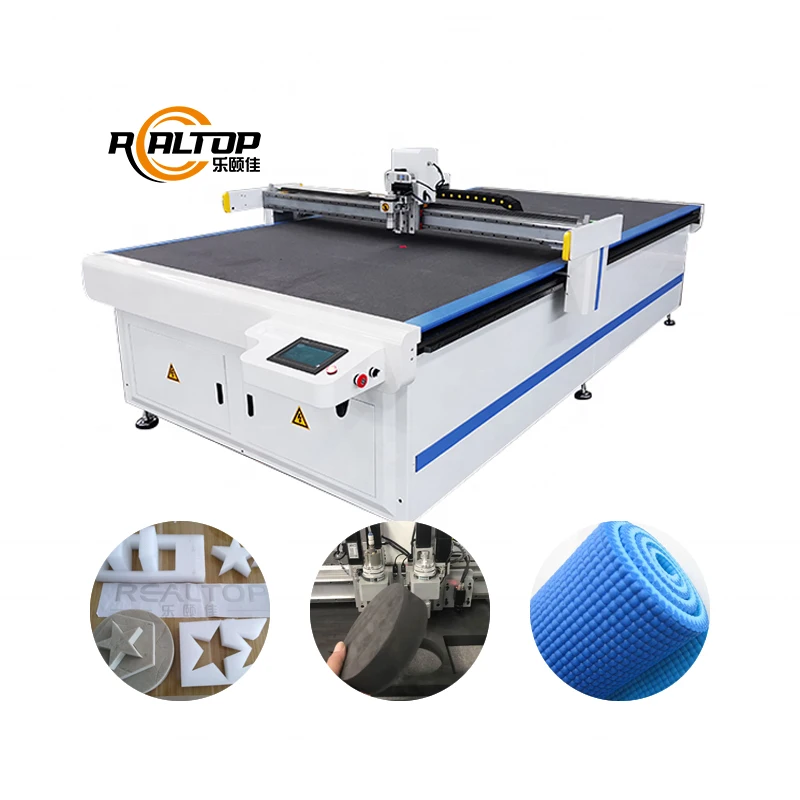
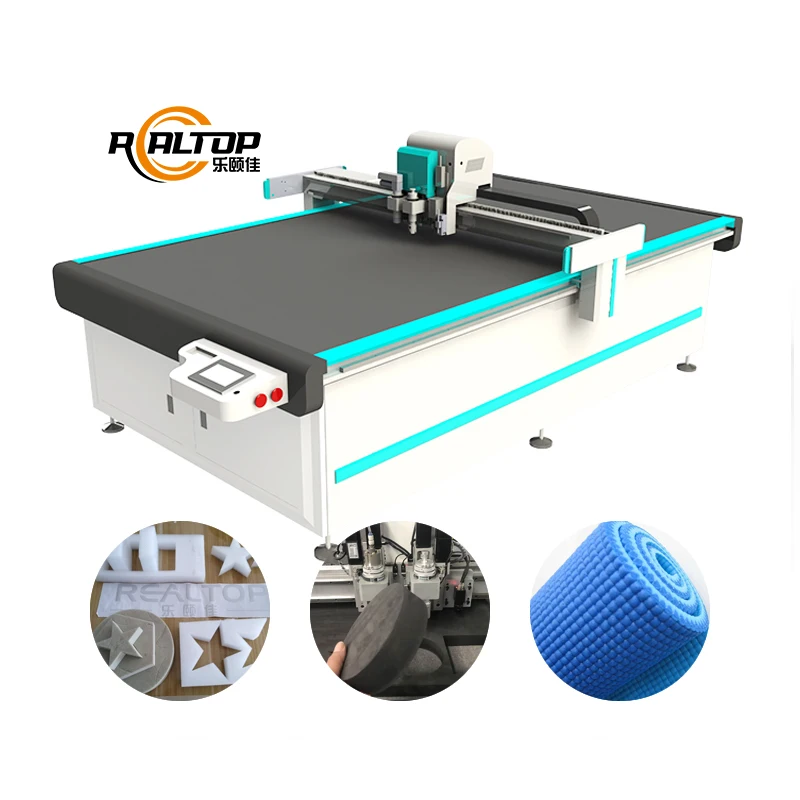
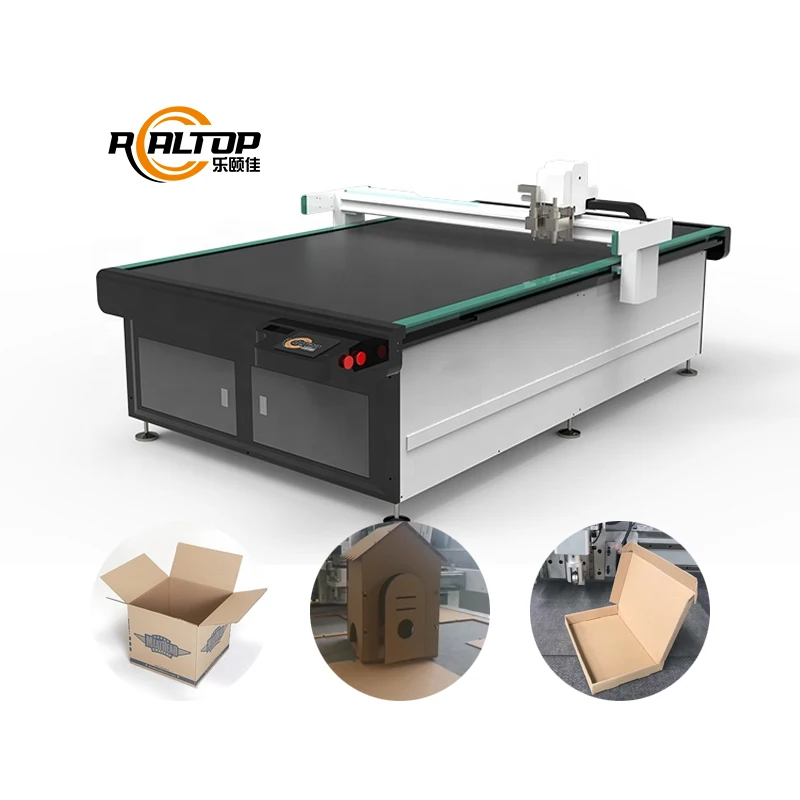
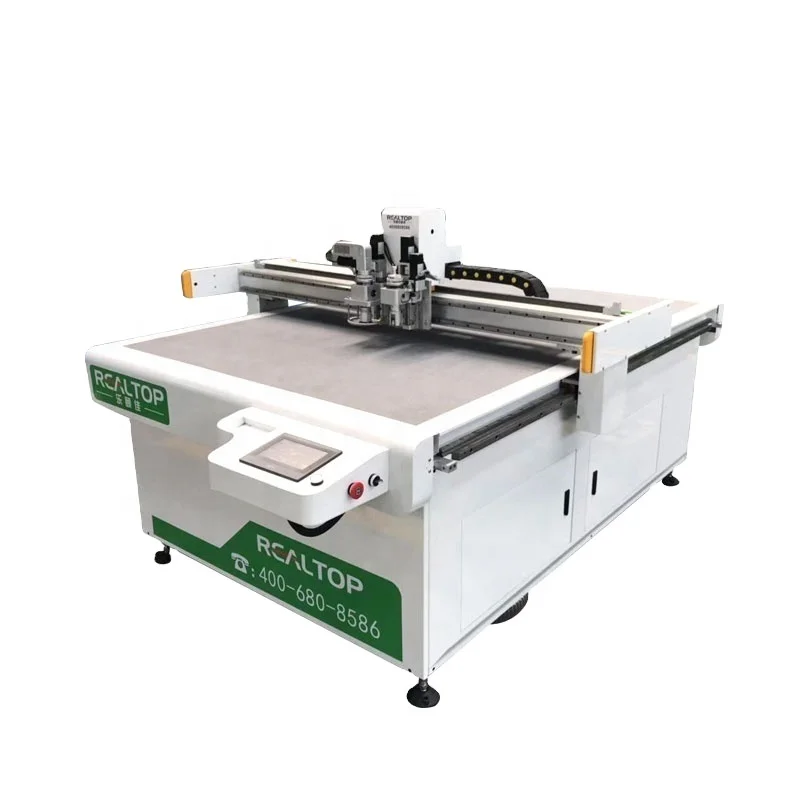
Precision-engineered cutting systems — every oscillating knife and vacuum zone specified to match your foam density and sheet dimensions, proven through in-house factory trials before shipment.
Technical Specifications
| Parameter | Value |
|---|---|
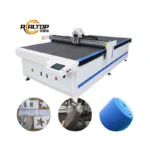
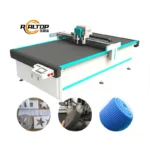
| Product Type | CNC Oscillating Knife Cutting Machine |
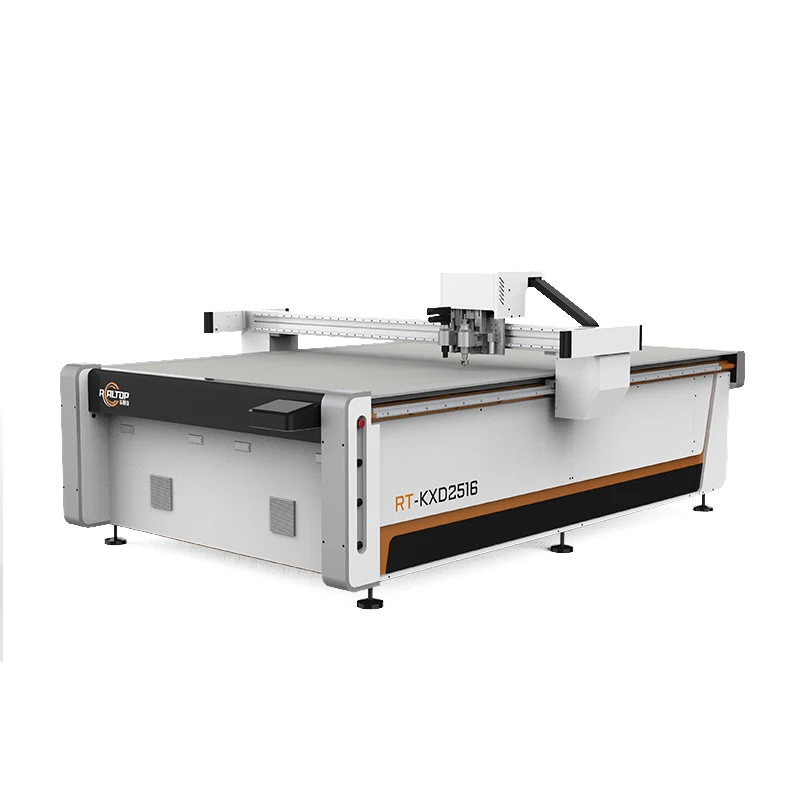
| Working Area | 1600 × 2500 mm |
| Machine Size | 3450 × 2300 × 1250 mm |
| Rated Power | 9 kW |
| Working Table | Flat vacuum adsorption table (magnesium-aluminum alloy, PVDF coated) |
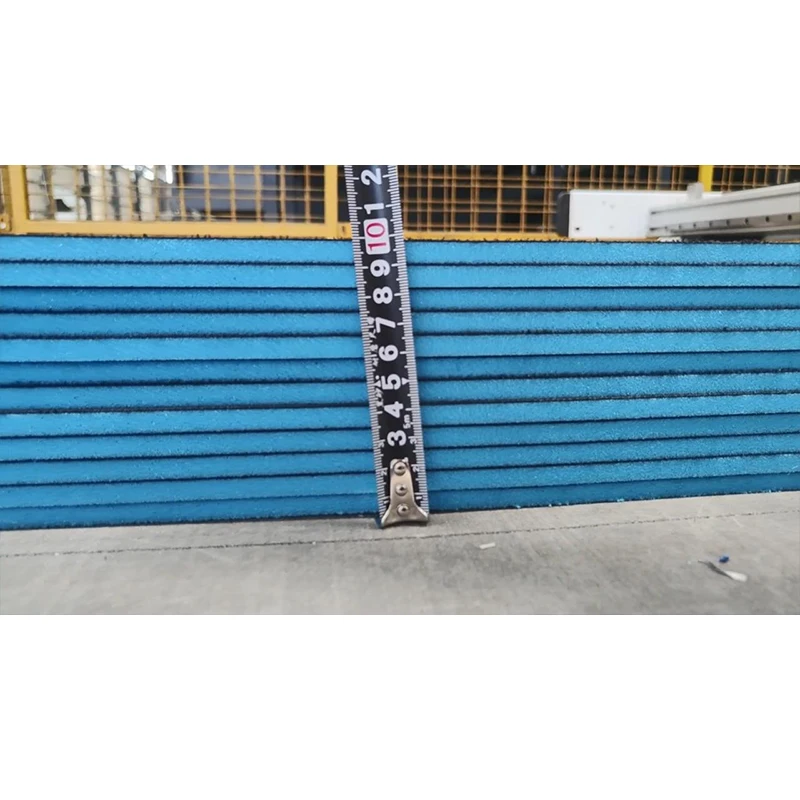
| Cutting Thickness | 20 mm – 80 mm (depending on material density and tool head) |
| Translational Velocity | 800 – 1200 mm/s |
| Repeated Accuracy | ≤ 0.1 mm |
| Transmission System | Digital servo motor, linear guide, synchronous belt, ball screw |
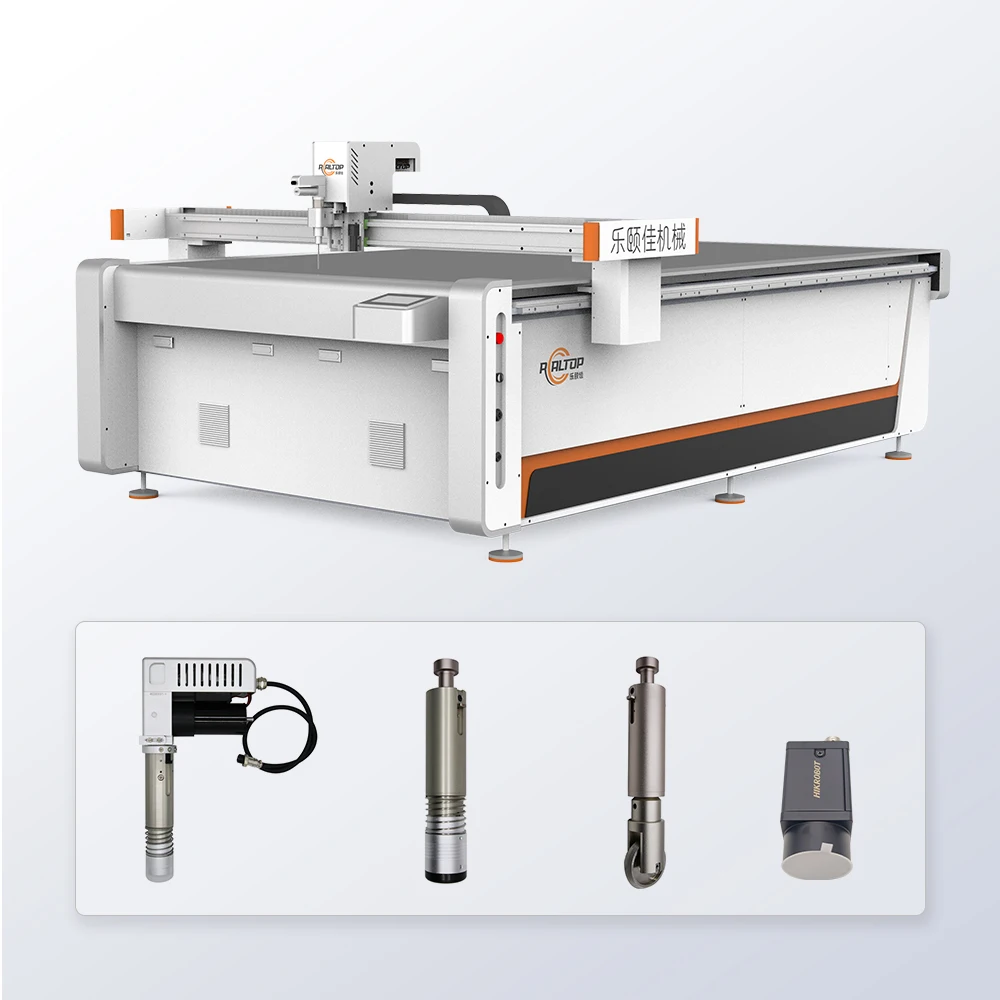
| Tool Head Options | Oscillating knife, pneumatic knife, high-power vibrating knife, circular knife, V-cutting knife, drag knife, creasing wheel, dotted line knife, punching, brush |
| Visual Positioning | Small CCD mark-point, panoramic camera recognition, projection positioning |
| Vacuum Pump | 7.5 kW, integrated aviation aluminum shell with built-in silencer |
| Instruction System | HP-GL compatible format |
| Voltage | 380V ±10% |
| Language Options | English, Russian, Italian, Chinese (custom languages available) |
| Safety Features | Infrared induction blocking, anti-collision, emergency stop |
Application Suitability
| Application | Material or Output |
|---|---|
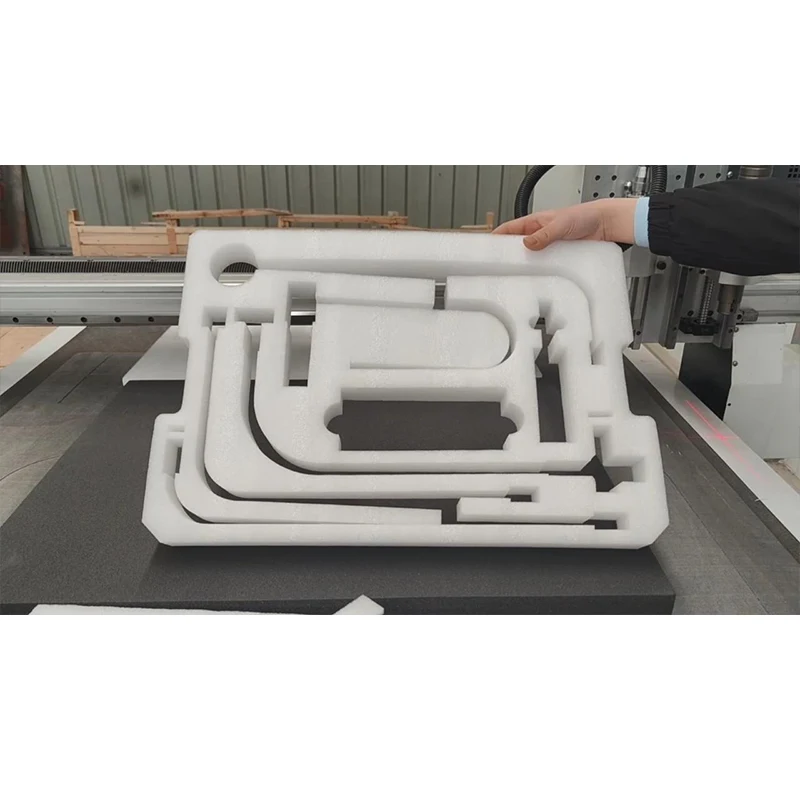
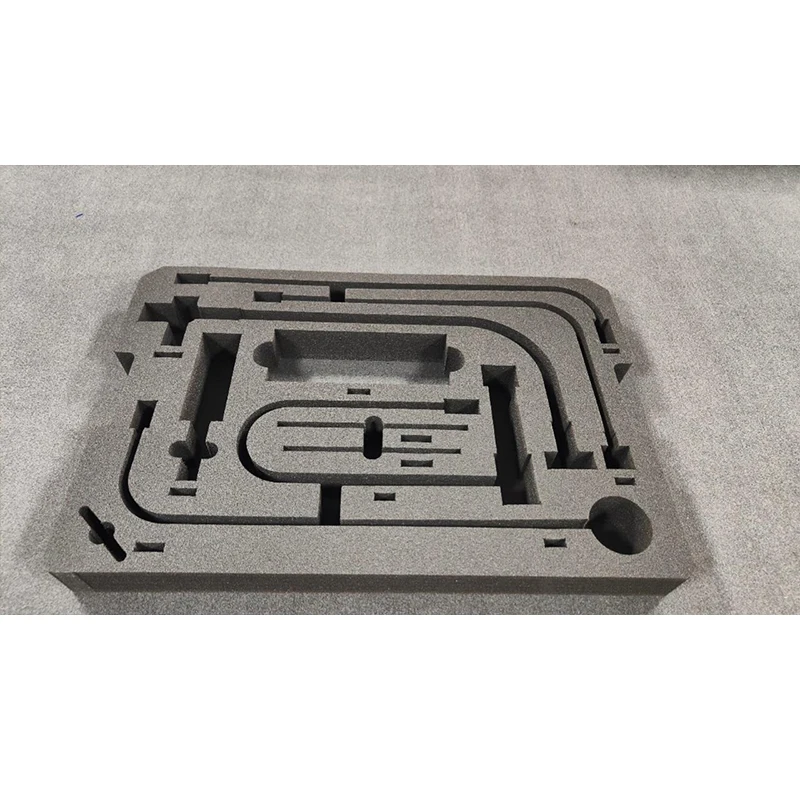
| Foam packaging and cushioning inserts | EVA, EPE, polyurethane foam, memory foam sheets |
| Automotive interior trim production | Leather, synthetic fabric, headliner composites, acoustic insulation |
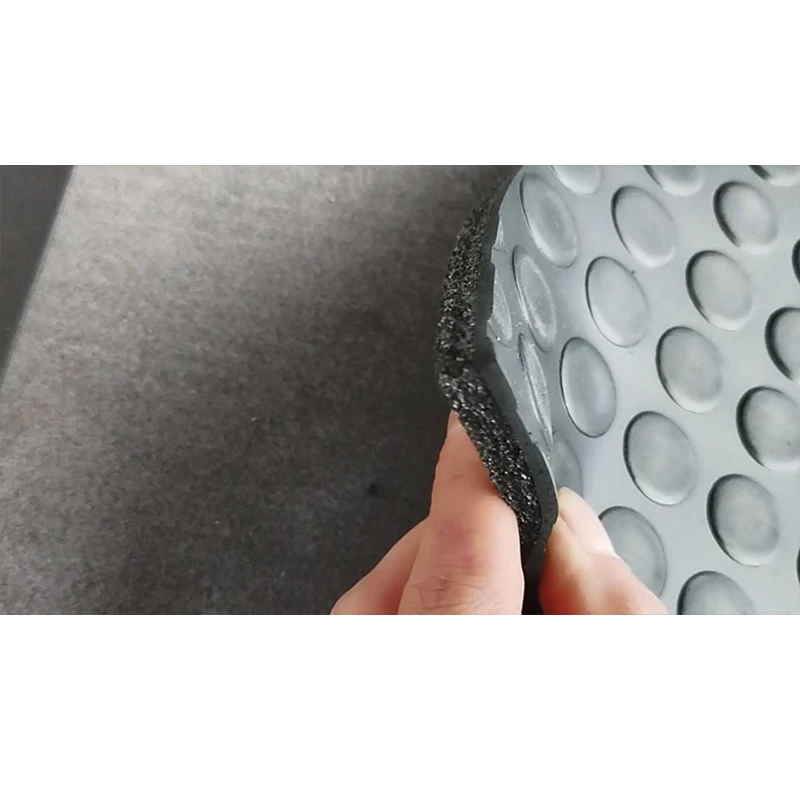
| Gasket and sealing pad fabrication | Silicone, rubber, cork, compressed fiber sheets |
| Soft furnishings and upholstery | Sponge composite leather, heavy textiles, bonded fabrics |
| Footwear and luggage components | Shoe insole boards, thermoplastic sheet, synthetic leather rolls |
| Sports and outdoor equipment | Neoprene, closed-cell foam, protective padding layers |
Why Foam Density Matters More Than Working Area
A 2500 mm bed means nothing if the knife cannot penetrate your material at full speed.
When a buyer specifies a machine by working area alone, the conversation often skips past the material’s actual cutting behavior. High-density EVA packaging inserts, for instance, demand a completely different tool head and oscillation frequency than soft polyurethane cushioning foam. I have seen machines configured for PVC soft board parameters attempt to cut dense EVA packaging lining — the knife simply could not penetrate cleanly, leaving torn edges across an entire batch of material. That mismatch between specification and reality is where production waste accumulates [NEED_CITE: material waste rates from incorrect tool configuration in foam fabrication]. A proper CNC oscillating knife cutting machine manufacturer will always confirm the cutting configuration against your specific foam type and density before finalizing any order.
Matching the Tool Head to Your Foam Type
The cutting head is where most configuration mistakes happen. An oscillating knife handles medium-density foam with clean vertical edges, while a high-power vibrating knife is better suited to denser closed-cell foams that resist standard oscillation. Pneumatic knives provide the downward force needed for thick rubber and composite gasket materials. For buyers running multiple foam types across production runs, the ability to swap tool heads without recalibrating the entire system is a practical necessity rather than a catalog feature.
Vacuum Table Zoning for Small Part Stability
Foam parts tend to lift during cutting, especially lighter-density pieces with large surface area exposed to the knife’s lateral movement. The magnesium-aluminum alloy vacuum table on this system features fluorocarbon PVDF powder coating for durability and is paired with a 7.5 kW pump to hold material flat across the 1600 × 2500 mm working area. Zoning control matters most when cutting small gasket pieces or intricate packaging inserts — without adequate localized suction, those parts shift mid-cut and dimensions fall outside tolerance [NEED_CITE: vacuum hold-down requirements for small foam part cutting].
Reading the Specifications for Real Cutting Performance
The stated cutting thickness range of 20 mm to 80 mm applies across different material densities, but actual achievable depth depends directly on foam density and the selected tool head. A 20 mm polyurethane foam sheet cuts differently from a 20 mm high-density EVA block, even at identical knife frequencies. The digital servo motor and linear guide transmission system maintains repeated accuracy within 0.1 mm, which is critical when cutting nested patterns where accumulated error across a full sheet can waste material. Translational velocity of 800–1200 mm/s represents the carriage travel speed, but actual cutting speed through dense foam will be lower to maintain edge quality. The HP-GL compatible instruction system accepts standard vector file formats, though buyers should verify that their existing nesting software output is compatible before committing to the machine.
The Hidden Cost of Wrong Configuration Choices
When a vacuum table lacks sufficient zoning, small foam parts lift during the final cuts of a nested pattern, forcing operators to manually reposition and recut — adding labor time and material waste to every sheet processed. An incorrectly specified tool head produces crushed foam edges rather than clean cuts, meaning downstream assembly teams receive parts that do not fit properly. Voltage and control language confirmed only after shipment creates delays at the receiving facility, where electricians and operators cannot commission the equipment immediately [NEED_CITE: commissioning delays from voltage mismatch in industrial equipment imports]. These configuration failures compound across production schedules and erode the efficiency gains that justified the machine purchase in the first place.
Why Buyers Source This Equipment from Our Factory
Our in-house design team covers both knife and laser cutting technologies, meaning a buyer cutting foam can receive an honest recommendation on whether oscillating knife or another method suits their material best rather than being pushed toward a single technology. Every tool head and table configuration is specified per material type and production volume, documented in the configuration list before production begins. CCD camera positioning systems are tested with actual printed contour samples to verify tracking at production speed. Software compatibility with the buyer’s existing file format and nesting workflow is confirmed before order placement. Sample cutting on the buyer’s own material is conducted and reported before any commitment to full production.
Documentation & Verification
- Machine specification sheet listing confirmed tool head and vacuum table zone layout
- Electrical schematic with voltage and plug type verified for destination facility
- Sample cutting report produced on your specific foam material and thickness
- Tool head and table configuration list matched to your daily production volume
- Factory test record documenting cutting accuracy and edge quality before dispatch
- Operation manual with control language set to your operator requirement
Installation, Commissioning & Support
- Flat foundation required; machine footprint 3450 × 2300 mm with clearance for material loading
- Dedicated 380V ±10% circuit with appropriate breaker rating for 9 kW rated power draw
- Arrives partially assembled; vacuum table and gantry require on-site alignment and leveling
- First-run parameter tuning includes oscillation frequency, knife depth, and vacuum zone calibration
- Operator training covers tool head changeover, file import, and nesting software workflow
- Spare parts list includes knife blades, vacuum pump seals, and guide rail lubrication schedule
What We Need to Move Your Inquiry Forward
To configure this CNC oscillating knife cutting machine correctly, provide your material type and exact thickness range along with typical sheet dimensions and daily cutting volume. Confirm the voltage standard and frequency at your facility, and specify the control language your operators require. If you have an existing nesting workflow or file format, share a sample file so we can verify software compatibility and conduct a cutting trial on your actual material.
Frequently Asked Questions
Q: How do I determine which tool head is right for my foam material?
A: Tool head selection depends on your foam density and thickness. Oscillating knives work well for medium-density foams, while high-power vibrating knives handle denser closed-cell materials. We conduct sample cutting on your actual material to confirm the tool head produces clean edges at the required speed before finalizing configuration.
Q: What is the real cutting thickness I can expect for different foam types?
A: The 20–80 mm range varies by material density and tool head combination. Low-density polyurethane cuts at the upper end, while high-density EVA packaging foam may require multiple passes or a specialized knife at lower thicknesses. We verify achievable depth through sample cutting on your specific material.
Q: Can the CCD camera reliably track printed marks during full-speed production?
A: The CCD system is tested with your actual printed contour samples to confirm mark tracking accuracy at operational speeds. Panoramic camera recognition and small mark-point positioning are both available. We validate performance on your printed material before shipment to avoid production-line failures.
Q: What voltage and language options are confirmed before the machine ships?
A: Voltage is configurable to match your facility supply, and control interface language is set to your operator preference before dispatch. Electrical schematics and plug specifications are documented and confirmed during the order stage so commissioning can begin immediately upon arrival.
You may also like

商品评价
Clear filtersThere are no reviews yet.