


-
 Courier delivery
-
 DHL Courier delivery
-
 Warranty 1 year
-
 Free 30-Day returns

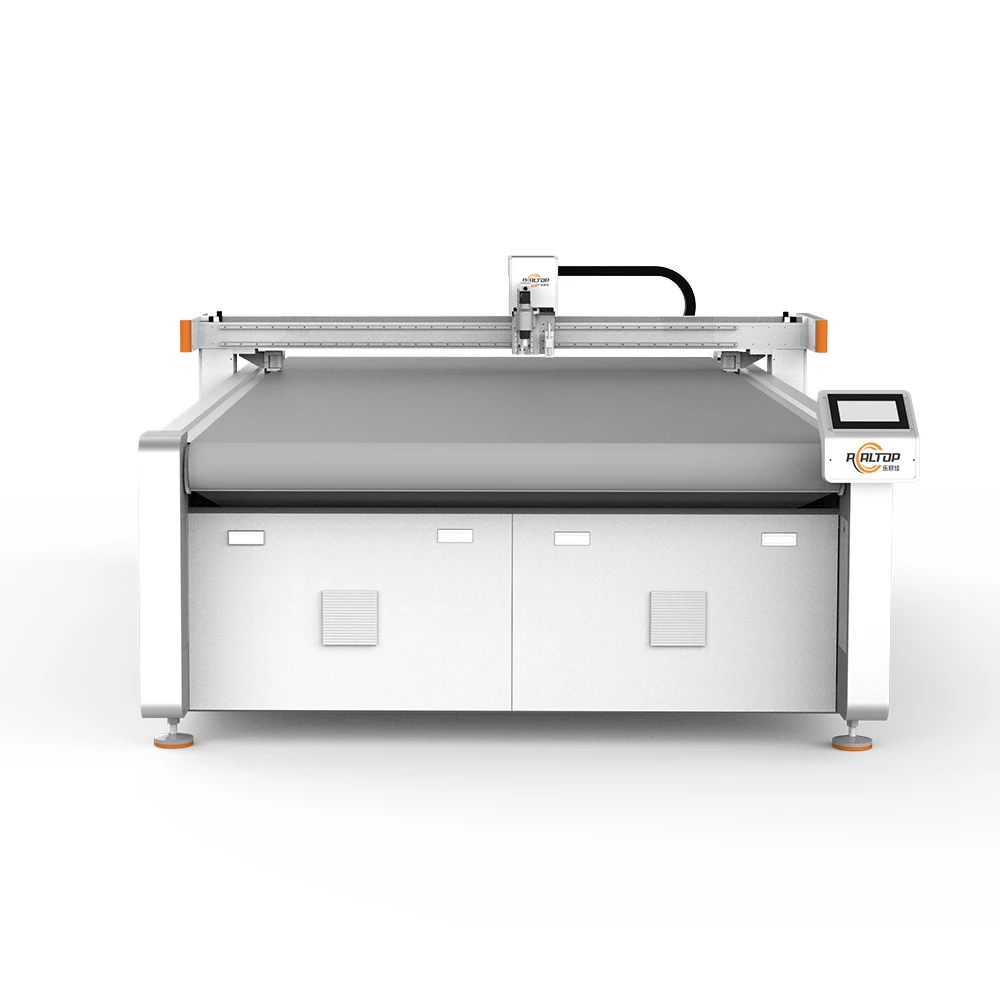
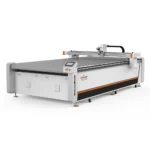
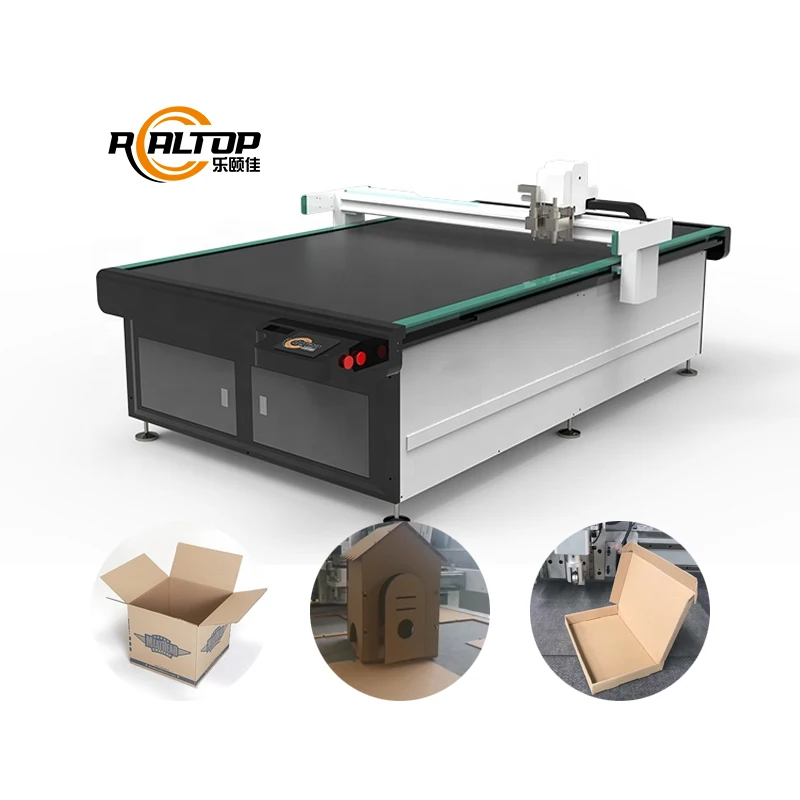
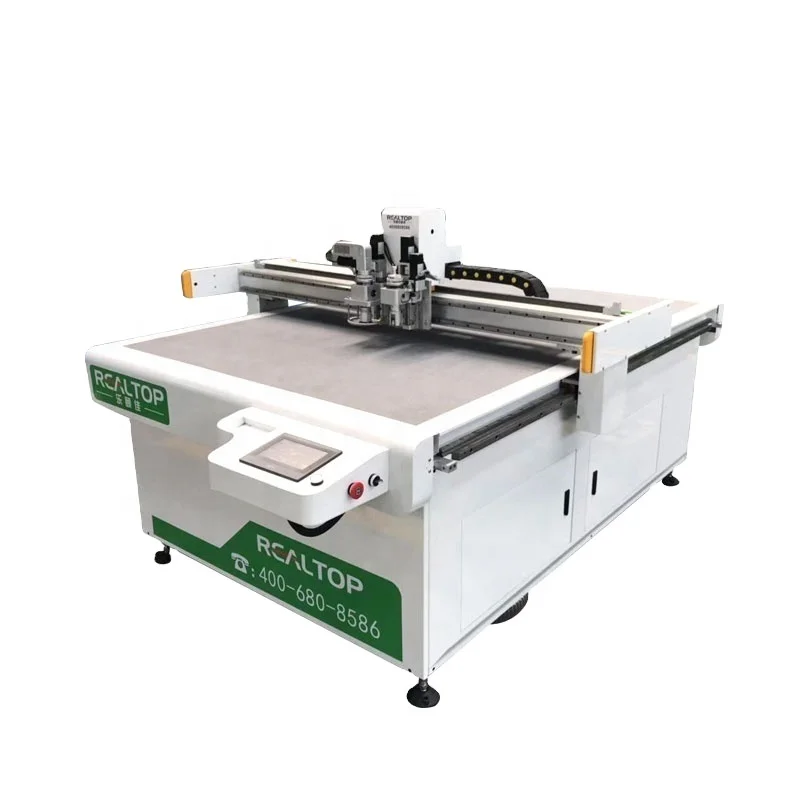
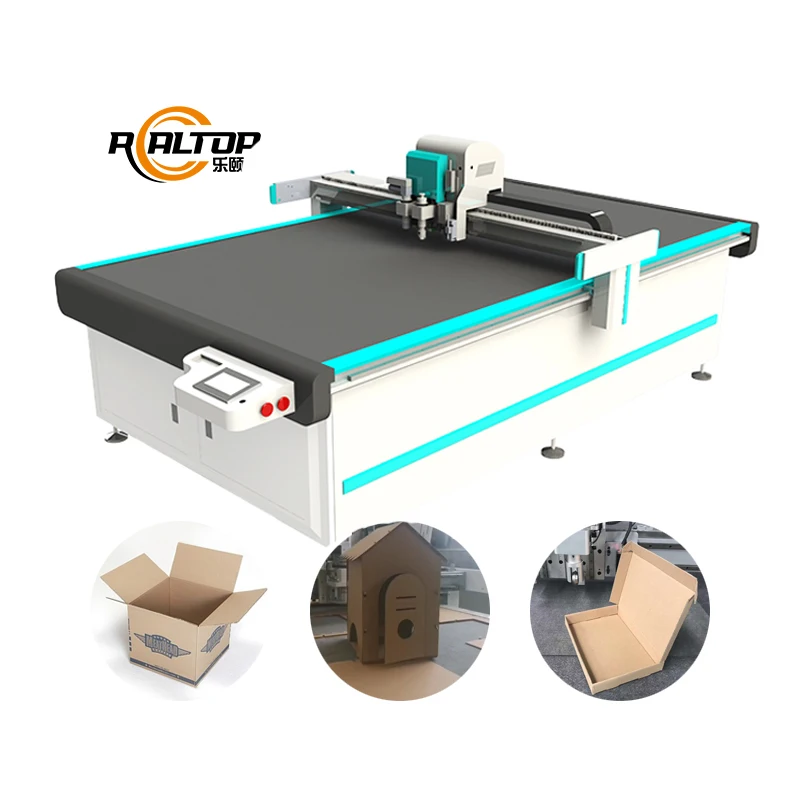
In-House Design & Build — Every CNC oscillating knife cutting machine we ship is developed by our own engineering team and assembled on our factory floor, eliminating the markup and communication gaps that come from outsourcing core components.
Technical Specifications
| Parameter | Value |
|---|---|
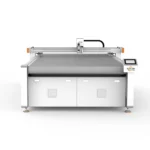
| Product Type | CNC Oscillating Knife Cutting Machine |
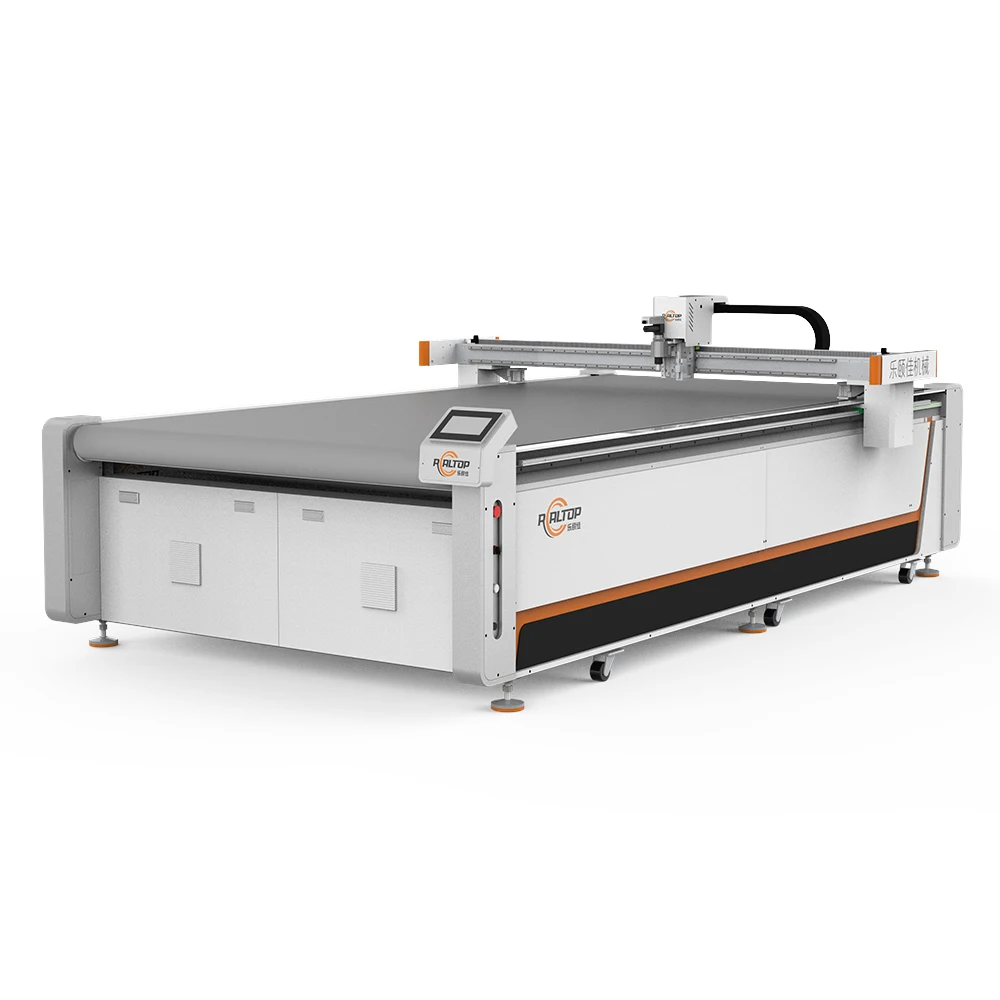
| Working Area | 1600×2500 mm |
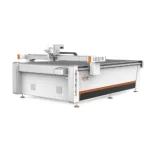
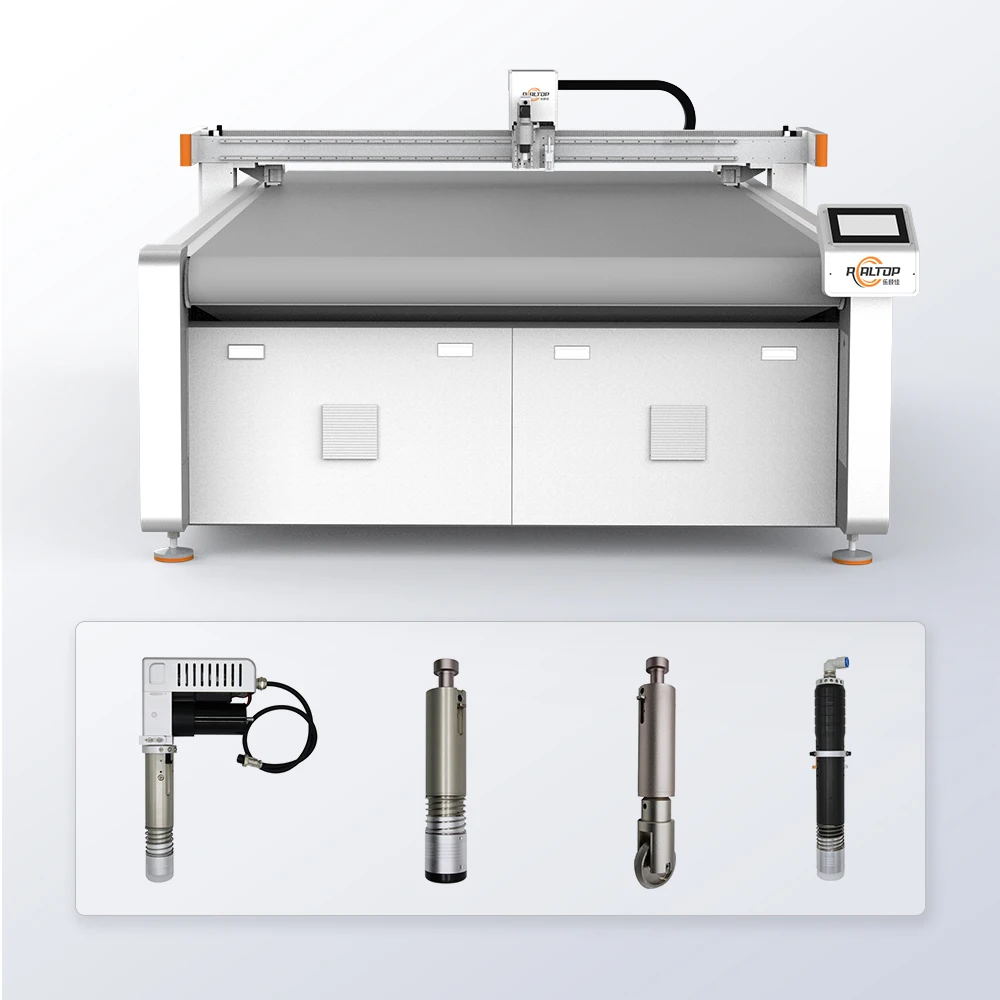
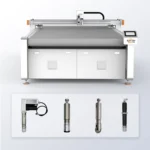
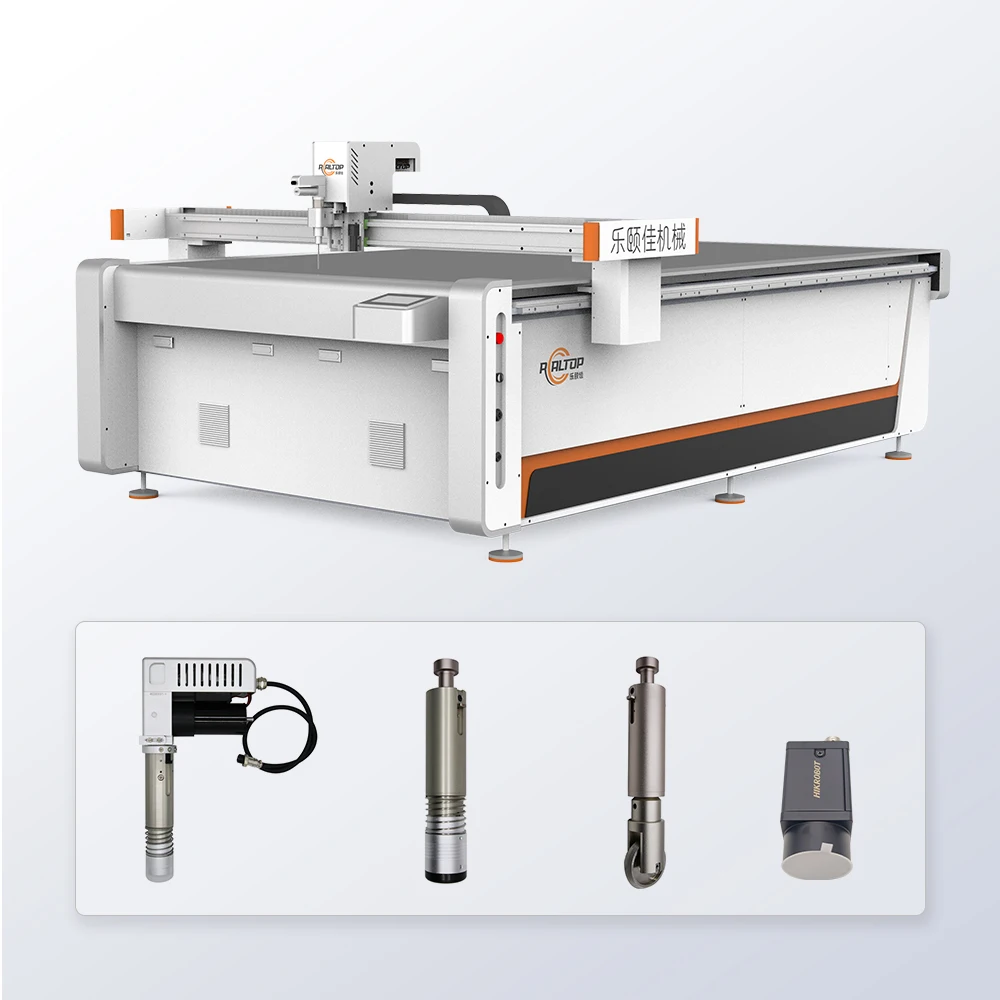
| Tool Head Options | Oscillating knife, Driven rotary knife, Creasing wheel, Kiss cutting tool, Pneumatic knife, Milling tool, V groove knife |
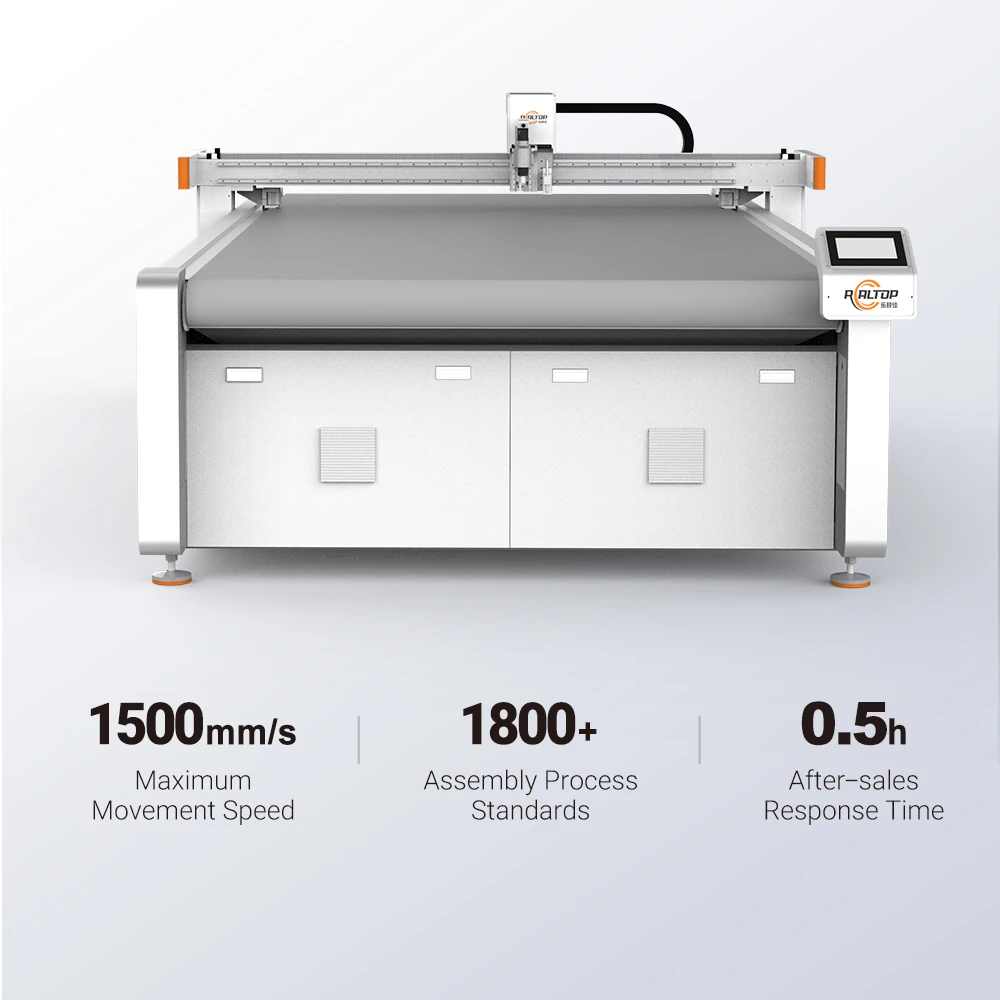
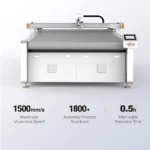
| Cutting Speed | 0–2000 mm/s |
| Cutting Thickness | ≤ 30mm (basis not stated in source) |
| Cutting Accuracy | ±0.1 mm |
| Vacuum Pump Power | 9 kW |
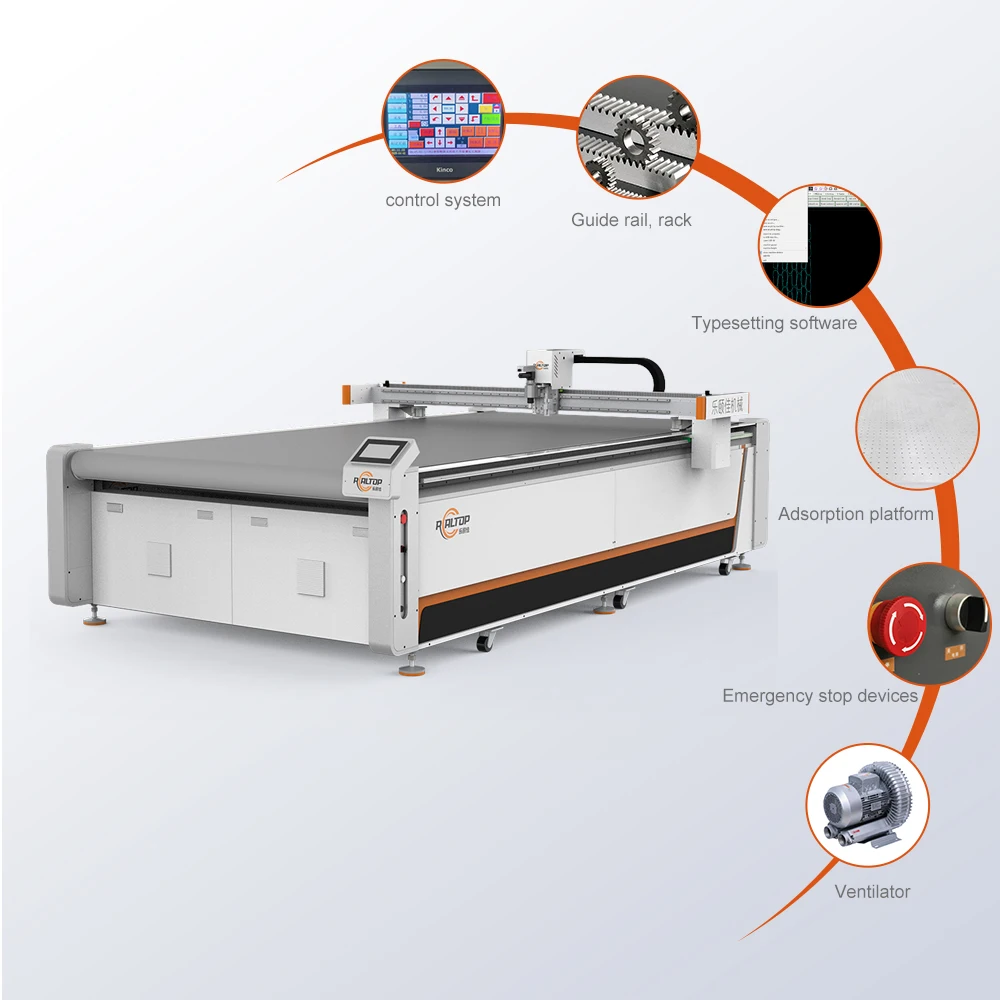
| Vacuum Table Type | Aluminum bellows vacuum table |
| Control System | PLC control panel |
| Servo Motor Options | Panasonic, Delta, Dorna |
| Voltage Options | 110V / 220V / 380V |
| Display Language Options | English, Russian, Italian, Chinese (custom languages available) |
| Compatible File Formats | PLT, DXF, AI, PDF |
| Safety Devices | Infrared sensor device, emergency stop device |
| Machine Dimensions | 3300×2100×1350 mm |
| Certifications | CE |
Application Suitability
| Application | Material or Output |
|---|---|
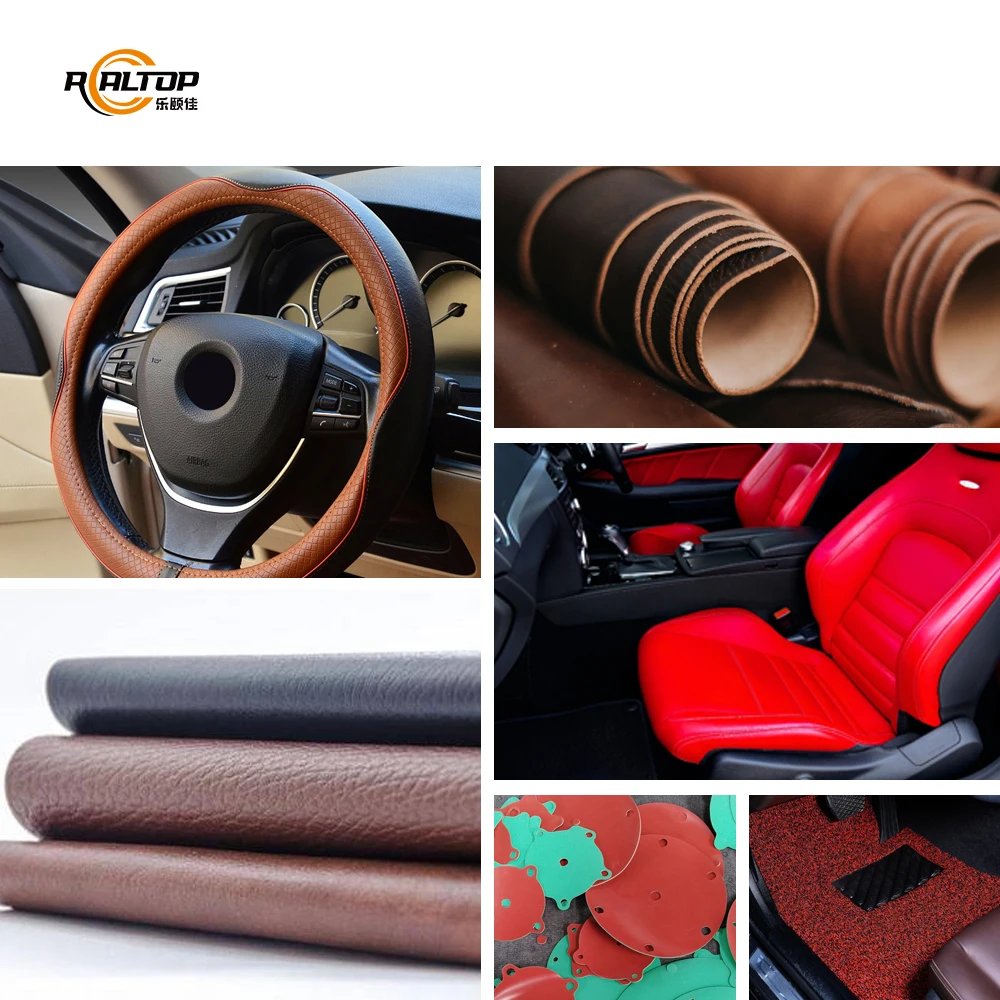
| Leather goods production | Genuine leather, PU, synthetic leather for shoe uppers, bags, and apparel |
| Automotive interior trimming | Car seat covers, car mats, dashboard leather wraps, and interior components |
| Upholstery and soft furnishings | Sofa fabrics, home textile composites, lampshade materials |
| Packaging sample making | Cardboard, corrugated board, foam board for gift boxes and cartons |
| Signage and advertising | PVC sheets, adhesive stickers, vehicle wraps, acrylic panels |
| Composite material fabrication | EPE foam, insulating materials, layered technical textiles |
When Vacuum Zoning Decides More Than Cutting Power
The hold-down method must match the smallest part in the nesting layout, not just the sheet size.
I remember walking through an automotive floor mat plant in Germany where a brand-new oscillating knife table was leaving small leather pieces uncut or dragged across the bed. The machine was specified entirely on its 1600×2500 mm working area, but the production mix included small logo inserts and heel grip shapes. The vacuum zones were too coarse to hold those pieces flat, so the knife lifted them on every pass [NEED_CITE: vacuum zoning requirements for small-part CNC cutting]. That is a specification failure, not a machine failure. Buyers who evaluate a CNC oscillating knife cutting manufacturer only on bed size and pump kilowatts end up discovering the real limitation weeks after installation.
Matching Tool Heads to Leather and Technical Textiles
A single tool head cannot process genuine leather, foam composites, and adhesive vinyl with the same edge quality. This system supports interchangeable heads including oscillating knife, driven rotary knife, creasing wheel, kiss cutting tool, pneumatic knife, milling tool, and V groove knife. For shoe upper producers working with full-grain hides, the oscillating knife delivers clean edges without crushing the grain layer. For packaging sample makers who need fold lines on corrugated stock, the creasing wheel produces scored creases without cutting through the flute. Choosing the right tool head is a material-level decision, and it must be confirmed before the machine leaves the factory.
How Contour Recognition Reduces Hide Waste
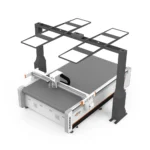
Genuine leather hides have irregular outlines and natural defect zones that a standard DXF nesting file cannot account for. The CCD camera contour recognition option scans each hide, maps the usable area, and adjusts the cutting path in real time. This matters especially for automotive seat cover producers and luxury bag manufacturers where material cost per square meter runs high. The system imports PLT, DXF, AI, and PDF files directly, so the buyer does not need to rebuild design libraries when switching from manual die cutting to digital workflow [NEED_CITE: CCD contour recognition accuracy in leather hide nesting].
Reading the Specifications That Actually Matter on the Shop Floor
The aluminum bellows vacuum table provides a flat cutting surface across the full 1600×2500 mm area, which matters because leather hides and technical textiles deform on uneven beds. Paired with a 9 kW vacuum pump, the system generates sufficient hold-down force for heavy automotive floor mat rubber as well as thin PU synthetics. The ±0.1 mm cutting accuracy holds across the entire bed, which is critical when multiple pieces must stitch together in the downstream assembly of a car seat or sofa panel. Servo motor selection from Panasonic, Delta, or Dorna allows the buyer to align spare parts inventory with existing factory standards. The PLC control panel supports English, Russian, Italian, and Chinese natively, with custom language loading available for other export markets, reducing operator errors on multilingual production floors.
The Hidden Cost of Skipping the Sample Cut Test
When a buyer commits to a machine based on a spec sheet alone, the first real test happens after the container arrives and the machine is bolted to the floor. By then, discovering that the vacuum zoning cannot hold small irregular leather pieces, or that the oscillating knife leaves micro-tears on a particular synthetic blend, means weeks of downtime and material waste. Production targets slip while the buyer and seller exchange video calls to troubleshoot what should have been resolved with a physical sample cut [NEED_CITE: material testing procedures before CNC equipment purchase].
Why Source This Machine From the Builder, Not a Broker
Our design team engineers both knife and laser cutting systems in-house, so a buyer processing leather hides and acrylic signage can get both methods specified correctly from one technical conversation rather than two separate vendors. Tool head and vacuum table configurations are locked in per material type and daily volume before production starts, not swapped as generic defaults. Every machine undergoes a factory test run on the buyer’s own material sample, producing a documented cutting report that verifies edge quality and achievable thickness. Voltage, plug configuration, and control language are confirmed against the buyer’s facility electrical schematic before the machine ships, eliminating on-site rewiring. Software licenses, file format compatibility, and nesting workflow integration are verified so the machine connects to existing production planning from day one.
Documentation & Verification
- Electrical schematic and voltage confirmation matched to the buyer’s facility power supply
- Factory test record documenting cutting results on the buyer’s submitted leather or textile sample
- Tool head and vacuum table configuration list specific to the buyer’s material and part geometry
- Software license certificate with file format compatibility note covering PLT, DXF, AI, and PDF
- CE declaration and packing photographs for customs and insurance documentation
- Operation and maintenance manual in the confirmed display language with spare parts list
Installation, Commissioning & Support
- Foundation requirements calculated from the 3300×2100×1350 mm machine footprint and dynamic cutting loads
- Dedicated electrical circuit planning for the 9 kW vacuum pump and servo motors at the confirmed voltage
- Delivery in partially disassembled state with guided reassembly and bed leveling on-site
- First-run parameter tuning including vacuum zoning calibration for the buyer’s actual smallest part size
- Operator training on tool head changeover, file import, and nesting software in the confirmed language
- Spare parts list covering oscillating knife blades, vacuum seals, and servo-compatible components
- Scheduled maintenance intervals for aluminum bellows table inspection and vacuum pump filter replacement
Preparing Your Inquiry
To get an accurate configuration, we need the material type, maximum thickness, and typical sheet or hide dimensions you process daily. Share the smallest part size in your nesting layout so we can design the vacuum zoning accordingly. Let us know your facility voltage, frequency, and preferred control language so these are locked in before production. If you have existing DXF or AI design files, send a sample set so we can verify software import and nesting compatibility ahead of your order.
Frequently Asked Questions
Q: How is cutting thickness verified against my specific leather or fabric before I place the order?
A: We run a sample cut using your actual material, documenting edge quality, achievable thickness, and cutting speed in a written test report. This report accompanies the quotation so you can evaluate results before committing to production. The test covers your thickest and most challenging material in the production mix.
Q: Which tool head is recommended for my material, and how is vacuum table zoning configured?
A: Tool head selection is based on your material type, thickness, and edge quality requirement. The aluminum bellows vacuum table is divided into zones matched to your smallest part size, ensuring adequate hold-down force for irregular shapes like shoe uppers or automotive interior inserts.
Q: What voltage, plug type, and control language will be confirmed before shipment?
A: We verify your facility voltage, frequency, and plug standard against the machine electrical configuration before production begins. The PLC control panel language is set to your preference from available options including English, Russian, Italian, Chinese, or a custom language loaded to match your operator team.
Q: Can the software import my existing DXF or AI files and work with my nesting workflow?
A: The system supports PLT, DXF, AI, and PDF file formats natively. Before shipment, we test your actual design files through the nesting software to confirm import accuracy, tool path generation, and compatibility with your existing production planning workflow.
Q: What does the factory test record cover, and can I send my own material for a sample run?
A: The factory test record documents cutting accuracy, edge quality, vacuum hold-down performance, and tool head behavior on your submitted material. You are welcome to send samples of your production materials, or arrange a visit to run tests in person on the assembled machine before it is packed for shipment.
You may also like

商品评价
Clear filtersThere are no reviews yet.