


-
 Courier delivery
-
 DHL Courier delivery
-
 Warranty 1 year
-
 Free 30-Day returns

Voltage-first configuration protocol — every RT-D2516/RT-S2516 order requires signed electrical schematics matching the buyer’s local grid parameters before the control cabinet leaves the assembly floor.
Technical Specifications
| Parameter | Value |
|---|---|
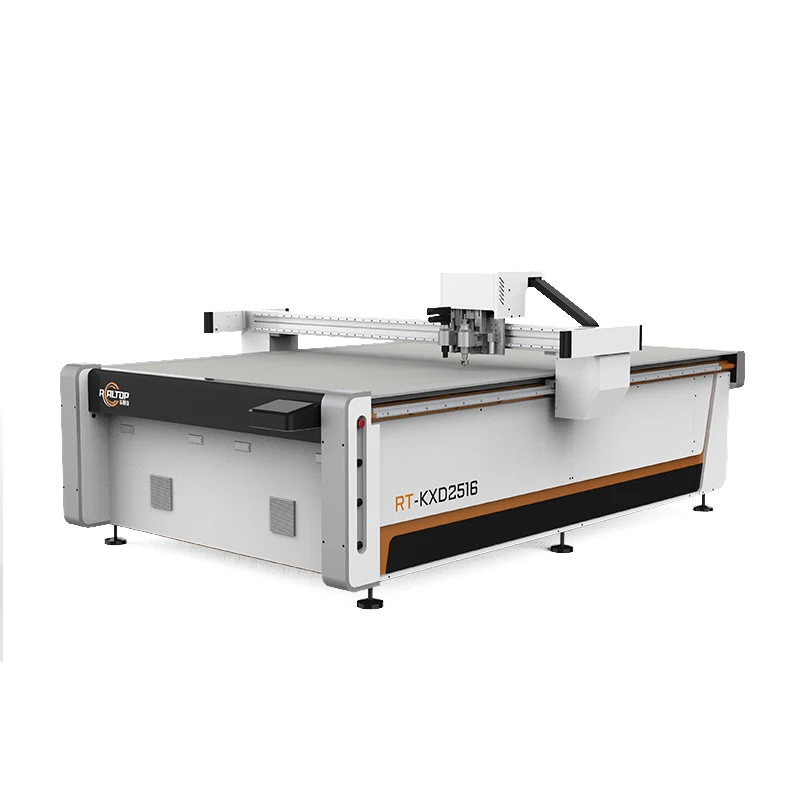
| Model | RT-D2516/RT-S2516 |
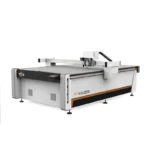
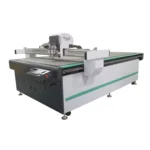
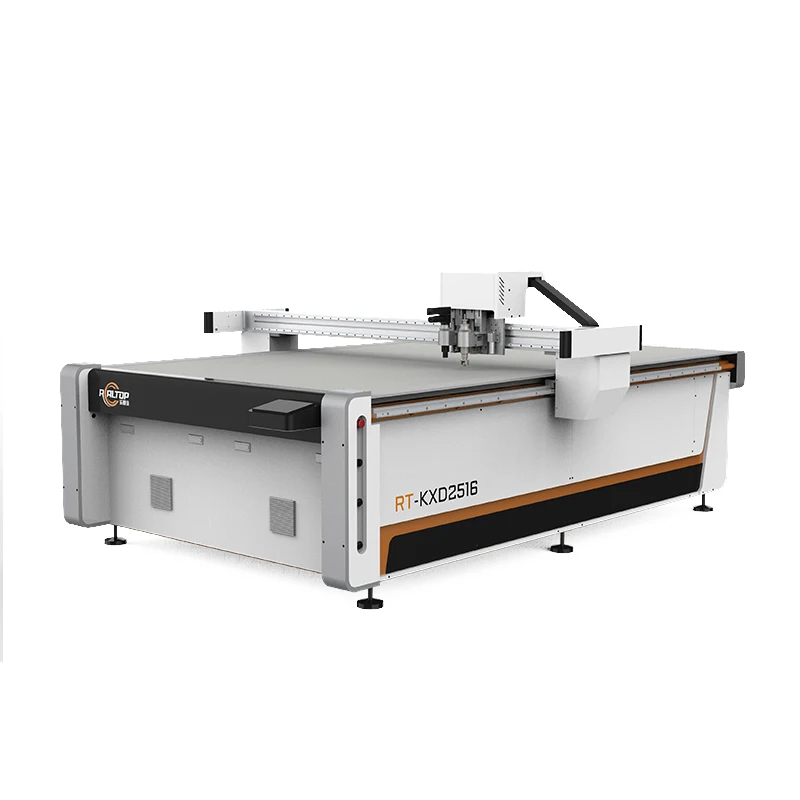
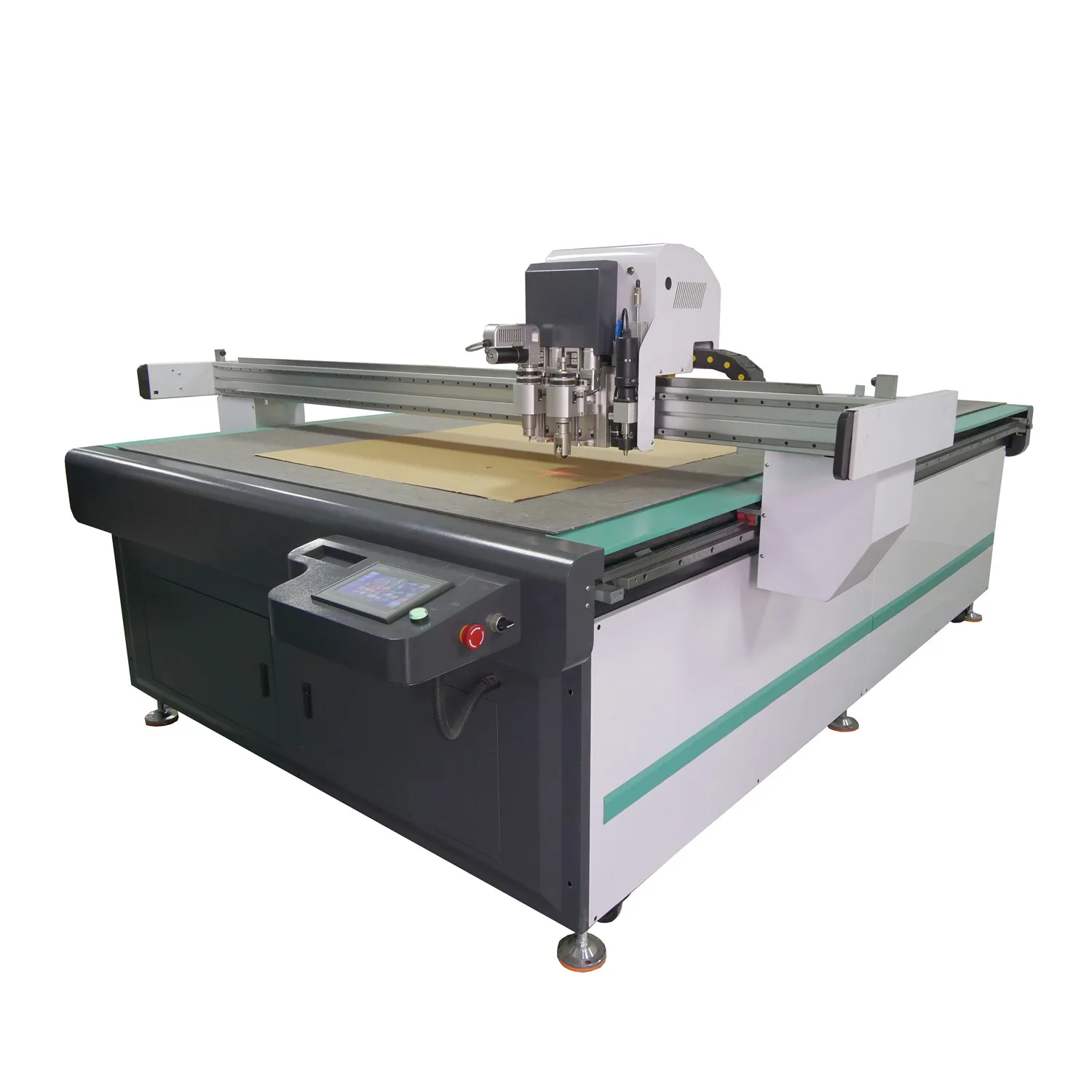
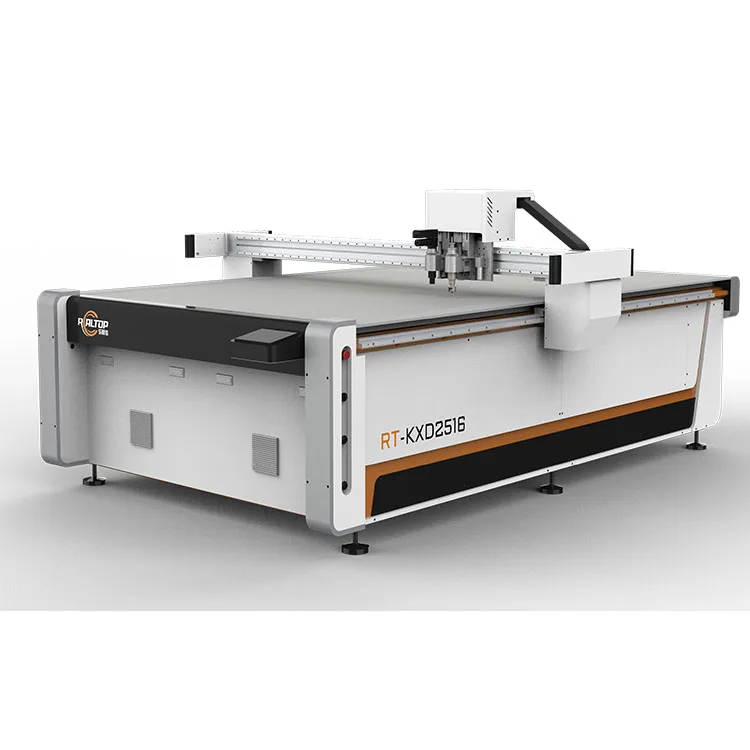
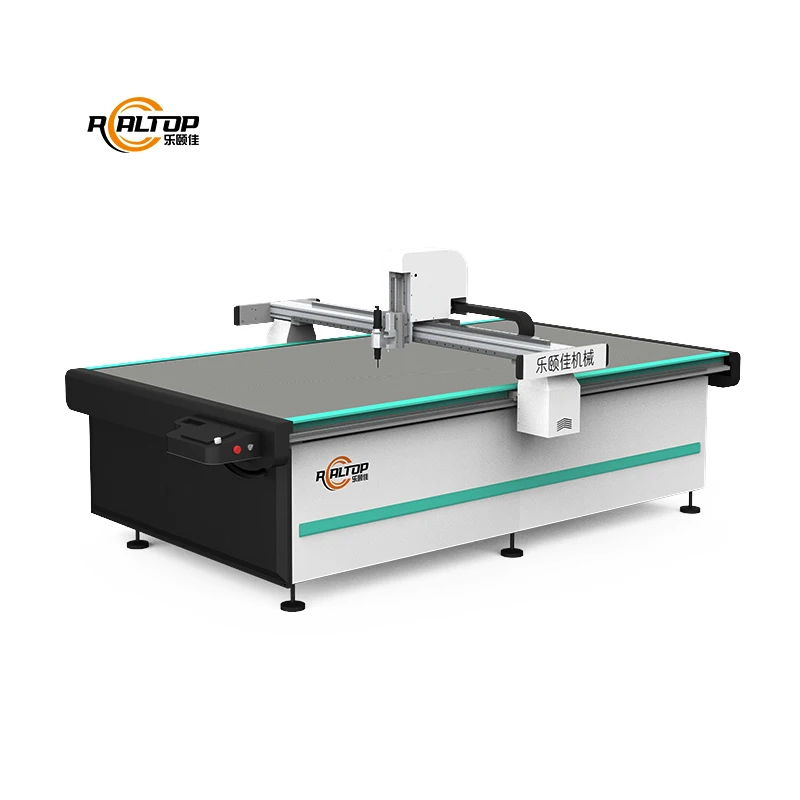
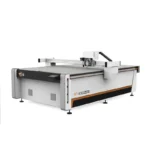
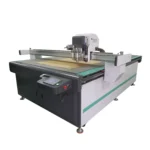
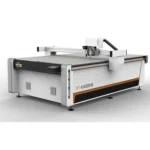
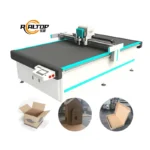
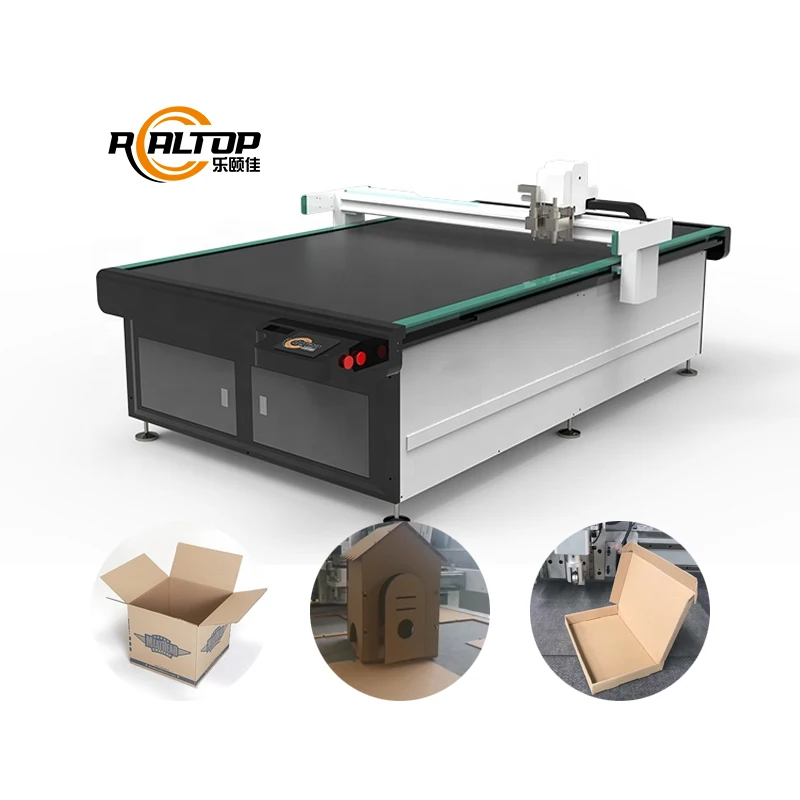
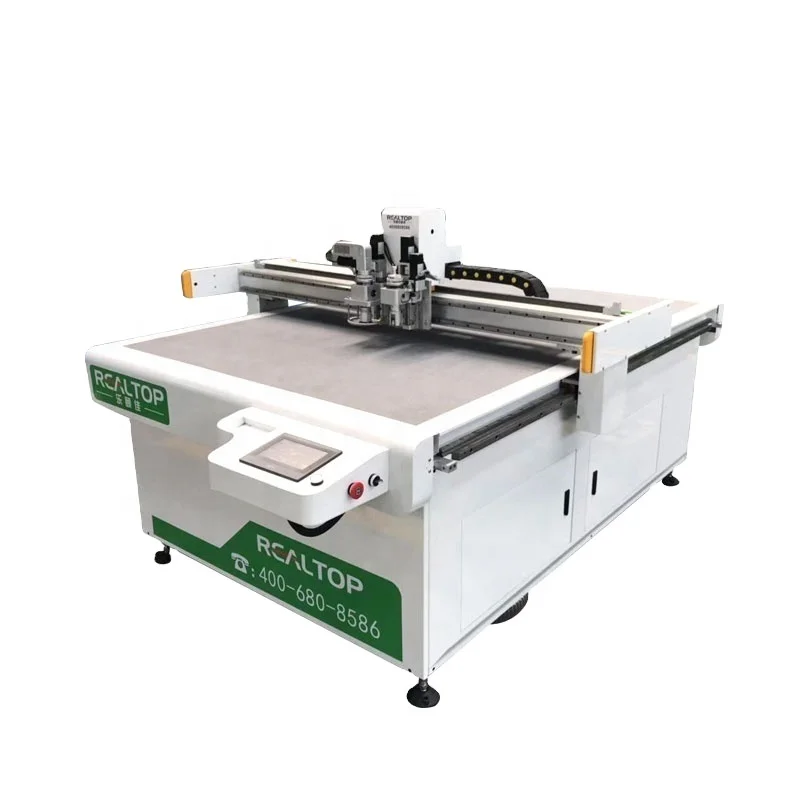
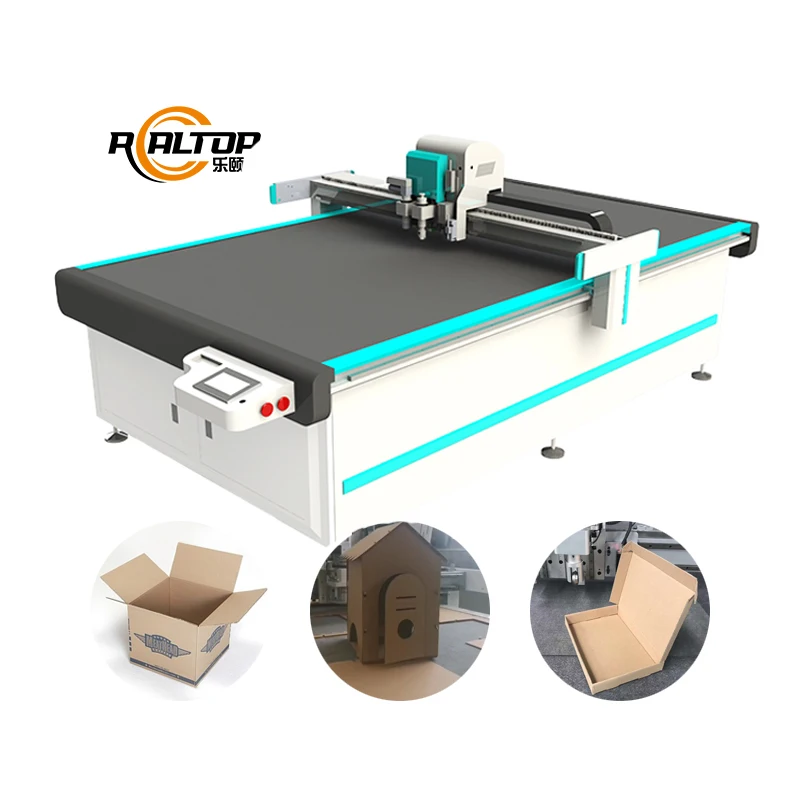
| Product Type | CNC Oscillating Knife Cutting Machine |
| Working Area | 1600 × 2500 mm |
| Machine Size | 3450 × 2300 × 1250 mm |
| Rated Power | 9 kW |
| Vacuum Pump | 7.5 kW |
| Table Type | Flat working table with aluminum honeycomb platform |
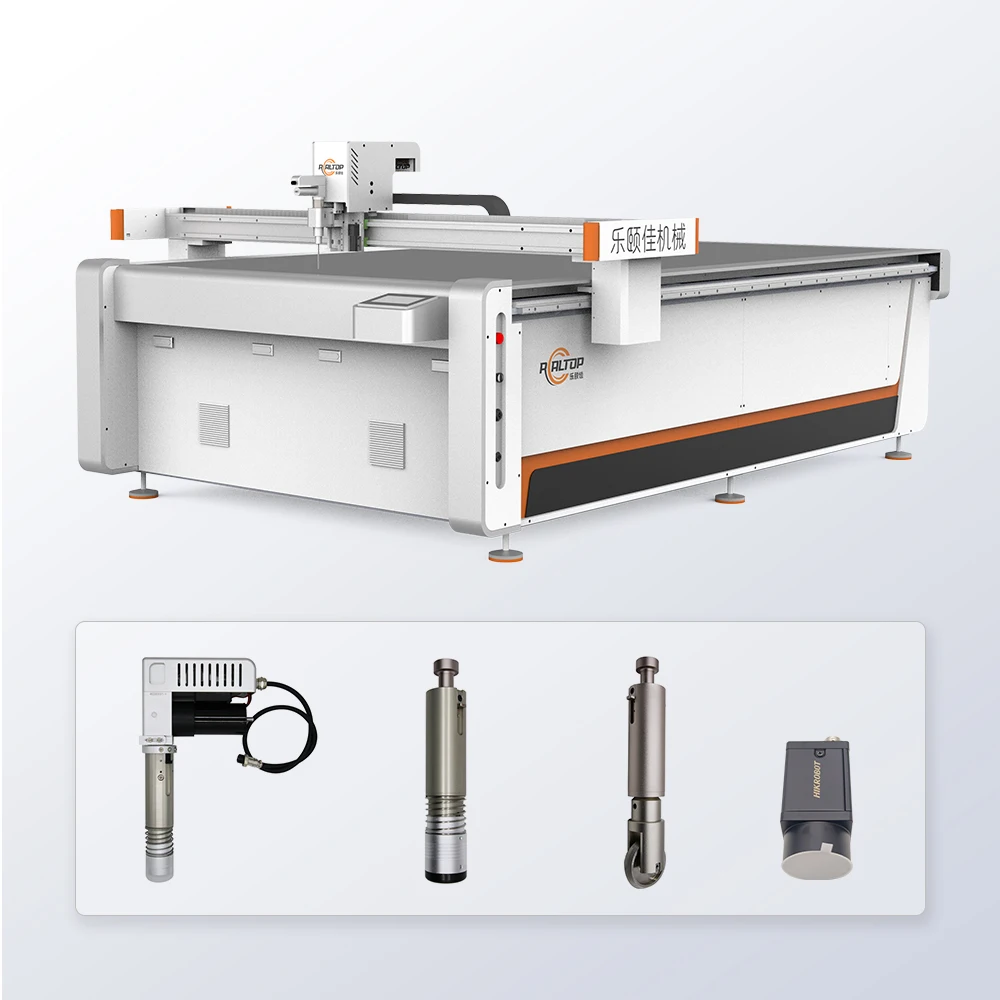
| Tool Head | Swiss imported oscillating knife with full cut, half cut, and cursor location |
| Transmission System | Digital servo motor, linear guide, synchronous belt, ball screw |
| Servo Motor | Delta servo motor |
| Guide Rail | Taiwan Hiwin linear guide |
| Repeated Accuracy | ≤0.1 mm |
| Translational Velocity | 800–2000 mm/s |
| Cutting Speed | 200–800 mm/s (basis to be confirmed by material type and thickness) |
| Conveyor Belt | Germany imported |
| Safety Device | Infrared sensors |
| Instruction System | HP-GL compatible format |
| Voltage | 380V ± 10% (configurable per export market) |
| Software | Professional carton nesting software, customized language support |
| Standards | CE declaration where applicable |
Application Suitability
| Application | Material or Output |
|---|---|
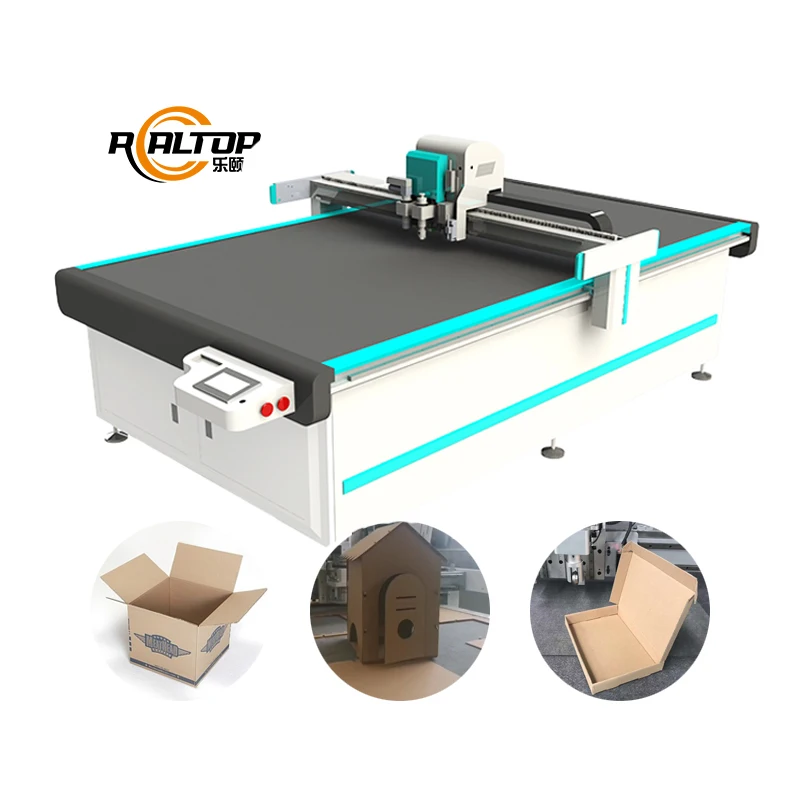
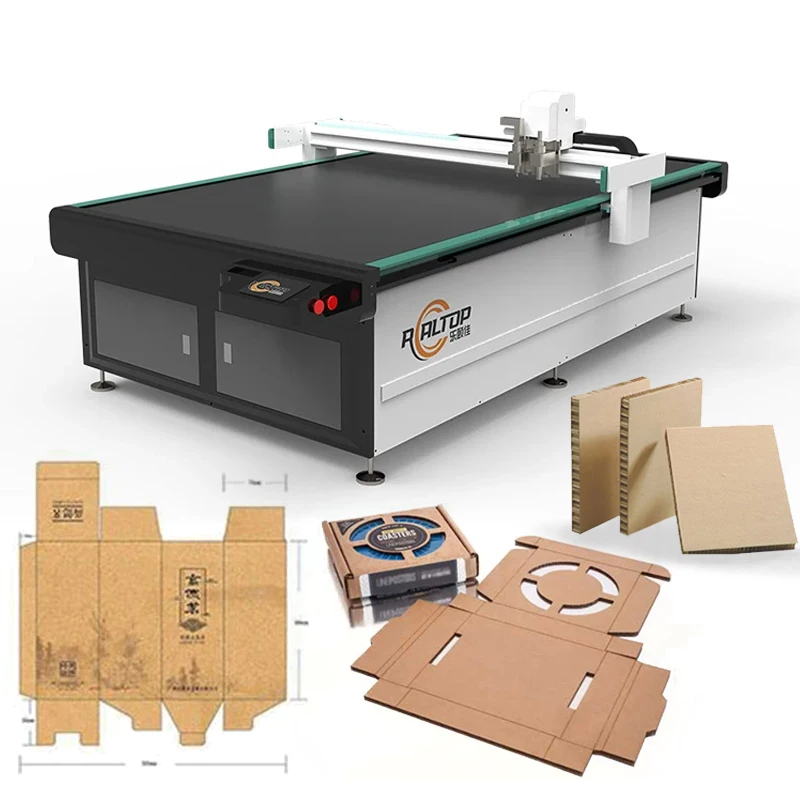
| Corrugated and honeycomb carton sample making | Single-face, double-wall, and triple-wall corrugated board |
| Packaging carton manufacturing | Folding carton stock, grey board, and white card up to production thickness limits |
| Express paper box and snack food packaging | Coated kraft, micro-flute, and lightweight corrugated formats |
| High-end gift box prototyping | Rigid board, magnetic closure stock, and laminated chipboard |
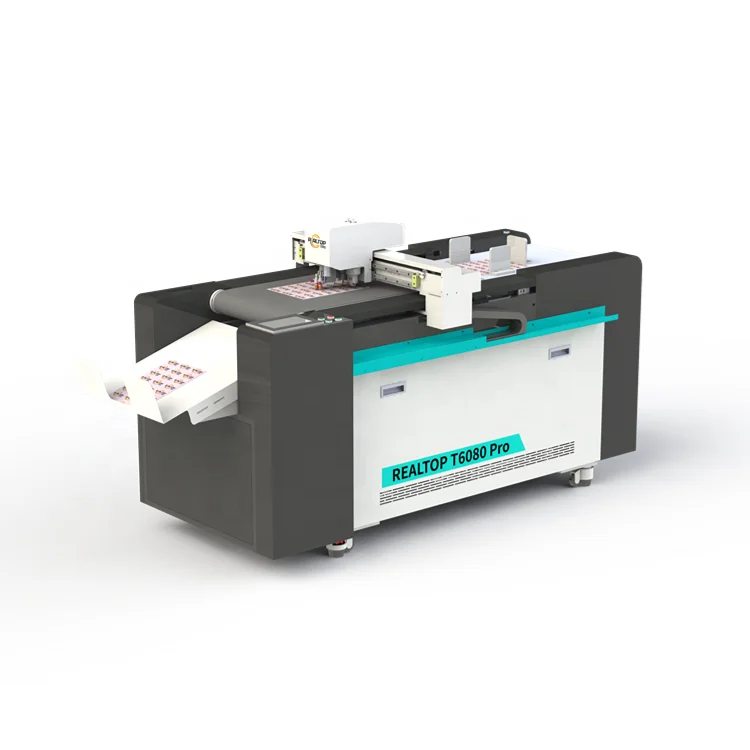
| Sticker and label contour cutting | Vinyl, self-adhesive film, and printed sticker sheets |
| Billboard and signage production | PVC foam board, KT board, and corrugated plastic |
| Flexible material fabrication | Leather, PVC soft sheet, sponge composite leather, silicon, and rubber |
Why the Voltage Question Should Come Before the Price on a CNC Oscillating Knife Cutting Machine
Industrial control cabinets do not negotiate with mismatched grid frequency.
I once watched a corrugated board line in central Mexico sit idle for three weeks because the motor drive was wound for 50 Hz while the local supply ran 60 Hz at 440V. The inverter flagged an over-voltage fault the moment the operator pressed start. That was a carton converting line, not a small sample table, but the principle is identical: a 9 kW cutting head and a 7.5 kW vacuum pump will both behave unpredictably when fed the wrong frequency. Every RT-D2516/RT-S2516 contract now carries a voltage and frequency confirmation sheet that must be signed before the electrical panel is wired [NEED_CITE: voltage and frequency standards by export market]. Skipping this step turns a factory acceptance test into a field repair project.
How the Tool Head Matches the Material Profile
The Swiss imported oscillating knife on this flatbed table runs three modes within a single tool path: full cut through the substrate, half cut for kiss-cut sticker work, and cursor location for pick-up marks. For a packaging sample shop that switches between 3 mm micro-flute and 0.5 mm vinyl on the same afternoon, the operator changes the stroke depth in software rather than swapping physical tooling. That flexibility is what makes a CNC oscillating knife cutting machine manufacturer worth specifying over a single-purpose plotter.
Why Repeatability Matters in Short-Run Carton Work
The Delta servo motor driving the Taiwan Hiwin linear guide holds repeated accuracy within 0.1 mm across the full 1600 × 2500 mm travel. When a buyer produces a creased and folded gift box prototype, the fold line must land on the same coordinate as the cut line every time the sample is re-run after a client revision. Drift beyond that tolerance shows up as misaligned crease marks on rigid board [NEED_CITE: CE machinery directive requirements for industrial equipment]. The synchronous belt and ball screw combination prevents the backlash that cheaper rack-and-pinion drives introduce after several hundred hours of direction reversal.
Reading the Specification Sheet Against Real Board Grades
A cutting speed window of 200–800 mm/s only tells part of the story. At the lower end, a triple-wall corrugated sheet with heavy flute density demands slow traversal so the oscillating blade clears the dust channel without tearing the liner. At the upper end, thin sticker vinyl on a release liner can run near the 800 mm/s mark because the half-cut stroke barely engages the backing paper. The 7.5 kW vacuum pump paired with the aluminum honeycomb table must generate enough zoned suction to hold small carton blanks flat without the edges lifting into the knife path. Software nesting in HP-GL compatible format lets the professional carton nesting software rotate and pack irregular shapes to maximize sheet yield before the first cut begins.
The Hidden Cost of Specifying a Table by Size Alone
A buyer who selects a 1600 × 2500 mm table based on sheet dimensions but ignores material thickness often discovers that the standard oscillating stroke cannot penetrate a 15 mm foam gasket in a single pass. The machine then requires multiple passes, doubling cycle time and wearing the blade prematurely. Another common mismatch is vacuum zoning: when a small sticker sheet sits in the center of a large table with all zones open, suction bleeds across the unused surface and the material shifts mid-cut [NEED_CITE: vacuum adsorption requirements for flatbed digital cutters]. Both problems are preventable if the tool head configuration and vacuum zoning are locked to the buyer’s actual material list before the order is released.
Why Procurement Teams Route Packaging Cutter Orders Through This Channel
In-house design covers the knife cutting technology end-to-end, so the tool head stroke, vacuum table zoning, and nesting software are developed as one system rather than bolted together from unrelated suppliers. The frame and motion components are assembled in a core factory that builds both knife and laser platforms, meaning a buyer evaluating a future switch to acrylic die-board cutting has a known upgrade path. Sample cutting runs on the buyer’s own corrugated or vinyl stock happen before the machine ships, producing a cutting report that documents speed, edge quality, and hold-down adequacy. Voltage, plug type, and control panel language are confirmed line by line on the electrical schematic, not assumed from a default list. The professional carton nesting software ships with a file format compatibility note so the buyer’s existing DXF or PLT workflow connects without middleware surprises.
Documentation & Verification
- Machine specification sheet listing confirmed tool head stroke, vacuum zoning map, and table dimensions
- Electrical schematic showing voltage, frequency, and breaker ratings signed against local grid data
- Sample cutting report produced on buyer-supplied corrugated board and sticker stock
- Software licence key with HP-GL format compatibility note and supported nesting file types
- Factory test record documenting repeatability measurement across the full working area
- Operation and maintenance manual in the confirmed control language with spare parts list
Installation, Commissioning & Support
- 3450 × 2300 mm footprint requires a level floor with clearance for the 7.5 kW vacuum pump exhaust routing
- 9 kW total load demands a dedicated 380V three-phase circuit with confirmed frequency before cabinet energization
- Machine ships in a single crate; the aluminum honeycomb table is pre-mounted, reducing on-site assembly to utility connections
- First-power commissioning includes servo tuning, vacuum zone calibration, and test cuts on buyer material
- Operator training covers nesting software import, tool head stroke adjustment, and infrared sensor safety checks
- Spare oscillating knife blades and conveyor belt segments listed in the parts schedule for first-year replenishment
What to Include With Your Inquiry
Send the material type, maximum board thickness, and the largest sheet size you plan to process so the tool head stroke and vacuum zoning can be matched before quotation. Confirm the local industrial voltage and frequency along with the preferred control panel language. If you run existing nesting or CAD workflows, share a sample output file so software compatibility is verified before the machine enters production.
Frequently Asked Questions
Q: How do I confirm the cutting thickness and speed for my specific board grade?
A: Provide a sample of your corrugated, honeycomb, or sticker material to the factory before order confirmation. The cutting lab runs the material on an RT-D2516/RT-S2516 table and returns a sample cutting report documenting achievable speed, edge quality, and whether a single-pass or multi-pass strategy is required for your thickness.
Q: Can the voltage and control language be set for my local market before shipment?
A: Yes. The electrical schematic is configured to the buyer’s confirmed voltage, frequency, and plug type before the control cabinet is wired. The control panel language and nesting software interface are set to the buyer’s preference and documented in the operation manual shipped with the machine.
Q: How do I choose between oscillating knife, drag knife, and creasing wheel for my packaging work?
A: Oscillating knife handles thicker corrugated and foam board where a clean through-cut is needed. Drag knife suits thin vinyl and sticker kiss-cutting. Creasing wheel scores fold lines on carton stock. The tool head configuration list in the quotation specifies which tools are included based on your material profile.
Q: Will the vacuum table hold small carton blanks without lifting during cutting?
A: The aluminum honeycomb platform uses zoned follow-cutting, meaning only the vacuum zone under the active cutting area is open. This concentrates suction on small parts. The zoning map is confirmed against your smallest blank dimension during the sample cutting stage before shipment.
Q: Is a factory test performed on my material before the machine ships?
A: A factory test record is generated using the buyer’s own material or an agreed equivalent grade. The record documents repeated accuracy across the working area, cutting edge condition after a defined run length, and vacuum hold-down performance, and is included in the shipment documentation package.
You may also like

商品评价
Clear filtersThere are no reviews yet.