


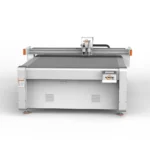
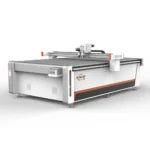
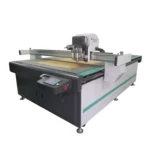
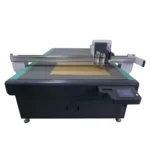


-
 Courier delivery
-
 DHL Courier delivery
-
 Warranty 1 year
-
 Free 30-Day returns

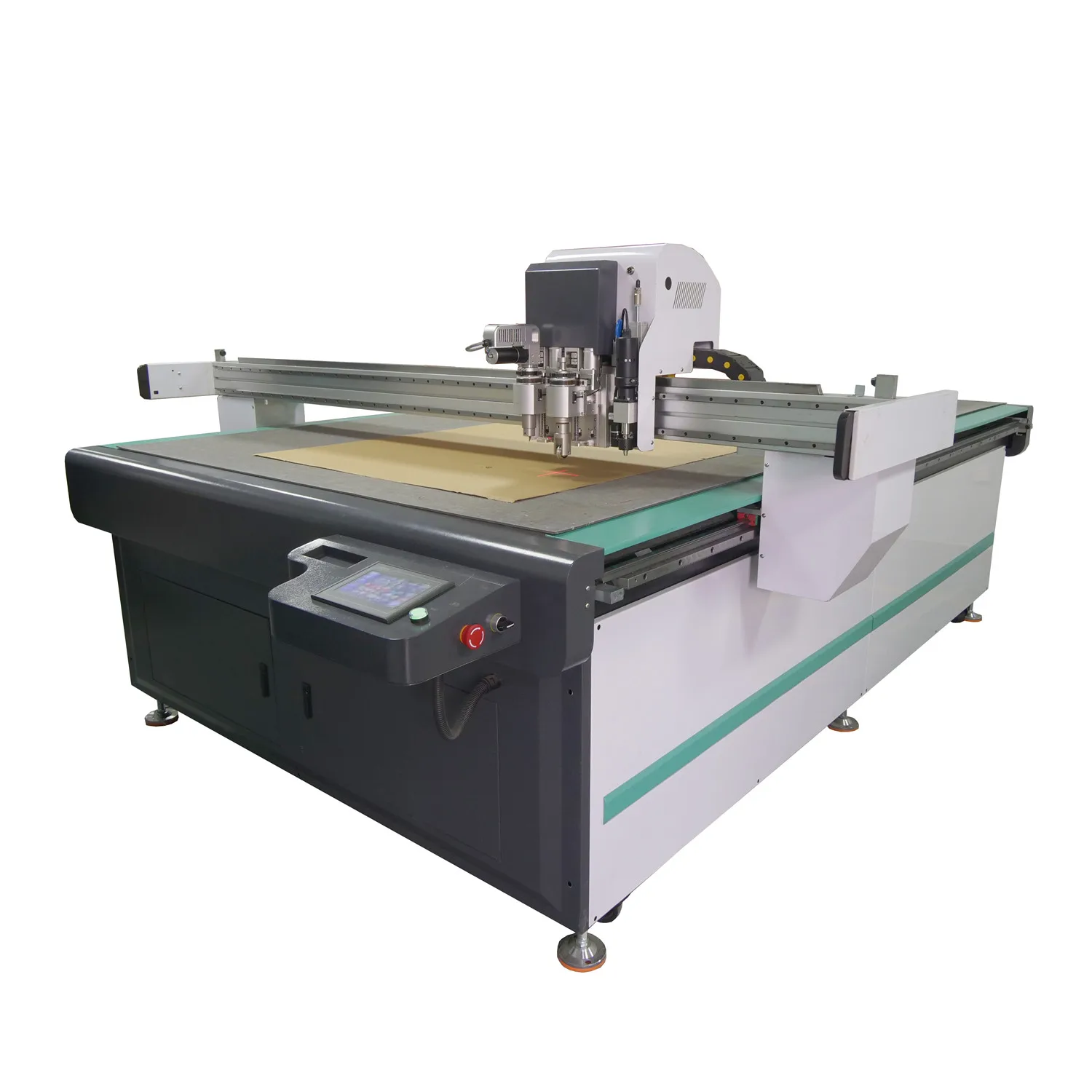
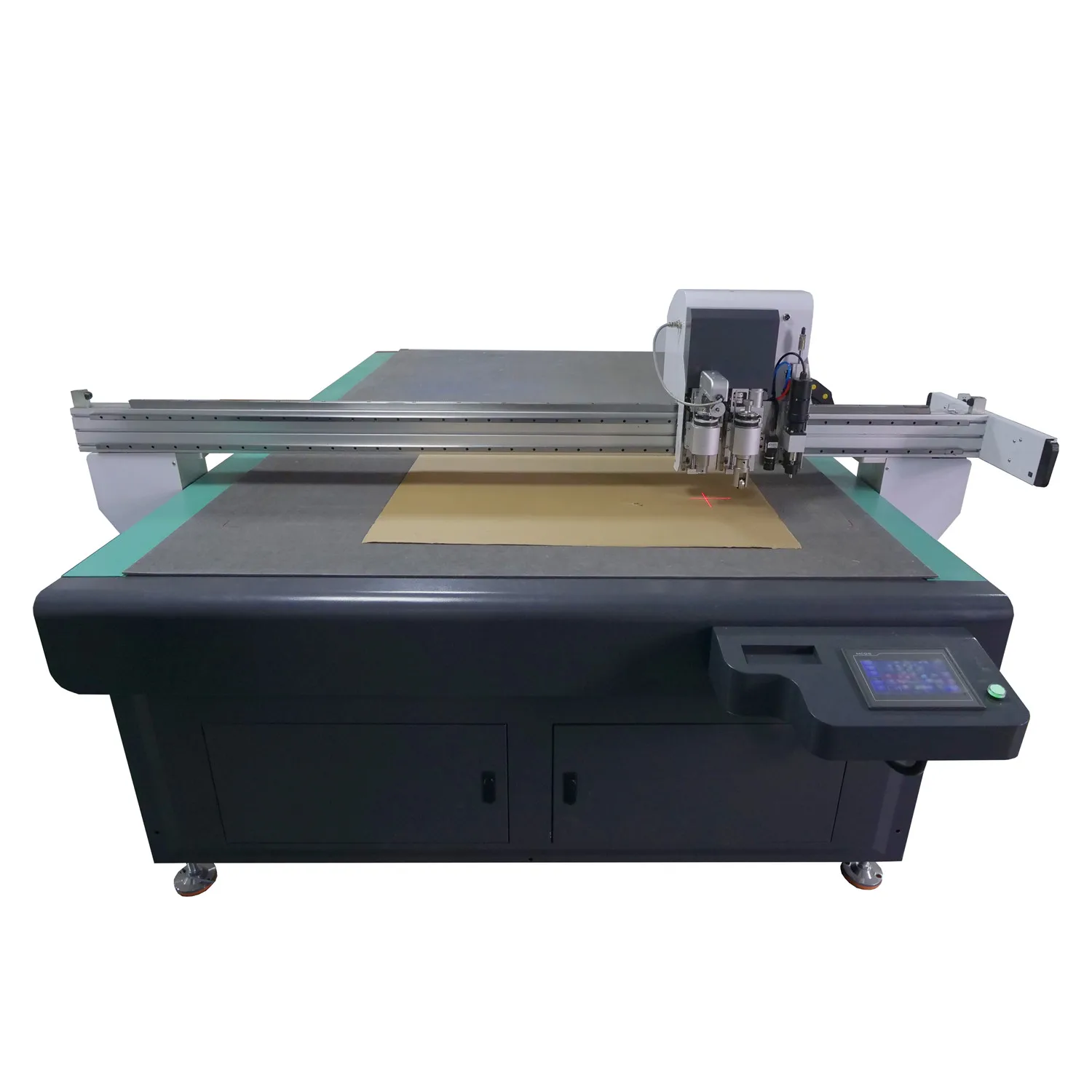
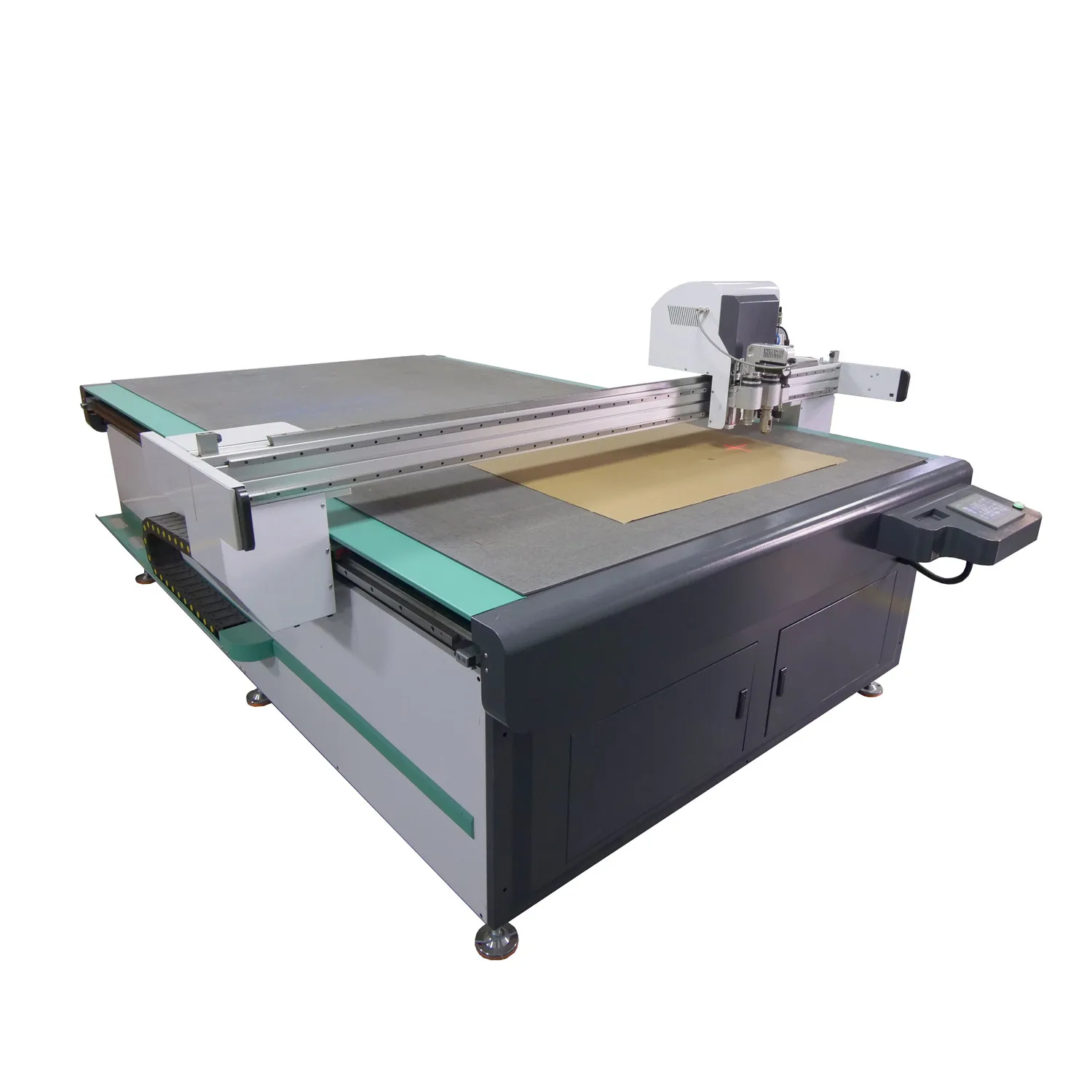
Swiss Imported Knife Configuration — validated on buyer’s actual material thickness and composition before order confirmation, not guessed from a spec sheet alone.
Technical Specifications
| Parameter | Value |
|---|---|
| Model | RT-D2516/RT-S2516 |
| Working Area | 1600 × 2500 mm |
| Machine Size | 3450 × 2300 × 1250 mm |
| Rated Power | 9 kW |
| Cutting Thickness | ≤100 mm (varies with material) |
| Translational Velocity | 800–2000 mm/s |
| Cutting Speed | 200–800 mm/s (material dependent) |
| Repeated Accuracy | ≤0.1 mm |
| Transmission System | Digital servo motor, linear guide, synchronous belt, ball screw |
| Tool Head | Swiss imported knife — vibration full cut, half cut, cursor location |
| Vacuum Pump | 7.5 kW |
| Control System Language | English, Russian, Italian, Chinese (customizable) |
| Voltage | 380V ± 10% |
| Instruction Format | HP-GL compatible |
| Key Features | Infrared safety sensors, Delta servo motor, Taiwan Hiwin rail, German conveyor belt, vacuum table with auto feeding |
Application Suitability
| Application | Material or Output |
|---|---|
| Carton sample making | Corrugated cardboard, greyboard, honeycomb paper |
| Short-run packaging | Folding carton stock, kraft paper, coated board |
| Sticker and label contour cutting | Self-adhesive vinyl, sticker sheets, pattern-contour printed media |
| Billboard and signage | Foam board, PVC sheet, corrugated plastic |
| Flexible material fabrication | Leather, PVC, sponge composite, rubber, soft glass, silicon |
| Express and snack food box prototypes | Lightweight corrugated, card stock, composite panels |
Why Material Thickness Is the First Question, Not the Last
A machine chosen only by working area often fails the moment it meets the actual stock on the shop floor.
I spent years on the assembly floor before moving into technical sales. Last year I configured a CNC Vibrating Knife Cutting Machine for a corrugated packaging customer — sample cuts on the board they sent ran clean. When the machine reached their facility, the daily stock turned out to be triple-layer EPE foam, and the knife head could not penetrate it. A spindle swap cost two full weeks of their production schedule. Since then, every order starts with a physical sample of the real material, tested in our Jinan workshop before any configuration is locked in. [NEED_CITE: material thickness and density variation across packaging grades]
How Tool Head Selection Decides Edge Quality
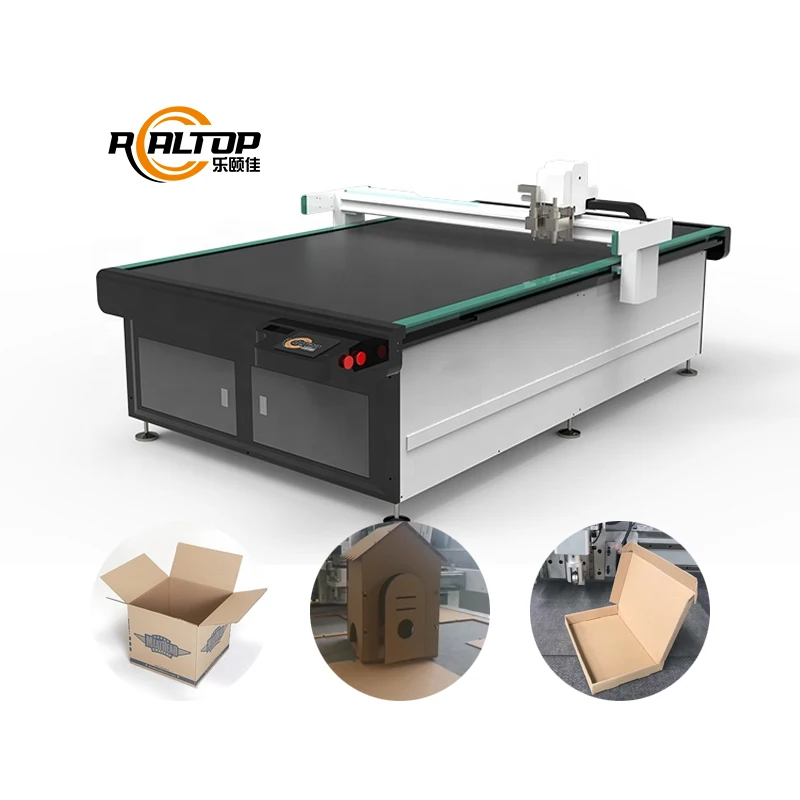
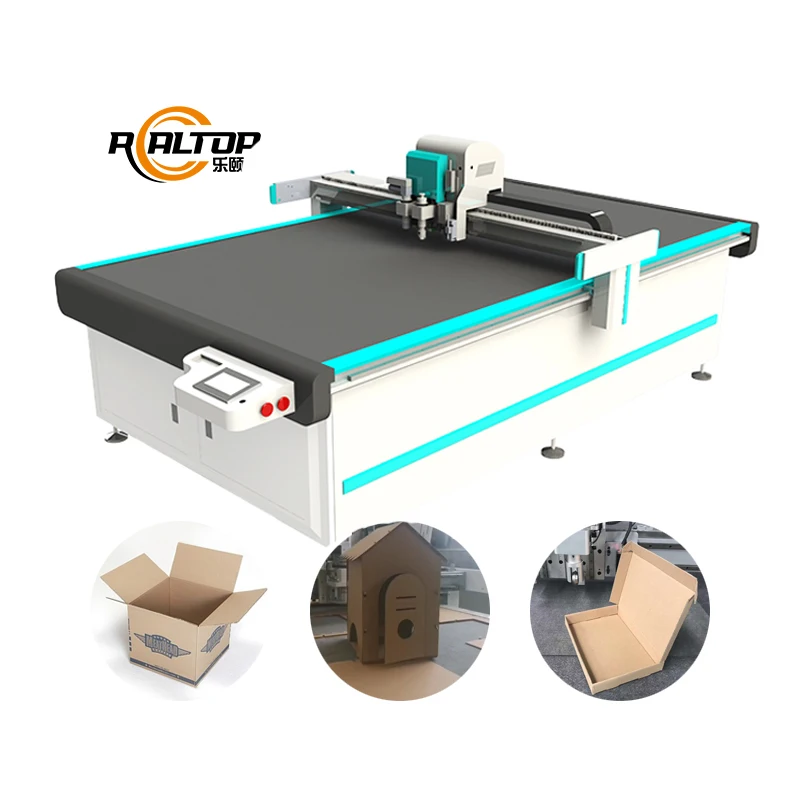
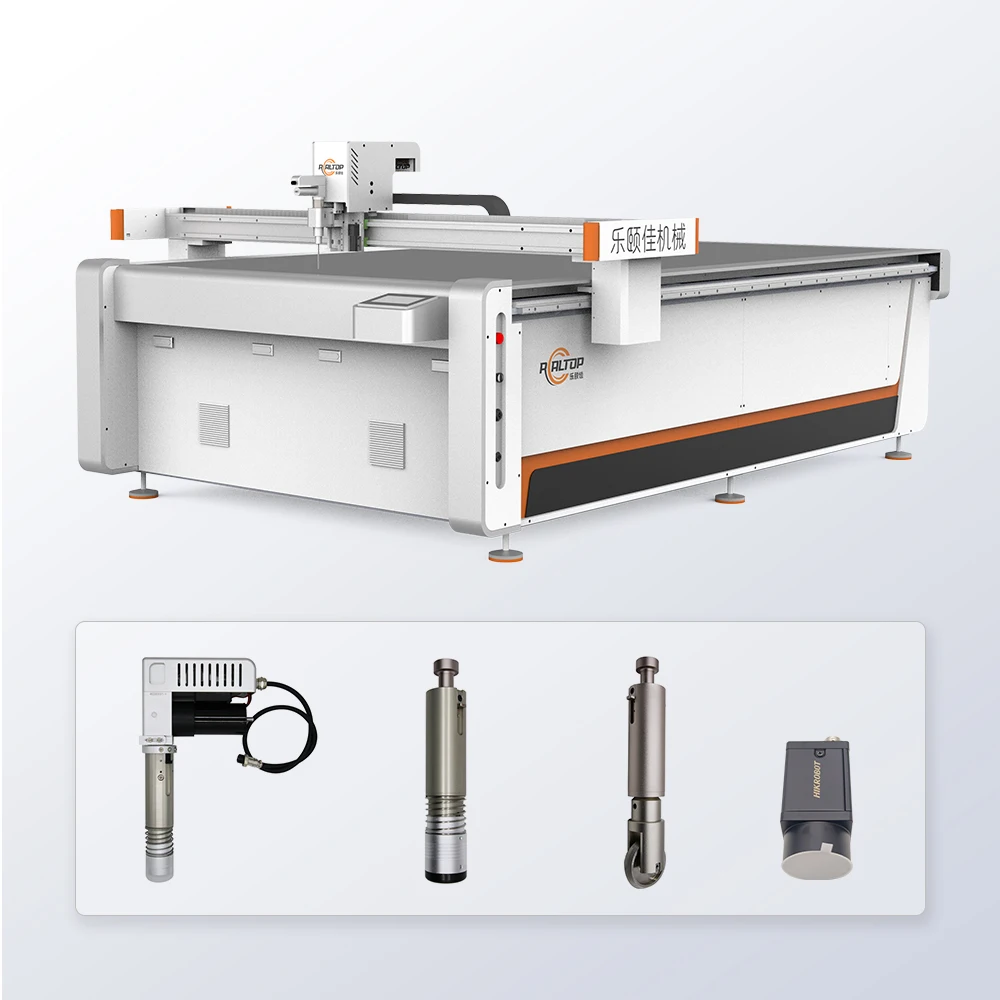
A vibration knife cuts through material by oscillating at high frequency, which keeps the blade moving through dense or fibrous stock without dragging. The Swiss imported head on this unit handles full cuts, half cuts and cursor-based positioning within a single tool setup, which matters when a carton sample requires both through-cuts for the outline and partial cuts for fold lines. Choosing between full and half cutting based on the material — dense greyboard versus thin corrugated — prevents the ragged edges and crushed layers that show up when a single blade setting is forced across different stock types.
Vacuum Holding for Small and Irregular Parts
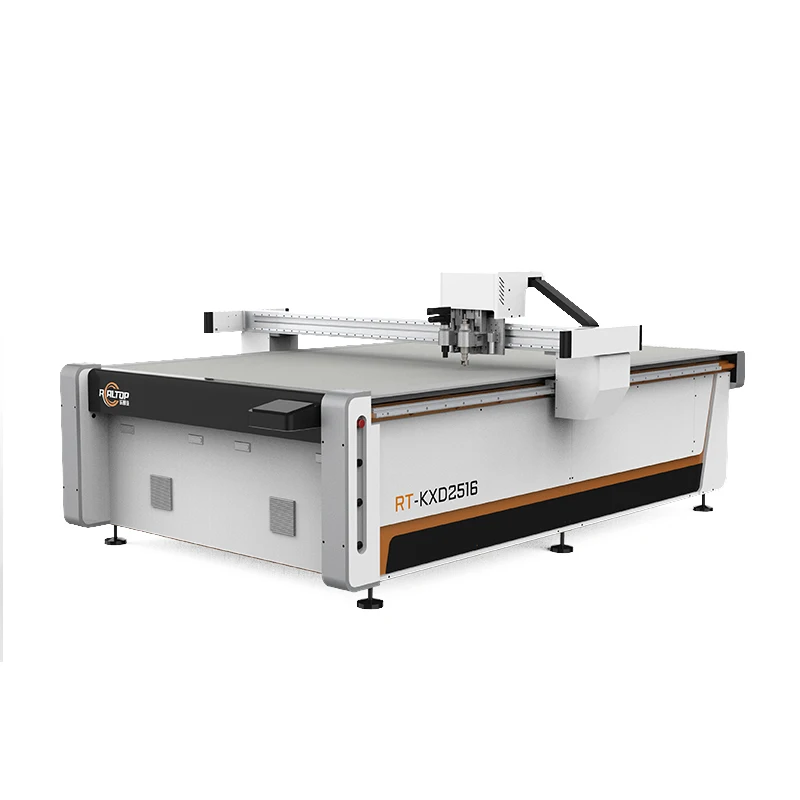
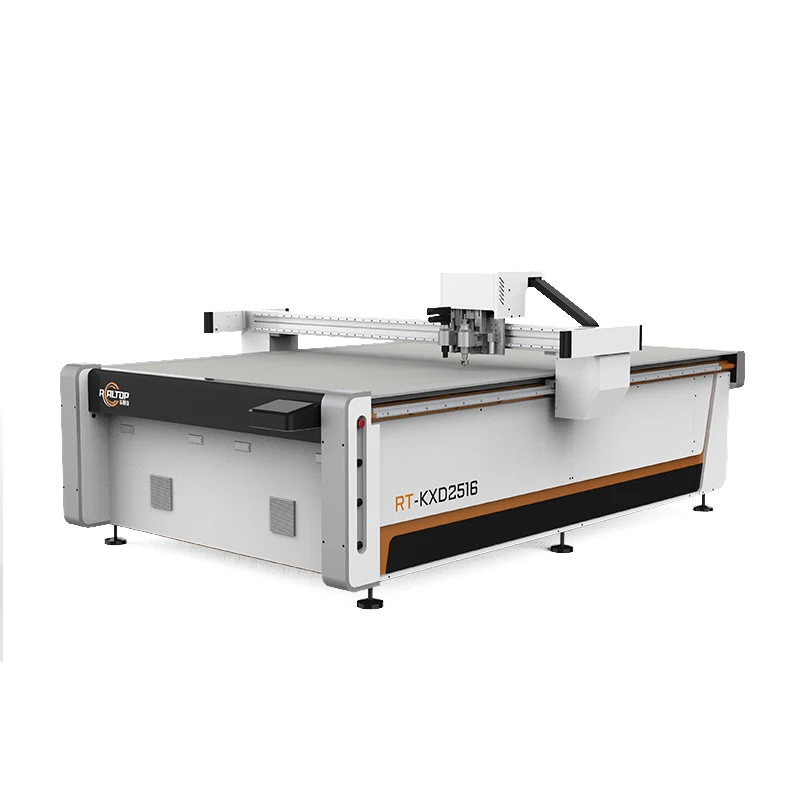
The aluminum alloy honeycomb vacuum table on this CNC Vibrating Knife Cutting Machine distributes suction across the full bed, which is critical when cutting small carton samples or sticker contours that can lift under high translational velocity. Zoning the vacuum into sections allows operators to concentrate holding force where the material sits, rather than bleeding suction across empty bed space. This matters especially on thin or lightweight boards where full-bed vacuum can still allow edge curl during high-speed contour passes [NEED_CITE: vacuum table zoning effectiveness on thin packaging materials].
Reading the Specs That Actually Matter at the Cutting Table
The 9 kW rated power covers the vacuum pump, servo motors and control electronics together, so buyers should confirm that local supply can sustain this draw under continuous cutting cycles. The 7.5 kW vacuum pump paired with the honeycomb platform is sized for full-bed adsorption on standard corrugated and card stocks, but heavier composite boards may require adjusted zoning. Repeated accuracy of ≤0.1 mm depends on the combination of Delta servo motors, Taiwan Hiwin rails and ball screw transmission — any worn component in that chain degrades contour fidelity over time. The HP-GL compatible instruction format means most existing packaging design workflows import directly, but confirming file format compatibility with the nesting software before shipment avoids workflow stalls on the first production day.
The Cost of Guessing the Configuration
Specifying a tool head for one material and then running a different stock daily produces torn edges on thin films and incomplete cuts on dense foam — rework that compounds across every production run. A vacuum table left un-zoned on small carton parts causes lift and shift during high-speed passes, pushing contours out of tolerance. Voltage confirmed too late in the process can mean rewiring the control cabinet on-site, adding days before the first clean cut [NEED_CITE: on-site electrical rework delays in exported machinery].
What Building Both Knife and Laser In-House Changes
Realtop designs and assembles both oscillating knife and laser cutting systems under one roof, which means the cutting method is matched to the material rather than forced into whichever technology a single-source supplier offers. The design team specifies tool head type, vacuum zoning and feed configuration against the buyer’s actual material stack. Sample cutting on the buyer’s own stock before order confirmation demonstrates achievable edge quality and cutting depth in real conditions. Control language and voltage are documented and locked before the machine enters assembly, not adjusted after arrival. Every unit ships with a factory test record tied to the specific configuration ordered.
Documentation & Verification
- Machine specification sheet confirming working area, power draw and voltage for your facility
- Electrical schematic with plug type and frequency matched to your local grid standard
- Tool head and vacuum table configuration list tied to your submitted material samples
- Sample cutting report on your actual stock showing edge quality and depth achieved
- Software licence and file format note confirming HP-GL import and nesting compatibility
- Factory test record documenting performance on your material before dispatch
Installation, Commissioning & Support
- Floor plan layout based on 3450 × 2300 mm footprint with clearance for auto feeding conveyor
- Dedicated 380V circuit rated for 9 kW continuous draw with local voltage stabilization
- Machine arrives with vacuum table and gantry assembled; conveyor belt and pump connected on-site
- First-run parameter setting on your material stock, adjusting knife oscillation depth and vacuum zoning
- Operator training on HP-GL file import, tool head changes and control language navigation
- Spare parts list covering Swiss knife blades, vacuum seals and drive belt replacements
What We Need to Configure Your Machine
Send a physical sample of the material you cut most often — type, thickness and density all affect tool head and vacuum configuration. Let us know your daily volume and the largest sheet size you process, along with your facility voltage and preferred control language. If you run existing design files through nesting software, share a sample file so we confirm format compatibility before the machine enters production.
Frequently Asked Questions
Q: How is cutting thickness verified for my specific cardboard grade?
A: We ask you to ship a sample of your actual stock to our Jinan workshop. The tool head, oscillation frequency and knife depth are then adjusted and tested on that material, and the results are documented in a cutting report before the machine configuration is finalized for your order.
Q: What voltage and control language options are confirmed before shipment?
A: The standard 380V ± 10% supply is confirmed against your local grid, and control language is selected from English, Russian, Italian, Chinese or other available options. Both are documented in the electrical schematic and locked before assembly begins.
Q: Which tool head setup works for mixed material runs?
A: The Swiss imported knife head supports full cut, half cut and cursor location in one tool, which covers outline cutting and fold-line scoring on the same sheet. For very different materials, a tool head swap may be recommended based on your sample test results.
Q: Can vacuum zoning handle small carton samples without part lift?
A: The honeycomb vacuum table with a 7.5 kW pump can be zoned to concentrate suction under small parts, preventing lift during high-speed contour cuts. Zoning is configured based on the smallest piece size in your typical production mix.
Q: Does the software accept my existing design file formats?
A: The control system accepts HP-GL compatible formats. Before order confirmation, we verify that your current nesting or design software exports cleanly into this format and that the import workflow matches your production sequence.
You may also like

商品评价
Clear filtersThere are no reviews yet.