



-
 Courier delivery
-
 DHL Courier delivery
-
 Warranty 1 year
-
 Free 30-Day returns

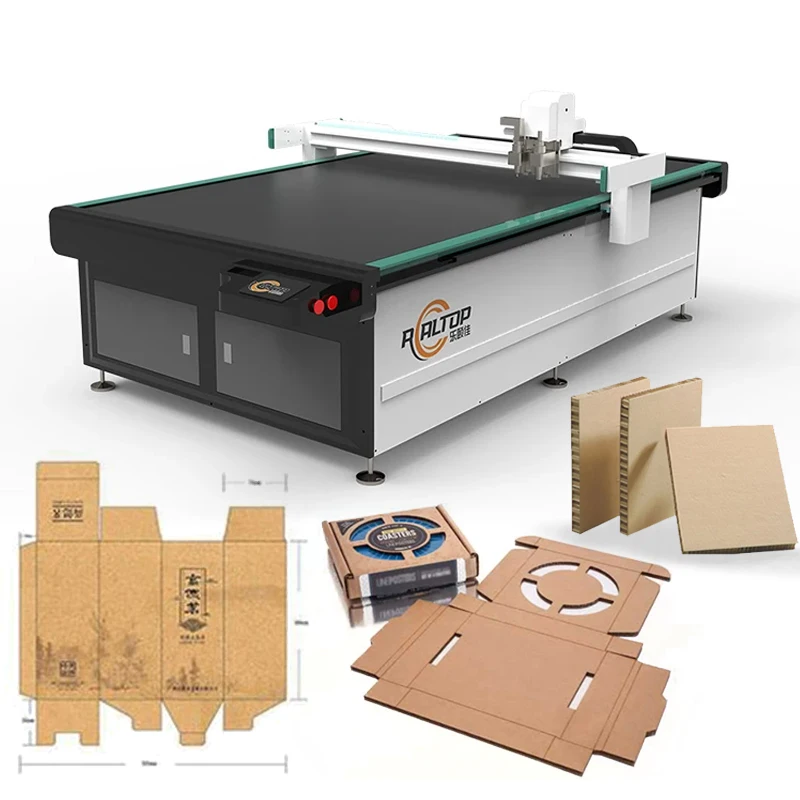
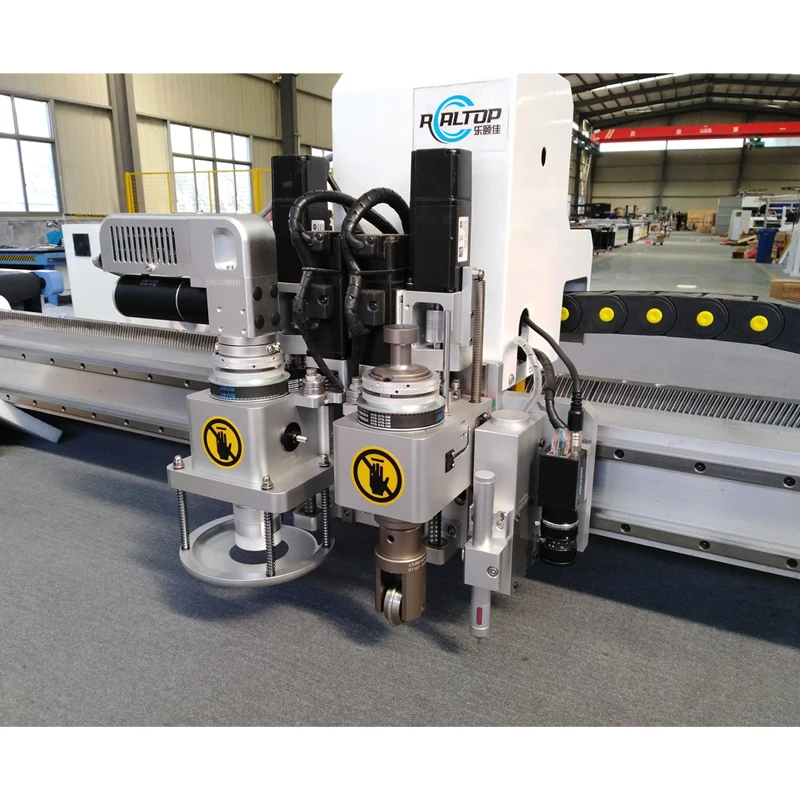
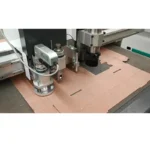
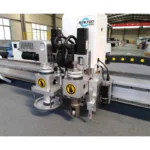
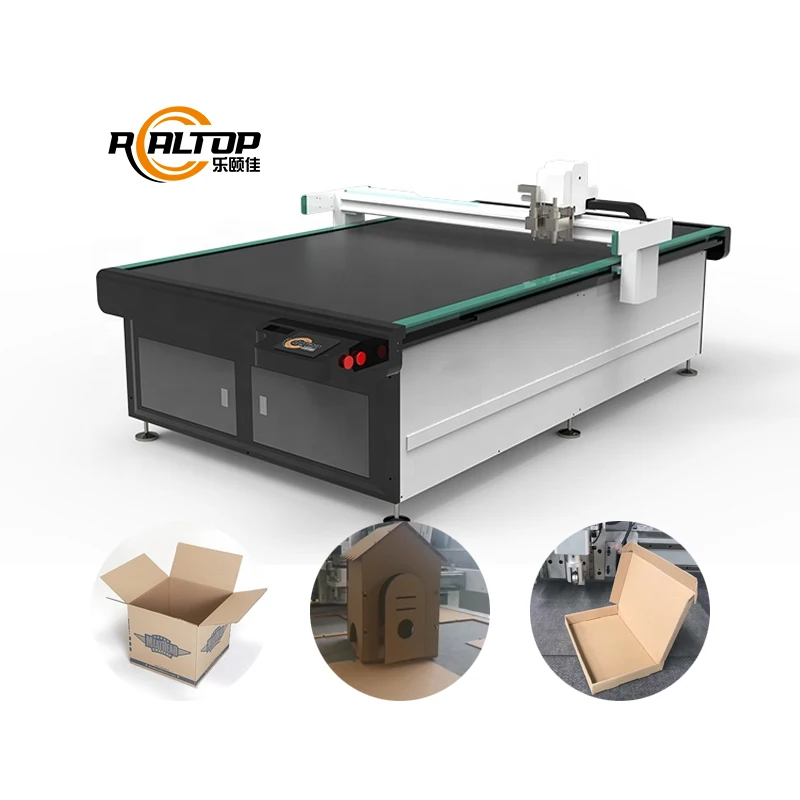
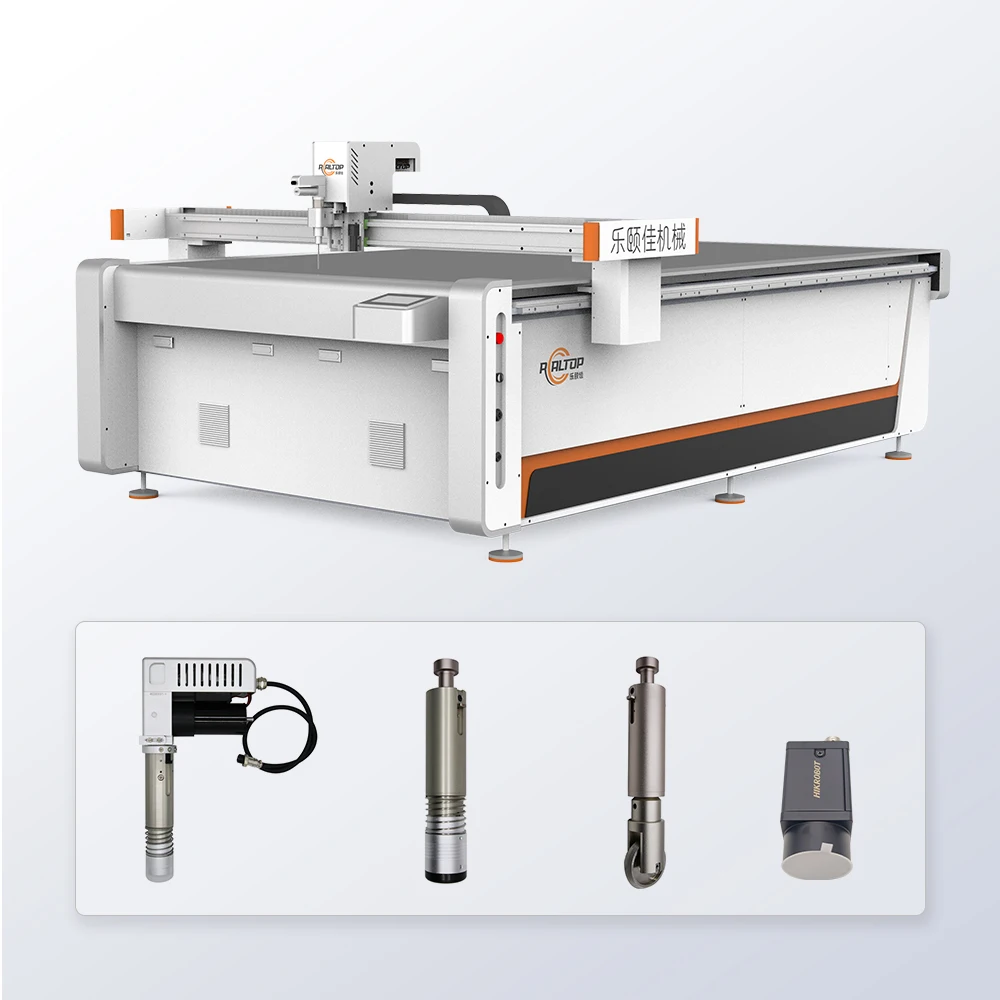
Integrated Tooling Architecture — oscillating knife, creasing, kiss-cut and punch tools configured around the buyer’s material stack rather than a fixed catalog offering.
Technical Specifications
| Parameter | Value |
|---|---|
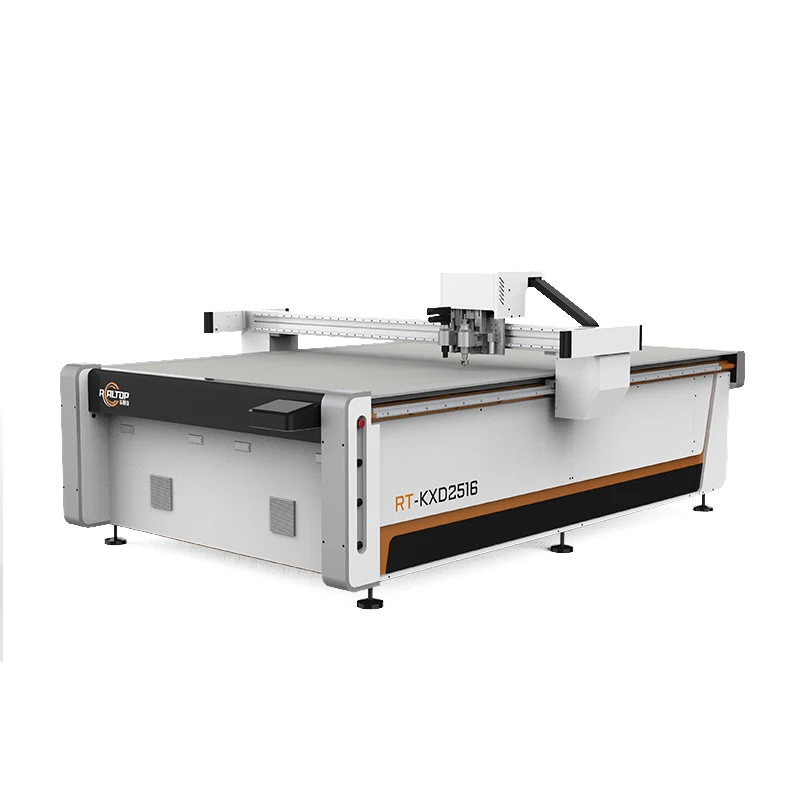
| Model | RT–R2513 / RT-D2516 / RT-S2516 |
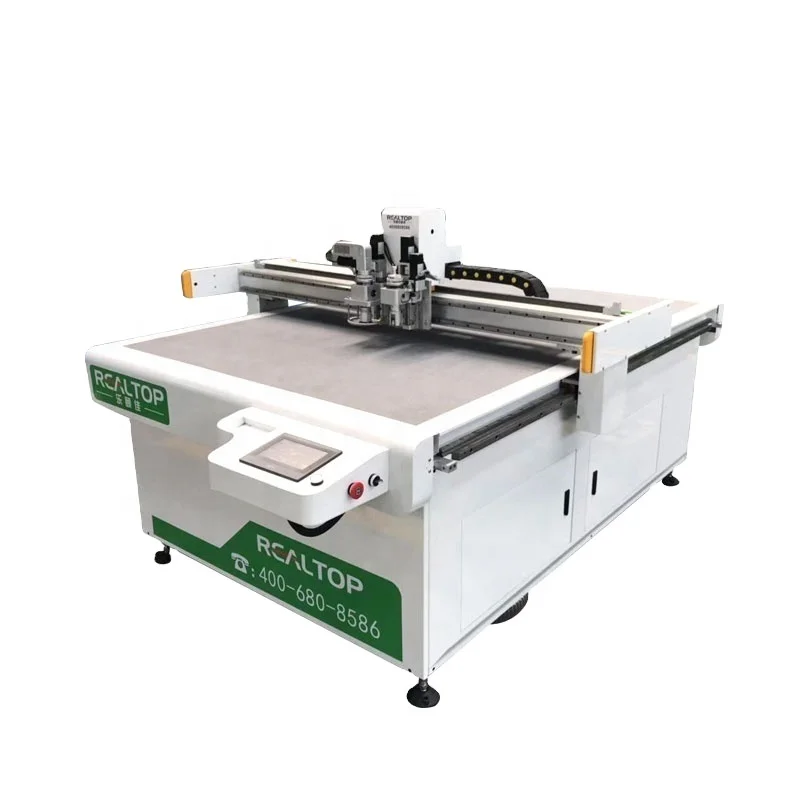
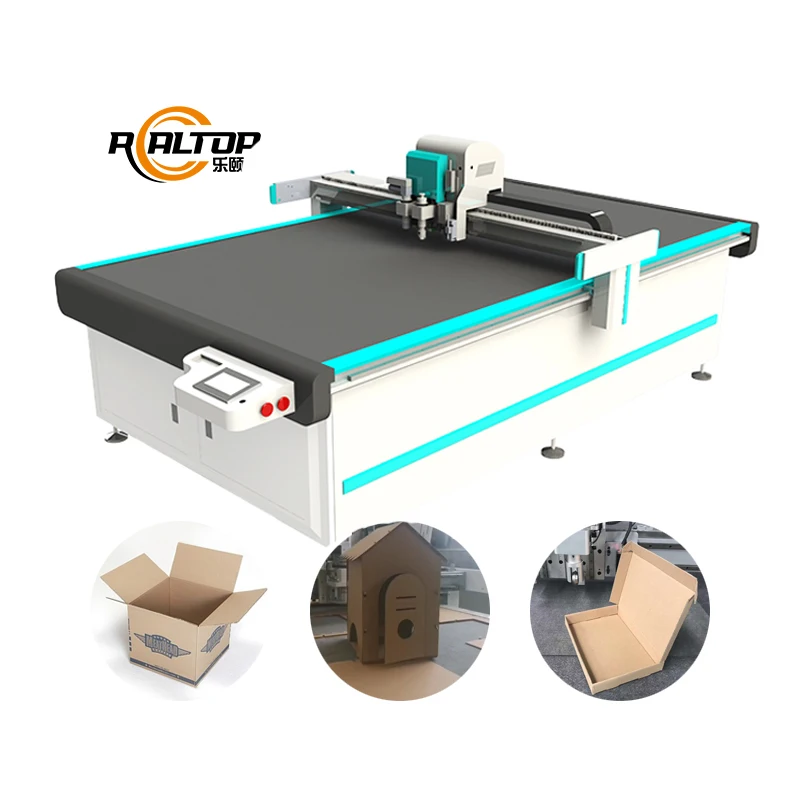
| Product Type | CNC Oscillating Knife Cutting Machine |
| Working Area | 2500×1300 mm (RT–R2513) / 1600×2500 mm (RT-D2516/RT-S2516) |
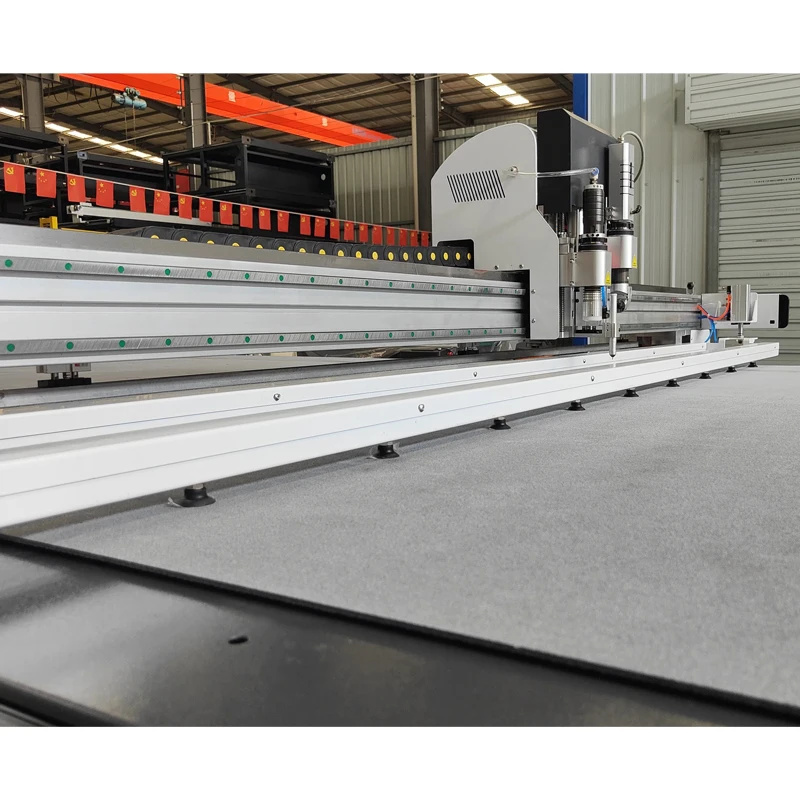
| Machine Size | 3550×1910×1400 mm (RT–R2513) / 3450×2300×1250 mm (RT-D2516/RT-S2516) |
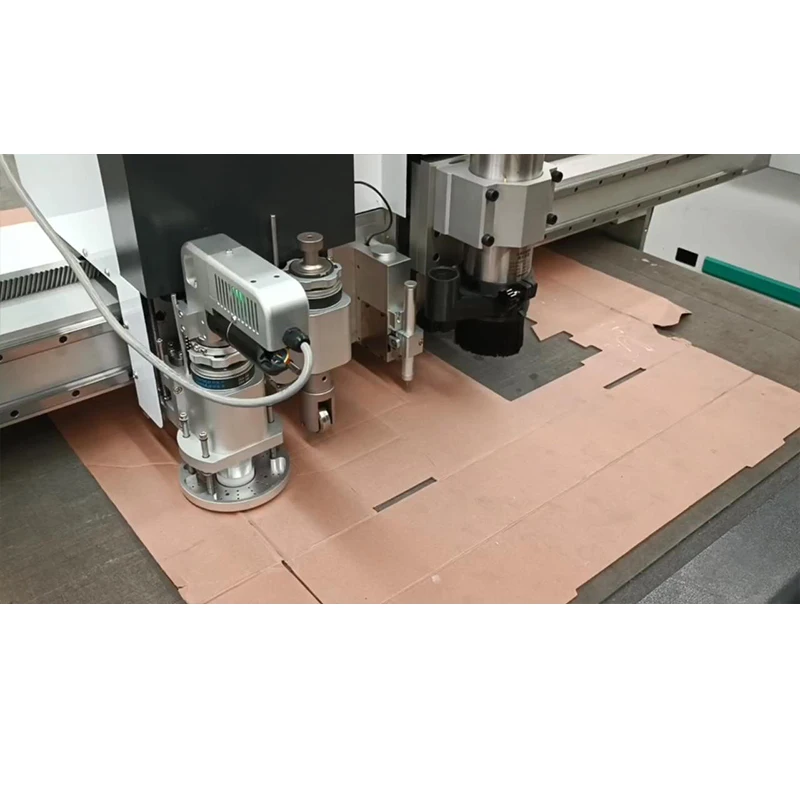
| Cutting Tools | Oscillating knife, Creasing tool, Kiss-Cut Knife Tool, Round punch |
| Cutting Thickness | ≤18 mm |
| Repeated Accuracy | <0.05 mm |
| Rated Power | 9 kW |
| Vacuum Pump | 7.5 kW |
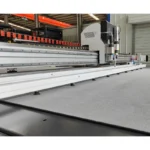
| Vacuum Table | Aluminum alloy honeycomb structure with zoned adsorption |
| Frame | Welded thick square seamless steel structure, high-temperature stress relieved |
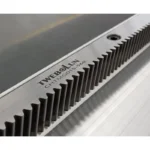
| Guide Rail | Taiwan Hiwin rail |
| Servo Motor | Dongling servo or Delta servo motor (configure at order) |
| Conveyor Belt | Germany-imported belt (auto-feeding configuration) |
| Felt Belt | Wear-resistant anti-pull composite fiber felt |
| Transmission | Ethernet port |
| Supported File Formats | DXF, OLT, PDF, AI |
| Voltage | 380 V (frequency to confirm per target market) |
| Safety Device | Infrared sensors, emergency stop |
| Software | Professional carton nesting software, language customizable |
| Language Options | English, Russian, Italian, Chinese, and customizable |
| Blade Supply | 10 pieces of oscillating blades included |
| Warranty | 1 year (excluding felt and knife blades) |
| Delivery Time | <30 working days |
| ODM/OEM | Supported |
| Certification | CE (confirm applicability per destination market) |
Application Suitability
| Application | Material or Output |
|---|---|
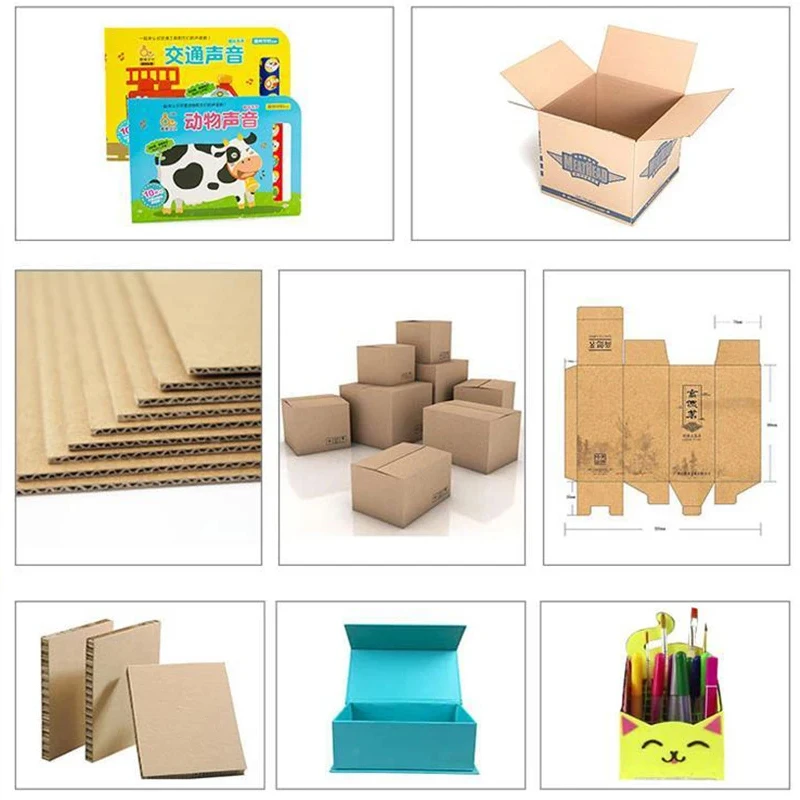
| Packaging carton sample making and short-run production | Corrugated board, grey board, cardstock up to 18 mm |
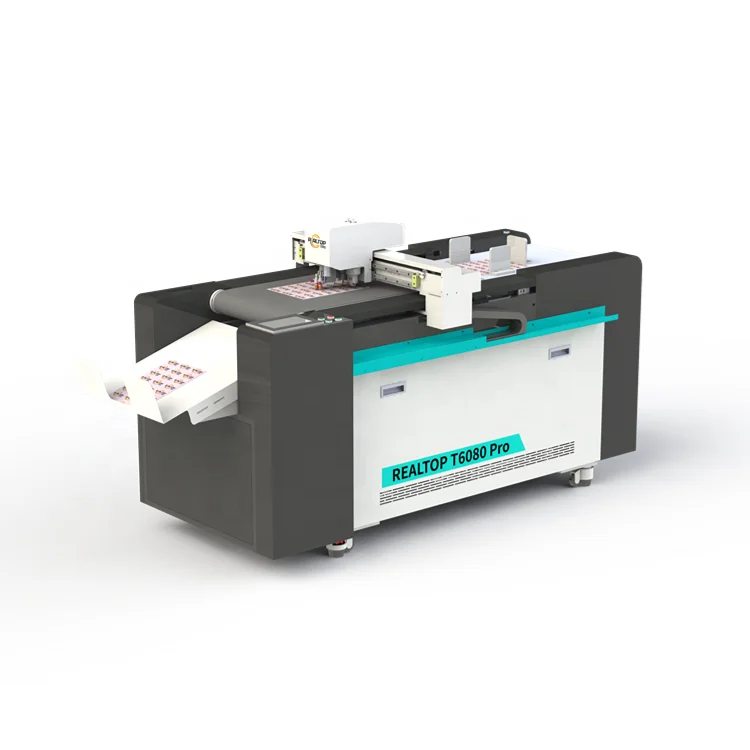
| Sticker and label contour cutting | Self-adhesive vinyl, PP paper, sticker stock |
| Cardboard cutting for signage and tags | Paperboard, cardboard, PP paper |
| Leather cutting for footwear and goods | Natural and synthetic leather |
| Adhesive and label kiss-cutting | Labels, stickers, paper-backed adhesive sheets |
Why the Voltage Question Should Come Before the Price on a CNC Oscillating Knife Cutting Machine
Specifying electrical parameters before the commercial negotiation avoids weeks of idle equipment on the shop floor.
When I first started overseeing factory acceptance for cutting tables, I watched a unit ship to a Middle East site without locking down whether the local supply was 50 Hz or 60 Hz. The machine sat under tarps while the buyer sourced a step-down transformer, and the installation crew flew home before the panel was ever energized. That kind of delay is invisible in a quotation but very real on a project timeline. A CNC oscillating knife cutting machine manufacturer that leaves voltage and frequency as "to be confirmed" on the proforma invoice is passing a critical decision downstream to the moment when it is most expensive to fix [NEED_CITE: voltage and frequency standards by export market]. The RT–R2513, RT-D2516 and RT-S2516 series all run on a 380 V supply with a 9 kW rated load plus a 7.5 kW vacuum pump, which together demand a dedicated circuit and a clear answer on whether the destination market expects a three-phase 50 Hz or 60 Hz feed. Getting that written into the electrical schematic before the frame leaves the factory is the single most cost-effective hour spent on the entire order.
Frame Rigidity and Geometric Stability Over Years
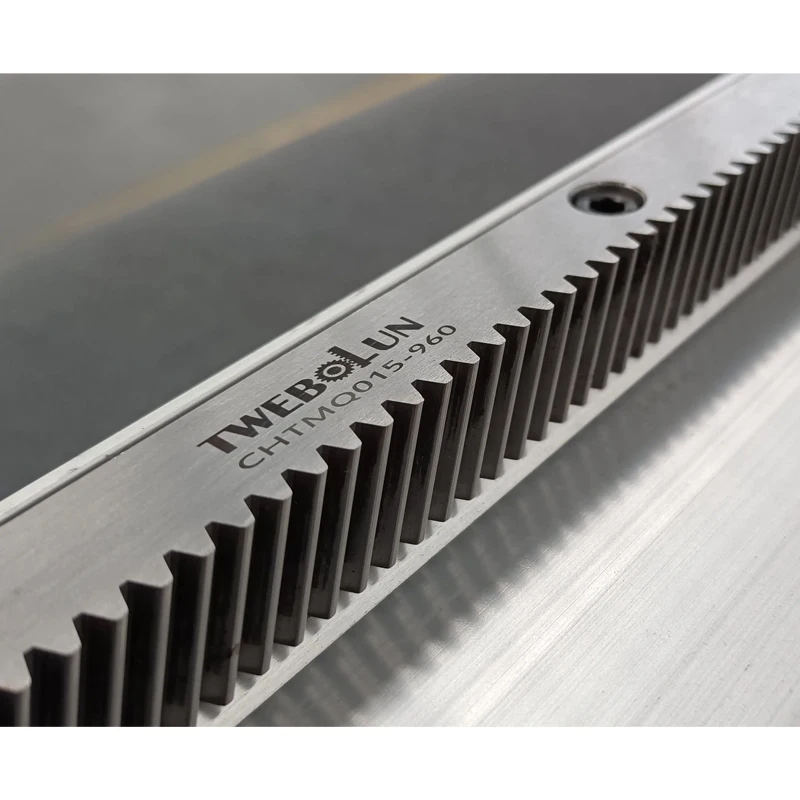
The welded thick square seamless steel frame on these machines goes through high-temperature stress relief before assembly. That process matters because a cutting table is only as accurate as the flatness of its bed, and any residual welding stress will release slowly over months of thermal cycling in a workshop. Once the frame distorts even slightly, the <0.05 mm repeated accuracy spec becomes unreachable at the far corners of the 2500×1300 mm or 1600×2500 mm work envelope. Taiwan Hiwin linear rails carry the carriage, but they follow whatever geometry the frame gives them. A CNC oscillating knife cutting machine manufacturer that skips stress relief is betting the buyer will not notice drift until well after the warranty period.
Vacuum Zoning and Small-Part Behavior
The aluminum alloy honeycomb vacuum table with zoned adsorption is not a marketing detail — it is the difference between a clean kiss-cut on a sheet of small stickers and a jammed knife head dragging half-cut labels across the felt belt. When cutting large carton blanks, full-table suction holds the sheet adequately. But when the job is a nested array of small gaskets or label shapes, only the zones directly under the cutting path need to pull vacuum. Zoned control prevents air leakage from uncovered areas from weakening hold on the part being cut. The 7.5 kW vacuum pump provides the suction head; the zoning valves determine whether that suction actually reaches the workpiece at the point of the blade.
What the Specs Mean on the Production Floor
The ≤18 mm cutting thickness figure applies to materials the oscillating knife can shear cleanly in a single pass — dense leather or thick corrugated board behave differently at that limit than soft foam would. The four-tool configuration (oscillating knife, creasing tool, kiss-cut knife, round punch) allows a packaging sample maker to score fold lines, cut outlines and punch registration holes in one uninterrupted cycle, which removes the handling errors that come from moving a sheet between separate machines. The Ethernet transmission port supports direct file transfer from a networked design workstation, and the supported DXF, OLT, PDF and AI formats cover the common outputs from both packaging-specific CAD suites and general vector design software. Repeated accuracy of <0.05 mm across the full travel means a crease line scored on one side of a 2500 mm sheet will align with its matching cut on the other side — essential for carton sample work where register errors show up immediately when the blank is folded.
The Hidden Cost of Skipping Material-Specific Configuration
I have seen cutting tables arrive at a buyer’s facility only to produce crushed edges on corrugated board because the oscillating knife amplitude was set for thinner card stock. The machine runs, the blade moves, but the cut quality fails at the material boundary the buyer actually needs. Ragged edges on leather, incomplete kiss-cuts on adhesive labels, and creasing wheels that score too deep for the board grade are all configuration mismatches, not machine defects — and they are all invisible in a specification sheet that lists working area without listing the material stack the tooling was chosen for [NEED_CITE: CE machinery directive requirements for industrial equipment]. The expense shows up later: wasted material, rework time, and the slow realization that the machine was never set up for the job it was bought to do.
Why Source This Equipment From Realtop
In-house design covers both the knife cutting platform and the laser cutting range, so the recommendation on which cutting method fits a given material comes from engineers who build both rather than a sales desk reselling one technology. Tool head and table configurations are specified per material type, production volume and cutting profile — the creasing wheel, kiss-cut knife and oscillating blade combinations are selected against the buyer’s actual sheet stock, not a default list. Sample cutting on the buyer’s own material runs before the order is finalized, producing a physical cut report rather than a theoretical promise. Voltage, plug standard, control language and software file format compatibility are confirmed on the electrical schematic before production starts, so the machine that arrives matches the facility it enters. The core factory controls the frame welding, stress relief, rail mounting and final assembly under one roof, which shortens the feedback loop when a configuration needs adjustment.
Documentation & Verification
- Electrical schematic with confirmed voltage, frequency and plug type for destination market
- Factory test record run on buyer-supplied material at specified thickness
- Tool head and vacuum table configuration list matched to material stack
- Software license with verified DXF, OLT, PDF and AI file format compatibility
- Spare parts list identifying blade type, felt belt specification and pump consumables
- Packing photographs taken at the factory before crate closure
Installation, Commissioning & Support
- Dedicated 380 V three-phase circuit sized for combined 9 kW machine and 7.5 kW pump load
- Level floor with clearance for 3550×1910 mm (RT–R2513) or 3450×2300 mm footprint plus operator access
- First power-on checks include servo tuning on Dongling or Delta drives and vacuum zone calibration
- Nesting software commissioned with buyer’s existing DXF or AI file workflow on day one
- Ten oscillating blades supplied at delivery with felt belt replacement schedule documented
- Operator training covers tool change procedure across all four head positions and emergency stop protocol
What to Include With Your Inquiry
Send the material types, thicknesses and maximum sheet dimensions you plan to cut, along with the daily volume your operation requires. Specify your facility’s three-phase voltage, frequency and plug standard so the electrical package can be quoted correctly. If you have an existing nesting workflow or preferred CAD output format, include a sample file so software compatibility can be verified before the order. Buyers evaluating OEM branding or customized control language should note the required labels, panel text and interface language in the initial inquiry to keep lead times within the standard window.
Frequently Asked Questions
Q: How is the tool head selected based on material type, thickness and edge quality requirement?
A: The oscillating knife handles dense materials up to 18 mm, while the kiss-cut knife scores adhesive layers without cutting through the backing. Creasing tools are chosen by wheel profile to match the board grade, and the round punch handles registration or ventilation holes. Selection is confirmed against sample cuts on the buyer’s actual material before the order is placed.
Q: What voltage, plug standard and control language options are confirmed before shipment?
A: The standard supply is 380 V three-phase, with frequency and plug type configured per destination market. Control language options include English, Russian, Italian and Chinese, with additional languages available. All electrical parameters are locked on the schematic before production begins to prevent on-site commissioning delays.
Q: Can I send my own material for sample cutting before placing the order?
A: Yes. Send representative sheets of the materials you plan to run, and the factory will produce a sample cutting report documenting tool selection, blade type, vacuum zone settings and achieved edge quality at your target thickness. This report accompanies the quotation.
Q: What software file formats are supported and how is compatibility with my nesting workflow verified?
A: The system accepts DXF, OLT, PDF and AI files. Professional carton nesting software is included, and the factory verifies import and nesting output using sample files from the buyer’s existing workflow before order confirmation to ensure no translation errors occur in production.
Q: What is the OEM and customization scope for distributors and importers?
A: ODM and OEM configurations are supported, including branded panels, customized control interfaces, documentation language and specific tool head or table configurations matched to the distributor’s target market. Scope and lead time implications are confirmed during the quotation stage.
You may also like

商品评价
Clear filtersThere are no reviews yet.