


-
 Courier delivery
-
 DHL Courier delivery
-
 Warranty 1 year
-
 Free 30-Day returns

Cutting Method Matched to Material — our design team selects knife or laser technology based on your specific leather type and thickness, not a one-size-fits-all catalog entry.
Technical Specifications
| Parameter | Value |
|---|---|
| Model | RT-D2516/RT-S2516 |
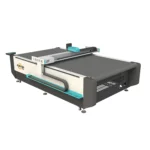
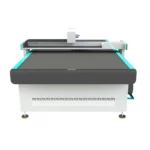
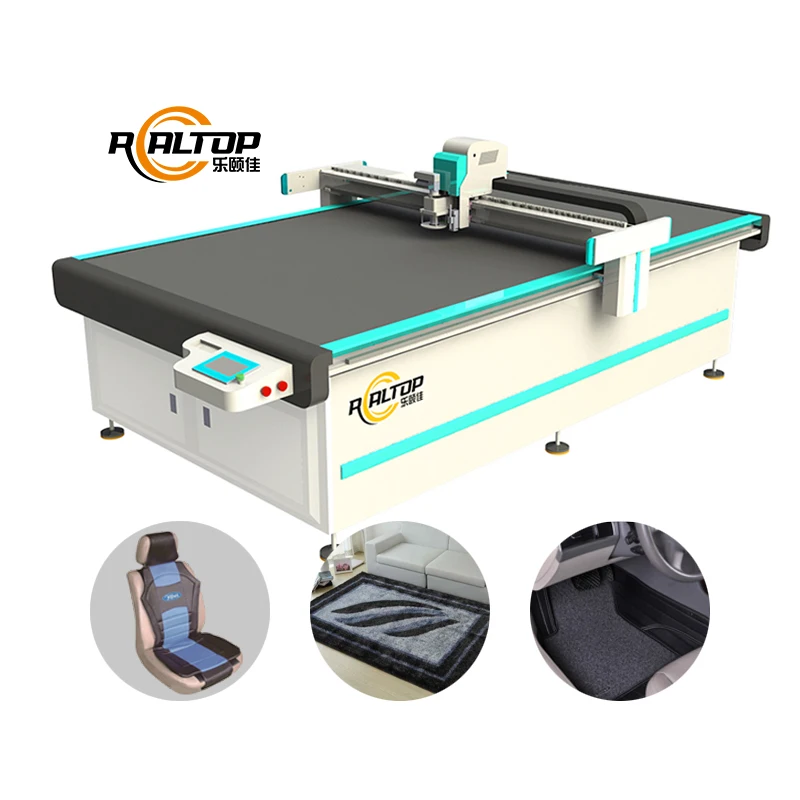
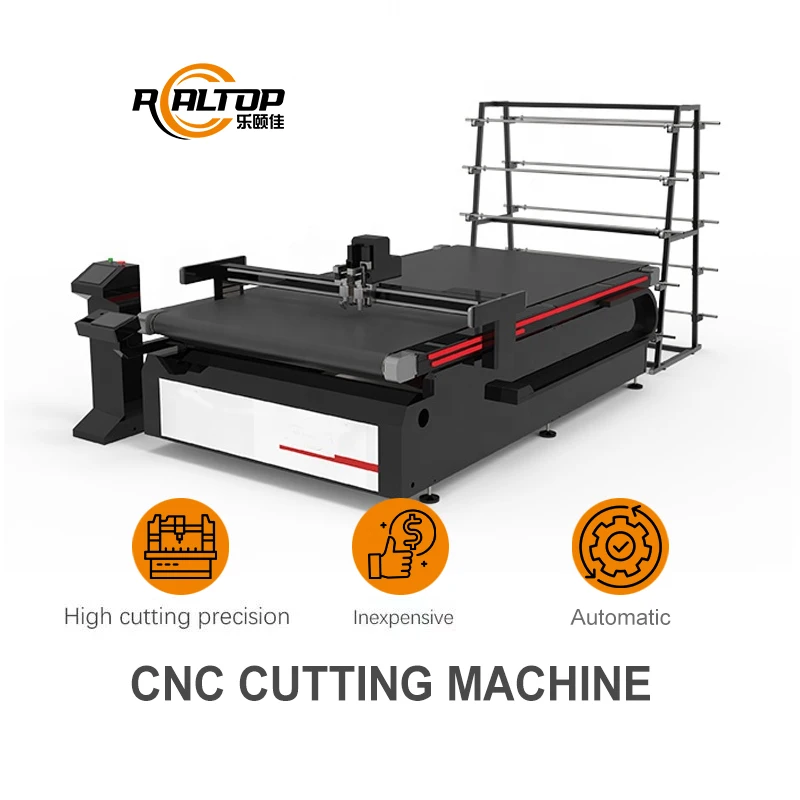
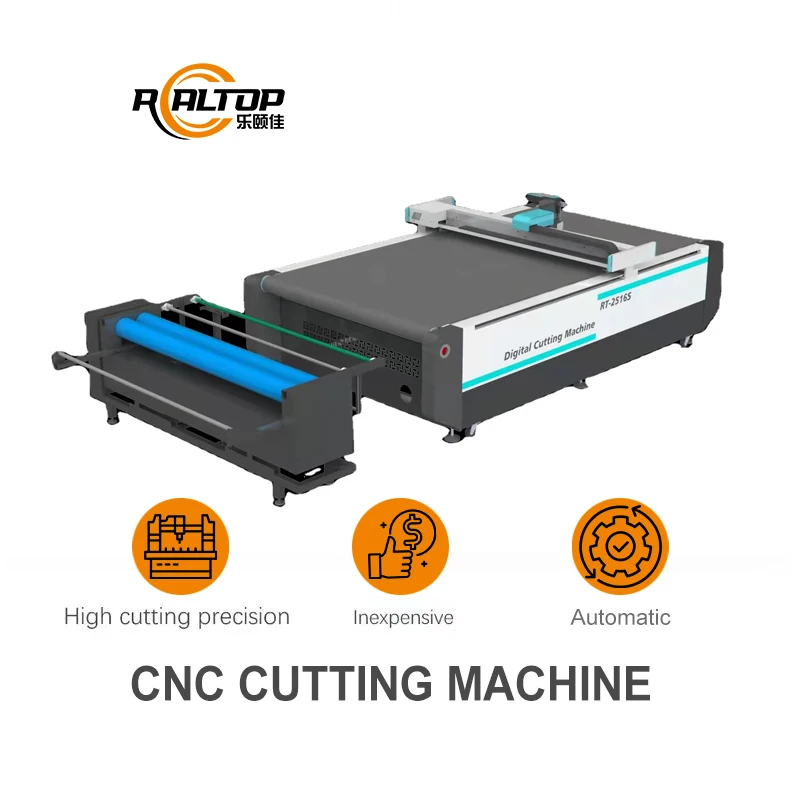
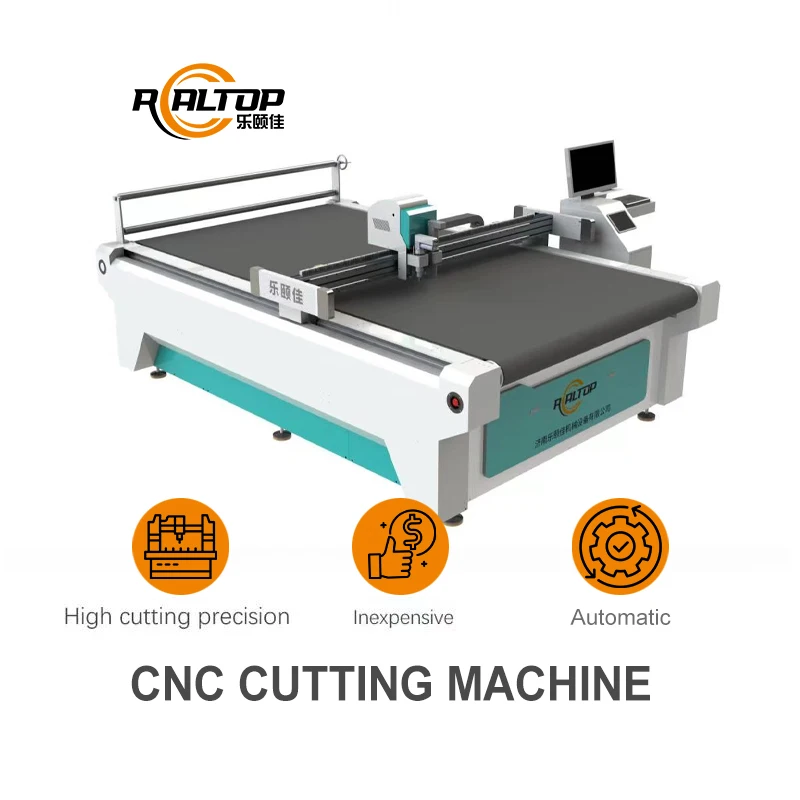
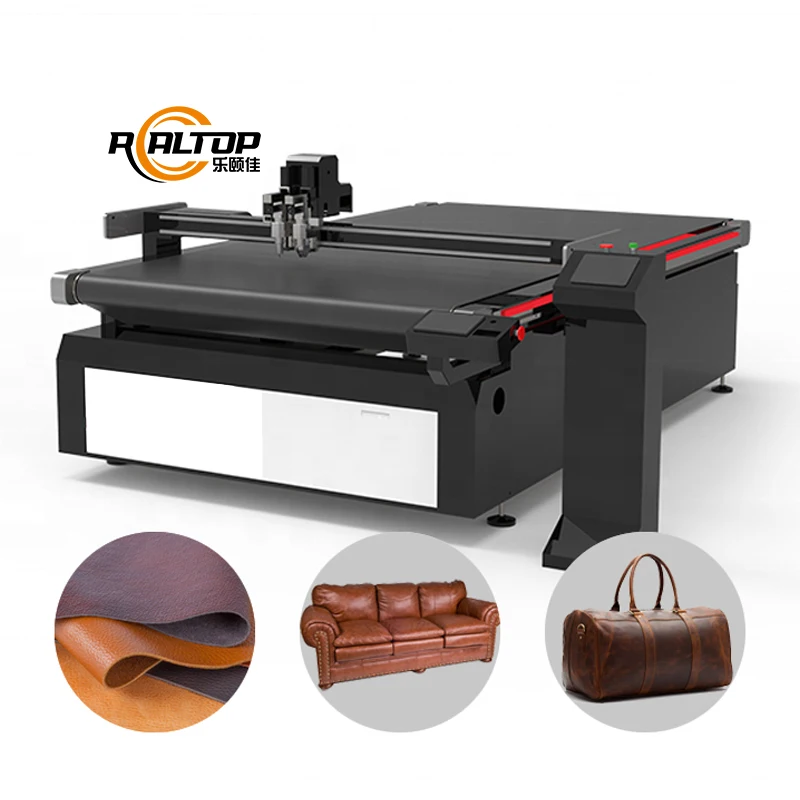
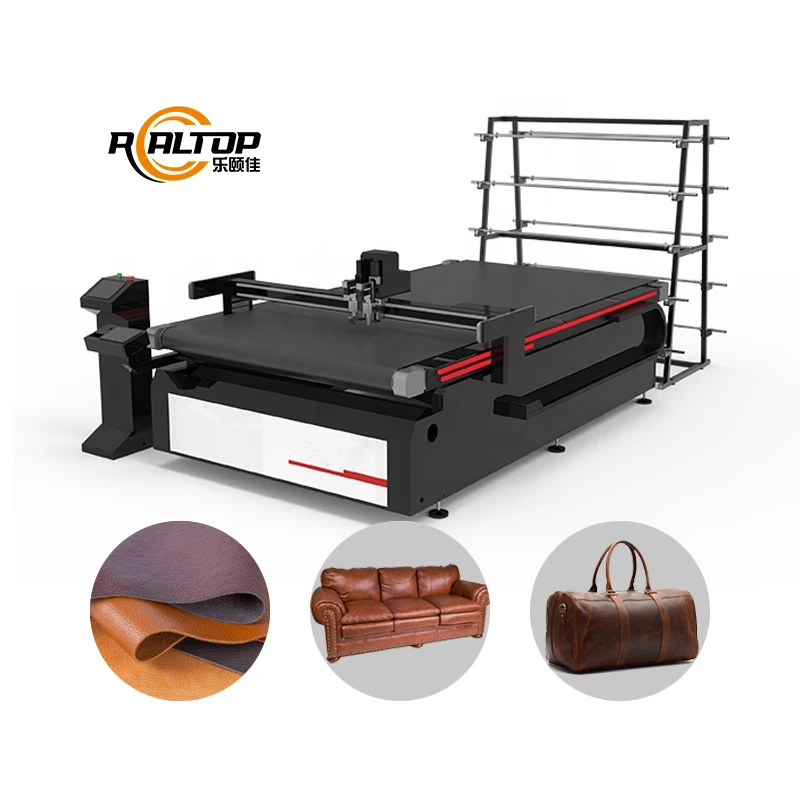
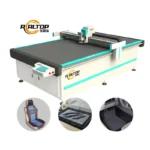
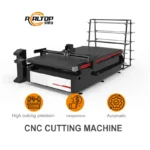
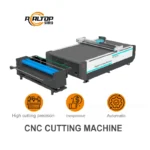
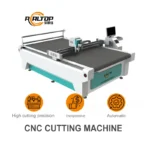
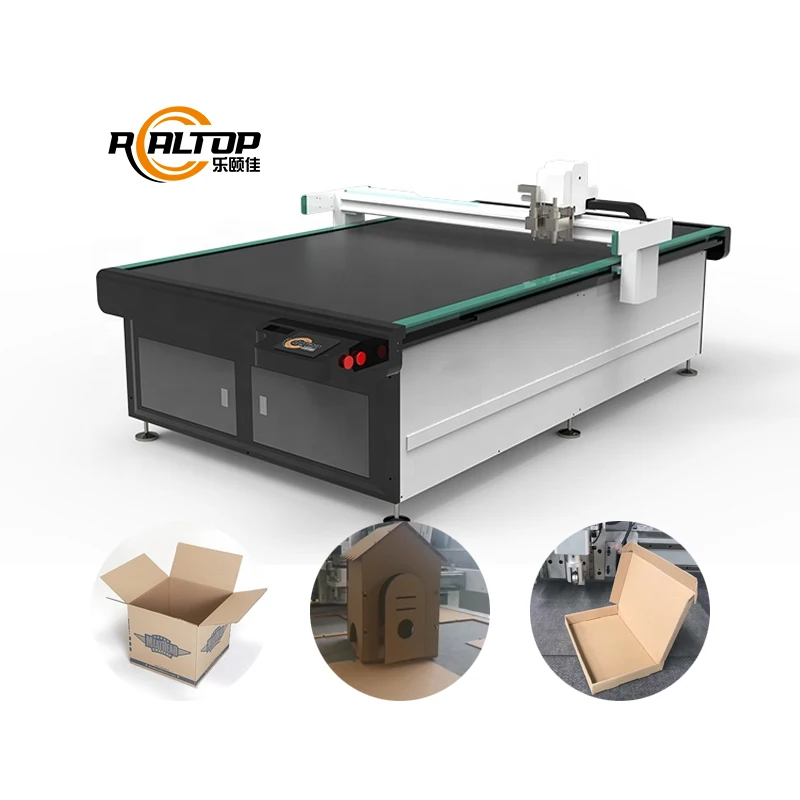
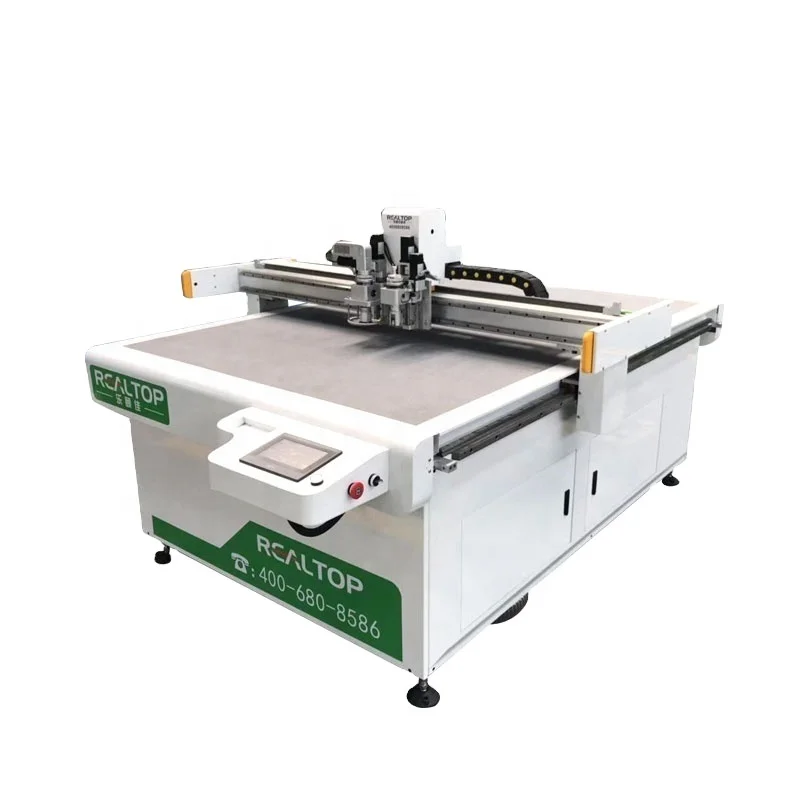
| Product Type | CNC Leather Cutting Machine |
| Working Area | 1600×2500 mm |
| Machine Size | 3450×2300×1250 mm |
| Rated Power | 9 kW |
| Translational Velocity | 800–1200 mm/s |
| Repeated Accuracy | ≤0.1 mm |
| Cutting Thickness | 20 mm–80 mm (basis not stated in source — confirm block format / material / thickness) |
| Vacuum Pump | 7.5 kW, aviation aluminum shell with built-in silencer sponge |
| Table Surface | Magnesium-aluminum alloy with fluorocarbon PVDF powder spraying and anodic oxidation |
| Servo Motor | Delta (optional Panasonic IP67 waterproof) |
| Transmission System | Digital servo motor, linear guide, synchronous belt, imported ball screw |
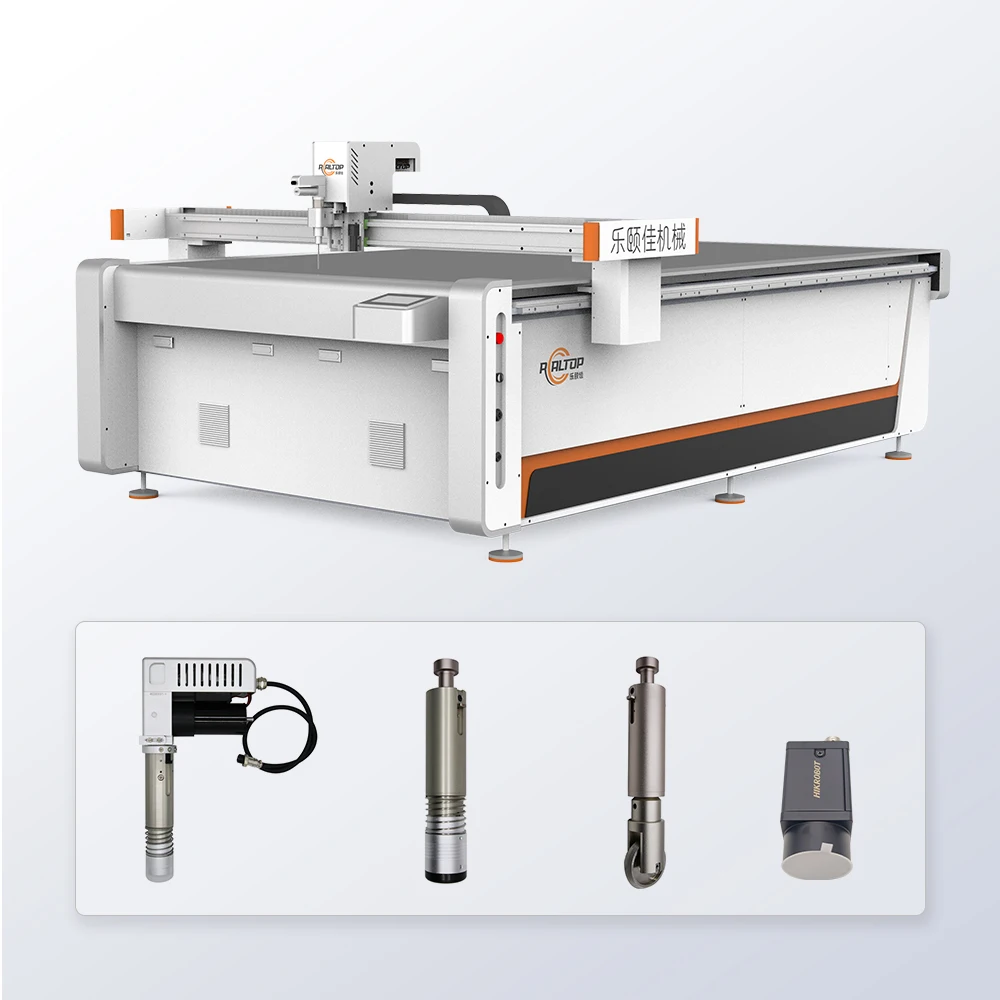
| Tool Head Options | Oscillating knife, pneumatic knife, high-power vibrating knife, circular knife, V-cutting knife, drag knife, creasing wheel, dotted line knife, punching, brush |
| Visual Positioning | Small CCD camera mark point positioning, panoramic camera recognition, projection positioning |
| Instruction System | HP-GL compatible format |
| Voltage | 380V ±10% |
| Safety Device | Infrared sensors, anti-collision, emergency stop |
Application Suitability
| Application | Material or Output |
|---|---|
| Footwear upper and insole cutting | Natural leather, synthetic PU/PVC leather hides |
| Automotive interior trimming | Sponge composite leather, soft PVC, silicon rubber |
| Leather goods and bag production | Full-grain and split leather, garment-grade flexible materials |
| Gasket and seal fabrication | Soft glass, rubber sheets, composite foam layers |
| High-volume garment panel cutting | Multi-layer fabric and flexible composite textiles |
Why Material Thickness Changes the CNC Leather Cutting Machine Specification
Leather is not one material — it is a spectrum from 0.5 mm garment splits to 20 mm sponge composites, and the wrong tool head will either fail to penetrate or crush the surface fibers.
I worked through a case last year where a buyer specified a working area and assumed the standard oscillating knife would handle everything. Their actual stock included adhesive-backed composite leather for automotive seating, and the standard blade dragged rather than cut, leaving ragged edges that failed downstream stitching inspection [NEED_CITE:]. The machine sat idle for three days before we shipped a high-power vibrating knife and pneumatic knife combination that matched their material stack. Selecting a CNC Leather Cutting Machine manufacturer with in-house configuration capability means the tool head is chosen after seeing your actual hide, not before.
Knife Head Selection by Leather Density and Structure
Different leather grades respond differently to blade action. Full-grain hides tolerate high-frequency oscillation cleanly, while chrome-tanned splits with loose fiber structure require a drag knife or circular blade to avoid fraying at the edge. The RT-D2516/RT-S2516 supports ten distinct tool heads including oscillating, pneumatic, high-power vibrating, and V-cutting options, allowing each tool to be matched to a specific layer in your production mix rather than forcing one blade across all materials.
Vacuum Table Engineering for Irregular Hide Geometry
Natural leather hides vary in outline and weight distribution across the table surface. The magnesium-aluminum alloy vacuum table on this CNC Leather Cutting Machine uses PVDF fluorocarbon coating for corrosion resistance against leather tanning residues, and the zoned suction design holds small pattern pieces flat during cutting without requiring full-table vacuum draw. This matters when you are nesting irregular shapes from natural hides where the edges curl if suction is uneven [NEED_CITE:].
What the Servo and Transmission Numbers Mean on the Floor
The ≤0.1 mm repeatability specification comes from the combination of Delta or optional Panasonic IP67 servo motors with imported ball screws and linear guides. In leather cutting, this precision matters most during contour work where the blade follows a curved pattern edge — any backlash in the transmission shows up as a visible step in the cut line that downstream sewing operators cannot hide. The IP67 servo option is relevant for workshops where leather dust and finishing chemicals create a contaminated environment that degrades standard motor encoders over time.
The Cost of Skipping the Sample Cutting Step
Buyers who approve a configuration based on catalog specifications alone often discover the gap between rated cutting thickness and their actual composite material behavior only after the machine arrives on site. A pneumatic knife that slices cleanly through 3 mm PU leather may fold and crush a 15 mm sponge-backed automotive leather at the same feed rate [NEED_CITE:]. This forces unplanned tool head retrofits and production delays that could have been identified in a one-week sample cutting process using the buyer’s own material roll before shipment.
Why Buyers Source This CNC Leather Cutting Machine From Our Factory
Our design team covers both knife and laser cutting technologies under one roof, so the cutting method is selected based on your material science rather than limited to whichever technology a single-technology supplier happens to build. The tool head and vacuum table configuration is documented per material sample before the order is finalized, not configured from a default catalog page. We confirm software file format compatibility, voltage, plug type, and control language during the specification stage so the machine integrates into your existing nesting workflow and workshop electrical infrastructure without on-site modification. Every unit undergoes factory testing on the buyer’s actual material before crating, producing a documented sample cutting report that travels with the shipment.
Documentation & Verification
- Machine specification sheet listing confirmed tool head and table configuration per your material
- Electrical schematic showing 380V ±10% wiring and servo motor circuit layout
- Sample cutting report on your leather stock with cut quality and edge photographs
- Software licence note confirming HP-GL file format and nesting compatibility
- Factory test record with repeatability measurement before dispatch
- Spare parts list matched to your selected tool head combination
Installation, Commissioning & Support
- 3450×2300×1250 mm footprint requires level concrete floor with clearance for material loading on both sides
- 9 kW rated power plus 7.5 kW vacuum pump demands dedicated 380V three-phase circuit with proper breaker sizing
- Machine ships with table and gantry separated; reassembly and alignment verified by technician on site
- First-run commissioning includes servo tuning and vacuum zone calibration on your actual leather stock
- Operator training covers tool head changeover procedures across your configured knife and blade types
- Daily maintenance schedule for linear guide lubrication and vacuum filter inspection provided in manual
What We Need to Configure Your Machine
To match the tool head, table configuration, and software setup to your production environment, we need your leather type and thickness range, maximum hide dimensions, daily cutting volume, workshop voltage and frequency, and preferred control interface language. If your workflow uses a specific nesting software or file format, share a sample file so we confirm compatibility before quotation.
Frequently Asked Questions
Q: How do I choose between oscillating knife and pneumatic knife for my leather types?
A: Oscillating knives work well on dense full-grain and synthetic leather where high-frequency vibration produces a clean shear cut. Pneumatic knives use downward air pressure to penetrate thicker sponge composite materials without crushing the foam layer. We run your actual material samples through both heads to determine which produces the edge quality your downstream process requires.
Q: Can the CCD camera detect flaws in natural leather hides before cutting?
A: The panoramic camera recognition system identifies printed reference marks for contour alignment and can be configured to map hide boundaries. Flaw detection depends on the contrast between the defect and the leather surface. We test the camera response on your specific hide grade during the sample cutting stage to confirm positioning accuracy before finalizing the visual system configuration.
Q: What voltage and control language options are available for my market?
A: The standard configuration is 380V ±10% at 50 Hz, and we build to other voltage and frequency standards required by your local electrical code. Control interface language is set during production so operators see menus and error messages in their working language from the first power-on, eliminating translation delays during training and daily operation.
Q: How does the sample cutting process work before I commit to an order?
A: You send a representative roll or hide of each leather type in your production mix. We run cutting tests across the relevant tool heads, document edge quality, cutting speed behavior, and vacuum holding performance, then share the sample cutting report with photographs. The confirmed tool head and table configuration from this test is written into the order specification so the shipped machine matches the tested result.
Q: Can this machine integrate into my existing nesting software workflow?
A: The control system accepts HP-GL compatible format, and we confirm file import compatibility with your existing nesting software before the order is placed. If your workflow uses a proprietary format, send a sample file during the inquiry stage so we verify the data path from your design station to the machine controller without requiring intermediate file conversion steps.
You may also like

商品评价
Clear filtersThere are no reviews yet.