


-
 Courier delivery
-
 DHL Courier delivery
-
 Warranty 1 year
-
 Free 30-Day returns

Precision-Grounded Build — Every frame surface is machined flat to ±0.1 mm across the full working envelope before assembly, not just spot-leveled.
Technical Specifications
| Parameter | Value |
|---|---|
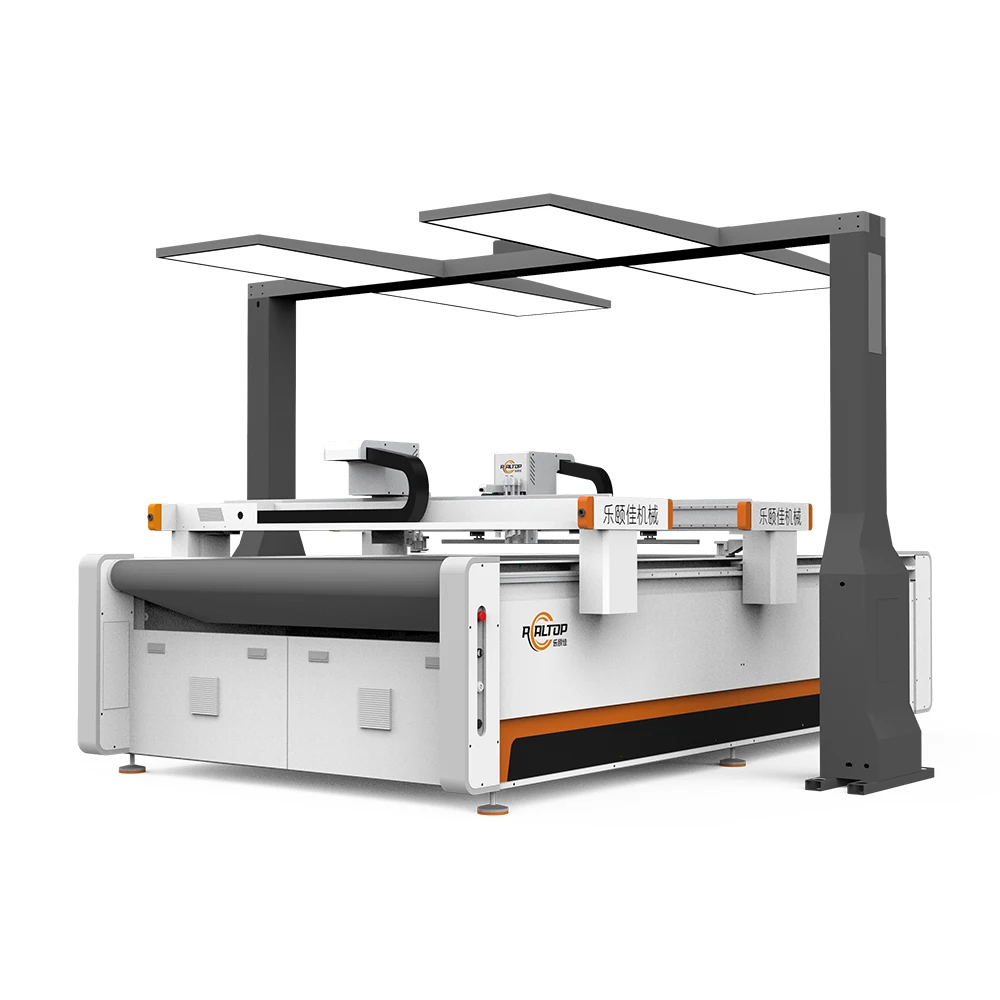
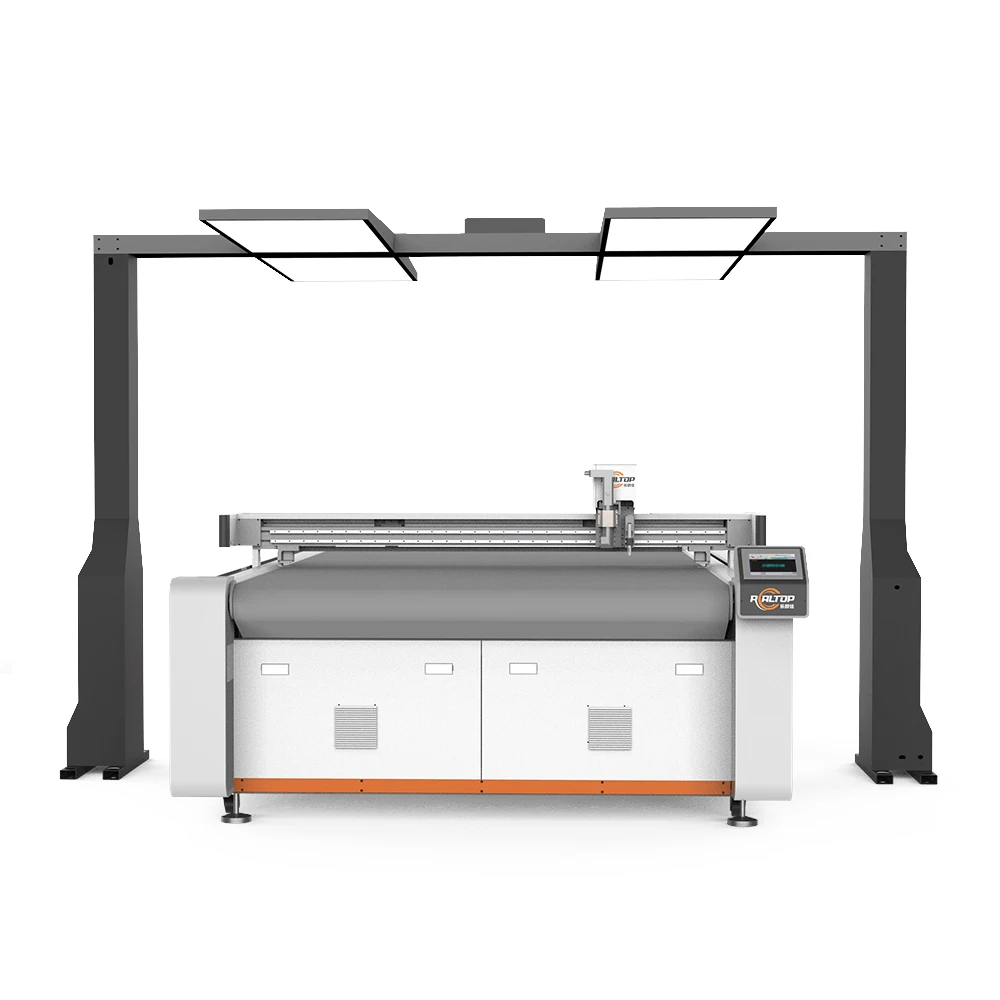
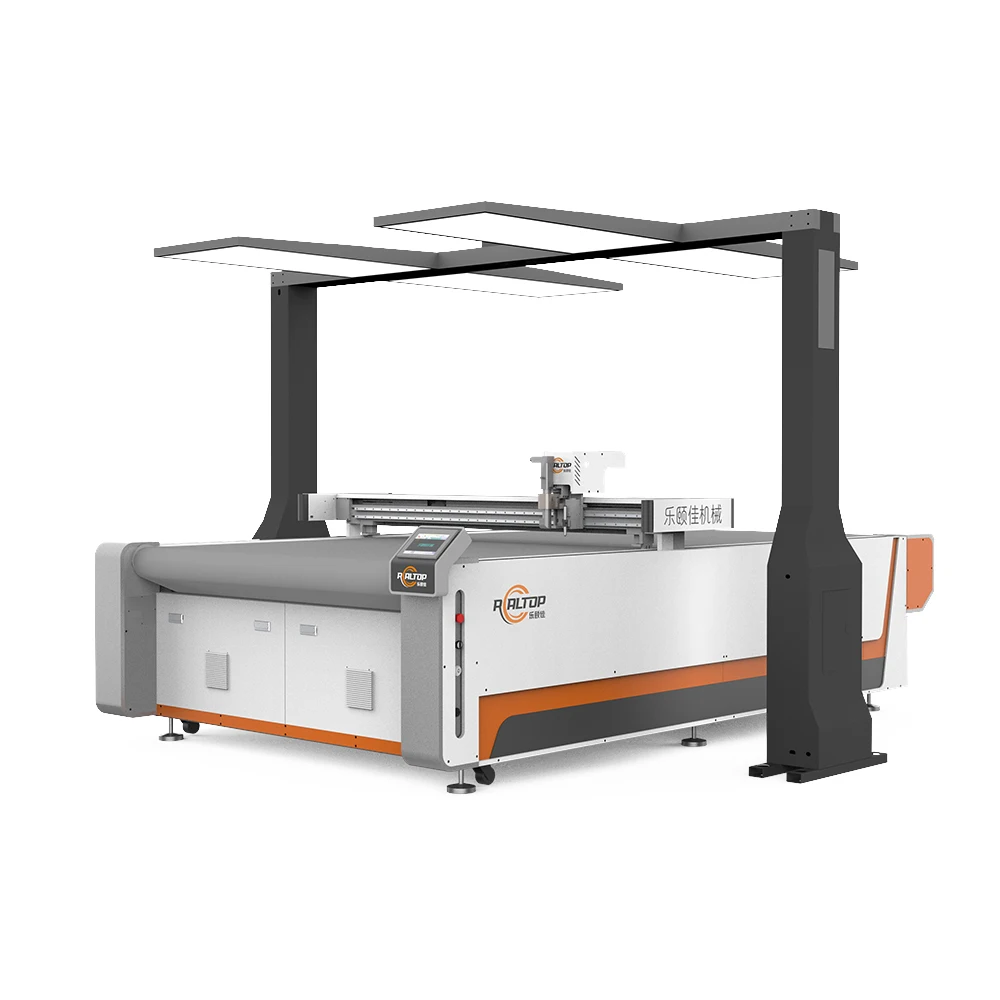
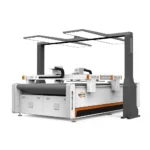
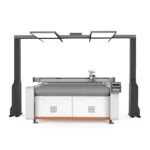
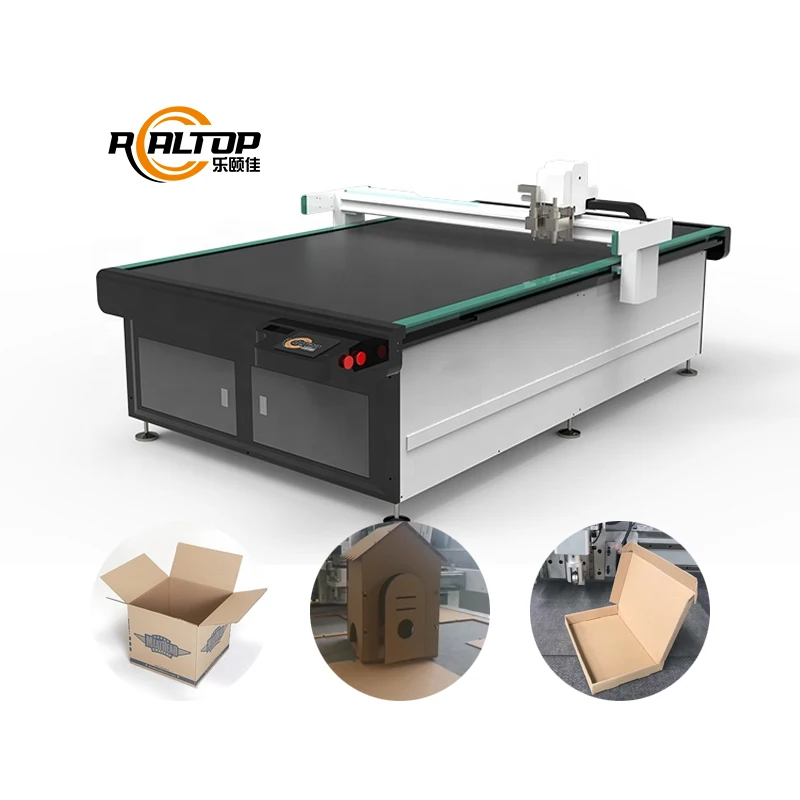
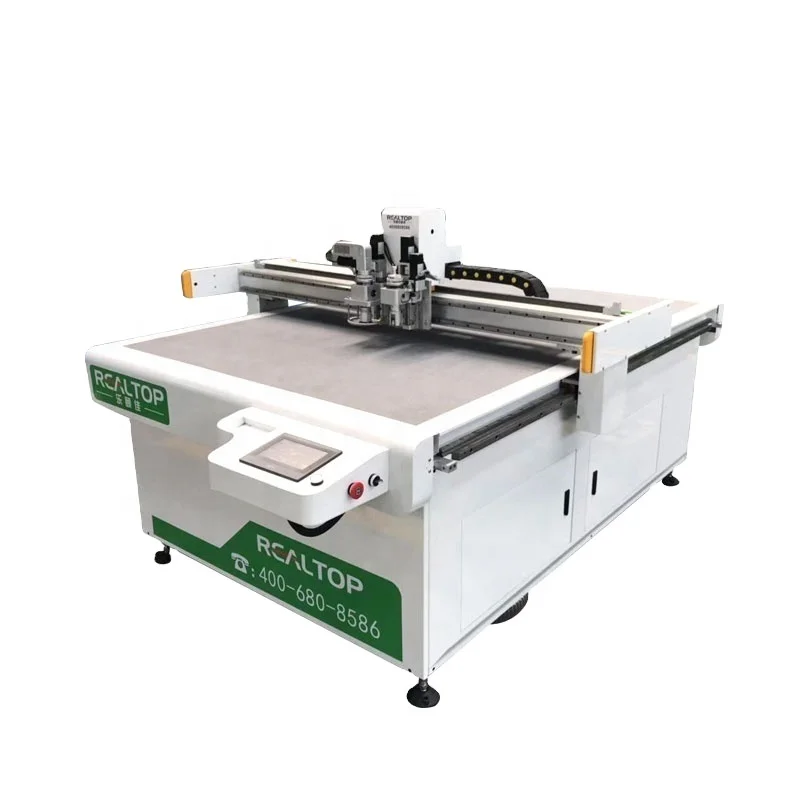
| Product Type | CNC Oscillating Knife Cutting Machine for Leather |
| Working Area | 1600 × 2500 mm |
| Cutting Thickness Capacity | ≤ 30 mm (basis not stated in source — confirm material type and density) |
| Cutting Speed Range | 0 – 2000 mm/s |
| Positioning Accuracy | ± 0.1 mm |
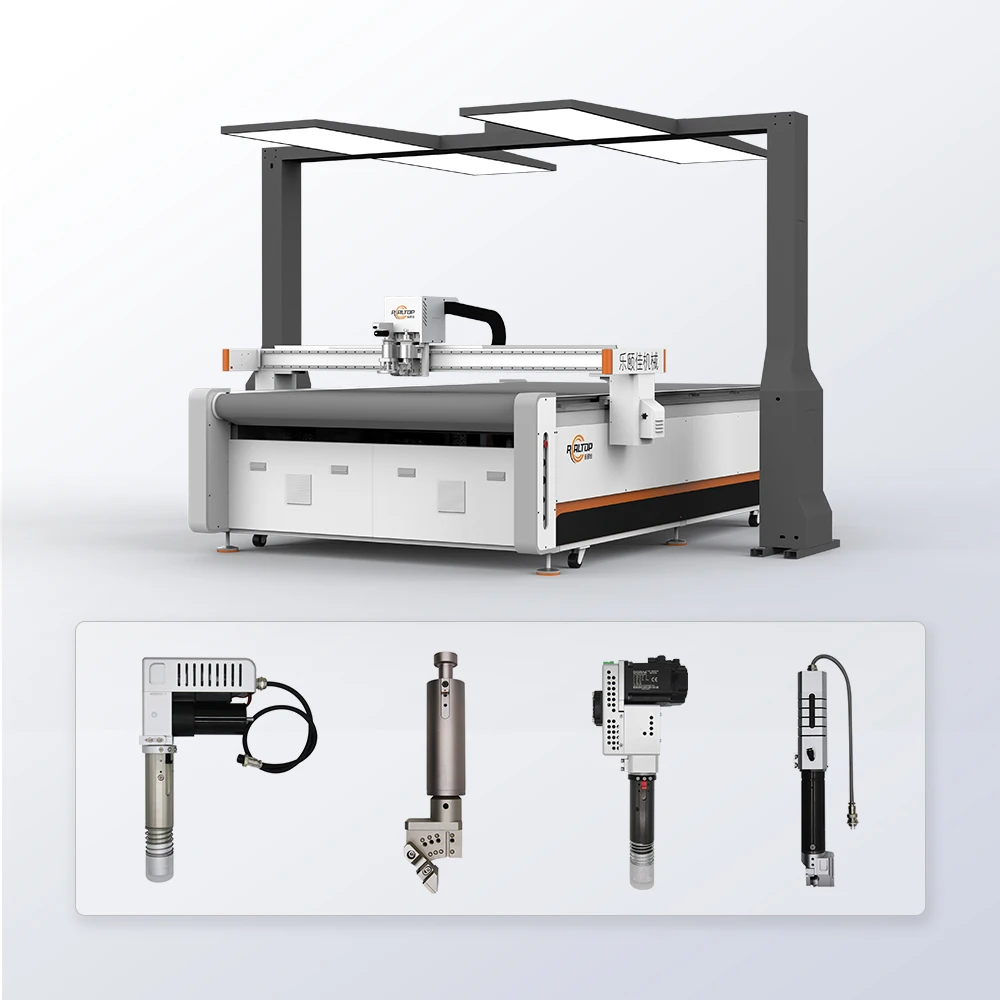
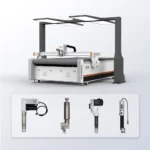
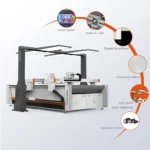
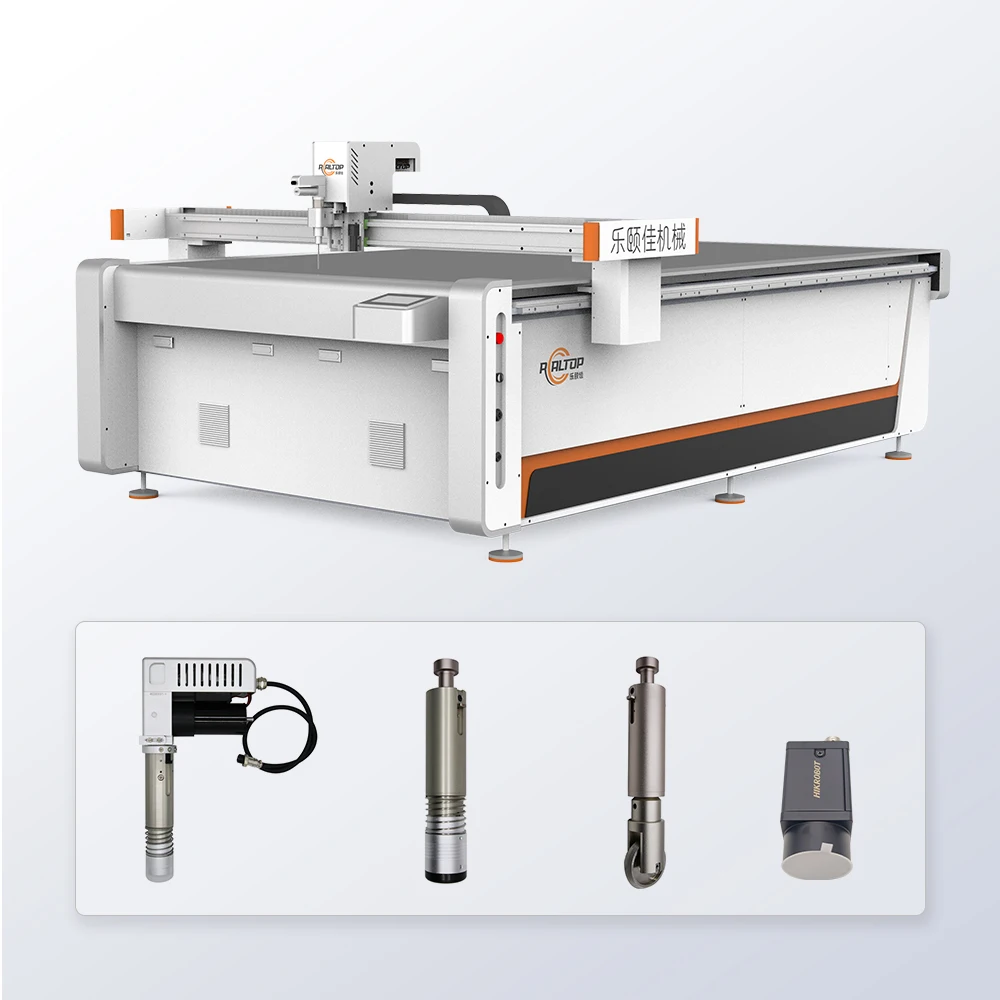
| Available Tool Heads | Oscillating knife, driven rotary knife, creasing wheel, kiss cutting tool, pneumatic knife, milling tool, V groove knife |
| Vacuum Pump | 9 kW |
| Voltage Options | 110 V / 220 V / 380 V (rated or peak not specified in source; frequency not stated) |
| Control Interface | PLC panel with selectable display languages |
| Compatible File Formats | PLT, DXF, AI, PDF |
| Safety Systems | Infrared sensor barrier and emergency stop |
| Machine Footprint | 3300 × 2100 × 1350 mm |
| Frame Construction | Heavy-duty steel with precision-ground surface |
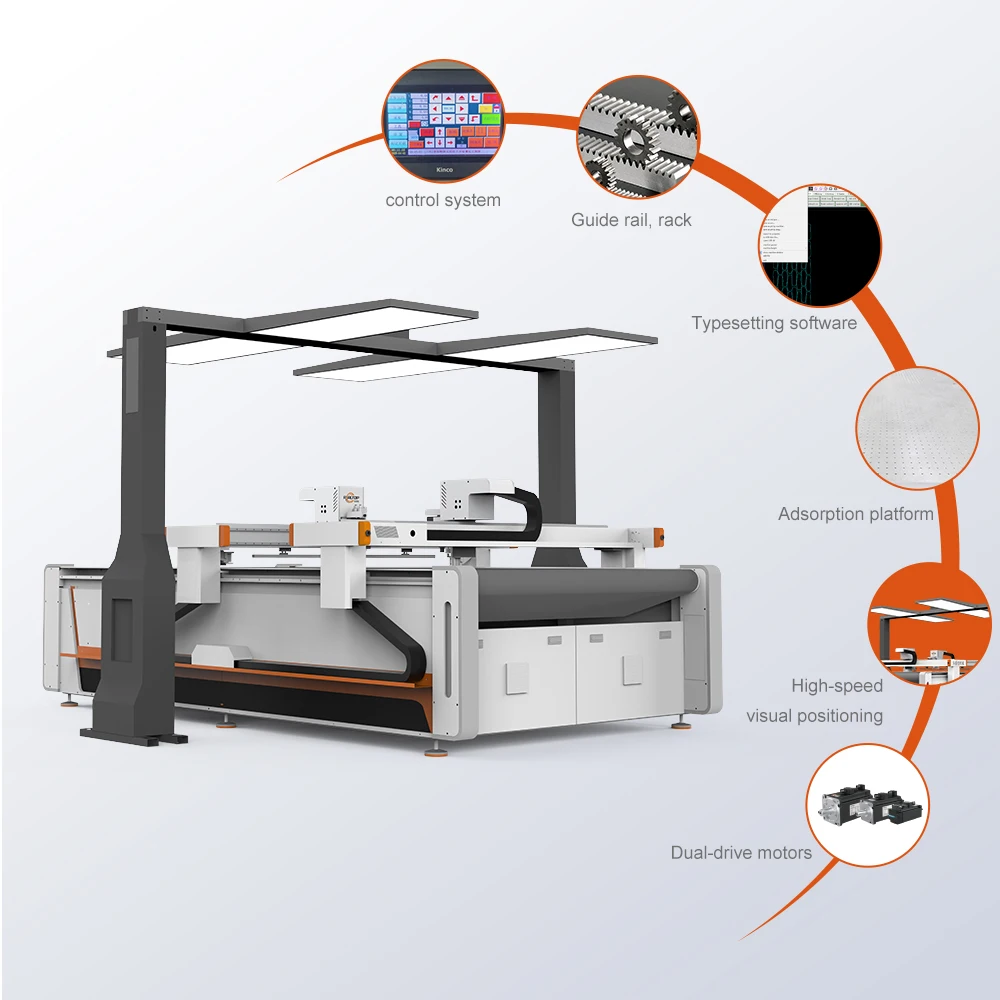
| Vacuum Table | Aluminum bellows type with full-surface adsorption |
| Servo Motor Options | Panasonic, Delta, or Dorna |
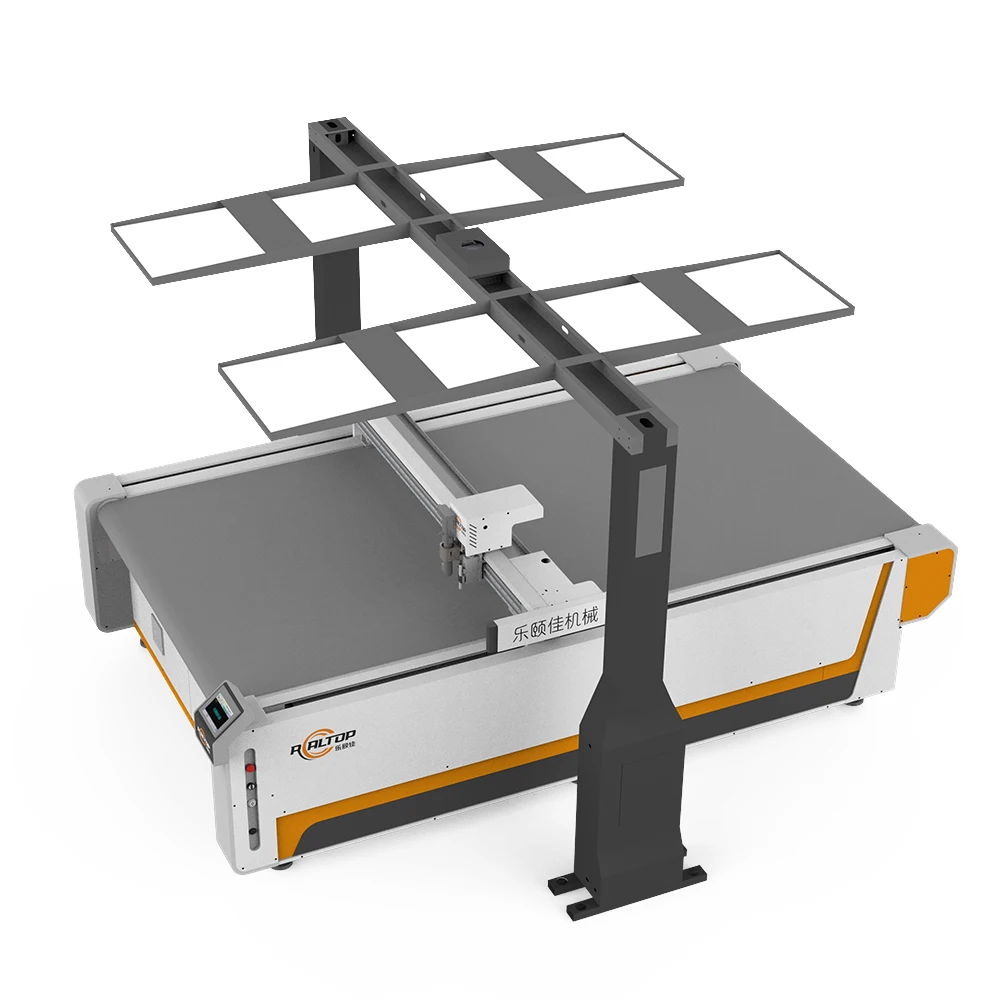
| CCD Camera | Included for contour recognition and positioning |
| Language Options | English, Russian, Italian, Chinese (custom languages on request) |
| Certification | CE |
Application Suitability
| Application | Material or Output |
|---|---|
| Footwear production | Genuine and synthetic leather shoe uppers, contour-cut with CCD alignment on grain marks |
| Leather goods and bags | Full-grain, split, and coated leather panels for handbags, wallets and belts |
| Automotive interiors | Printed and patterned leather for seat covers, door panels and floor mats |
| Upholstery and soft furnishings | Sofa fabrics and leather panels requiring burr-free edges without secondary finishing |
| Flexible composites | EPE foam, insulating materials and layered composites for gaskets and technical components |
Why Material Thickness Alone Is Not Enough to Size a CNC Leather Cutting Machine
The real question is what happens when your leather is not the standard test swatch.
I once set up an oscillating knife cutter for an Italian workshop that ran primarily chrome-tanned leather in the 1.2 to 1.8 mm range. The trial cuts on standard vegetable-tanned samples were clean, but the moment they loaded their daily production rolls of coated synthetic leather, the edges came out crushed and ragged. The knife frequency, downward pressure, and oscillation amplitude all needed re-tuning — two full days of parameter work before the cuts stabilized. That is the gap between a machine that looks right on paper and one that actually produces sellable parts on your specific material. A CNC leather cutting machine manufacturer worth working with will confirm tool head selection, vacuum zoning, and cutting parameters against your actual stock before the order is finalized [NEED_CITE: leather density and coating variability across tannery batches].
Matching Tool Head to Leather Type and Thickness
An oscillating knife handles most genuine leather thicknesses well, delivering clean edges through repeated high-frequency vertical strokes. For heavier or fibrous materials like bonded leather and thick splits, a pneumatic knife or driven rotary knife provides the sustained cutting force needed to avoid delamination. The platform here supports seven distinct tool heads — oscillating, driven rotary, creasing wheel, kiss cutting, pneumatic, milling, and V groove — so the configuration can be specified to the exact material profile rather than forcing one blade through every job. This versatility is what separates a purpose-built CNC leather cutting machine from a general-purpose cutter pressed into service.
CCD Contour Recognition for Printed and Grained Leather
Genuine leather carries natural grain variation, and printed synthetics carry registration marks that shift slightly from roll to roll. The integrated CCD camera reads these contours in real time, adjusting cut paths to follow the actual printed or natural boundary rather than a fixed coordinate set. For footwear uppers where pattern alignment across paired pieces is non-negotiable, and for automotive seat covers where logos and perforation zones must land within tight tolerances, this removes the manual alignment step that otherwise slows throughput and generates miscut waste [NEED_CITE: contour recognition accuracy on variable print registration].
Reading the Specs That Actually Matter on the Floor
The 9 kW vacuum pump paired with an aluminum bellows table provides full-surface adsorption, which matters most when cutting small leather components — shoe tongue pieces, strap segments, buckle loops — that tend to lift off the bed during the knife stroke. A zoned vacuum system would let you activate only the sections under the current cut area, but here the full-surface design prioritizes holding power across the entire 1600 × 2500 mm envelope. The ±0.1 mm positioning accuracy is maintained by the heavy-duty frame and precision-ground surface; a frame that flexes under cutting load will drift regardless of servo quality. Servo motor selection across Panasonic, Delta, and Dorna gives buyers the option to align with the service networks already established in their region. File format compatibility with PLT, DXF, AI, and PDF means the nesting workflow from most common design packages imports directly, though this should be confirmed with sample files before shipment.
What Happens When the Configuration Is Wrong
Choosing a drag knife for thick layered leather produces frayed edges that require manual trimming, adding a secondary operation that was supposed to be eliminated. An undersized vacuum pump lets small parts shift mid-cut, turning a nested sheet into scrap. Skipping voltage confirmation before shipment can mean a machine that will not power on without a transformer — or worse, one that runs but overheats the servo drives within the first week [NEED_CITE: industrial equipment voltage mismatch consequences in export markets]. These are not theoretical; they are the most common field-service calls in the first month after installation.
Why Source This Machine from the Build Floor
Realtop designs and produces both knife and laser cutting systems under one roof, so the cutting method is chosen to fit the leather rather than the buyer being steered toward whichever technology the supplier happens to stock. Tool head and table configurations are specified per material sample, not selected from a default list. The CCD camera and control software are tested together as a system before the machine leaves the factory, not commissioned as separate add-ons on the buyer’s floor. Every unit ships with a factory test record run on the buyer’s own leather sample, providing a documented baseline for edge quality and contour accuracy. The design team adjusts voltage, plug type, and control language to the destination facility before production begins, eliminating the post-delivery rewiring that delays commissioning.
Documentation & Verification
- Machine specification sheet matching your confirmed tool head and vacuum table configuration
- Electrical schematic with voltage, frequency, and plug type verified against your facility supply
- Sample cutting report on your leather material documenting edge quality and contour accuracy
- Tool head and table configuration list specifying knife type, pump rating, and cutting parameters
- Software license with file format compatibility note for your existing DXF, AI, or PLT workflow
- CE declaration and factory test record included with shipment documentation package
Installation, Commissioning & Support
- Requires a level concrete floor capable of supporting the 3300 × 2100 mm machine footprint and dynamic cutting loads
- Dedicated electrical circuit matching confirmed voltage (110 V / 220 V / 380 V) with appropriate breaker rating for the 9 kW vacuum pump and servo drives
- Machine ships as a single assembly; verify doorway and aisle clearance for the 2100 mm width before delivery
- First-day commissioning includes vacuum calibration, CCD camera registration tuning, and test cuts on your production leather stock
- Operator training covers tool head changeover, nesting software workflow, and daily vacuum table maintenance
- Spare parts list identifies wear items including oscillating knife blades, vacuum seals, and CCD calibration targets
What to Prepare Before Requesting a Quote
Send samples or specifications of the leather types you run most often — genuine, synthetic, coated, or layered — along with typical thickness ranges and maximum sheet dimensions. Note the daily cutting volume and whether your workflow uses DXF, AI, PLT, or PDF files from an existing nesting package. Confirm your facility voltage, frequency, and the control language your operators need, so the configuration can be locked before production starts.
Frequently Asked Questions
Q: How is the cutting method chosen for different leather types?
A: Genuine leather, synthetic leather, and coated materials each respond differently to knife type and oscillation frequency. The tool head is selected based on your material samples — oscillating knife for most standard leathers, driven rotary or pneumatic knife for thicker or heavily coated stocks. Sample cutting on your exact material confirms the choice before the order is placed.
Q: How do I confirm the machine handles my leather thickness?
A: The cutting thickness capacity is listed at up to 30 mm, but actual performance depends on material density and layer count. Send your leather samples for a factory test cut. The resulting report documents edge quality, cutting depth, and whether the configured tool head and vacuum hold are sufficient for your production material.
Q: What electrical and language options are confirmed before shipment?
A: Voltage (110 V, 220 V, or 380 V), plug type, frequency, and control panel language are all confirmed during the specification stage. The electrical schematic is reviewed with you before production so the machine arrives ready to connect to your existing supply without transformers or adapters.
Q: Can I send my own leather for sample cutting before ordering?
A: Yes. Send your production leather samples and your preferred cut files. The factory runs test cuts and provides a report covering edge quality, contour accuracy with the CCD camera, and any parameter adjustments needed. This report becomes part of your order documentation.
Q: What documentation ships with the machine?
A: You receive a machine specification sheet, tool head configuration list, electrical schematic, sample cutting report on your material, CE declaration, operation manual, software license with file format compatibility note, and a spare parts list identifying consumables and wear items.
You may also like

商品评价
Clear filtersThere are no reviews yet.