



-
 Courier delivery
-
 DHL Courier delivery
-
 Warranty 1 year
-
 Free 30-Day returns

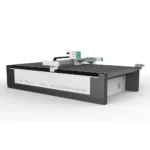
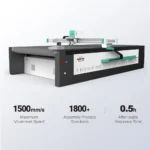
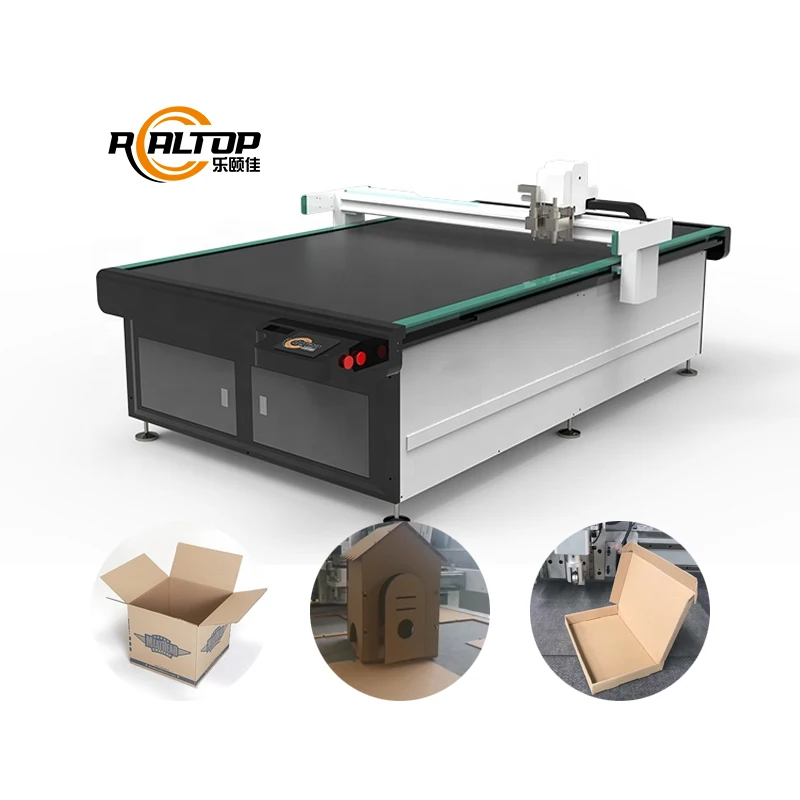
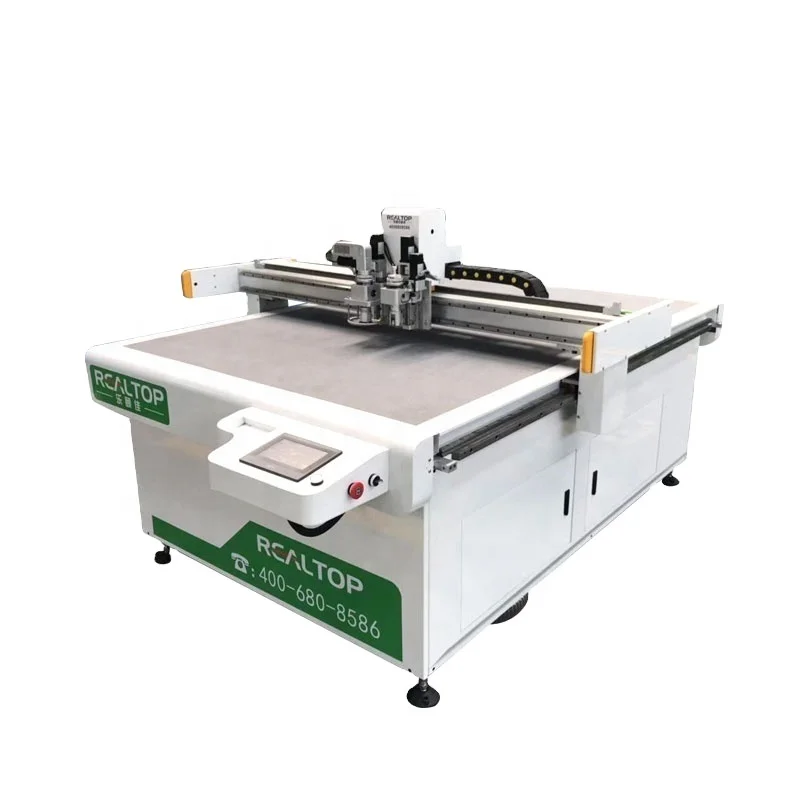
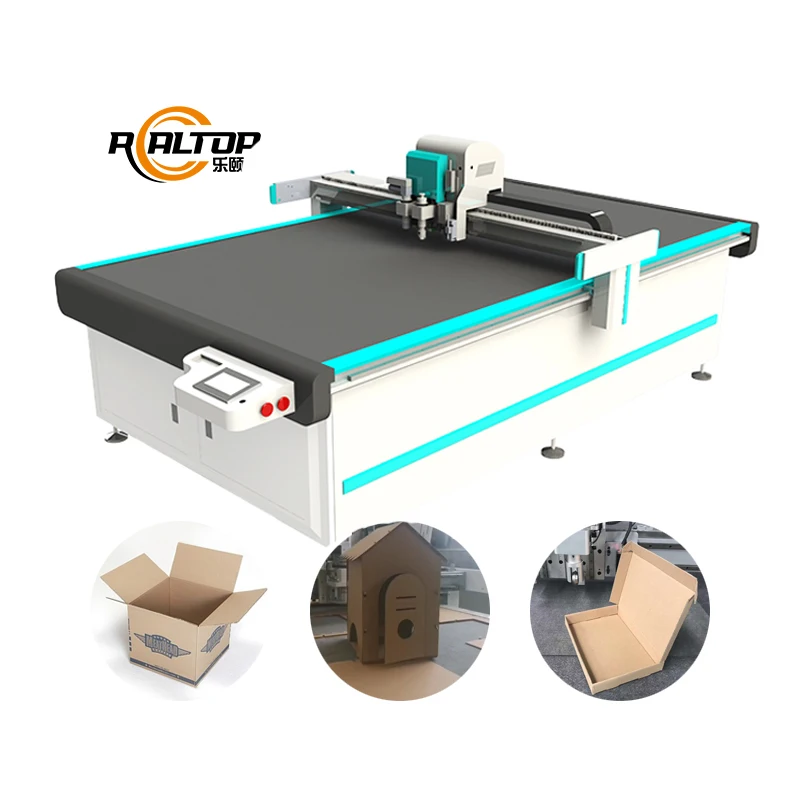
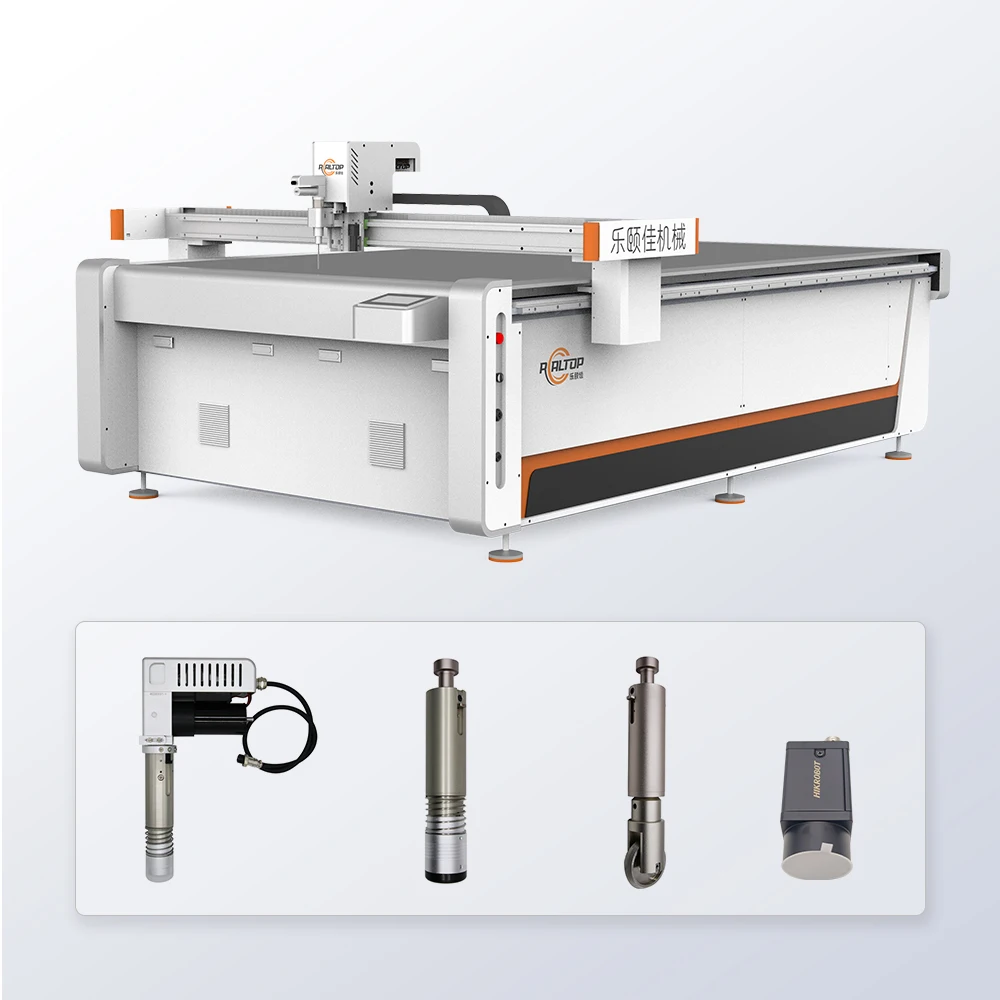
Cold-Cutting Precision for Composite Laminates — Tool heads configured per material density, from PET acoustic panels to carbon fiber prepreg, validated on buyer-supplied samples before order confirmation.
Technical Specifications
| Parameter | Value |
|---|---|
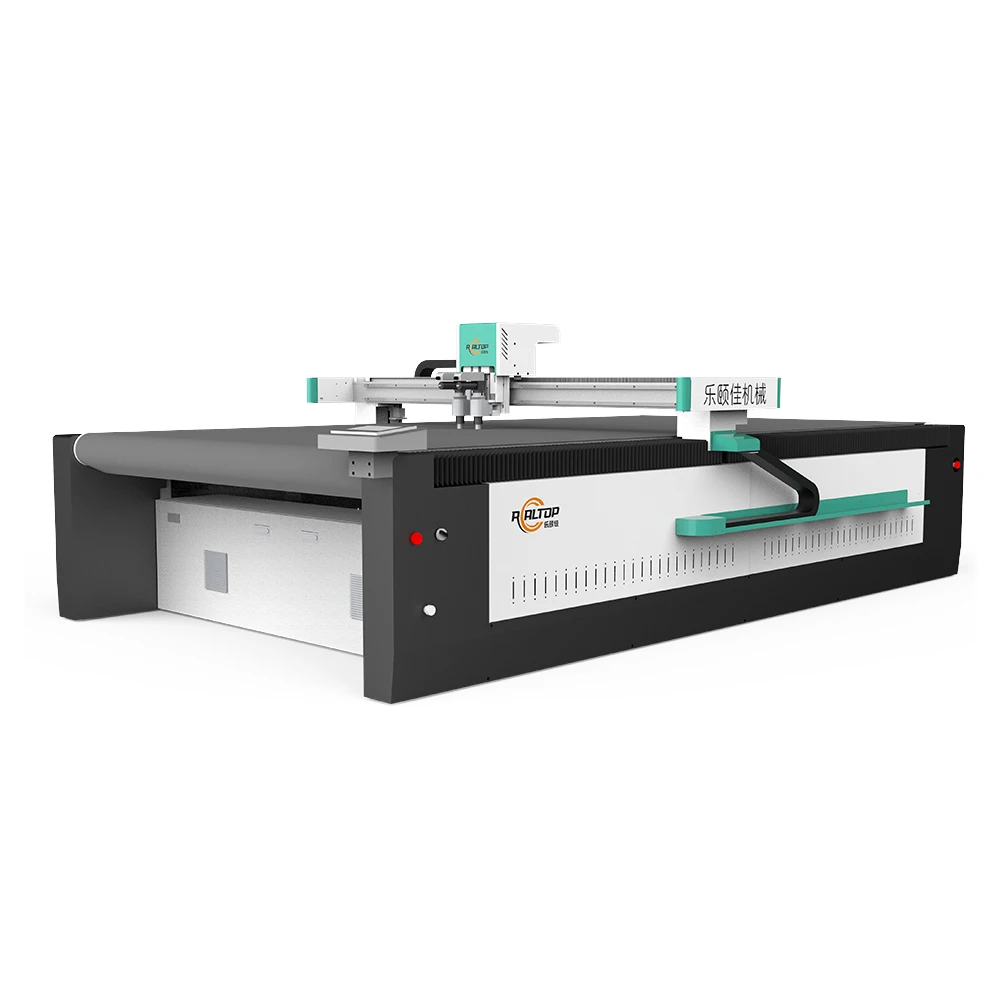
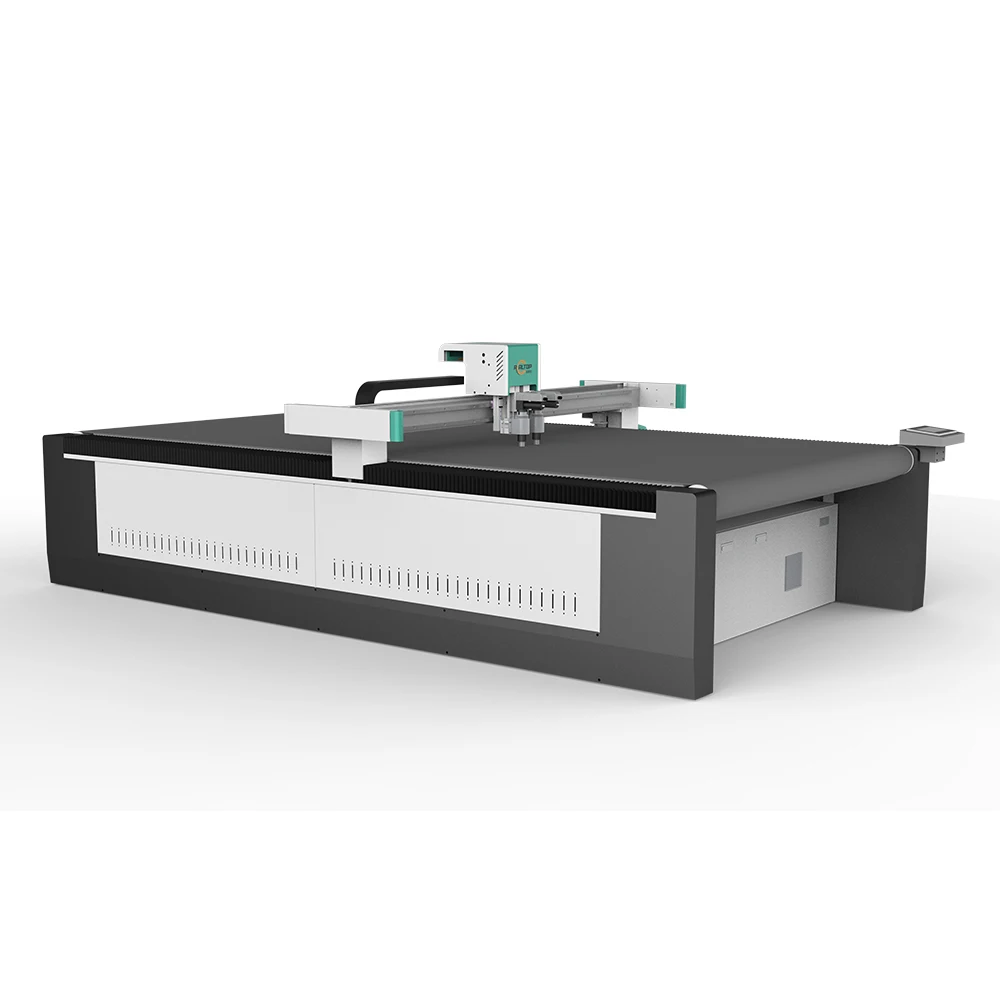
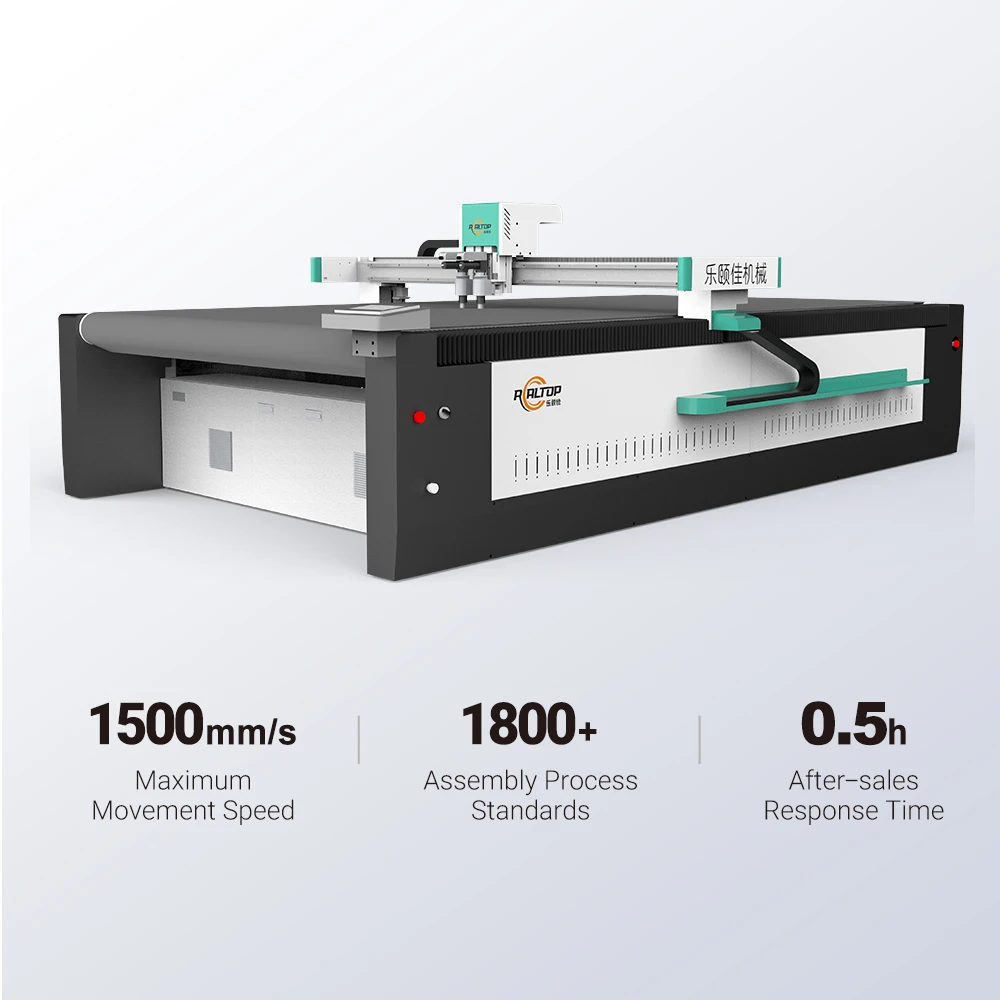
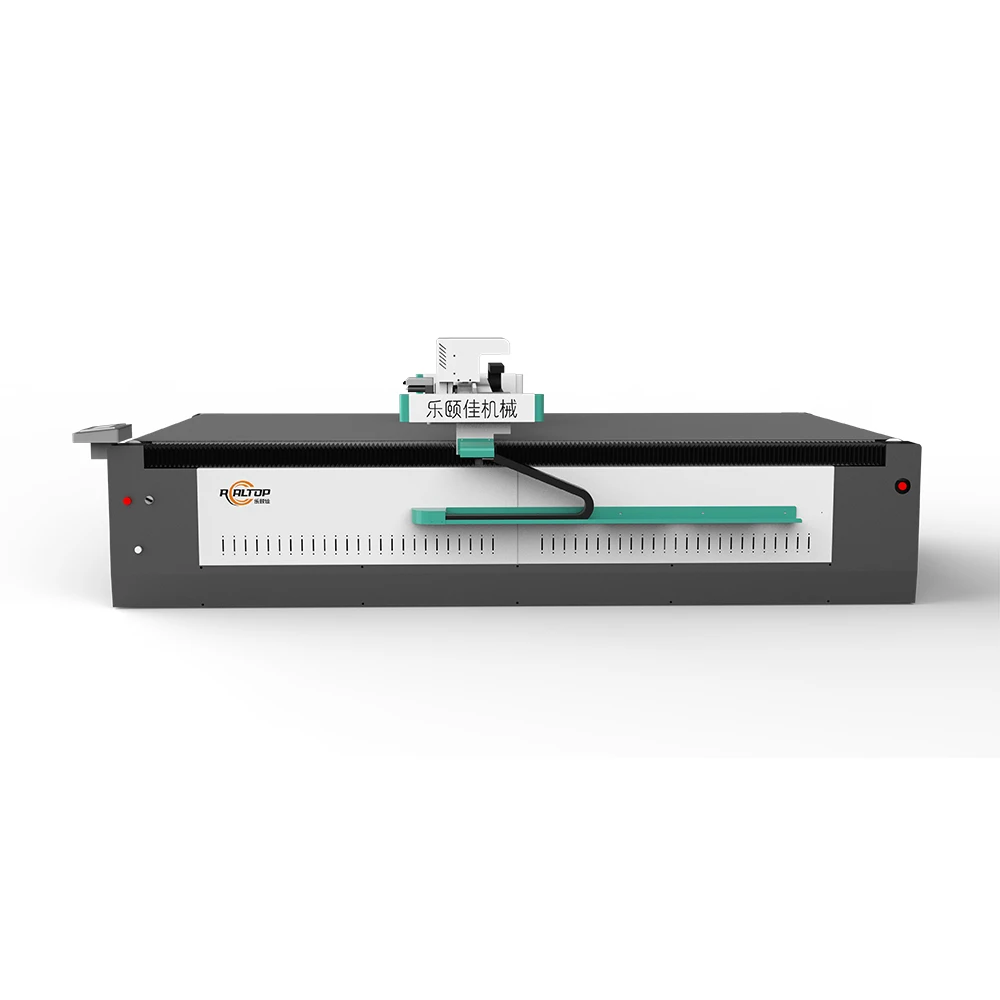
| Product Type | Composites CNC Cutting Machine |
| Cutting Technology | CNC oscillating knife |
| Working Area | Configurable up to large-format flatbed sizes |
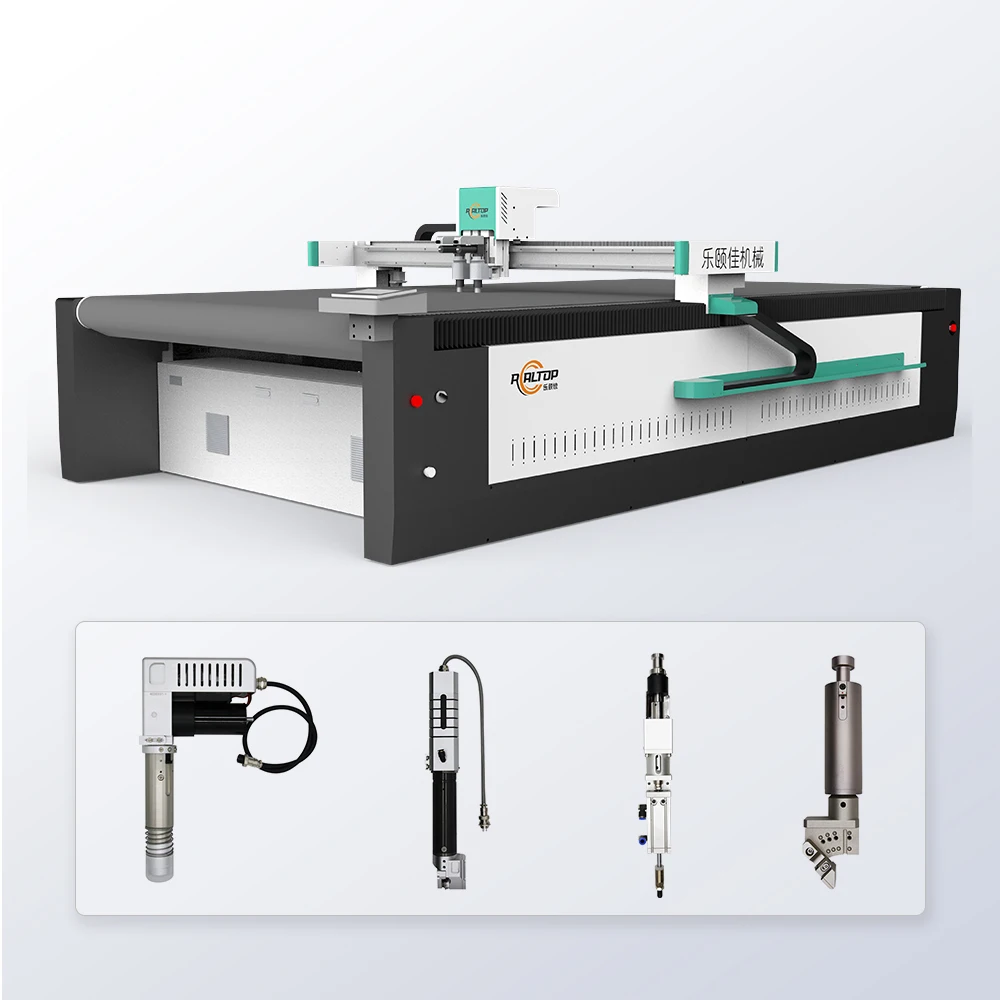
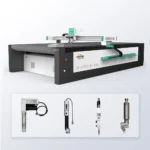
| Tool Head Options | Oscillating knife, drag knife, creasing wheel |
| Cutting Thickness | Material and density dependent (basis to be confirmed) |
| Positioning Accuracy | ±0.1 mm |
| Table Type | Vacuum table with configurable zoning |
| Contour Recognition | CCD camera positioning available |
| Control Voltage | Customizable to local grid standards |
| Software Interface | File format compatibility confirmed pre-order |
Application Suitability
| Application | Material or Output |
|---|---|
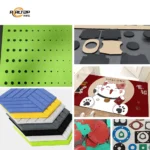
| Acoustic panel grooving and trimming | PET fiberboard, polyester fiber panels |
| Gasket and seal profiling | Aramid, compressed non-asbestos fiber, cork-rubber composites |
| Structural laminate cutting | Carbon fiber sheet, fiberglass reinforced plastic |
| Automotive interior blanks | Fiber-reinforced thermoplastic, composite headliner material |
| Insulation component shaping | Aerogel blanket, ceramic fiber board |
Why "Standard Density" Testing Fails on Real Composite Stock
A test cut on a manufacturer’s own material is the only reliable proof of edge quality.
I spent two weeks in Riyadh re-commissioning a CNC oscillating knife cutting machine for composites manufacturer because the factory test used standard-density PET acoustic board while the site material was a full grade denser. The knife head could not handle the higher density, producing delaminated edges across every panel in the first production batch. That field failure reinforced a rule I now apply to every composite cutting inquiry: never trust a specification sheet alone [NEED_CITE: common density variation in imported PET acoustic board lots]. Composite materials shift density, resin content, and fiber orientation from batch to batch, and these shifts change how the blade engages the material at production speed.
Knife Selection Against Fiber Direction and Resin Hardness
Oscillating knife cutting avoids the thermal damage that laser processes introduce to fiber-reinforced laminates, but blade geometry must match the composite structure. A straight oscillating blade slices cleanly through PET acoustic board and soft gasket materials, while a high-frequency oscillating knife with a steeper bevel handles aramid and fiberglass without pulling fibers out of the resin matrix. The CNC oscillating knife cutting machine for composites manufacturer configures tool heads per material sample, not per catalog category [NEED_CITE: effect of blade oscillation frequency on aramid fiber cutting quality].
Vacuum Zoning and Small-Part Stability on Composite Sheets
Composite offcuts tend to be small and rigid, which makes them prone to lifting when the vacuum zone is wider than the part footprint. Multi-zone vacuum tables allow the operator to activate only the sections under the current cut path, holding thin carbon fiber sheets and narrow gasket strips flat without mechanical clamps. Insufficient zoning on a single large chamber causes micro-movement during the final passes of an oscillating blade, producing stepped edges that fail dimensional inspection.
Spec Parameters That Determine Edge Quality in Composite Cutting
| Parameter | Production Impact |
|---|---|
| Oscillation Frequency | Higher frequency allows cleaner cuts in aramid and fiberglass; lower frequency suits softer PET and foam-core panels. |
| Blade Overstroke | Controls how far the knife penetrates past the material bottom face, critical for clean exit on laminated composites. |
| Vacuum Zone Count | More independent zones improve hold-down on small composite parts and narrow gasket profiles. |
| CCD Camera Resolution | Determines whether printed registration marks on pre-printed composite panels are tracked at full cutting speed. |
The Hidden Cost of Underspecifying Tool Heads
Buyers often request a working area size and assume the tool head is standard. On PET acoustic panels, a generic drag knife crushes the fiber matrix at cut edges, leaving visible ridges after surface lamination. On aramid gasket sheets, the wrong oscillation angle pulls fibers rather than shearing them, creating a fuzzy perimeter that compromises the seal under flange pressure [NEED_CITE: gasket sealing failure caused by cut-edge fiber pullout]. These defects appear only after the material is installed, making returns and rework far more expensive than a pre-order sample test.
Why Source This Machine from RealTop
RealTop designs and produces both knife and laser cutting systems in-house, so the cutting method is matched to the composite material rather than forced into one technology. Tool head and table configurations are specified per material sample and production volume, not quoted from a generic price list. CCD camera positioning is included for printed contour work on pre-finished composite panels. Software file format compatibility is confirmed before the order is placed, preventing import failures at the buyer’s site. Sample cutting runs on the buyer’s own composite stock before any commitment to purchase.
Documentation & Verification
- Machine specification sheet listing confirmed tool head and vacuum zone configuration
- Electrical schematic with voltage and frequency matched to destination grid
- Sample cutting report on buyer-supplied composite material with edge photographs
- Factory test record showing positioning accuracy across full working area
- Software licence and file format compatibility note for nesting workflow
- Spare parts list with blade, sharpening stone, and vacuum filter part numbers
Installation, Commissioning & Support
- Flatbed foundation must be level within tolerance across the full working area footprint
- Dedicated power circuit matching confirmed voltage and frequency rating for the servo drives
- Vacuum pump and extraction ducting sized to table zone configuration before machine arrival
- First-run parameter tuning on buyer’s composite stock during on-site commissioning
- Operator training covering blade change, vacuum zone mapping, and CCD calibration procedure
- Scheduled blade and vacuum filter replacement intervals documented in maintenance manual
Prepare Your Material Sample Before Requesting a Quote
Send a representative sheet or swatch of the actual composite material you run in production, including the exact density and resin type. Specify your local voltage standard, control panel language preference, and the CAD file format your design team currently uses. This information allows a cutting method recommendation and sample test before any commercial discussion begins.
Frequently Asked Questions
Q: Can an oscillating knife cut carbon fiber sheet without fraying the edges?
A: Yes, provided the blade bevel angle and oscillation frequency are matched to the resin hardness and fiber weave. A high-frequency oscillating head shears the fibers cleanly instead of pulling them from the matrix. A sample cut on your specific carbon fiber stock confirms the result before order.
Q: Why does the vacuum table need multiple zones for composite cutting?
A: Composite offcuts and gasket profiles are often small and rigid. A single large vacuum zone cannot hold these parts firmly because air leaks around the edges. Multiple independent zones activate only under the current cut area, maintaining flat contact and preventing edge stepping during the final blade passes.
Q: What file formats does the cutting software accept?
A: Common vector formats such as DXF, DWG, PLT, and AI are supported. File format compatibility is confirmed against your existing nesting or design software before the order is finalized, ensuring no translation errors at your production site.
Q: Is laser cutting an alternative for these composite materials?
A: Laser cutting seals synthetic edges but introduces thermal damage to fiber-reinforced composites, burning resin and leaving charred margins. Oscillating knife cutting is cold-process and avoids this. The choice depends on the specific composite, which is why material testing comes first.
You may also like

商品评价
Clear filtersThere are no reviews yet.