





-
 Courier delivery
-
 DHL Courier delivery
-
 Warranty 1 year
-
 Free 30-Day returns

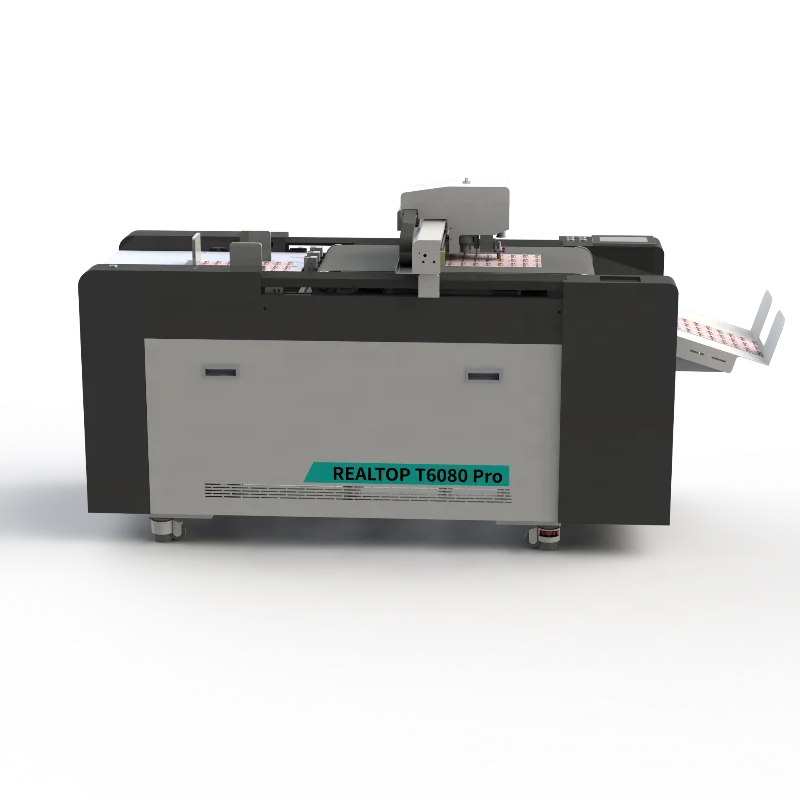
In-House Build Quality Control — Every RTT6080 / RTT6080 Pro frame and motion assembly is verified on our factory floor before crating, eliminating field geometry surprises.
Technical Specifications
| Parameter | Value |
|---|---|
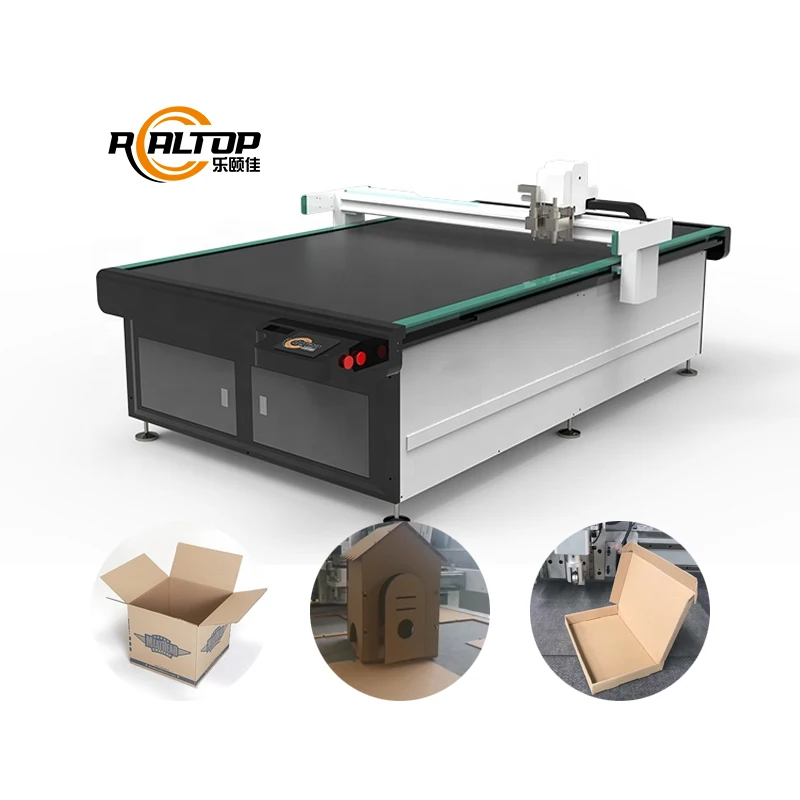
| Model | RTT6080 / RTT6080 Pro |
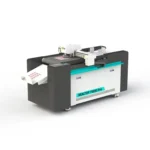
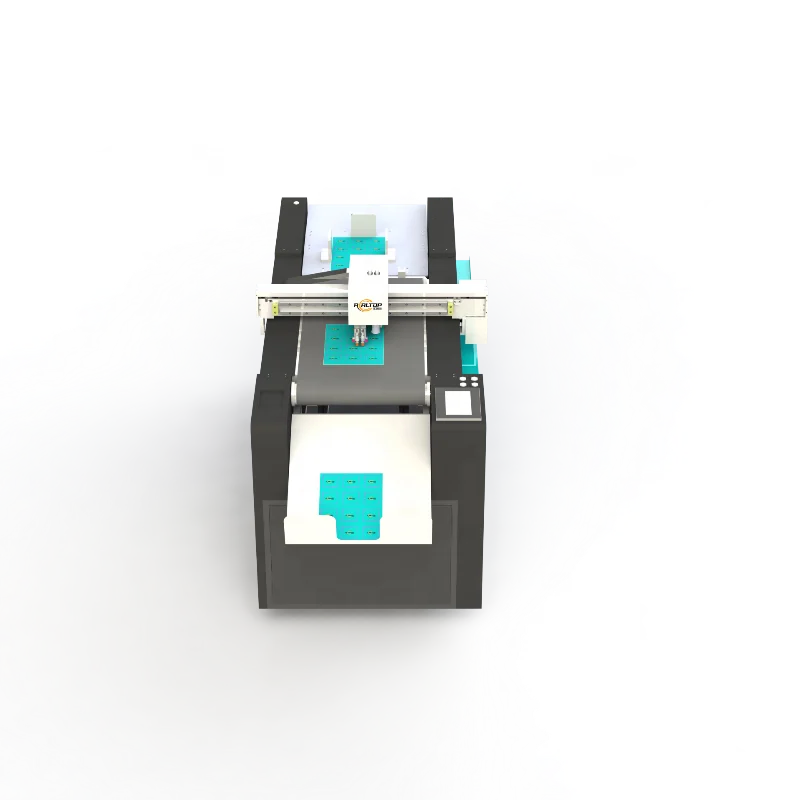
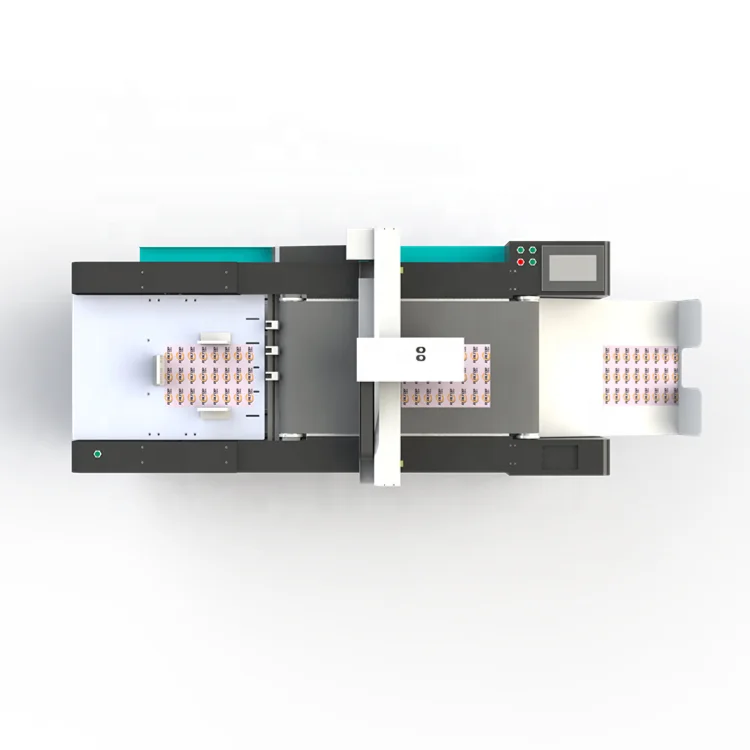
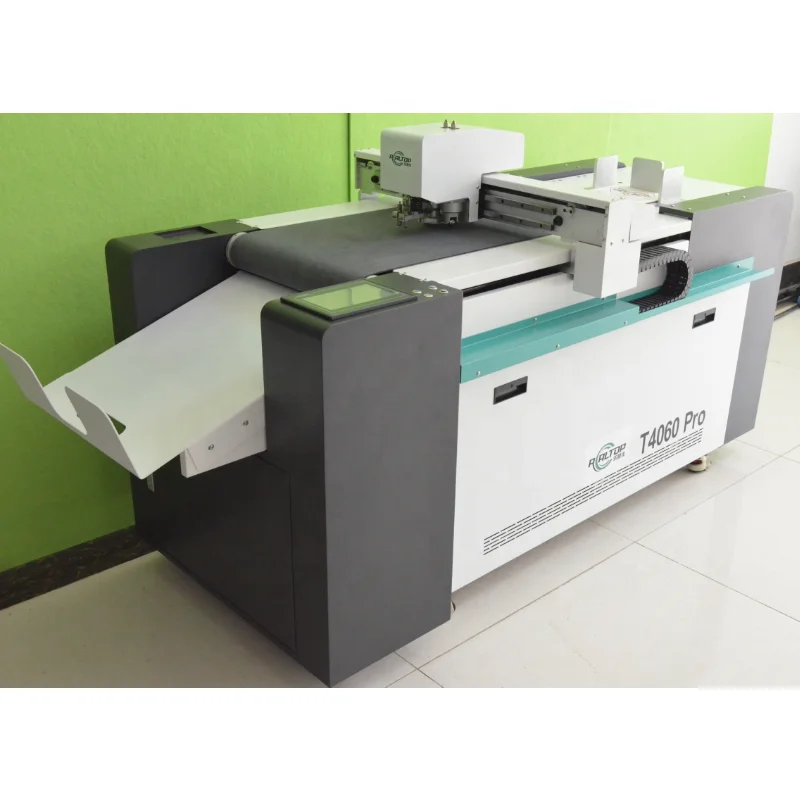
| Product Type | CNC Digital Cutting Plotter |
| Max Working Area | 600mm × 800mm |
| Tool Group | cutting tool, kiss cutting tool, creasing tool, CCD camera; high speed oscillating knife (Pro version) |
| Max Cutting Speed | 1500mm/s (basis not stated in source) |
| Cutting Thickness | ≤2mm (RTT6080) / ≤5mm (RTT6080 Pro) |
| Positioning Accuracy | 0.05mm |
| File Format Compatibility | DXF, PLT, PDF, AI |
| Transfer Method | Ethernet port |
| Rated Power | 3.2KW |
| Voltage & Frequency | 220V/380V, 50Hz |
| Key Features | CCD camera contour recognition, dual voltage compatibility, vacuum table |
Application Suitability
| Application | Material or Output |
|---|---|
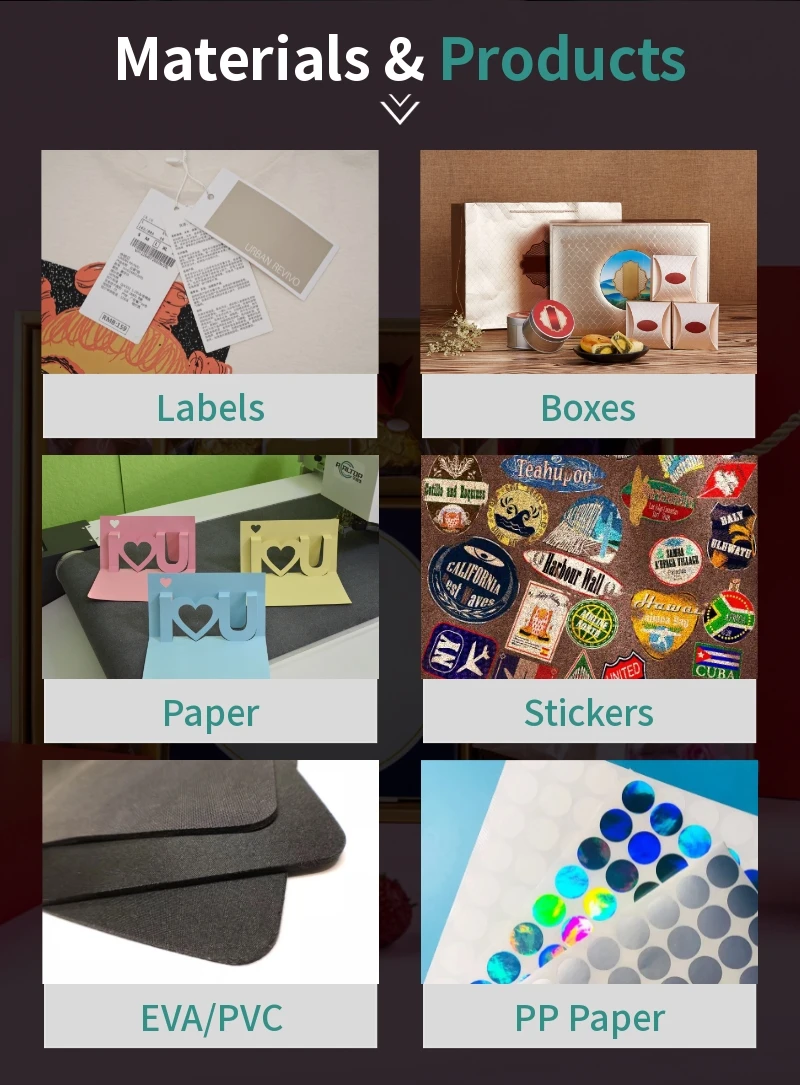
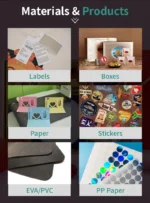
| Vinyl Label Cutting | Adhesive vinyl, reflective film, magnetic sheet |
| Signage Production | PVC foam board, acrylic sheet, corrugated plastic |
| Packaging Sample Making | Cardboard, corrugated board, folding carton stock |
| Contour Cutting | Printed graphics on self-adhesive and synthetic media |
Why the Vacuum Zoning Question Beats the Working Area Question
Small parts lift off a poorly zoned vacuum table long before the blade finishes its path.
When I travel to distributor sites across Latin America, I routinely find CNC digital cutting plotter machines specified by working area alone, ignoring how the vacuum is segmented underneath. A 600mm × 800mm bed with a single full-sheet vacuum zone works fine for large signage panels, but once the operator starts cutting dozens of small vinyl labels, the vacuum cannot hold the offcuts [NEED_CITE: vacuum table zoning principles for CNC flatbed cutting]. The material lifts, the knife drags, and an entire sheet of printed labels is scrapped.
Frame Rigidity and Motion Accuracy Under Load
The RTT6080 and RTT6080 Pro share a welded steel frame construction designed to resist deflection across the full 600mm × 800mm travel. A rigid frame is the foundation that allows the positioning accuracy of 0.05mm to hold consistently, whether the cutting head is at the origin corner or the far diagonal. This matters for contour work where the CCD camera has already registered printed marks and the knife must land precisely on the cut path.
Tool Head Configuration Per Material Profile
The CNC digital cutting plotter manufacturer approach here is to configure the tool group around the buyer’s actual material stack rather than ship a default setup. The standard RTT6080 carries a cutting tool, kiss cutting tool, creasing tool, and CCD camera for materials up to 2mm. The Pro version adds a high speed oscillating knife and extends cutting thickness capability to 5mm [NEED_CITE: oscillating knife versus drag knife cutting mechanics], which broadens the machine from thin-film label work into thicker gasket and foam applications without requiring a separate platform.
Decoding the Specifications That Matter at the Production Floor
Max cutting speed is listed at 1500mm/s, though this figure depends heavily on material type, thickness, and the complexity of the vector path. In practice, an oscillating knife cutting through 3mm foam at tight radii will run considerably slower than a drag knife tracing straight lines on thin vinyl. The rated power of 3.2KW covers the vacuum pump, servo drives, and control electronics together. Dual voltage compatibility at 220V/380V, 50Hz means a distributor can stock one machine platform and configure the electrical cabinet to match local supply before delivery. Ethernet transfer of DXF, PLT, PDF, and AI files avoids the USB bottleneck and supports networked workflows where nesting software sits on a separate workstation. Positioning accuracy at 0.05mm is tight enough for registration-dependent contour cutting, provided the printed media itself has not stretched during lamination or storage.
The Hidden Cost of Specifying a Machine on Bed Size Alone
I have walked into workshops where a perfectly capable flatbed cutter sits idle because the buyer never confirmed the vacuum zoning matched their part geometry. Small labels and gaskets require multi-zone vacuum control so that suction concentrates under the actual workpiece rather than bleeding across an empty table surface. Without this, the buyer faces recurring material lift, ragged edges, and operator frustration [NEED_CITE: CNC vacuum hold-down failures in label and gasket cutting]. The machine itself is not at fault; the specification process was.
Why Source This CNC Digital Cutting Plotter From Our Factory
In-house design and production covering both knife and laser technologies means the buyer can match the cutting method to the material rather than force one method. Tool head and table configuration is specified per material type and production volume, not pulled from a default catalog line. CCD camera positioning is calibrated and tested for printed contour work before dispatch. Software compatibility with the buyer’s existing file formats is confirmed at the order stage, not discovered after commissioning. Voltage, control language, and plug type customization is handled on the production line, not improvised in the field. Sample cutting on the buyer’s own material is completed before commitment, providing a physical record of what the machine will deliver.
Documentation & Verification
- Machine specification sheet listing confirmed tool heads and vacuum zone layout
- Electrical schematic with voltage and frequency matched to destination market
- Sample cutting report produced on the buyer’s own label or gasket material
- Factory test record documenting positioning accuracy and contour registration results
- Software licence and file format compatibility note covering DXF, PLT, PDF, AI workflows
- Packing photographs showing crating condition before container loading
Installation, Commissioning & Support
- Floor leveling and anchor requirements calibrated to the 3.2KW rated power draw
- Dedicated circuit provisioning for 220V/380V dual voltage input at 50Hz
- Vacuum pump commissioning and multi-zone suction balance verification on the 600mm × 800mm bed
- CCD camera calibration and contour registration test using buyer-supplied printed files
- Tool head changeover training covering cutting, kiss cutting, creasing, and oscillating knife modules
- Spare parts list focused on blades, vacuum seals, and camera lighting consumables
What We Need to Configure Your Machine
To specify the right RTT6080 or RTT6080 Pro configuration, share your primary material types and thickness range, the typical part size and nesting layout you run, and your local voltage and frequency standard. If your workflow depends on CCD contour recognition, provide a sample printed file so we can verify camera tracking before build.
Frequently Asked Questions
Q: How do you decide between knife cutting and laser for a given material?
A: The choice depends on material composition and edge requirement. Knife cutting produces a clean mechanical edge on vinyl, foam, and gasket materials without thermal sealing. Laser cutting seals edges on synthetics and handles intricate shapes without blade wear. We configure either method from the same factory, so the buyer is not forced into one technology when the other suits the material better.
Q: What quality control steps happen before the machine leaves the factory?
A: Each unit undergoes a full mechanical and electrical test covering positioning accuracy, vacuum zone balance, tool head changeover, and CCD camera contour tracking. The test uses the buyer’s own material sample where possible. Results are documented in a factory test record that ships with the machine.
Q: Can the voltage and control language be customized for our market?
A: Yes. The RTT6080 and RTT6080 Pro support 220V/380V at 50Hz, and the electrical cabinet is wired to the buyer’s confirmed destination standard. Control interface language is set during assembly. Plug type and cable specifications are matched to the target market before crating.
Q: What file formats does the software accept?
A: The system accepts DXF, PLT, PDF, and AI files transferred via Ethernet. Software compatibility is confirmed at the order stage against the buyer’s existing design workflow. If a specific nesting or prepress application is in use, we verify the import chain before production begins.
Q: Do you offer OEM or private-label manufacturing?
A: Yes. As the design and production source, we support OEM branding, custom color schemes, and specification adjustments for distributors. Build quality, component sourcing, and factory testing remain under our control throughout production.
You may also like

商品评价
Clear filtersThere are no reviews yet.