



-
 Courier delivery
-
 DHL Courier delivery
-
 Warranty 1 year
-
 Free 30-Day returns

Material-Matched Configuration — in-house design and production covering both knife and laser technologies, so the cutting method is matched to the flexible material rather than forced into a single-tool compromise.
Technical Specifications
| Parameter | Value |
|---|---|
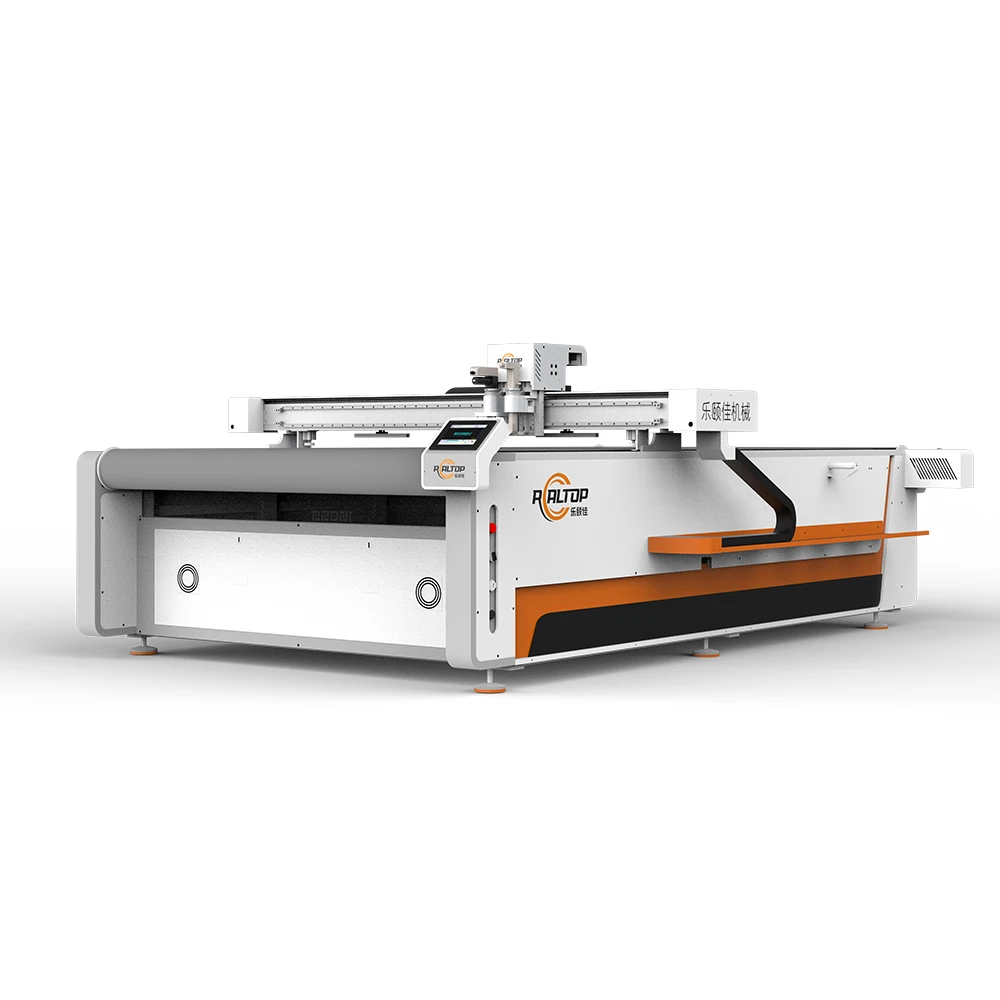
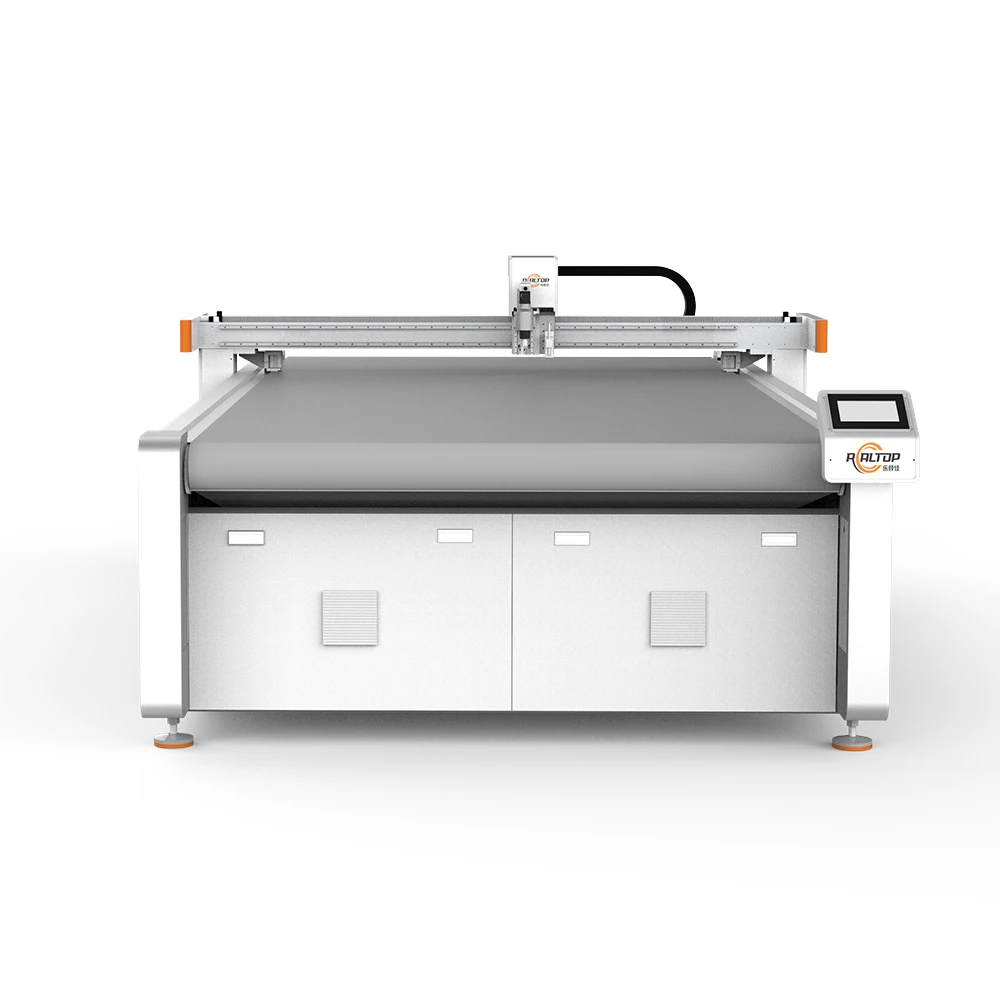
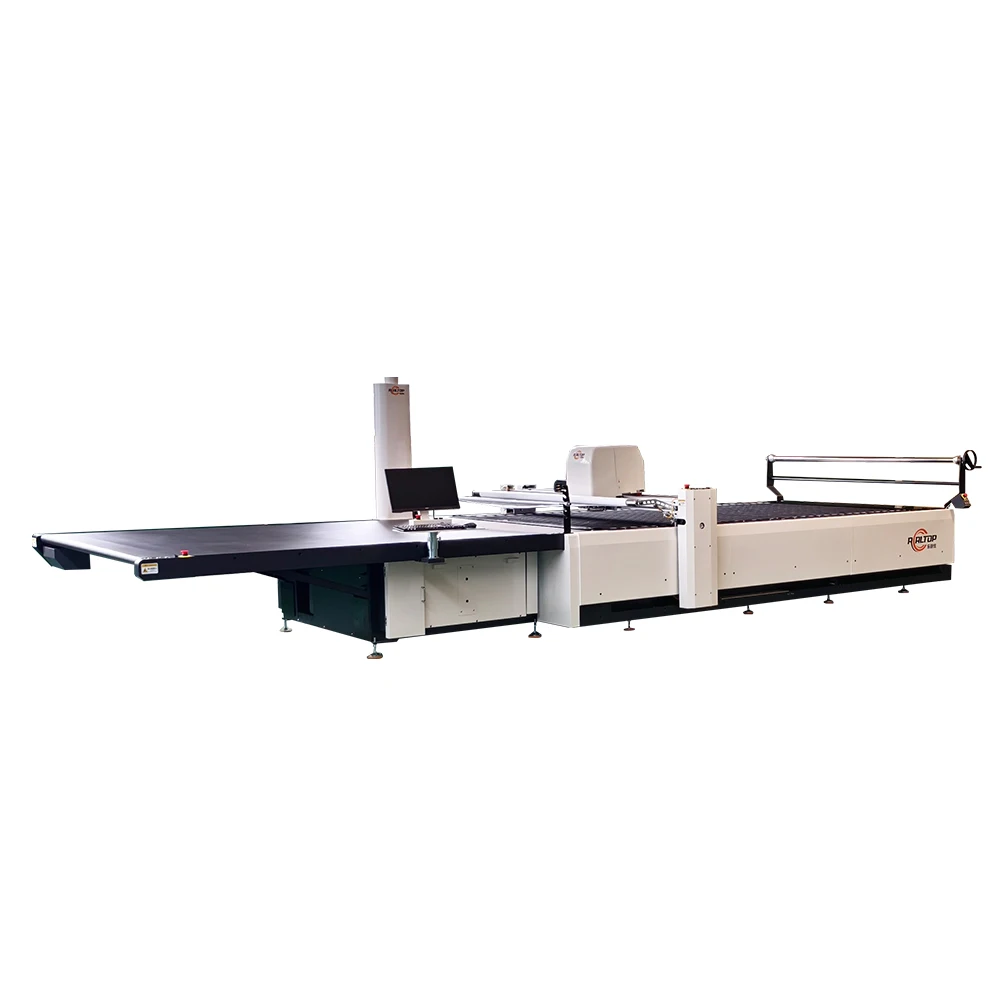
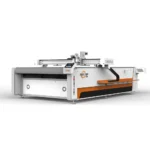
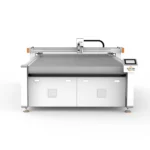
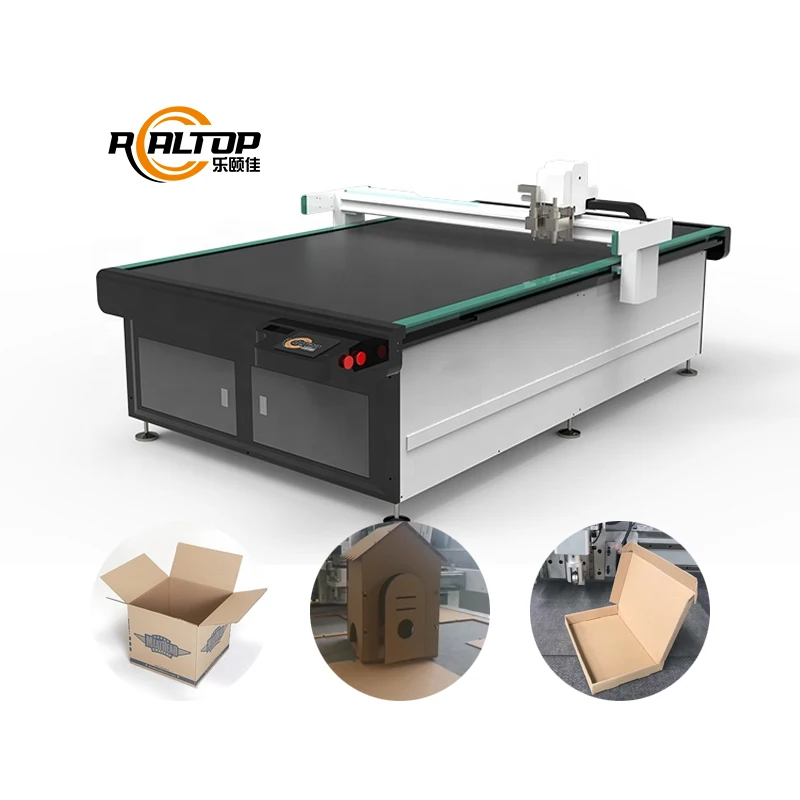
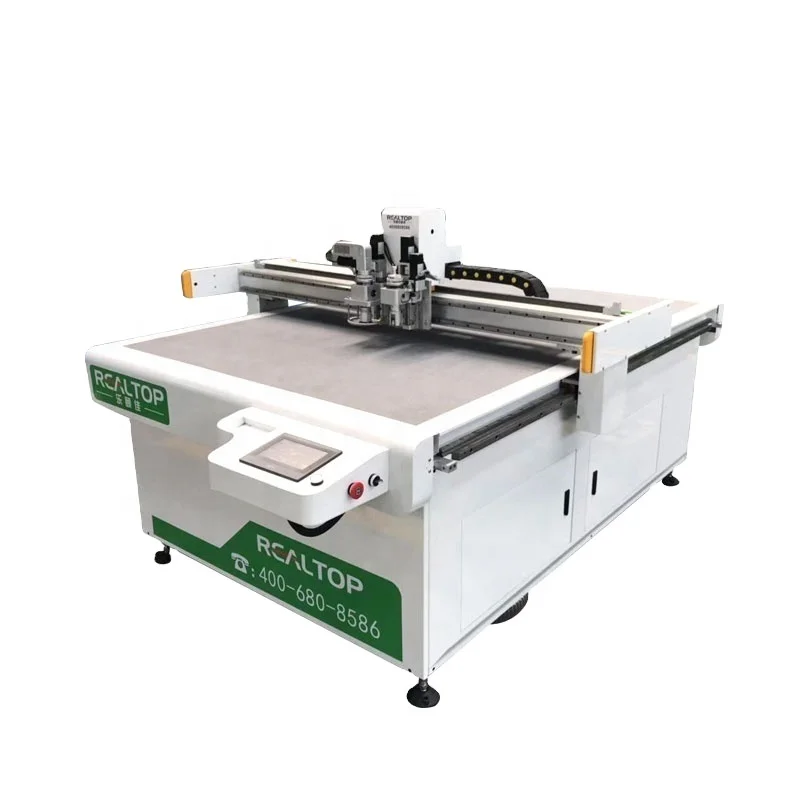
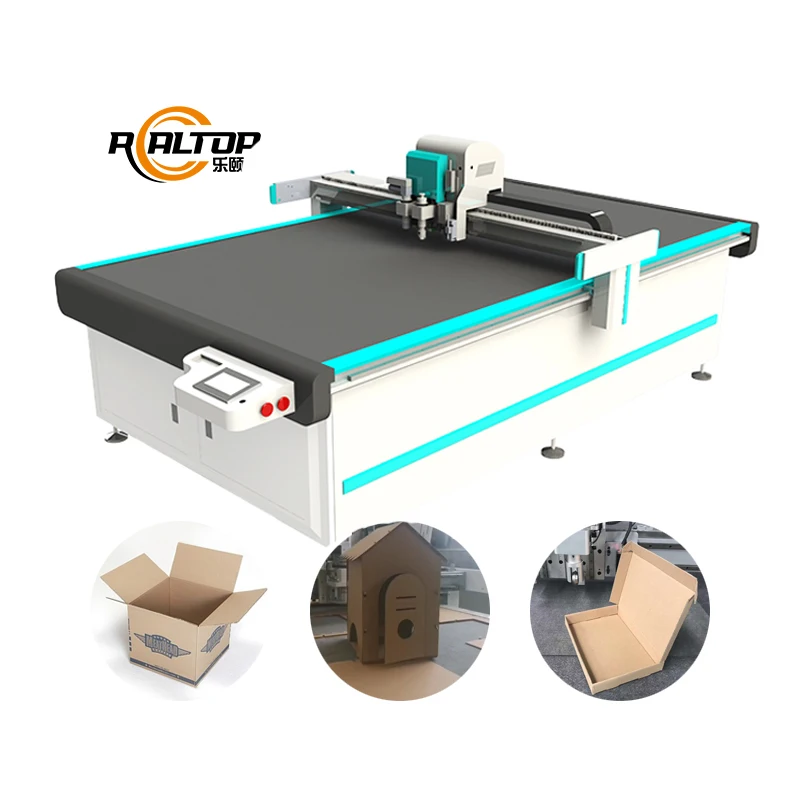
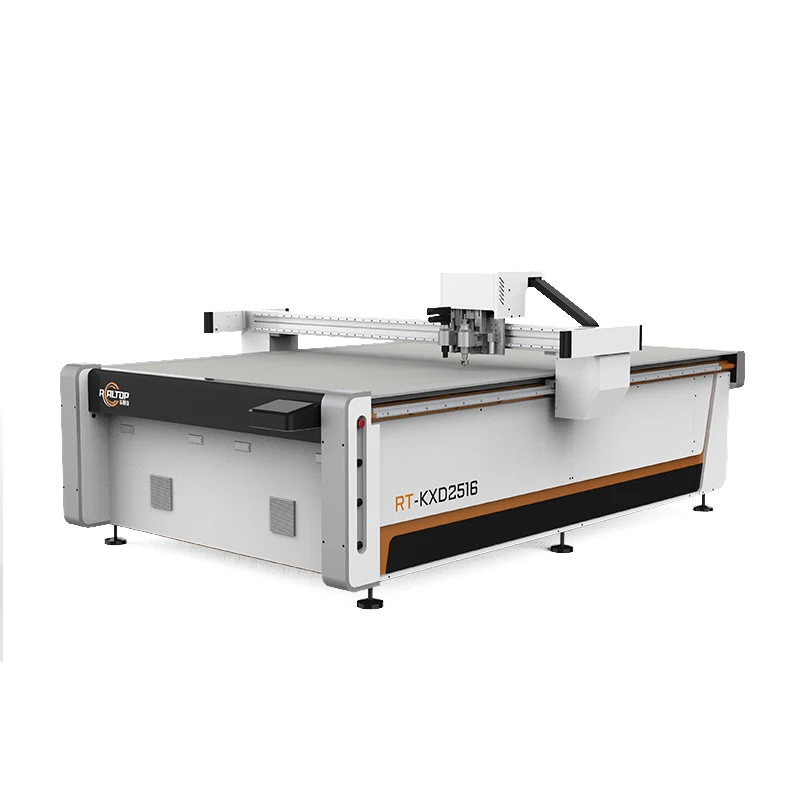
| Product Type | CNC Oscillating Knife Cutting Table with Auto Feed System |
| Working Area | 1600 × 2500 mm |
| Cutting Speed | 0 – 2000 mm/s |
| Cutting Thickness Capacity | ≤ 30 mm (basis not stated in source — confirm material type and layer count) |
| Positioning Accuracy | ±0.1 mm |
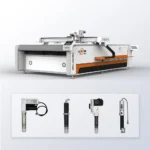
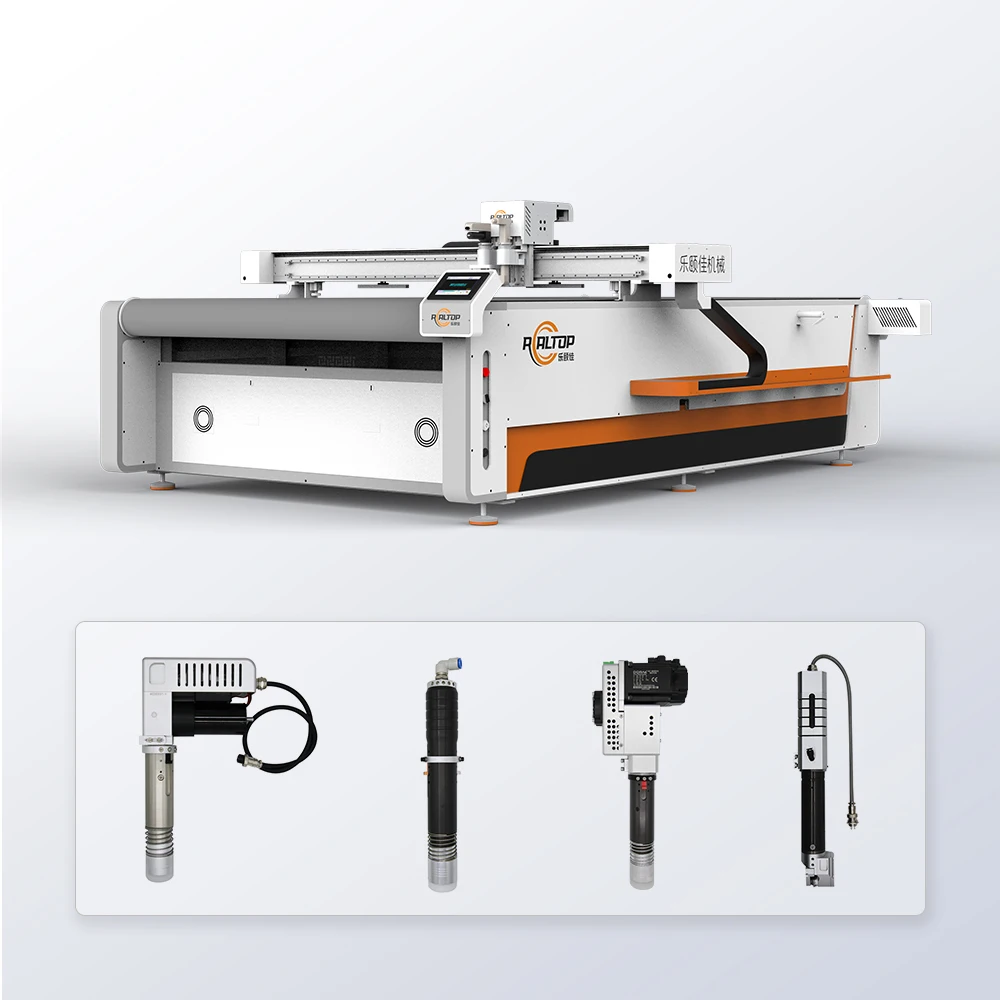
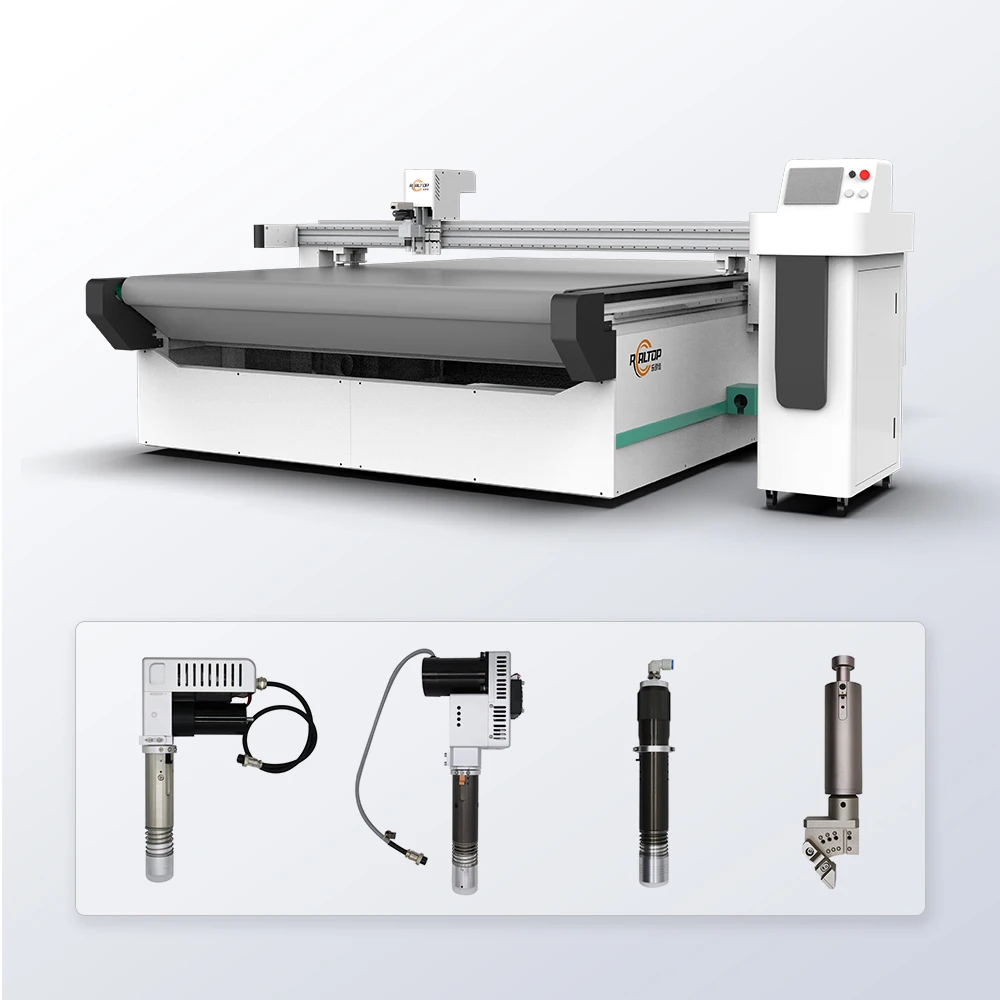
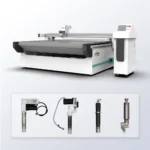
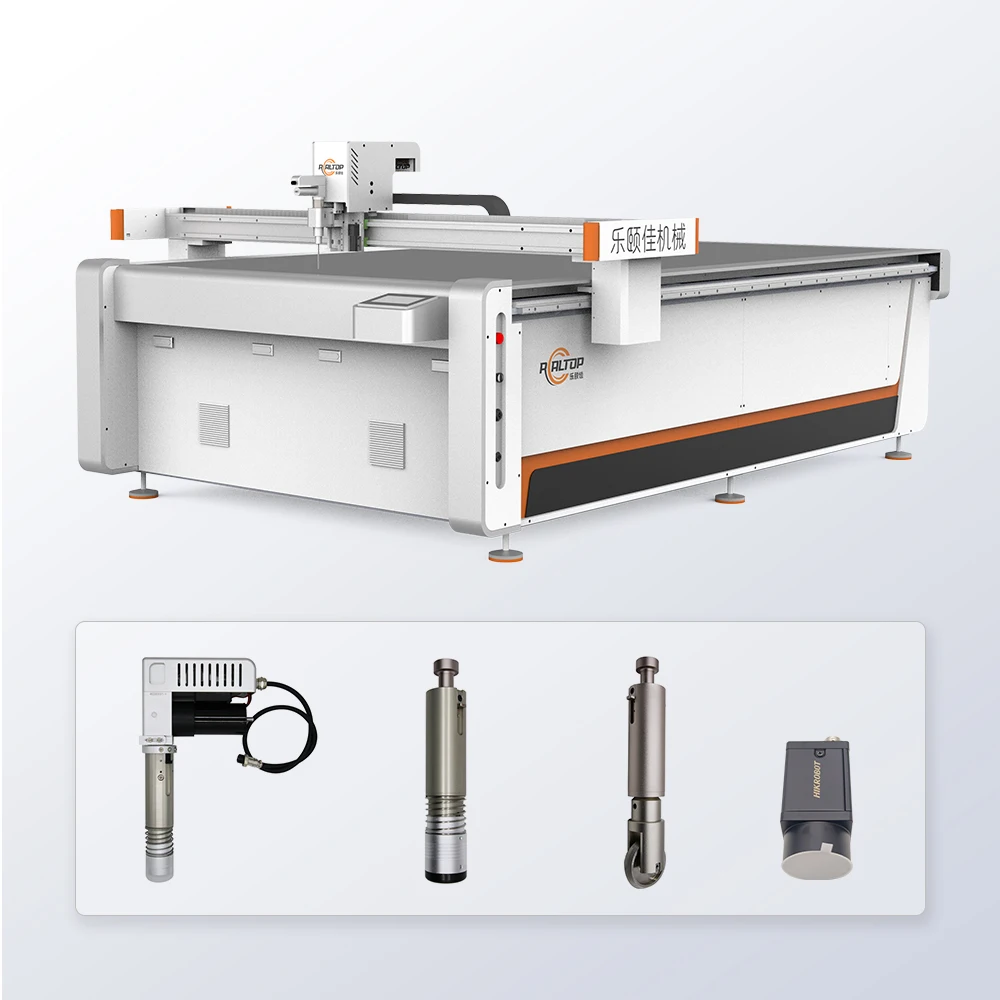
| Tool Head Options | Oscillating knife, Driven rotary knife, Creasing wheel, Kiss cutting tool, Pneumatic knife, Milling tool, V-groove knife |
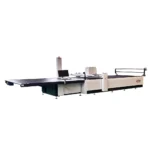
| Feed System | Auto feed (conveyor) |
| Vacuum Table | Aluminum bellows vacuum table |
| Vacuum Pump Power | 9 kW |
| Control System | PLC control panel with optional display languages |
| Servo Motor Options | Panasonic, Delta, Dorna |
| Voltage Options | 110V, 220V, 380V |
| Supported File Formats | PLT, DXF, AI, PDF |
| Nesting Software | Intelligent nesting system (included) |
| Packaging Design Software | Dedicated packaging box structure design software (included) |
| Safety Devices | Infrared sensor device and emergency stop device |
| Machine Size | 3300 × 2100 × 1350 mm |
Application Suitability
| Application | Material or Output |
|---|---|
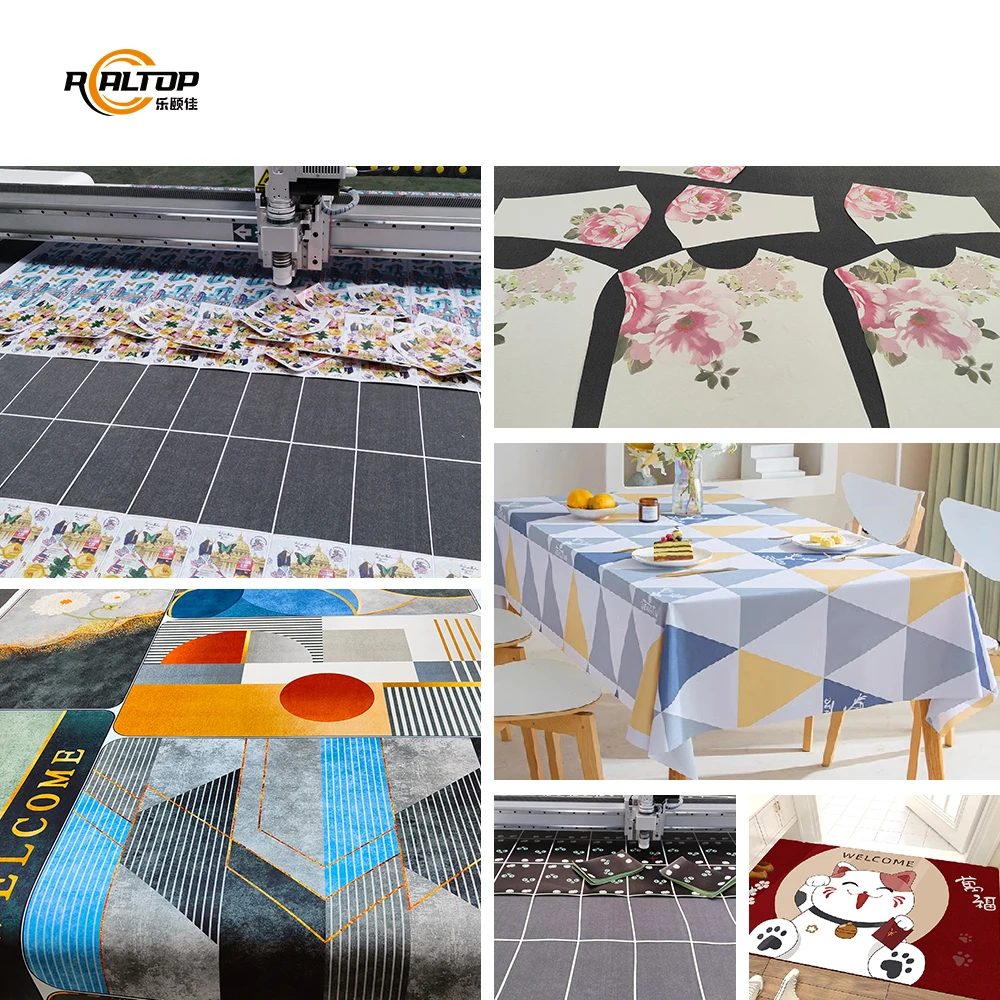
| Garment and footwear production | Multi-layer fabrics, knits, lace, leather with pattern-matching nesting |
| Automotive interior manufacturing | Seat fabrics, carpets, PVC mats requiring burr-free edge quality |
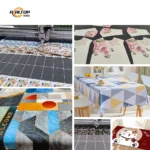
| Home textile fabrication | Sofa fabrics, curtains, rugs cut with cold-cut technology |
| Composite material processing | Carbon fiber prepreg, aramid, specialty materials without thermal deformation |
| Signage and packaging sample making | Cardboard, carton, PVC, EVA, foam with creasing and kiss cutting |
Why "Working Area" Is the Wrong Starting Point for a CNC Oscillating Knife Cutting Table Manufacturer
The working area tells you nothing about whether the machine can actually handle your material at production speed.
Buyers routinely spec a flatbed cutter by its bed dimensions, then discover during commissioning that the standard tool head leaves ragged edges on their composite foam or that the vacuum zoning cannot hold small automotive gasket pieces flat. The cutting thickness rating on the nameplate may not account for the density or spring-back behavior of the specific layered material on the table. Realtop built its inquiry process around material-first configuration — sending a sample cutting report on the buyer’s actual stock before the order is finalized — because mismatched tooling wastes far more time than a thorough pre-sale evaluation. [NEED_CITE: common causes of cutting edge defects in flexible material processing]
Tool Head Selection Determines Edge Quality, Not the Frame
A CNC oscillating knife cutting table manufacturer can deliver the same rigid frame with seven different tool heads, and each one produces a fundamentally different cut on the material below. The oscillating knife handles dense foam and multi-layer fabric without crushing, the driven rotary knife slices through technical textiles at high travel speed, and the kiss cutting tool scores PVC or adhesive-backed vinyl without penetrating the liner. Choosing the correct head — or specifying a machine that accepts quick-change tooling for mixed-material production runs — is the single most consequential decision in the entire procurement cycle.
Vacuum Table Zoning and Flatness Under the Workpiece
The aluminum bellows vacuum table on this system maintains flatness across the full 1600 × 2500 mm working area, but flatness alone does not guarantee part stability. When cutting small gaskets or narrow fabric strips, the vacuum zones must be segmented so that suction concentrates under the actual piece rather than bleeding off into open table surface. The 9 kW vacuum pump provides the negative pressure needed for dense or porous materials, but the zoning configuration must be specified against the buyer’s typical part geometry before the table is assembled. [NEED_CITE: vacuum hold-down requirements for small flexible parts]
Reading the Specs That Actually Matter on the Shop Floor
The ±0.1 mm positioning accuracy ensures that nested pattern pieces stay within tolerance across long production runs, which directly affects material yield when cutting expensive technical fabrics or pre-impregnated composites. The 0–2000 mm/s cutting speed range is meaningful only when paired with the correct tool head and material thickness — an oscillating knife cutting carbon fiber prepreg will travel considerably slower than one cutting single-layer knitwear. The PLC control panel accepts PLT, DXF, AI, and PDF file formats, so existing design workflows import without intermediate conversion software. Servo motor selection from Panasonic, Delta, or Dorna lets buyers align motion components with the spare parts inventory already in their maintenance department.
The Hidden Cost of Skipping the Sample Cutting Step
When a machine arrives configured for standard leather but the buyer runs multi-layer composite automotive fabric, every cutting parameter — blade frequency, travel speed, vacuum pressure, hold-down foot clearance — must be re-tuned on the production floor. This re-commissioning delays output, consumes raw material in test runs, and erodes confidence in the equipment before the first saleable part is produced. Buyers who skip the sample cutting report often discover the mismatch weeks after shipment, when returning the machine is no longer practical. [NEED_CITE: cost of post-delivery machine reconfiguration in flexible material cutting]
Why Buyers Source This Equipment from Realtop
In-house design and production cover both oscillating knife and laser cutting technologies, so the cutting method is matched to the material rather than forcing every job through one process. Tool head and vacuum table configurations are specified per material type and production volume, not sold as a fixed package. CCD camera positioning is available for printed contour work where registration marks must be tracked at production speed. Software compatibility is confirmed before the order — the nesting system and file format imports are tested against the buyer’s existing workflow. Voltage, control language, and plug type are documented and locked in before the machine enters final assembly.
Documentation & Verification
- Machine specification sheet listing the confirmed tool head and vacuum zoning for your material mix
- Electrical schematic and voltage confirmation matching your local power supply before dispatch
- Sample cutting report on your actual material documenting edge quality and achievable cutting speed
- Software licence and file format compatibility note for PLT, DXF, AI, and PDF workflow integration
- Factory test record covering full working area travel, vacuum seal, and safety sensor response
Installation, Commissioning & Support
- Foundation must support 3300 × 2100 mm machine footprint with level tolerance for aluminum bellows vacuum table sealing
- Dedicated electrical circuit sized for 9 kW vacuum pump plus servo and PLC control panel load
- Machine arrives partially disassembled; conveyor feed system and tool head carriage require on-site alignment
- First-run parameter tuning covers blade frequency, vacuum zoning, and auto feed rate for your specific material
- Operator training includes intelligent nesting software, tool head changeover, and emergency stop procedures
- Spare parts list covers oscillating knife blades, vacuum seals, and infrared sensor components
Before You Send an Inquiry
Provide the material type, thickness, and number of layers you cut most frequently, along with your typical daily volume and the largest sheet size your operation handles. Confirm your local voltage and frequency, preferred control panel language, and whether your existing design files use PLT, DXF, AI, or PDF formats. If your production mix spans multiple materials, list each one — the tool head configuration depends on the full range, not just the primary job. Send a roll or sheet sample so the cutting parameters can be validated before the quotation is issued.
Frequently Asked Questions
Q: How is cutting thickness capacity verified for my specific material and layer count?
A: The published ≤ 30 mm rating is a general reference. We run a sample cutting test on your actual material — at your specified layer count and density — and document the edge quality, achievable speed, and tool head used. This sample cutting report becomes part of your order file so there is no guesswork when the machine arrives.
Q: How do you confirm voltage, plug type, and control language before shipment?
A: During the specification confirmation stage, we document your local voltage and frequency, plug standard, and preferred PLC display language in the electrical schematic. This document is signed off before the machine enters final assembly. Language options include English, Russian, Italian, and Chinese, with custom languages available on request.
Q: Which tool head should I choose — and can one machine handle multiple materials?
A: Tool head selection depends on material type, thickness, and edge quality requirements. The system supports oscillating knife, driven rotary knife, creasing wheel, kiss cutting, pneumatic knife, milling, and V-groove tools. Buyers running mixed-material production can specify multiple heads and changeover procedures are covered during operator training.
Q: Can I send my own material for sample cutting before placing the order?
A: Yes, and we strongly recommend it. Send a representative sample of each material in your production mix. We test cutting speed, edge quality, and vacuum hold-down on our cutting table, then share the full sample cutting report before you commit to the order.
Q: What does the factory test record cover before the machine leaves the production floor?
A: The test record documents full travel across the 1600 × 2500 mm working area, vacuum table flatness and seal integrity at the 9 kW pump rating, servo positioning accuracy verification at ±0.1 mm, safety sensor and emergency stop response, and a production-speed cutting run using the tool head specified for your material.
You may also like

商品评价
Clear filtersThere are no reviews yet.