



-
 Courier delivery
-
 DHL Courier delivery
-
 Warranty 1 year
-
 Free 30-Day returns

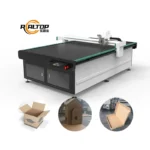
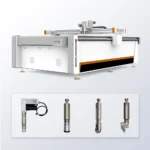
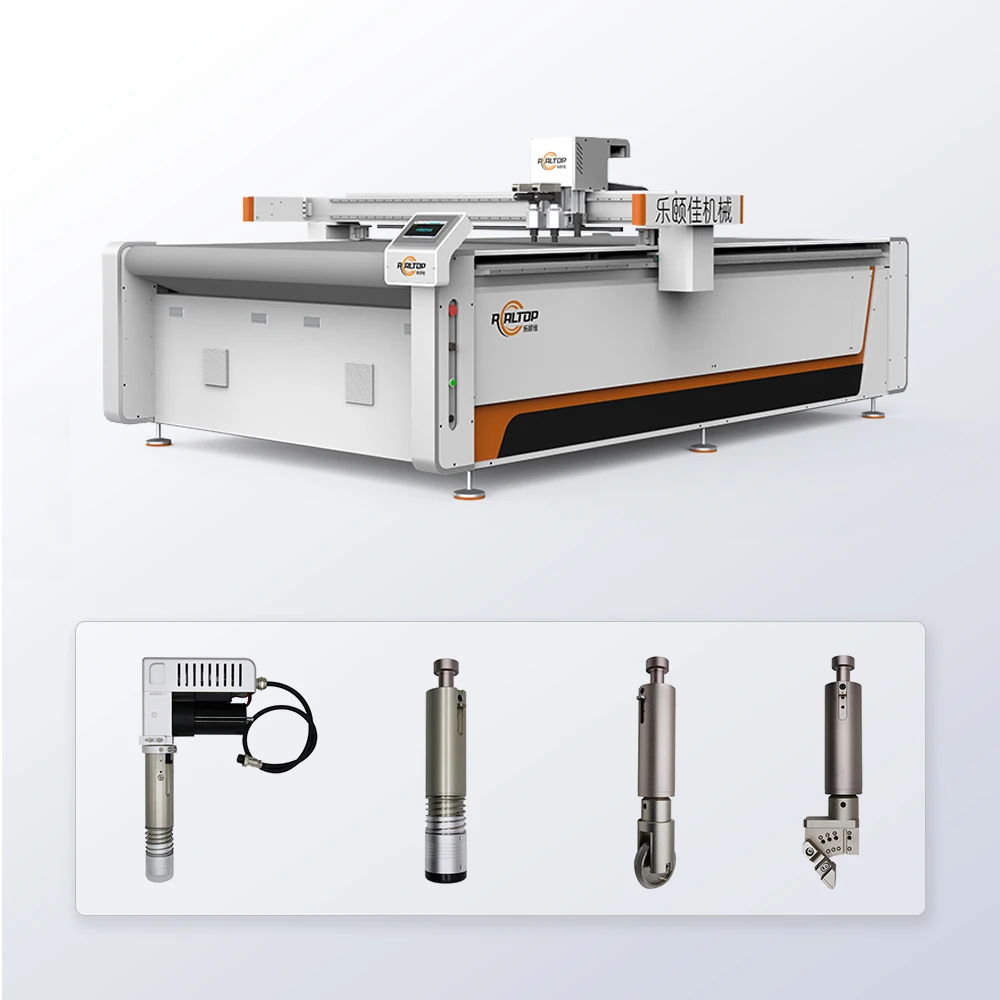
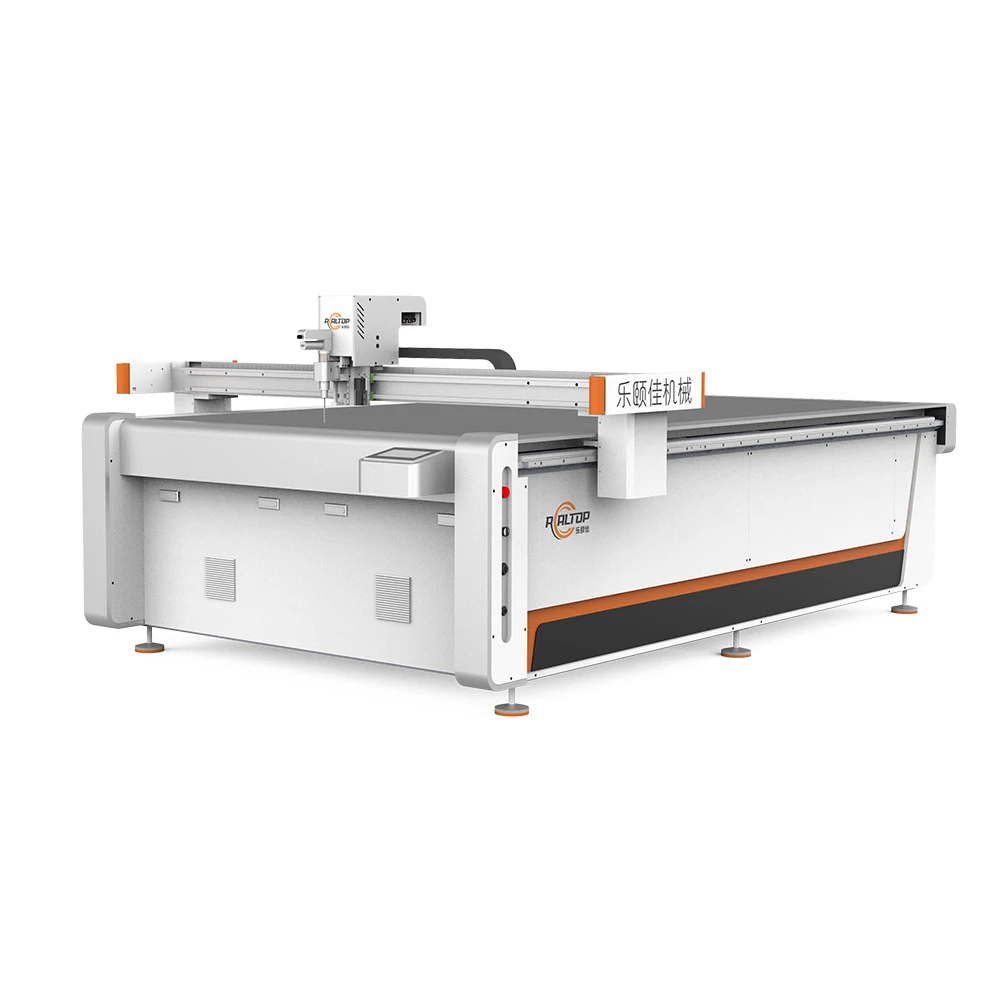
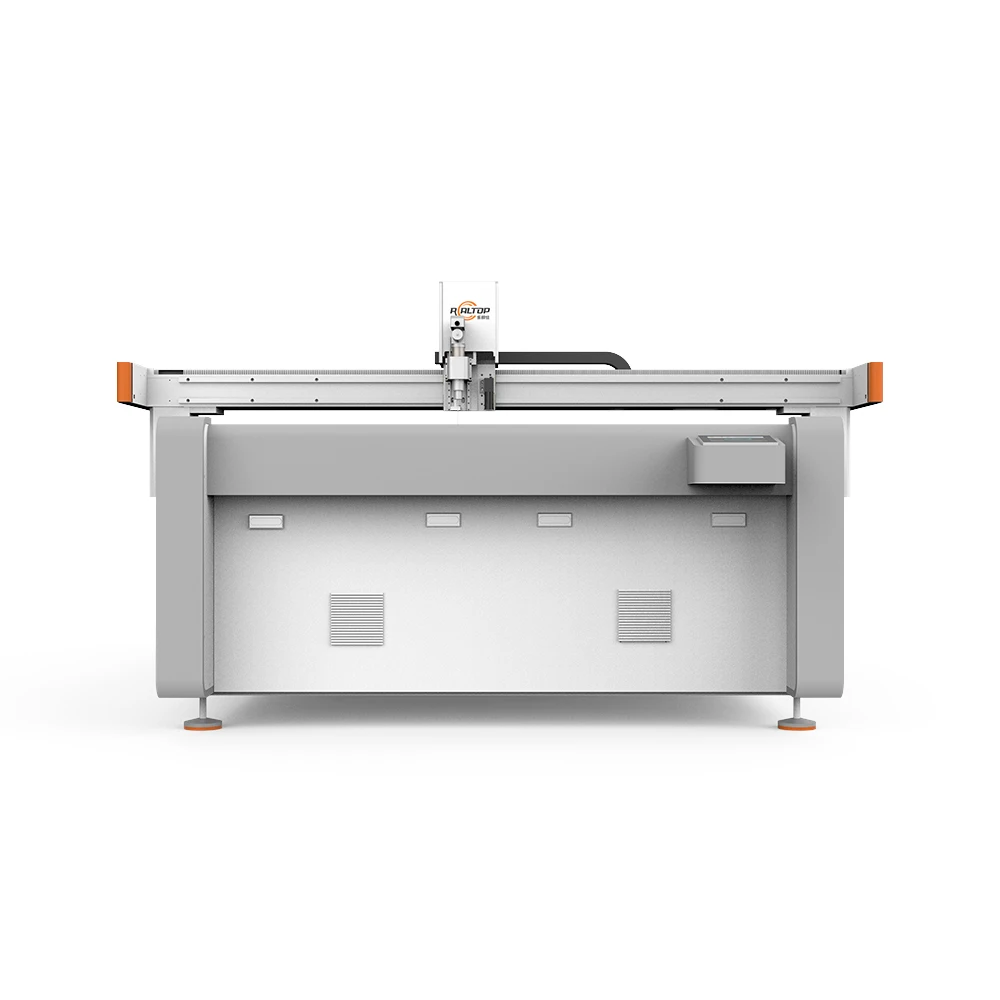
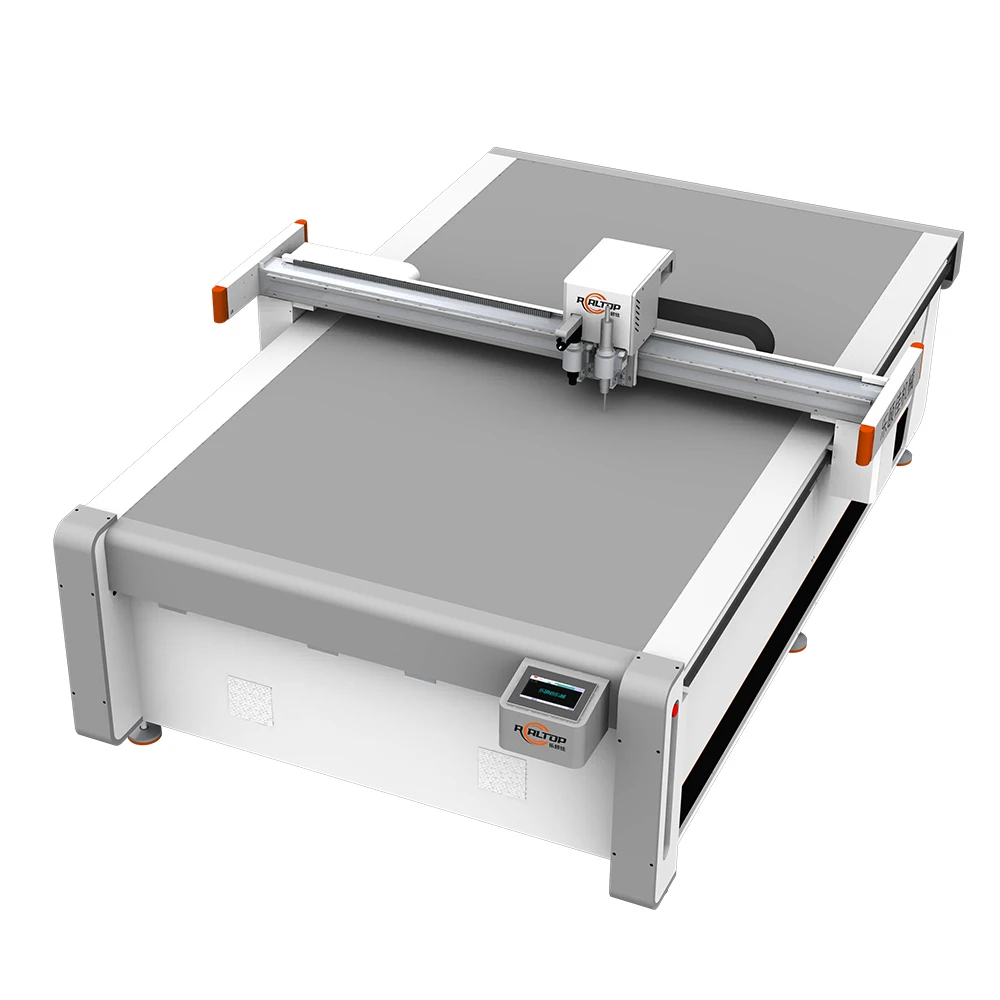
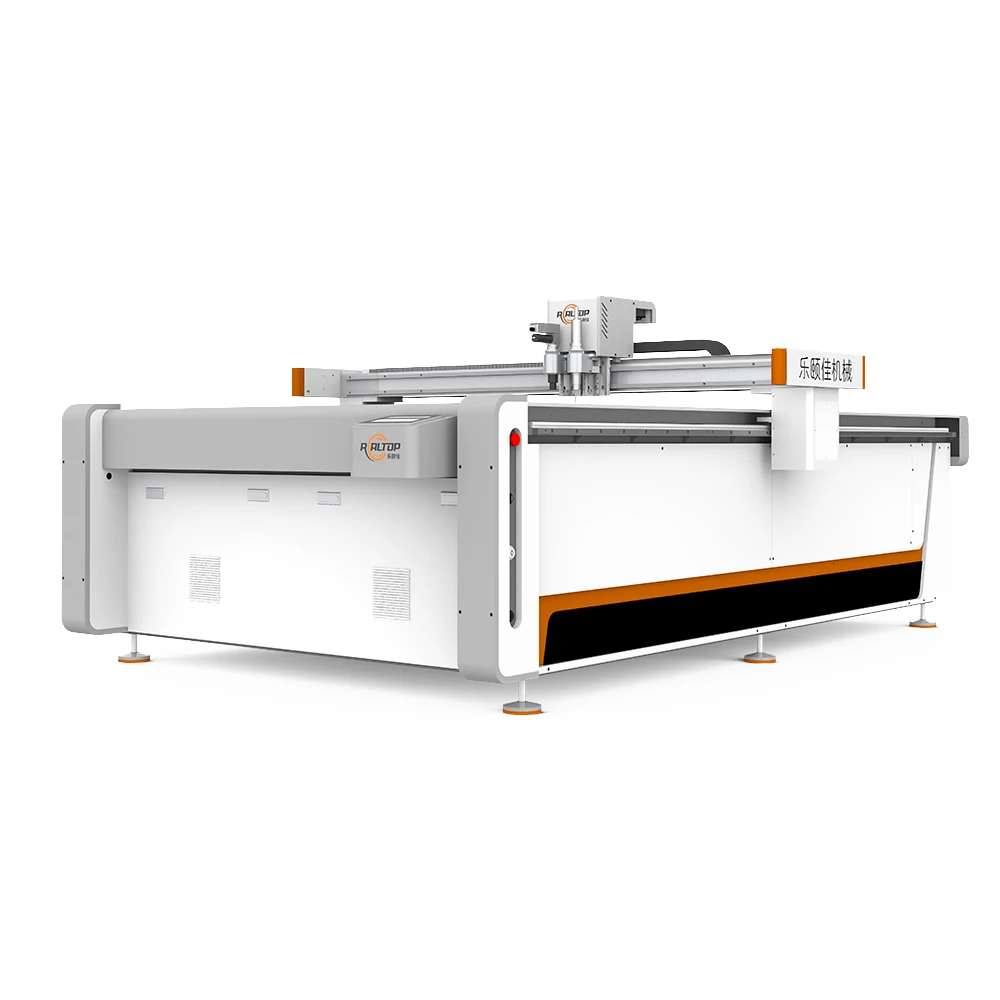
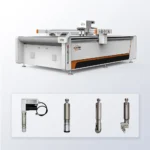
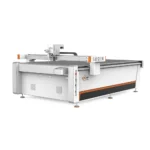
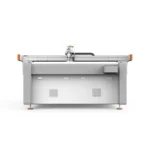
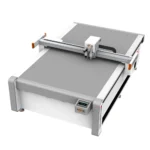
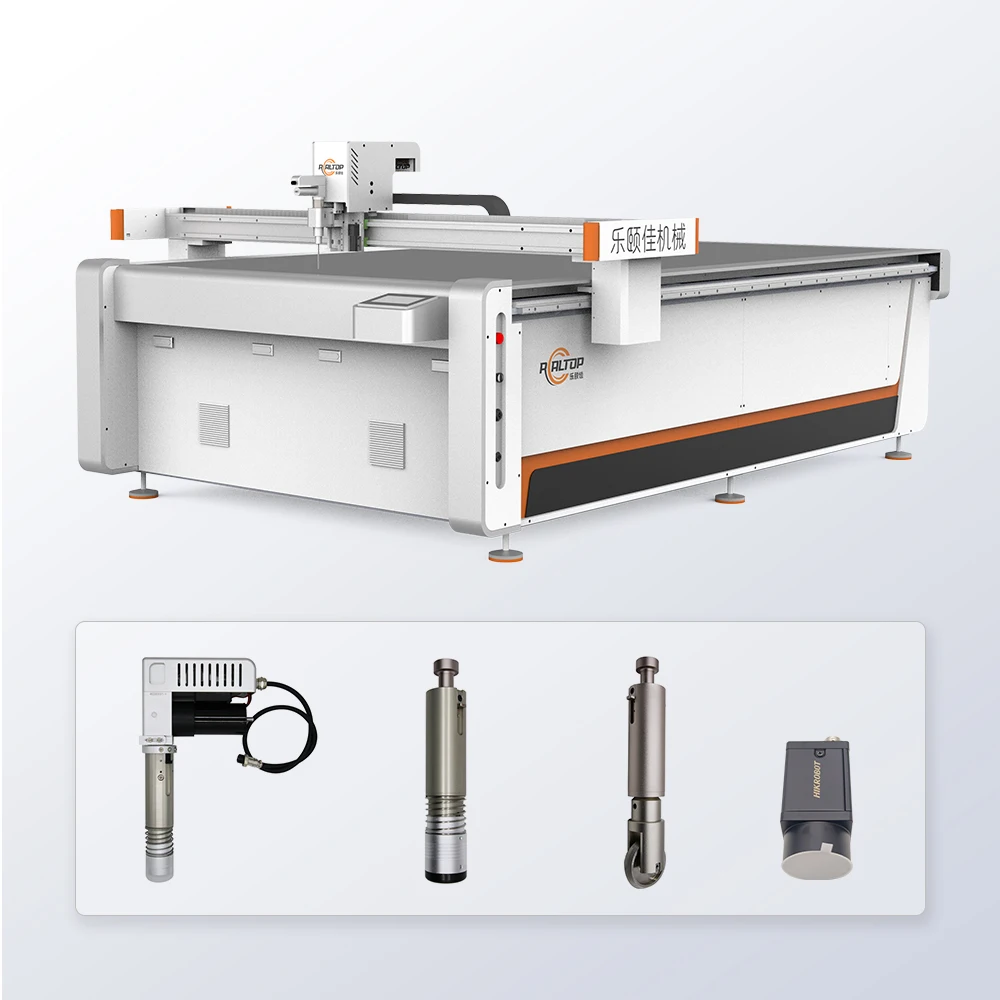
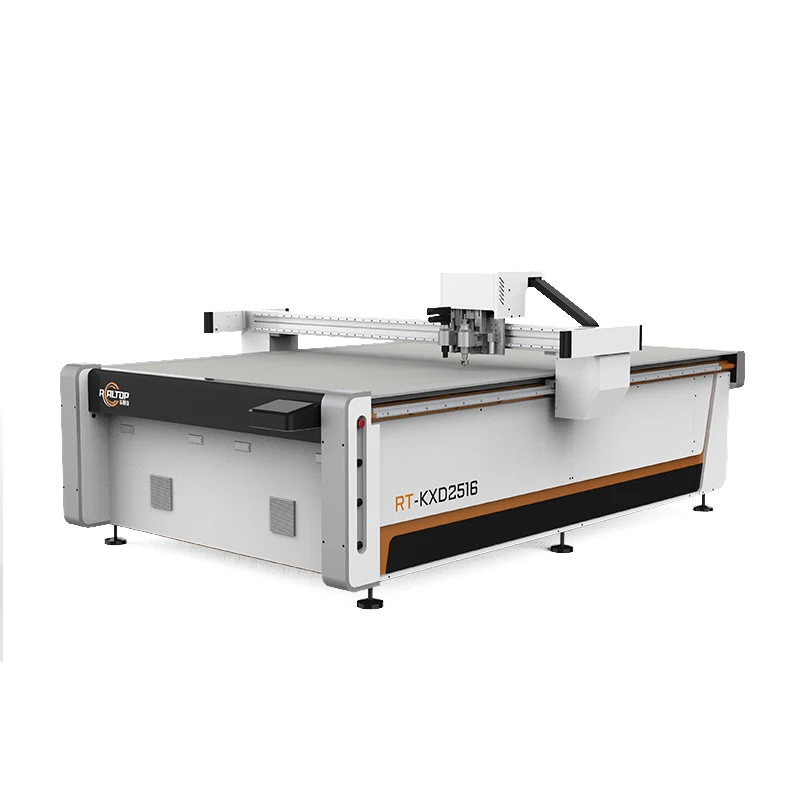
In-House Core Factory Build — Every REALTOP 1625 CNC oscillating knife cutting machine is designed and assembled under one roof, matching tool head, vacuum zoning, and software to your packaging stock before it leaves the floor.
Technical Specifications
| Parameter | Value |
|---|---|
| Model | 1625 |
| Product Type | CNC Oscillating Knife Cutting Machine |
| Working Area | 1600×2500 mm |
| Tool Head Options | Oscillating knife, Driven rotary knife, Creasing wheel, Kiss cutting tool, Pneumatic knife, Milling tool, V groove knife, CCD camera |
| Cutting Speed | 0–1500 mm/s |
| Cutting Thickness | ≤40 mm (basis not stated in source — confirm material type and density) |
| Cutting Accuracy | ±0.1 mm |
| Vacuum Pump Power | 9 kW |
| Vacuum Table Type | Aluminum bellows vacuum table |
| Voltage Options | 110V, 220V, 380V (frequency to be confirmed by destination market) |
| File Formats Supported | PLT, DXF, AI, PDF |
| Control System | PLC control panel with optional display languages |
| Servo Drive Options | Panasonic, Delta, Dorna (verify against manufacturer catalog) |
| Safety Device | Infrared sensor and emergency stop |
| Machine Dimensions | 3300×2100×1350 mm |
| Software | Dedicated packaging box structure design software included |
| Language Options | English, Russian, Italian, Chinese (special languages customizable) |
| Certification | CE |
Application Suitability
| Application | Material or Output |
|---|---|
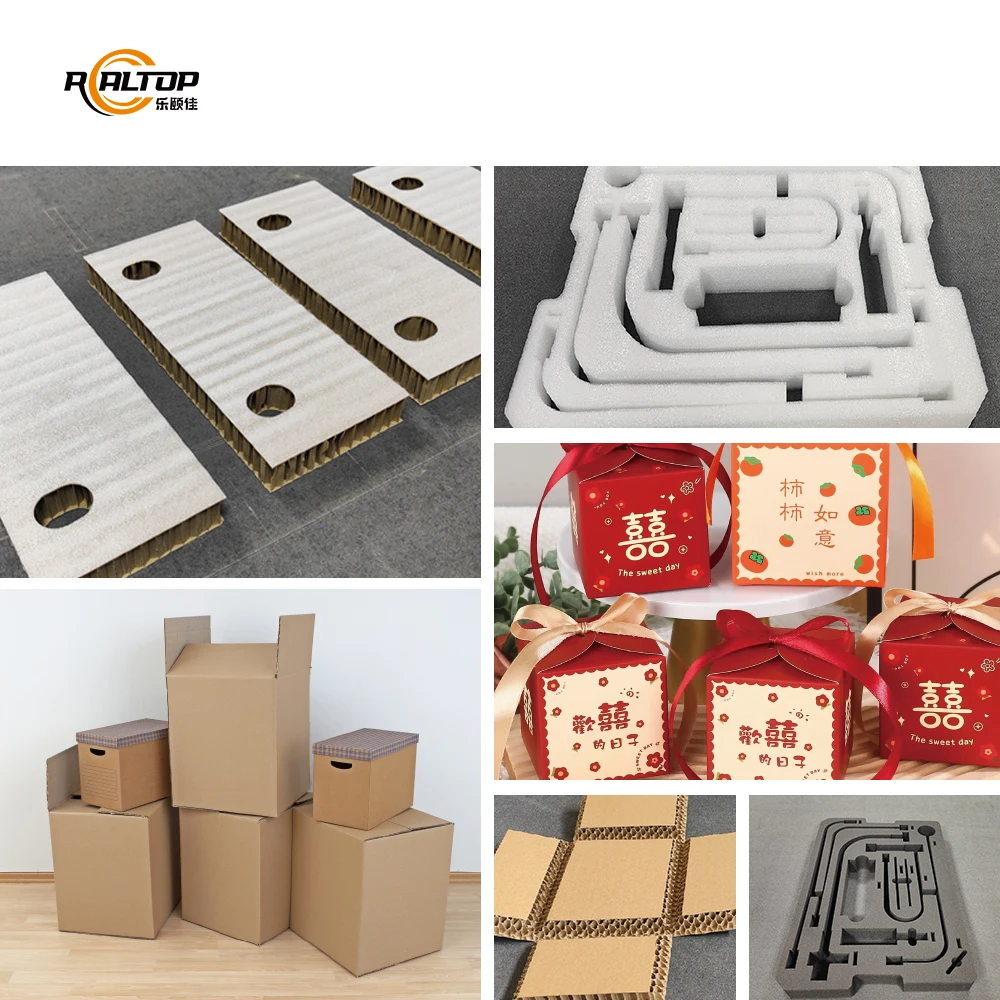
| Packaging sample making and carton prototyping | Corrugated cardboard (E-flute, B-flute, BC-flute), greyboard, cardstock |
| Foam and protective insert fabrication | EVA foam, EPE foam, PU foam, Coroplast |
| Specialty packaging and composite converting | Rubber mats, velvet/fleece fabric, non-woven fabric, thin PVC and PET sheets |
| Leather and synthetic packaging components | Natural leather, synthetic leather, adhesive-backed composites |
Why Voltage Verification Matters Before You Commit to a CNC Oscillating Knife Cutting Machine Manufacturer
A packaging line stalled by a transformer wait is a problem that could have been caught on day one.
When a carton sample cutter arrives at a foreign distributor’s floor and the three-phase supply does not match, the machine sits dead while production schedules unravel. The 1625 supports 110V, 220V, and 380V configurations, but voltage is only half the story — frequency, plug type, and breaker rating all need written confirmation before the crate is sealed. I learned this early in my career when a unit shipped overseas without that checklist, and the buyer waited weeks for a step-down transformer. [NEED_CITE: voltage and frequency standards by export market]. Every spec sheet I now handle carries a destination-market electrical verification block before it clears the factory gate.
Tool Head Selection Drives the Entire Packaging Workflow
A single packaging prototype often demands both cutting and creasing in one pass. The 1625 table accommodates an oscillating knife for clean through-cuts on corrugated stock, a creasing wheel for precise fold lines on greyboard and cardstock, and a kiss cutting tool for adhesive-backed labels — all on the same CNC oscillating knife cutting machine. Swapping heads is a routine procedure, and the configuration is locked in during the pre-order material trial so the buyer never discovers mid-job that the wrong tool was bolted on.
CCD Camera Positioning for Printed Contour Accuracy
When packaging samples carry pre-printed graphics, the cut path must register against those marks within tight tolerances. The optional CCD camera reads printed fiducials and adjusts the cut trajectory in real time, maintaining the ±0.1 mm accuracy across the full 1600×2500 mm bed. This matters most on short-run promotional packaging where every sheet is printed before it reaches the cutting table. [NEED_CITE: CCD contour recognition standards in digital finishing]. Without camera-assisted registration, operators resort to manual alignment and accept visible drift on the finished sample.
Reading the Specs That Actually Affect Your Cut Quality
The 9 kW vacuum pump paired with the aluminum bellows table generates full-surface hold-down across the entire bed, which keeps thin art paper and light cardstock flat during high-speed passes. Cutting speed ranges from 0 to 1500 mm/s, but real throughput depends on material density, flute type, and the complexity of the cut path — a simple rectangle on E-flute runs far faster than a nested crease-and-cut pattern on BC-flute. The dedicated packaging box structure design software accepts PLT, DXF, AI, and PDF files, so the transition from a designer’s template to a finished sample avoids format-conversion errors. Servo drive selection — Panasonic, Delta, or Dorna — is matched to the buyer’s service network, ensuring replacement parts are locally available long after installation.
The Cost of Skipping the Material Trial
Buyers who specify a CNC flatbed cutter on working area alone often discover after delivery that the machine cannot hold down small packaging inserts, or that the chosen knife leaves ragged edges on foam. Vacuum zoning that looks adequate on paper may let lightweight Coroplast lift at the edges during a 1500 mm/s pass. [NEED_CITE: vacuum table zoning requirements for small-part digital cutting]. These mismatches do not show up in a factory brochure — they surface only when the buyer’s own material is on the table, which is why a pre-shipment sample cutting report is non-negotiable.
Why Buyers Source This Machine From REALTOP’s Core Factory
In-house design means the same engineering team that specified the aluminum bellows table also validates the software integration, so there is no finger-pointing between a machine builder and a third-party software vendor. Tool head configuration is matched per material and production volume during the inquiry stage, not left to the buyer to figure out after delivery. Electrical schematics carry destination-market voltage and frequency confirmation before the order is finalized. The factory test record documents performance on the buyer’s own packaging stock, not on generic demonstration material. CE documentation accompanies every export unit. [NEED_CITE: CE machinery directive requirements for industrial cutting equipment].
Documentation & Verification
- Machine specification sheet listing all confirmed tool heads and servo drive selection
- Electrical schematic with destination voltage, frequency, and plug type verified
- Sample cutting report produced on buyer’s own corrugated or foam stock
- Software licence and file format compatibility note for PLT, DXF, AI, PDF
- Factory test record documenting cutting accuracy and vacuum hold-down before dispatch
- Operation and maintenance manual in the buyer’s selected control language
Installation, Commissioning & Support
- Requires a level concrete floor to support 3300×2100×1350 mm machine footprint
- Dedicated electrical circuit matched to confirmed 110V, 220V, or 380V supply
- Table sections arrive flat-packed; vacuum bellows and frame bolt on-site
- First-run calibration includes vacuum zoning test across the 1600×2500 mm bed
- Operator training covers tool head changeover and PLC language selection
- Spare parts list provided with recommended consumables for knife blades and creasing wheels
Before You Request a Quote
To move past general pricing and into a configuration that actually fits your packaging operation, share the material types and flute grades you run most often, the sheet sizes you feed, and the destination market’s voltage and frequency standard. If your design team works in a specific file format or nesting software, include that detail so the software compatibility check happens before the order, not after delivery. Buyers requesting a pre-shipment sample cut should send a roll or stack of their actual packaging stock.
Frequently Asked Questions
Q: How do I match the right tool head to my packaging material and flute type?
A: E-flute corrugated typically pairs with the oscillating knife for clean edges, while BC-flute may need a pneumatic knife for deeper penetration. Creasing wheels handle fold lines on greyboard and cardstock. The correct combination is confirmed during a sample cut on your actual material before the order is finalized.
Q: What voltage and plug configuration will the machine ship with for my market?
A: The 1625 supports 110V, 220V, and 380V options. Frequency, plug type, and breaker requirements are confirmed against your destination market’s standards and written into the electrical schematic before production begins, so no transformer or adapter is needed on arrival.
Q: Can the software import my existing DXF and AI packaging templates?
A: The included packaging design software accepts PLT, DXF, AI, and PDF formats. A file format compatibility note is issued before order confirmation, and your existing templates are test-imported during the pre-shipment verification to ensure nesting and cut paths translate correctly.
Q: How is cutting thickness capacity verified, and on what material basis?
A: The stated ≤40 mm capacity varies by material density and flute structure. Verification happens during the sample cutting trial on your specific stock — thickness, density, and edge quality are documented in the sample report so you know exactly what the machine handles before commitment.
Q: What does factory testing cover before shipment?
A: The factory test record documents cutting accuracy, vacuum hold-down performance, tool head registration, and CCD camera tracking on the buyer’s supplied material. Buyers may send their own packaging stock for this trial or approve a representative material equivalent agreed upon during the inquiry stage.
You may also like

商品评价
Clear filtersThere are no reviews yet.