


-
 Courier delivery
-
 DHL Courier delivery
-
 Warranty 1 year
-
 Free 30-Day returns

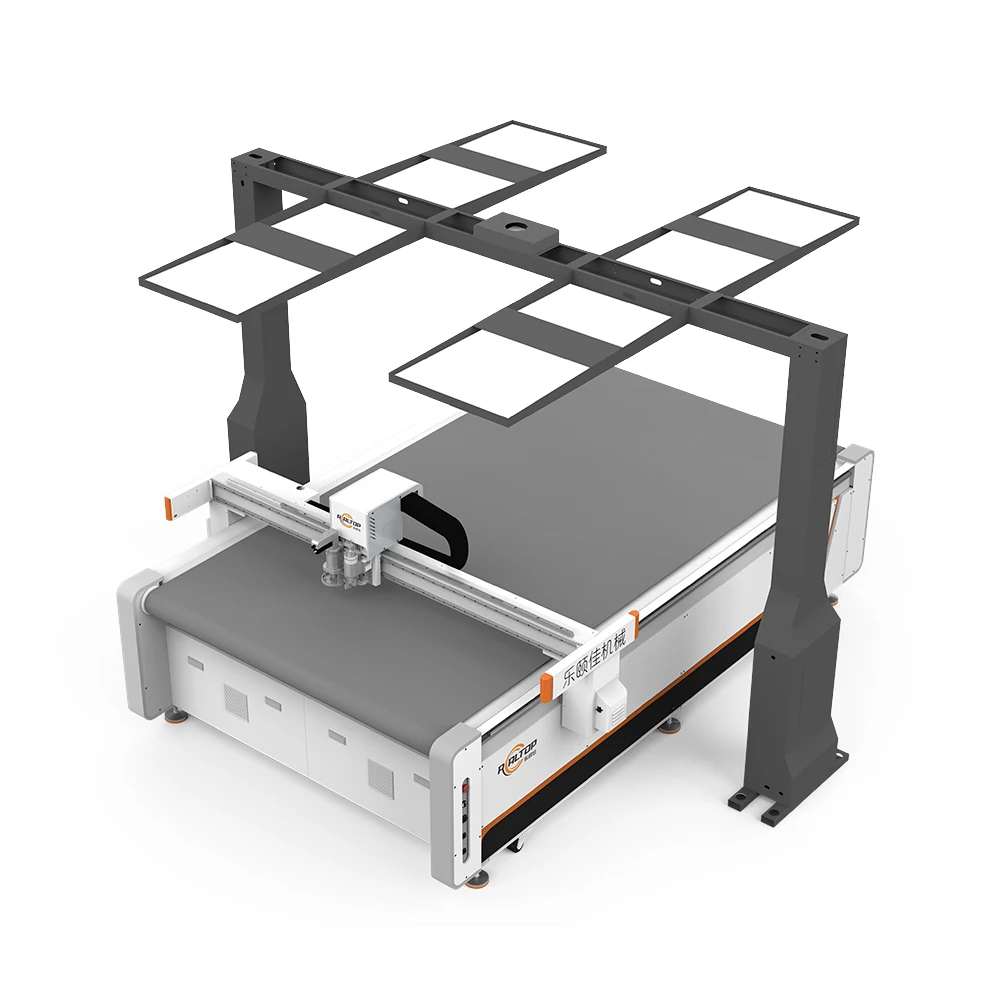
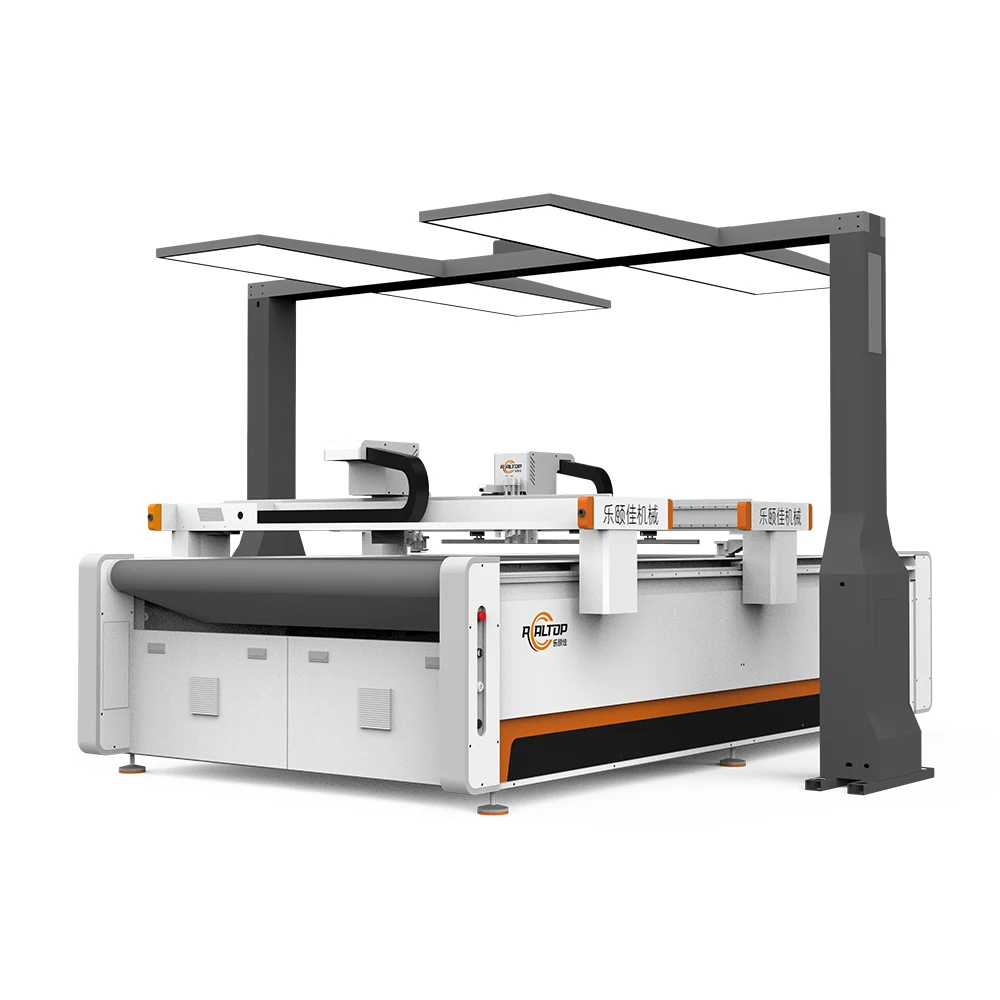
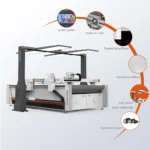
In-house design and factory production — Realtop engineers configure each 1625 CNC Leather Cutting Machine with the exact tool head, vacuum zoning and software workflow your leather type demands, built and tested on our own assembly line rather than outsourced.
Technical Specifications
| Parameter | Value |
|---|---|
| Model | 1625 |
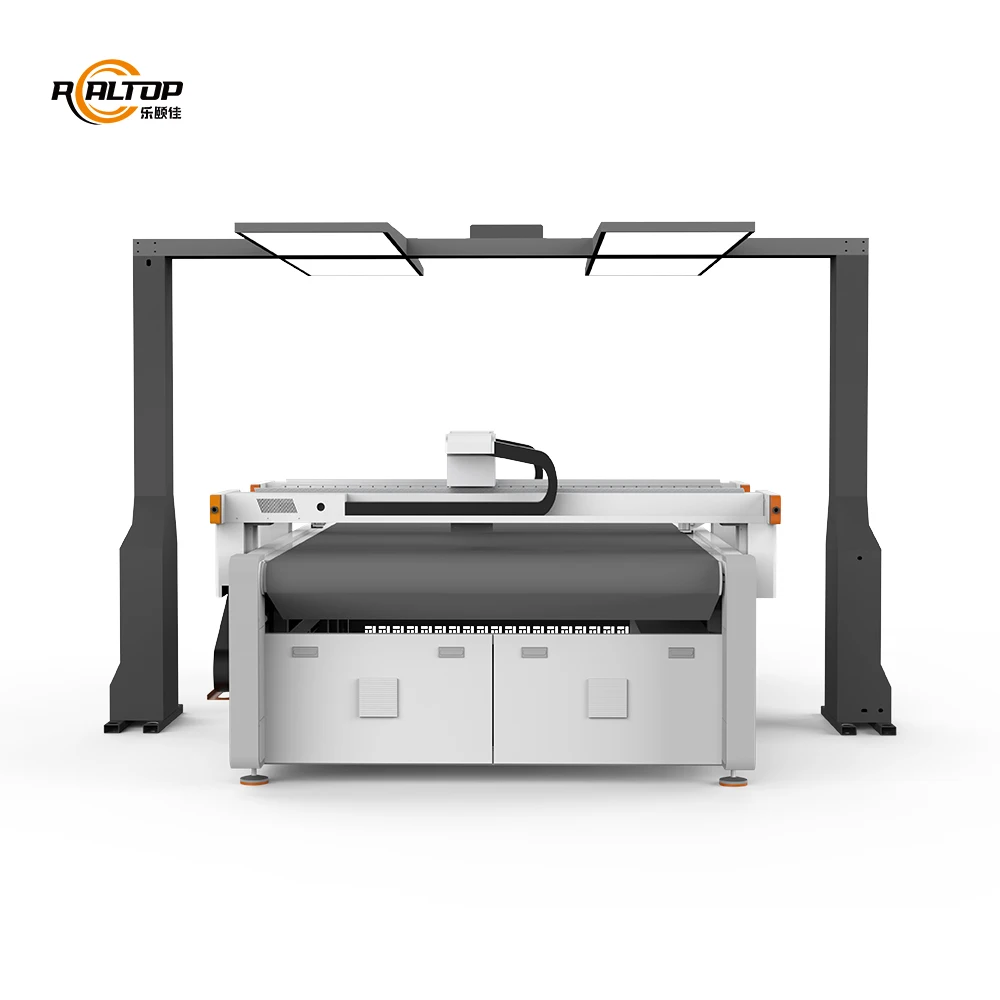
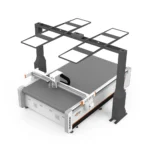
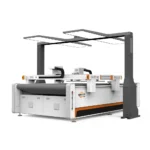
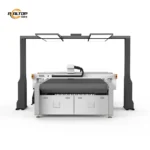
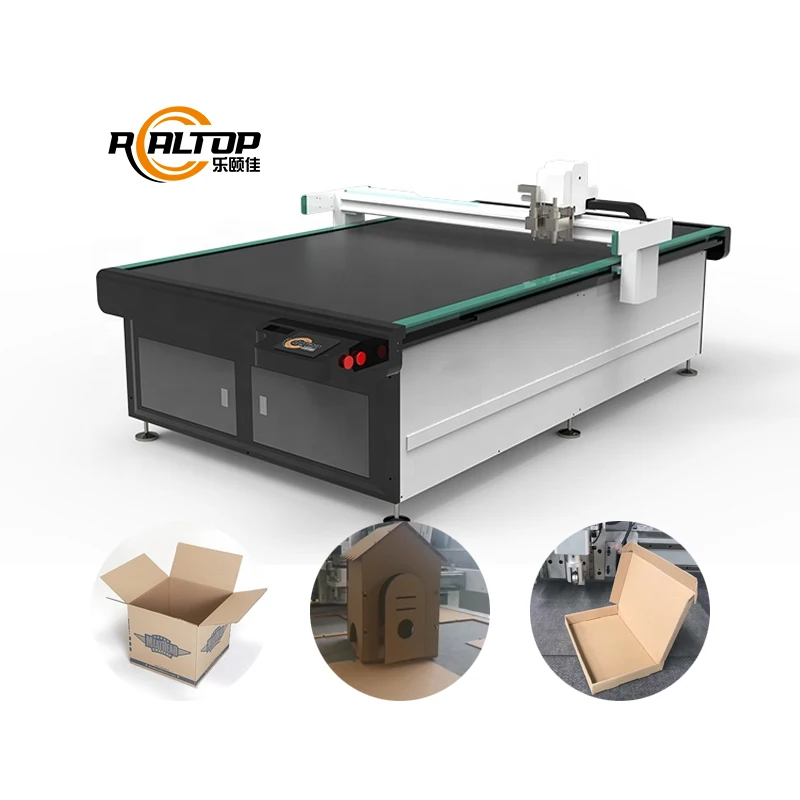
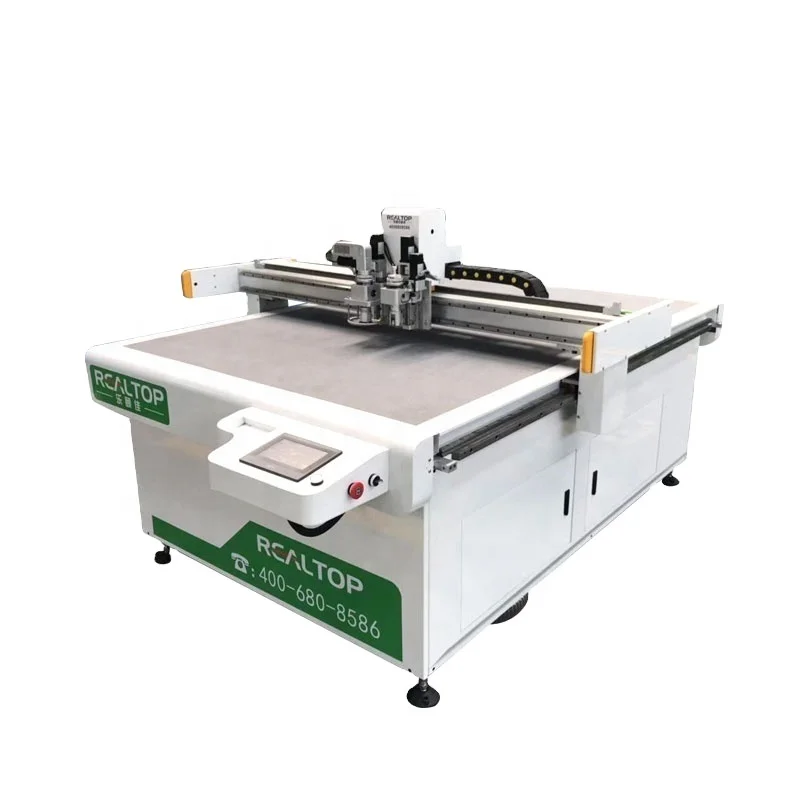
| Product Type | CNC Oscillating Knife Leather Cutting Machine with Auto Feed |
| Working Area | 1600×2500 mm |
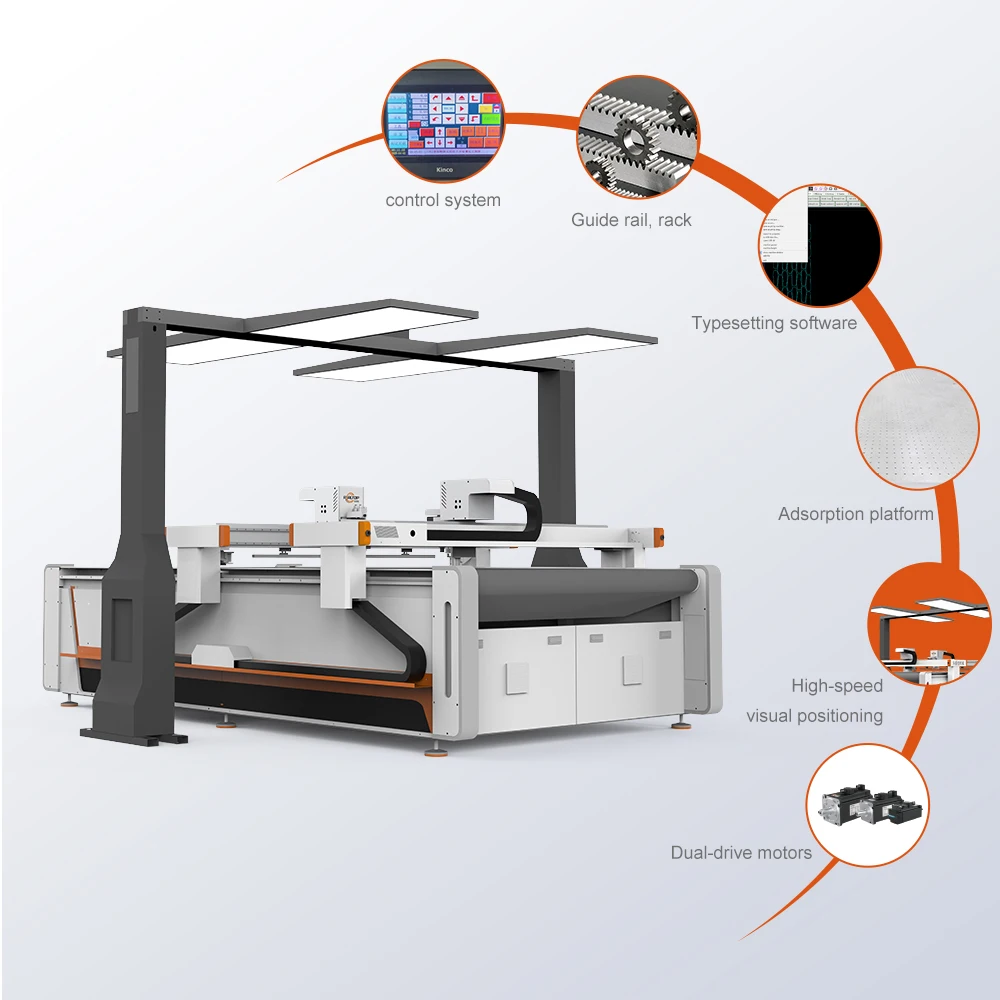
| Tool Head Options | Oscillating knife, Driven rotary knife, Creasing wheel, Kiss cutting tool, Pneumatic knife, Milling tool, V groove knife |
| Cutting Speed | 0–2000 mm/s |
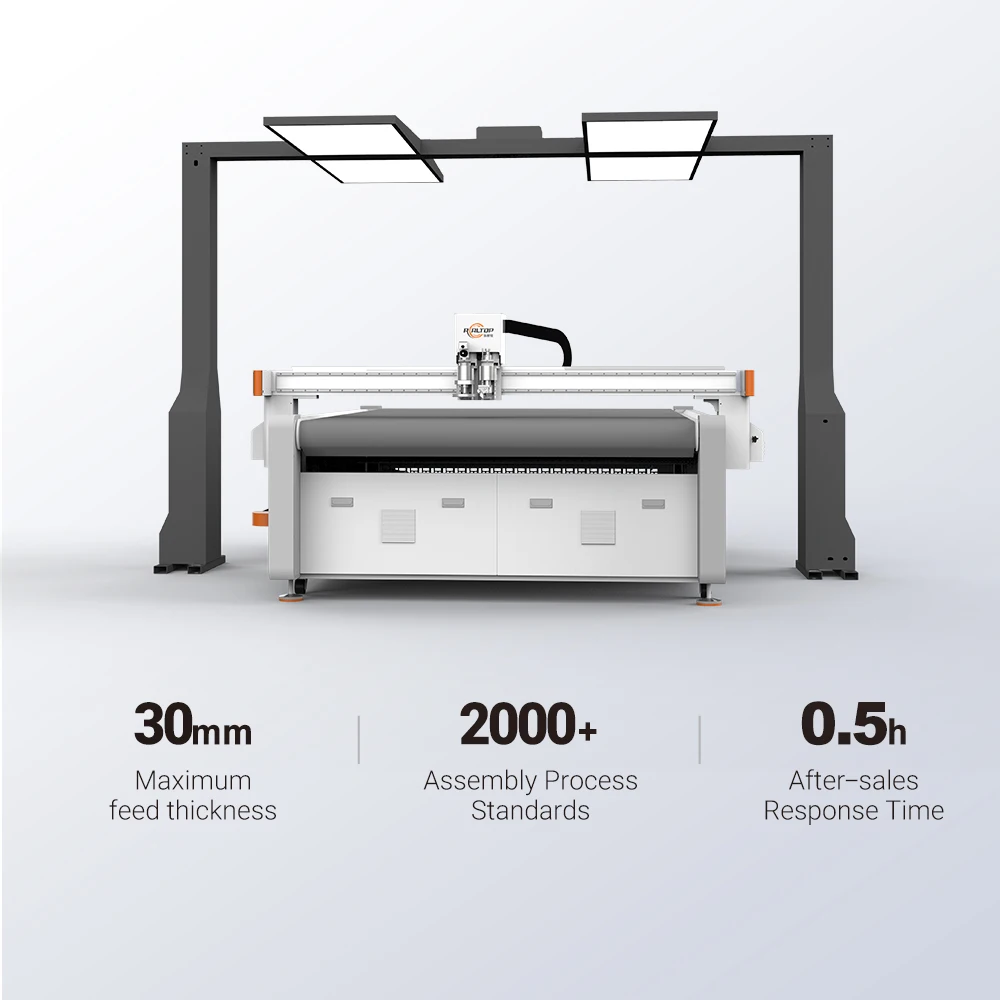
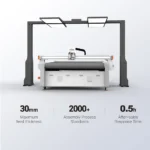
| Cutting Thickness | ≤ 30 mm |
| Positioning Accuracy | ±0.1 mm |
| Vacuum Pump | 9 kW |
| Vacuum Table | Aluminum bellows vacuum table with full-surface adsorption |
| Control System | PLC control panel with intuitive interface |
| CCD Camera | Yes — contour recognition and positioning for printed materials |
| Software | Dedicated packaging box structure design software included |
| Profile Formats Supported | PLT, DXF, AI, PDF |
| Safety Device | Infrared sensor device and emergency stop |
| Servo Drive Options | Panasonic, Delta, Dorna (source value — verify against manufacturer catalog) |
| Voltage Options | 110V, 220V, 380V |
| Language Options | English, Russian, Italian, Chinese (special languages customizable) |
| Machine Size | 3300×2100×1350 mm |
| Standards | CE |
Application Suitability
| Application | Material or Output |
|---|---|
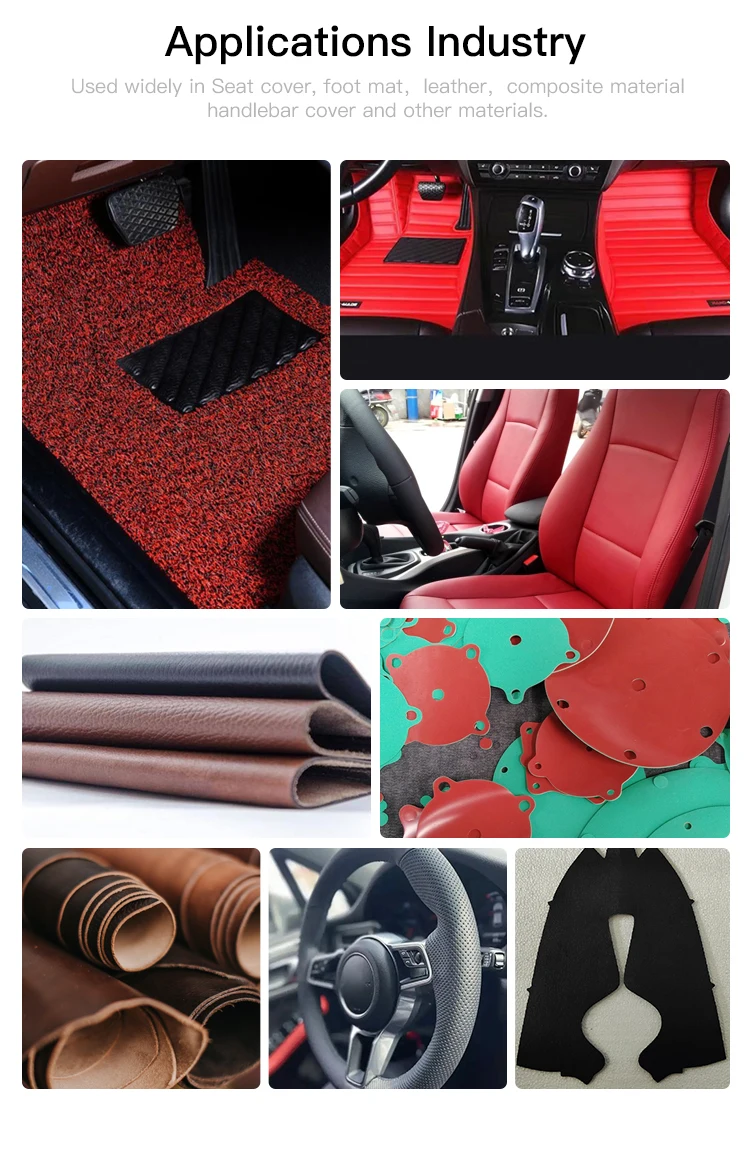
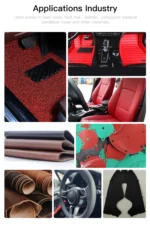
| Footwear and shoe uppers | Genuine leather, synthetic PU/PVC leather, suede, microfiber |
| Bags and small leather goods | Full-grain and top-grain leather, split leather, bonded leather sheets |
| Automotive seat covers and trim | Automotive-grade leather, composite leather panels, perforated leather |
| Sofa and upholstery cutting | Thick upholstery hides, bonded leather rolls, textile-backed leather |
| Patterned roll processing | Printed leather and synthetic rolls requiring CCD contour alignment |
Why Tool Head Choice Decides Whether Your Leather Gets Cut or Crushed
The oscillating knife cuts leather; the wrong oscillating knife ruins it.
A CNC Leather Cutting Machine factory quote often lists a single blade type and moves on. In practice, full-grain leather at 3 mm thickness responds completely differently to an oscillating knife than does a 1 mm PU synthetic. The blade frequency, amplitude and downward pressure must all shift with material density. I once watched a buyer receive a machine configured for soft PU, then feed it stiff vegetable-tanned hides — the blade dragged, the edges frayed, and two full hides were scrapped before anyone adjusted the tool head [NEED_CITE: tool head selection principles for leather density variation].
Tool Head Configuration Matched to Leather Grade
This 1625 CNC Leather Cutting Machine ships with up to seven interchangeable tool heads, from oscillating knife to driven rotary knife and pneumatic knife. Each is selected after we receive a sample of your actual production material. Thick full-grain hides typically need the oscillating knife at high frequency, while thin bonded sheets may cut cleaner with a kiss cutting tool that scores without penetrating the backing. The driven rotary knife handles continuous roll-fed synthetic leather where straight-line speed matters more than intricate contour work.
CCD Camera Positioning for Printed and Patterned Hides
Genuine leather rarely arrives as a uniform blank — it carries grain patterns, dye variations and natural contour boundaries that must be respected during nesting. The integrated CCD camera reads printed registration marks and hide outlines, then aligns the cut path automatically. This removes the manual alignment step that otherwise slows production and introduces positioning drift across a long cutting run. The system is tested against your specific printed pattern or hide marking before the machine leaves the factory [NEED_CITE: CCD contour recognition accuracy on natural leather surfaces].
Reading the Specs That Actually Matter for Leather
The 1600×2500 mm working area accommodates full hides without repositioning, which matters because every repositioning introduces a seam alignment risk on long panels like automotive seat covers. The 9 kW vacuum pump paired with the aluminum bellows table provides full-surface adsorption — critical when cutting small pattern pieces from thick leather where edge lift would otherwise blur the cut line. Positioning accuracy of ±0.1 mm keeps nested pieces within furniture and footwear assembly tolerances. The PLC control panel stores material-specific cutting profiles so operators switch between leather grades without reprogramming from scratch.
What Happens When Vacuum Zoning Is Undersized
Leather cutting generates significant downward and lateral blade force, especially on dense hides approaching the 30 mm thickness limit. If the vacuum table lacks sufficient zoning granularity, small pattern pieces lose adhesion mid-cut and shift by fractions of a millimeter — enough to push shoe upper panels outside assembly tolerance. I have seen buyers discover this only after running their first small-piece nesting layout, by which point the machine is already on their floor. The aluminum bellows table on this model provides consistent flatness across the full bed, but zoning adequacy must be verified against your specific piece size distribution before shipment [NEED_CITE: vacuum table zoning requirements for small leather parts].
Why Buyers Source This CNC Leather Cutting Machine from Our Factory
We design and build both knife and laser cutting platforms in-house, which means we recommend the cutting method that fits your material rather than pushing a single technology. Every tool head and table configuration is specified against your leather sample, not guessed from a catalog. CCD camera parameters are tuned to your printed marks and hide contours during factory testing. Software compatibility with your existing PLT, DXF, AI or PDF workflow is confirmed before the order is finalized. Voltage, plug type and control panel language are locked in to match your facility’s electrical and operator requirements.
Documentation & Verification
- Machine specification sheet listing every configured tool head and vacuum zone mapping
- Electrical schematic with confirmed voltage, frequency and plug type for your market
- Sample cutting report produced on your submitted leather material before order commitment
- Factory test record showing positioning accuracy and edge quality on your specified thickness
- Operation and maintenance manual with software licence and file format compatibility notes
- Spare parts list covering blades, knife holders and vacuum table seals
Installation, Commissioning & Support
- 3300×2100 mm footprint requires level concrete floor with clearance for auto feed roll loading
- Dedicated circuit matching confirmed voltage option (110V, 220V or 380V) before electrical hookup
- Machine ships fully assembled; table leveling and vacuum seal check completed on arrival
- First-run parameter tuning using your leather stock to dial in blade depth and oscillation frequency
- Operator training covers tool head changeover, CCD calibration and nesting software workflow
- Wearing parts inventory includes oscillating blades, rotary knife edges and vacuum table gaskets
What to Prepare Before Requesting a Quotation
Send us your stiffest and thickest leather sample along with the thinnest synthetic you run — both are needed to specify the correct tool head range. Confirm your local voltage, frequency and plug standard so the electrical cabinet is built right the first time. Share your current nesting file format and whether your workflow requires CCD contour recognition on printed hides or natural grain boundaries. If you run automotive or footwear panels with tight nesting tolerances, provide a representative DXF or PLT file so we can test material utilization and edge quality before quoting.
Frequently Asked Questions
Q: How is tool head selection matched to leather type, thickness and edge quality requirements?
A: We cut samples of your actual leather — both the thickest hide and the thinnest synthetic — using different tool heads on the 1625 platform. The oscillating knife handles dense full-grain leather, while the kiss cutting tool suits thin bonded sheets. Results are documented in a sample cutting report so you see edge quality and cutting depth before committing to a configuration.
Q: What voltage, plug type and control language options are confirmed before shipment?
A: The 1625 is configurable for 110V, 220V or 380V systems. Plug type is matched to your country standard and confirmed on the electrical schematic before production. The PLC control panel supports English, Russian, Italian and Chinese, with special language customization available on request.
Q: Can sample cutting be done on our own leather material before placing the order?
A: Yes. We require you to ship representative leather samples to our factory. We run them on the configured machine, document cutting speed, edge quality and tool head performance, and include the sample cutting report with the quotation. No order proceeds without this verification step.
Q: What OEM and custom configuration options are available from the factory?
A: As the CNC Leather Cutting Machine factory, we customize working area, tool head selection, servo drive brand, vacuum table zoning, voltage, control language and software interface. Each configuration is documented in a specification sheet and validated through factory testing before dispatch.
Q: How is CCD camera contour recognition tested against our specific printed leather or pattern?
A: You provide printed leather samples or pattern files. We load them on the 1625 and run the CCD camera through full contour recognition cycles, verifying mark detection speed and positioning accuracy at production cutting speeds. Test results are shared before final approval.
You may also like

商品评价
Clear filtersThere are no reviews yet.