



-
 Courier delivery
-
 DHL Courier delivery
-
 Warranty 1 year
-
 Free 30-Day returns

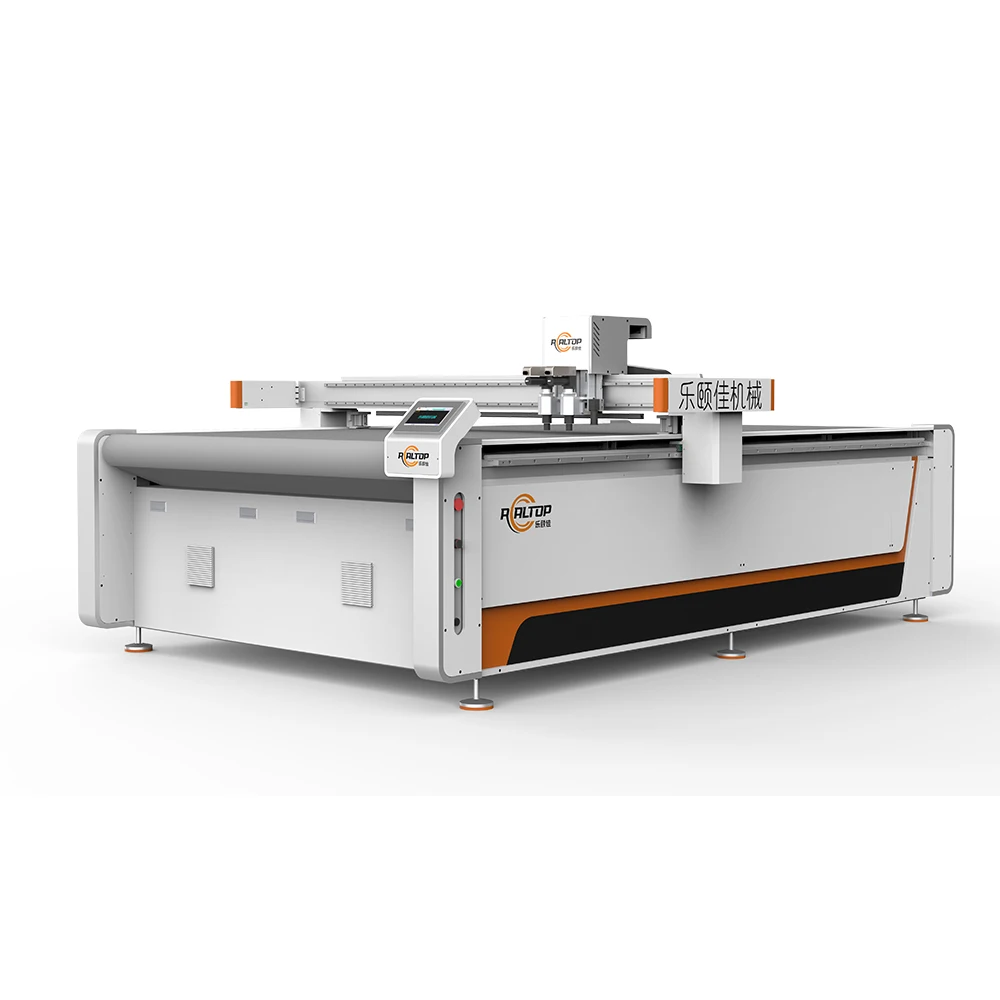
In-house engineering accountability — Frame, motion, vacuum and tool head designed under one roof so packaging converters get a single point of responsibility for cut quality and crease accuracy.
Technical Specifications
| Parameter | Value |
|---|---|
| Product Type | CNC Oscillating Knife Cutting Machine |
| Working Area | 1600×2500 mm |
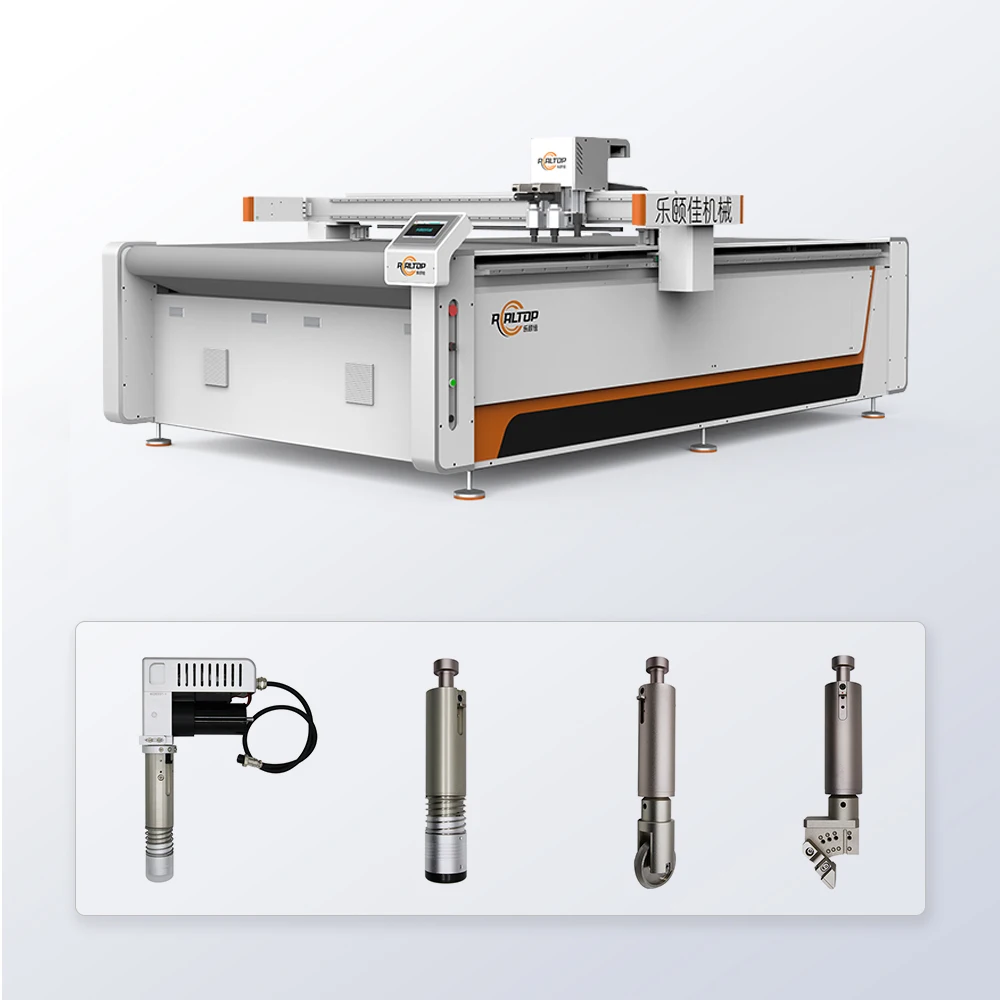
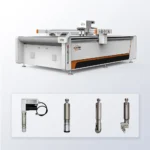
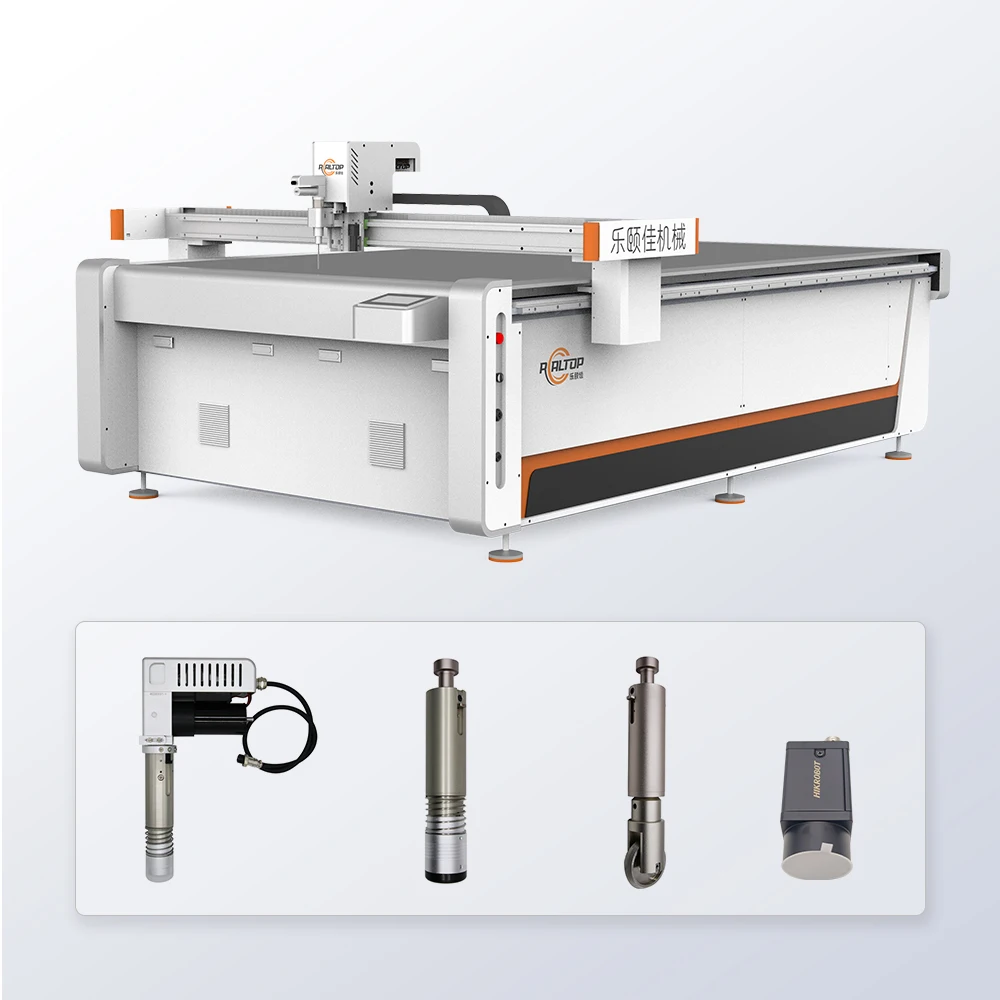
| Tool Head Options | Oscillating knife, Driven rotary knife, Creasing wheel, Kiss cutting tool, Pneumatic knife, Milling tool, V groove knife |
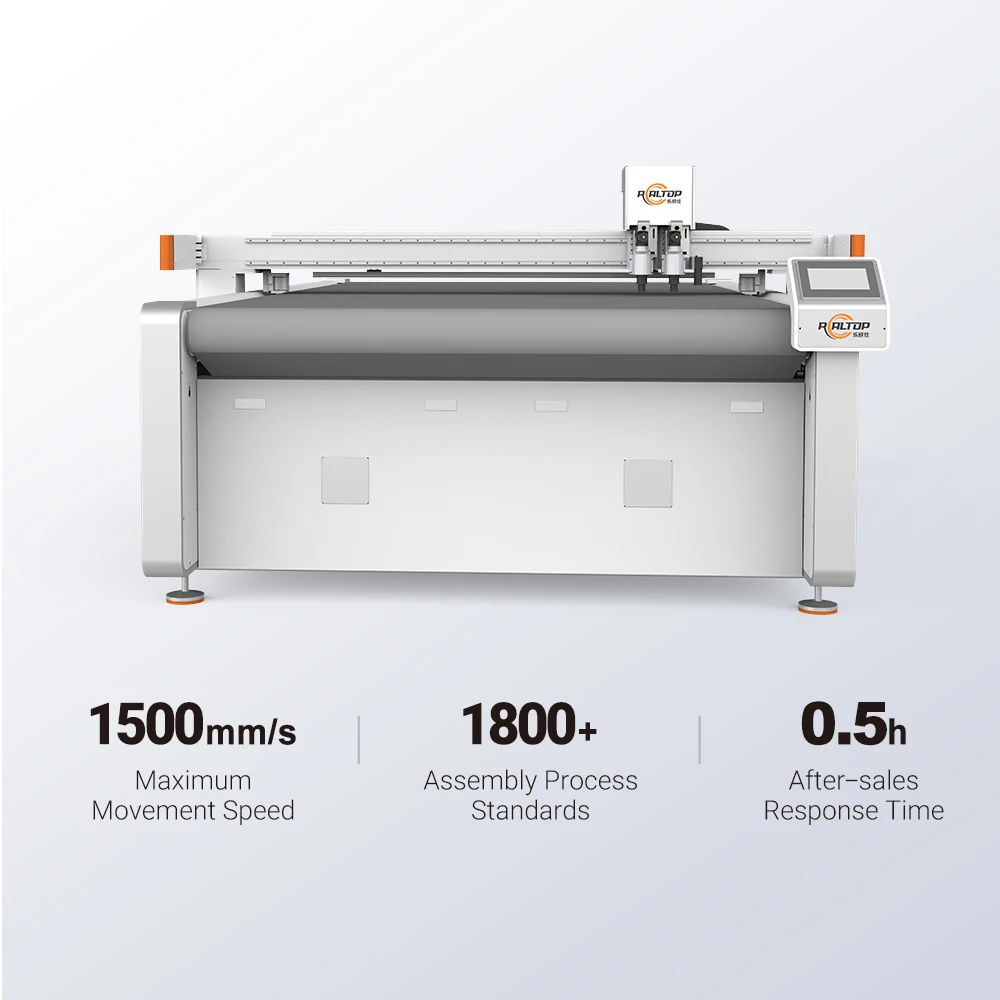
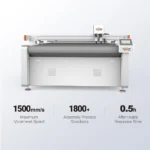
| Cutting Speed | 0–1500 mm/s |
| Cutting Thickness | ≤ 40 mm (basis not stated in source — confirm material type and density) |
| Cutting Accuracy | ±0.1 mm |
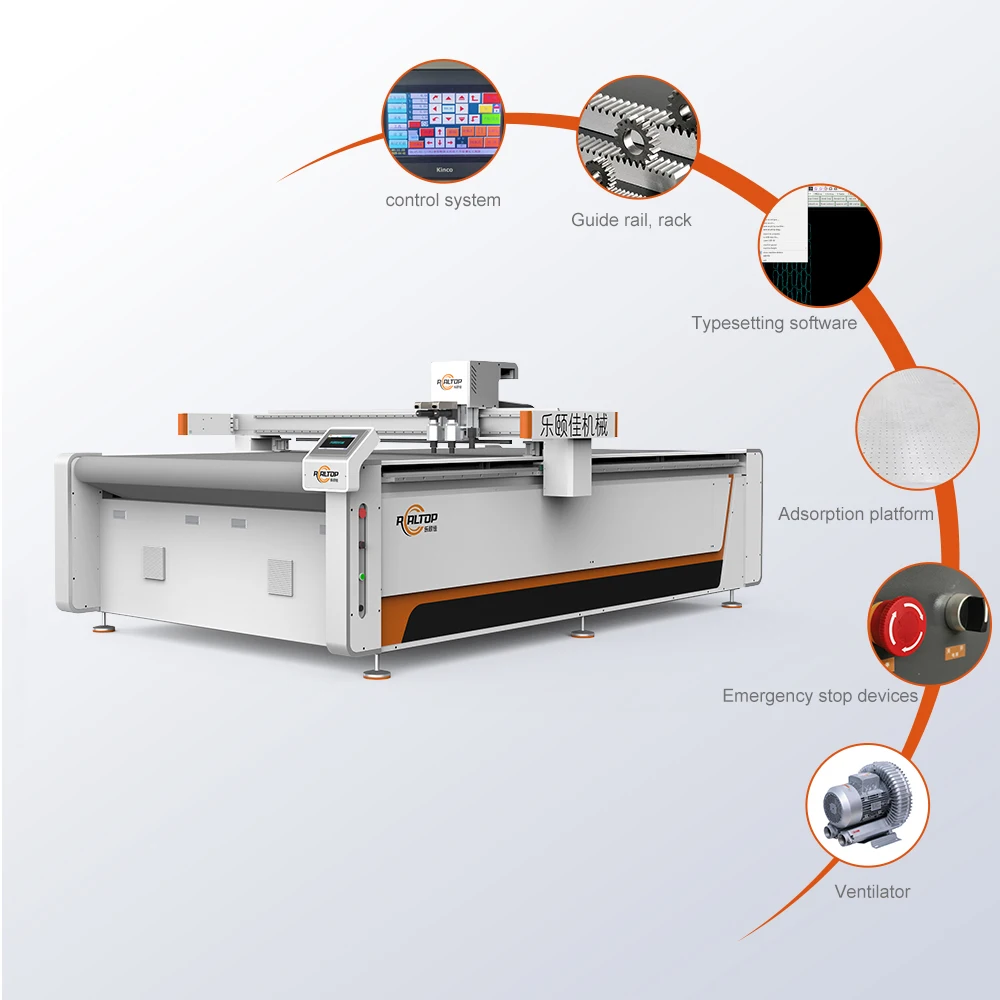
| Vacuum Table | Aluminum bellows vacuum table |
| Vacuum Pump | 9 kW |
| Control System | PLC control panel |
| Servo Motors | Panasonic, Delta, Dorna options |
| CCD Camera | Available |
| Software & File Formats | PLT, DXF, AI, PDF; dedicated packaging box structure design software |
| Voltage Options | 110V, 220V, 380V (frequency not specified in source) |
| Language Options | English, Russian, Italian, Chinese; special languages customizable |
| Machine Frame | Heavy-duty frame with precision-ground surface |
| Safety Devices | Infrared sensor device and emergency stop device |
| Overall Dimensions (L×W×H) | 3300×2100×1350 mm |
| Certification | CE |
Application Suitability
| Application | Material or Output |
|---|---|
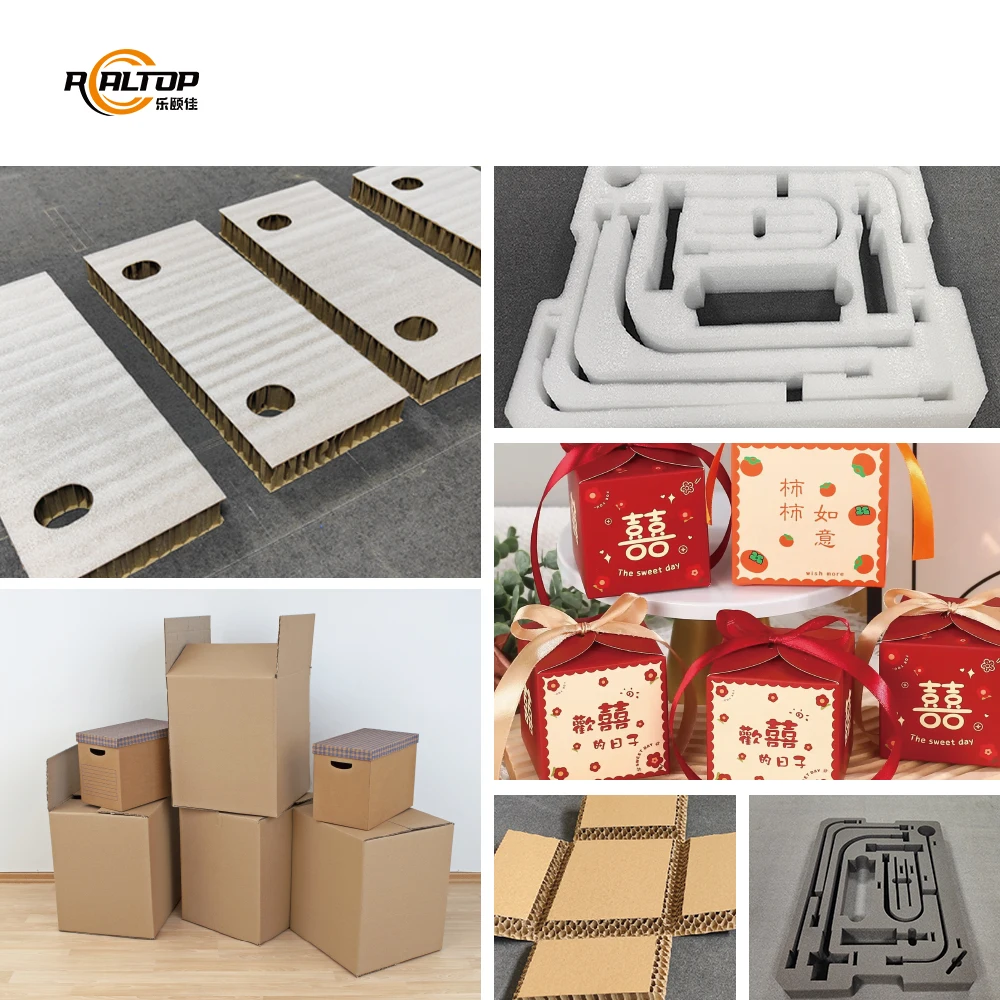
| Packaging sample making and short-run production | Corrugated cardboard (E-flute, B-flute, BC-flute), greyboard, cardstock, art paper, specialty paper |
| Protective packaging insert fabrication | EVA, EPE, PU foam, Coroplast, rubber mats |
| Luxury box and display packaging | Velvet, fleece fabric, non-woven fabric, synthetic leather, composite and adhesive-backed materials |
| Thin plastic and gasket prototyping | PVC, PET, PTFE, rubber, thin acrylic sheets |
When "Working Area" Is the Only Spec That Gets Discussed
A 1600×2500 mm bed means nothing if the vacuum zoning cannot hold small carton blanks flat during high-speed oscillating cuts.
I have watched packaging sample shops buy a CNC oscillating knife cutting machine manufacturer grade unit purely on table size, then discover mid-installation that the vacuum zones are too large* edges, the knife drags, and what should be a clean crease turns into a crushed flute. [NEED_CITE: vacuum table zoning standards for digital flatbed cutting]. The conversation about substrate thickness, flute type and vacuum segmentation has to happen before the deposit changes hands — not on commissioning day when the operator is already behind schedule.
What the Aluminum Bellows Table Actually Solves
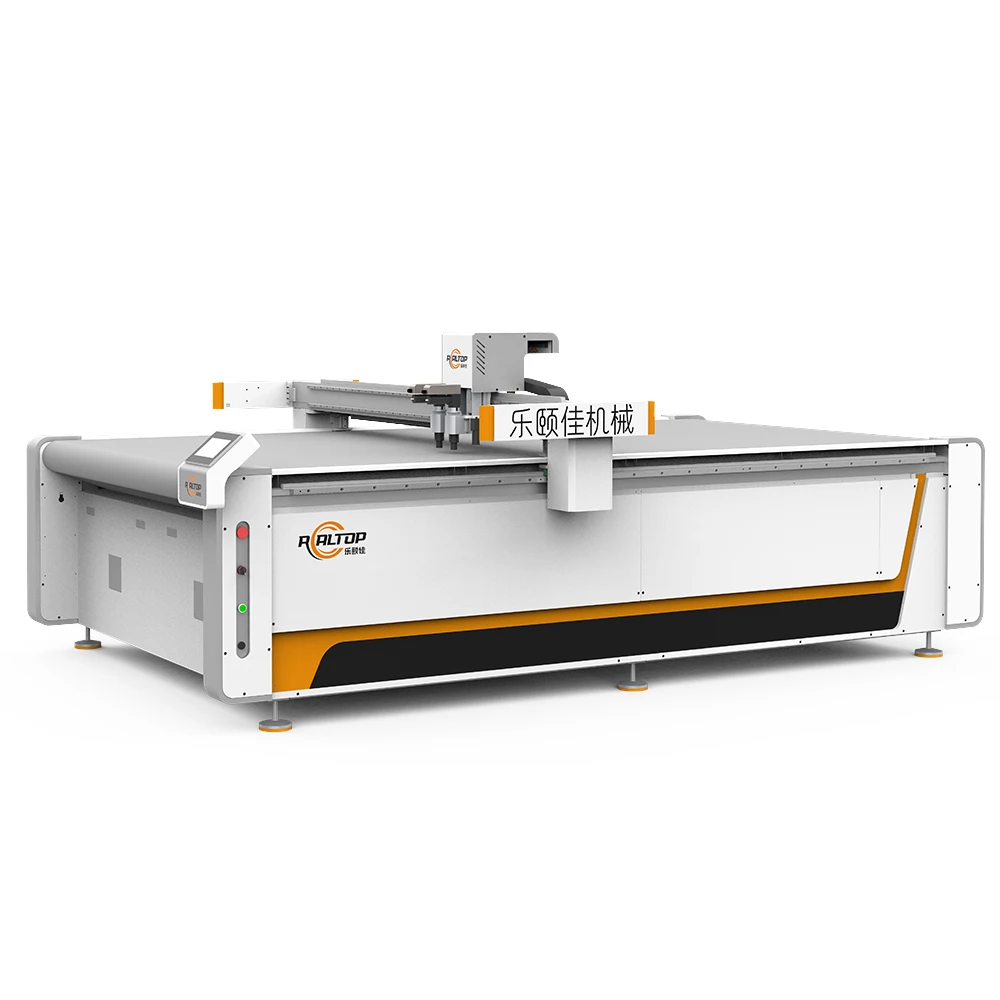
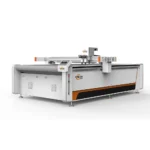
The aluminum bellows vacuum table on this CNC oscillating knife cutting machine manufacturer platform provides high flatness across the full 1600×2500 mm working area, which matters when corrugated sheets arrive with slight curl from storage. A warped sheet that lifts even a millimeter off the table surface will produce inconsistent crease depth — shallow on one end, crushing the flute on the other. The bellows structure maintains seal integrity across the entire bed, so hold-down pressure stays uniform whether you are cutting a full-size shipping carton or a small retail insert.
Why Tool Head Selection Dictates Edge Quality More Than Speed
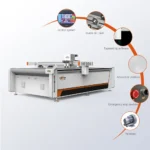
Running an oscillating knife through BC-flute corrugated at 1500 mm/s produces a different result than the same speed through art paper cardstock. The tool head configuration — oscillating knife for through-cuts, creasing wheel for fold lines, V groove knife for rigid box channels, kiss cutting tool for adhesive-backed labels — must match the material stack before the first file loads. [NEED_CITE: cutting tool selection criteria for corrugated and specialty packaging substrates]. A packaging converter running mixed short runs needs quick-change tool heads, not a single blade forced to compromise across five substrate types.
Reading the Specs That Matter for Packaging Work
The ±0.1 mm cutting accuracy figure is meaningful only when paired with the servo motor selection. Panasonic, Delta and Dorna servo options each have different torque profiles at low speed, which directly affects corner quality on tight box geometry. The PLC control panel manages tool path sequencing, but the servo is what actually executes micro-direction changes on small flap cuts. A 9 kW vacuum pump paired with the aluminum bellows table generates enough suction for dense greyboard, yet the zoning configuration determines whether that suction reaches a 50×50 mm sample piece or dissipates across an empty zone. File format compatibility through the dedicated packaging box structure design software — accepting PLT, DXF, AI and PDF — eliminates a file conversion step that otherwise introduces dimensional drift on complex dieline geometry.
The Downtime Cost of a Wrong Configuration Choice
Choosing a single oscillating knife head to save on initial tooling budget means the creasing wheel is absent when a client sends a job requiring scored fold lines on 2 mm greyboard. The operator attempts to crease with the knife at reduced depth, producing inconsistent fold quality and burning through blade life. [NEED_CITE: packaging converting equipment tooling configuration and production downtime correlation]. Similarly, ordering a machine without confirming the CCD camera contour recognition capability leaves pre-printed packaging sheets untrackable at production speed — a problem that surfaces only when the first printed job runs and the registration marks fail to register.
What In-House Design and Production Actually Delivers
Frame welding, motion assembly, vacuum system integration and tool head calibration all happen within one facility, meaning dimensional tolerance stacks are controlled end-to-end rather than assembled from disparate sub-suppliers. The CNC oscillating knife cutting machine manufacturer configures the tool head array per material profile — not from a standard catalogue page but against the buyer’s actual substrate samples. Voltage, plug type and control language are confirmed on the electrical schematic before production begins, preventing the shipment-delay rework that occurs when a 380V machine arrives at a 220V workshop. Software licence and file format compatibility are documented pre-order, so the buyer’s existing dieline workflow connects without middleware.
Documentation & Verification
- Sample cutting report on your corrugated flute type and greyboard thickness before order confirmation
- Electrical schematic with voltage, frequency and plug type matched to your facility specification
- Tool head and vacuum table zoning configuration list tied to your material profile
- Factory test record with dimensional measurement on your actual packaging dieline file
- Packing photographs showing crating and immobilization method before container loading
Installation, Commissioning & Support
- Floor leveling requirement across the 3300×2100 mm footprint to maintain bellows table flatness
- Dedicated circuit provision for 9 kW vacuum pump plus servo and PLC draw at confirmed voltage
- Machine arrives as single frame assembly requiring table leveling and tool head calibration on site
- First-run commissioning includes cutting and creasing test on buyer-supplied packaging material
- Operator training covers tool head changeover sequence and CCD camera mark registration setup
- Spare parts list includes oscillating knife blades, creasing wheel inserts and vacuum seals
Before You Send the Inquiry
Provide your primary substrate types with thickness and flute designation, the smallest piece dimension you cut regularly, and whether pre-printed contour tracking is part of your workflow. Confirm your facility voltage and frequency, and specify the control interface language your operators require. If your current dieline files originate from a specific packaging CAD system, share a sample file so software compatibility is verified before quotation.
Frequently Asked Questions
Q: How is cutting thickness verified for my specific packaging material and flute type?
A: We run a sample cutting test on your actual material — corrugated flute grade, greyboard density or foam thickness — and document edge quality, cutting depth and crease performance in a written report. This eliminates guesswork about whether the stated ≤ 40 mm capacity applies to your specific substrate density and composition.
Q: Which tool heads do I need for combined cutting and creasing on corrugated board?
A: A typical corrugated packaging setup pairs the oscillating knife for perimeter cuts with the creasing wheel for fold lines. If your work includes rigid box channels or kiss-cut labels, the V groove knife and kiss cutting tool are added. We configure the tool head array based on your actual job mix, not a generic package.
Q: What voltage, plug and control language options are confirmed before shipment?
A: Voltage is selectable across 110V, 220V and 380V, and we confirm frequency, plug type and control panel language on the electrical schematic before production starts. Available languages include English, Russian, Italian and Chinese, with special languages customizable. This prevents on-site rewiring or interface confusion after delivery.
Q: Can the CCD camera track printed registration marks at production cutting speed?
A: The available CCD camera provides contour recognition for pre-printed packaging sheets. However, tracking reliability at higher cutting speeds depends on mark contrast, size and placement. We test the CCD system against your printed sheet sample at your target operating speed to confirm consistent mark detection before configuration is finalized.
Q: What file formats does the packaging structure design software accept from my existing workflow?
A: The dedicated packaging box structure design software accepts PLT, DXF, AI and PDF files directly. If your current workflow uses a specific packaging CAD platform, share a sample file during the inquiry stage so we verify import compatibility and dimensional accuracy before the order is placed.
You may also like

商品评价
Clear filtersThere are no reviews yet.