


-
 Courier delivery
-
 DHL Courier delivery
-
 Warranty 1 year
-
 Free 30-Day returns

In-house design and factory build — every tool head and vacuum zone is matched to the buyer’s actual leather grade and thickness before the order is placed, not guessed from a generic working-area quote.
Technical Specifications
| Parameter | Value |
|---|---|
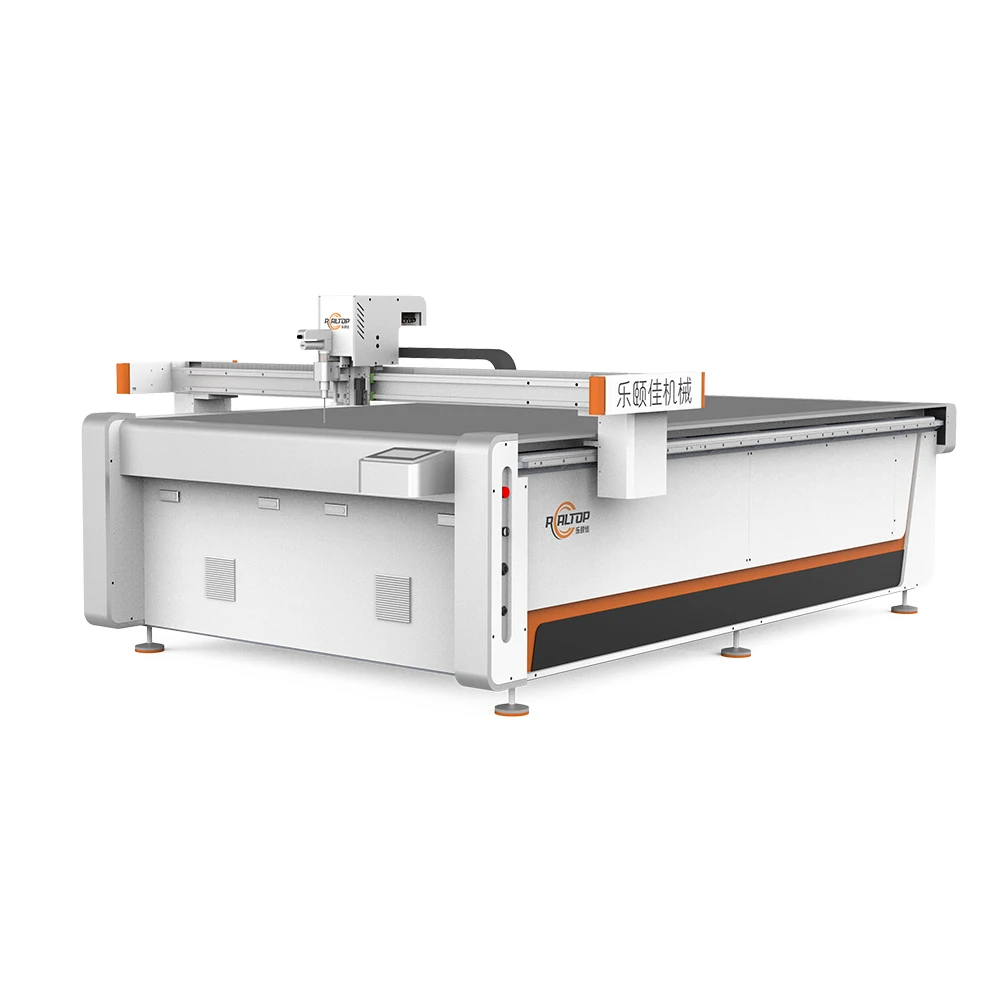
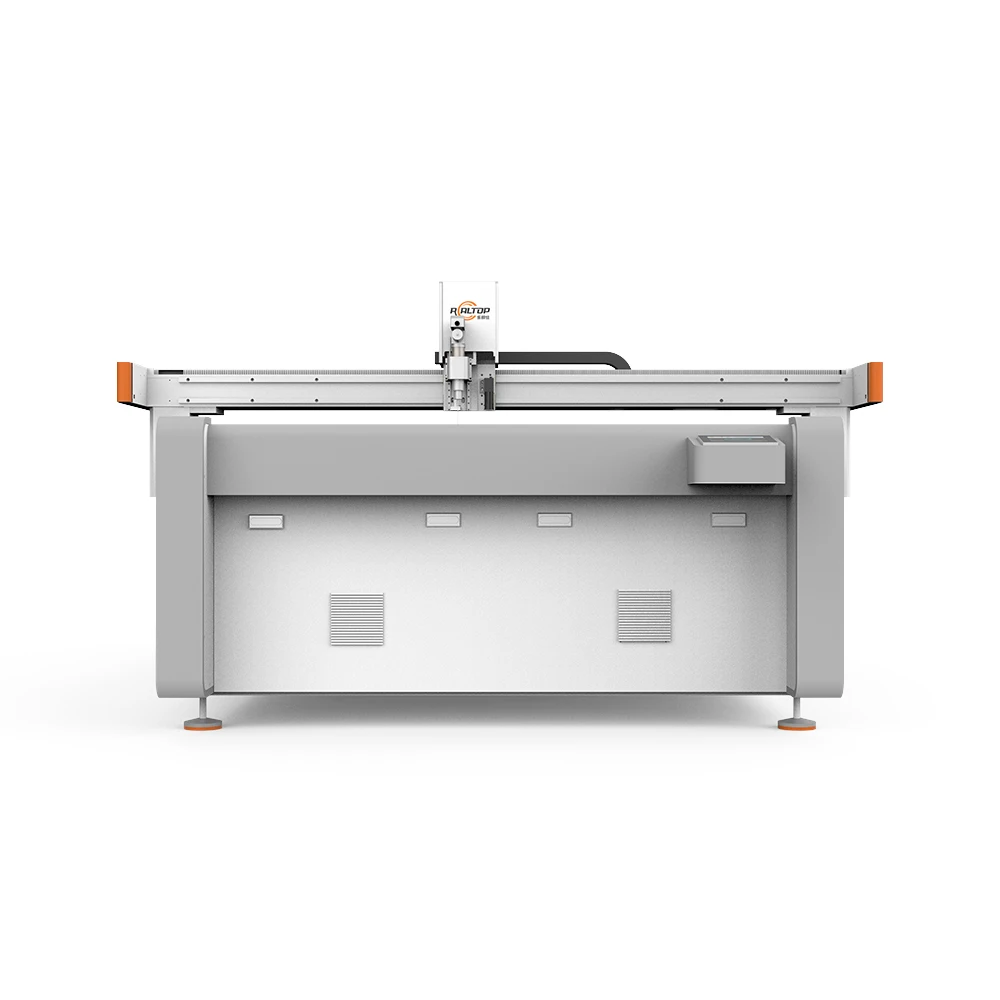
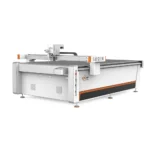
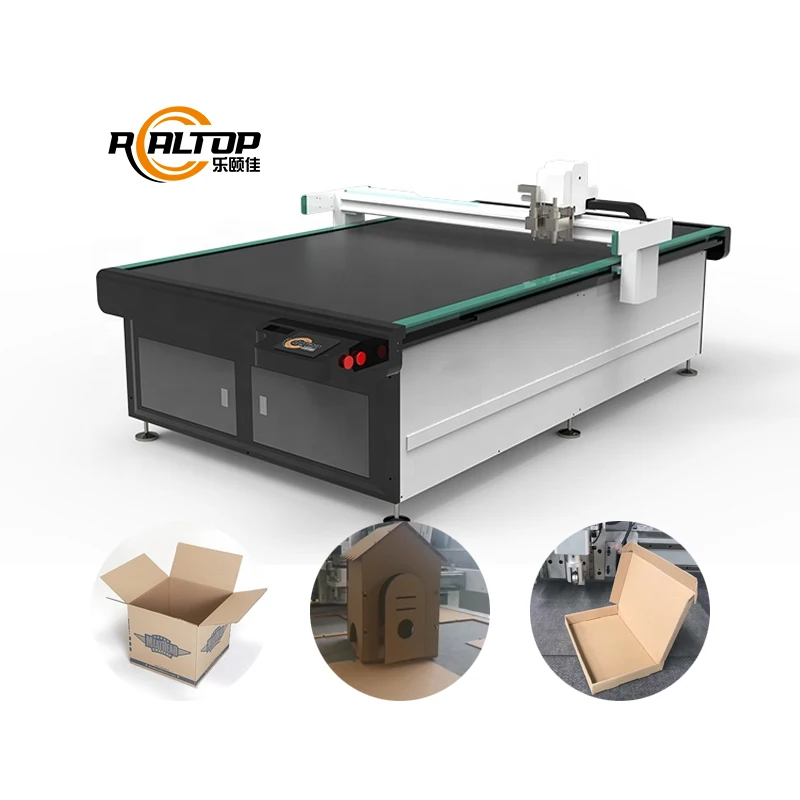
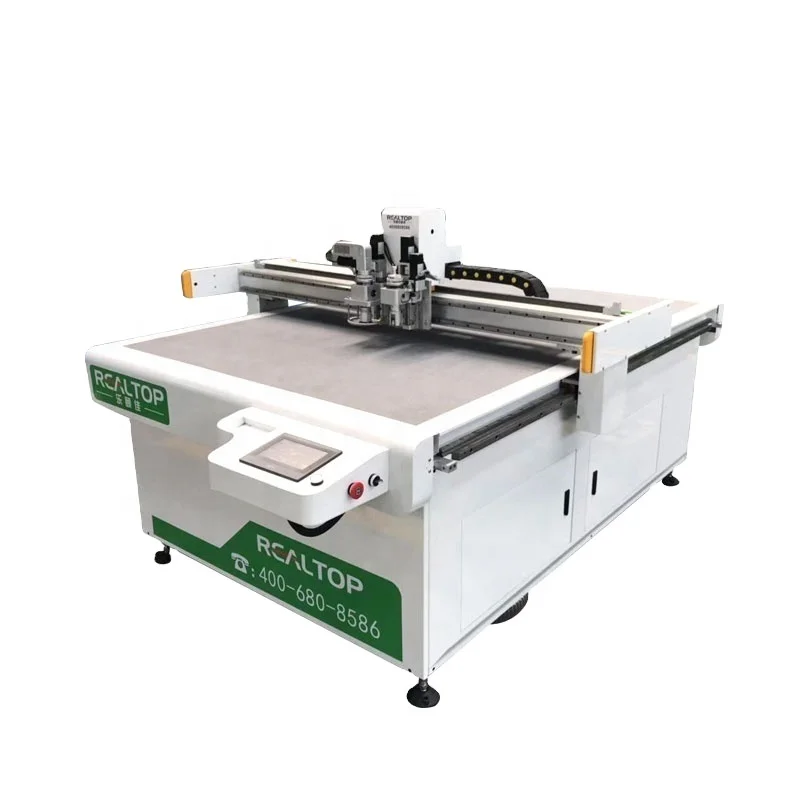
| Product Type | CNC Oscillating Knife Cutting Machine for Leather |
| Working Area | 1600 × 2500 mm |
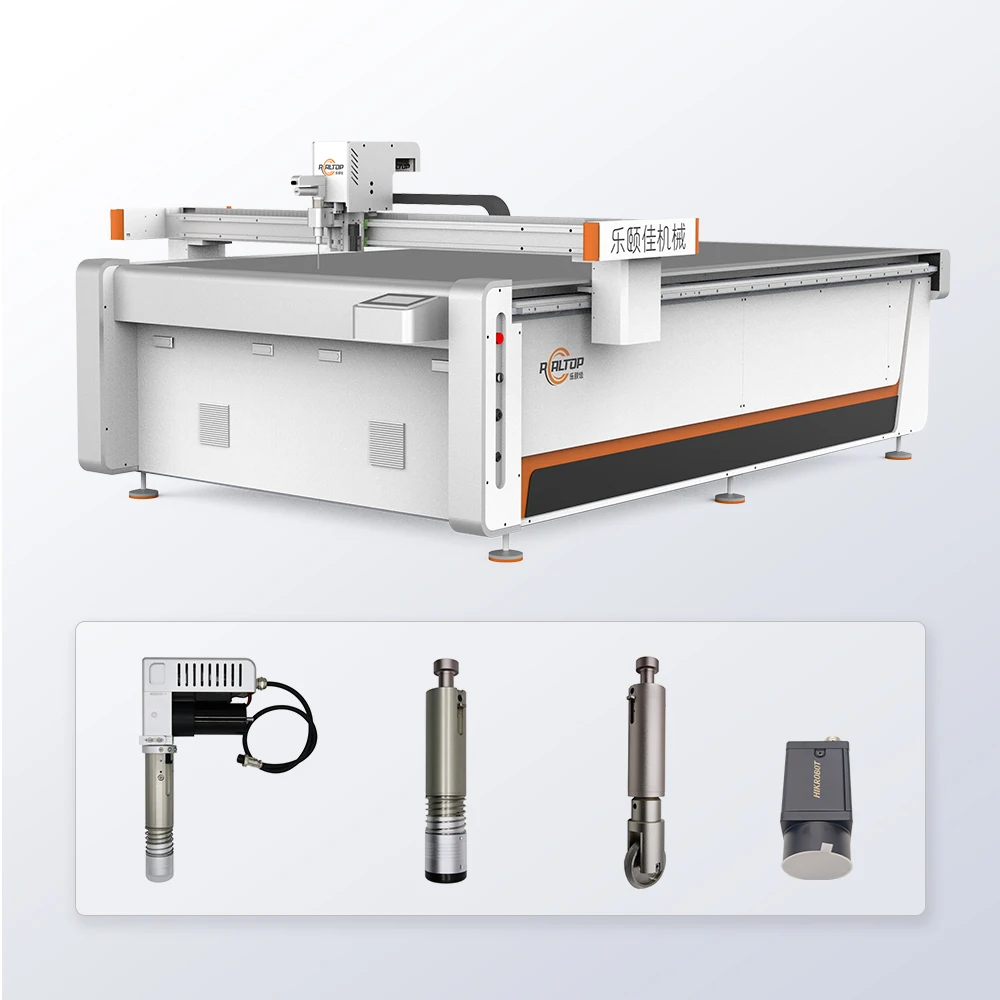
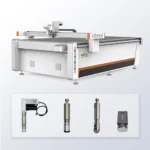
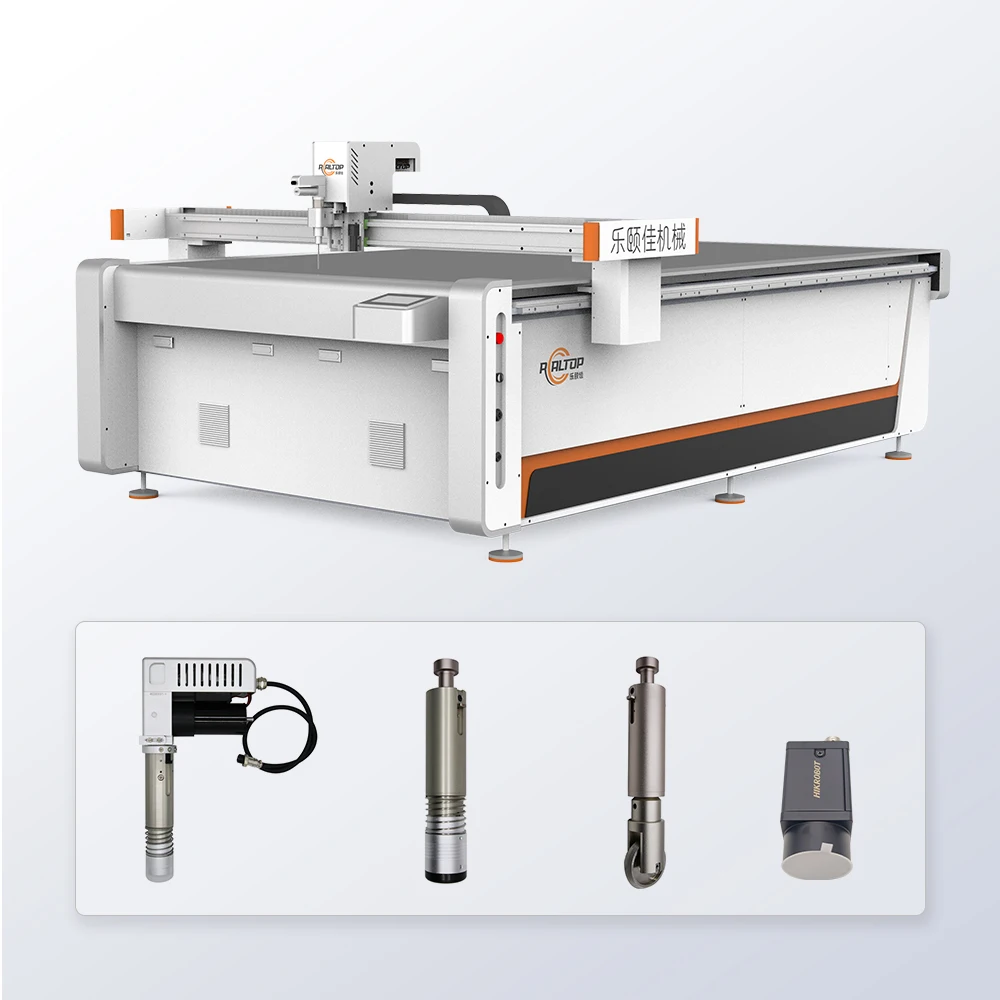
| Tool Head Options | Oscillating knife, Driven rotary knife, Creasing wheel, Kiss cutting tool, Pneumatic knife, Milling tool, V groove knife |
| Cutting Speed | 0–2000 mm/s |
| Cutting Thickness | ≤ 30 mm (basis to be confirmed — depends on leather density and layer count) |
| Cutting Accuracy | ±0.1 mm |
| Vacuum Table | Aluminum bellows vacuum table |
| Vacuum Pump Power | 9 kW |
| Servo Motor Options | Panasonic, Delta, Dorna |
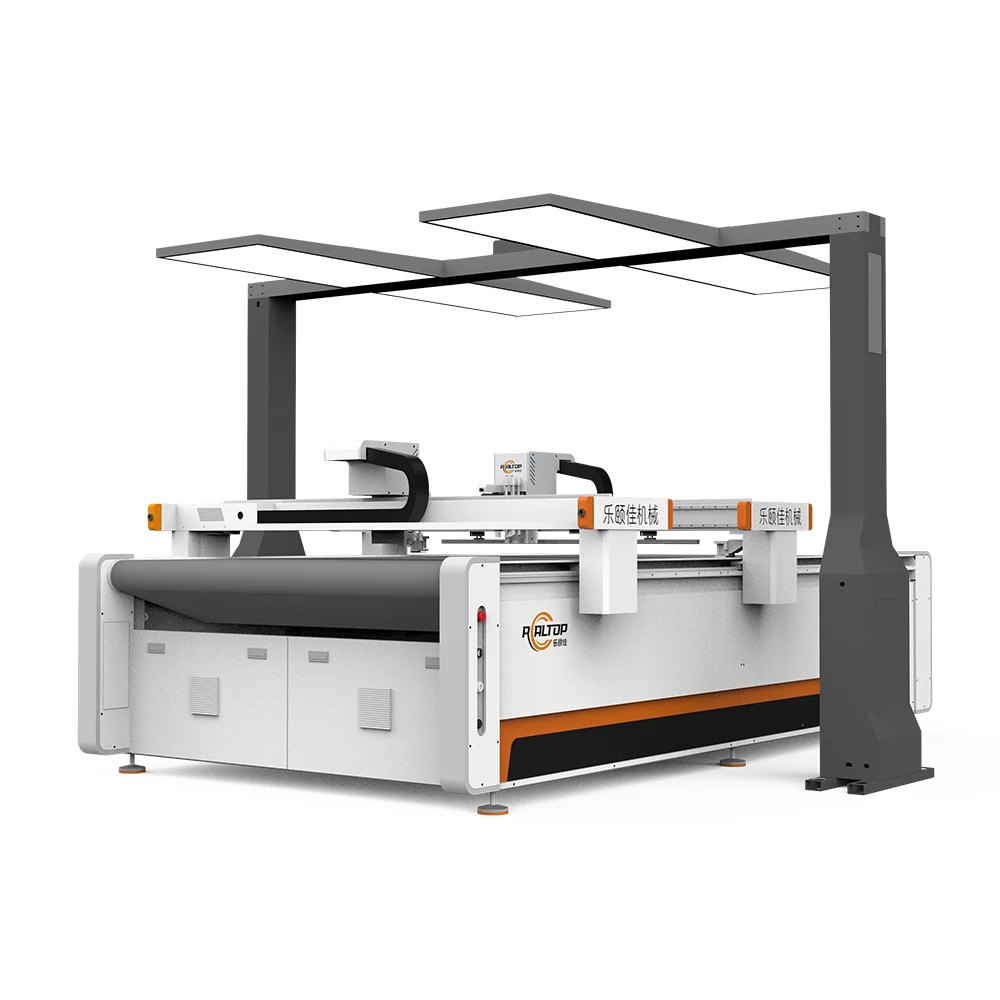
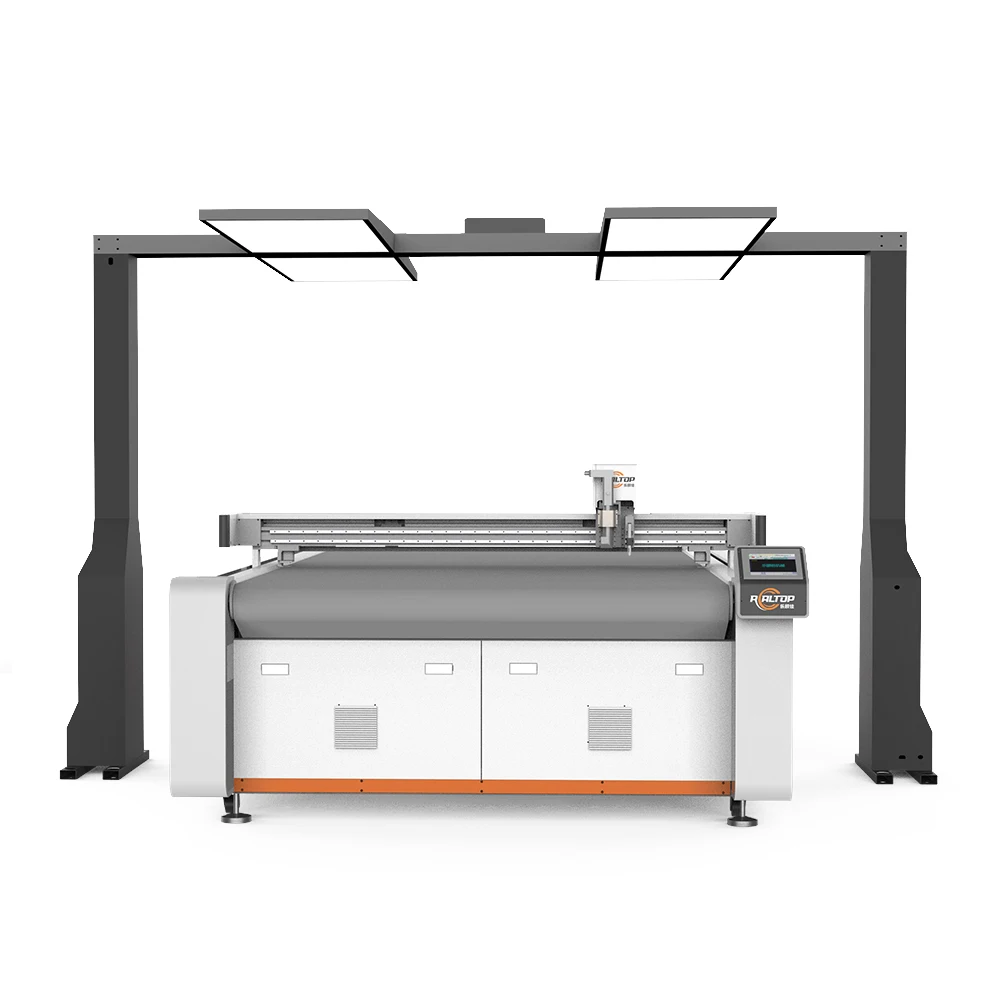
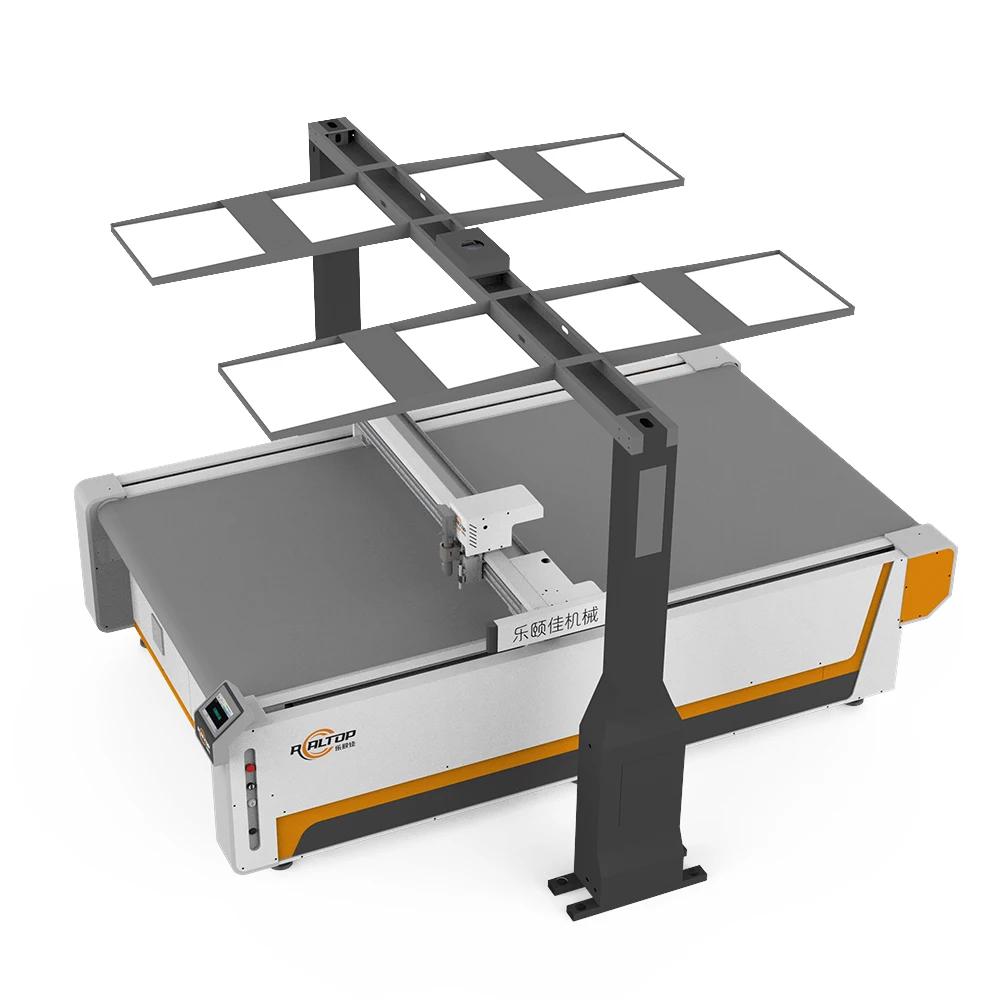
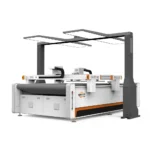
| CCD Camera | Available for contour recognition and positioning |
| Control System | PLC control panel with optional display languages |
| Supported File Formats | PLT, DXF, AI, PDF |
| Voltage Options | 110V / 220V / 380V (frequency to be confirmed — 50/60 Hz) |
| Software Language Options | English, Russian, Italian, Chinese (custom languages available) |
| Nesting System | Auto-nesting with camera-based defect detection |
| Safety Device | Infrared sensor and emergency stop |
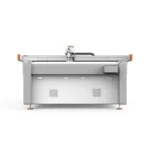
| Machine Dimensions (L×W×H) | 3300 × 2100 × 1350 mm |
Application Suitability
| Application | Material or Output |
|---|---|
| Shoe upper production | Genuine leather, synthetic PU/PVC leather, microfiber leather |
| Automotive seat covers and door panels | Multi-layer leather, composite leather with fabric backing |
| Bags, luggage and leather goods | Full-grain hides, split leather, bonded leather sheets |
| Sofa and upholstery cutting | Thick cowhide, corrected-grain leather, textile-leather composites |
| Car mats and interior trim | Leather-backed mats, synthetic hide overlays, composite gaskets |
Why the Wrong Tool Head Ruins Your Leather Edge
A CNC oscillating knife leather cutting machine manufacturer that quotes only by working area leaves out the variable that matters most: which blade profile actually matches your leather grade.
An oscillating knife that cuts clean through 1.5 mm garment PU will crush and drag on 3 mm automotive composite hide, leaving a fuzzy edge that rejects at the stitching station. The blade frequency, stroke length and downward pressure all shift when material density changes. I once watched a buyer run standard synthetic on a machine spec’d for heavy gasket material — the edge was fine, but the vacuum lift on small pattern pieces caused misalignment every third cut. Re-specifying the vacuum zone layout solved it, but only after two days of wasted material on the production floor [NEED_CITE: vacuum hold-down requirements for thin flexible materials].
Matching Blade Type to Leather Grade and Layer Count
The tool head selection is the first engineering decision, not an afterthought. For single-layer genuine hide up to 2 mm, a high-frequency oscillating knife produces a clean shear cut with minimal grain distortion. When the job involves multi-layer bonded leather or synthetic composites above 4 mm, a driven rotary knife maintains edge consistency through the full stack without dragging the bottom plies. Pneumatic knife heads handle thicker, denser hides where blade deflection under standard oscillation would widen the kerf. Each option mounts on the same carriage, so a production line running both shoe uppers and bag panels can switch heads between jobs rather than buying a second machine. A CNC oscillating knife leather cutting machine manufacturer that builds its own tool heads can adjust stroke and frequency to the buyer’s material sample before the machine ships.
Camera-Based Nesting and Defect Avoidance on Natural Hides
Genuine leather is irregular — scars, brand marks and thin spots reduce usable area if the nesting software treats the hide as a uniform rectangle. The camera-based defect detection scans the hide surface and flags imperfections before the nesting algorithm places pattern pieces around them. This is distinct from printed contour tracking; the CCD camera also reads registration marks on printed synthetic leather to align cut paths with pre-printed grain or logo positions. When both capabilities are active, material yield on premium full-grain hides improves measurably compared to manual marker placement [NEED_CITE: material utilization rates in natural hide cutting operations]. The auto-nesting software exports directly from PLT, DXF, AI and PDF files, so the buyer’s existing design workflow transfers without intermediate format conversion.
Reading the Specs That Actually Affect Your Cut Quality
Cutting accuracy of ±0.1 mm holds when the servo system maintains positional repeatability across the full 1600 × 2500 mm travel — the available Panasonic, Delta and Dorna servo options differ in encoder resolution, which matters most on long diagonal cuts where cumulative error would show as misaligned stitch holes. The 9 kW vacuum pump must be paired with correct table zoning; a single-zone vacuum on a large-format table loses suction on small pattern pieces placed far from the manifold, which is why the aluminum bellows table is sectioned. Cutting speed of 0–2000 mm/s is the traverse range, but actual production speed depends on leather thickness and the complexity of the cut path — tight radii on shoe upper curves require the head to decelerate to maintain edge quality. The PLC control panel supports multiple display languages, so an operator in a non-English-speaking workshop does not need to memorize icon positions.
What Happens When Vacuum Zoning Is Underestimated
A buyer running small automotive interior pieces — armrest covers, console wraps — on a table with inadequate vacuum zoning will see material lift at the trailing edge of the cut. The blade pulls the leather upward on exit, and the result is a ragged bottom edge plus a shifted cut path on the next piece. On multi-layer stacks, lift between plies produces mismatched outlines that reject at assembly. This failure mode does not appear during factory acceptance tests run with large, flat test sheets; it shows up only when the actual production geometry hits the table [NEED_CITE: vacuum table zoning standards for small-part cutting]. Re-specifying the zone layout after shipment means replacing the table surface, not adjusting a parameter.
Why Sourcing Direct from the Factory Floor Matters
The design team and production line share the same facility, so a tool head modification for an unusual leather composite gets tested on the build floor, not outsourced to a third-party integrator. Every machine leaves with a factory test record run on the buyer’s own material sample — thickness, edge quality and dimensional accuracy documented before crating. Voltage and plug type are confirmed against the buyer’s workshop supply before the electrical panel is wired, not guessed from the destination country. Software licensing and file format compatibility are verified so the buyer’s nesting files open without conversion workarounds. The CE documentation package travels with the machine for customs and local compliance.
Documentation & Verification
- Sample cutting report on buyer’s leather grade showing edge quality and dimensional accuracy
- Electrical schematic with confirmed voltage, frequency and plug type for the destination workshop
- Tool head and vacuum zone configuration list matched to specified material thickness and type
- Software license and file format compatibility note covering PLT, DXF, AI and PDF workflows
- CE declaration and factory test record included in the shipment documentation pack
Installation, Commissioning & Support
- 3300 × 2100 mm footprint requires level concrete floor with clearance for material loading on three sides
- 9 kW vacuum pump plus servo and control load need a dedicated circuit matching confirmed voltage and frequency
- Machine ships partially assembled; table, gantry and tool carriage bolt together on site per the assembly manual
- First-run commissioning includes vacuum zone balancing and servo calibration against the buyer’s leather sample
- Operator training covers tool head changeover, nesting software setup and CCD camera contour alignment
- Spare parts list includes oscillating blades, rotary knife discs and vacuum seals with recommended replacement intervals
What to Share with Your Inquiry
Send the specific leather type — genuine, synthetic, composite — along with thickness range and whether you cut single-layer or stacked plies. Note your daily volume and the largest pattern piece dimension to confirm the 1600 × 2500 mm working area covers your nesting layout. Specify your workshop voltage and frequency so the electrical build matches before production starts.
Frequently Asked Questions
Q: How is the cutting method and tool head selected for different leather types and thicknesses?
A: We run your actual leather sample through available tool heads — oscillating, driven rotary, pneumatic and kiss cutting — and document which blade type, stroke frequency and downward pressure produce the cleanest edge at your required thickness. The winning configuration is locked into the build specification before production begins.
Q: Can the CCD camera track genuine leather contours and printed marks at production speed?
A: The camera serves two functions: defect detection on natural hides to avoid scars and thin spots during auto-nesting, and registration mark reading on printed synthetic leather for contour-aligned cuts. Both functions operate at normal cutting speed, though very small or low-contrast marks may require camera sensitivity adjustment during commissioning.
Q: What voltage, plug type and control language are confirmed before shipment?
A: Voltage and frequency are confirmed against your workshop supply before the electrical panel is wired — options include 110V, 220V and 380V at 50 or 60 Hz. Plug type matches your local standard. The PLC control panel and software interface language are set to your operator’s preference from the available options.
Q: Is sample cutting performed on my own leather material before I commit to the order?
A: Yes. You send a sample of your production leather — including any backing, coating or lamination — and we cut it with the proposed tool head and vacuum configuration. The sample cutting report documents edge quality, dimensional accuracy and any adjustments needed before you approve the final specification.
Q: What is the OEM capability and customization range for frame size, vacuum zoning and tool configuration?
A: Working area, vacuum zone layout and tool head combinations are configurable beyond the standard 1600 × 2500 mm format. Custom table dimensions, additional tool stations and modified vacuum manifold routing are designed in-house and tested before shipment. Frame modifications are engineered against the motion system load limits to maintain cutting accuracy.
You may also like

商品评价
Clear filtersThere are no reviews yet.