





-
 Courier delivery
-
 DHL Courier delivery
-
 Warranty 1 year
-
 Free 30-Day returns

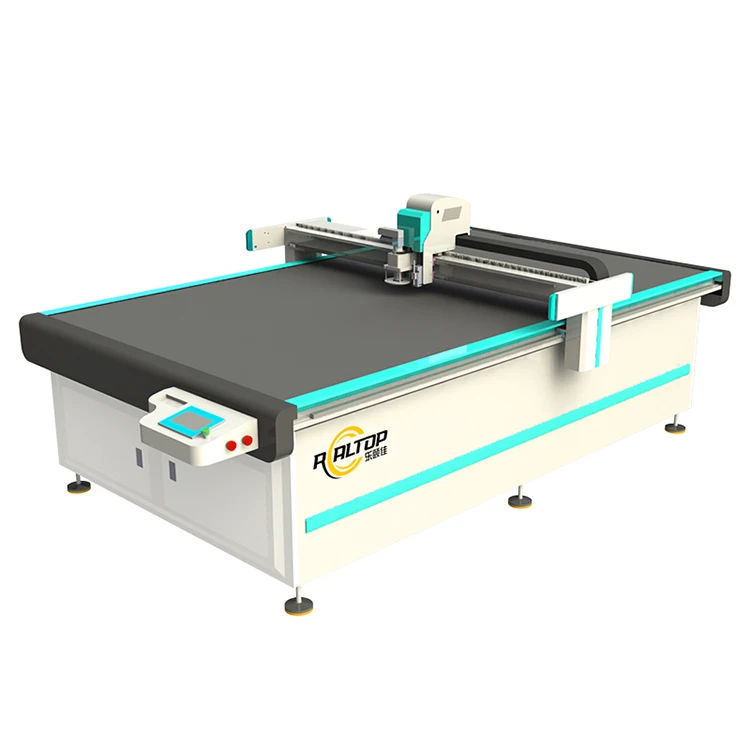
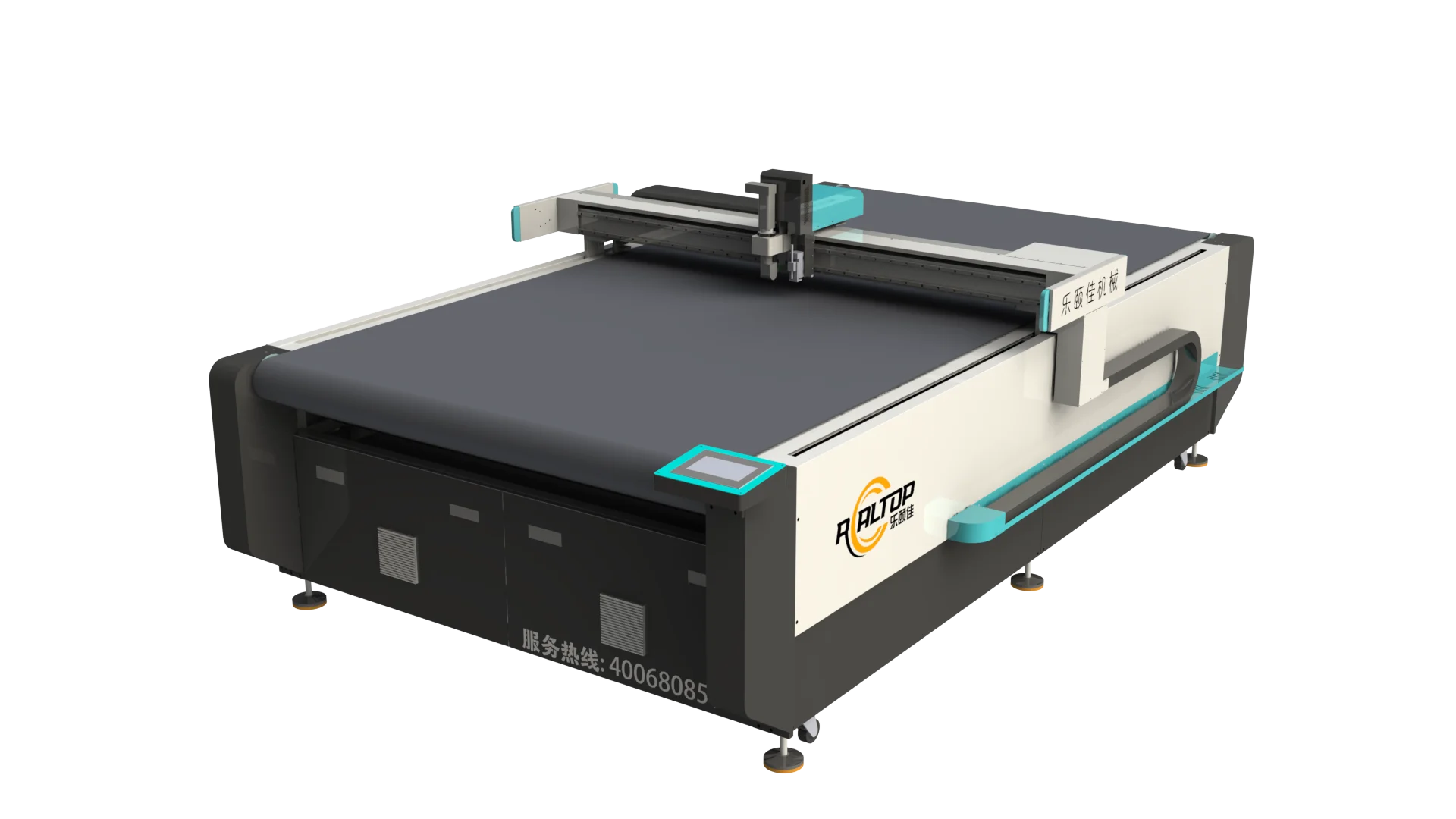
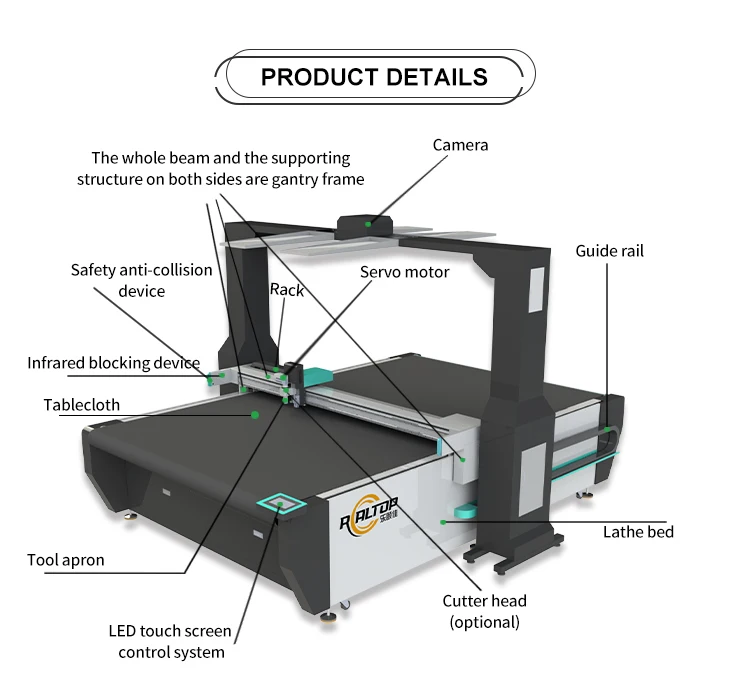
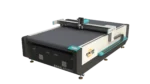
Frame rigidity under vibration — the welded steel frame on the RT-D2516/RT-S2516 is stress-relieved before assembly, keeping the cutting head within ≤0.1mm repeatability during continuous leather oscillating knife work.
Technical Specifications
| Parameter | Value |
|---|---|
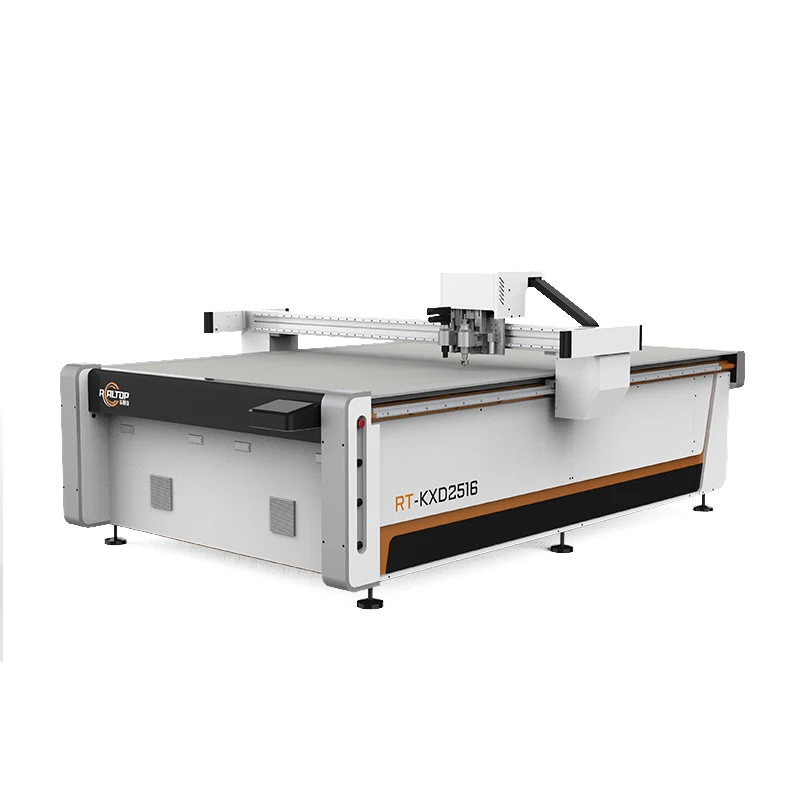
| Model | RT-D2516/RT-S2516 |
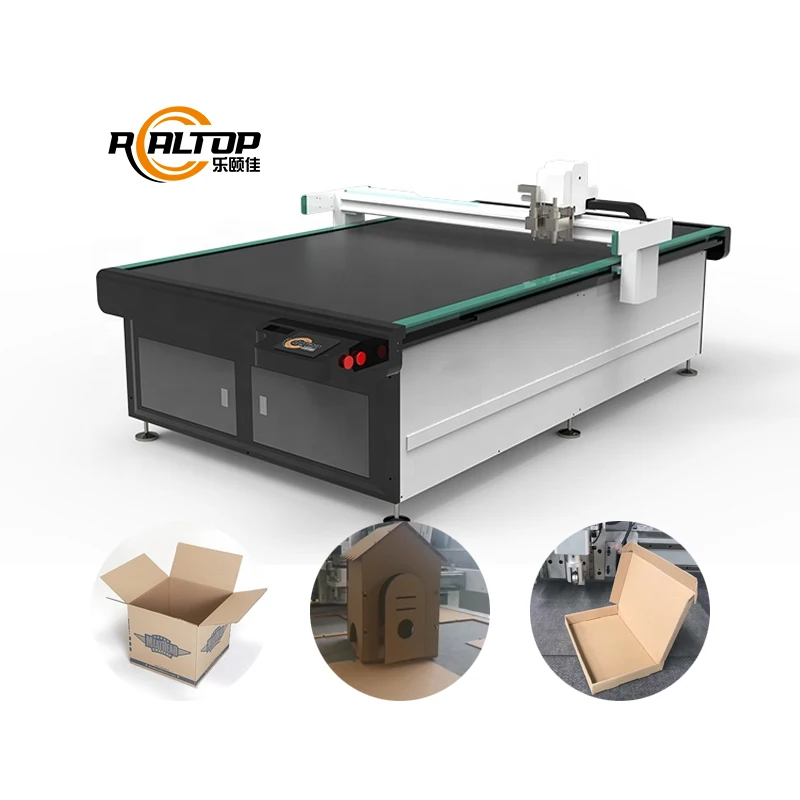
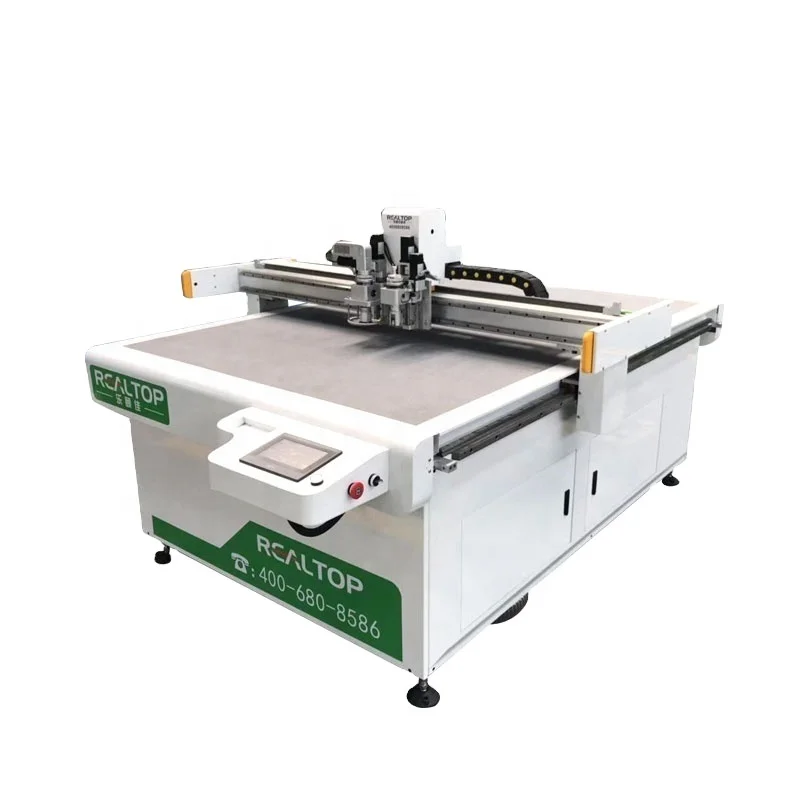
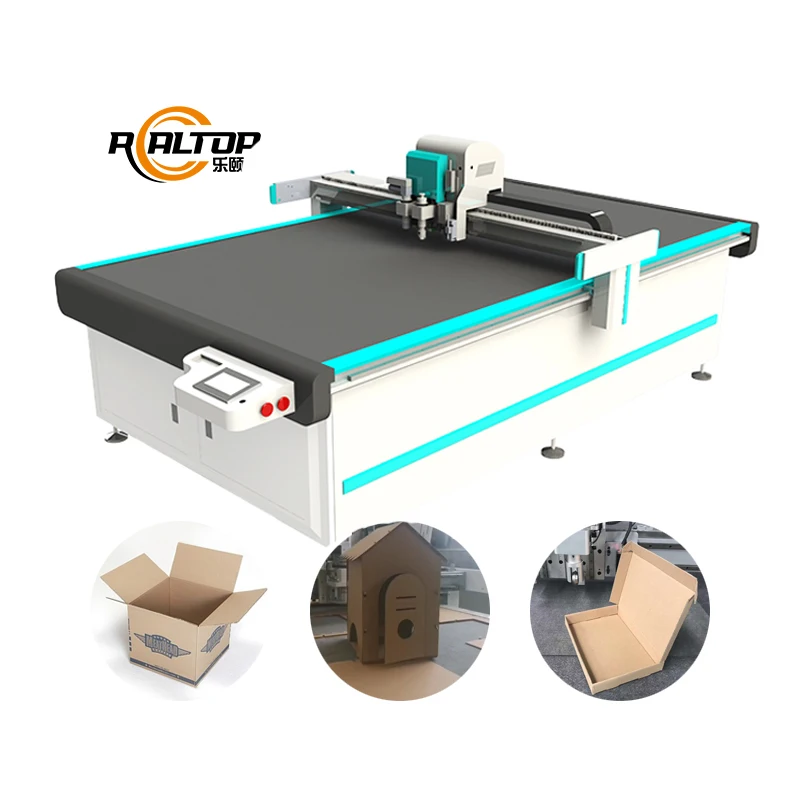
| Product Type | CNC Oscillating Knife Cutting Machine |
| Working Area | 1600×2500mm |
| Machine Size (Overall Dimensions) | 3450×2300×1250mm |
| Rated Power | 9kW |
| Voltage | 380V±10% |
| Vacuum Pump | 7.5kW |
| Fixed Model | Flatbed working table |
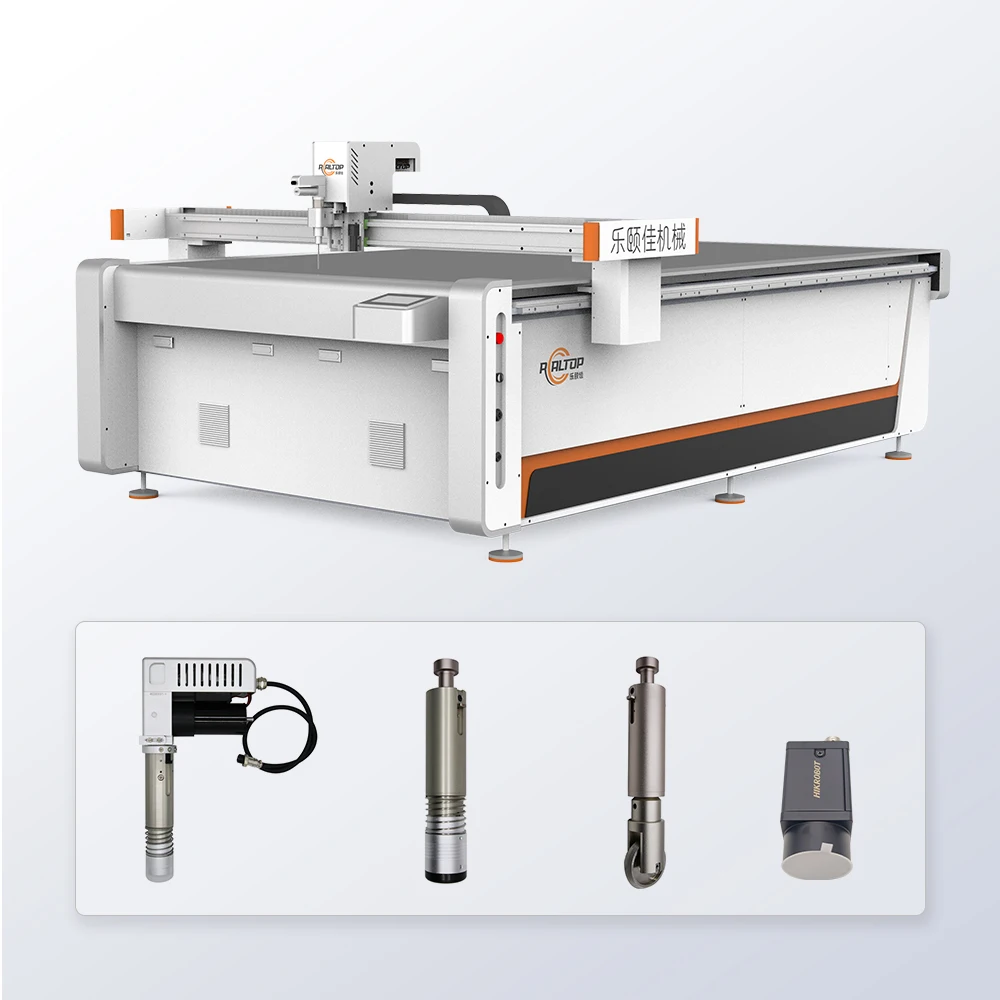
| Multifunctional Head | Swiss imported knife with vibration full cutting, vibration half cutting, and cursor location |
| Translational Velocity | 800-1200mm/s |
| Repeated Accuracy | ≤0.1mm |
| Transmission System | Digital servo motor, linear guide, synchronous belt, imported ball screw |
| Instruction System | HP-GL compatible format |
| Safety Device | Infrared sensors |
| Key Features | Japanese Yaskawa servo motor, Germany imported conveyor belt, vacuum table, auto feeding, Taiwan Hiwin rail |
Application Suitability
| Application | Material or Output |
|---|---|
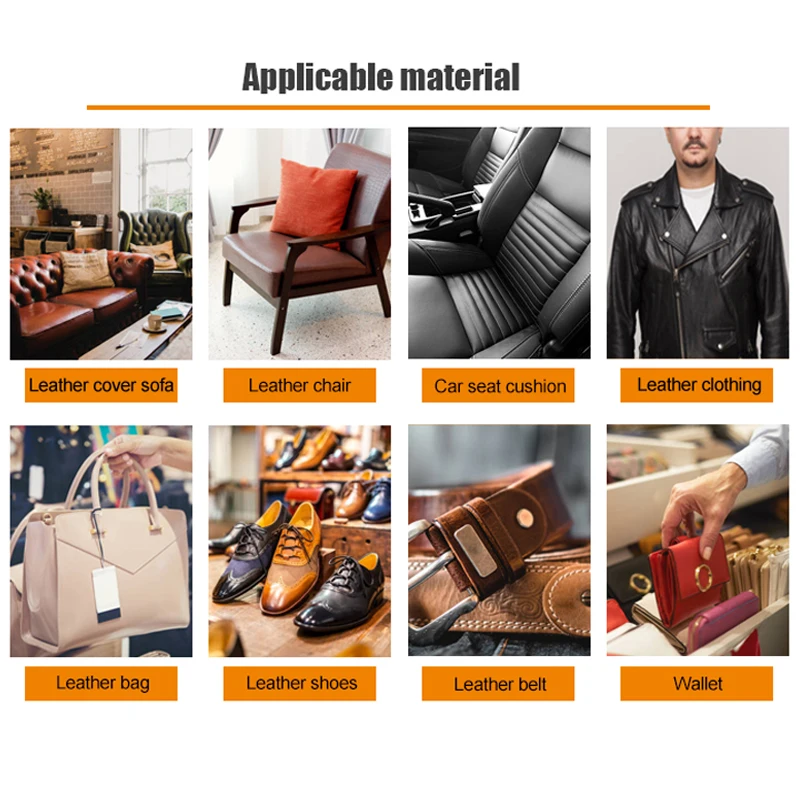
| Shoe upper cutting | Natural leather, synthetic leather, PU, microfiber |
| Bag and leather goods | Full-grain leather, split leather, composite leather |
| Sofa and upholstery panels | Sponge composite leather, flexible PVC, foam-backed textile |
| Automotive interior trimming | Synthetic leather, soft glass, silicone rubber |
| Gasket and seal cutting | Rubber sheet, soft silicone, non-metallic composite |
Why Ragged Edges Start at the Tool Head, Not the Blade
A dull blade is easy to blame, but ragged edges on leather often trace back to the wrong tool head selected for the material density and thickness. Oscillating knife frequency and stroke must match the leather type before the first cut is made.
I once worked with a South American footwear buyer who sourced a machine based on working area alone. His regenerated leather had high glue content that chewed through standard blades within days, leaving crushed edges across an entire batch of shoe uppers. The problem was not blade quality — it was the oscillation profile mismatched to the material composition [NEED_CITE: oscillating knife frequency requirements for high-adhesive composite leather]. Natural full-grain leather behaves differently from PU-bonded regrind, and the cutting head needs to be specified accordingly.
Matching the Knife to the Leather Grade
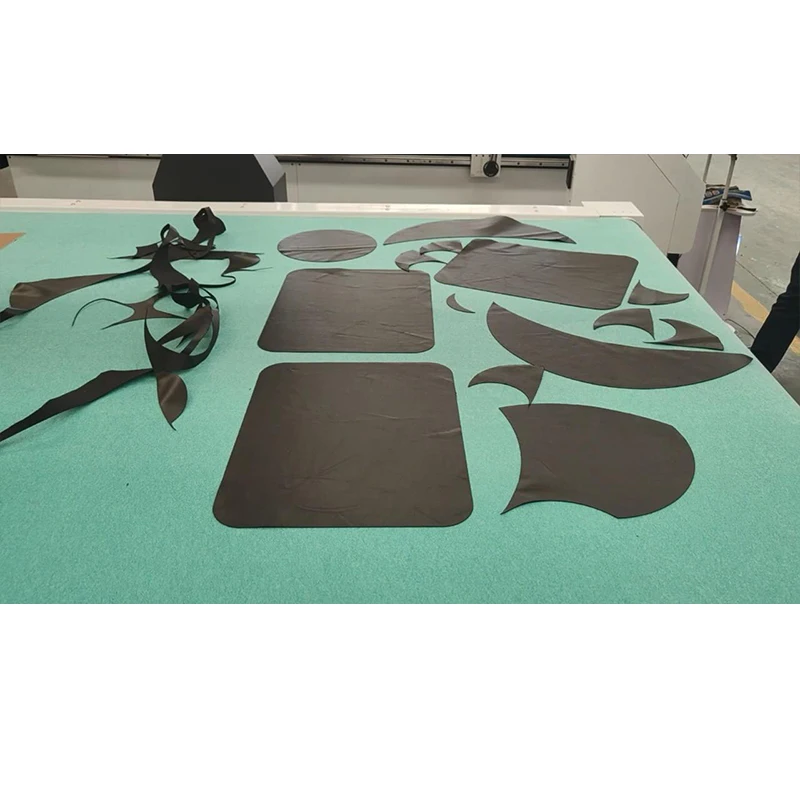
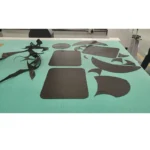
The Swiss imported oscillating knife on the RT-D2516/RT-S2516 handles vibration full cutting and half cutting in the same work cycle. Full cutting drives the blade through the entire leather thickness for clean perimeter edges on shoe uppers. Half cutting scores the surface for fold lines on bag panels without penetrating the backing layer. This dual-mode approach means the CNC oscillating knife cutting machine manufacturer configures the head for the specific leather processing step rather than forcing a single pass type.
Frame and Motion Assembly for Repeatability
Leather cutting demands consistent edge quality across a 1600×2500mm working area, especially when nesting multiple patterns on a single hide. The transmission system pairs Japanese Yaskawa digital servo motors with Taiwan Hiwin linear rails and an imported ball screw. This combination holds repeated accuracy at ≤0.1mm, which matters when cutting interlocking pattern pieces where even a slight drift creates material waste across a full hide layout [NEED_CITE: linear rail precision standards for CNC flatbed cutting systems].
Reading the Specs That Actually Matter for Leather
The 7.5kW vacuum pump paired with the flatbed table holds leather flat during cutting, but vacuum zoning determines whether small pattern pieces stay fixed or lift at the edges. Translational velocity of 800-1200mm/s governs how fast the head moves between cuts; actual cutting speed through leather depends on material thickness and blade stroke frequency. The HP-GL compatible instruction system accepts standard pattern files from common footwear and leather goods CAD software, so existing nesting workflows carry over without file conversion. The 9kW rated power covers the servo drives, vacuum pump, and oscillating head simultaneously, which should be confirmed against the workshop’s available circuit capacity before installation.
The Cost of Skipping a Material Test
When a buyer specifies a leather cutting machine based on sheet size and daily volume without testing the actual material, the consequences appear after shipment. Composite leather with adhesive layers can delaminate under the wrong oscillation frequency. Thin garment leather tears if the vacuum pull is too aggressive for the material weight. These failures are not visible in a factory demonstration on standard test stock [NEED_CITE: material-specific cutting test requirements for leather CNC equipment].
Why Buyers Source This Build
In-house design covers both knife and laser cutting platforms, so the cutting method is matched to the leather type rather than constrained to one technology. The core factory controls frame welding, stress relief, and motion component assembly, giving distributors verifiable build quality rather than outsourced integration. Tool head and vacuum table configuration is specified per material sample, not selected from a fixed catalog page. Voltage and control language are confirmed against the destination market before production starts. Every machine ships with a factory test record run on the buyer’s own leather sample.
Documentation & Verification
- Machine specification sheet listing oscillating knife stroke and vacuum table zoning for your leather type
- Electrical schematic with 380V±10% baseline and destination voltage confirmation
- Tool head and table configuration list matched to your leather thickness range
- Sample cutting report on your leather material documenting edge quality and parameters
- Operation and maintenance manual in confirmed control language
- CE declaration included where applicable to destination market
Installation, Commissioning & Support
- Flatbed footprint of 3450×2300mm requires level concrete floor with clearance for auto feeding conveyor
- Dedicated 380V±10% circuit rated for 9kW machine load plus 7.5kW vacuum pump draw
- Machine ships assembled on flatbed base; cutting head and conveyor belt require on-site alignment
- First-run commissioning includes oscillation frequency tuning on your leather stock and vacuum zoning adjustment
- Operator training covers HP-GL file import, nesting setup, and half-cut scoring parameters
- Spare parts list includes Swiss knife blades, synchronous belts, and vacuum table seals
What to Send with Your Inquiry
Provide the leather type, thickness range, and maximum sheet size you process daily. Specify your workshop voltage and frequency, along with the control language your operators require. If you run existing CAD nesting software, confirm the file format so we verify HP-GL compatibility before quotation. Sending a leather sample for cutting test lets us document edge quality and tool head parameters before you commit.
Frequently Asked Questions
Q: How is the oscillating knife selected for different leather types?
A: The Swiss imported knife head is configured based on material density and adhesive content. Natural full-grain leather typically requires a different oscillation frequency than bonded composite leather. We run a sample cutting test on your material and document the stroke and speed parameters before finalizing the tool head configuration.
Q: Can the machine track printed pattern marks on leather?
A: CCD camera contour recognition is available as a configuration option for printed leather work. The system must be tested at production speed on your specific print contrast to confirm reliable mark tracking. We include the contour recognition test result in the sample cutting report before order.
Q: Is voltage and control language confirmed before shipment?
A: Yes. The 380V±10% baseline is adjustable for destination markets. We confirm voltage, plug type, and frequency against your local supply standard. Control interface language is set and verified during the factory test, documented in the specification confirmation before production.
Q: What OEM customization is available for distributors?
A: Frame color, machine labeling, and control branding can be customized. The core build — welded frame, Yaskawa servo drives, Hiwin rails — remains factory-controlled for consistency. Configuration scope including working area, vacuum zoning, and tool head selection is documented per distributor specification.
Q: How does the sample cutting process work before ordering?
A: You send a leather sample to our factory. We run cutting tests across multiple oscillation frequencies and vacuum levels, then send you a report with edge quality photographs, cutting parameters, and recommended tool head configuration. This report accompanies the quotation so you evaluate performance before commitment.
You may also like

商品评价
Clear filtersThere are no reviews yet.