


-
 Courier delivery
-
 DHL Courier delivery
-
 Warranty 1 year
-
 Free 30-Day returns

Verified Cutting Performance — We test every flatbed digital cutting table on the buyer’s actual material before order commitment, confirming tool head, vacuum hold-down, and edge quality match the production job.
Technical Specifications
| Parameter | Value |
|---|---|
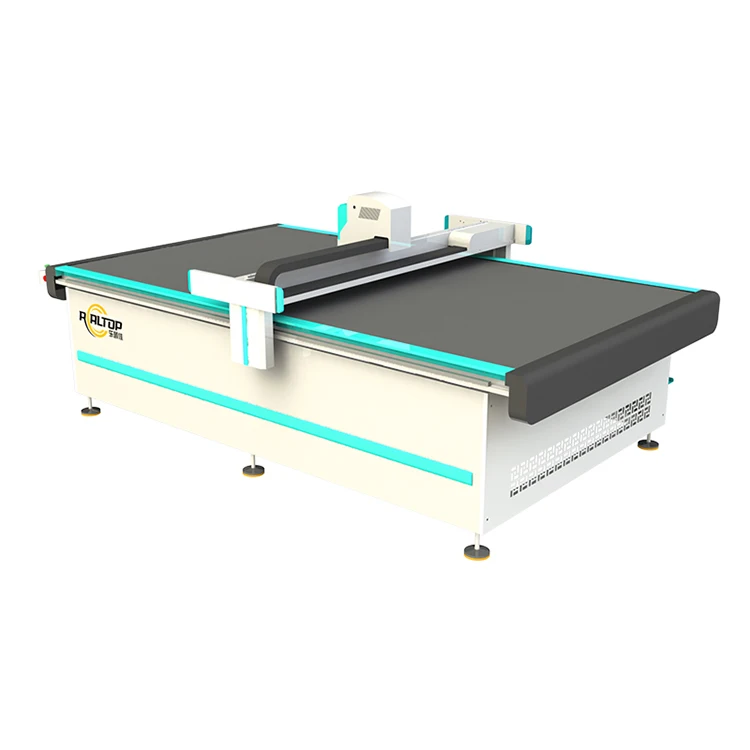
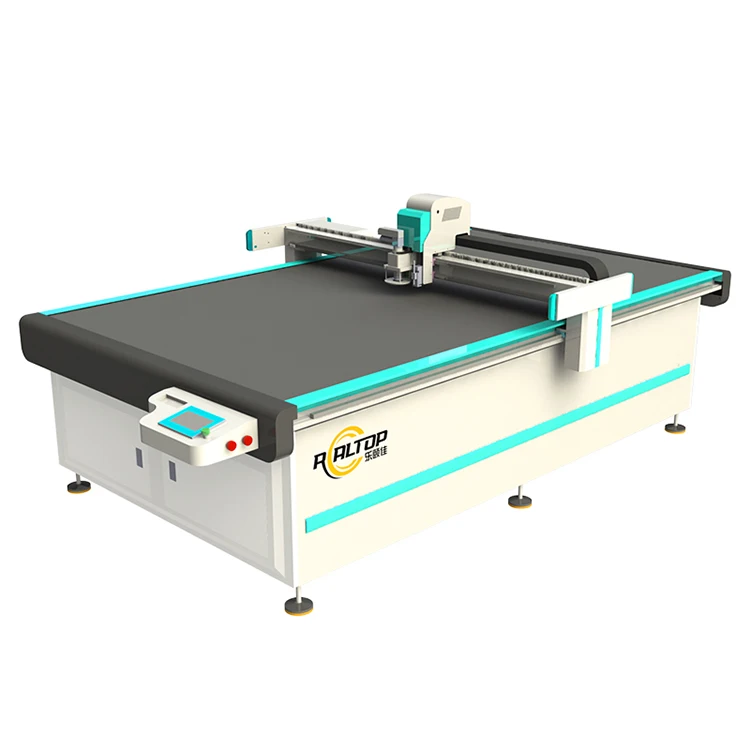
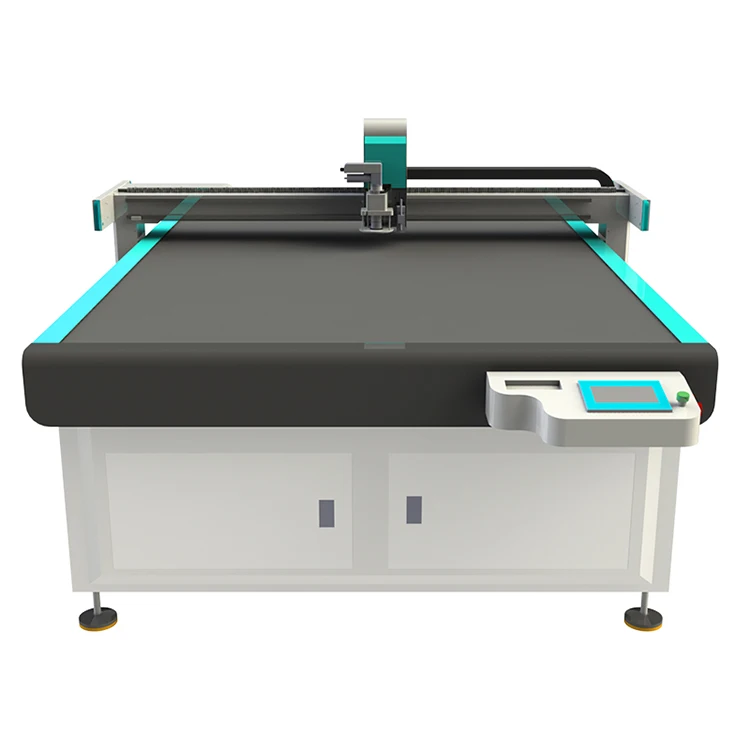
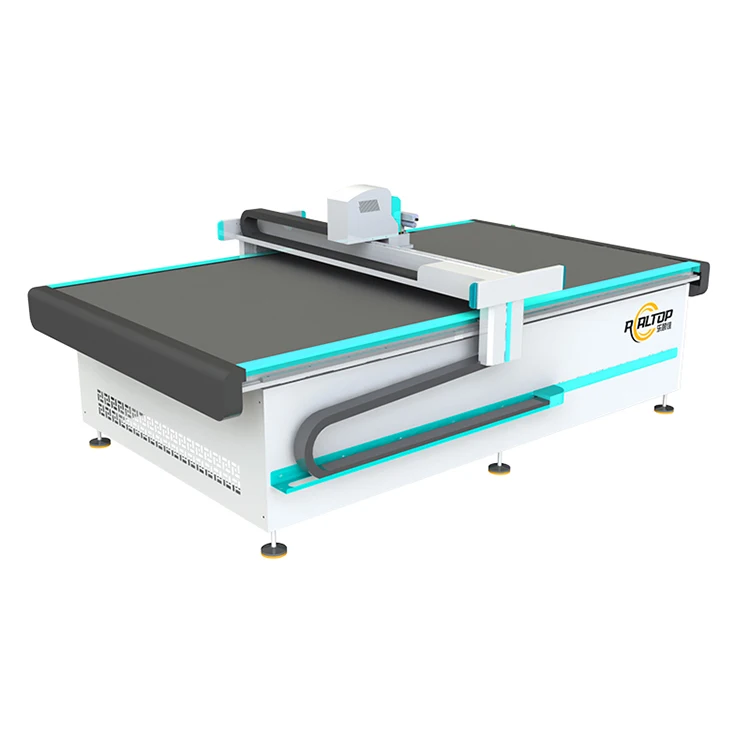
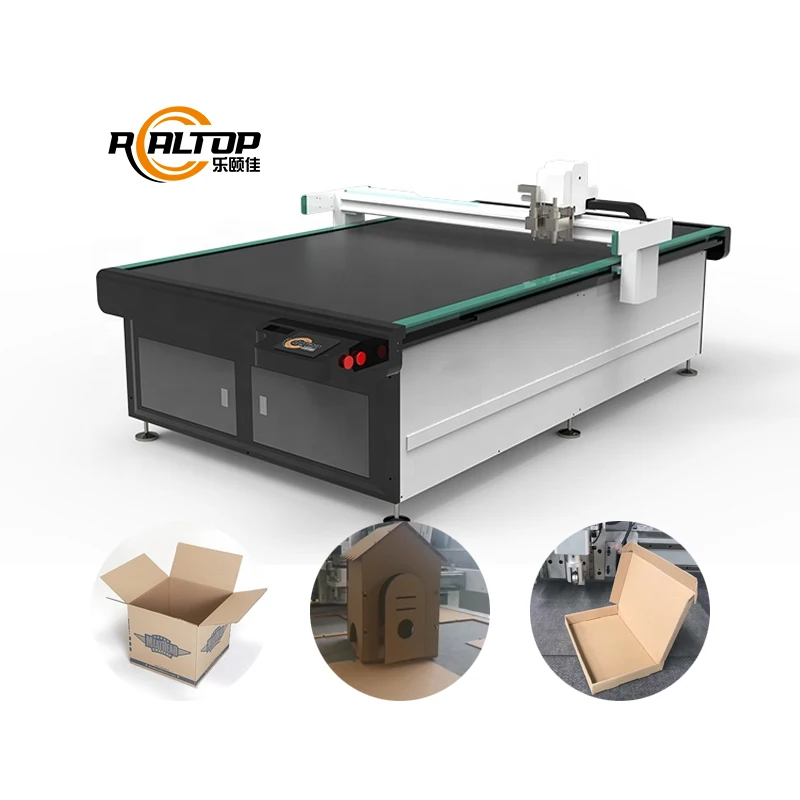
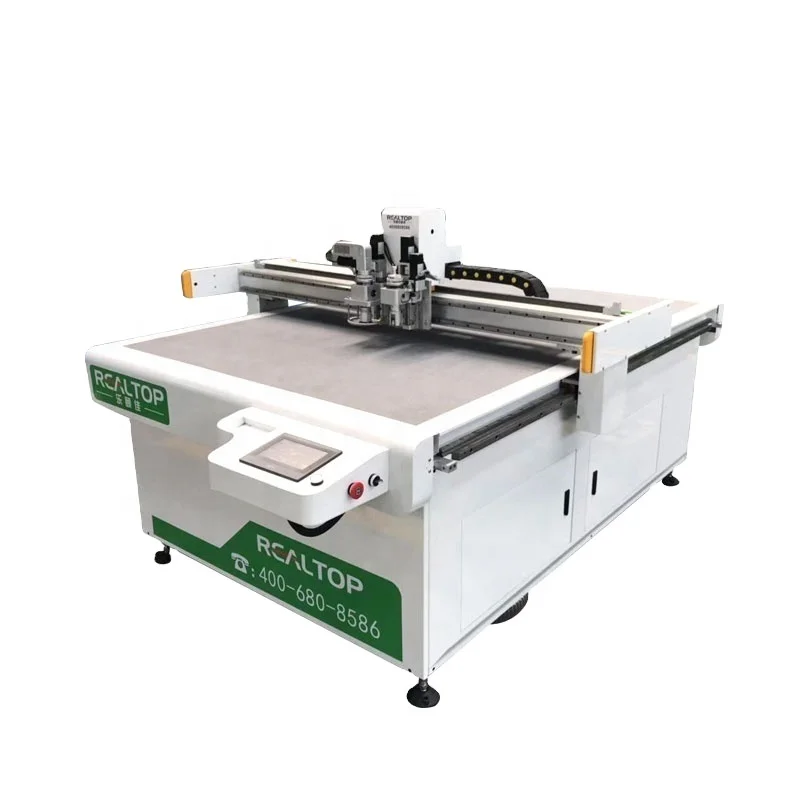
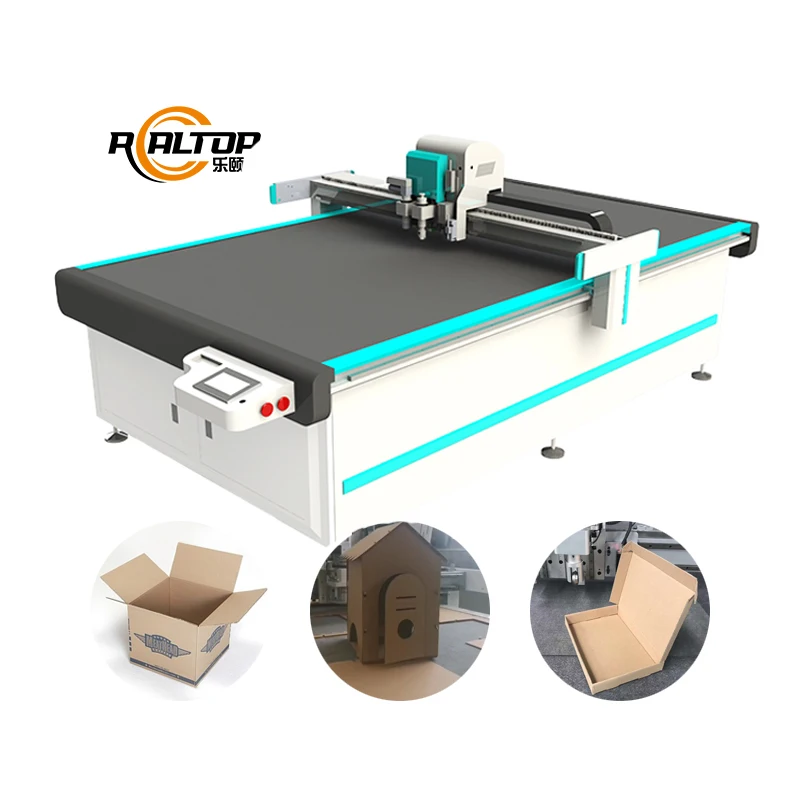
| Product Type | CNC Digital Flatbed Cutting Machine |
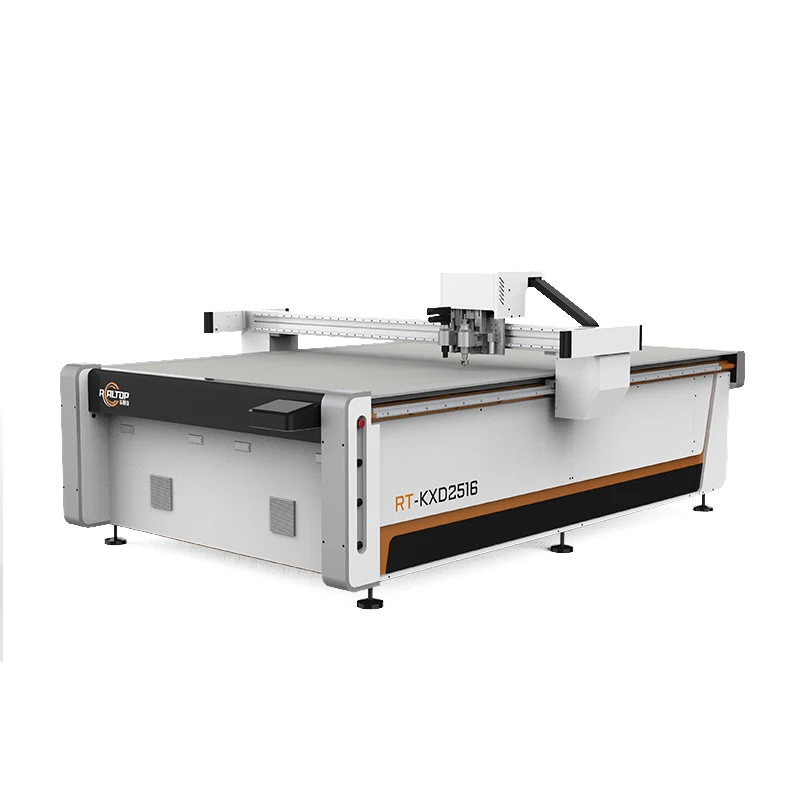
| Model | RT-D2516 / RT-S2516 |
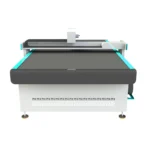
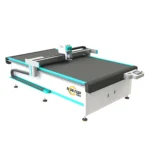
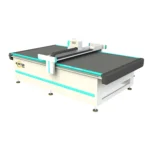
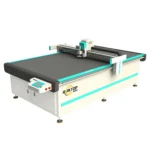
| Working Area | 1600 × 2500 mm |
| Overall Dimensions (L × W × H) | 3450 × 2300 × 1250 mm |
| Rated Power | 9 kW |
| Voltage | 380V ± 10% |
| Vacuum Pump | 7.5 kW |
| Table Type | Flat working table with vacuum hold-down |
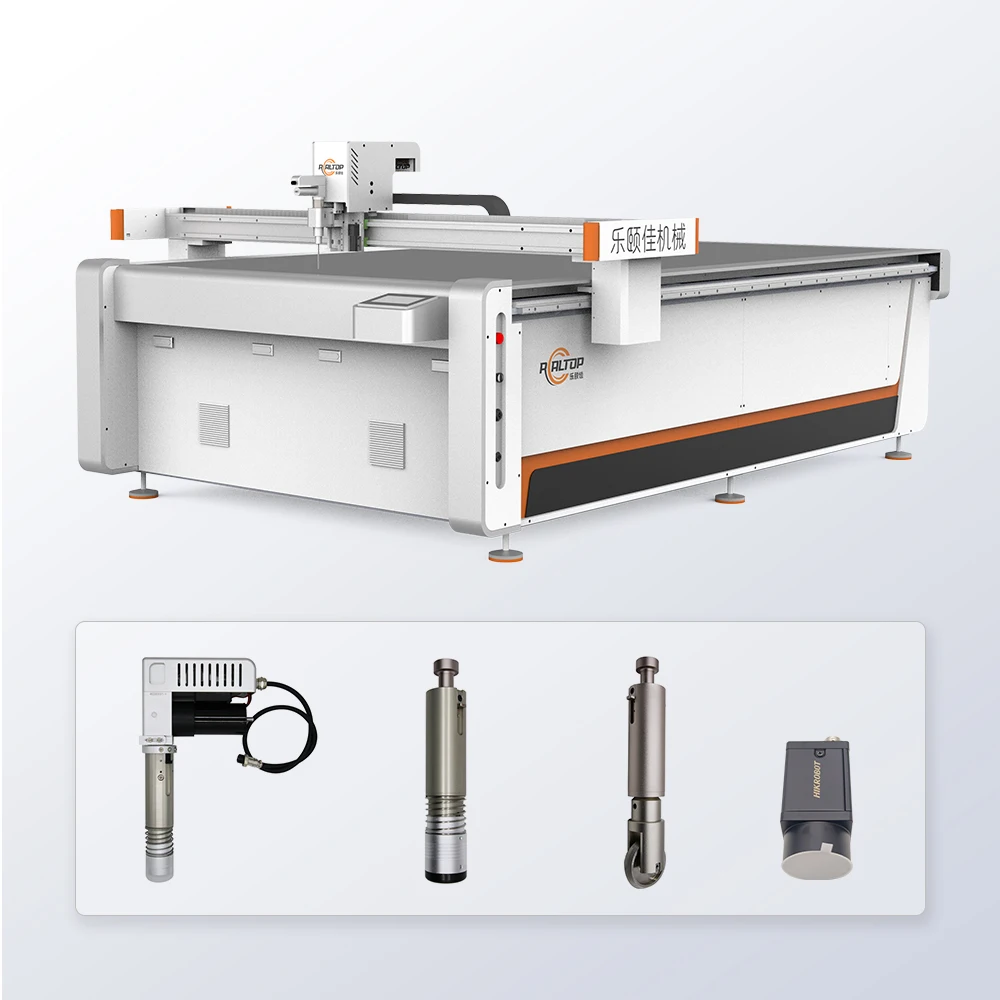
| Multifunctional Head | Swiss imported knife with vibration full and half cutting |
| Repeated Accuracy | ≤ 0.1 mm |
| Translational Velocity | 800 – 1200 mm/s |
| Servo Motor | Japanese Yaskawa |
| Linear Guide | Taiwan Hiwin rail |
| Conveyor Belt | Germany imported |
| Auto Feeding | Yes |
| Safety Device | Infrared sensors |
| Instruction System | HP-GL compatible format |
| Certification | CE |
Application Suitability
| Application | Material or Output |
|---|---|
| Packaging sample making | Corrugated board, card stock, vinyl |
| Sticker and label die-cutting | Adhesive films, mobile phone sticker stock |
| Leather goods and footwear | Genuine leather, synthetic leather, composite materials |
| Gasket and seal production | PVC, silicon, rubber, soft glass |
| Garment material processing | Flexible clothing fabrics, sponge composite leather |
Why the Voltage Question Should Come Before the Price
A CNC digital flatbed cutting machine manufacturer must confirm the buyer’s local supply before building the electrical cabinet, not after the crate arrives at the port.
Electrical compatibility is the most frequently overlooked specification in international equipment procurement.
I remember a 1625 vibrating knife unit shipped to a Middle East client where the grid ran 415V while our standard build was 380V/50Hz. The transformer retrofit took three weeks on site before the machine could even power up [NEED_CITE: voltage and frequency standards by export market]. Since then, every export order gets a signed voltage confirmation sheet before production starts. When a buyer specifies a working area and stops there, the electrical specification often gets assumed rather than verified, and the cost of correcting that assumption overseas always exceeds the cost of getting it right in the factory.
Frame Rigidity and Motion Components
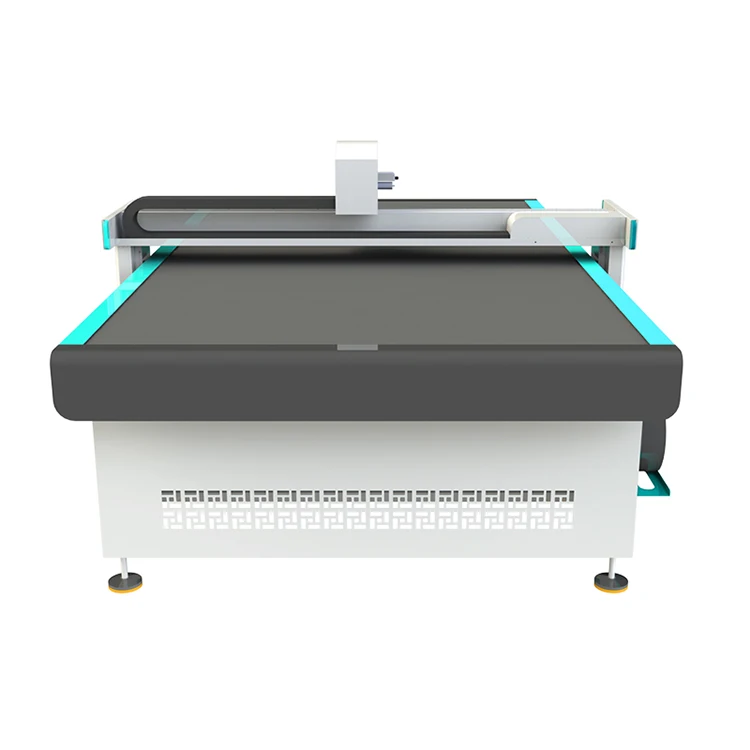
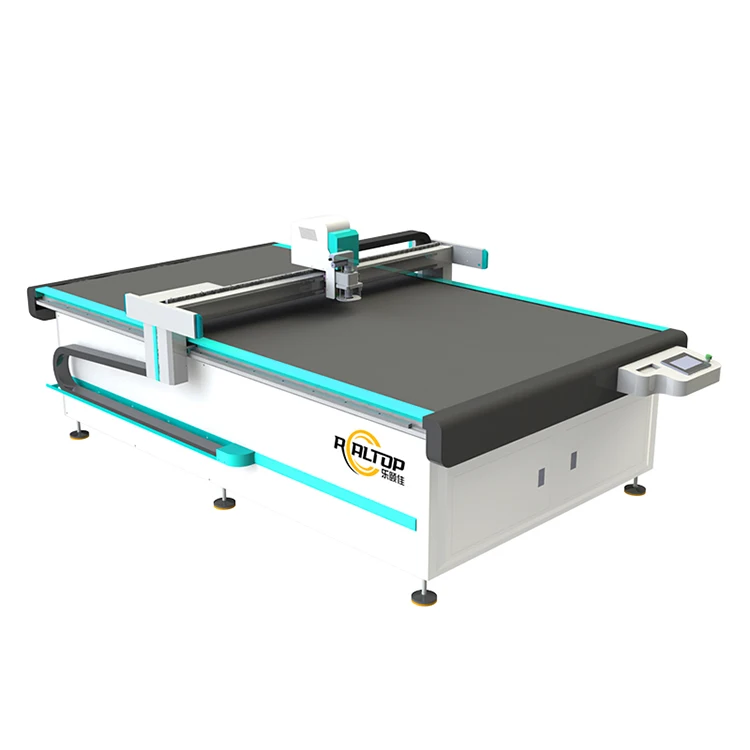
The RT-D2516 frame is welded and stress-relieved to maintain geometric stability across the 1600 × 2500 mm working area. Yaskawa digital servo motors drive the gantry through Taiwan Hiwin linear rails, delivering repeated positioning accuracy within 0.1 mm. This motion package ensures that contour cuts on sticker stock and packaging samples hold tight registration from the first piece to the last in a production run.
Vacuum Hold-Down Strategy for Flexible Materials
A 7.5 kW vacuum pump paired with the flat working table generates sufficient suction to keep flexible materials — leather, sponge composite, PVC sheets — flat during high-speed cutting. When small parts are nested across the bed, inadequate vacuum zoning allows material to lift at the edges, producing ragged cuts and forcing rework. The table configuration on this CNC digital flatbed cutting machine is matched to the buyer’s typical part size and sheet dimension during the specification stage [NEED_CITE: vacuum table zoning requirements for small-part nesting].
Cutting Thickness, Tool Head, and Material Match
The Swiss imported multifunctional knife head supports both vibration full cutting and vibration half cutting, giving the operator control over edge quality across materials ranging from thin adhesive films to thicker rubber and silicon gasket stock. Cutting thickness capacity depends entirely on the specific material density and composition, which is why a sample cutting test on the buyer’s own stock is standard before any order is confirmed. Selecting the wrong tool head for a given material is one of the most common causes of edge degradation and crushed foam or delaminated composites in digital cutting operations.
The Hidden Cost of Skipping Configuration Verification
When a buyer chooses a tool head based on price rather than material compatibility, the consequences show up on the shop floor within days. Ragged edges on leather require manual trimming, slowing the entire downstream assembly line. Incorrect vibration frequency on sponge composite causes delamination between layers, turning finished stock into scrap [NEED_CITE: tool head selection criteria for flexible and composite materials]. These problems are not machine faults; they are specification gaps that a proper sample cutting report would have exposed before the purchase order was signed.
Why Source This Machine from the Core Factory
Our in-house design team covers both knife and laser cutting technologies, so the cutting method is matched to the material rather than forced into one approach. The RT-D2516 and RT-S2516 are built and tested in the same Jinan facility where they are designed, eliminating the markup and communication gaps that come with trading-company intermediaries. Every CNC digital flatbed cutting machine leaves the factory with a test record produced on material matching the buyer’s application. Voltage, plug type, and control language are confirmed in writing before the electrical cabinet is wired. OEM configurations — custom bed sizes, additional tool heads, specific conveyor widths — are engineered and quoted directly by the production team.
Documentation & Verification
- Machine specification sheet listing all confirmed parameters for the RT-D2516 or RT-S2516 build
- Electrical schematic with signed voltage and frequency confirmation for the destination grid
- Tool head and vacuum table configuration list matched to buyer material and part size
- Sample cutting report produced on buyer-supplied material before order commitment
- Factory test record with dimensional accuracy verification and packing photographs
- Operation and maintenance manual with spare parts list and HP-GL software compatibility note
Installation, Commissioning & Support
- Foundation must support the 3450 × 2300 × 1250 mm footprint and 9 kW rated power draw on a dedicated circuit
- 380V ± 10% three-phase supply confirmed against the electrical schematic before connection
- Machine arrives fully assembled; only conveyor infeed and dust extraction require on-site hookup
- First-run commissioning includes vacuum hold-down calibration and servo axis verification across the 1600 × 2500 mm bed
- Operator training covers Swiss knife head changeover, HP-GL file import, and nesting workflow setup
- Spare knife blades and wear components shipped with the machine; replenishment schedule provided at handover
What We Need to Quote Accurately
To recommend the right configuration, share the material type and thickness range you will be cutting, the maximum sheet size, and your typical daily volume. Confirm your workshop voltage and frequency, and let us know the control language your operators prefer. If you have an existing nesting workflow or file format, send a sample file so we can verify software compatibility before the quotation is issued.
Frequently Asked Questions
Q: How is the correct tool head selected for my specific material and thickness?
A: We run a sample cutting test on your actual material using the Swiss imported knife head in both vibration full-cut and half-cut modes. The results are documented in a cutting report that records edge quality, achievable thickness, and recommended feed rate, so you can evaluate performance before committing to an order.
Q: What voltage, plug, and control language options are confirmed before shipment?
A: Every export order requires a signed electrical confirmation sheet covering supply voltage, frequency, plug type, and HMI language. This document is reviewed against the destination grid standard and the electrical schematic before the cabinet is wired, preventing the kind of on-site transformer retrofit delays I have seen shut down installations for weeks.
Q: Can my existing file formats and nesting workflow be imported without conversion issues?
A: The instruction system accepts HP-GL compatible format. Before the order is placed, we test your sample design files on the machine software to confirm import, nesting, and cut-path generation work without manual conversion or geometry loss, ensuring a smooth handoff from your design team to the shop floor.
Q: What does the sample cutting test on my material cover before I commit?
A: You send a representative sheet of your production material, and we cut your specified part geometry using the configured tool head and vacuum settings. The sample cutting report documents edge finish, dimensional accuracy against the 0.1 mm repeated positioning spec, and any material-handling observations relevant to your production environment.
Q: What OEM and custom configuration options are available from the core factory?
A: Because design and production happen in the same facility, we can adjust working area dimensions, add tool head options, modify conveyor width for auto-feeding lines, and configure vacuum table zoning to match your part sizes. Each CNC digital flatbed cutting machine customization is engineered and quoted directly by the production team without intermediary markup.
You may also like

商品评价
Clear filtersThere are no reviews yet.