


-
 Courier delivery
-
 DHL Courier delivery
-
 Warranty 1 year
-
 Free 30-Day returns

Precision tool head configuration — Our in-house engineering team matches Swiss imported oscillating knife assemblies to your specific composite density and TPU formulation before the machine leaves our Jinan assembly floor.
Technical Specifications
| Parameter | Value |
|---|---|
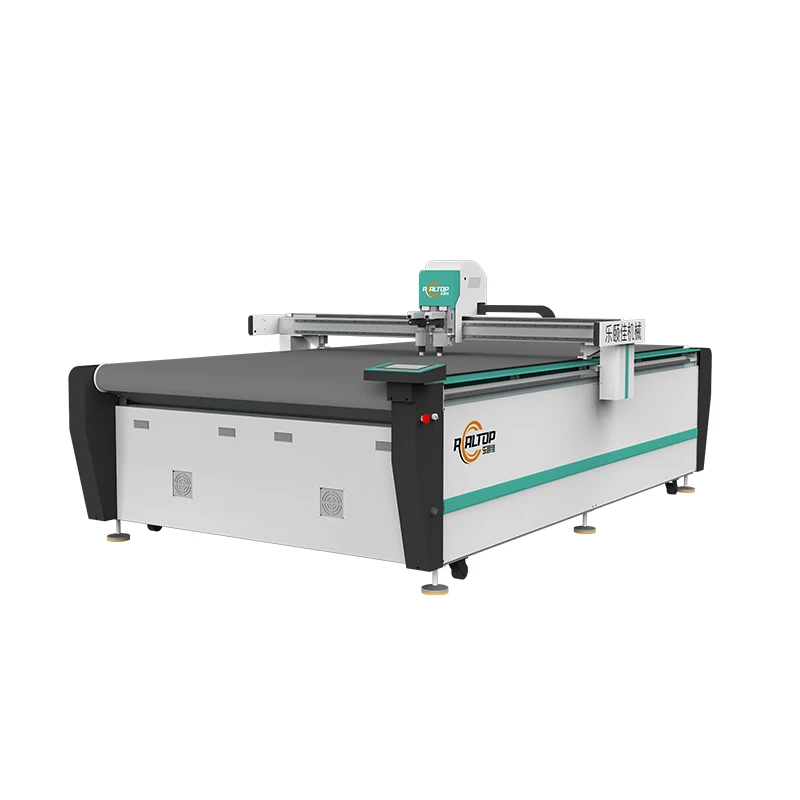
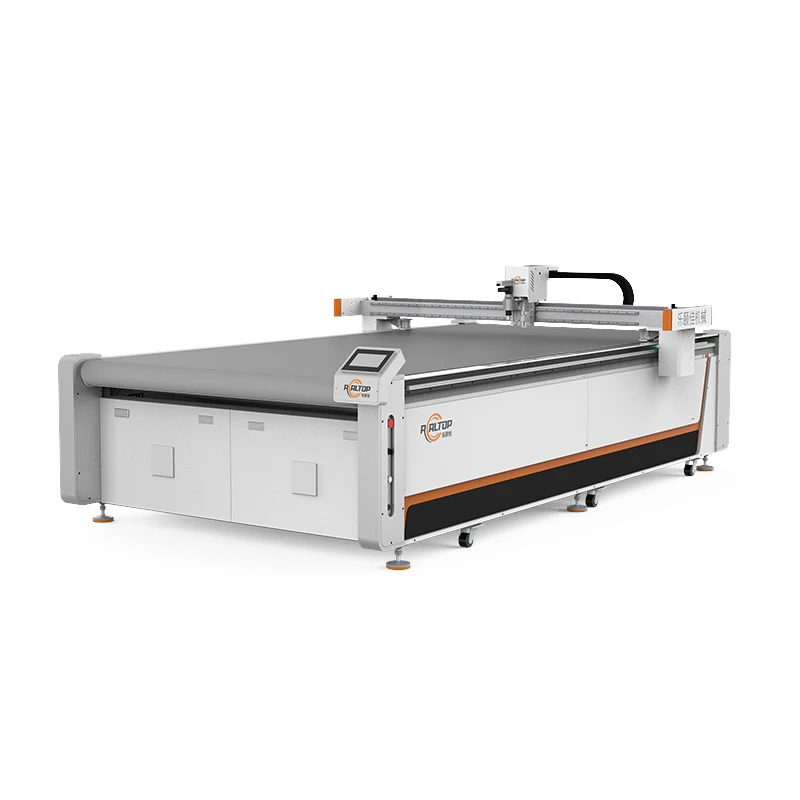
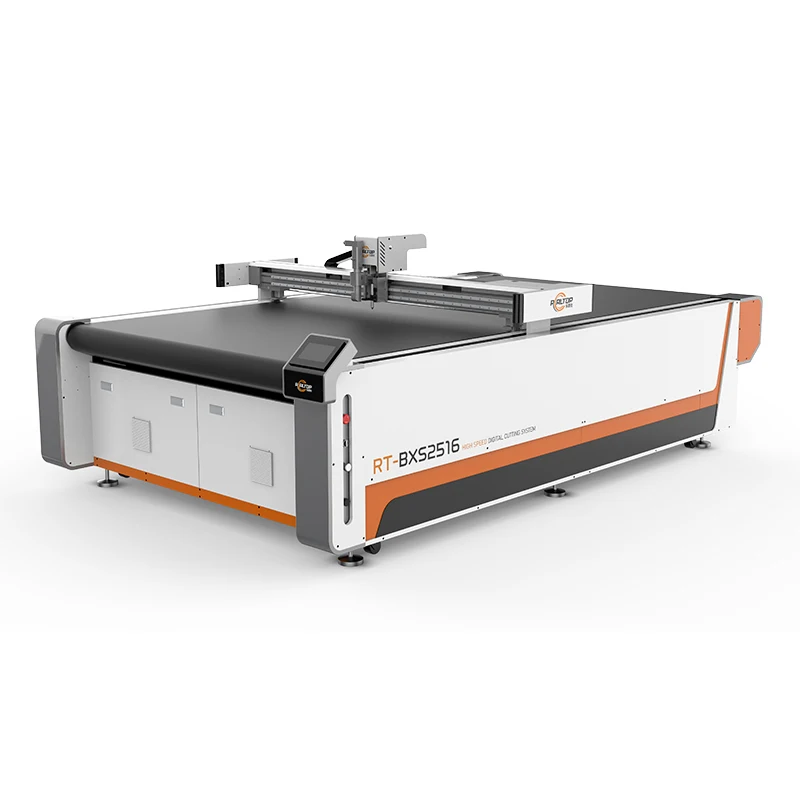
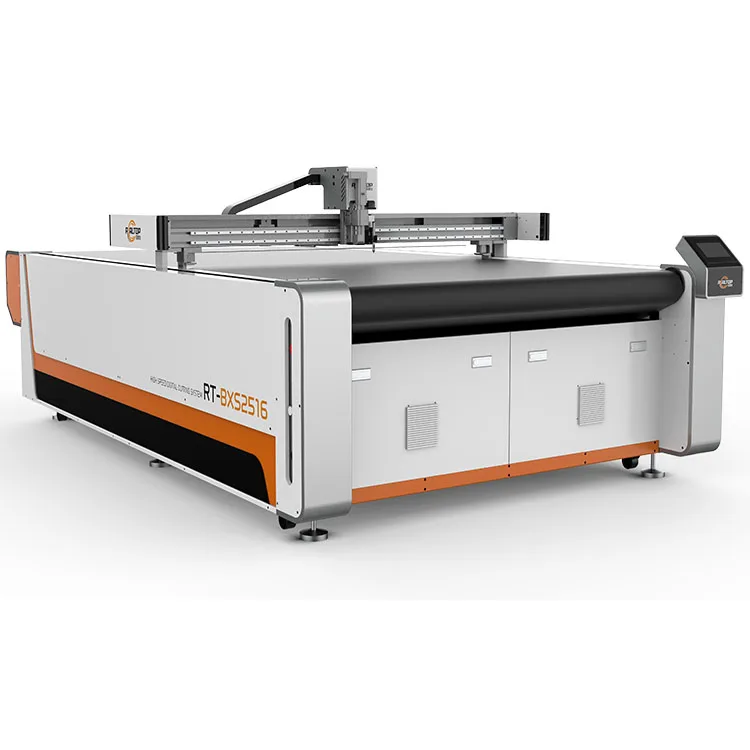
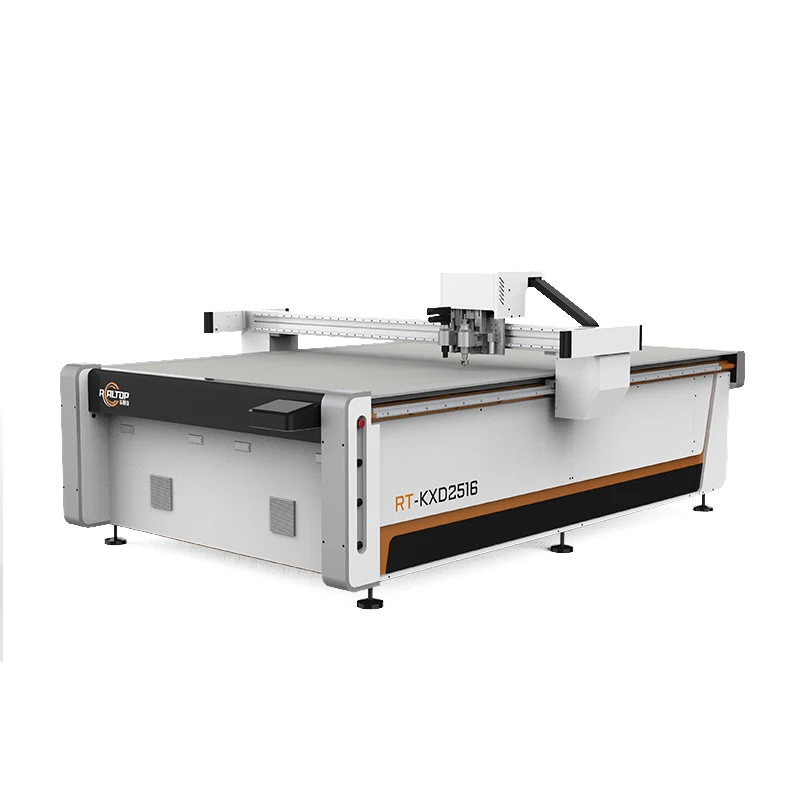
| Model | RT-D2516/RT-S2516 |
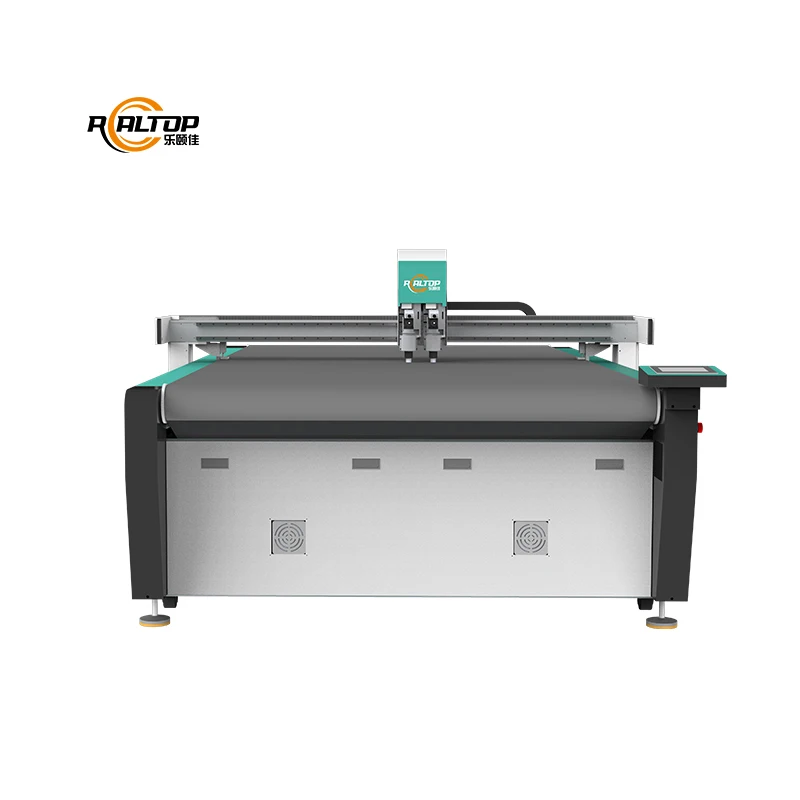
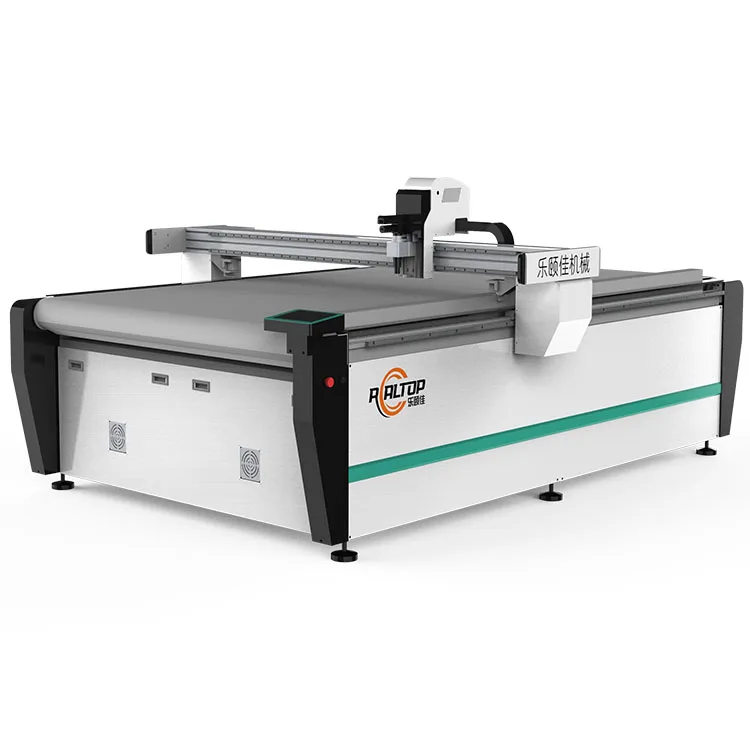
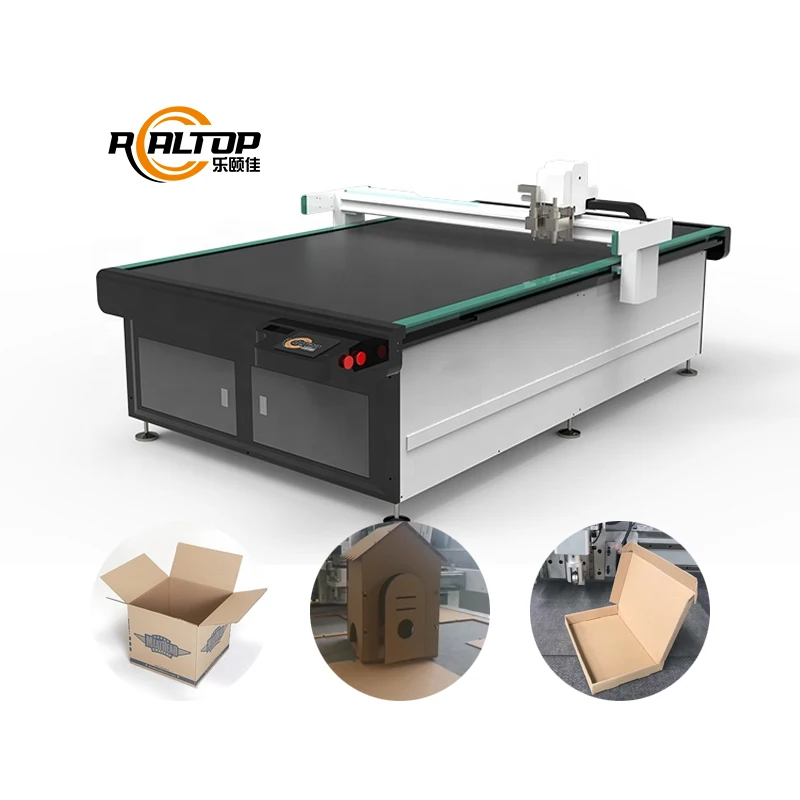
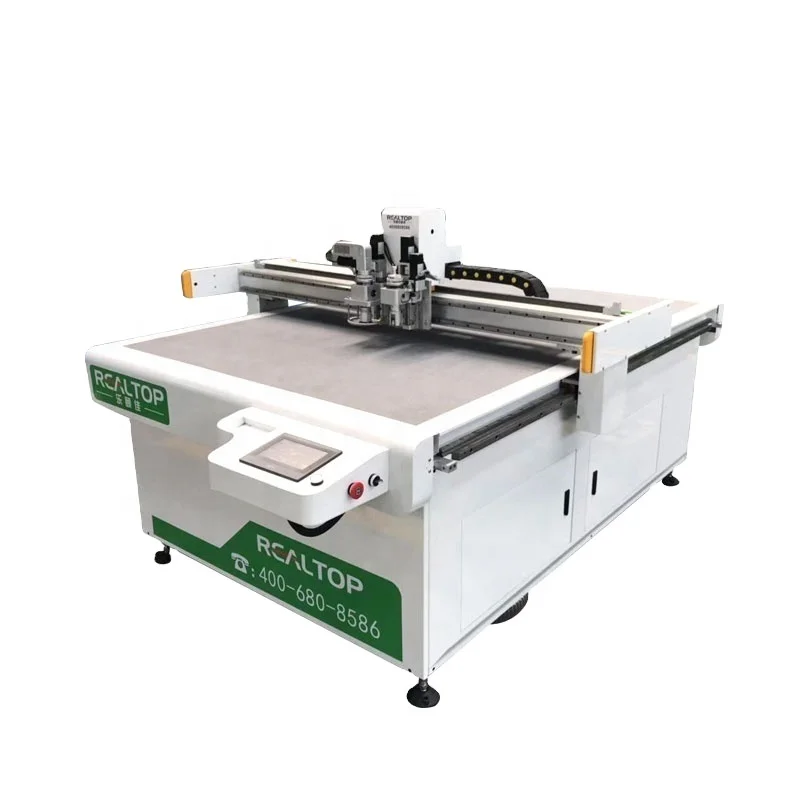
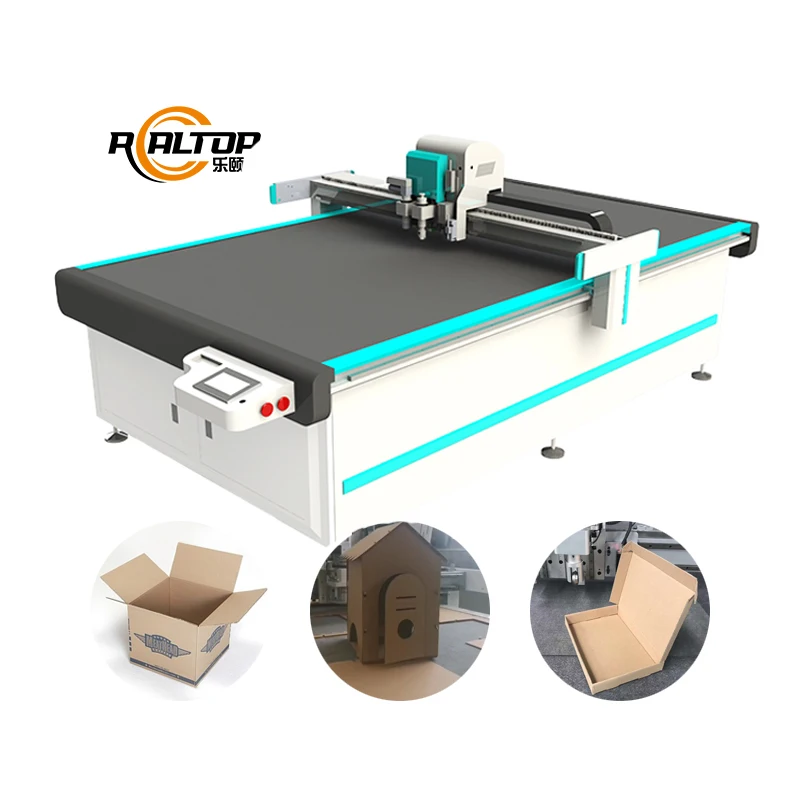
| Product Type | CNC Oscillating Knife Cutting Machine |
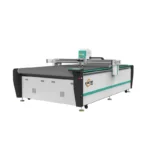
| Working Area | 1600 × 2500 mm |
| Machine Dimensions | 3450 × 2300 × 1250 mm |
| Rated Power | 9 kW |
| Cutting Thickness | ≤100 mm (varies with material density and type) |
| Repeated Accuracy | ≤0.1 mm |
| Translational Velocity | 800–2000 mm/s |
| Cutting Speed | 200–800 mm/s (according to different cutting materials) |
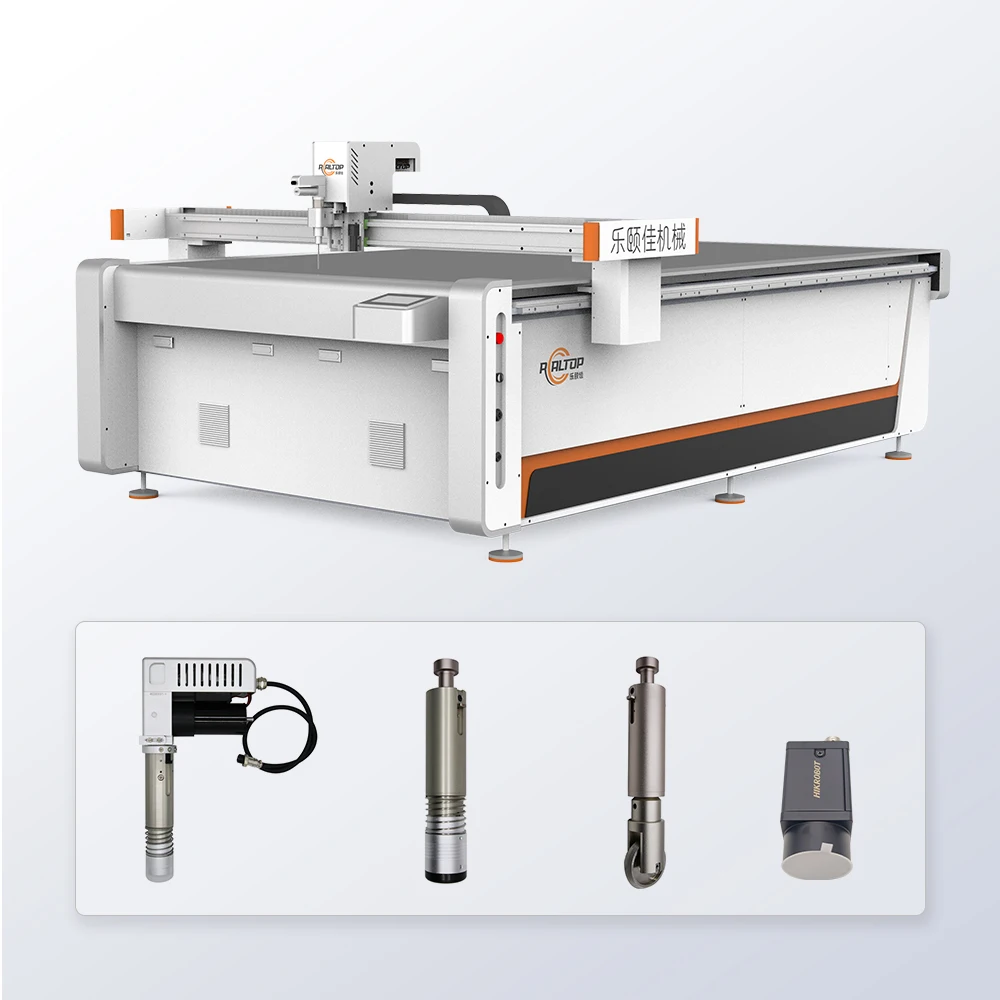
| Tool Head Options | Oscillating knife, pneumatic knife, high-power vibrating knife, circular knife, V-cutting knife, drag knife, creasing wheel, dotted line knife, punching, brush |
| Vision System | Small CCD camera mark point positioning, panoramic camera recognition, projection positioning |
| Table Type | Flat working table with 7.5 kW vacuum pump |
| Transmission System | Digital servo motor (Delta), linear guide (Taiwan Hiwin), synchronous belt, ball screw |
| Safety Device | Infrared sensors with responsive emergency stop |
| Instruction Format | HP-GL compatible |
| Voltage | 380V ± 10% |
Application Suitability
| Application | Material or Output |
|---|---|
| Surfboard production | Brushed TPU foam sheets and composite core materials |
| Automotive interior trimming | Multi-layer sponge composite leather and sound insulation mats |
| Footwear component cutting | Sponge composite leather, PVC sheets, and flexible rubber |
| Gasket fabrication | Silicone, soft glass, and rubber composite sheets |
| Signage and protective covers | PVC, flexible acrylic, and soft glass panels |
Why the Tool Head Question Must Come Before the Cutting Speed Discussion
A machine rated at 200–800 mm/s means nothing if the installed tool head crushes your composite instead of slicing it.
I once configured a unit for a surfboard manufacturer who sent a sample of low-density TPU foam. The test cuts came out clean, they signed off, and the machine shipped. Two weeks into production, they switched to a higher-density TPU variant their board design actually required. The same knife setup produced ragged edges and excessive blade wear, forcing them to halt the line while we sent a replacement high-power vibrating knife assembly and reconfigured the vacuum zoning [NEED_CITE: vacuum table zoning requirements for varying composite densities]. Selecting a CNC Oscillating Knife Cutting Machine manufacturer that insists on testing your actual production material — not just the sample you happen to have on hand — eliminates this kind of costly mismatch.
Matching the Knife Assembly to Composite Material Behavior
Composites behave differently from homogeneous materials under a blade. A Swiss imported oscillating knife with vibration full-cutting capability handles dense TPU and sponge composite leather cleanly, while a drag knife works better for scoring and creasing thinner PVC sheets. The multifunctional head on this system allows swapping between oscillating knife, pneumatic knife, and V-cutting knife configurations without changing the entire tool carriage. As a CNC Oscillating Knife Cutting Machine manufacturer, we specify the tool head based on the thickest and densest material the buyer intends to run, not the easiest one.
Vacuum Hold-Down Strategy for Small Composite Parts
When cutting small gaskets or intricate footwear components from flexible composite sheets, insufficient vacuum zoning causes material lift at the blade exit point. This machine integrates a 7.5 kW vacuum pump feeding a flat working table designed to maintain suction across defined zones. The vacuum distribution must match the nesting pattern — small parts clustered in one area demand different port configurations than full-sheet cutting [NEED_CITE: vacuum hold-down principles for CNC flatbed cutting tables]. During factory testing, we run the buyer’s nesting layout to confirm that suction holds the thinnest offcut flat through the final pass.
What the Specification Sheet Tells You About Real Cutting Performance
The ≤0.1 mm repeated accuracy depends on the combination of Delta digital servo motors, Taiwan Hiwin linear guides, and ball screw drives working within tolerance. In composite cutting, this precision matters most during multi-pass contour work where the knife follows the same path repeatedly to achieve full depth on thick TPU foam. The 1600 × 2500 mm working area accommodates standard composite sheet sizes, but the real test is whether the machine maintains positional accuracy at the far corners of the table after hours of continuous operation. The infrared sensor safety system monitors the cutting zone and triggers an emergency stop if an obstruction is detected, which prevents both blade damage and material waste during unattended production runs. Cutting speed varies from 200 to 800 mm/s depending on material hardness and thickness — a specification that only becomes meaningful once your specific composite has been test-cut under controlled conditions.
The Hidden Cost of Skipping Material Trials Before Purchase
A buyer who approves a machine based on catalog specifications alone risks discovering edge quality problems only after the equipment is installed and wired in their facility. Composite materials carry batch-to-batch density variation that affects knife wear rate and required oscillation frequency [NEED_CITE: composite material density variation in production batches]. When the wrong tool head meets an unexpected material variant, the consequences include excessive blade consumption, rejected parts with burr formation, and production downtime while replacement tooling ships from the factory. These delays compound when the cutting table is integrated into a continuous workflow with upstream printing or downstream assembly operations.
What Differentiates Our Manufacturing Approach
In-house design and production of both the knife cutting head and the flatbed table means we adjust the machine to the material, not the other way around. The Swiss imported knife system paired with our own table and frame assembly delivers edge quality that matches the composite’s specific fracture characteristics. We confirm software compatibility with the buyer’s existing HP-GL format nesting files before production begins. Every unit undergoes a factory test on the buyer’s actual material, generating a cutting report that documents speed, blade type, and edge quality before crating. Voltage and control language customization is built into the order process rather than discovered during installation [NEED_CITE: voltage and frequency standards by export market]. Sample cutting on production-grade composite material is mandatory before we issue a quotation.
Documentation & Verification
- Machine specification sheet listing confirmed tool head and table configuration for your composite type
- Electrical schematic with voltage rating and 380V ± 10% tolerance documented per your local supply standard
- Sample cutting report generated on your TPU or composite material showing edge quality and achieved speed
- CE declaration included with applicable machinery directive compliance documentation
- Factory test record capturing repeated accuracy measurements across the 1600 × 2500 mm working area
- Software licence and HP-GL format compatibility confirmation matched to your nesting workflow
Installation, Commissioning & Support
- Foundation must support 9 kW rated power draw with a dedicated circuit and stable 380V ± 10% supply
- Machine arrives at 3450 × 2300 × 1250 mm and requires overhead clearance for initial gantry calibration
- First startup includes vacuum table zoning setup matched to your specific composite sheet dimensions
- Operator training covers tool head swap procedures between oscillating knife and drag knife configurations
- Spare parts list covers Swiss imported knife blades, Hiwin rail blocks, and vacuum pump service components
- Preventive maintenance schedule tied to cutting hours on composite and abrasive flexible materials
Preparing Your Inquiry for Accurate Quotation
Send us the actual composite material you intend to cut in production — including the specific TPU density, sheet thickness, and any backing layers. Specify your facility’s local voltage and frequency, the control language your operators require, and whether your existing nesting software outputs in HP-GL format. If you have daily volume targets or an existing upstream printing line with registration marks, include those details so we can configure the CCD camera positioning system accordingly before the machine enters production.
Frequently Asked Questions
Q: How do you verify cutting thickness capability for my specific composite material?
A: We require a sample of your actual production material — not a datasheet — and run cutting trials on our floor using the configured tool head and vacuum settings. The resulting sample cutting report documents achievable thickness, edge quality, and recommended speed for your specific composite density and formulation before any order commitment.
Q: Which tool head works best for TPU versus leather versus foam composites?
A: Dense TPU and thick foam composites typically require the Swiss imported oscillating knife with vibration full-cutting mode, while sponge composite leather and thinner PVC respond better to a drag knife or circular knife. We match the tool head during the material trial phase and document the configuration on your specification sheet.
Q: Can you cut my material and send samples before I place an order?
A: Yes, sample cutting on your actual production material is a mandatory step in our process. We ship the cut samples along with a detailed report covering edge quality, cutting speed achieved, and recommended tool head configuration so you can evaluate results on your own production floor before committing.
Q: What file formats does the control system accept for nesting workflows?
A: The instruction system accepts HP-GL compatible format, which covers most standard nesting software outputs. We confirm file format compatibility during the quotation stage and can conduct a test import of your actual production files during the factory acceptance procedure.
Q: How is voltage configuration handled for different export markets?
A: The standard configuration is 380V ± 10%, but voltage customization is available based on your local supply standard. We document the confirmed voltage, plug type, and phase requirements on the electrical schematic before production begins and verify compatibility during the factory test [NEED_CITE: voltage and frequency standards by export market].
You may also like

商品评价
Clear filtersThere are no reviews yet.