






-
 Courier delivery
-
 DHL Courier delivery
-
 Warranty 1 year
-
 Free 30-Day returns

Design-to-Production Continuity — Every 1625 cutting table leaves our Jinan facility only after your specific board grade and flute type have been sample-cut and verified, eliminating the guesswork between brochure specs and real material behavior.
Technical Specifications
| Parameter | Value |
|---|---|
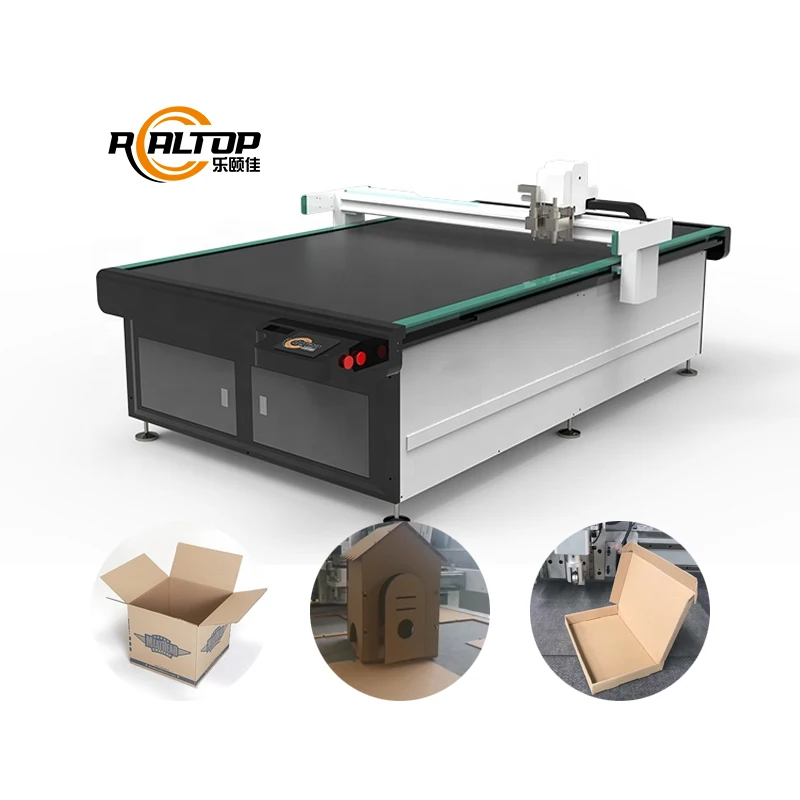
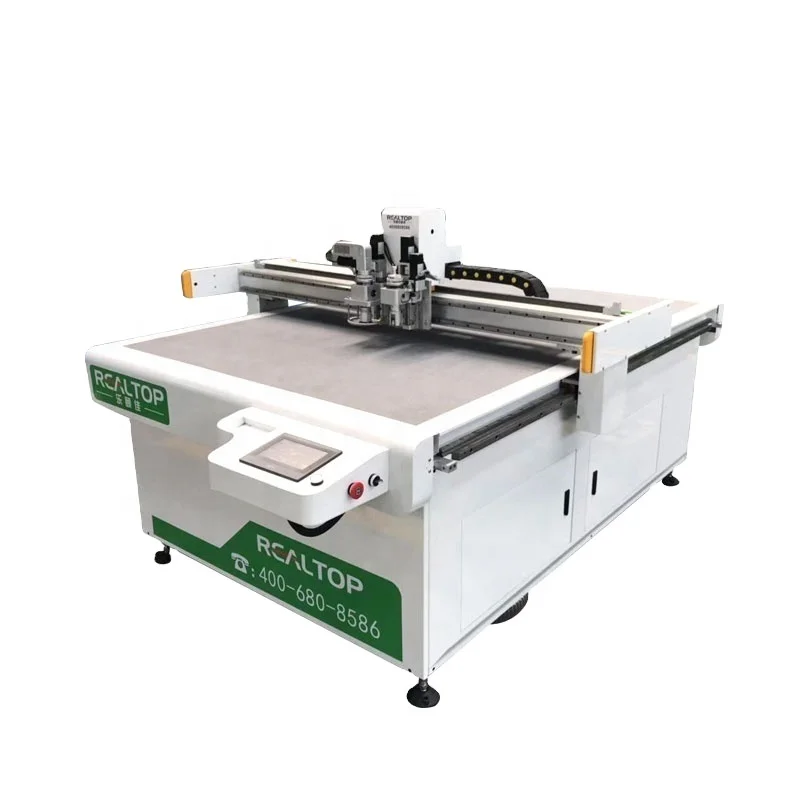
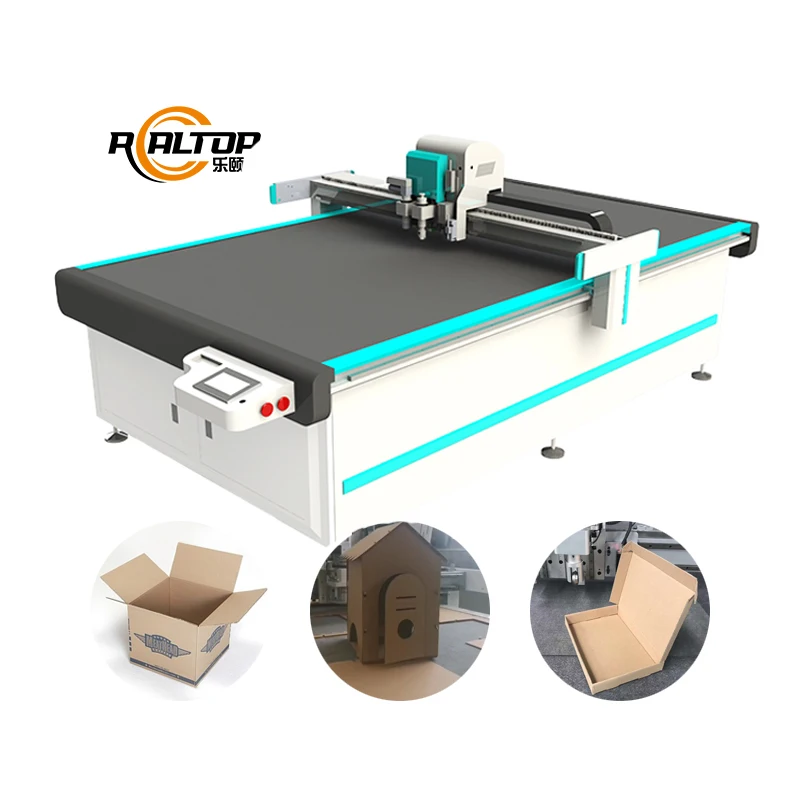
| Product Type | CNC Oscillating Knife Cutting Machine for Packaging |
| Working Area | 1600 × 2500 mm |
| Machine Size | 3300 × 2100 × 1350 mm |
| Cutting Speed | 0 – 1500 mm/s |
| Cutting Accuracy | ±0.1 mm |
| Cutting Thickness | Up to 40 mm (basis to be confirmed by material density and tool head) |
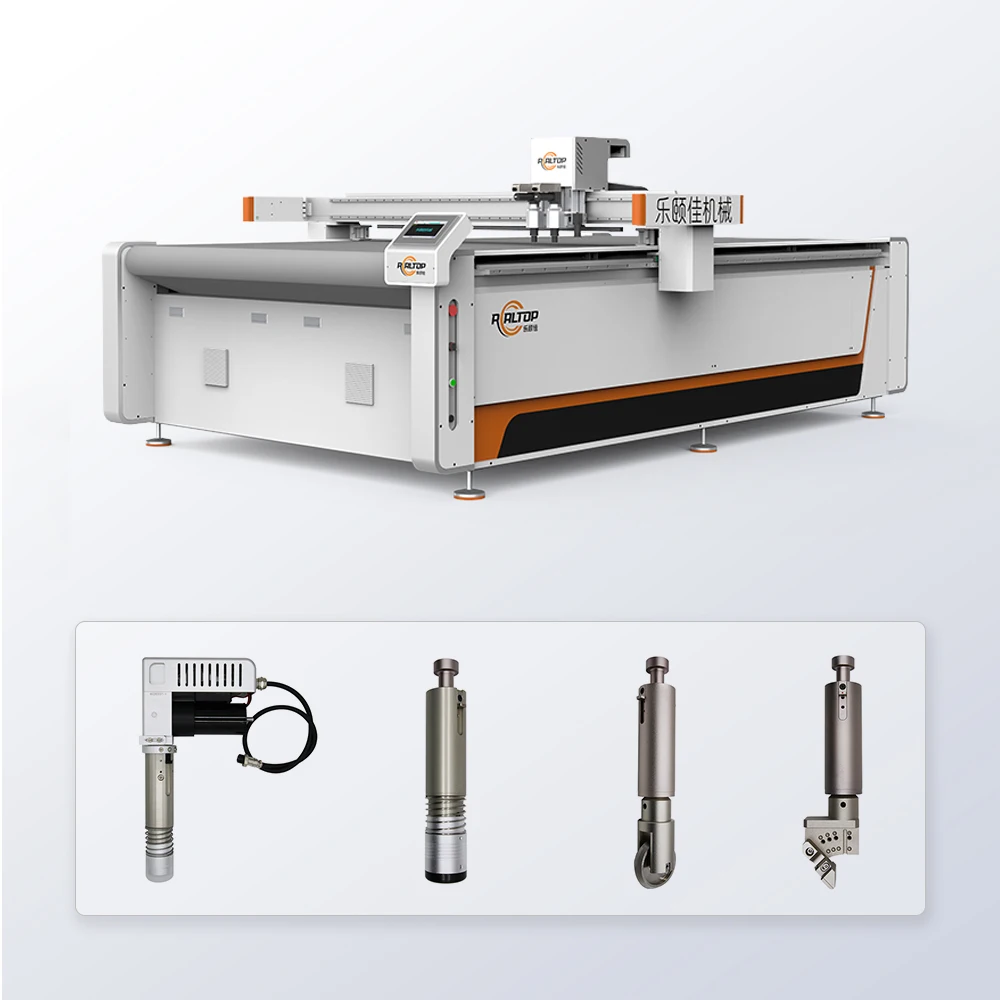
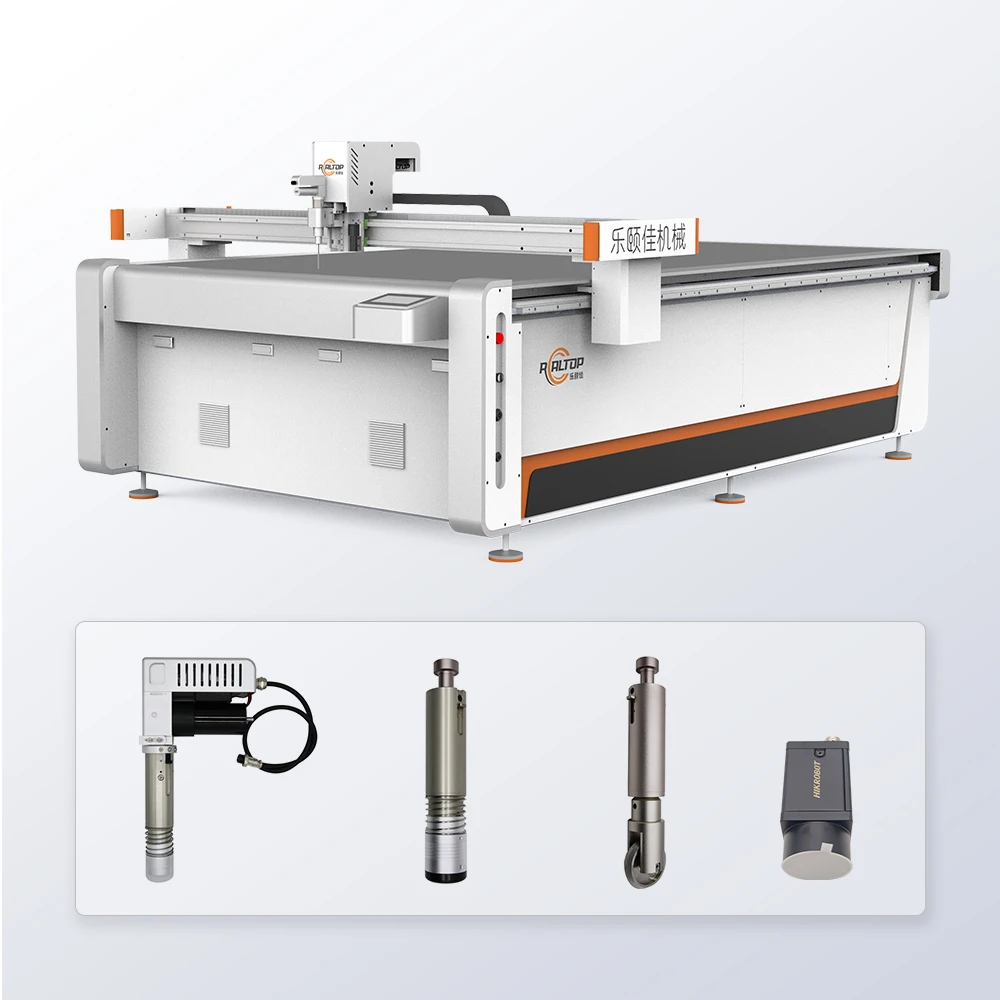
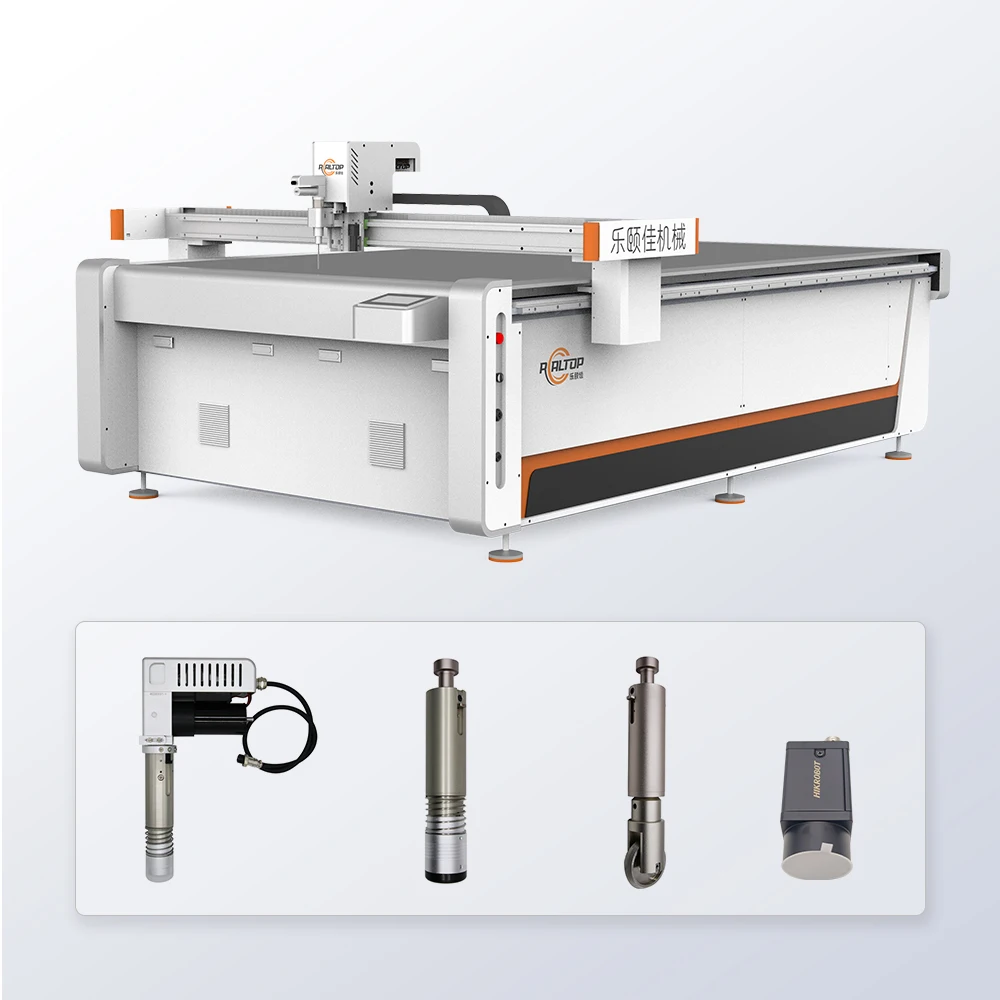
| Available Tools | Oscillating knife, Driven rotary knife, Creasing wheel, Kiss cutting tool, Pneumatic knife, Milling tool, V groove knife, CCD camera |
| Vacuum Table | Aluminum bellows, full-surface adsorption |
| Vacuum Pump | 9 kW |
| Servo Motor Options | Panasonic, Delta, Dorna |
| Control System | PLC panel with optional display languages; packaging box structure design software included |
| Supported File Formats | PLT, DXF, AI, PDF |
| Voltage Options | 110V, 220V, 380V (frequency to be confirmed) |
| Safety Features | Infrared sensor device, emergency stop |
| Certification | CE |
Application Suitability
| Application | Material or Output |
|---|---|
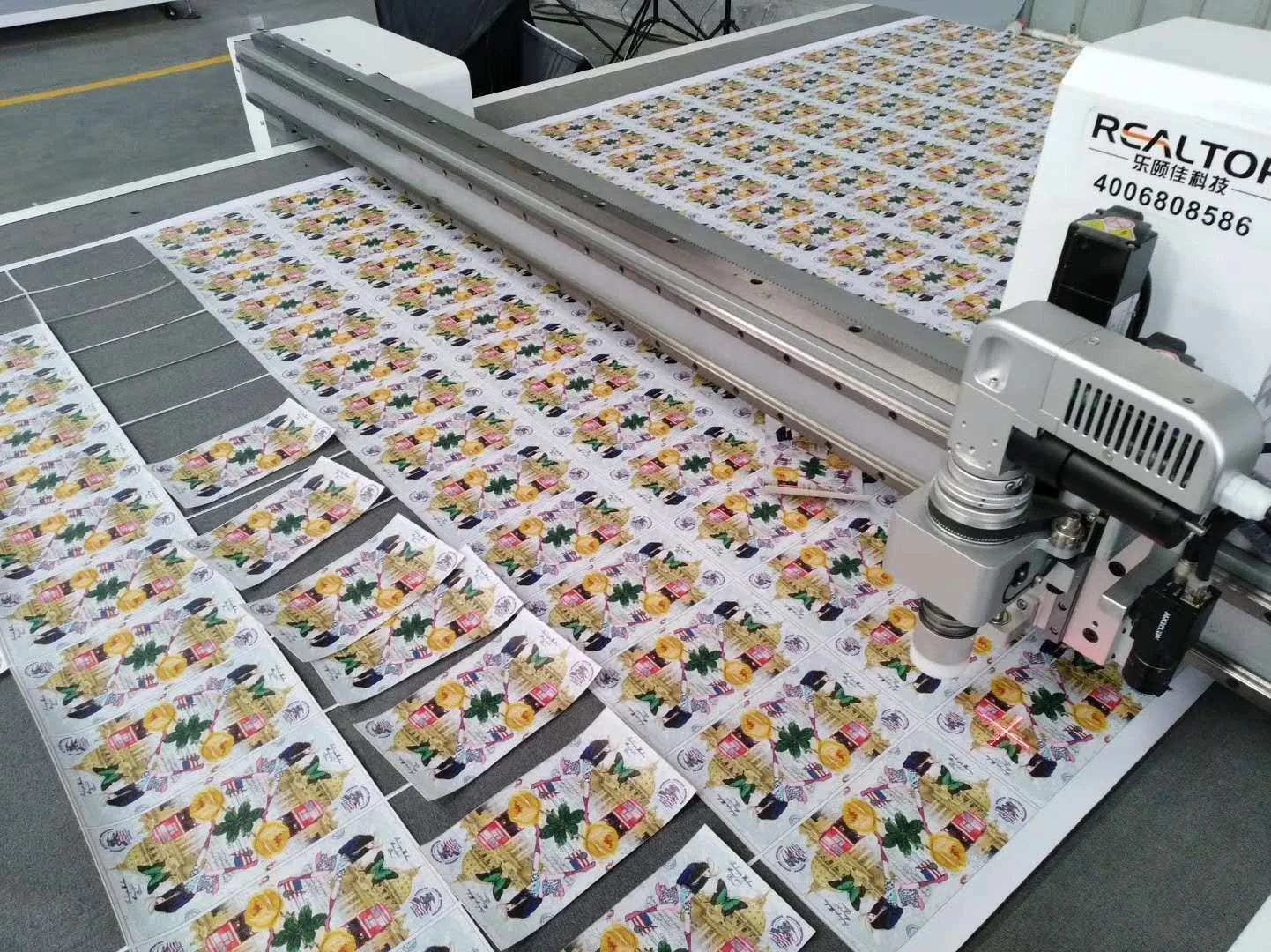
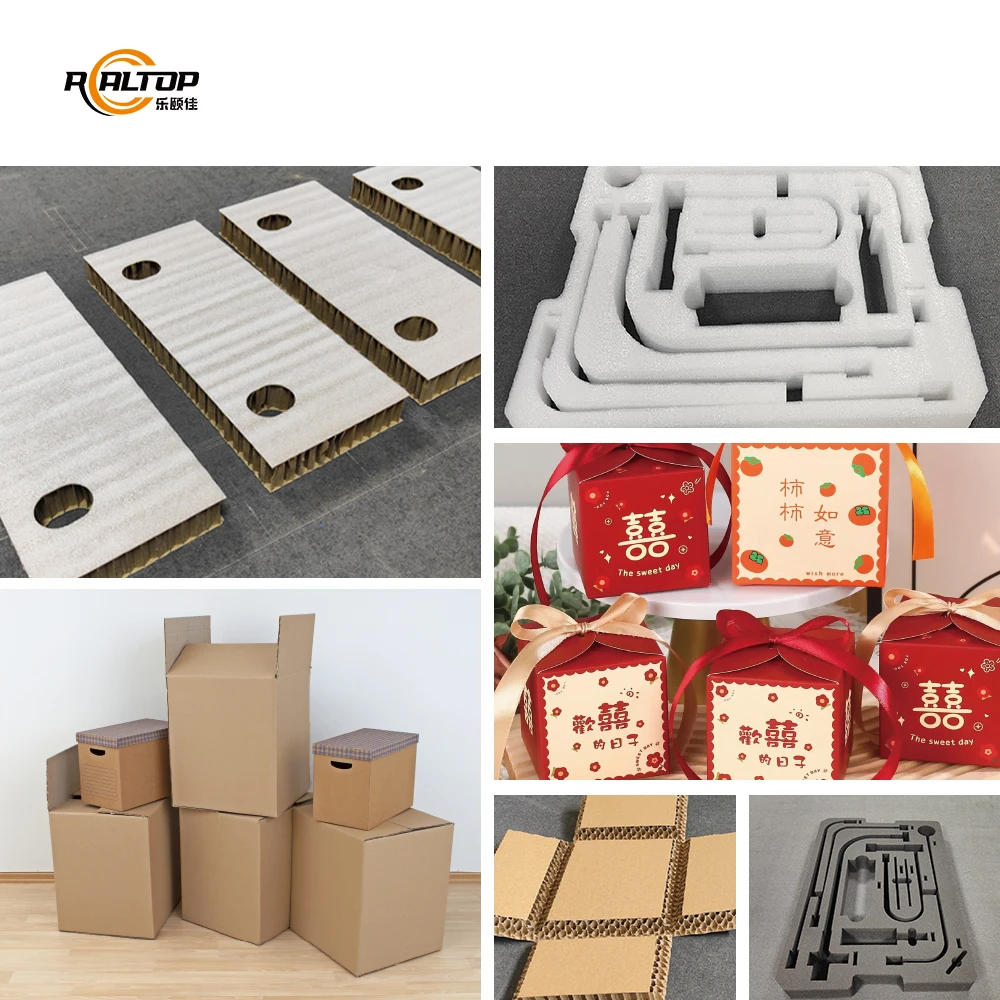
| Corrugated carton prototyping | E-flute, B-flute, BC-flute boards of varying weights |
| Greyboard and specialty box making | Greyboard, cardstock, art paper, specialty paper |
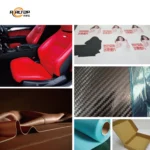
| Foam packaging inserts | EVA foam, EPE foam, PU foam, Coroplast |
| Display and POS material cutting | Thin PVC, PET, acrylic, Coroplast |
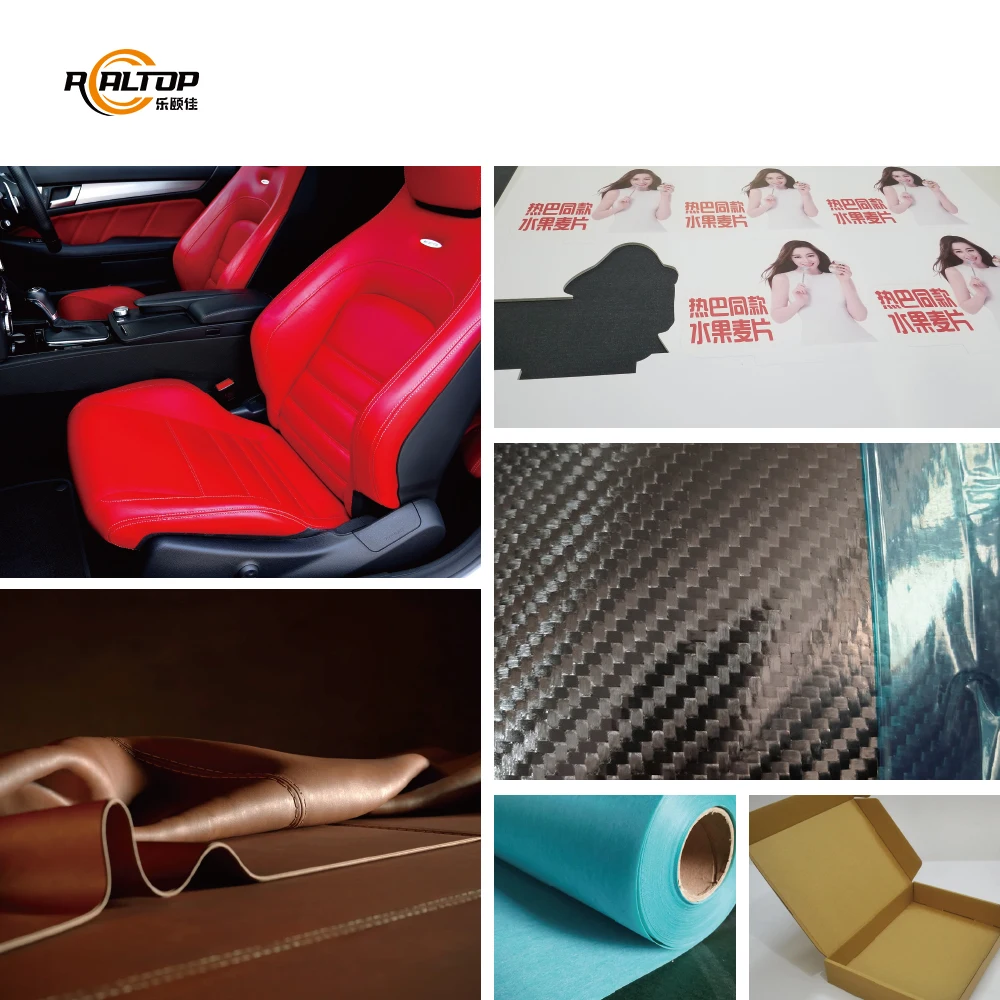
| Non-metal gasket and pad cutting | Rubber mats, PTFE, adhesive-backed composites |
| Textile and leather packaging | Velvet, fleece, non-woven fabric, synthetic leather |
Why Specified Cutting Depth Rarely Matches Reality on the First Run
A machine quoted purely on working area and maximum thickness often disappoints the moment it meets your actual stock. The real variable is not how thick the machine can cut, but which tool head and oscillation frequency your specific flute profile demands.
I remember a carton sample shop that ordered based on a 40 mm cutting depth figure, expecting to run double-wall corrugated at full speed. The oscillating knife handled single-wall fine, but BC-flute compressed and tore at the crease lines because the creasing wheel pressure and vacuum zoning were never matched to that board grade. We reconfigured the tool head and adjusted the vacuum zone mapping, which solved the edge quality issue, but the delay cost them two weeks of prototype deliveries [NEED_CITE: material-specific tool head selection for corrugated board grades]. This is why a CNC oscillating knife cutting machine manufacturer that insists on sample cutting before final configuration saves buyers from costly post-delivery rework.
Tool Head Selection Determines Edge Quality, Not Just Penetration
Oscillating knives slice through corrugated flutes cleanly when the vibration frequency matches the material density. Driven rotary knives excel on continuous curves in thin cardstock, while a V groove knife removes a channel for rigid board folding. On the 1625, these tool heads mount on the same carriage, so a single packaging prototype can include oscillating-cut perimeter edges, creasing-wheel fold lines, and kiss-cut windows without manual tool changes. Selecting the wrong combination leaves crushed flutes on the visible face or incomplete cuts that tear when the operator removes the sheet.
Vacuum Zoning Must Match Your Smallest Part, Not Your Largest Sheet
Full-surface adsorption across a 1600 × 2500 mm aluminum bellows table holds a full sheet of B-flute firmly in place. The problem arises when you nest small gasket pieces or narrow carton blanks in one corner — the unoccupied zones bleed suction, and the cut pieces lift under the oscillating knife. The 9 kW vacuum pump delivers adequate static pressure, but zone isolation valves let the operator concentrate hold-down force on the active cutting area. Without this zoning configured before shipment, small-part cutting on low-density foam or thin Coroplast becomes unreliable [NEED_CITE: vacuum table zoning practices for small-part digital cutting].
What the Specification Sheet Does Not Tell You About Cutting Speed
The 0 – 1500 mm/s speed range is measured under no-load conditions on a straight path. In practice, cutting corrugated board at high speed requires the oscillating knife to maintain stroke frequency while the servo motors — Panasonic, Delta, or Dorna, depending on your configuration — decelerate through corners and crease transitions. The ±0.1 mm accuracy figure holds at moderate speeds on straight and gentle-curve geometry; tight-radius crease patterns on E-flute demand lower traverse rates to maintain registration between the cut path and the CCD camera-tracked print contour. The dedicated packaging box structure design software handles PLT, DXF, AI, and PDF imports, but the nesting algorithm’s yield percentage depends on how your operator arranges mixed-size blanks relative to the tool path sequence.
The Hidden Cost of Skipping the Sample-Cut Step
Buyers who finalize configuration over a spec sheet alone frequently discover after delivery that their most common board grade requires a different oscillation amplitude or a pneumatic knife instead of the standard oscillating unit. Retrofitting a tool head in the field is possible on the 1625, but it means unplanned downtime, recalibration of the Z-axis zero point, and re-verification of the CCD camera offset values. Worse, if the voltage — 110V, 220V, or 380V — and the control language were not locked before the electrical cabinet was wired, the buyer faces a transformer addition or a control board swap that delays production by weeks [NEED_CITE: electrical specification confirmation before machine dispatch]. These are avoidable problems when a CNC oscillating knife cutting machine manufacturer runs your actual material through the machine before it is crated.
Why Buyers Source This Equipment Directly from the Build Floor
The 1625 is designed and assembled under one roof in Jinan, which means the engineering team that sizes the frame also specifies the vacuum pump and validates the servo tuning. Tool head combinations are not pulled from a fixed catalogue — each configuration is matched to the buyer’s material samples and daily volume requirements. The PLC control panel and packaging design software ship with confirmed file format compatibility against your existing workflow, verified before the machine leaves the factory. Voltage, plug standard, and interface language are documented in the electrical schematic and locked at order stage. Every unit undergoes a factory test on the buyer’s material, with a cutting report that travels inside the crate.
Documentation & Verification
- Factory test record showing cut quality on your specific board grade and flute type
- Electrical schematic with confirmed voltage, plug standard, and control language
- Tool head and vacuum zone configuration list matched to your material range
- Packaging design software license with verified PLT, DXF, AI, PDF file compatibility
- CE declaration documentation for import clearance in regulated markets
- Spare parts list identifying wear items for your chosen tool head combination
Installation, Commissioning & Support
- Foundation must support the 3300 × 2100 mm footprint with level tolerance for the precision-ground frame
- Dedicated electrical circuit matching confirmed voltage option — 110V, 220V, or 380V — with proper grounding for the 9 kW vacuum pump
- Machine ships fully assembled; rigging plan required for workshop door clearance
- First-power commissioning includes servo calibration and CCD camera offset registration for your print marks
- Operator training covers tool head changeover, vacuum zone setup, and nesting workflow in the bundled software
- Wear parts kit for your configured tool heads supplied at dispatch for initial production runs
Before You Request a Quote
Share your most frequently used board grades with flute type and caliper thickness, the largest and smallest blank dimensions you run, and your local voltage and frequency standard. If you already use packaging design software, tell us the export format so we can verify import compatibility before the order is placed. Sending a roll or sheet stack of your actual material lets us produce a cutting sample that confirms tool head selection, vacuum hold-down, and achievable speed on your production geometry.
Frequently Asked Questions
Q: How do I know which tool head my corrugated board needs?
A: Tool head selection depends on flute profile, board density, and whether you need creasing, kiss cutting, or full through-cutting on the same sheet. We run your material sample with different tool combinations — oscillating knife, creasing wheel, V groove knife — and document edge quality, fold accuracy, and cutting speed in a sample report before you commit to a final configuration.
Q: Can the machine accept my existing packaging design files?
A: The bundled packaging design software imports PLT, DXF, AI, and PDF formats. Before order confirmation, we ask you to send a representative file so we can verify layer recognition, crease-line interpretation, and nesting behavior. If your workflow relies on a specific third-party application, we confirm compatibility at the quotation stage.
Q: What voltage and language options are available?
A: The 1625 is configurable for 110V, 220V, or 380V supply, and the PLC control panel supports English, Russian, Italian, and Chinese as standard, with other languages available on request. Voltage, frequency, plug type, and display language are confirmed and documented in the electrical schematic before the cabinet is wired.
Q: Is it possible to visit the factory and inspect the machine before shipment?
A: Buyers and their nominated inspectors are welcome at our Jinan facility to witness a factory test on their own material. The test covers cutting accuracy, crease registration, vacuum hold-down on small parts, and CCD contour tracking. A signed test report accompanies the machine documentation package.
You may also like

商品评价
Clear filtersThere are no reviews yet.