


-
 Courier delivery
-
 DHL Courier delivery
-
 Warranty 1 year
-
 Free 30-Day returns

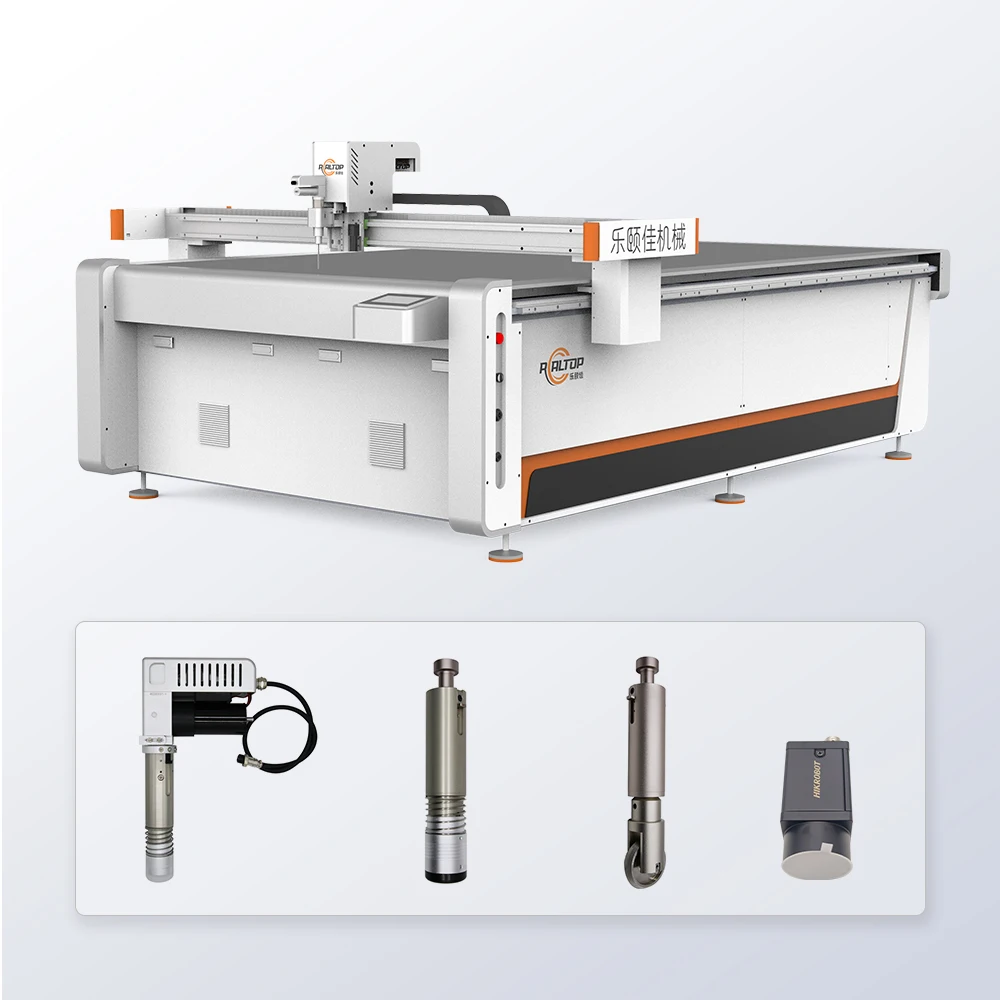
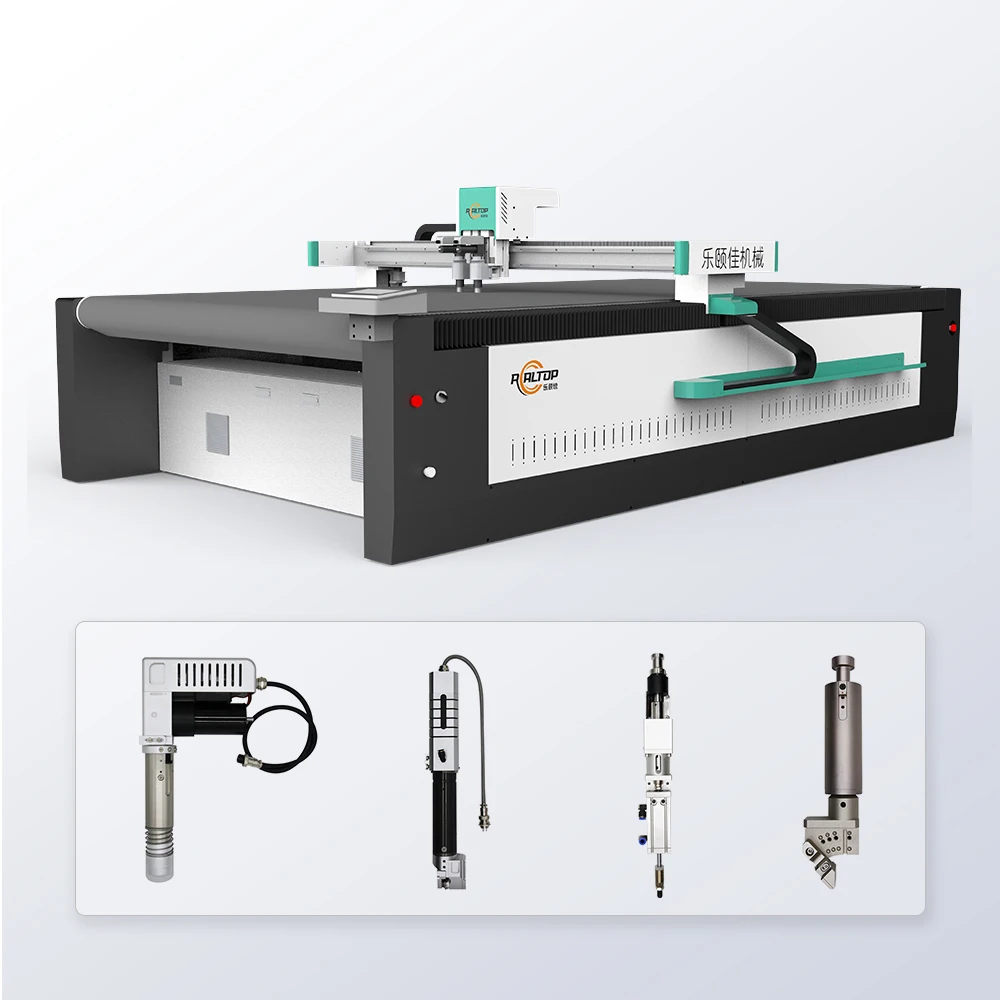
Custom Tool Head Selection — Every 1625 oscillating knife cutting table leaves our facility with tool heads matched to your specific material stack, verified by a factory sample cutting report before you commit to the order.
Technical Specifications
| Parameter | Value |
|---|---|
| Model | 1625 |
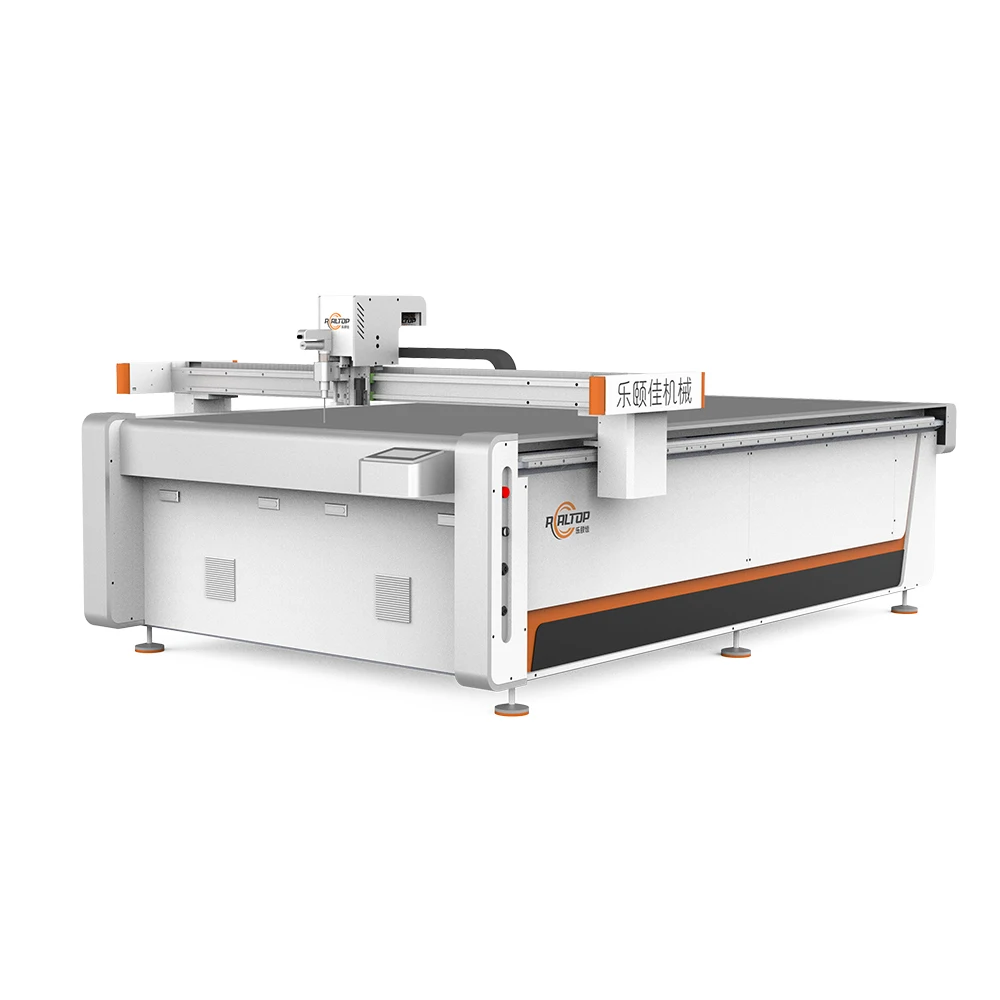
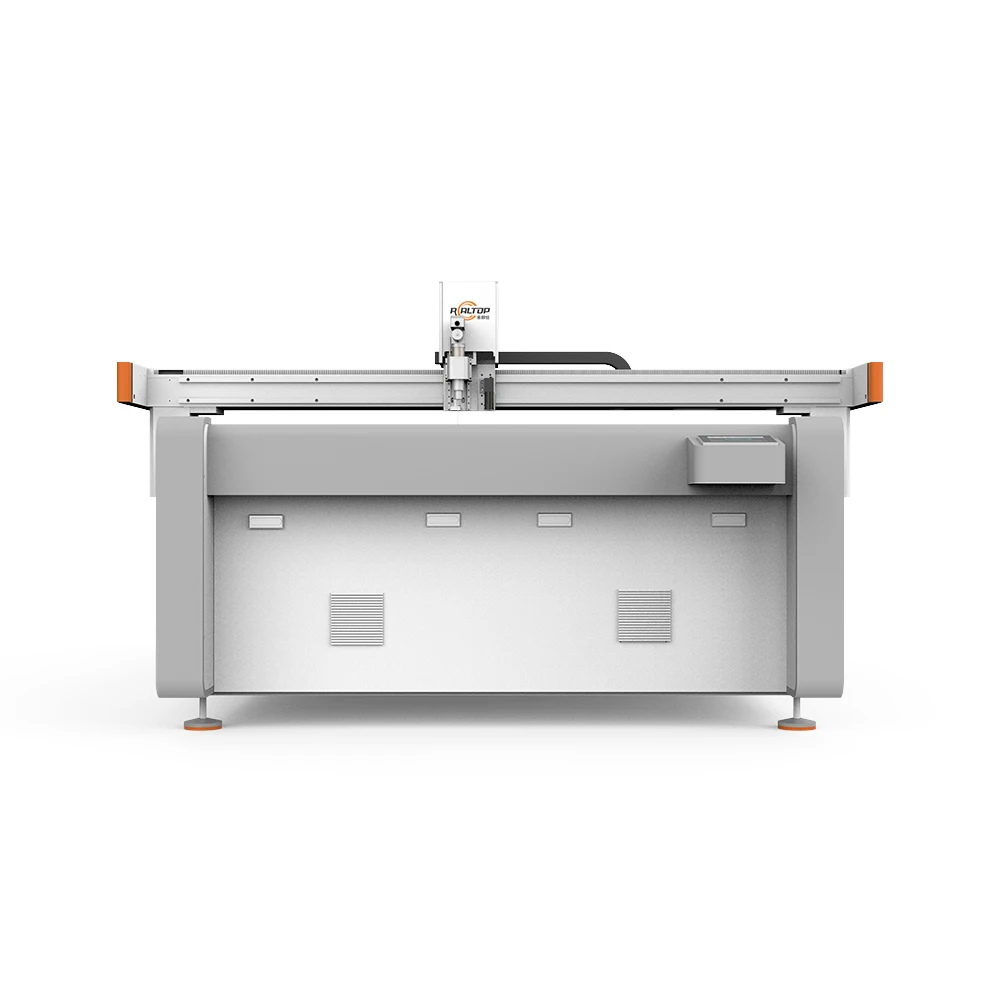
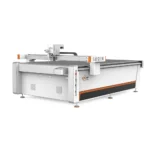
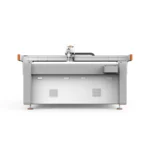
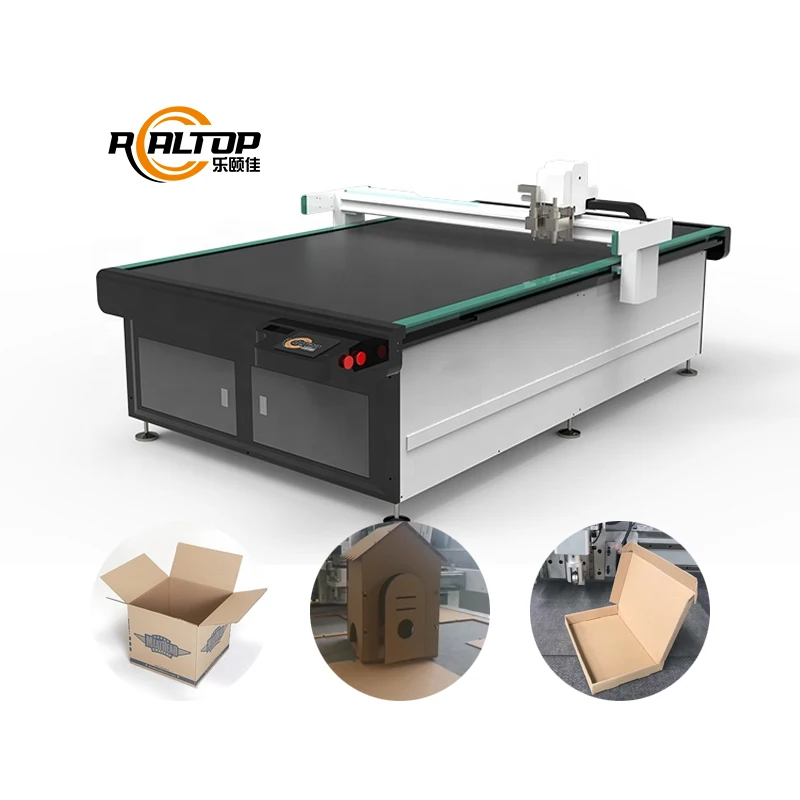
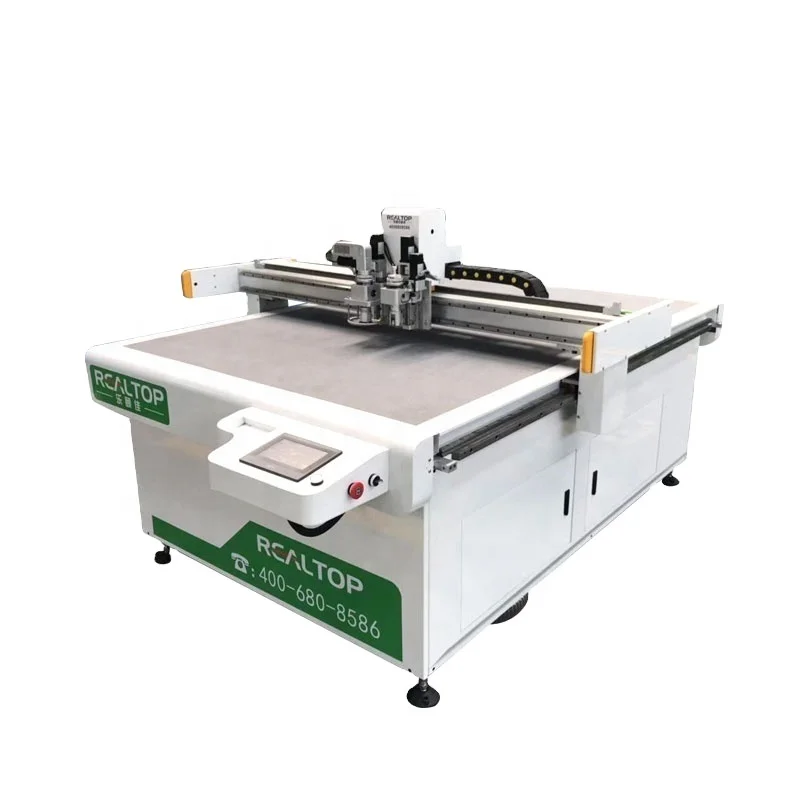
| Product Type | CNC Oscillating Knife Cutting Machine |
| Working Area | 1600 × 2500 mm |
| Cutting Thickness | Up to 30 mm (basis to be confirmed by material density and type) |
| Cutting Accuracy | ±0.1 mm |
| Cutting Speed | 0–2000 mm/s |
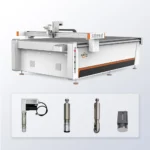
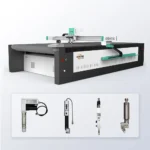
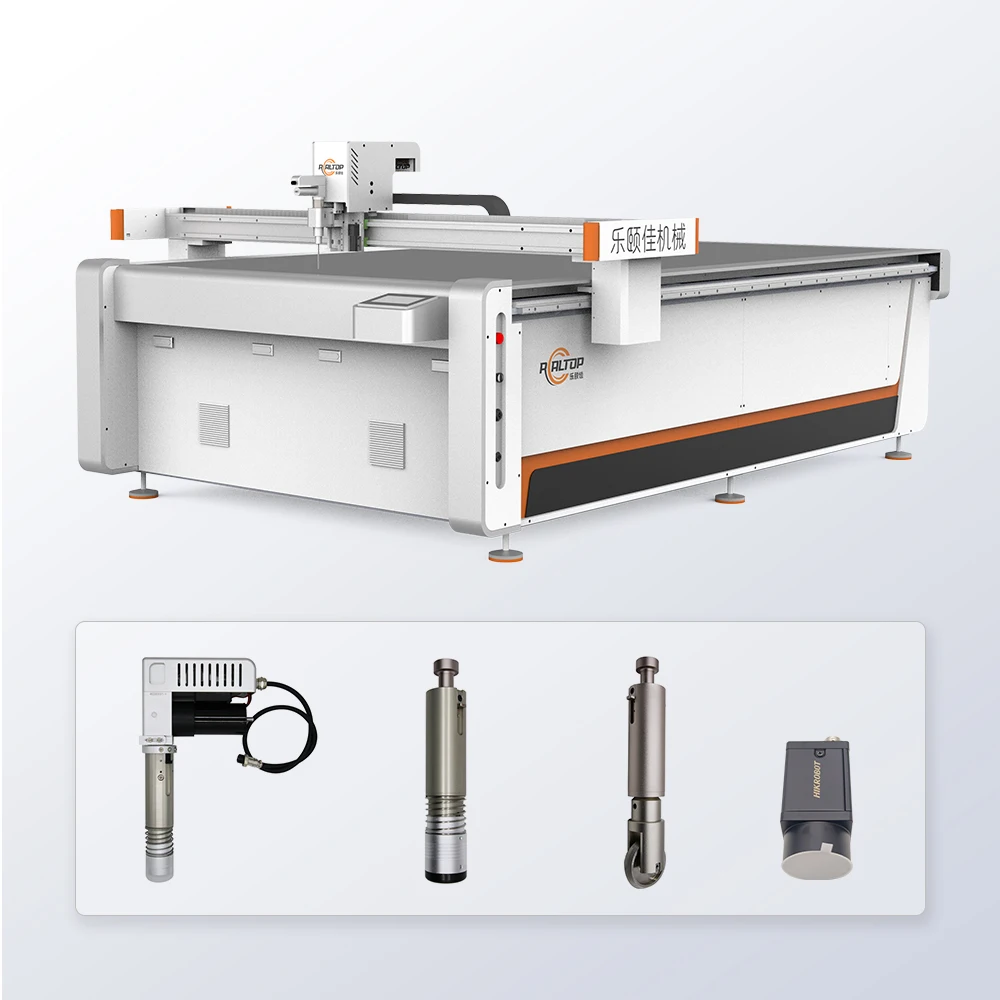
| Tool Head Options | Oscillating knife, Driven rotary knife, Creasing wheel, Kiss cutting tool, Pneumatic knife, Milling tool, V groove knife |
| Vacuum Table | Aluminum bellows vacuum table |
| Vacuum Pump Power | 9 kW |
| Control System | PLC control panel (brand and model to be confirmed per configuration) |
| Servo Motor Options | Panasonic, Delta, or Dorna (availability varies by market) |
| Voltage Options | 110V, 220V, 380V |
| Supported File Formats | PLT, DXF, AI, PDF |
| Bundled Software | Dedicated packaging box structure design software |
| Language Options | English, Russian, Italian, Chinese, custom languages available |
| Safety Devices | Infrared sensor device, Emergency stop device |
| Machine Dimensions (L×W×H) | 3300 × 2100 × 1350 mm |
| CE Declaration | Available |
Application Suitability
| Application | Material or Output |
|---|---|
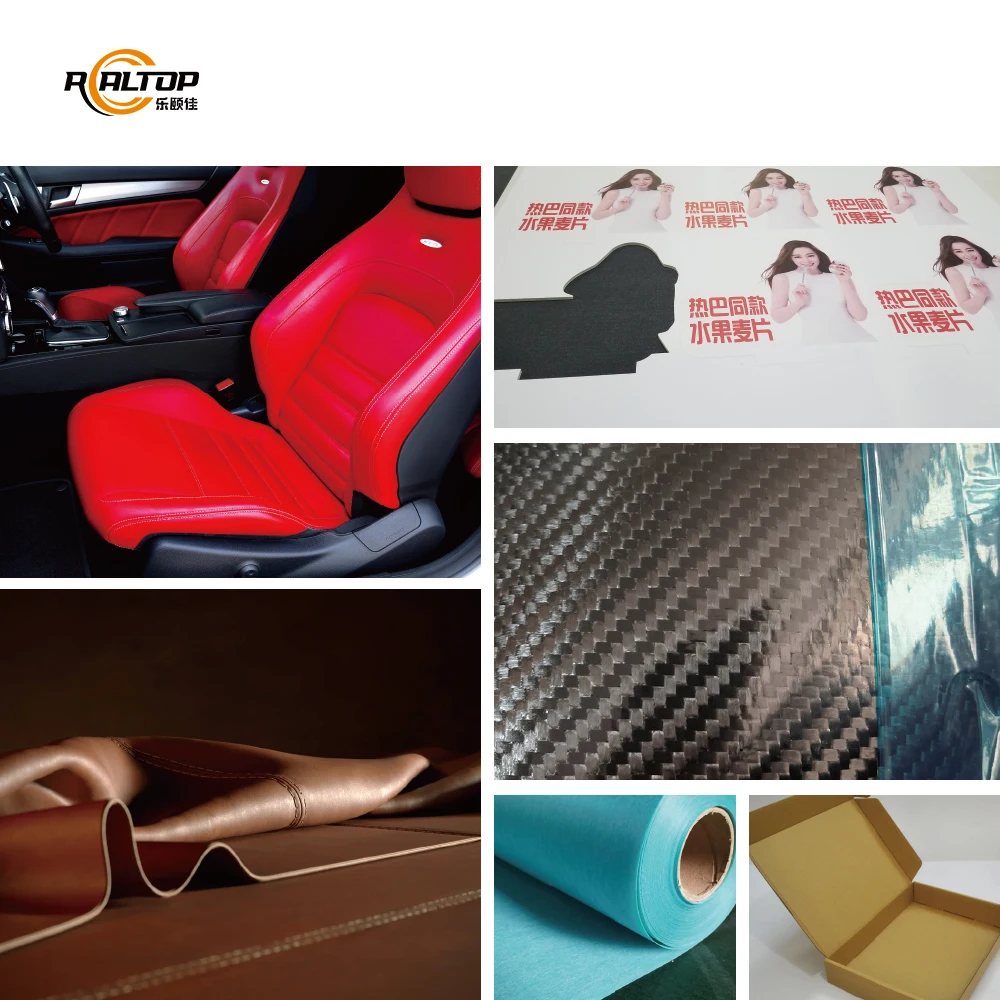
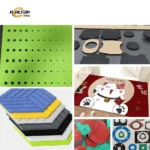
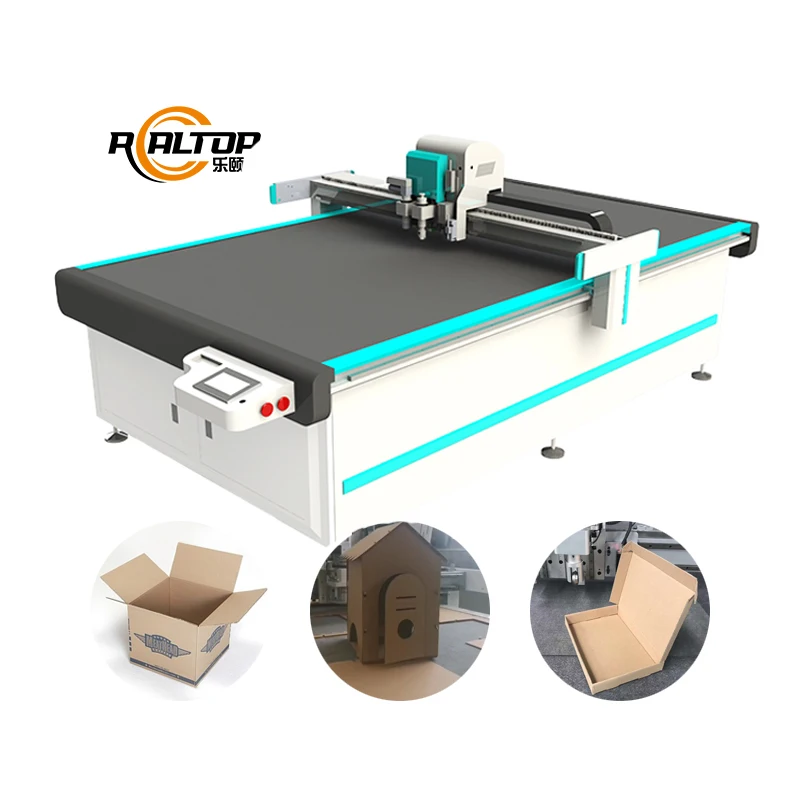
| Carton and packaging sample making | Corrugated board, folding carton stock, grey board with creasing and kiss-cutting |
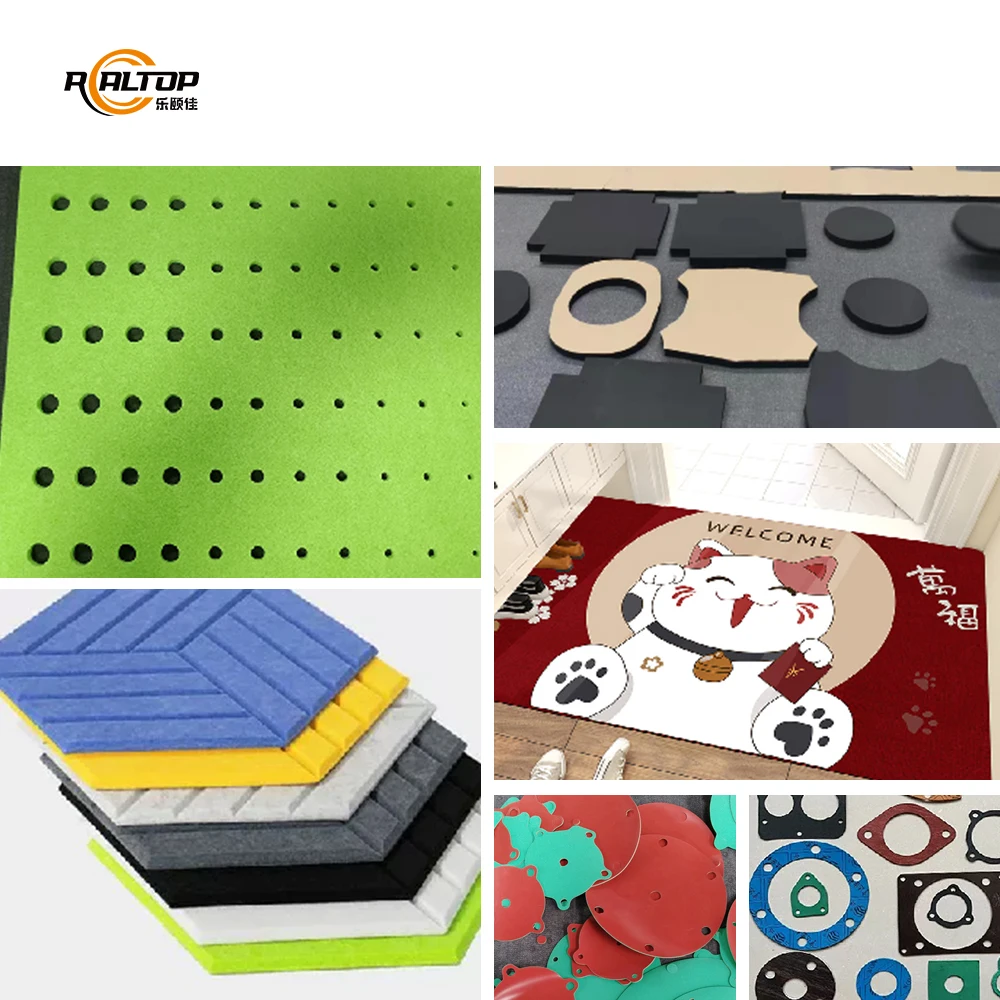
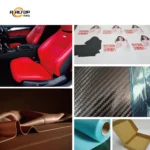
| Automotive interior components | Acoustic felt, damping pads, headliners, floor carpets, sealing strips |
| Composite material processing | Carbon fiber prepreg, aramid honeycomb, fiberglass cloth, PET and PVC foam cores |
| Wind energy and insulation | Vacuum infusion mesh, battery insulation sheets, module thermal pads |
| Sporting goods fabrication | Kevlar layers, high-performance foam for helmet liners, surfboard blanks |
Why Cutting Thickness Claims Fail on Real Material
The cutting depth listed on a CNC oscillating knife cutting machine manufacturer spec sheet means very little until it is tested against your actual material at production speed.
I once watched a packaging shop run grey board on a machine rated for the stated thickness, only to find the edges fraying after the third pass because the tool head was specified for corrugated, not dense board. The vacuum zoning was also too coarse for the small die-cut shapes they were producing, so pieces lifted mid-cut. Neither issue appeared on paper. These mismatches surface only when the material is on the table and the knife is moving [NEED_CITE: tool head selection criteria for material density and thickness].
A 1625 flatbed digital cutting table ordered on working area alone leaves too many variables to chance. The real specification happens when we receive your material sample, run it through the configuration that matches your thickness and density, and send you the cutting report showing edge quality, achievable speed, and tool head wear before you sign anything.
Tool Head Matching by Material, Not by Guesswork
The 1625 platform supports seven interchangeable tool heads, and the choice between them determines whether your production run yields clean edges or crushed, frayed waste. An oscillating knife handles dense foams and composites that a drag knife would tear through. A creasing wheel scores folding carton stock without cutting through the face liner. A V groove knife removes material to create foldable channels in thick board. Specifying these up front, and confirming the choice against your sample material, is the difference between a CNC flatbed digital cutting table factory that ships you a machine and one that ships you a working process.
Vacuum Table Zoning and Small Part Retention
The aluminum bellows vacuum table on the 1625 provides consistent suction across the full 1600 × 2500 mm surface, but zoning matters more than total vacuum power when you are cutting small gaskets or carton prototypes. Without properly segmented zones, the suction around a small piece bleeds off through the exposed table area, and the material lifts into the knife path [NEED_CITE: vacuum hold-down principles for flatbed digital cutting tables]. The 9 kW vacuum pump delivers the pressure needed, but the table configuration must match the smallest part in your nesting layout.
Reading the Specifications Against Your Production Reality
The ±0.1 mm cutting accuracy holds when the material is properly held, the correct tool head is installed, and the servo system maintains position under load. The 0–2000 mm/s speed range is usable on straight cuts in thin materials; dense composites and thick foams require slower passes to maintain edge quality. The PLC control panel runs the dedicated packaging box structure design software natively, importing PLT, DXF, AI, and PDF files directly, which eliminates the conversion errors that plague shops running separate nesting and cutting programs. Servo motor selection across Panasonic, Delta, or Dorna options allows the machine to be configured for spare parts availability in your target market rather than forcing a single brand dependency.
What Wrong Configuration Costs After Delivery
Choosing a tool head based on a material category rather than actual sample testing leads to ragged edges on composites and delaminated layers on honeycomb panels. A vacuum table with insufficient zoning causes small automotive gasket pieces to shift during cutting, producing scrap that only becomes visible after an entire nest has run. Incorrect voltage specification discovered after the machine arrives means weeks of delay while transformers or rewiring are arranged locally [NEED_CITE: electrical specification mismatches in exported industrial machinery]. Software file format incompatibility surfaces when your design team exports a PDF and the machine controller refuses to read it.
Why Source This Machine from the Factory That Builds It
Our design team engineers both knife cutting and laser cutting platforms in-house, so the 1625 configuration is selected based on what your material actually needs rather than what a single product line can offer. Every machine ships with a factory test record run on your material sample, not on generic test stock. The tool head and vacuum table configuration list is documented and confirmed before production begins. Electrical schematics and voltage documentation are issued and verified against your local standards before the control panel is wired. OEM configurations, custom control panel languages, and distributor-specific branding are handled within the same production line, not outsourced after the fact.
Documentation & Verification
- Sample cutting report on your specific material confirming tool head selection and edge quality
- Electrical schematic and voltage confirmation document matched to your local grid standards
- Tool head and vacuum table configuration list tied to your material type and sheet size
- Factory test record with actual cutting parameters recorded before dispatch
- Software licence and file format compatibility note for PLT, DXF, AI, and PDF workflows
- Packing photographs documenting machine condition and accessory inventory before crate closure
Installation, Commissioning & Support
- Foundation must be level within tolerance to support the 3300 × 2100 mm frame footprint without deflection
- Dedicated electrical circuit required matching confirmed voltage option of 110V, 220V, or 380V
- Machine arrives with tool heads pre-mounted and vacuum table sealed, requiring alignment check on site
- First-run calibration includes vacuum zone testing across the 1600 × 2500 mm surface with your material loaded
- Operator training covers tool head changeover procedures for all seven configured tools
- Spare parts list provided with consumable knife blades and vacuum seals identified by part number
What We Need to Quote the Right Configuration
Before we recommend a tool head and table setup for the 1625, send us a sample of the material you will be cutting most often, including the exact thickness and the smallest part dimension in your nesting files. Confirm your local voltage and frequency standard, and let us know the control panel language your operators require. If you have existing design software producing PLT, DXF, AI, or PDF output, share a sample file so we can verify compatibility with the bundled packaging box structure design software before the machine enters production.
Frequently Asked Questions
Q: How is cutting thickness verified for my specific material and what does the sample cutting report include?
A: We cut your actual material sample using the tool head and speed configuration recommended for your stated thickness and density. The report documents edge quality photographs, achievable cutting speed, tool head wear after the test run, and any vacuum hold-down adjustments required. This report is delivered before you confirm the order.
Q: Which tool head configuration is recommended for my material stack and can I change tools myself on site?
A: Tool head selection is based on your sample cutting test results. The 1625 supports seven tool types including oscillating knife, creasing wheel, and V groove knife. Operators can change tool heads on the production floor using the quick-release mount without requiring a service technician.
Q: What voltage options are available and how is the electrical schematic confirmed for my target market?
A: The 1625 is available in 110V, 220V, and 380V configurations. Before production begins, we issue an electrical schematic and voltage confirmation document that you verify against your local grid standards. The control panel is wired only after your written confirmation.
Q: How does the dedicated packaging box structure design software integrate with my existing file formats?
A: The bundled software imports PLT, DXF, AI, and PDF files directly. During the sample verification stage, we test your actual design files on the 1625 control system to confirm that nesting, tool paths, and cutting parameters transfer without conversion errors.
Q: What OEM and custom language or control panel options are available for distributors and importers?
A: The PLC control panel supports English, Russian, Italian, Chinese, and custom languages configured during production. Distributors can request branded documentation, custom software splash screens, and specific servo motor selections based on spare parts availability in their market.
You may also like

商品评价
Clear filtersThere are no reviews yet.