



-
 Courier delivery
-
 DHL Courier delivery
-
 Warranty 1 year
-
 Free 30-Day returns

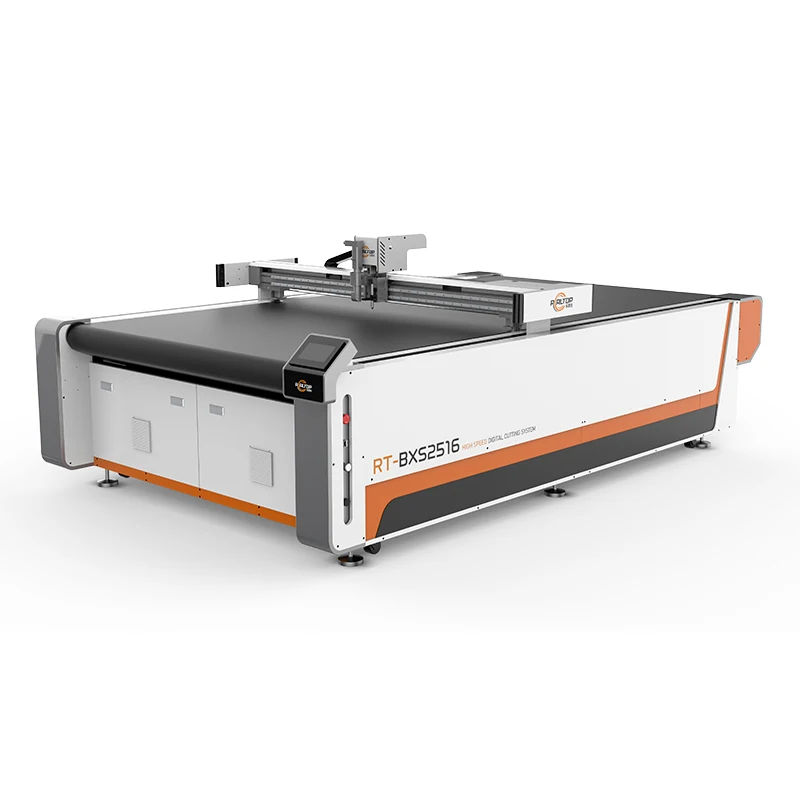
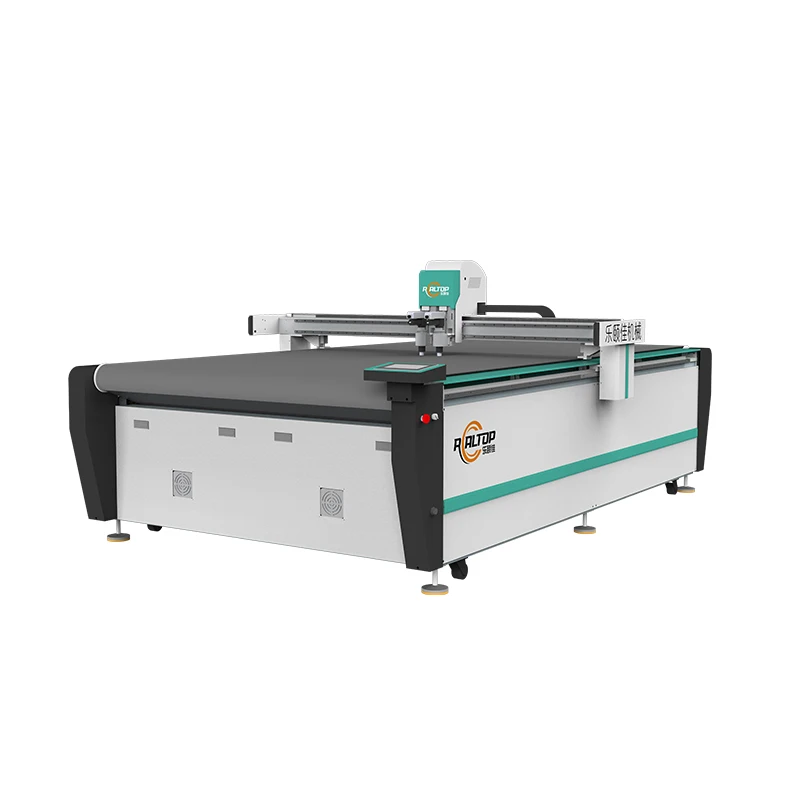
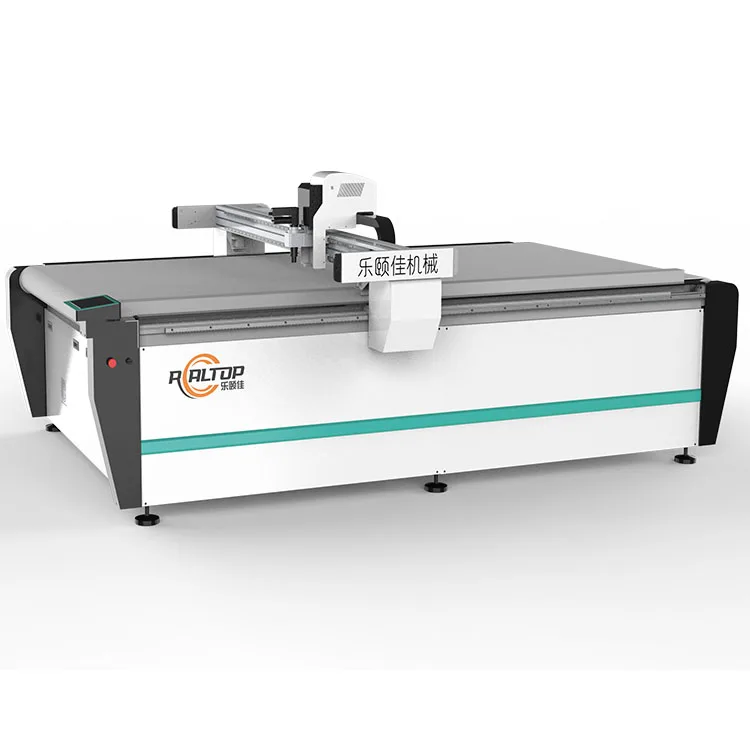
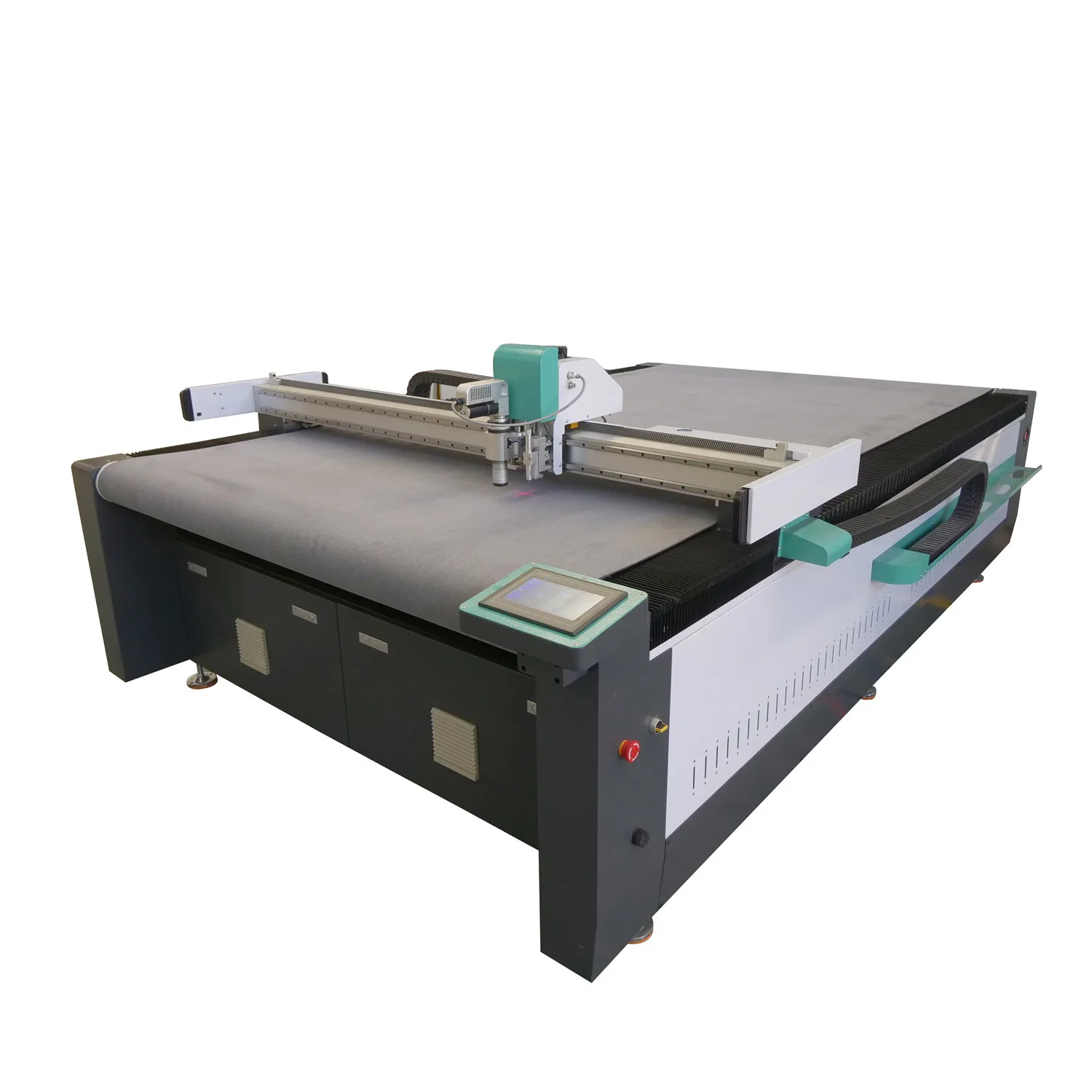
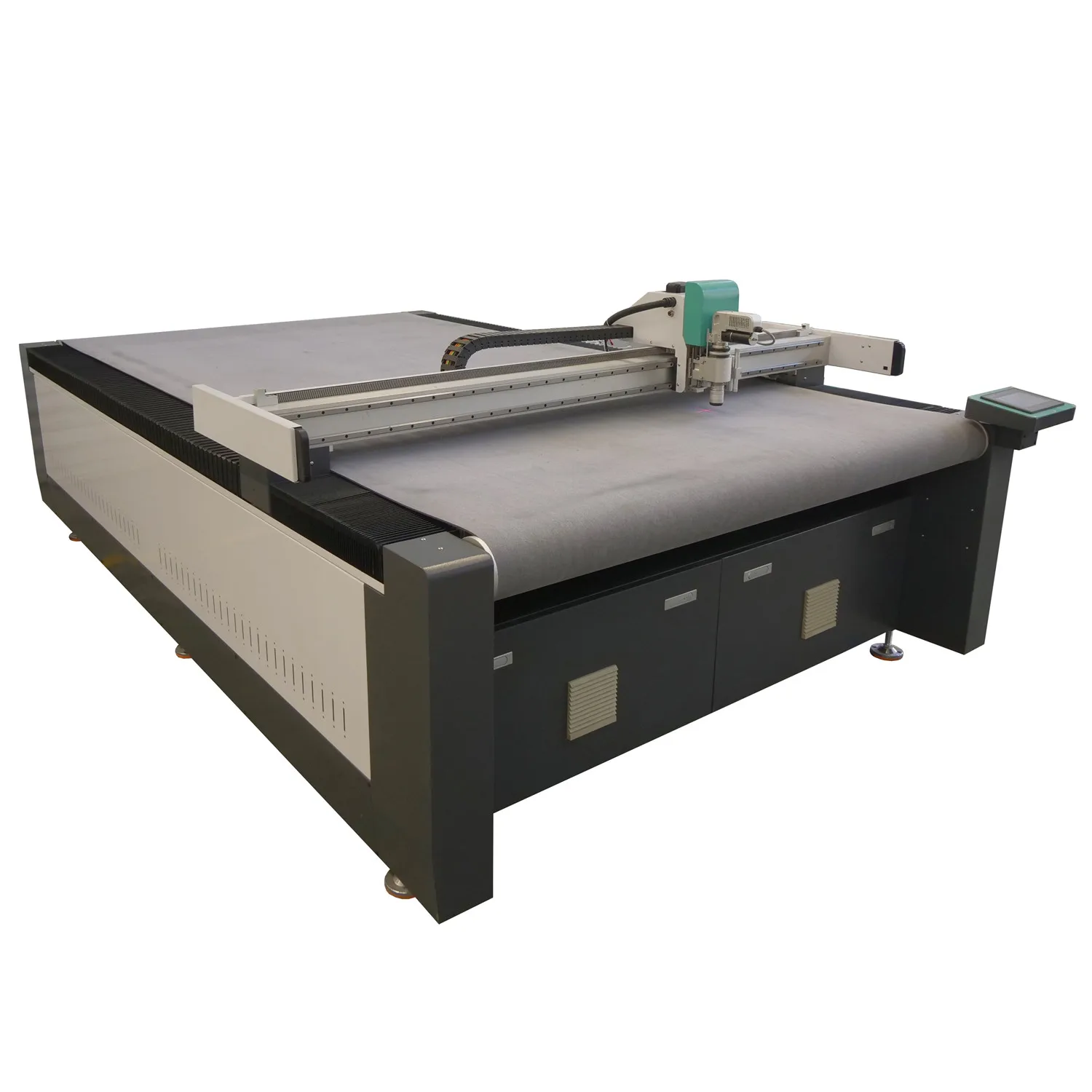
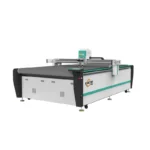
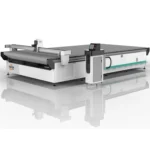
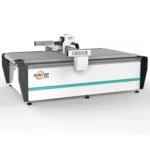
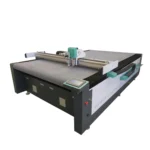
Factory-Built Frame Precision — Our core manufacturing process includes high-temperature tempering and CNC machining center finishing on every welded steel frame, ensuring the RT-D2516 / RT-S2516 maintains ≤0.1 mm repeated accuracy over years of continuous production.
Technical Specifications
| Parameter | Value |
|---|---|
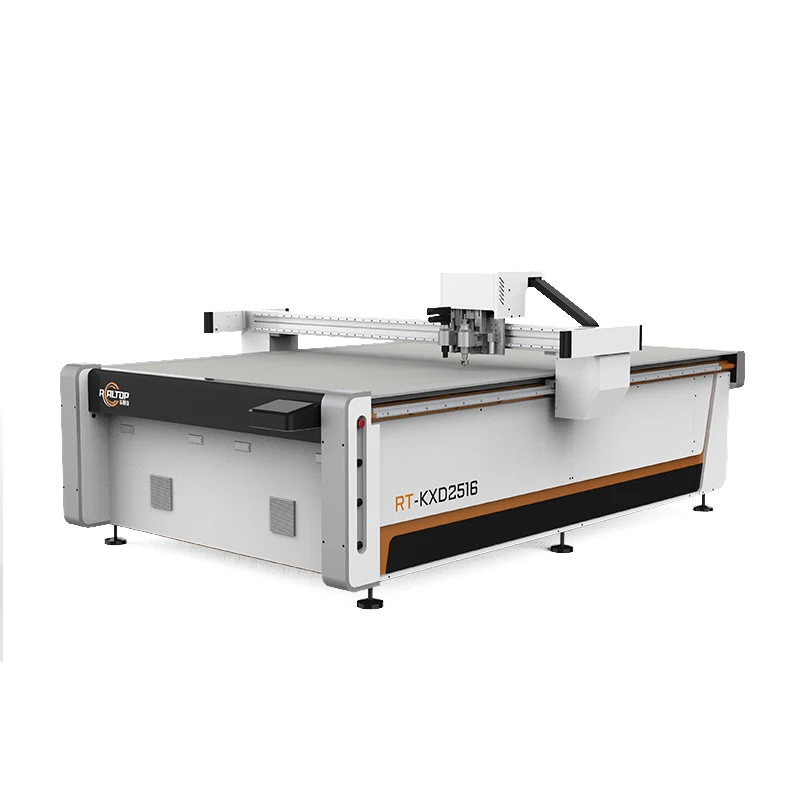
| Model | RT-D2516 / RT-S2516 |
| Working Area | 1600×2500 mm |
| Machine Dimensions (L×W×H) | 3450×2300×1250 mm |
| Rated Power | 9 kW |
| Voltage | 380V ±10% (frequency and phase to be confirmed per site) |
| Transmission System | Digital servo motor, linear guide, synchronous belt, ball screw |
| Servo Motor Options | Delta or Panasonic |
| Translational Velocity | 800–2000 mm/s |
| Cutting Speed | 200–800 mm/s (varies by material type and thickness) |
| Repeated Accuracy | ≤0.1 mm |
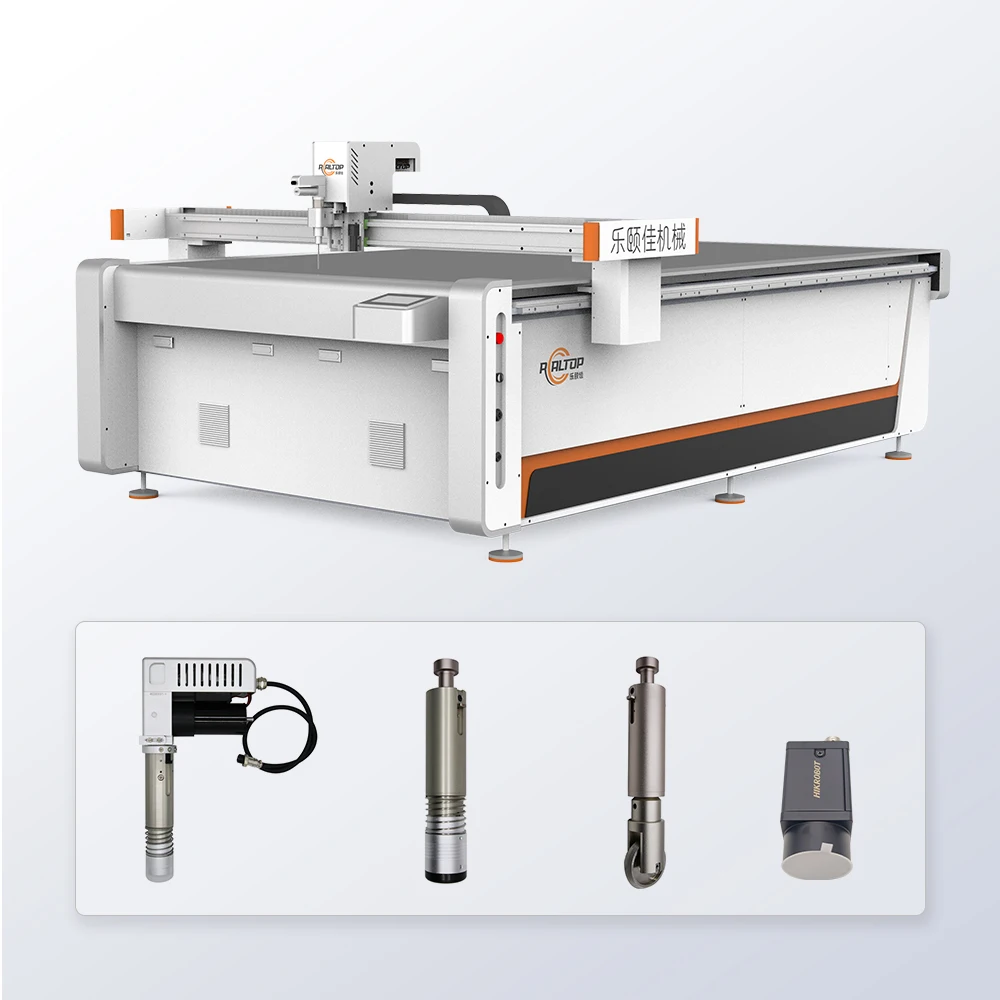
| Cutting Tool Head Options | Oscillating knife, pneumatic knife, high-power vibrating knife, circular knife, V-cutting knife, drag knife, creasing wheel, dotted line knife, punching, brush |
| Visual Positioning Options | Small CCD camera mark point positioning, panoramic camera recognition, projection positioning |
| Vacuum Table | Magnesium-aluminum alloy with PVDF powder spraying, anodic oxidation, hard oxidation |
| Vacuum Pump | 7.5 kW, integrated aviation aluminum shell pump with built-in silencer sponge |
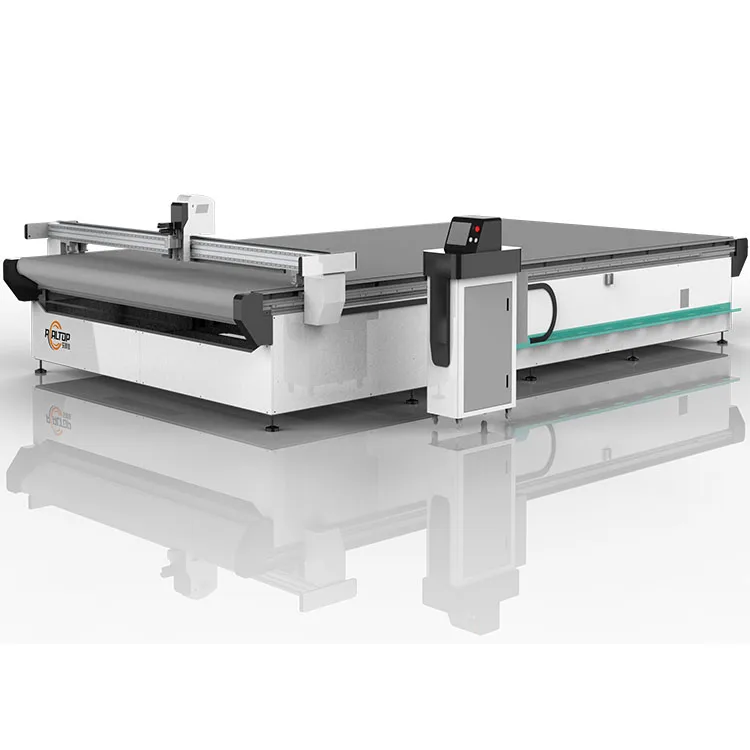
| Table Type Options | Flat working table or auto feeding table |
| Conveyor Belt | Germany imported |
| Linear Guide | Taiwan Hiwin rail |
| Safety Devices | Infrared induction blocking, anti-collision sensors on beam, emergency stop button |
| Control System Language | English, Russian, Italian, Chinese (customizable) |
| Software File Formats | PLT, DXF, AI, HP-GL compatible |
| Cutting Thickness | ≤100 mm (varies by material) |
| Assembly State | Fully assembled |
| Compliance | CE |
Application Suitability
| Application | Material or Output |
|---|---|
| Garment and footwear production | Single-layer and multi-layer fabric, leather, shoe material, non-woven fabric |
| Automotive interior manufacturing | Carpet, floor mats, sponge, composite materials, gaskets |
| Packaging and carton sample making | Cardboard, corrugated cardboard, plastic box, sticker, film |
| Soft furnishing fabrication | Textile, garment cloth, luggage material, carpet, sponge |
| Composite material processing | PVC, PU, EVA, XPE, PTFE, ETFE, fiberglass, silicone, rubber, carbon fiber |
| Advertising and signage | Vinyl, soft glass, sticker contour cutting |
Why the Tool Head Must Match the Material Before the Order is Placed
A CNC oscillating knife cutting machine manufacturer should never quote based on working area alone. The cutting method, tool head type and vacuum zoning must be specified against the buyer’s actual material before any commitment is made.
I have seen buyers invest in oscillating knife cutters rated for fabric, only to find the blade cannot penetrate denser composite foam or that the vacuum zones are too wide to hold small leather pieces flat during high-speed contour cuts. The machine was not defective; it was simply configured for a different production environment. When the tool head does not match material density, the result is ragged edges, crushed layers and throughput that falls far below what the specification sheet suggests [NEED_CITE: material density and tool head matching for CNC knife cutting].
Tool Head Selection per Material and Edge Requirement
The RT-D2516 / RT-S2516 platform supports ten tool head options, each serving a distinct cutting function. An oscillating knife handles most single-layer fabrics and flexible composites cleanly. A high-power vibrating knife addresses denser sponge and thick foam where standard oscillation stalls. A pneumatic knife provides consistent downward force for leather and layered textiles. For packaging sample makers, the creasing wheel and dotted line knife enable fold lines and perforations on the same table that performs full cuts. A CNC oscillating knife cutting machine manufacturer must guide this selection before production begins, not leave it to the buyer to discover on the factory floor.
Frame Construction and Long-Term Accuracy
The machine frame is built from thick-walled seamless steel, welded and then subjected to high-temperature tempering to relieve internal stress. The finished frame passes through a CNC machining center to ensure the linear guide mounting surfaces are true. This matters because any residual welding stress will slowly release over months of operation, shifting the rail alignment and degrading the ≤0.1 mm repeated accuracy. The Taiwan Hiwin linear guides and ball screw transmission maintain positional consistency across the full 1600×2500 mm working area, but only if the frame they ride on is dimensionally stable [NEED_CITE: stress relief tempering for welded machine frames].
Reading the Specification Sheet Against Your Production Reality
The 200–800 mm/s cutting speed range reflects the difference between thin single-layer textile and 100 mm composite foam. At the upper end, the machine moves quickly through garment cloth and non-woven fabric. At the lower end, the oscillating knife or pneumatic knife works through dense multi-layer sponge at a pace the material allows. The 7.5 kW vacuum pump paired with the magnesium-aluminum alloy table provides consistent suction, and the PVDF powder-sprayed surface resists wear from abrasive materials like fiberglass and carbon fiber. The integrated aviation aluminum pump housing with built-in silencer reduces noise on the production floor, which matters during extended shifts. Buyers should confirm whether the flat table or auto feeding table suits their workflow, particularly when cutting continuous rolls of fabric or leather where the Germany-imported conveyor belt on the auto feeding variant maintains material feed without manual repositioning.
What Happens When the Configuration Is Wrong
When vacuum table zoning does not match the size of the parts being cut, small pieces lift off the table mid-cut, producing dimensional errors and wasted material. When the voltage and frequency are not confirmed against the buyer’s local supply, servo motors can overheat or the control system may fail to initialize. When a CCD camera is specified for contour recognition but the printed mark contrast on the buyer’s material is too low, the system cannot track at production speed, forcing operators to cut manually. Each of these failures is preventable before shipment [NEED_CITE: voltage confirmation and vacuum zoning for CNC cutting equipment].
Why Buyers Source This Platform from Jinan
The design team and core factory operate under one roof, so the tool head configuration, table type and visual positioning system are selected as an integrated package rather than assembled from generic components. Every RT-D2516 / RT-S2516 is built on the same welded and tempered frame, with the same Hiwin guides and servo options, regardless of destination market. The control system language is confirmed before production, not discovered when the machine arrives. Sample cutting on the buyer’s own material is standard practice, providing a physical record of edge quality and cutting speed before any commercial commitment. A CNC oscillating knife cutting machine manufacturer that controls both design and production can adjust the machine to the buyer, not the reverse.
Documentation & Verification
- Machine specification sheet listing tool head and table configuration confirmed against your material
- Electrical schematic with voltage, frequency and phase verified for your local supply
- Sample cutting report produced on your fabric, leather or composite material before order
- Factory test record showing repeated accuracy and cutting speed on your specified material
- Operation and maintenance manual in your selected control language
- Software licence with file format compatibility note for PLT, DXF, AI and HP-GL
Installation, Commissioning & Support
- Fully assembled delivery means the 3450×2300×1250 mm machine requires floor space and a level foundation, not on-site frame assembly
- 9 kW rated power plus 7.5 kW vacuum pump require a dedicated 380V circuit with confirmed frequency and phase
- First-run commissioning includes vacuum zone calibration and tool head offset setting per your material
- Operator training covers software file import, nesting workflow and tool head changeover procedures
- Spare parts list includes oscillating knife blades, vacuum seals and CCD camera calibration targets
- Daily maintenance covers linear guide lubrication and vacuum table surface inspection across the 1600×2500 mm area
Before You Request a Quotation
Send us the material type, thickness and maximum sheet size you intend to cut, along with your daily production volume and whether you are cutting single-layer or multi-layer. Confirm your local voltage, frequency and preferred control language. If your workflow depends on printed contour recognition, send a sample of the printed material so we can verify CCD camera tracking at production speed. A CNC oscillating knife cutting machine manufacturer that receives this information upfront can match the configuration precisely, rather than ship a machine that requires on-site adjustment.
Frequently Asked Questions
Q: How is the correct tool head chosen for my material type and thickness?
A: We start with a sample of your material — fabric, leather, foam, composite or cardboard — and test cut using the tool heads available on the platform. The oscillating knife suits most single-layer textiles, the high-power vibrating knife handles dense foam, and the pneumatic knife provides consistent pressure on leather. The selection is confirmed before the order is placed, with a sample cutting report included in the documentation.
Q: What electrical specifications are confirmed before the machine ships?
A: Voltage, frequency, phase and plug type are verified against your facility’s supply and documented in the electrical schematic. The 380V ±10% rating is the source specification, but the servo motor type, control system and vacuum pump must all match your local standard. This confirmation happens before production begins, not at the point of shipment.
Q: Can the CCD camera track printed marks at production speed on my material?
A: The platform offers small CCD mark point positioning, panoramic camera recognition and projection positioning. Whether the system can track your printed marks at cutting speed depends on mark size, contrast and the surface texture of your material. We test this during the sample cutting stage using your actual printed sheets, so the result is verified before commitment.
Q: What customization is possible for frame size, table zoning and tool configuration?
A: The tool head selection, vacuum table zoning pattern, table type and visual positioning system are all configured per order. The control system language and software file format compatibility are confirmed before production. The welded and tempered frame is manufactured in the core factory, and dimensional adjustments to the working area are evaluated by the design team based on production volume and material handling requirements.
Q: How is the frame build quality verified during manufacturing?
A: The frame is constructed from thick-walled seamless steel, welded and then tempered at high temperature to relieve internal stress. After tempering, the frame passes through a CNC machining center to ensure the mounting surfaces for the Taiwan Hiwin linear guides are dimensionally true. The factory test record documents repeated accuracy across the full working area before the machine is cleared for dispatch.
You may also like

商品评价
Clear filtersThere are no reviews yet.