





-
 Courier delivery
-
 DHL Courier delivery
-
 Warranty 1 year
-
 Free 30-Day returns

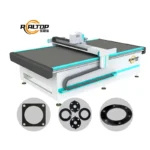
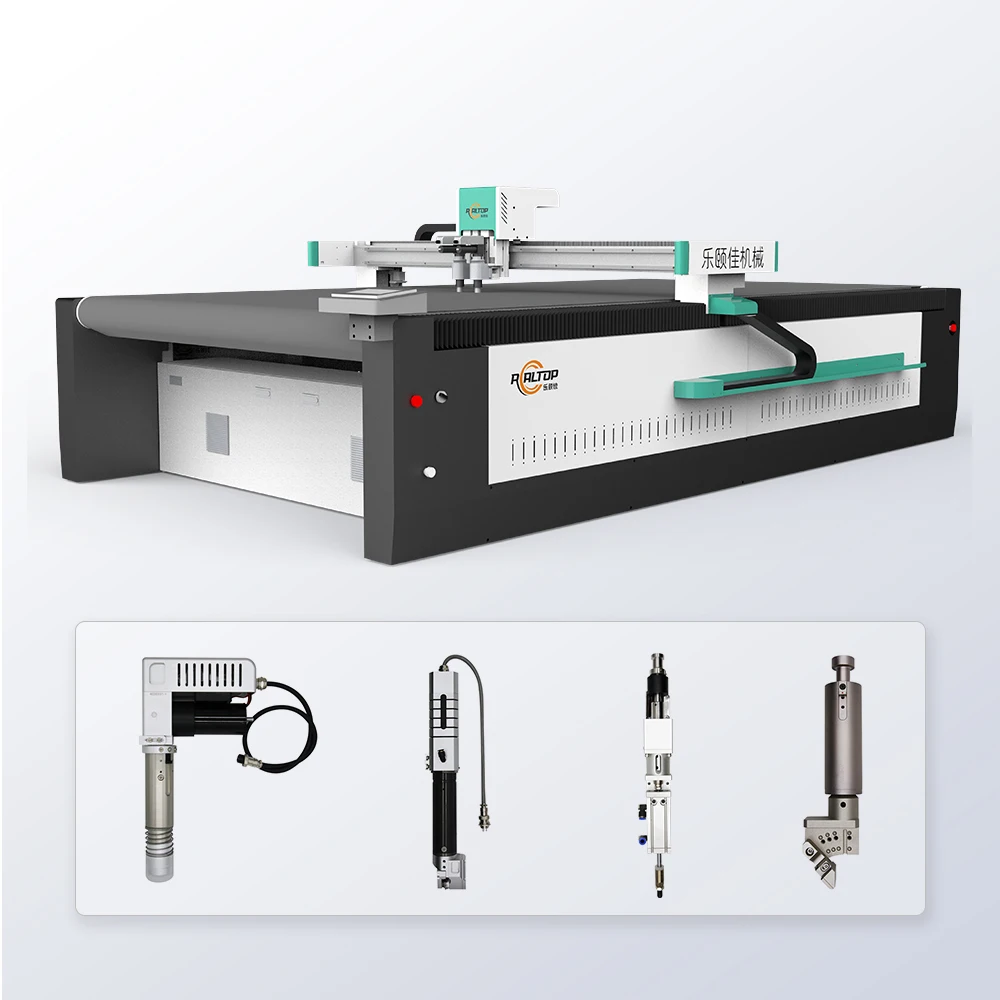
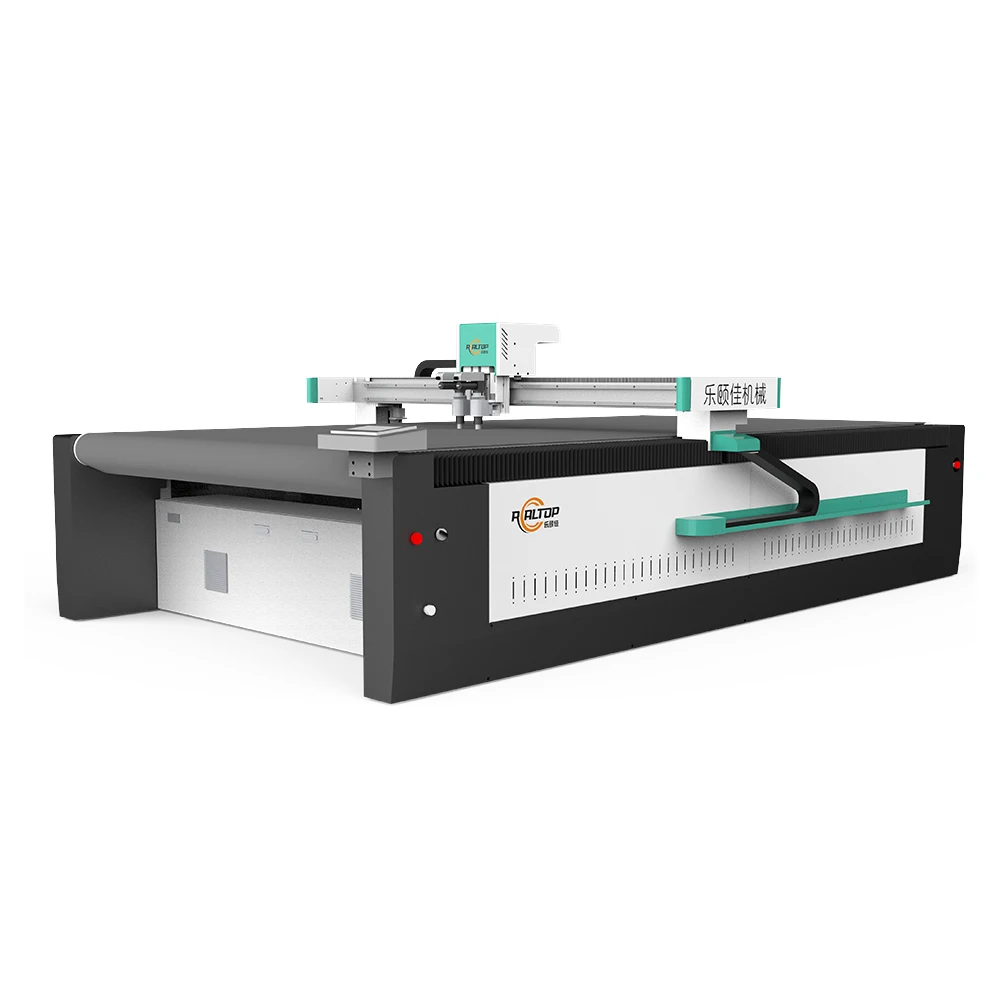
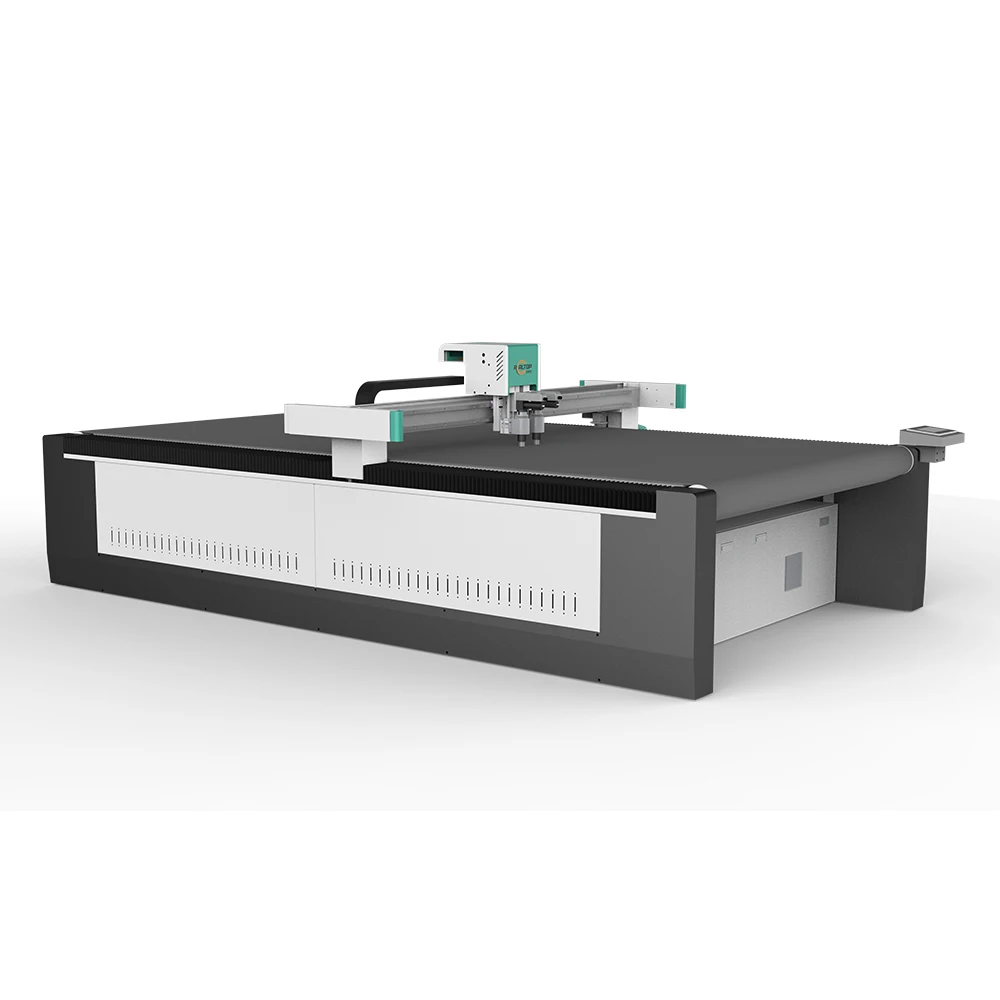
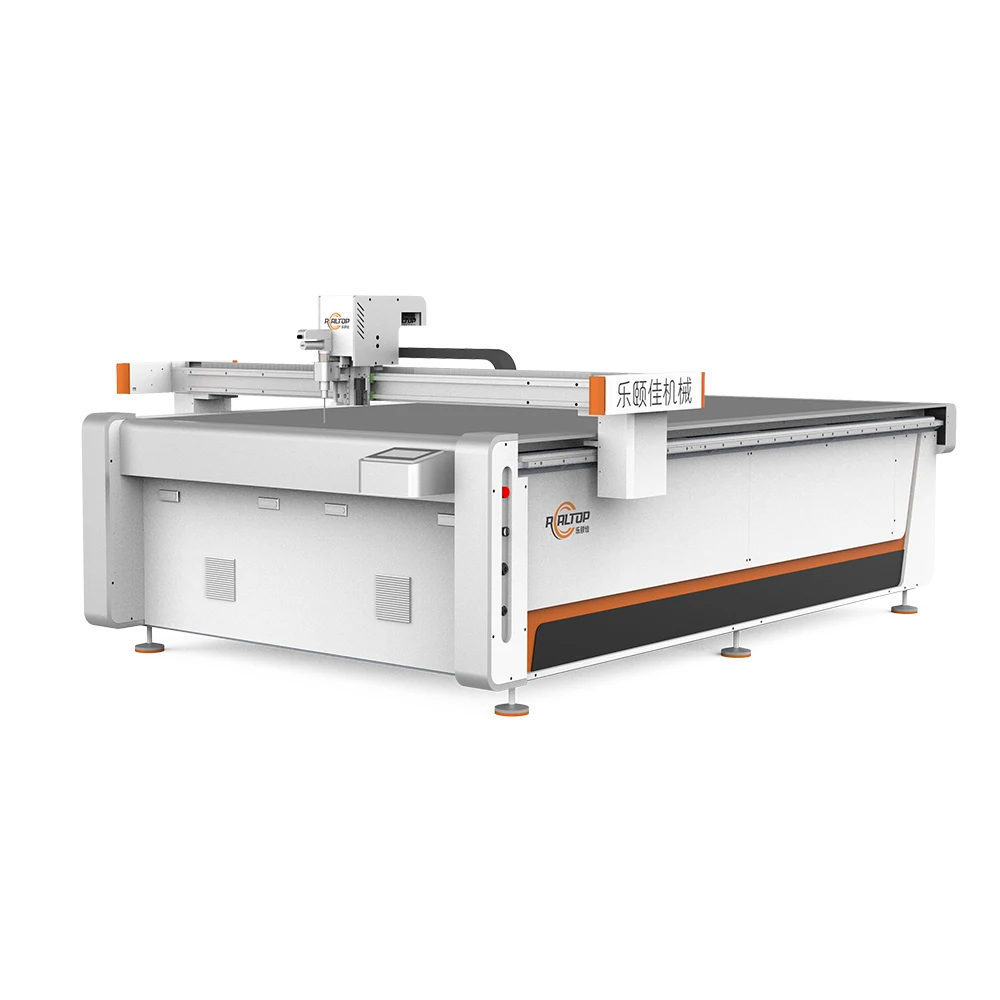
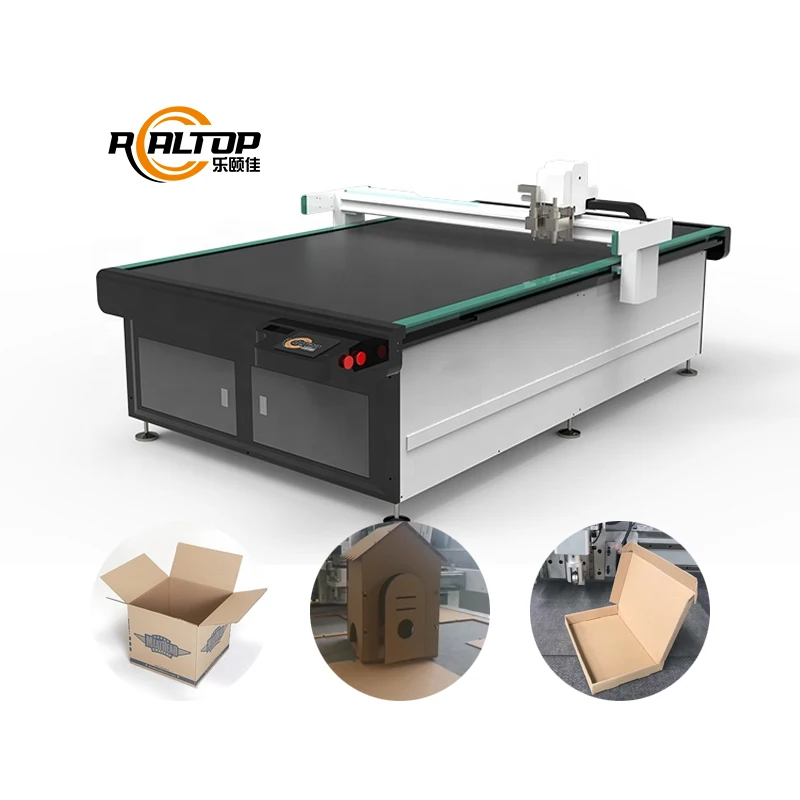
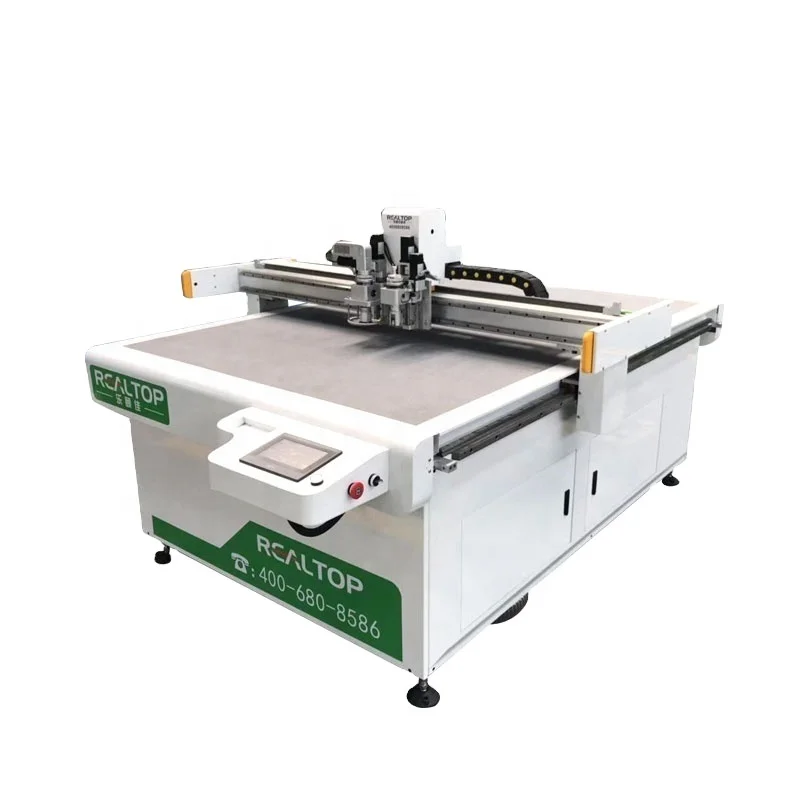
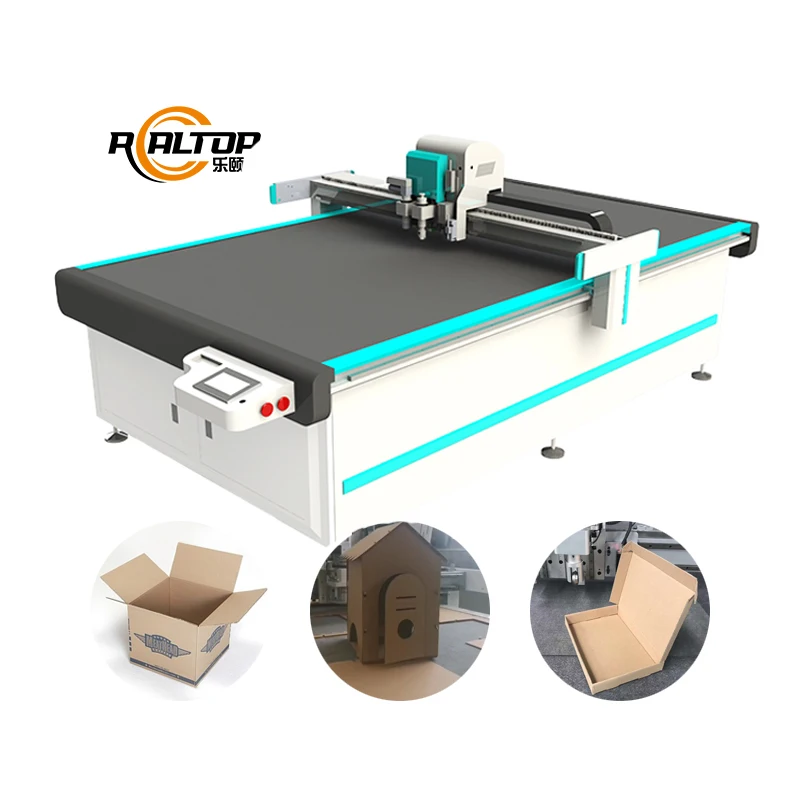
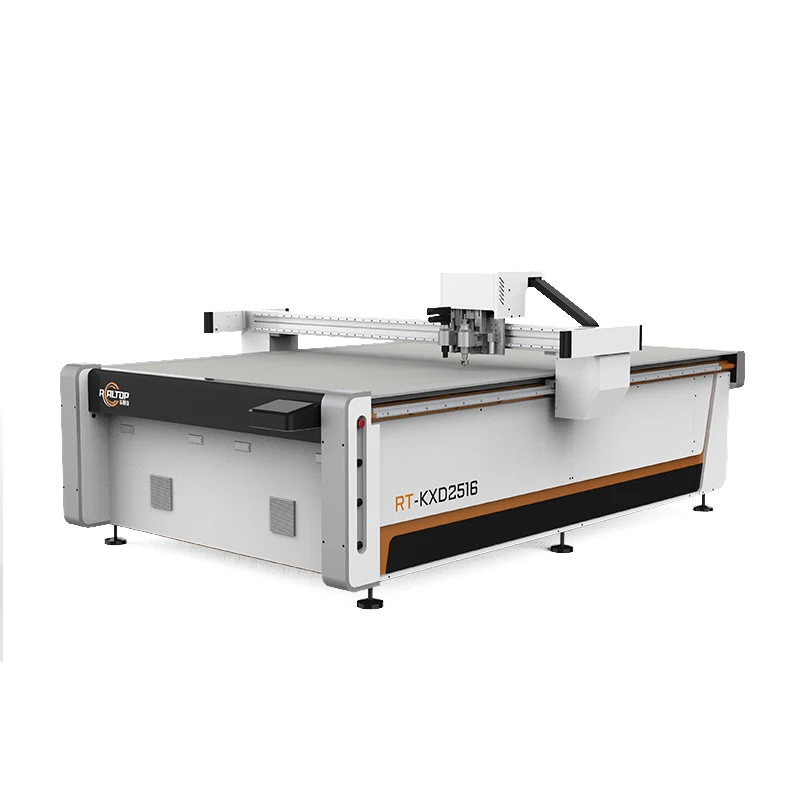
CNC Gasket Cutting Machine RT-D2516 | Factory Direct
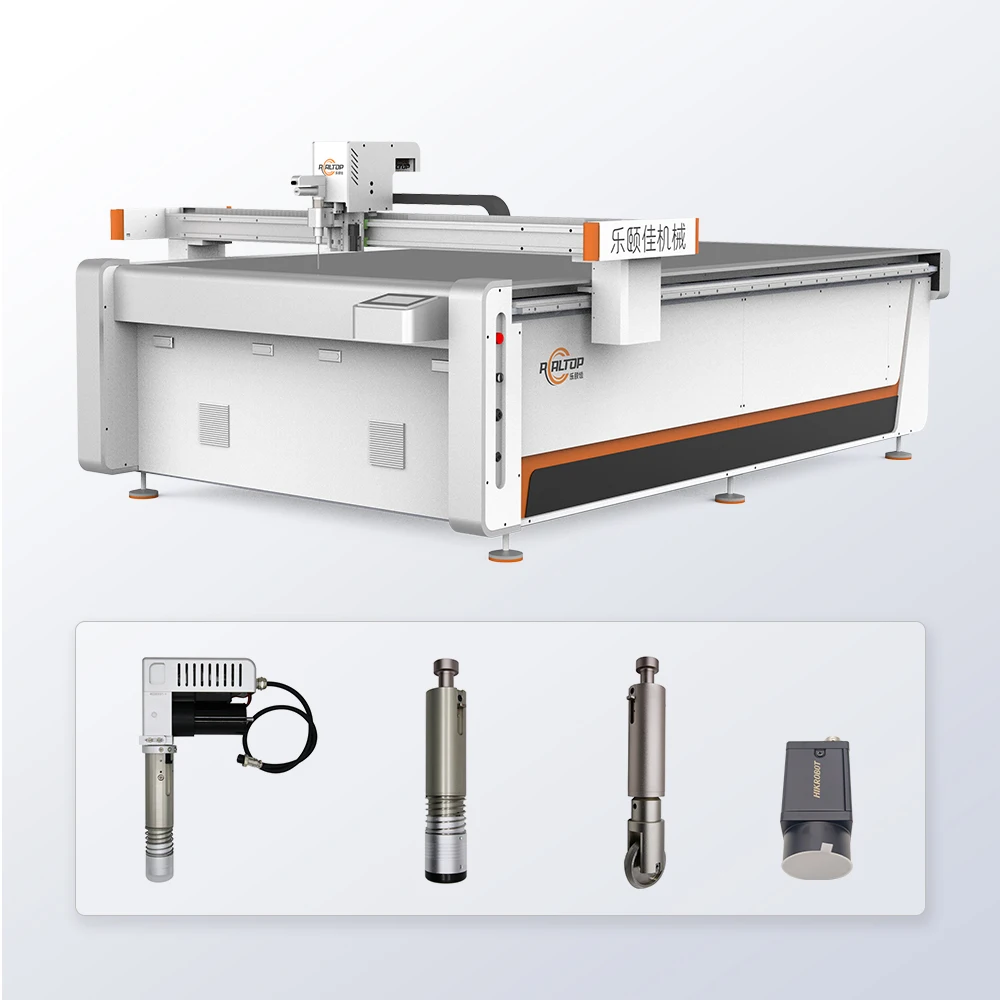
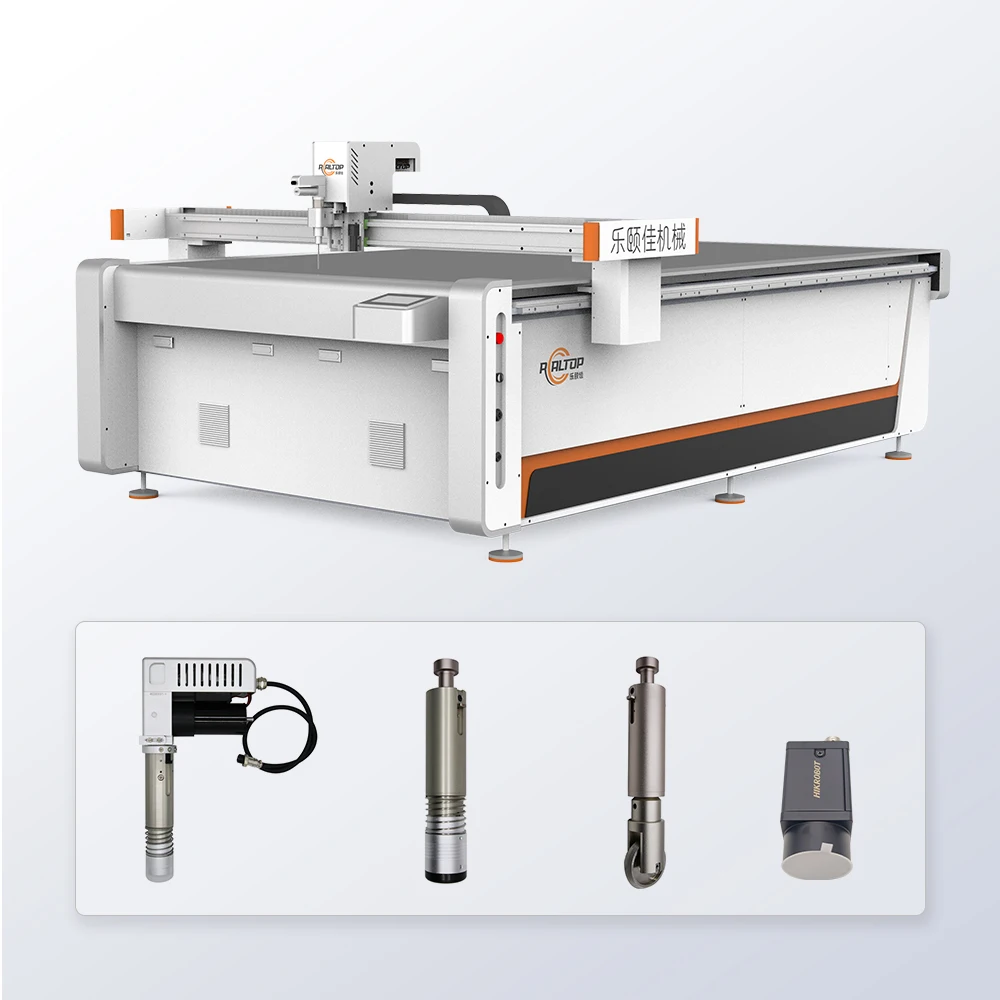
Configurable tool head matching — we specify oscillating, pneumatic or high-power vibrating knife per your gasket material density, not by catalogue default.
Technical Specifications
| Parameter | Value |
|---|---|
| Model | RT-D2516/RT-S2516 |
| Product Type | CNC Gasket Cutting Machine |
| Working Area | 1600 × 2500 mm |
| Machine Size | 3450 × 2300 × 1250 mm |
| Rated Power | 9 kW |
| Translational Velocity | 800–1200 mm/s |
| Repeated Accuracy | ≤0.1 mm |
| Servo Motor | Delta (optional Panasonic), IP67 rated |
| Transmission | Digital servo motor, Taiwan Hiwin linear guide, synchronous belt, imported ball screw |
| Vacuum Table | Magnesium-aluminum alloy, PVDF powder spraying, anodic oxidation |
| Vacuum Pump | 7.5 kW, aviation aluminum shell with built-in silencer |
| Positioning | CCD camera mark point, panoramic camera recognition, projection positioning |
| Tool Head Options | Oscillating knife, pneumatic knife, high-power vibrating knife, circular knife, V cutting knife, drag knife, creasing wheel, punching, brush |
| Instruction System | HP-GL compatible format |
| Voltage | 380V ± 10% |
| Frame | Thick-walled seamless steel, high-temperature tempering, CNC machining center finished |
| Safety Device | Infrared sensors |
| Conveyor Belt | Germany imported |
| Language Options | English, Russian, Italian, Chinese (customizable) |
| Standards | CE declaration where applicable |
Application Suitability
| Application | Material or Output |
|---|---|
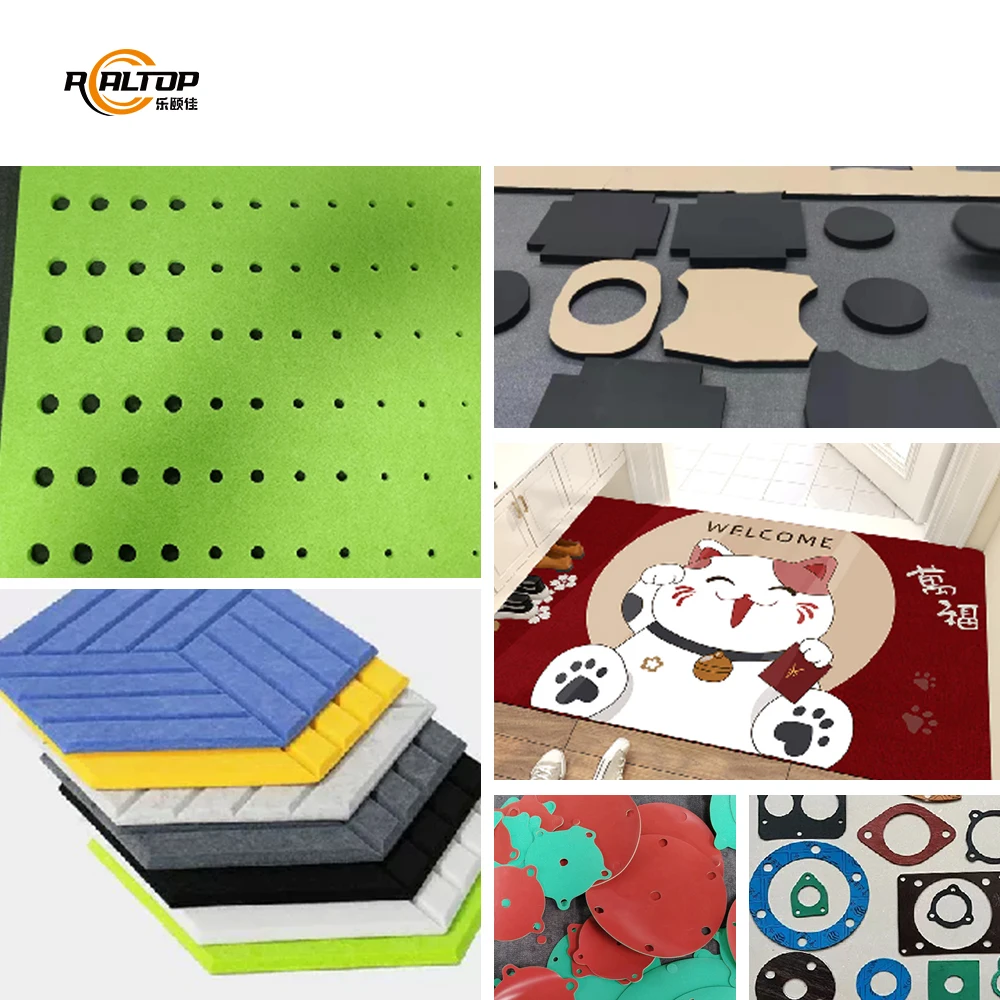
| Automotive gasket and sealing pad production | Compressed non-asbestos fiber, rubber composite, cork-rubber blends |
| Industrial flange sealing components | PTFE, ETFE, graphite laminate, soft glass sheets |
| OEM gasket fabrication and prototyping | Aramid fiber, cellulose-nitrile binder, spiral-wound filler |
| Marine and HVAC sealing parts | EPDM, neoprene, silicone sheet |
| Electrical insulation gasket cutting | Fiberglass reinforced laminate, composite insulating board |
Why Material Composition Must Drive the Tool Head Decision
A CNC Gasket Cutting Machine manufacturer who only asks for sheet thickness is leaving half the equation on the table. Density, fiber orientation, embedded metal reinforcement and surface lamination all determine whether an oscillating knife, a drag knife or a pneumatic blade produces a usable edge — or shreds the material entirely.
The right head is matched to what the shop floor actually cuts, not what the sample envelope says.
I once saw a distributor send a non-asbestos fiber sample for testing. We tuned the oscillating knife perfectly, the cuts came out clean, the order shipped. Then the end user loaded spiral-wound gasket sheets with metal windings on the same table — the blade chipped within the first hour of production [NEED_CITE: material composition effect on oscillating knife blade life]. The machine was never wrong for the sample; it was wrong for the real job. That is why we now require a full material data sheet and production sample before confirming any tool head configuration.
Frame Rigidity and Long-Term Cutting Accuracy
The CNC Gasket Cutting Machine RT-D2516/RT-S2516 frame is built from thick-walled seamless steel that undergoes high-temperature tempering before final CNC machining center finishing. This sequence relieves internal stresses introduced during welding, so the frame does not slowly warp over months of vibration loading. For gasket work where bore spacing and bolt-hole positions must stay within tight tolerances, dimensional stability of the bed is as important as the motion system riding on it. Taiwan Hiwin linear guides and imported ball screws complete the drive path from servo motor to tool head.
Vacuum Holding Power for Small Sealing Parts
A magnesium-aluminum alloy table with PVDF fluorocarbon powder spraying and anodic oxidation provides a flat, corrosion-resistant surface for vacuum adsorption. The 7.5 kW vacuum pump with integrated aviation aluminum housing delivers the suction needed to keep thin PTFE and rubber sheets immobile at cutting speeds up to 1200 mm/s. Zoned vacuum sections allow operators to activate only the areas under the sheet, which matters when nesting small flange gaskets where an open zone would bleed suction and let edges lift [NEED_CITE: vacuum zoning strategies for small-part flatbed cutting].
Reading the Specs That Matter on the Shop Floor
The working area of 1600 × 2500 mm accommodates standard gasket sheet formats, reducing the number of reloads per shift. Repeated positioning accuracy of ≤0.1 mm means that when the same bolt-hole pattern is cut across hundreds of sheets, the cumulative positional drift stays within sealing tolerances. The Delta servo motors (Panasonic as an option) carry an IP67 rating, protecting against coolant mist and dust that accumulate around gasket cutting stations. The HP-GL compatible instruction system integrates with common nesting software, so existing CAD files from gasket design packages can be imported without manual redrawing. CCD camera mark point positioning handles printed contour sheets — useful when cutting gaskets from pre-printed composite rolls where the outline is registered to a printed fiducial rather than a mechanical datum.
The Hidden Cost of Skipping a Material Trial
When a buyer accepts a quotation based only on working area and motor power, the first production run becomes the real test — and the scrap pile becomes the invoice [NEED_CITE: gasket edge quality requirements for industrial sealing applications]. A drag knife that tears compressed fiber, an oscillating frequency too low for dense rubber, or insufficient vacuum on thin ETFE can each produce hours of unusable parts before the root cause is identified. These failures are not machine defects; they are configuration mismatches that a pre-order sample cut on the buyer’s own material would have surfaced before the machine left the factory.
What Purchasing Direct From the Build Floor Changes
In-house design covers both oscillating and static knife technologies, so the cutting method is matched to gasket density rather than limited to whatever tooling a trading company stocks. Tool head and vacuum table configurations are specified per material type and daily volume before the order is confirmed, not swapped after delivery. CCD camera positioning, panoramic recognition and projection positioning are available on the same platform, giving gasket fabricators flexibility as product lines change. The factory test runs the buyer’s actual material through the configured tool head and documents edge quality, dimensional accuracy and achievable speed before crating. Voltage, plug type and control language are locked in on the electrical schematic, so the machine arrives ready for the buyer’s facility power and operator preferences.
Documentation & Verification
- Machine specification sheet listing configured tool heads and vacuum zoning layout
- Electrical schematic with confirmed voltage, plug type and frequency for destination country
- Sample cutting report on buyer’s gasket material showing edge quality and dimensional results
- Factory test record with repeated accuracy measurement before dispatch
- Software licence and HP-GL file format compatibility confirmation note
- Spare parts list covering blades, vacuum seals and guide bearings
Installation, Commissioning & Support
- Floor space allocation based on 3450 × 2300 mm machine footprint plus material staging clearance
- Dedicated 380V ± 10% circuit with adequate breaker rating for 9 kW total load
- Delta servo drives (or optional Panasonic) configured to local frequency and language at factory
- Taiwan Hiwin linear guide inspection and belt tension check upon arrival before first power-on
- CCD camera and panoramic positioning calibration using buyer’s printed gasket templates
- Oscillating knife blade replacement schedule and vacuum pump silencer maintenance interval briefing
Moving From Inquiry to Production-Ready Configuration
Send the specific gasket materials you cut — composition, thickness range and whether any layers contain metal reinforcement. Include your standard sheet sizes and daily part count so we can size the vacuum zoning and tool head accordingly. Confirm your facility voltage, frequency, plug standard and the operator interface language you need before we release the electrical schematic.
Frequently Asked Questions
Q: How do you match tool head type to gasket material thickness and composition?
A: We request a material data sheet and physical sample, then run test cuts with oscillating, pneumatic and drag knife options. The head that produces clean edges without delamination or fiber pull-out at the required depth is written into the configuration list. Density, reinforcement and binder type all influence this choice, not thickness alone.
Q: What voltage, plug and control language options are confirmed before shipment?
A: The standard supply is 380V ± 10%, but frequency and plug type vary by destination. We confirm these on the electrical schematic before production begins. Control language is selectable from English, Russian, Italian, Chinese or other agreed languages, and the setting is loaded before the factory test.
Q: Can the CCD camera track printed marks at full production speed on gasket sheets?
A: The CCD camera mark point system and panoramic camera recognition are designed for contour cutting on printed materials. Performance depends on mark contrast, print registration tolerance and sheet flatness on the vacuum table. We verify tracking reliability during the sample cutting stage using your actual printed sheets.
Q: How is vacuum table zoning configured for small gasket parts to prevent lift?
A: The magnesium-aluminum alloy table is divided into suction zones. Operators activate only zones covered by the current sheet, which concentrates vacuum hold on the working area. This prevents small flange gaskets and sealing pads from lifting at cutting speeds, particularly on thin or low-friction materials like PTFE.
Q: What does the sample cutting process involve before placing an order?
A: You send your production gasket material, and we cut it on the configured RT-D2516/RT-S2516 using the tool head we recommend. A sample cutting report documents edge quality, dimensional accuracy and the speed achieved. You review the report and receive the physical cut pieces before confirming the order.
You may also like

商品评价
Clear filtersThere are no reviews yet.