


-
 Courier delivery
-
 DHL Courier delivery
-
 Warranty 1 year
-
 Free 30-Day returns

Frame Rigidity First — Realtop machines start with thick-walled seamless steel welded frames, heat-treated and CNC-machined for long-term geometric stability before any tool head is mounted.
Technical Specifications
| Parameter | Value |
|---|---|
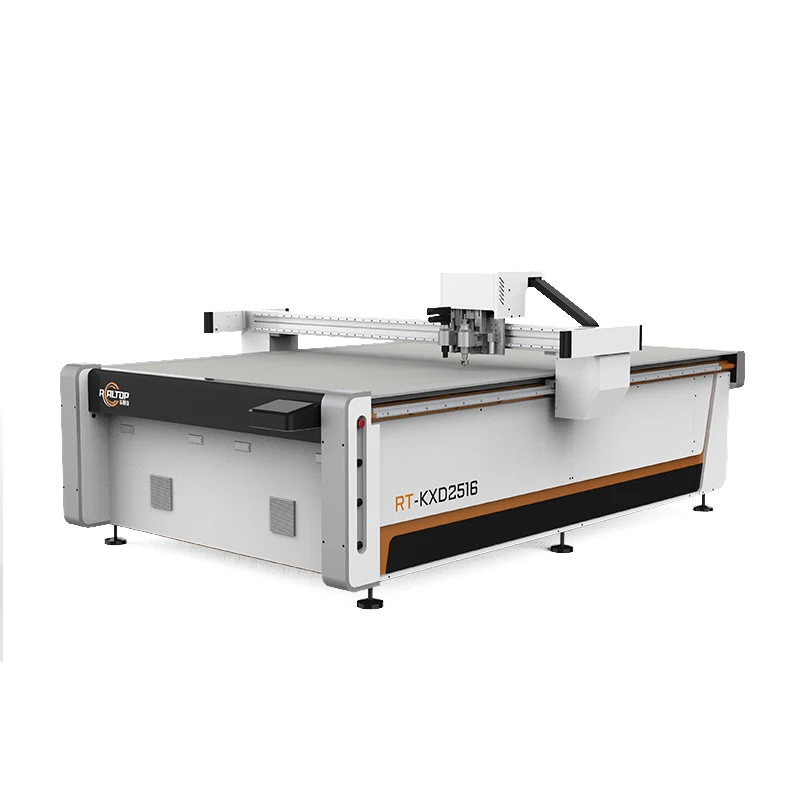
| Model | RT-D2516/RT-S2516 |
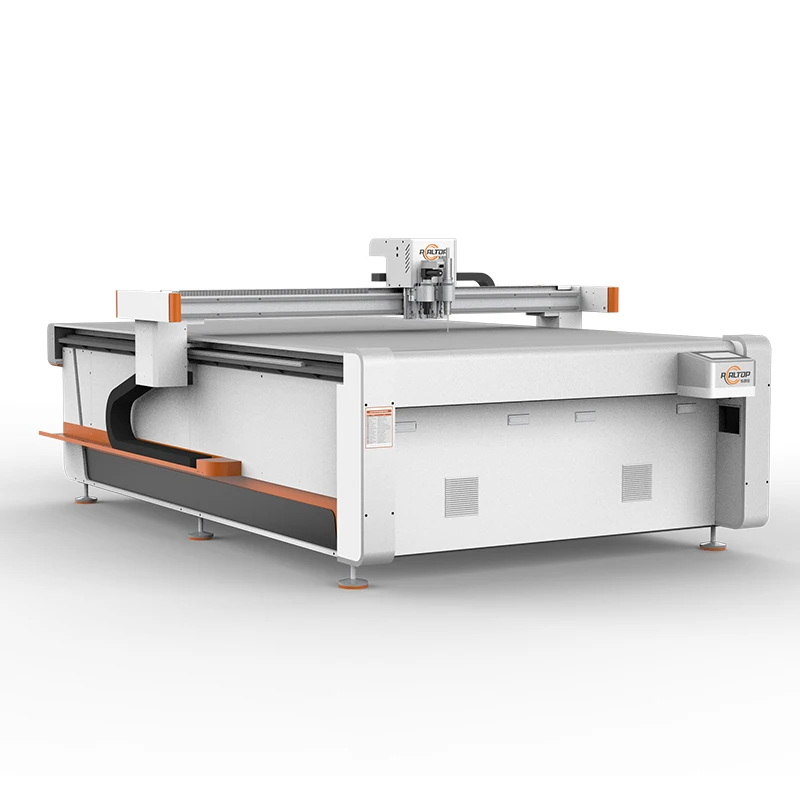
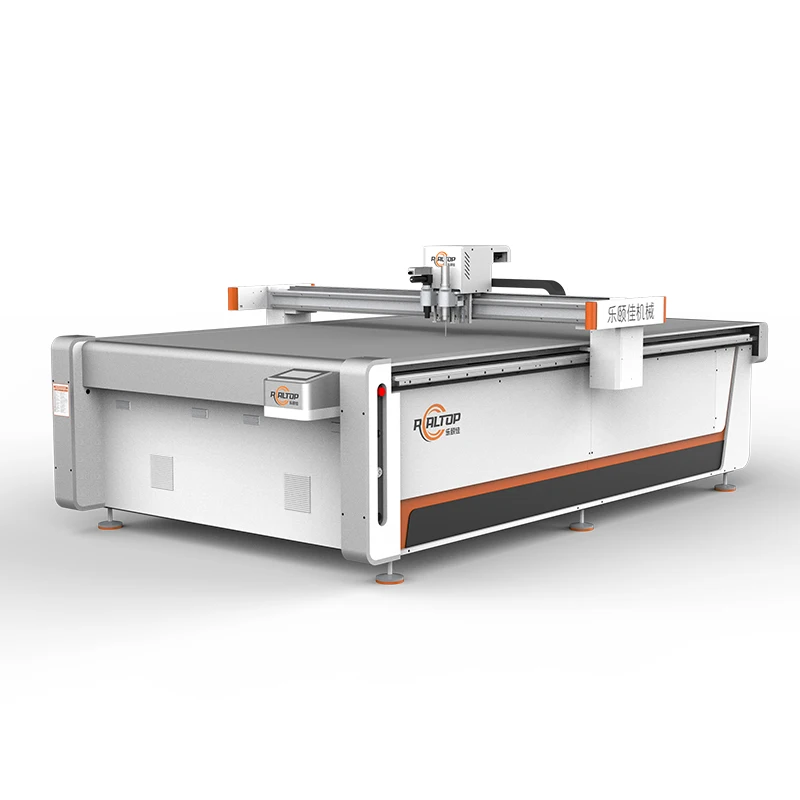
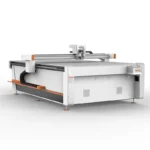
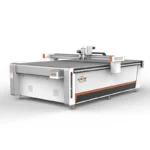
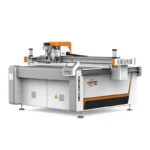
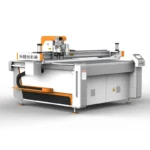
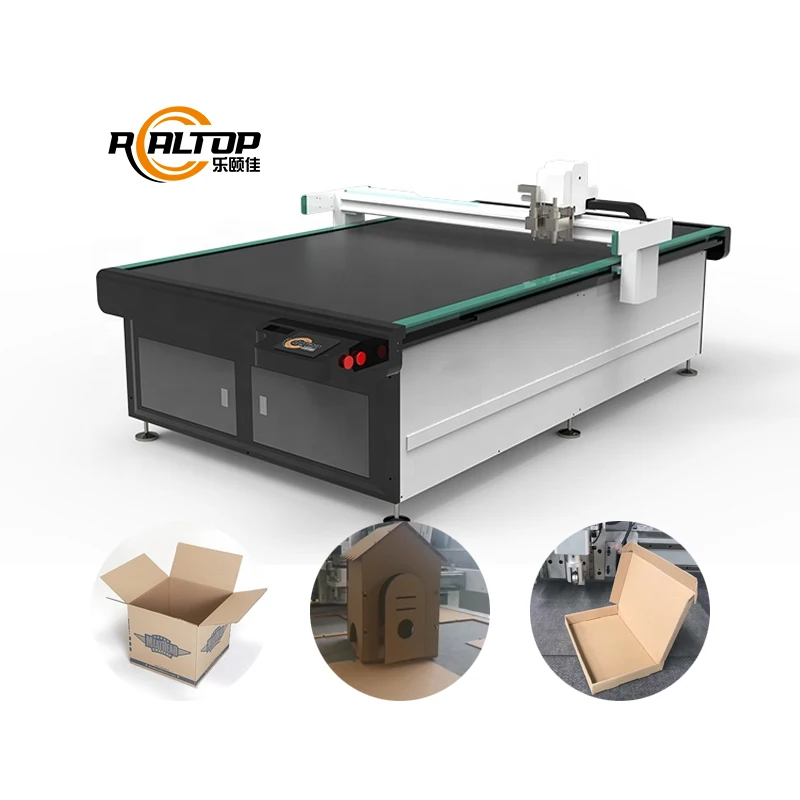
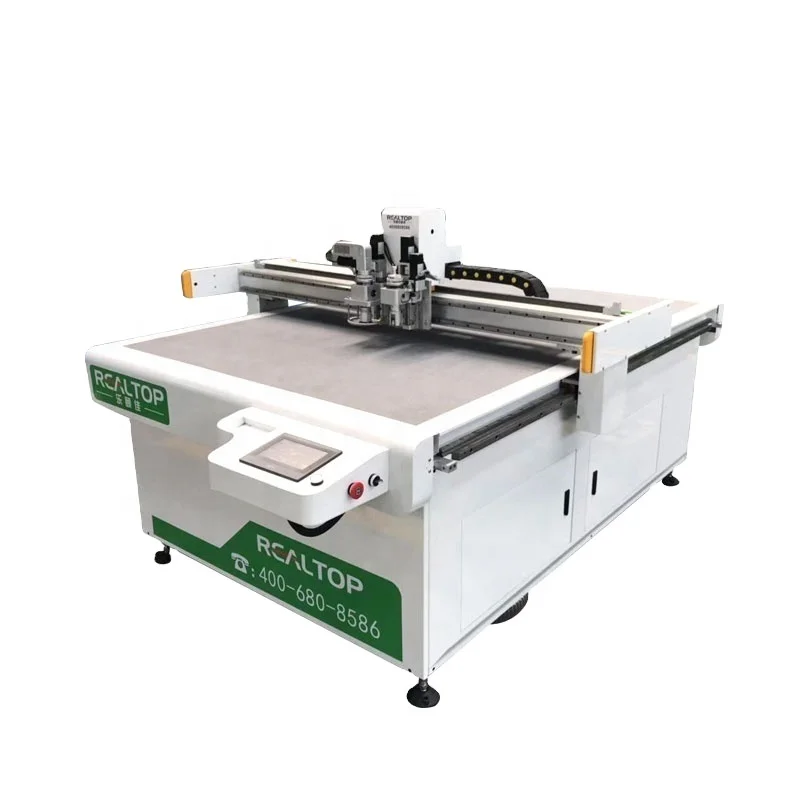
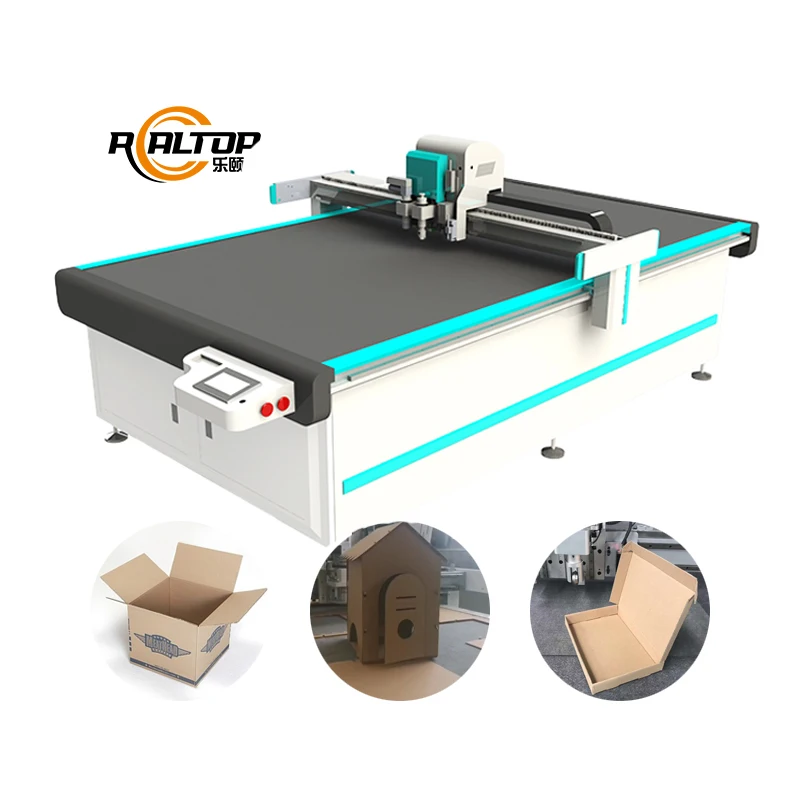
| Product Type | CNC Oscillating Knife Cutting Table |
| Working Area | 1600×2500mm |
| Overall Dimensions (L×W×H) | 3450×2300×1250mm |
| Rated Power | 9kW |
| Voltage | 380V±10% (frequency 50/60Hz to be confirmed per destination) |
| Translational Velocity | 800–2000mm/s |
| Cutting Speed | 200–800mm/s (basis not stated in source — confirm material type and thickness) |
| Cutting Thickness | ≤100mm (varies with material) |
| Repeatability | ≤0.1mm |
| Transmission System | Digital servo motor (Delta or Panasonic optional), Taiwan Hiwin linear guide, synchronous belt, ball screw |
| Vacuum Table | Magnesium-aluminum alloy, PVDF powder sprayed, anodic and hard oxidation; 7.5kW integrated pump with built-in silencer |
| Table Type Options | Flat working table or auto-feeding table |
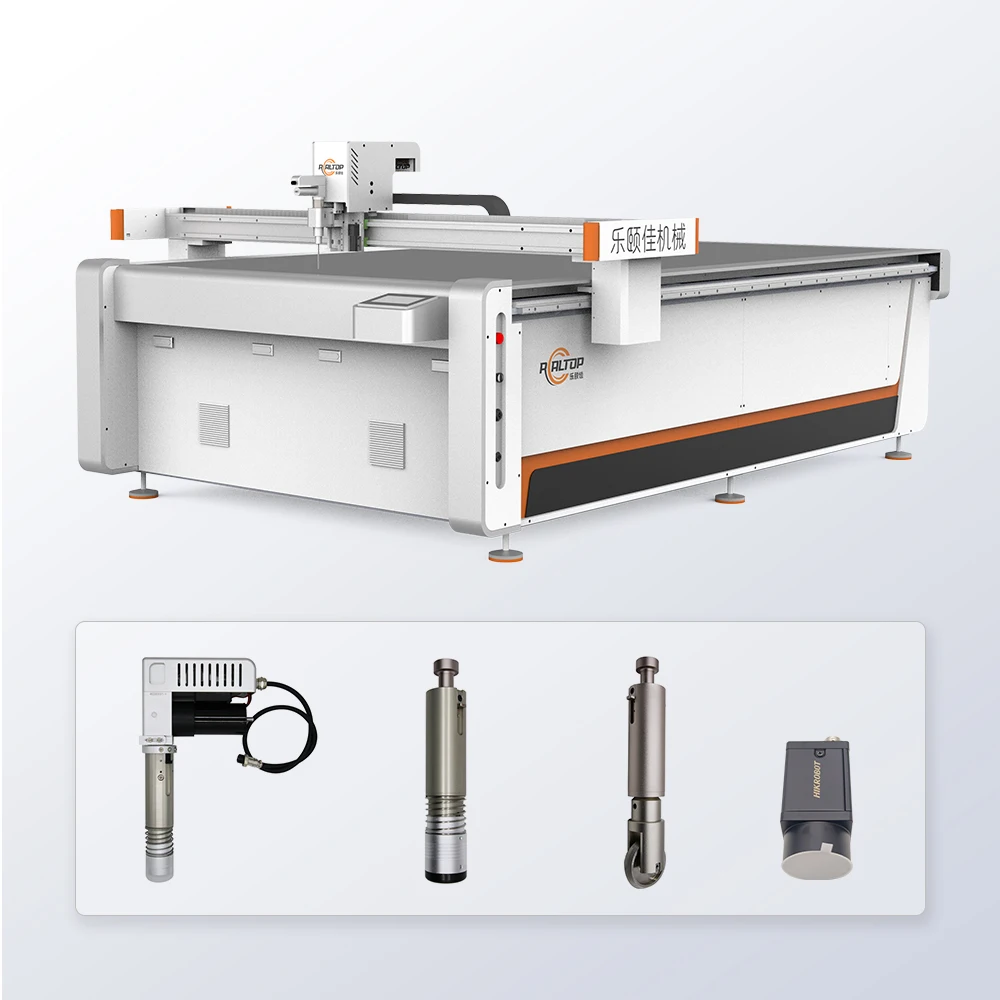
| Tool Head Options | Swiss imported oscillating knife, pneumatic knife, high-power vibrating knife, circular knife, V-cutting knife, drag knife, creasing wheel, dotted line knife, punching tool, brush |
| Positioning System Options | Small CCD camera mark-point, panoramic camera recognition, projection positioning |
| Control / Instruction Format | HP-GL compatible |
| Software Compatibility | PLT, DXF, AI file formats; auto typesetting and nesting |
| Safety Devices | Infrared induction blocking, anti-collision sensors on both beam sides, emergency stop with in-situ resume |
| Touch Screen Control Panel | Multi-language (English, Russian, Italian, Chinese; special languages customizable) |
| Conveyor Belt | Germany imported (per configuration list) |
| Standards | CE declaration (where applicable) |
Application Suitability
| Application | Material or Output |
|---|---|
| Carton and packaging sample making | Corrugated cardboard, honeycomb cardboard, V-grooving and creasing operations |
| Leather and footwear production | Genuine leather, PU leather, shoe uppers, luggage material |
| Automotive interior trimming | Composite leather, sponge, EVA, XPE foam board for seat panels and door inserts |
| Gasket and seal fabrication | PTFE, ETFE, rubber, PP, PE sheets for industrial sealing pads |
| Textile and garment processing | Clothing cloth, non-woven fabric, carpet, multi-layer fabric stacks |
| Signage and advertising | PVC sheet, soft glass, silicone, sticker and film contour cutting |
Why the Voltage Question Must Come Before the Quotation
A 380V machine landing in a 440V facility sits idle for weeks while a transformer is sourced overseas.
I once watched a Middle East carton plant lose nearly a month of production because the voltage mismatch was discovered only after the crate was opened. The oscillating knife head was correct, the vacuum table was right, but the electrical specification was never confirmed against the local grid [NEED_CITE: voltage and frequency standards by export market]. That gap between what the factory ships and what the workshop supplies is where CNC oscillating knife cutting table manufacturer accountability gets tested. Frequency differences between 50Hz and 60Hz markets compound the problem — motors run hotter, vacuum pumps lose suction, and servo drives throw faults that look like mechanical failures. The responsible move is to lock electrical specifications into the purchase contract before production starts, not after the bill of lading is issued.
Frame Construction and Geometric Stability Over Time
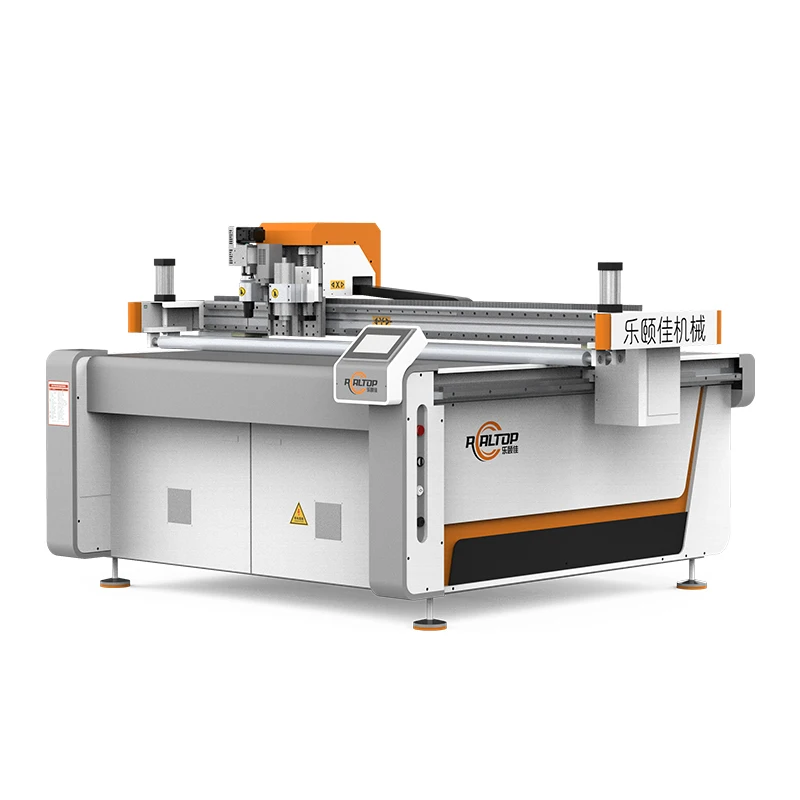
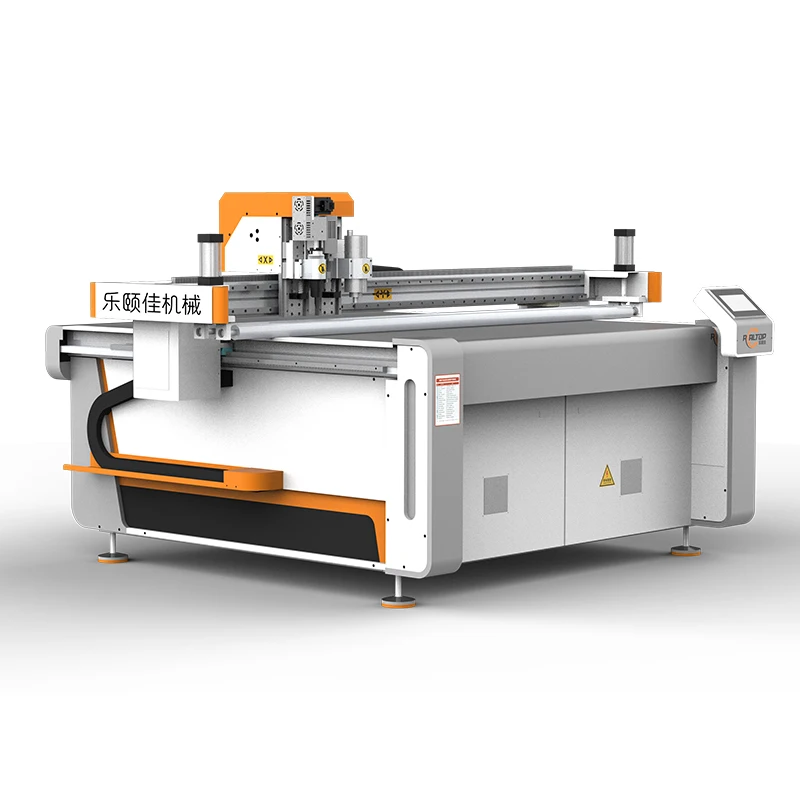
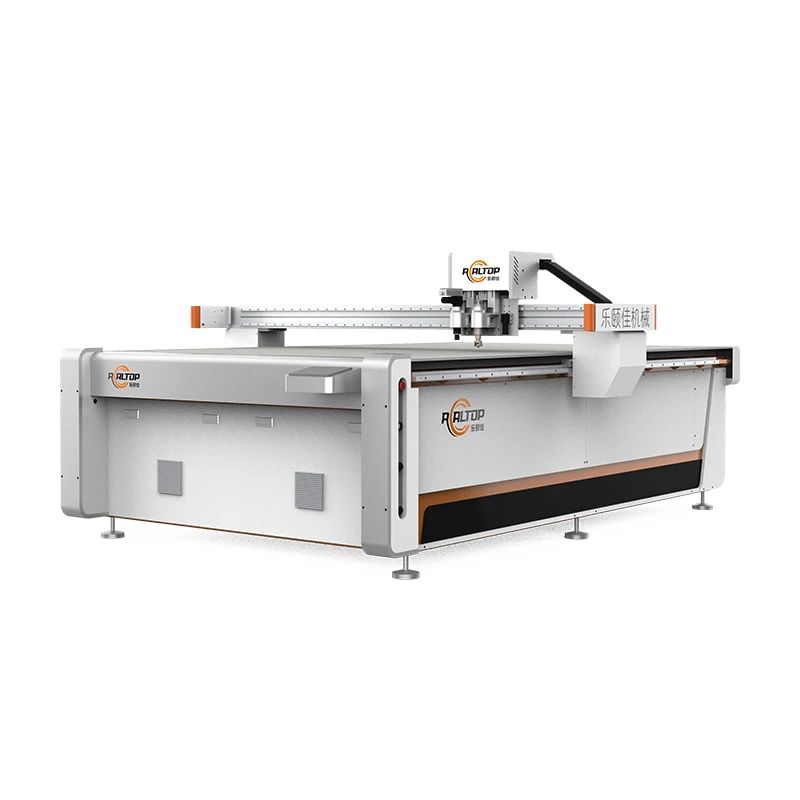
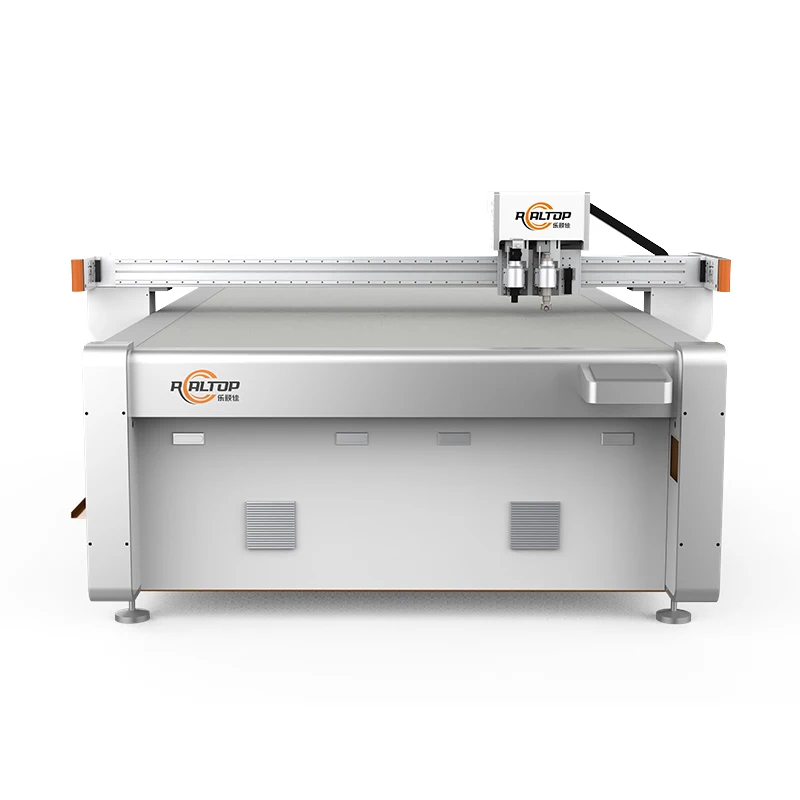
Every cutting edge result starts with what sits beneath the table. The RT-D2516/RT-S2516 frame is built from thick-walled seamless steel tubing, welded into a single structure and then subjected to high-temperature tempering before final machining on a CNC machining center. This sequence matters because residual welding stress, if left untreated, releases gradually over months and shifts the gantry alignment by fractions of a millimeter — enough to produce ragged edges on corrugated board or inconsistent crease depth on honeycomb stock. As a CNC oscillating knife cutting table manufacturer controlling this process in-house, Realtop eliminates the variable that most field service calls trace back to the frame.
Vacuum Hold-Down Architecture for Small and Large Parts
The magnesium-aluminum alloy vacuum table is finished with fluorocarbon PVDF powder spray and hard anodic oxidation, creating a surface that resists scratches from repeated material loading while maintaining flatness across the full 1600×2500mm working area. A 7.5kW vacuum pump with an integrated aviation aluminum shell and built-in silencer sponge delivers uniform suction without the noise levels typical of external blower setups. For packaging sample makers running small carton blanks alongside full-sheet corrugated layouts, consistent vacuum distribution means parts do not lift at the edges mid-cut — a failure mode that ruins both the piece and the blade [NEED_CITE: vacuum zoning requirements for small-part CNC cutting].
Reading the Specifications That Actually Affect Your Output
Cutting speed is listed at 200–800mm/s, but the real question is which material and thickness that range applies to — a figure valid for 3mm corrugated board may not hold for 15mm honeycomb stock, so buyers should request speed benchmarks against their own material stack. Repeatability of ≤0.1mm ensures that crease lines and cut paths align within tolerances acceptable for folding carton assembly, where even slight misregistration causes flap gaps downstream. The Swiss imported oscillating knife head delivers full-cut, half-cut, and cursor-location functions in one tool station, meaning a packaging workflow that requires both through-cuts and score lines can run without manual tool changes. Tool-head selection must match the declared material: a drag knife handles thin vinyl cleanly, while a high-power vibrating knife is needed for dense foam or thick gasket material.
The Cost of Skipping Configuration Verification
Choosing a tool head based on catalog description rather than material testing leads to crushed foam cores, delaminated composite edges, or blade wear measured in hours instead of weeks. When vacuum zoning is not specified for the actual part size being cut, small gasket blanks shift during high-speed passes, producing scrap that accumulates across a shift [NEED_CITE: material-specific tool head selection in CNC cutting]. Software incompatibility surfaces later — a buyer’s existing nesting workflow in DXF may import correctly but fail to recognize layer assignments for half-cut versus full-cut operations, forcing manual reprogramming on every job. These are not warranty claims; they are specification failures that no amount of after-sales support can recover once production deadlines slip.
Why Distributors and Production Managers Source Here
In-house design and production across both knife and laser cutting platforms means one factory is accountable for the entire machine, rather than a trading company assembling components from multiple sources. Tool-head and table configuration is specified against the buyer’s declared material stack and daily volume before a quotation is issued, preventing the mismatch that causes field failures. CCD camera positioning, panoramic recognition, and projection options are confirmed against the buyer’s print-registration requirements during the sampling phase. Voltage, control language, and software compatibility are locked into the specification document before production release, so the machine that arrives matches the facility that receives it. Sample cutting on the buyer’s own material is conducted before commitment, providing physical evidence rather than catalog promises.
Documentation & Verification
- Factory test record covering cutting accuracy on buyer’s specified material thickness range
- Electrical schematic confirming voltage, frequency, and plug type for the destination market
- Tool-head and table configuration list matched to declared material and production volume
- Sample cutting report with physical samples shipped alongside documentation
- Software licence and file format compatibility note for PLT, DXF, and AI workflows
- Packing photographs showing crating condition before container loading
Installation, Commissioning & Support
- Floor space of approximately 3450×2300mm plus clearance for material loading on the RT-D2516/RT-S2516
- Dedicated 380V circuit rated for 9kW continuous draw with confirmed frequency before energizing
- Machine ships partially assembled; gantry and beam require on-site alignment and calibration
- First-run commissioning includes vacuum pressure verification across all table zones at working speed
- Touch screen control panel configured in buyer’s selected language before operator training begins
- Spare parts list covers blades, vacuum seals, and belt segments with recommended stocking quantities
What to Include in Your Inquiry
To receive a configuration that matches your production reality, specify the material types and thicknesses you process most frequently, along with the largest sheet dimension you handle daily. Confirm your facility’s voltage and frequency, the control panel language your operators require, and whether your existing design software outputs in PLT, DXF, or AI format. If you are evaluating the machine for packaging sample making, indicate whether you need creasing, V-grooving, and half-cut functions on the same sheet, so the correct combination of oscillating knife, creasing wheel, and V-cutting knife is quoted from the start.
Frequently Asked Questions
Q: How is the frame built and heat-treated to ensure long-term geometric accuracy?
A: The frame uses thick-walled seamless steel tubing, welded into a single structure and then put through high-temperature tempering to relieve residual stress. Final surfaces are finished on a CNC machining center, ensuring the linear guide mounting planes remain flat and parallel throughout years of high-speed cutting cycles.
Q: What OEM and private-label options are available for distributors?
A: Realtop offers private-label branding on the machine body, control panel interface, and documentation set. Distributors can specify custom color schemes, language packages beyond the standard four, and region-specific electrical configurations — all produced within the same in-house manufacturing line rather than outsourced.
Q: How do you verify component sourcing against the quoted bill of materials?
A: Each machine ships with a configuration list naming the exact servo motor brand (Delta or Panasonic), Taiwan Hiwin rail model, and vacuum pump specification installed. Buyers can cross-reference these against the quotation before production release, and the factory test record documents performance measurements taken with those specific components in place.
Q: What factory test records and documentation ship with each machine?
A: Every unit leaves the factory with a test record covering repeatability measurements, vacuum pressure readings, and cutting samples on the buyer’s specified material. Electrical schematics, software licence documentation, operation manuals in the selected language, and a spare parts list are included in the shipping crate.
Q: Can I run a sample cutting trial on my own material before placing an order?
A: Yes. Buyers send representative material samples to the factory, and the design team configures the tool head, vacuum settings, and cutting parameters accordingly. A sample cutting report with physical cut pieces is returned, allowing evaluation of edge quality, crease depth, and dimensional accuracy before any purchase commitment.
You may also like

商品评价
Clear filtersThere are no reviews yet.