



-
 Courier delivery
-
 DHL Courier delivery
-
 Warranty 1 year
-
 Free 30-Day returns

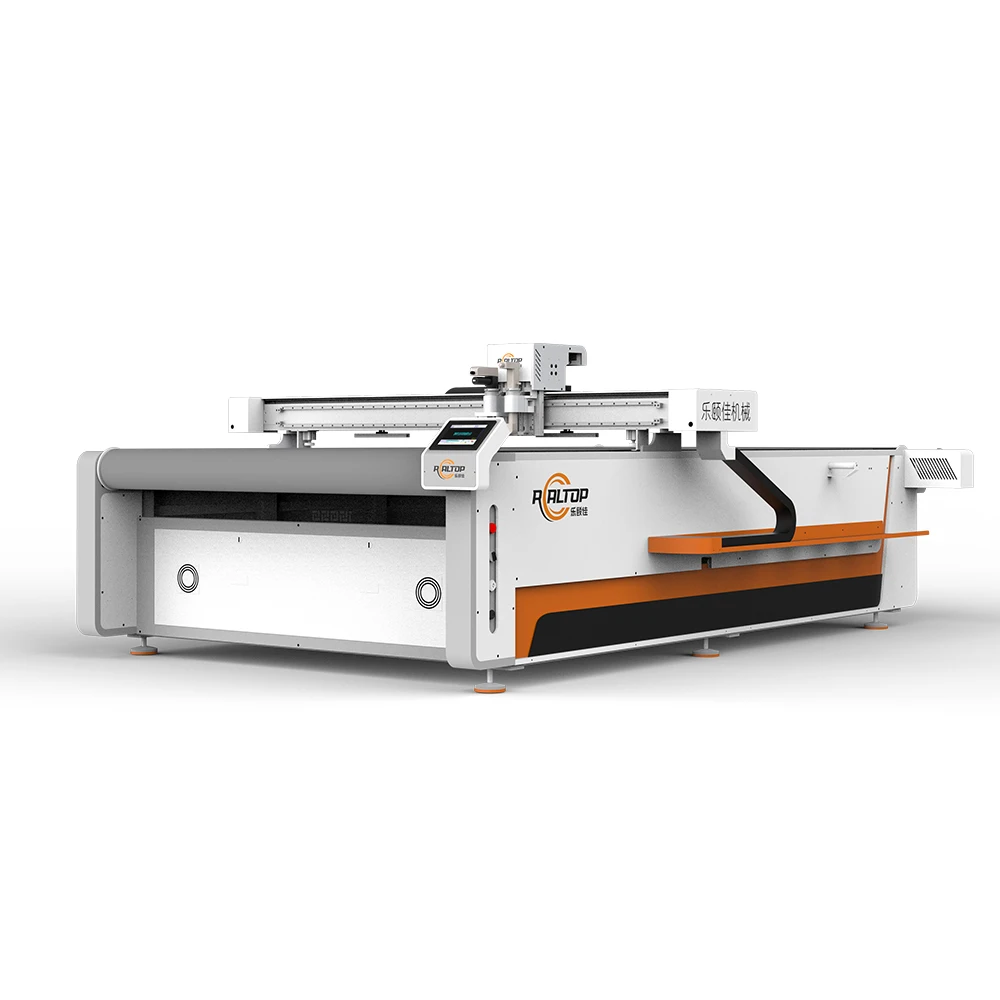
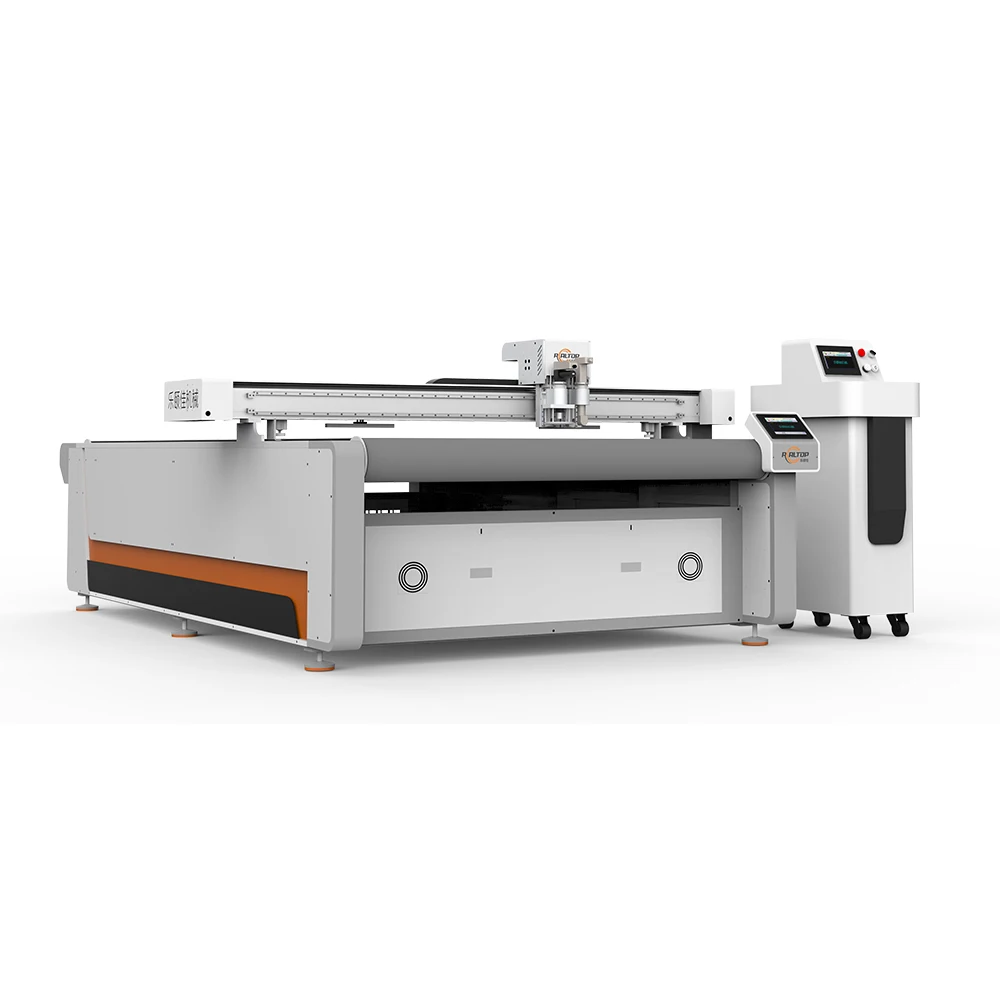
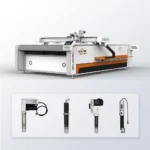
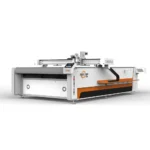
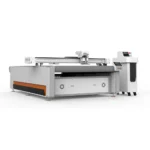
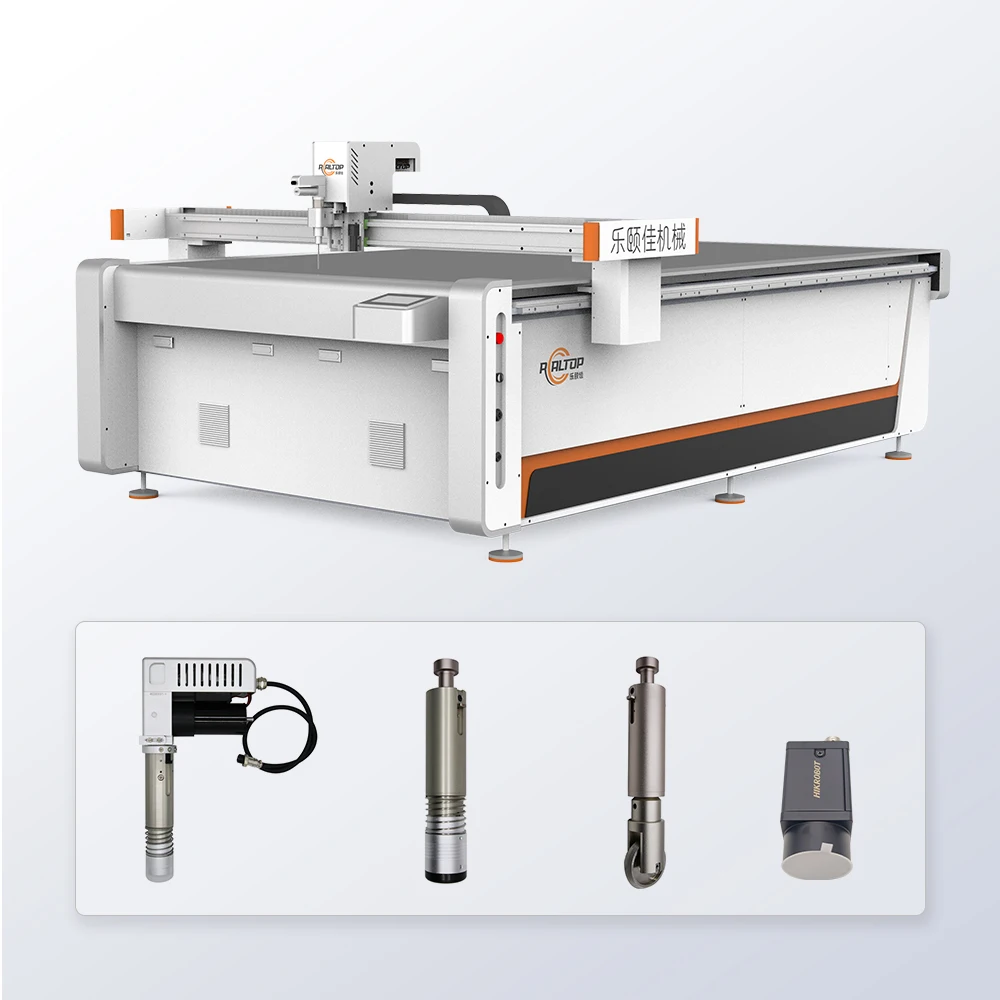
Precision-Built Cutting Frames — The 1625 oscillating knife platform is manufactured in-house from welded steel frame to final PLC commissioning, matching tool head, vacuum zoning, and control language to your fabric, foam, or composite material before the machine ships.
Technical Specifications
| Parameter | Value |
|---|---|
| Product Type | CNC Oscillating Knife Cutting Machine |
| Model | 1625 |
| Working Area | 1600 × 2500 mm |
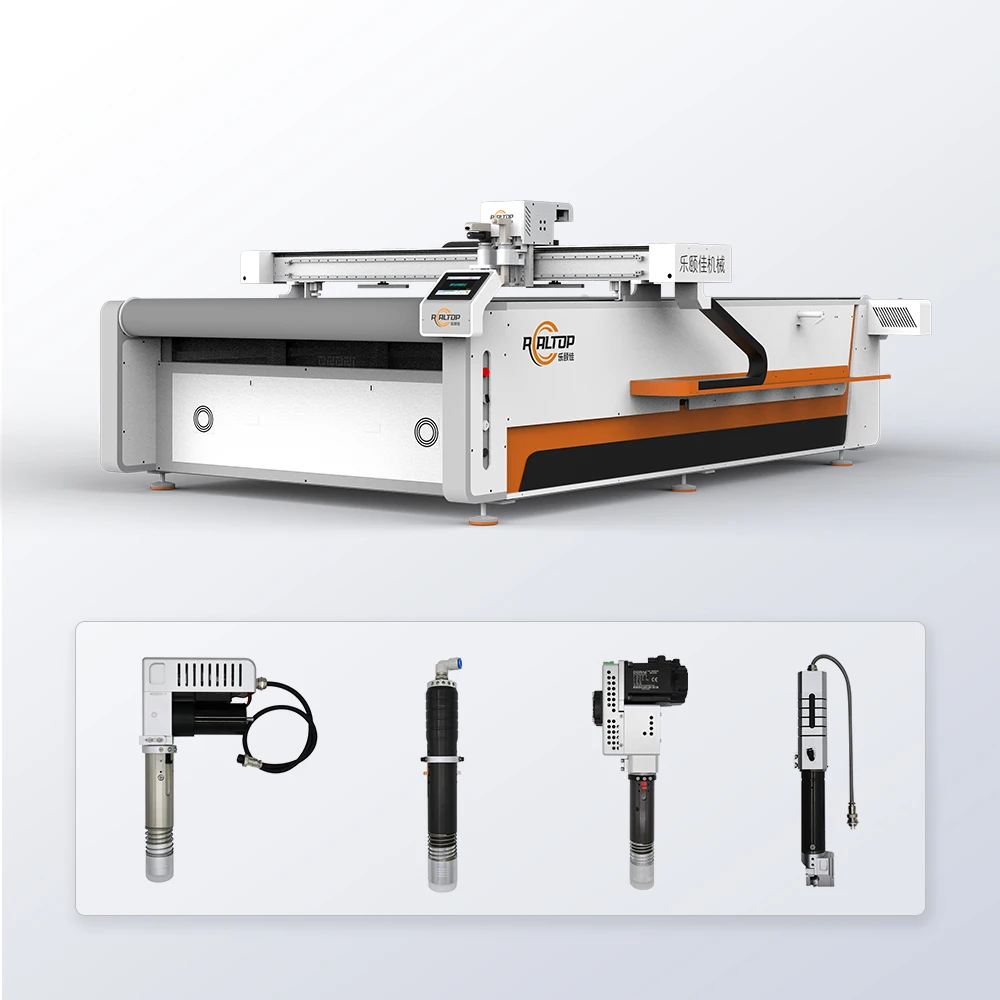
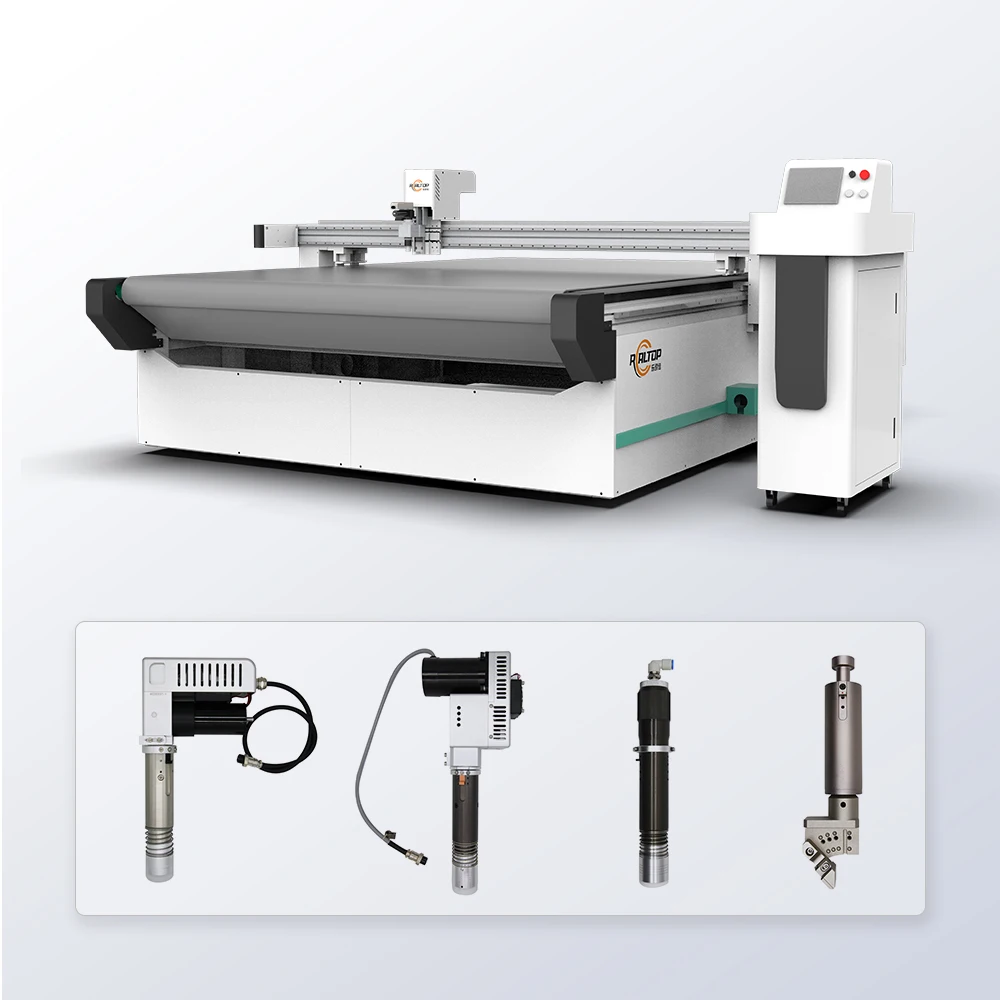
| Tool Head Options | Oscillating knife, driven rotary knife, creasing wheel, kiss cutting tool, pneumatic knife, milling tool, V groove knife |
| Cutting Speed | 0 – 2000 mm/s |
| Cutting Thickness | ≤ 30 mm (basis not stated in source) |
| Cutting Accuracy | ±0.1 mm |
| Vacuum Pump | 9 kW |
| Control System | PLC control panel |
| Drive System | Servo motors (Panasonic, Delta, Dorna options) |
| Voltage Options | 110V / 220V / 380V |
| Language Options | English, Russian, Italian, Chinese (special languages customizable) |
| Profile Formats | PLT, DXF, AI, PDF |
| Safety Devices | Infrared sensor, emergency stop |
| Machine Dimensions | 3300 × 2100 × 1350 mm |
| Compliance | CE |
Application Suitability
| Application | Material or Output |
|---|---|
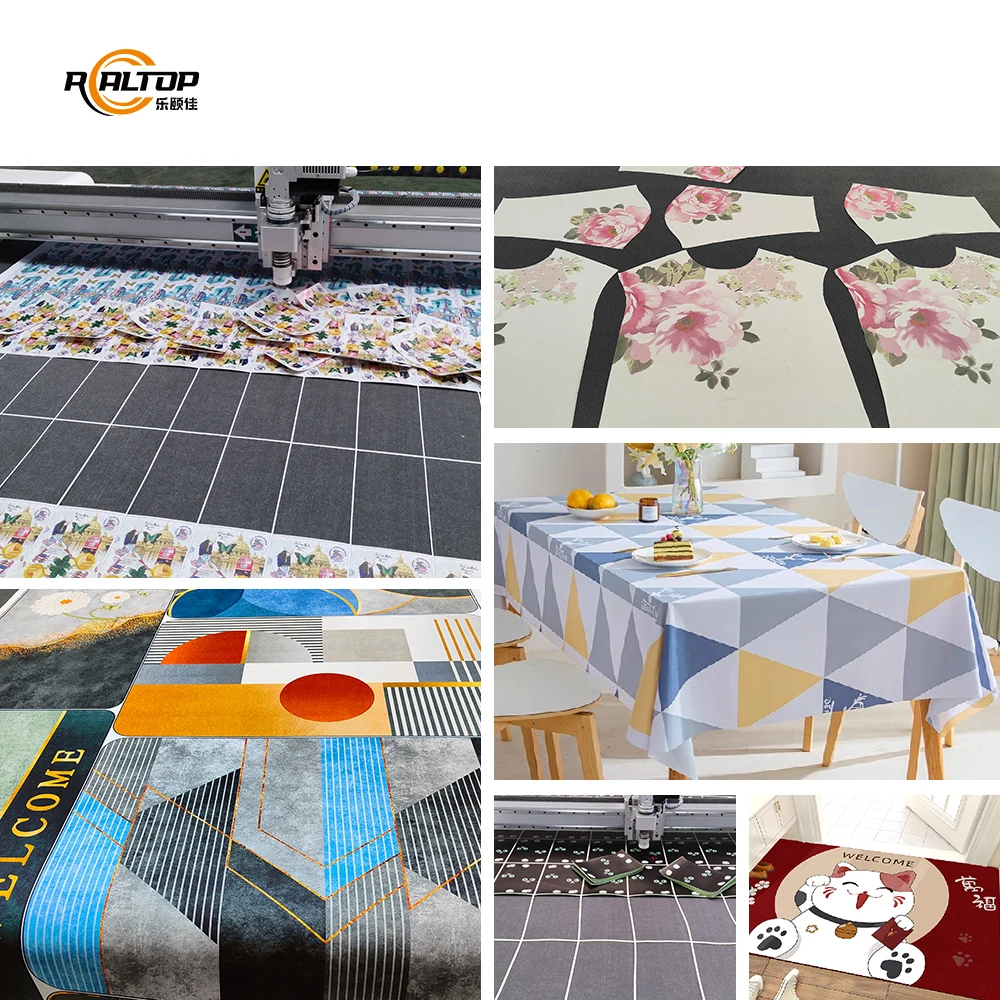
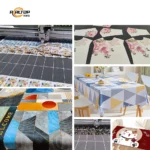
| Apparel manufacturing | Suits, knitwear, lace, complex multi-layer fabrics |
| Automotive interiors | Seat fabrics, carpets, PVC floor mats |
| Home textiles | Sofa fabrics, curtains, rugs, heavy upholstery |
| Composite material processing | Carbon fiber prepreg, aramid, specialty technical textiles |
Why Voltage Must Be Confirmed Before the CNC Oscillating Knife Cutting Machine Manufacturer Ships
A cutting table specified on working area alone often arrives at a plant where the electrical panel does not match the local grid.
I watched an electrician walk off a job in Guadalajara because a 380V 50Hz panel met a 220V 60Hz shop floor. Three weeks passed while a transformer crossed the border. The downtime cost more than the machine. That failure pushed me from the repair bay into sales, where I now confirm voltage, frequency, plug type, and control language before any electrical schematic leaves Shandong [NEED_CITE: voltage and frequency standards by export market]. When you evaluate a CNC oscillating knife cutting machine manufacturer, the electrical conversation should happen in the first week, not the last.
Tool Head Selection Dictates Edge Quality
A fabric producer cutting six-ply knitwear needs a driven rotary knife that shears cleanly without fraying. A foam fabricator cutting 25 mm gaskets needs an oscillating knife at a specific stroke frequency to prevent crushing the cell structure. The 1625 supports seven interchangeable tool heads — oscillating, rotary, creasing, kiss cut, pneumatic, milling, and V groove — so the cutting action matches the material behavior rather than forcing one method across incompatible substrates.
Vacuum Zoning Holds Small Parts in Place
The aluminum bellows vacuum table delivers suction across the full 1600 × 2500 mm surface. But when cutting small pattern pieces like shoe uppers or gasket flanges, full-table vacuum leaves gaps between parts where air leaks in and lifts the material. Zoned vacuum sections isolate suction to the area under the cutting path, keeping irregular shapes flat at high travel speeds. This is where a CNC oscillating knife cutting machine manufacturer must understand the buyer’s nesting layout, not just the machine’s rated suction power [NEED_CITE: vacuum hold-down principles in flatbed digital cutting].
Reading the Numbers That Matter
The ±0.1 mm cutting accuracy depends on the servo drive system maintaining positional feedback across the full 2500 mm Y-axis travel. Panasonic, Delta, and Dorna servo options let buyers choose based on local service availability and spare part lead times. The 9 kW vacuum pump is sized for dense, multi-layer fabric stacks where weaker pumps lose grip as the knife penetrates deeper. Profile format support for PLT, DXF, AI, and PDF means most garment and packaging CAD outputs import directly without file conversion. Machine footprint of 3300 × 2100 mm determines aisle clearance and forklift access — confirm workshop dimensions before the crate arrives.
The Cost of Skipping Material Trials
When a buyer specifies a machine on working area alone and skips sample cutting, the first production run reveals problems: ragged edges on woven fabric, crushed foam cores, or delaminated composite plies. Retooling after installation means flying in a different knife holder, reprogramming tool offsets, and possibly reordering vacuum table inserts. These corrections take weeks. A trial cut on the buyer’s actual material — at production thickness and speed — exposes incompatibilities while changes cost only shipping a sample roll [NEED_CITE: material-specific tooling validation in industrial cutting].
Why Source This Machine Here
The design team engineers both knife and laser cutting platforms under one roof, so a buyer processing both fabric and acrylic can match each material to the correct technology rather than compromise. Tool head and vacuum table configuration are specified per material sample and daily volume, not selected from a generic options list. CCD camera positioning is available for printed contour cutting, verified on the buyer’s artwork before the order is finalized. Software compatibility is confirmed by importing the buyer’s actual PLT or DXF files during the quotation stage. Voltage, control language, and plug type are locked in the electrical schematic before production begins, eliminating transformer delays on arrival.
Documentation & Verification
- Machine specification sheet listing selected tool head and vacuum zone configuration
- Electrical schematic confirming voltage, frequency, plug type, and breaker rating
- Sample cutting report on your fabric, foam, or composite material at production speed
- Factory test record documenting positional accuracy across the 1600 × 2500 mm bed
- Operation and maintenance manual in selected control language
- Spare parts list with OEM part numbers for consumable blades and vacuum seals
Installation, Commissioning & Support
- Level the 3300 × 2100 mm frame on cured concrete with anchor bolts at six mounting points
- Provide a dedicated circuit matching confirmed voltage with the specified breaker rating
- Uncrate in shipping position and reassemble the gantry and vacuum table sections on site
- Calibrate tool head offsets and vacuum zone boundaries during first-day commissioning
- Train operators on PLC panel navigation, tool change procedure, and file import workflow
- Stock oscillating knife blades, rotary knife discs, and vacuum seal strips as first-order spares
What We Need to Quote Accurately
Send your material type, ply count, maximum sheet size, and target daily output volume. Confirm your plant voltage, frequency, and the control language your operators require. If your workflow uses nesting software or specific CAD formats, share a sample file so we can verify compatibility before quotation.
Frequently Asked Questions
Q: How is the tool head specified for my material and thickness?
A: We request a sample of your material at production thickness and run trial cuts with multiple tool heads — oscillating, rotary, or pneumatic — to identify which produces the cleanest edge. The selected tool head and its stroke or speed parameters are recorded in your machine specification sheet before production begins.
Q: What voltage options are available and how is it confirmed?
A: The 1625 is available in 110V, 220V, and 380V configurations. We confirm your plant voltage, frequency, and plug type during the quotation stage and lock these in the electrical schematic. No machine ships without a signed voltage confirmation document matching your local grid standard.
Q: Can I send sample materials for trial cutting before ordering?
A: Yes. Send a roll or sheet of your actual production material, including the maximum ply count you intend to cut. We run it on a configured 1625 and return a sample cutting report showing edge quality, cycle time, and recommended tool head before you commit to purchase.
Q: What control languages are supported on the PLC panel?
A: Standard options include English, Russian, Italian, and Chinese. Special languages are customizable — confirm your operator language requirement during quotation so the PLC firmware and manual are prepared before shipment.
Q: How is vacuum table zoning configured for small parts?
A: The aluminum bellows table is divided into independently controlled vacuum zones. Your nesting layout determines which zones activate during cutting, preventing air leakage from lifting small parts like shoe uppers or gasket flanges at high travel speeds.
You may also like

商品评价
Clear filtersThere are no reviews yet.