



-
 Courier delivery
-
 DHL Courier delivery
-
 Warranty 1 year
-
 Free 30-Day returns

Rigorous Pre-Order Sample Testing — Every cardboard and corrugated sheet shipped to our Jinan factory is test-cut on the actual machine you are evaluating before we confirm the tool head, vacuum zoning, and creasing pressure for your production.
Technical Specifications
| Parameter | Value |
|---|---|
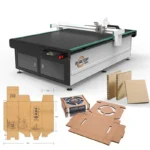
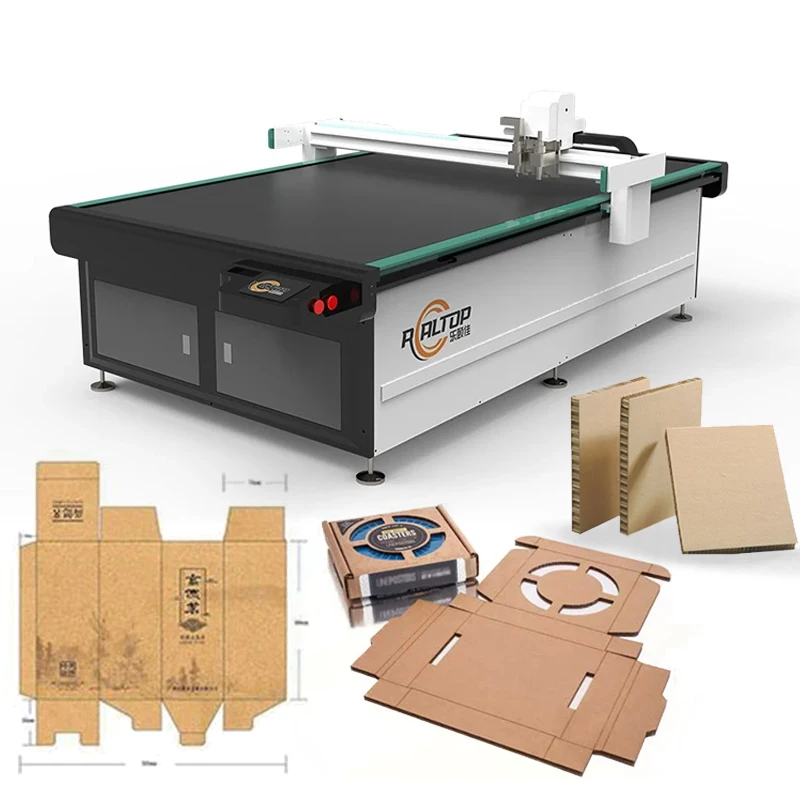
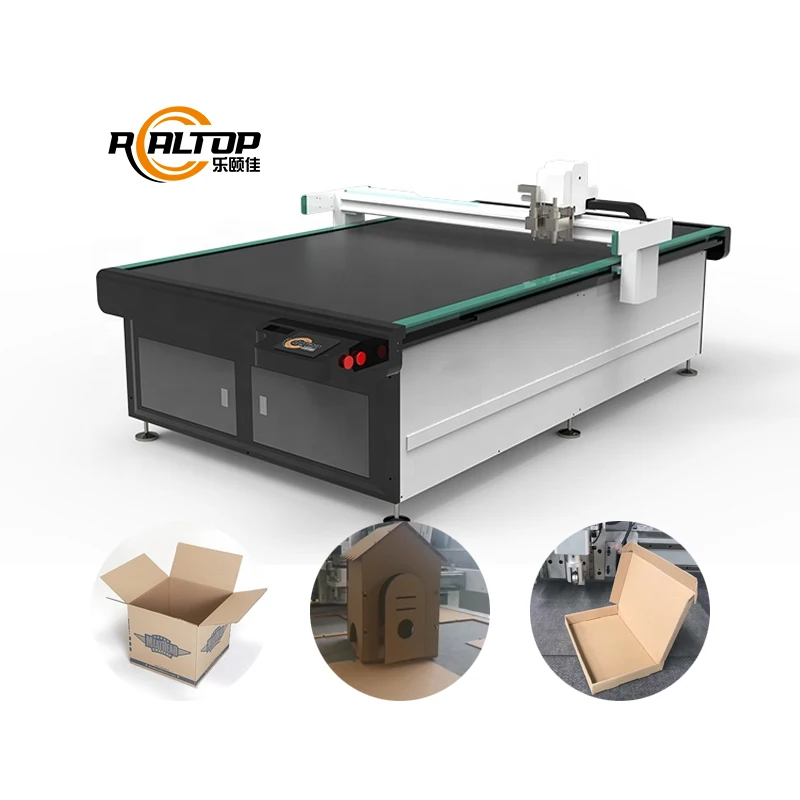
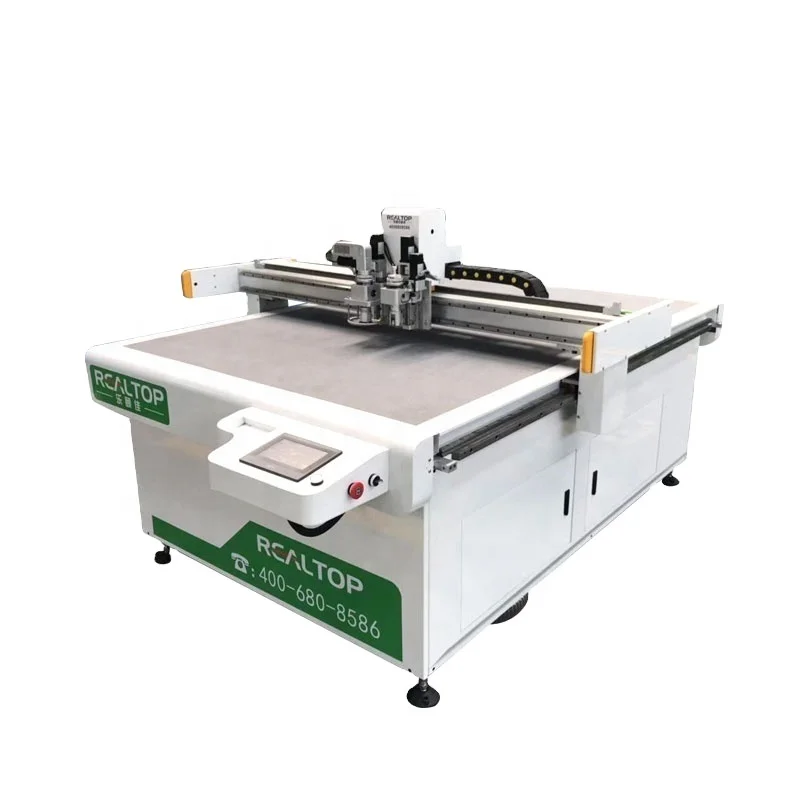
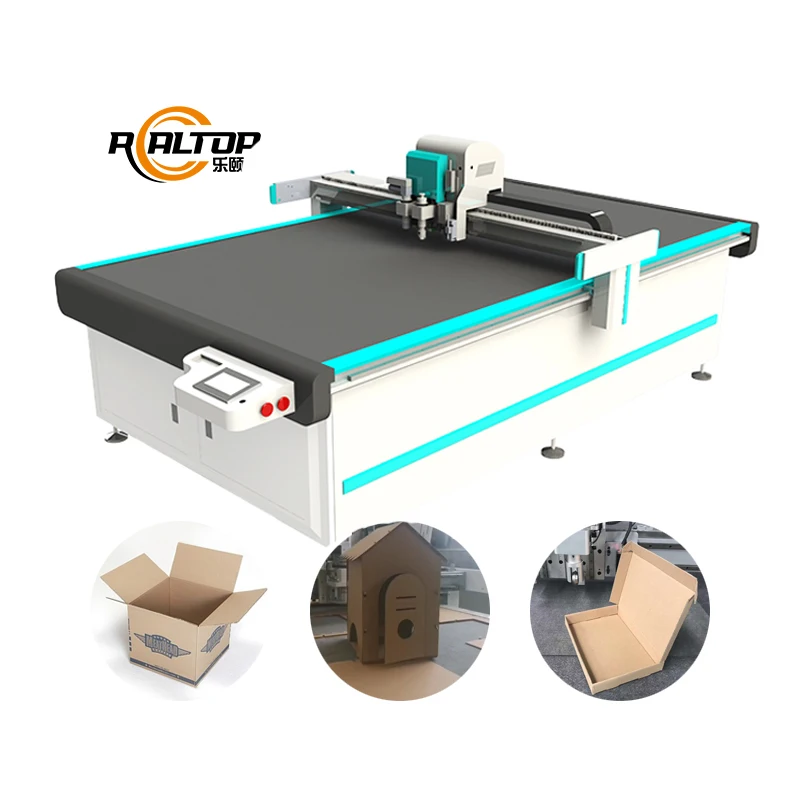
| Product Type | CNC Digital Cutting Machine |
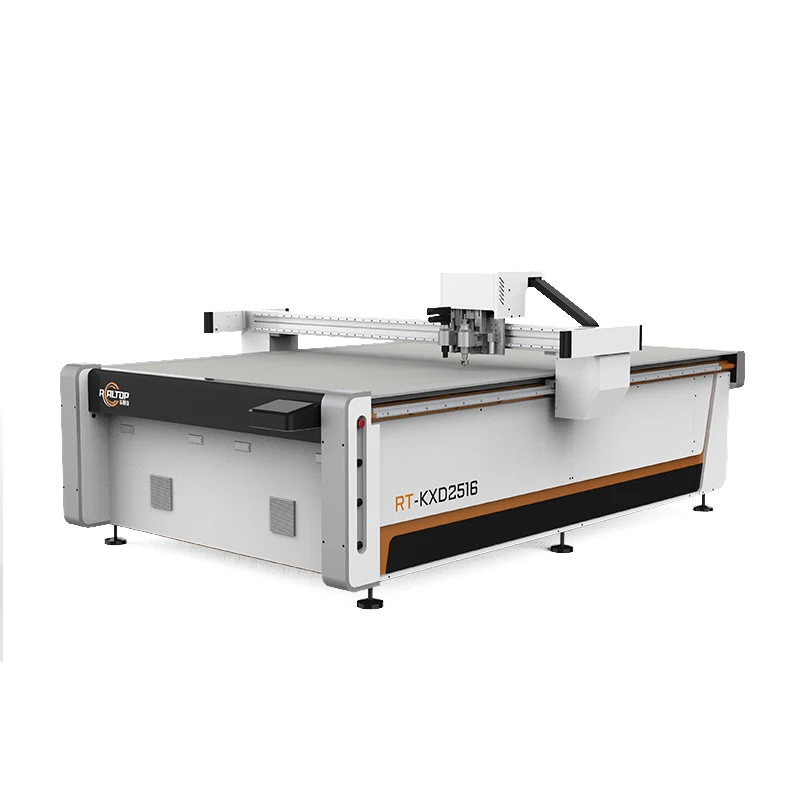
| Model | RT–R2513 / RT-D2516 / RT-S2516 |
| Working Area | 2500×1300mm (RT–R2513) / 1600×2500mm (RT-D2516/RT-S2516) |
| Machine Size | 3550×1910×1400mm (RT–R2513) / 3450×2300×1250mm (RT-D2516/RT-S2516) |
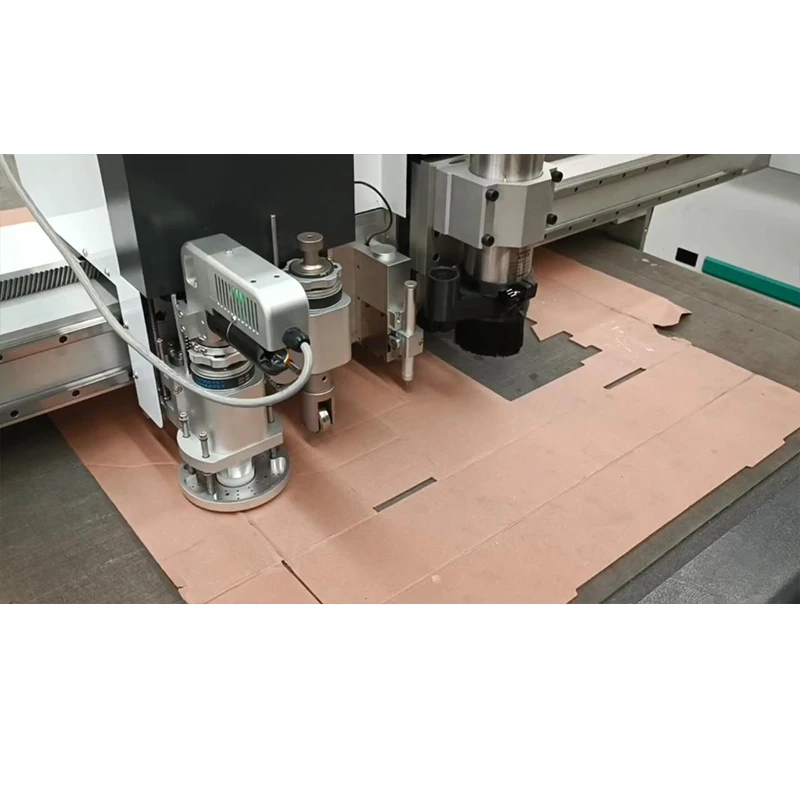
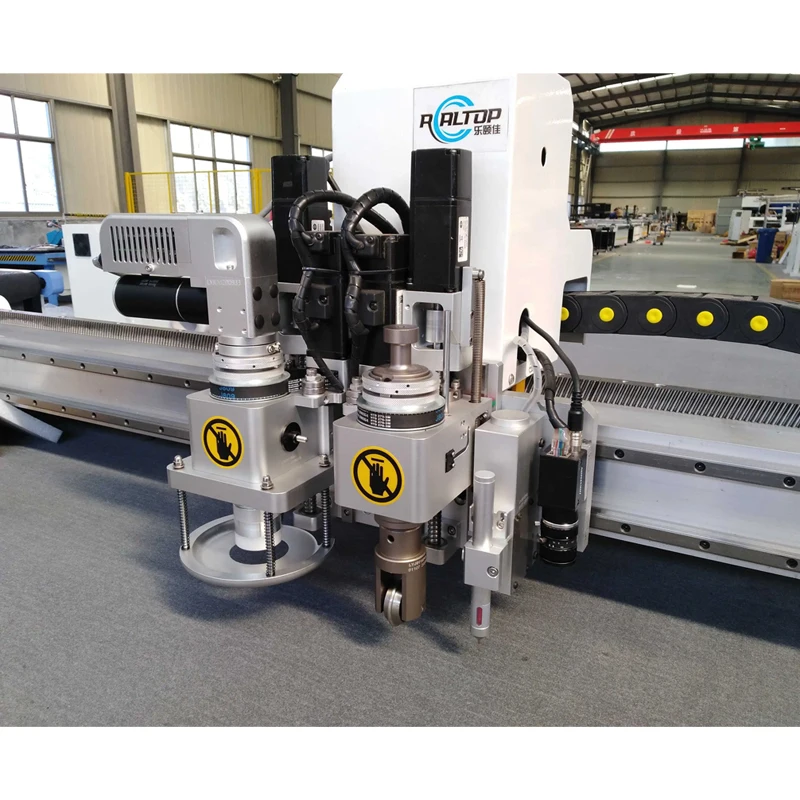
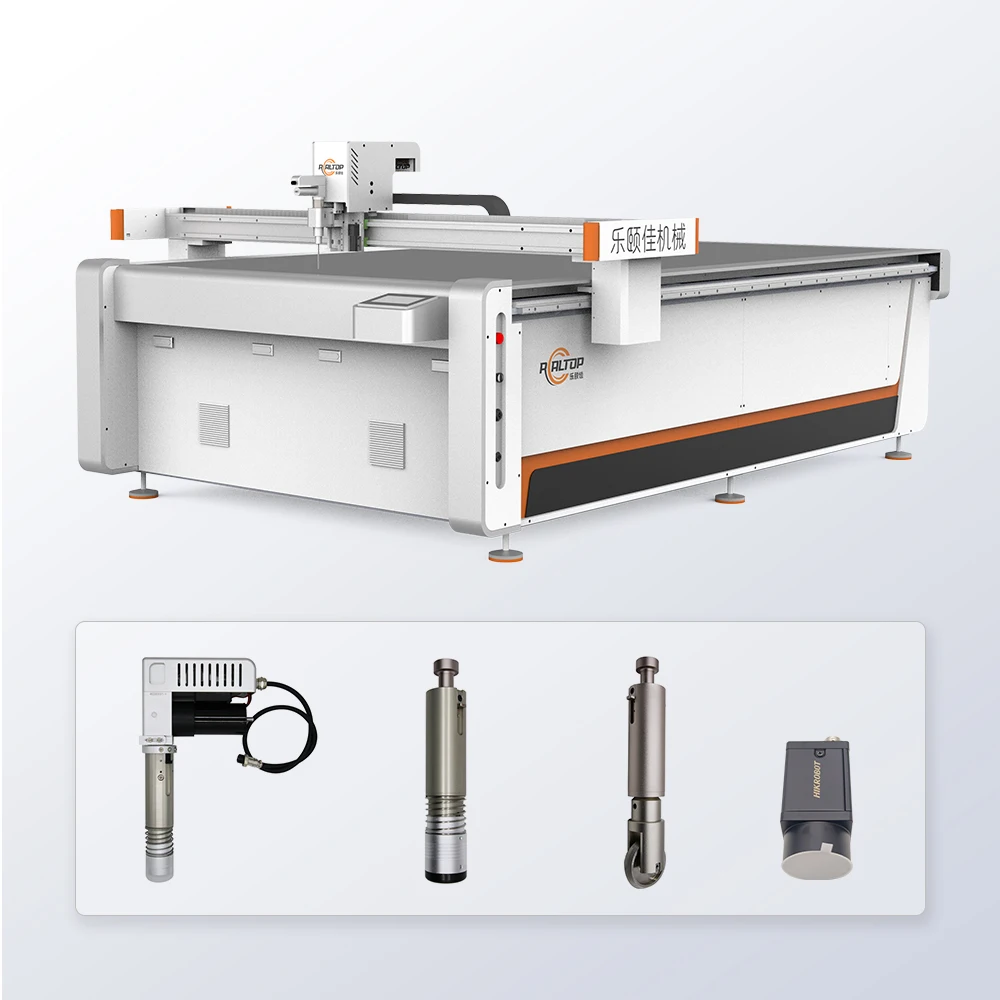
| Cutting Tools | Oscillating knife, creasing tool, kiss-cut knife, round punch |
| Fixing Method | Vacuum adsorption with zoning capability |
| Vacuum Platform | Aluminum alloy honeycomb structure |
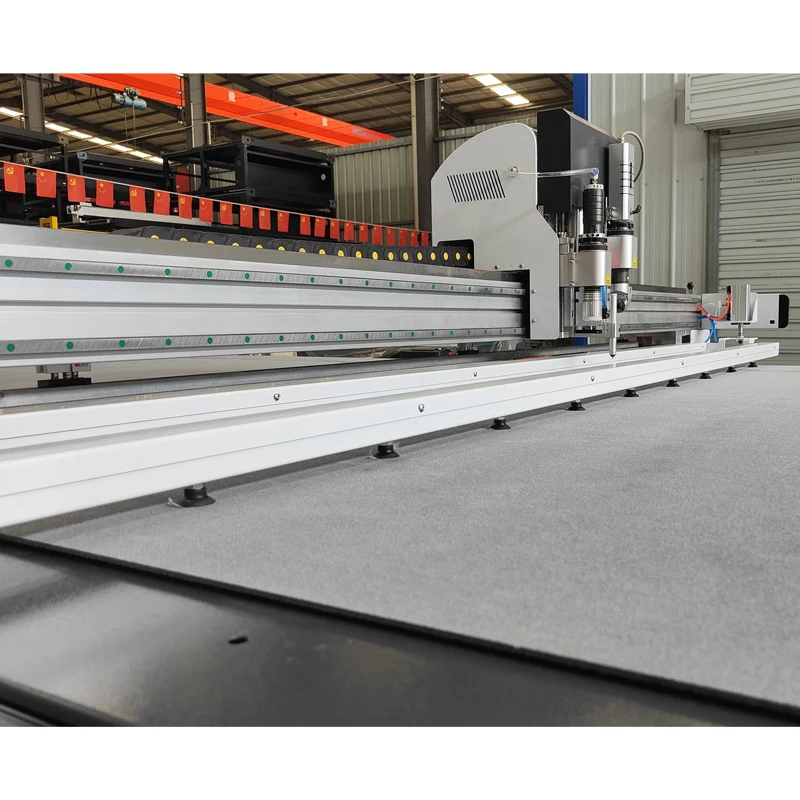
| Frame Structure | Welded thick square seamless steel, high-temperature treated |
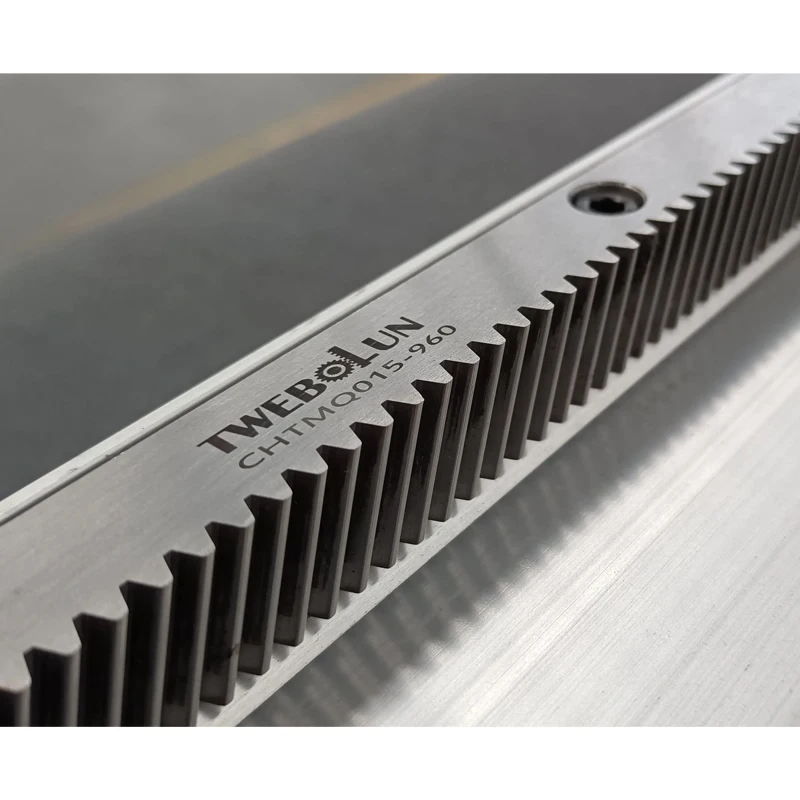
| Guide Rail | Imported straight-line square guide |
| Transmission Method | Ethernet port |
| Repeated Accuracy | <0.05mm |
| Rated Power | 9 kW |
| Voltage | 380V |
| Servo Motor | Dongling servo / Delta servo motor (source values conflict — verify against build sheet) |
| Vacuum Pump | 7.5 kW |
| Cutting Thickness | ≤18mm (basis not stated in source — confirm material density) |
| Profile Format | DXF, OLT, PDF, AI |
| Safety Device | Infrared sensors |
| Software | Professional carton nesting software with customized language support |
| Delivery Time | <30 working days |
| Warranty | 1 year (excluding felt and knife blades) |
| Standards | CE (implied) |
Application Suitability
| Application | Material or Output |
|---|---|
| Packaging carton sample making | Corrugated board, greyboard, kraft paper up to 18mm thickness |
| Sticker and label production | Self-adhesive vinyl, PP paper, coated label stock |
| Gift box and premium packaging | Art paper, laminated cardboard, folding carton stock |
| Express paper box packaging | Single-face and double-face corrugated, E-flute and B-flute board |
| Large electrical carton packaging | Heavy-duty corrugated board, multi-ply paper stock |
| Billboard and signage cutting | Foam board, honeycomb paper board, PP hollow sheet |
Why the Flute Type Question Should Come Before the Working Area
A packaging CNC digital cutting machine manufacturer that only asks about your sheet size is guessing at your actual cutting challenge.
When a buyer specifies a flatbed based purely on working area, the creasing wheel often cannot penetrate high-flute corrugated board at production speed. The result is crushed flutes along the fold line, ragged edges on heavy greyboard, and vacuum zones that cannot grip small sticker blanks during contour cutting. [NEED_CITE:] I have watched operators in Nairobi spend days recalibrating creasing pressure because the machine was tested on standard card stock while the buyer runs recycled corrugated board daily. The CNC flatbed cutting table factory should verify your material’s flute profile, grammage, and moisture content before finalizing the tool head selection.
Frame Rigidity Determines Long-Term Cutting Accuracy
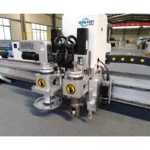
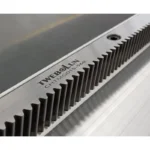
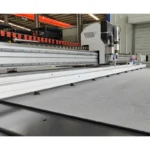
The welded thick square seamless steel frame on the RT–R2513, RT-D2516, and RT-S2516 undergoes high-temperature treatment to relieve internal welding stress. This matters because a packaging cutting table that deflects even fractionally under the oscillating knife’s downward force will produce crease lines that drift from the cut path over months of continuous operation. The imported straight-line square guide rails maintain the tool head’s positional fidelity across the full 1600×2500mm travel, keeping repeated accuracy within <0.05mm whether you are cutting a single large carton blank or nesting dozens of small label shapes.
How the Honeycomb Vacuum Platform Holds Uneven Stock
Recycled corrugated board and warped greyboard rarely sit perfectly flat on the cutting bed. The aluminum alloy honeycomb structure vacuum platform on these models creates uniform suction across its entire surface rather than concentrated pull at the center. This is essential when cutting sticker sheets where a lifting corner sends the kiss-cut blade through the release liner, or when creasing gift box blanks where a half-millimeter lift produces an offset fold line. [NEED_CITE:] The 7.5 kW vacuum pump paired with zoning controls allows operators to activate only the sections directly under the material, maintaining hold-down force on small parts without wasting suction on empty bed area.
Decoding the Specs That Affect Your Daily Production
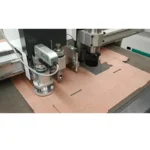
The oscillating knife handles corrugated board and foam board that a static drag knife would crush, vibrating at high frequency to shear through fibrous material cleanly. The creasing tool works in the same setup, so a carton blank is creased and cut in one pass without the operator repositioning the sheet. The ≤18mm cutting thickness figure requires confirmation against your specific board density — a 15mm E-flute corrugated sheet cuts differently from a 15mm solid greyboard. The DXF, OLT, PDF, and AI file format support means your existing packaging design software exports directly into the carton nesting software without an intermediate conversion step that introduces geometry errors. The Ethernet port transmission is more stable than USB over the distance between a design office PC and the shop-floor machine.
What Happens When Tool Head Selection Is an Afterthought
Choosing the wrong oscillating blade angle for your corrugated flute produces a fuzzy edge that rejects on cosmetic inspection. A creasing wheel set for B-flute applied to E-flute board creates a fold line that cracks the printed surface. Without kiss-cut capability, label producers must run a second pass or hand-finish every sheet. [NEED_CITE:] I have seen packaging lines where the vacuum zoning was not matched to the typical blank size, causing small sticker pieces to shift mid-cut and produce scrap on every nest. These are not machine defects — they are configuration decisions made without seeing the buyer’s actual material.
Why Buyers Specify With This Manufacturer
The in-house design team covers both the knife cutting and motion systems rather than assembling sourced sub-assemblies, so configuration changes like vacuum zoning layout and tool head combinations are engineered from the frame up. Each RT–R2513, RT-D2516, or RT-S2516 is built around the buyer’s confirmed material stack, not a standard catalog spec that assumes average cardboard. The factory runs sample cuts on the buyer’s own shipped material before quotation finalization, generating a test report that documents cutting speed, blade type, and creasing pressure for that specific board. Voltage, plug type, control panel language, and software licensing are confirmed in a written specification document before production begins. The core factory handles its own frame welding, heat treatment, and assembly, allowing buyers to audit build quality at any production stage.
Documentation & Verification
- Machine specification sheet listing confirmed tool heads, vacuum zoning map, and servo motor brand
- Electrical schematic with voltage and frequency matched to your facility’s supply
- Sample cutting report on your own corrugated or label stock with edge and crease photographs
- Factory test record documenting repeated accuracy measurement before crating
- Software license and file format compatibility note for DXF, OLT, PDF, AI workflows
- Spare parts list identifying oscillating blades, felt pads, and vacuum seals with part numbers
Installation, Commissioning & Support
- Machine footprint and floor loading calculated from the 3550×1910mm (RT–R2513) or 3450×2300mm (RT-D2516/RT-S2516) dimensions and steel frame weight
- Dedicated 380V circuit with breaker sizing calculated against the 9 kW rated power plus 7.5 kW vacuum pump draw
- Vacuum pump and table assembled and leak-tested on arrival before first material run
- Creasing pressure and oscillating knife depth calibrated on your production board during commissioning
- Operator training covering carton nesting software, tool head changeover, and vacuum zone activation
- Ten oscillating blades included at delivery with reorder part numbers and felt replacement intervals
What to Share Before Requesting a Quotation
Send us your most challenging board type — flute profile, grammage, and whether it is virgin or recycled stock. Tell us the typical blank dimensions and your daily sheet volume so we can confirm the working area and nesting configuration. Specify your facility’s voltage and frequency, the control language your operators prefer, and whether you need kiss-cut, full-cut, and creasing in the same job. If possible, courier a stack of your actual material to our factory so we can run a sample test before you commit.
Frequently Asked Questions
Q: How do you verify cutting thickness capability for my specific cardboard density and flute type?
A: We ask you to ship a sample stack of your actual production material — not a generic specification sheet. Our factory runs test cuts documenting the oscillating knife depth, blade angle, cutting speed, and creasing wheel pressure required for your specific board. You receive this test report before confirming the order, so the ≤18mm cutting thickness claim is validated against your real stock rather than a lab reference.
Q: What voltage, plug type, and control language do you confirm before shipment?
A: Before production begins, we issue a written specification confirmation document that records your facility’s voltage and frequency, the required plug or hardwire termination, and the control panel and software language. This is signed by both parties and locked into the build sheet so the machine arriving at your dock matches your electrical infrastructure and operator requirements without on-site modification.
Q: Can I visit the factory to see frame welding, heat treatment, and assembly quality?
A: Yes, buyers are welcome to audit the production floor at any stage. You can inspect the welded square seamless steel frame before it enters the heat treatment furnace, verify the aluminum honeycomb vacuum platform assembly, and watch the servo motor and guide rail installation. We schedule a factory acceptance test on your material during your visit so you see the machine perform before it is crated.
Q: How do you match tool head selection to my material and edge quality requirement?
A: Each material responds differently to oscillating frequency, blade angle, and downward force. Corrugated board requires a different blade profile than self-adhesive vinyl or laminated gift box stock. We test your material with multiple blade options and document which produces the cleanest edge and most accurate crease. The tool head configuration on your machine reflects those test results rather than a default setup.
Q: What documentation do I receive before and after shipment?
A: You receive a specification sheet, electrical schematic, and sample cutting report before the machine ships. After production, we send the factory test record, packing photographs, operation and maintenance manual, software license note with file format compatibility details, and a spare parts list with reorder numbers. CE declaration documentation is included where applicable to your market’s import requirements.
You may also like

商品评价
Clear filtersThere are no reviews yet.