





-
 Courier delivery
-
 DHL Courier delivery
-
 Warranty 1 year
-
 Free 30-Day returns

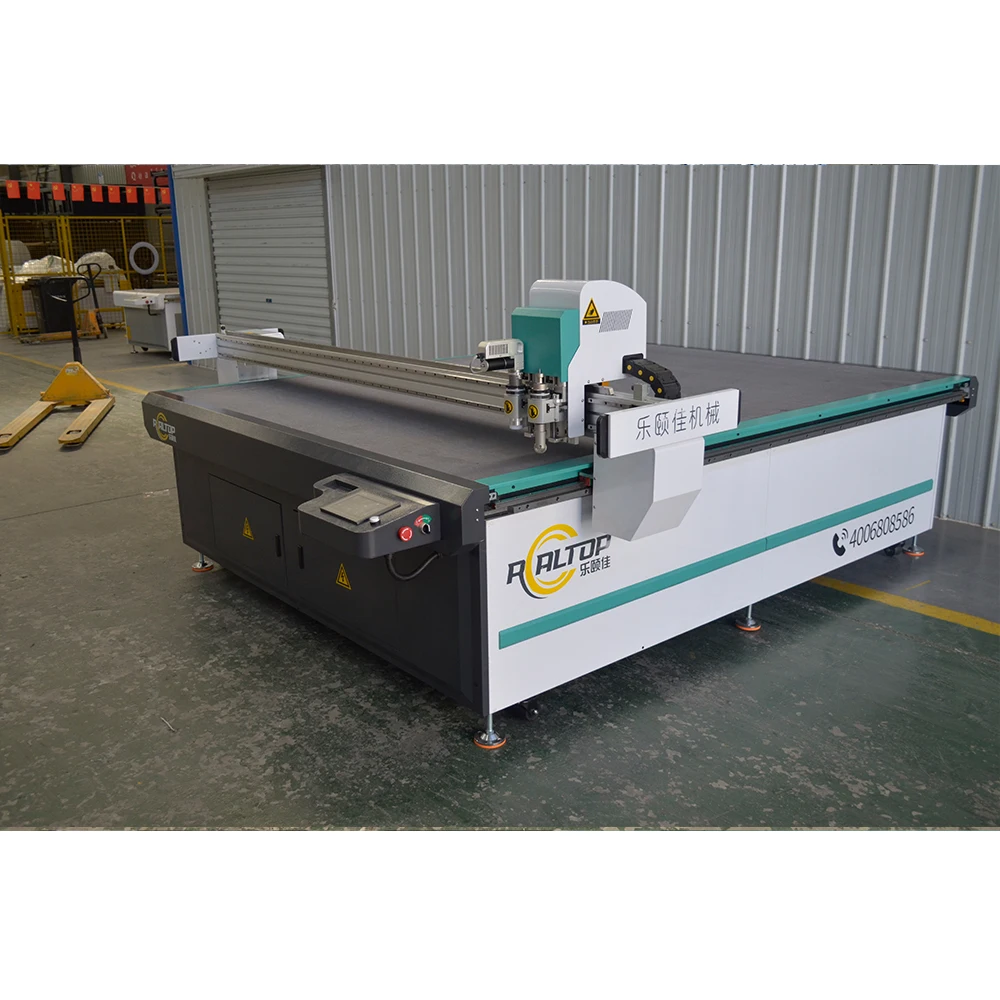
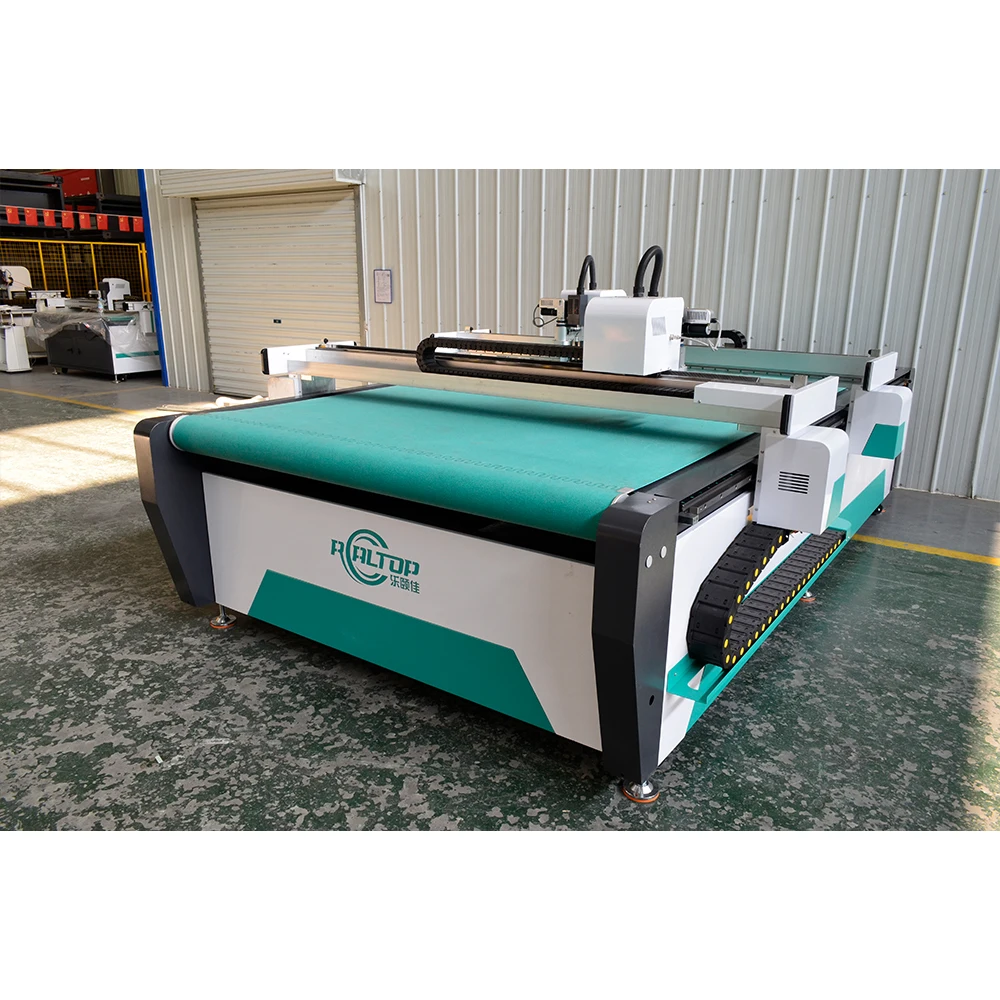
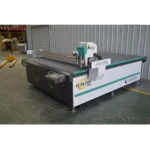
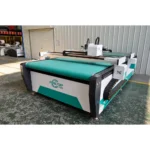
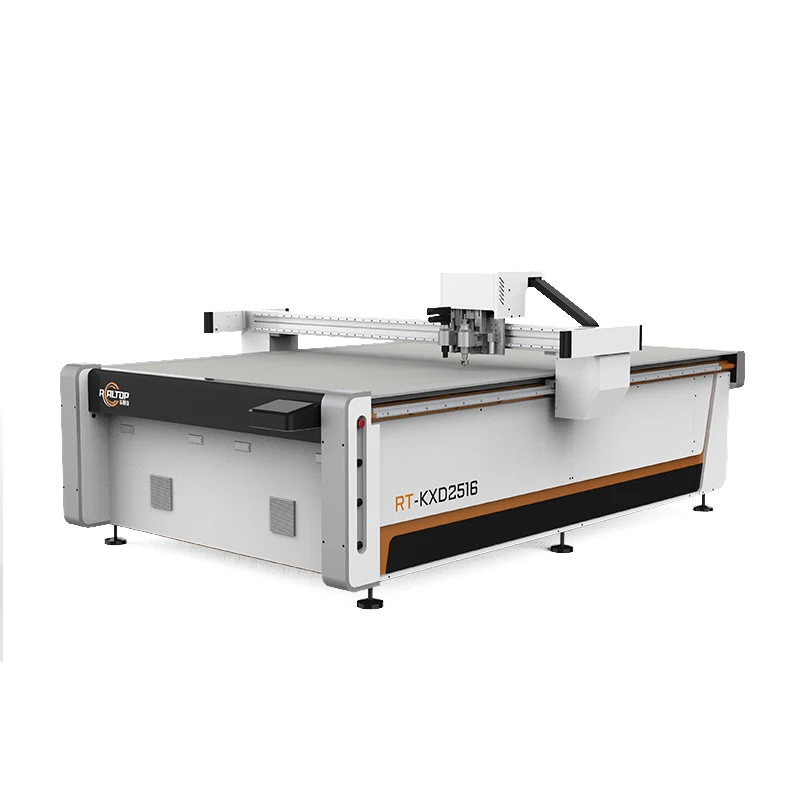
Core Factory Build — Every RT-D2516/RT-S2516 frame is welded, tempered, and CNC-machined in-house, giving importers full traceability from engineering drawing to final factory test.
Technical Specifications
| Parameter | Value |
|---|---|
| Model | RT-D2516/RT-S2516 |
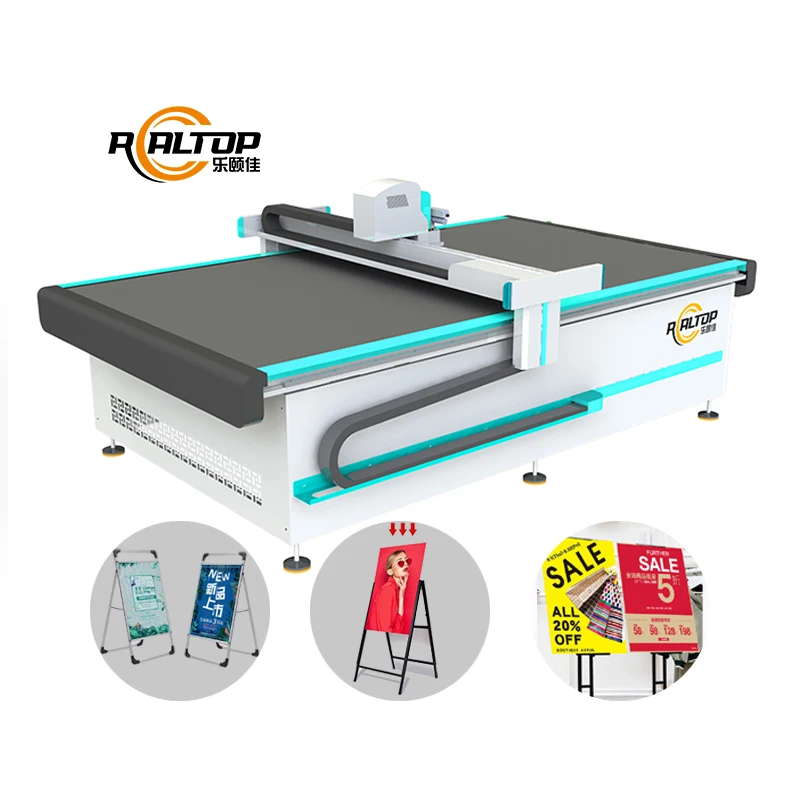
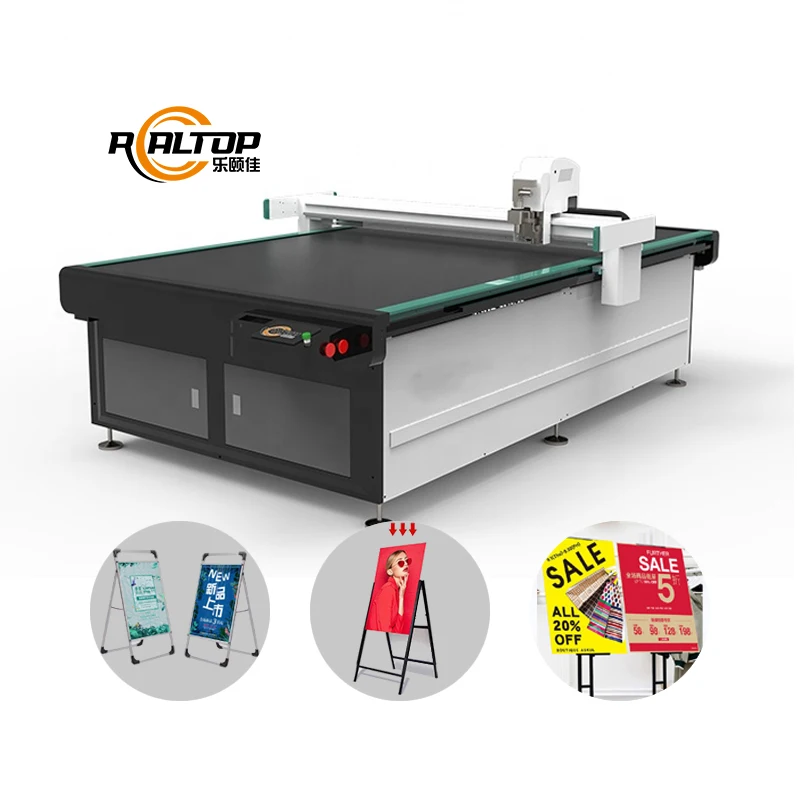
| Product Type | CNC Oscillating Knife Cutting Machine |
| Working Area | 1600×2500 mm |
| Machine Size (L×W×H) | 3450×2300×1250 mm |
| Rated Power | 9 kW |
| Voltage | 380V ±10% (frequency to confirm 50/60 Hz) |
| Table Type | Flat vacuum adsorption table, magnesium-aluminum alloy with PVDF and anodic oxidation treatment |
| Vacuum Pump | 7.5 kW, integrated aviation aluminum shell with built-in silencer sponge |
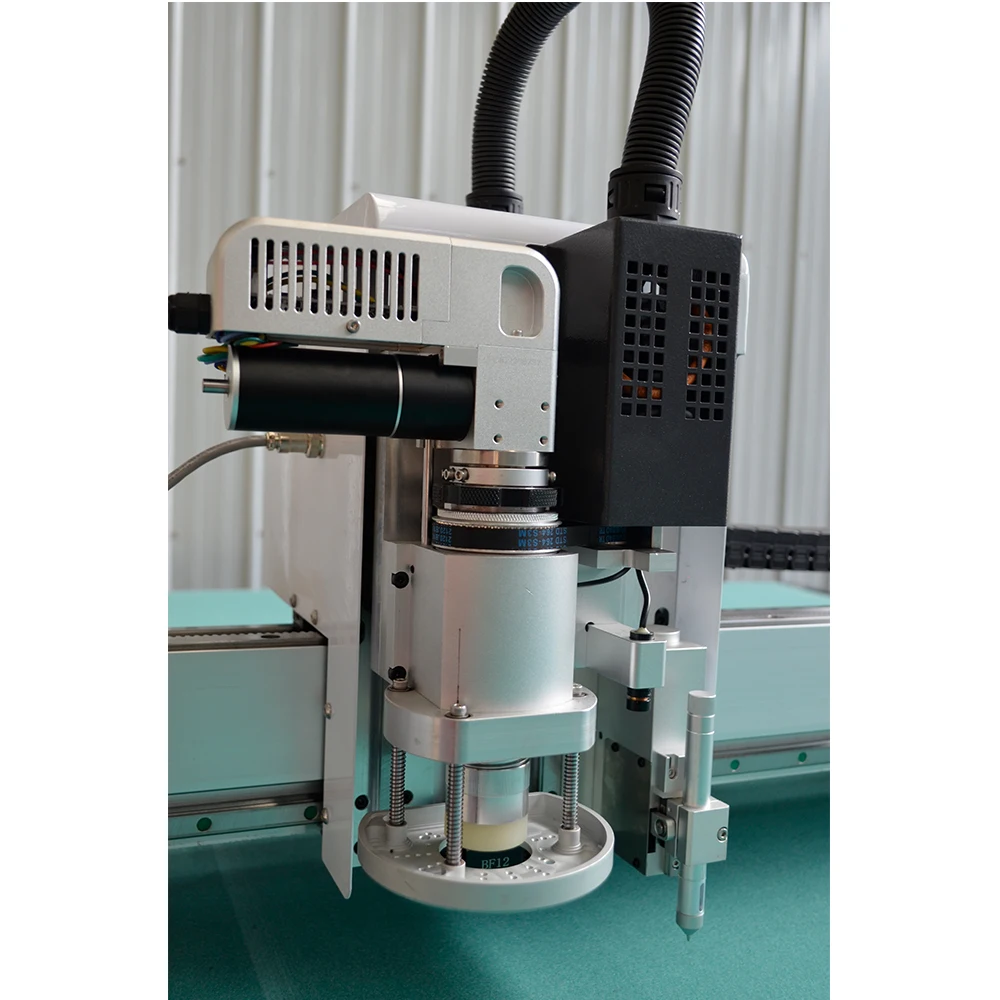
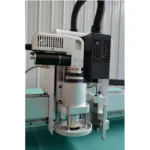
| Multifunctional Head | Swiss imported knife (vibration full/half cutting, cursor location); options: pneumatic knife, high-power vibrating knife, circular knife, V-cutting knife, drag knife, creasing wheel, dotted line knife, punching, brush |
| Visual Positioning | Small CCD camera mark point positioning, panoramic camera recognition, projection positioning |
| Translational Velocity | 800–1200 mm/s |
| Cutting Thickness | 20–80 mm (varies by material) |
| Repeated Accuracy | ≤0.1 mm |
| Transmission System | Digital servo motor (Delta or Panasonic optional, IP67), linear guide, synchronous belt, ball screw (Taiwan Hiwin rail) |
| Instruction System | HP-GL compatible format |
| Safety Devices | Infrared induction blocking, anti-collision sensors on both sides of beam, emergency stop with in-situ resume |
| Conveyor Belt | Germany imported |
| Auto Feeding | Equipped |
| Software Language | English, Russian, Italian, Chinese; special languages customizable |
| Key Features | CE declaration where applicable, fully assembled shipment, multi-zone vacuum table |
Application Suitability
| Application | Material or Output |
|---|---|
| Automotive interior trimming | Acoustic foam, sound-deadening mats, headliner fabric, carpet |
| Soft furnishings and upholstery | Leather, textile, non-woven fabric, sponge composite leather |
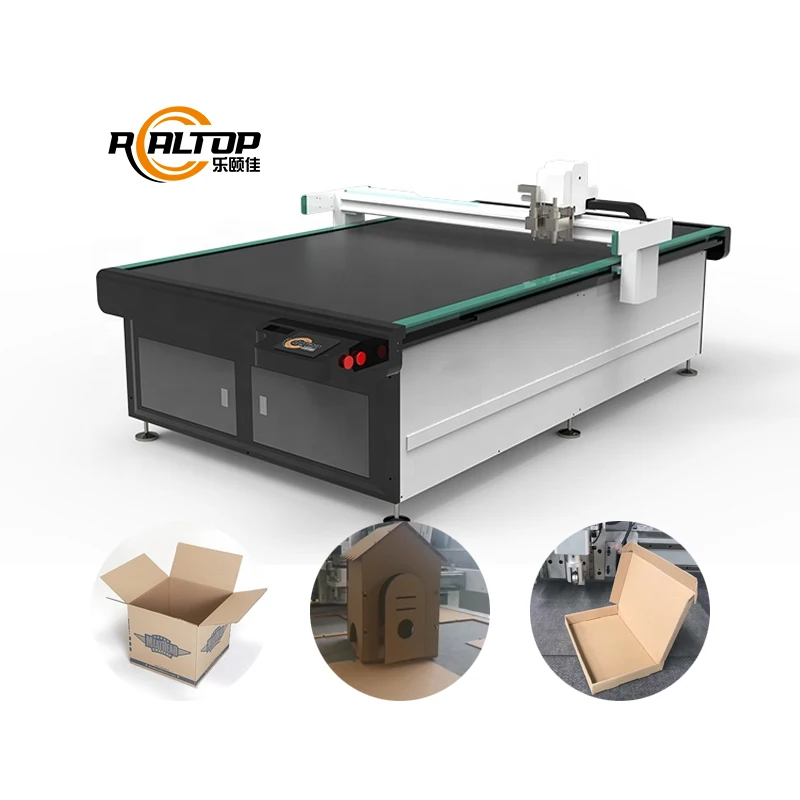
| Packaging and carton prototyping | Corrugated cardboard, plastic box, sticker, film |
| Gasket and sealing fabrication | Rubber, PTFE, ETFE, gasket material |
| Footwear and luggage production | PU, EVA, XPE, shoe materials, leather |
| Signage and advertising | PVC, foam board, soft glass, vinyl |
Why Material Density Matters More Than Working Area When Selecting a CNC Knife Cutting Machine
A machine sized only by bed dimensions will fail the moment it meets a material denser than the standard test sample.
I learned this the hard way. Last year a customer making acoustic insulation ordered after we ran successful cuts on our standard foam stock. His actual material was high-density flame-retardant acoustic cotton — the knife edge chipped halfway through the first sheet, and over two hundred sheets of material were ruined before we caught the problem. The working area was correct, but the tool head and blade specification were wrong for his density. Now I never confirm an order without running the buyer’s actual material first. When distributors evaluate a CNC knife cutting machine factory for partnership, this material-level configuration is where build quality separates itself from brochure promises. [NEED_CITE: material density effects on oscillating knife blade wear and edge quality]
Frame Construction and Long-Term Precision Retention
The frame on this CNC knife cutting machine is built from thick-walled seamless steel tube, welded into a single structure and then subjected to high-temperature tempering to relieve internal stress. After tempering, every mounting surface is finished on a CNC machining center, which guarantees the flatness and perpendicularity that the linear guides depend on. For an OEM buyer or machinery importer, this matters because frame deformation is the most common reason a cutting table loses accuracy after twelve months of continuous use.
Vacuum Table Engineering and Multi-Zone Suction Control
The magnesium-aluminum alloy table surface goes through a three-stage treatment sequence: PVDF powder spray, anodic oxidation, and hard oxidation. This produces a flat, scratch-resistant work surface that maintains uniform suction across the entire 1600×2500 mm area. The 7.5 kW vacuum pump uses an integrated aviation aluminum shell with silencer sponge to reduce operating noise in production environments. Multi-zone vacuum control allows operators to activate only the sections of the table covered by material, which is essential when cutting small gasket parts or narrow strips that would otherwise lift during high-speed passes. [NEED_CITE: vacuum table zoning requirements for small-part CNC cutting]
Reading the Specifications That Actually Determine Cut Quality
The 800–1200 mm/s translational velocity defines how fast the head moves between cuts, but actual cutting speed depends on material thickness and density — acoustic foam at 80 mm thick demands a slower pass than 2 mm sticker film. The ≤0.1 mm repeated accuracy specification reflects the combined precision of the Taiwan Hiwin linear rails, ball screws, and IP67-rated digital servo motors from Delta or Panasonic. For buyers cutting printed contour work, the CCD camera and panoramic camera positioning options determine whether the machine can track registration marks at production speed without manual re-alignment. The Swiss imported knife head provides both vibration full cutting and half cutting modes, which is critical when kiss-cutting adhesive layers without penetrating the backing paper.
The Hidden Cost of Specifying the Wrong Tool Head
Choosing a drag knife for material that requires an oscillating knife produces ragged edges and delaminated layers, especially on composite acoustic foam where the surface skin separates from the core. A vacuum pump sized for the full table area but without zone control will fail to hold small gasket pieces flat, causing the blade to catch and tear the material rather than cut it. Incorrect blade frequency on high-density foam generates heat that melts synthetic fibers, leaving a fused edge that fails acoustic performance testing. These are not warranty issues — they are configuration errors that appear on the first day of production. [NEED_CITE: tool head selection guidelines for composite and layered materials]
Why Importers and Distributors Source This CNC Knife Cutting Machine From Our Factory
In-house design and production of both the frame and motion system means every RT-D2516/RT-S2516 is traceable from engineering drawing to factory test record — there is no third-party integrator between the buyer and the build team. The full tool head range is manufactured and configured by the same factory, so a distributor does not need to source oscillating knives from one supplier and CCD systems from another. OEM customization covers voltage, plug type, control language, and branding, all confirmed before the production run begins rather than adjusted after shipment. Every machine ships with a sample cutting report on the buyer’s own material, so cutting depth and edge quality are documented before the crate leaves Jinan. The assembly, testing, and quality control workflow is handled entirely in-house, giving importers a single point of accountability for the complete machine. [NEED_CITE: OEM machinery export documentation standards for industrial equipment]
Documentation & Verification
- Machine specification sheet listing exact tool head, vacuum zoning, and CCD option per your material type
- Electrical schematic confirming 380V ±10% match to your facility supply or documenting agreed customization
- Factory test record with sample cutting report on your acoustic foam or gasket material before dispatch
- CE declaration documentation where applicable for import compliance in your destination market
- Packing photographs showing crate condition, accessory boxes, and tool head configuration at time of shipment
Installation, Commissioning & Support
- Machine arrives fully assembled — requires level floor and 3450×2300 mm clearance plus operator walkway on all sides
- 9 kW rated power demands a dedicated 380V circuit with correct breaker sizing per local electrical code
- 7.5 kW vacuum pump connects to integrated silencer housing — no separate compressor room needed
- First-run calibration includes vacuum zone mapping, servo tuning, and CCD mark recognition setup for your print format
- Operator training covers tool head changeover procedures across all configured knife types
- Spare parts list provided at shipment with recommended reorder intervals for blades and cutting strips
What to Include With Your Inquiry
Send the exact material type, density, and maximum thickness you plan to cut — standard foam test samples do not represent high-density acoustic insulation or flame-retardant composites. Confirm your facility voltage and frequency, preferred control panel language, and whether your workflow requires CCD contour recognition for printed material. If you are evaluating this as an OEM platform, specify branding requirements and target market certifications early so the configuration is locked before production begins.
Frequently Asked Questions
Q: How does the factory ensure frame precision and long-term structural stability?
A: The frame is welded from thick-walled seamless steel tube, then high-temperature tempered to relieve stress before CNC machining center finishing. This process removes internal distortion and guarantees the flatness that linear rails require for sustained cutting accuracy over years of operation.
Q: What OEM and customization options are available for distributors?
A: Voltage, plug configuration, control panel language, and branding can all be customized per order. The factory confirms these specifications in writing before production begins, and documentation reflects the agreed configuration — not a generic template.
Q: How is tool head selection matched to specific material type and thickness?
A: The buyer sends actual production material to the factory for sample cutting. Based on density, thickness, and edge quality requirements, the engineering team recommends the appropriate knife type, blade frequency, and vacuum zone configuration before the order is finalized.
Q: What quality control steps are performed before shipment?
A: Each machine undergoes a factory test run using the buyer’s specified material. Cutting depth, edge quality, and positioning accuracy are recorded in a test report. Electrical systems are verified against the confirmed voltage specification, and packing photographs document the machine condition at dispatch.
Q: Can buyers visit the factory or arrange sample cutting on their own material?
A: Factory visits are available for distributors and importers evaluating build quality and production capability. Buyers who cannot travel can ship material samples to the factory, and a documented sample cutting report is returned before any purchase commitment is required.
You may also like

商品评价
Clear filtersThere are no reviews yet.