


-
 Courier delivery
-
 DHL Courier delivery
-
 Warranty 1 year
-
 Free 30-Day returns

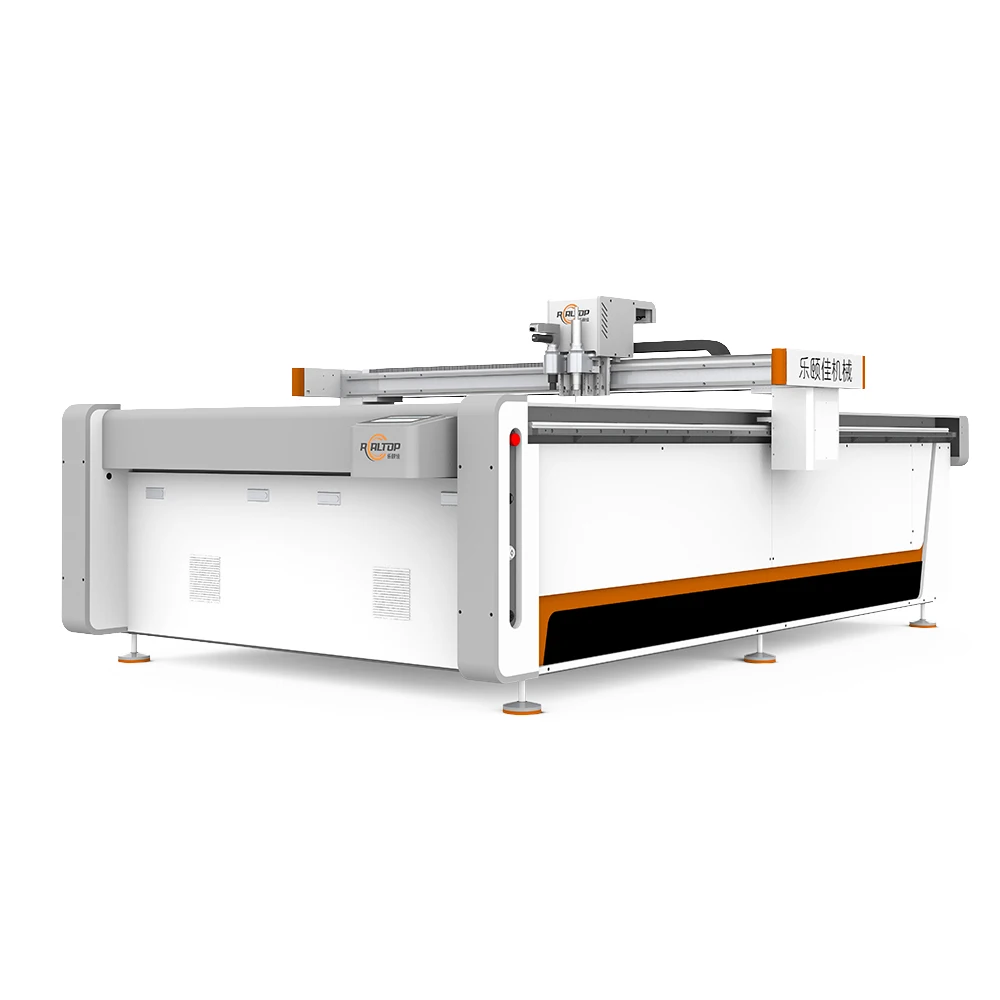
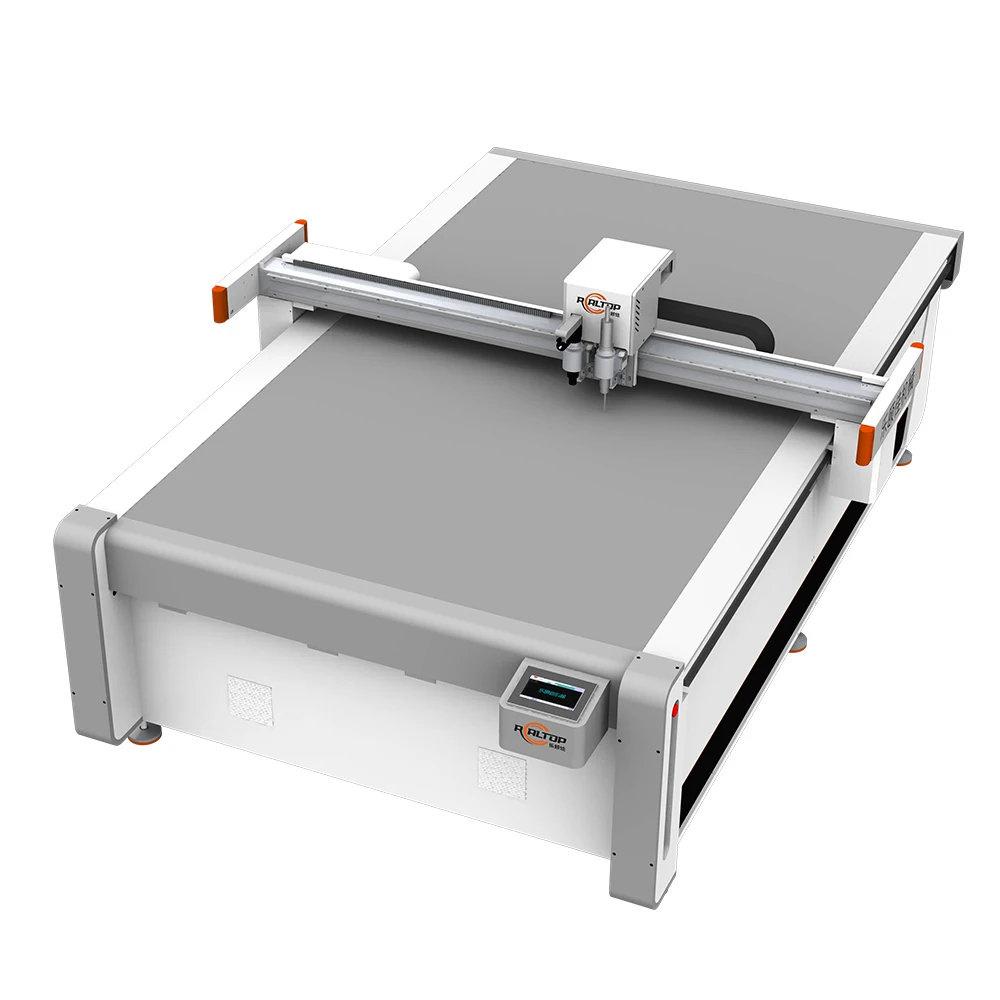
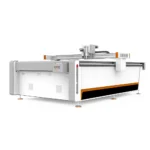
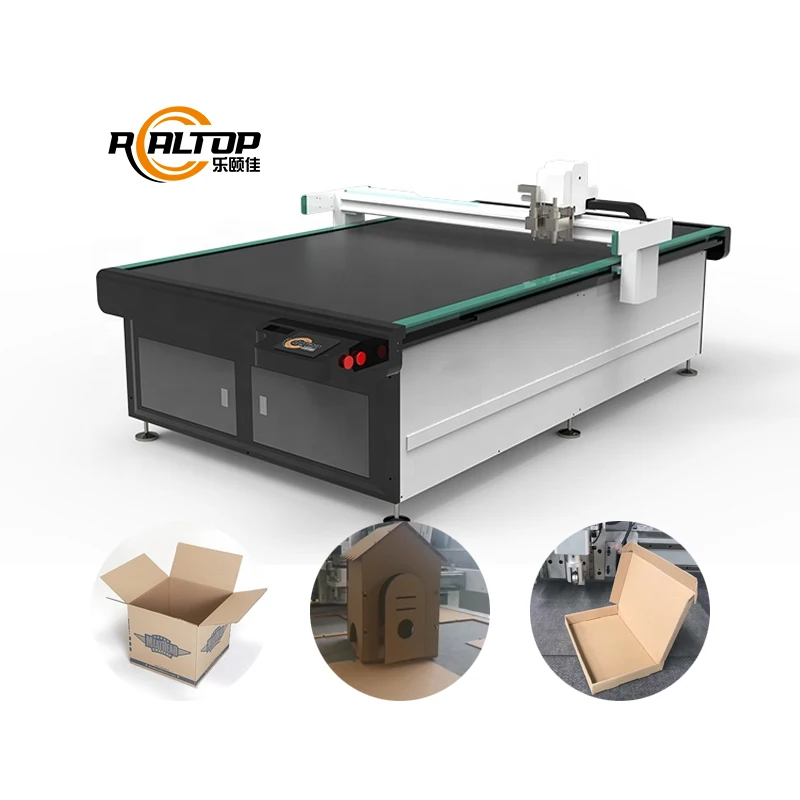
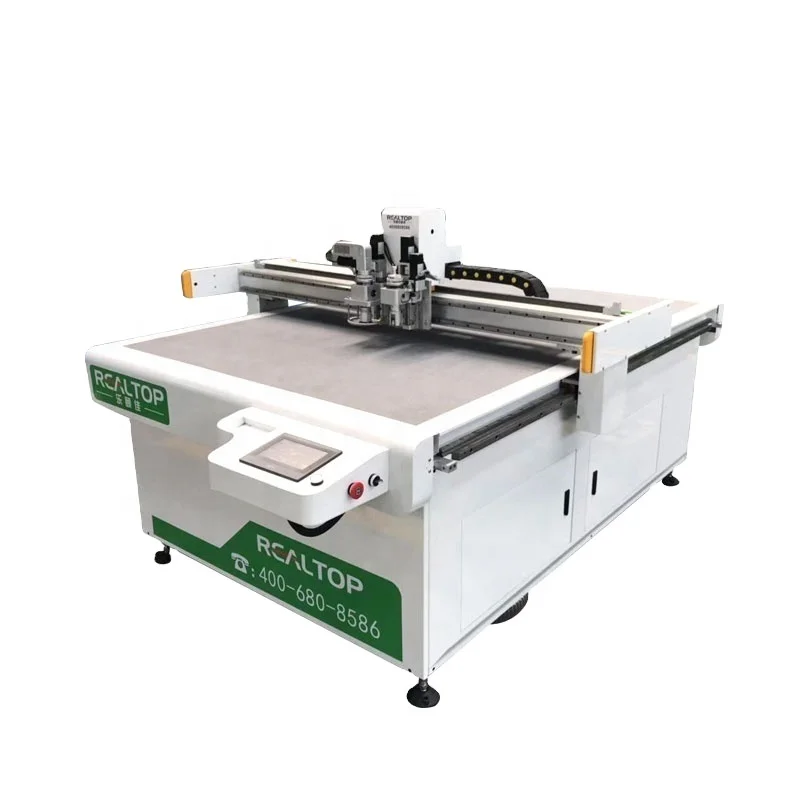
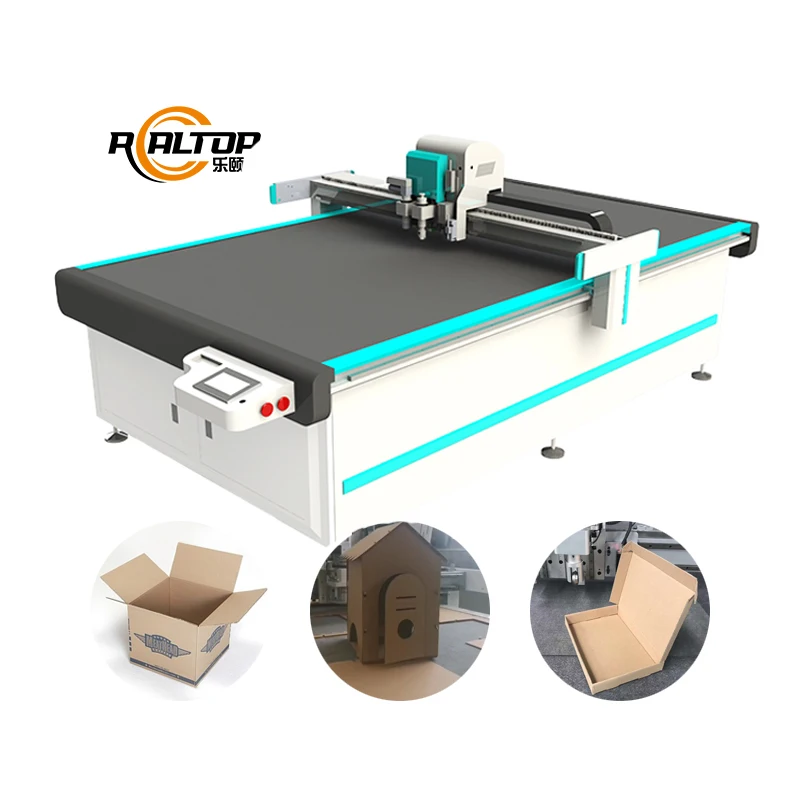
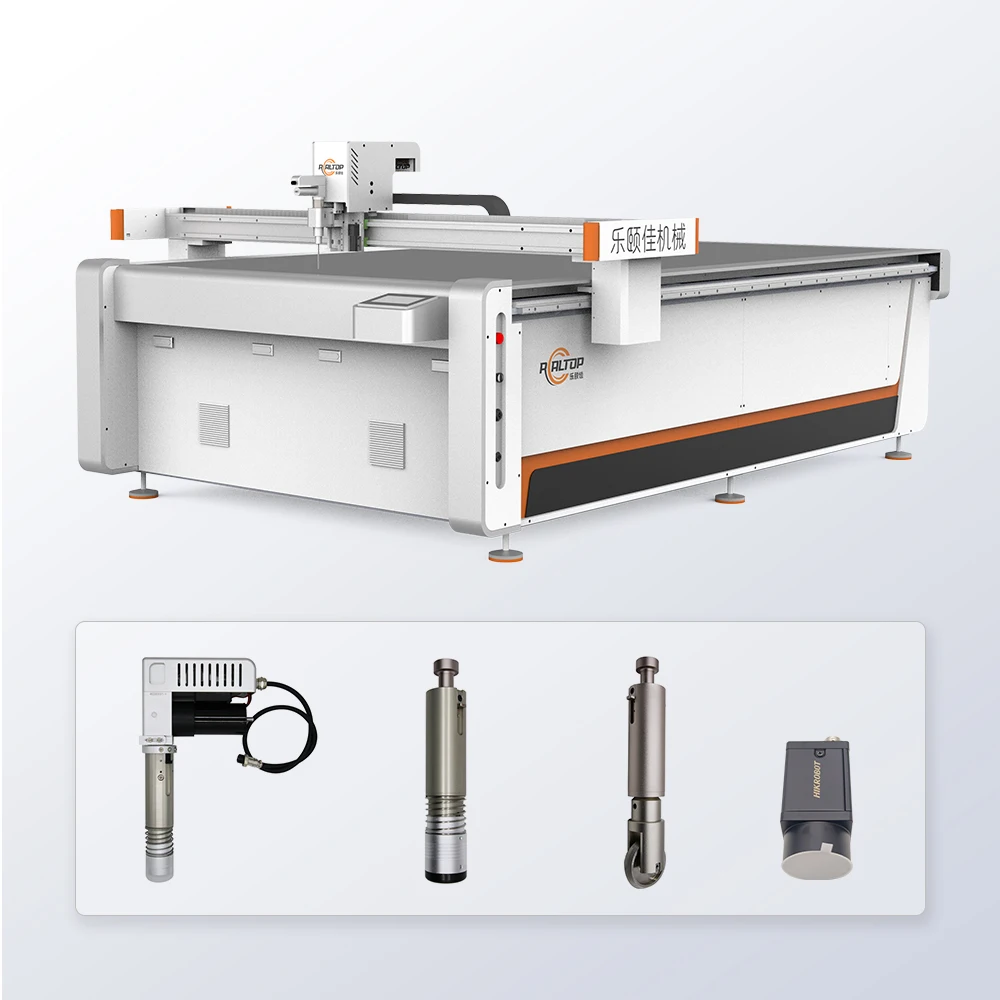
In-house Design Control — Our engineering team directly specifies the interchangeable tool heads and motion components for each CNC oscillating knife cutting machine based on the buyer’s packaging substrate, ensuring cutting method matches material rather than forcing a single configuration.
Technical Specifications
| Parameter | Value |
|---|---|
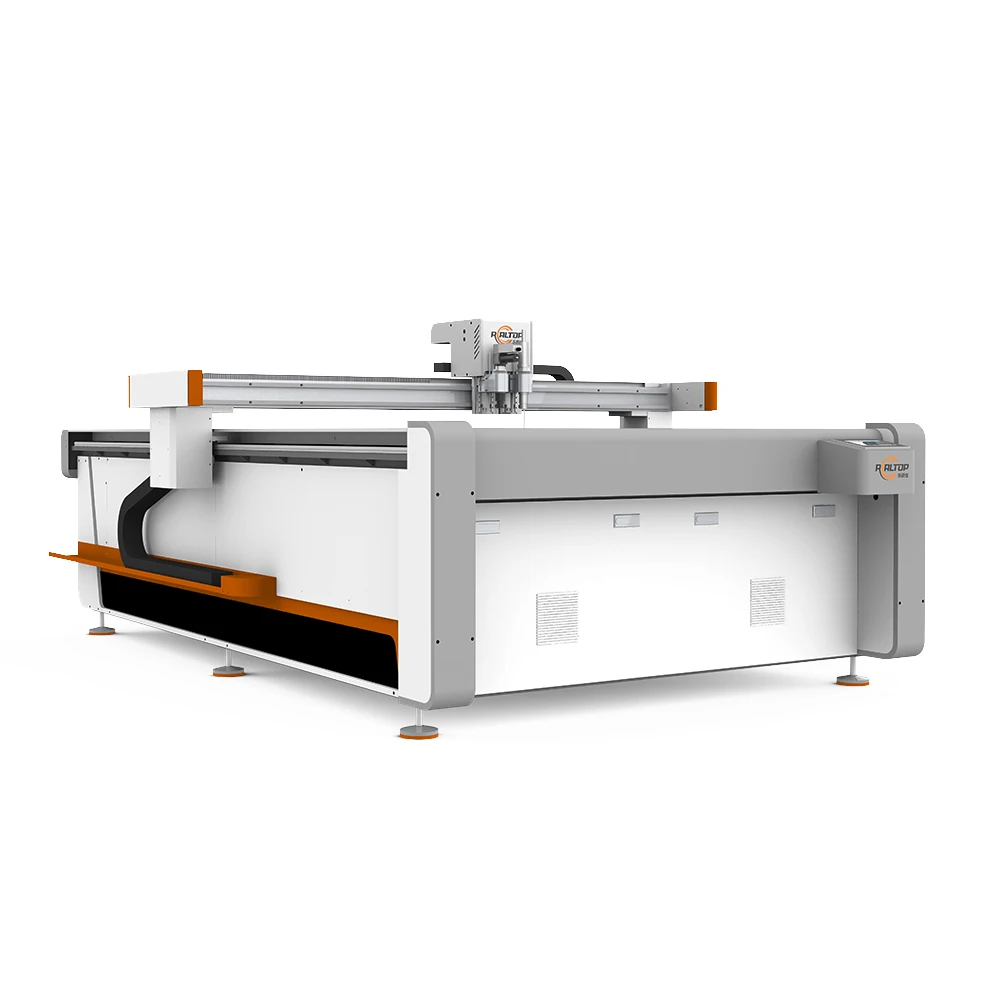
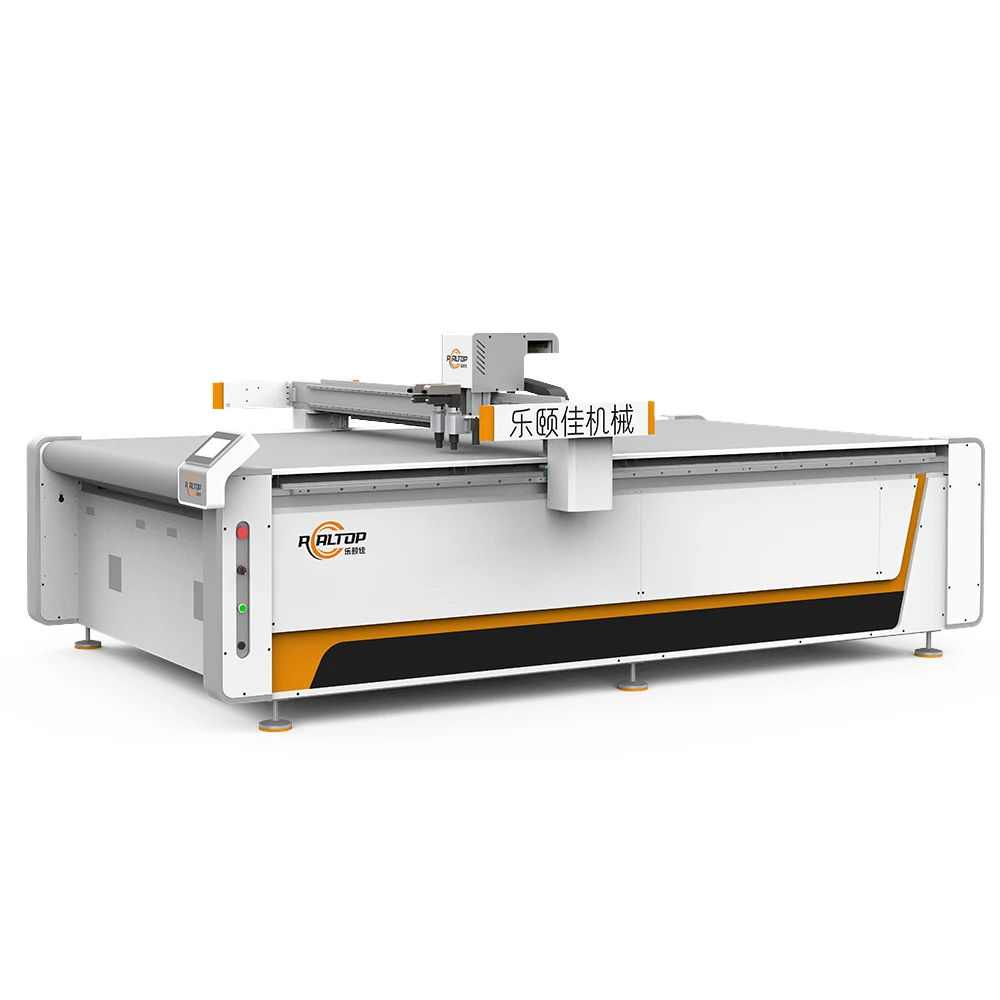
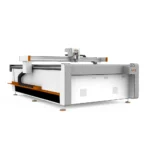
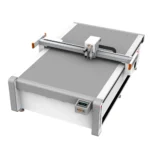
| Product Type | CNC Oscillating Knife Cutting Machine |
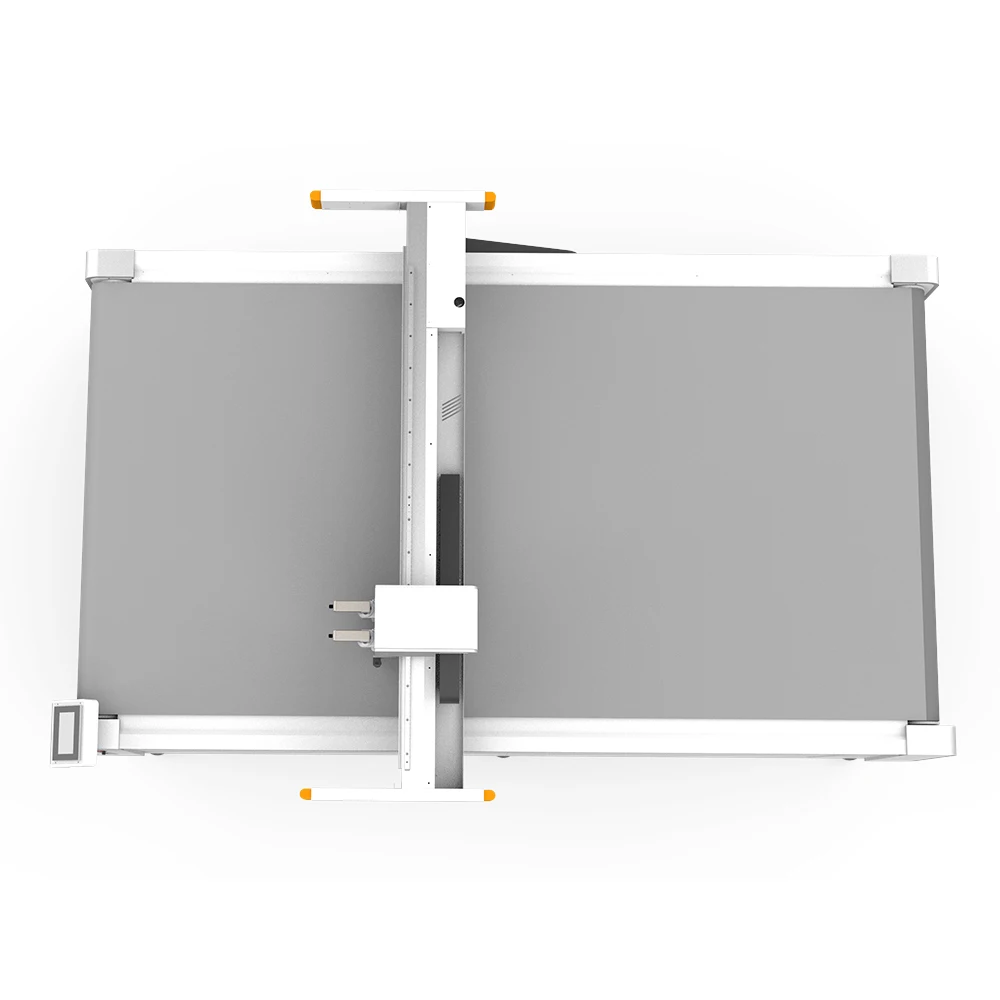
| Working Area | 1600 × 2500 mm |
| Tool Head Options | Oscillating knife, Driven rotary knife, Creasing wheel, Kiss cutting tool, Pneumatic knife, Milling tool, V groove knife |
| Cutting Speed | 0-1500 mm/s |
| Cutting Thickness | ≤ 40mm (basis not stated in source — confirm material type / density) |
| Cutting Accuracy | ±0.1 mm |
| Vacuum Pump Power | 9 kW |
| Voltage Options | 110V, 220V, 380V (frequency to be confirmed per market) |
| File Format Compatibility | PLT, DXF, AI, PDF |
| Safety Devices | Infrared sensor device, emergency stop device |
| Machine Dimensions | 3300 × 2100 × 1350 mm |
| Control System | PLC control panel with optional display languages |
| Servo Motor Options | Panasonic, Delta, Dorna |
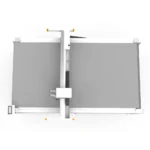
| Vacuum Table | Aluminum bellows vacuum table |
| Software Language Options | English, Russian, Italian, Chinese (special languages customizable) |
| Standards | CE (certificate availability to be verified) |
Application Suitability
| Application | Material or Output |
|---|---|
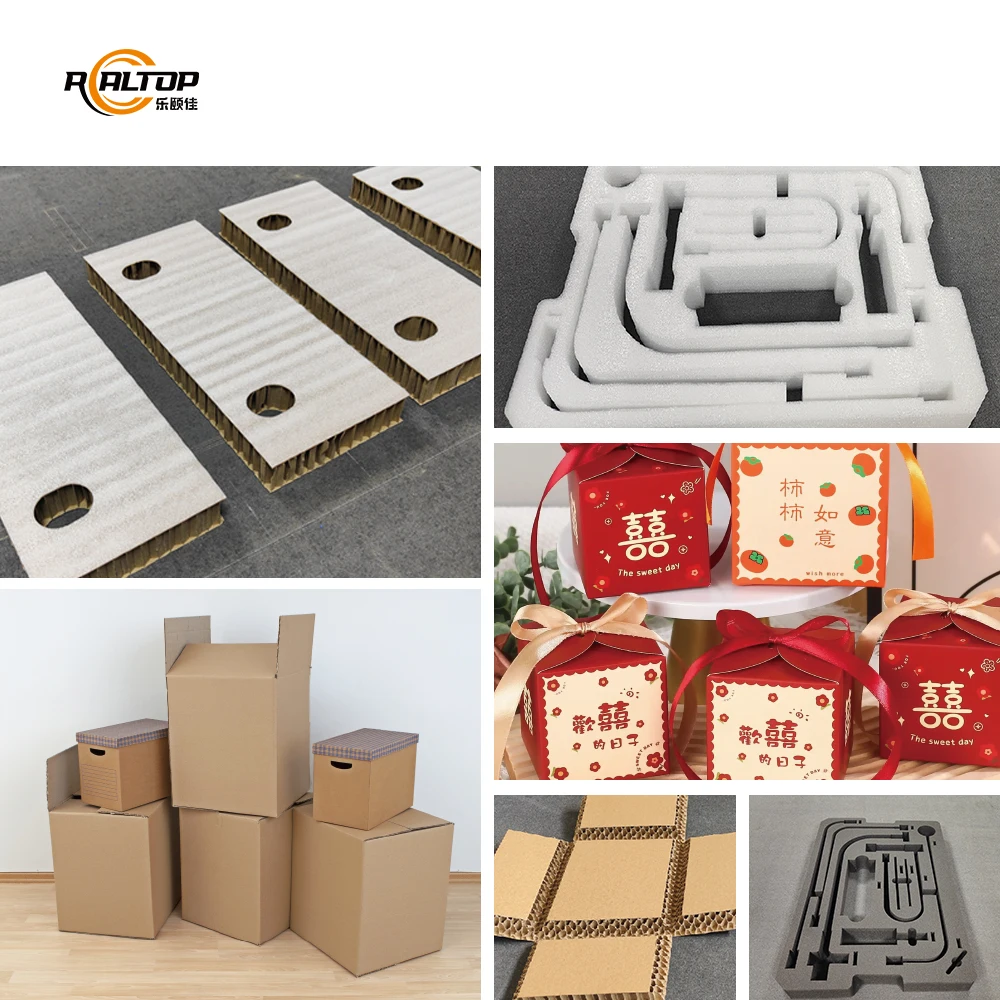
| Packaging sample making | Corrugated cardboard (E-flute, B-flute, BC-flute), greyboard, art paper |
| Small-batch carton production | Cardstock, specialty paper, adhesive-backed composite sheets |
| Protective insert fabrication | EVA foam, EPE foam, PU foam, rubber mats |
| Non-metallic industrial cutting | PVC, PET thin plastic sheets, leather, synthetic leather, velvet, non-woven fabric |
Why the Voltage Question Should Come Before the Price
A machine specified on working area alone that cannot power up on arrival is a stranded asset, not a production tool.
When a CNC oscillating knife cutting machine manufacturer quotes a system, the conversation often centers on bed size and cutting speed. Yet in export markets across Africa and South Asia, industrial voltage and frequency vary significantly from facility to facility [NEED_CITE: voltage and frequency standards by export market]. I have stood in workshops where a newly delivered flatbed digital cutter sat idle for weeks because the local three-phase supply did not match the motor winding configuration. The cost of rewinding or replacing a servo drive on-site far exceeds the time required to confirm electrical schematics before production begins.
Frame Stability and Motion Component Selection
A CNC oscillating knife cutting machine relies on a heavy-duty precision-ground frame to maintain the ±0.1 mm cutting accuracy across the full 1600 × 2500 mm working area. When the gantry moves at speeds up to 1500 mm/s, any torsional flex in the chassis translates directly into edge deviation on corrugated board or foam. We build the frame and integrate the motion components in our core factory, selecting Panasonic, Delta, or Dorna servo motors based on the buyer’s production volume and duty cycle requirements.
Vacuum Table Zoning and Material Hold-Down
Aluminum Bellows Vacuum Table for Thin Substrates
Holding thin cardstock or single-face corrugated sheets flat during high-speed oscillating knife cutting requires consistent surface adsorption. The aluminum bellows vacuum table on this system provides full-surface hold-down, preventing material lift that causes ragged edges or misaligned crease lines [NEED_CITE: vacuum table flatness standards in digital cutting]. When cutting small-format carton samples or intricate packaging inserts, inadequate vacuum zoning allows the sheet to shift under the tool head, ruining the batch. We configure the vacuum zones to match the typical part size and substrate weight of your production mix.
Decoding the Cutting Thickness and Tool Head Relationship
The specification of ≤ 40mm cutting thickness must be evaluated against the specific density and flute profile of the packaging material. Cutting BC-flute corrugated board at maximum depth requires a different oscillating knife amplitude and blade geometry than processing dense EVA foam at the same thickness. The PLC control panel manages these tool path parameters, and the interchangeable tool heads — including the creasing wheel for fold lines and the V groove knife for rigid board — are selected per material. If the file format from your existing packaging design software does not import cleanly into our nesting workflow, we confirm compatibility before the order is finalized.
The Cost of Skipping the Sample Cutting Report
Specifying a tool head without testing it on the buyer’s actual substrate guarantees a production trial filled with crushed foam or torn paper edges.
I have seen importers commit to a digital cutting table based solely on a brochure’s maximum thickness claim, only to find the standard oscillating knife tears through multi-layer adhesive-backed composites. The wrong tool head configuration for a specific packaging material produces waste that erodes the yield margin [NEED_CITE: material yield loss from incorrect tooling selection]. A sample cutting report on your own material, run in our factory before shipment, is the only way to verify that the driven rotary knife or pneumatic knife attachment delivers the edge quality your customers require.
Why Distributors Evaluate Our Build Quality
We control the design and production of both knife and laser cutting technologies, allowing us to recommend the correct cutting method for your market’s dominant packaging materials rather than forcing a single technology. Our core factory assembles and tests every CNC oscillating knife cutting machine under load, generating a factory test record that documents motion accuracy and vacuum performance. We provide electrical schematics with voltage confirmation matched to your target market, and the control panel language is set before the crate is sealed. This level of specification control is what distributors and importers require when evaluating an OEM partner for long-term market representation.
Documentation & Verification
- Machine specification sheet detailing the exact tool head and vacuum table configuration for your packaging substrates.
- Electrical schematic and voltage confirmation document matching the 110V, 220V, or 380V supply of the destination facility.
- Sample cutting report generated on the buyer’s own corrugated board, foam, or cardstock material prior to commitment.
- Factory test record documenting motion accuracy, vacuum hold-down performance, and safety device function before dispatch.
- Software license and file format compatibility note confirming PLT, DXF, AI, and PDF import workflows.
Installation, Commissioning & Support
- Foundation requirements for the 3300 × 2100 × 1350 mm machine footprint, ensuring a level floor for the aluminum bellows vacuum table.
- Dedicated electrical circuit matching the confirmed 9 kW vacuum pump and servo motor voltage specification.
- First-run parameter calibration on your specific corrugated flute profiles and foam densities by our commissioning engineer.
- Operator training covering the PLC control panel interface and packaging box structure design software in the confirmed language.
- Spare parts list identifying wear items for the oscillating knife, driven rotary knife, and creasing wheel assemblies.
Preparing Your Inquiry for Technical Evaluation
To specify the correct configuration, we require the specific packaging materials you process, including flute profile, board density, and maximum thickness. Please provide your local facility voltage and frequency, along with the preferred control panel language. If you are replacing an existing die-cutting workflow, share your current file formats so we can verify software compatibility before quotation.
Frequently Asked Questions
Q: How do we verify the cutting thickness capacity for our specific corrugated board?
A: The ≤ 40mm specification depends on material density and flute type. We run a sample cutting test on your actual E-flute, B-flute, or BC-flute board in our factory. The resulting sample cutting report documents the edge quality, crease line integrity, and tool head configuration required for your specific substrate before any purchase commitment is made.
Q: What happens if our local voltage does not match the standard machine configuration?
A: We confirm the exact voltage (110V, 220V, or 380V) and frequency of your facility before production begins. The electrical schematic and motor winding configuration are matched to your local supply. This prevents the machine from arriving on-site unable to power up, a common issue we have resolved for importers in regions with non-standard industrial grids.
Q: How is the correct tool head selected to avoid ragged edges on our cardstock?
A: Tool head selection is based on your material type and production volume. We evaluate options including the oscillating knife, driven rotary knife, and kiss cutting tool against your specific paper weight and adhesive layers. The configuration list in your documentation specifies the exact tooling required to maintain clean edges and prevent substrate crushing.
Q: Can the control software import our existing packaging design files?
A: The system supports PLT, DXF, AI, and PDF formats. We verify compatibility with your existing nesting workflow and packaging box structure design files before the order is finalized. If a custom file format is required, our design team evaluates the integration during the technical specification phase to ensure a seamless data transfer.
You may also like

商品评价
Clear filtersThere are no reviews yet.