


-
 Courier delivery
-
 DHL Courier delivery
-
 Warranty 1 year
-
 Free 30-Day returns

In-House Tooling Match — Every oscillating knife head and vacuum zone is configured against your actual leather stock before the order is confirmed.
Technical Specifications
| Parameter | Value |
|---|---|
| Model | 1625(Standard) |
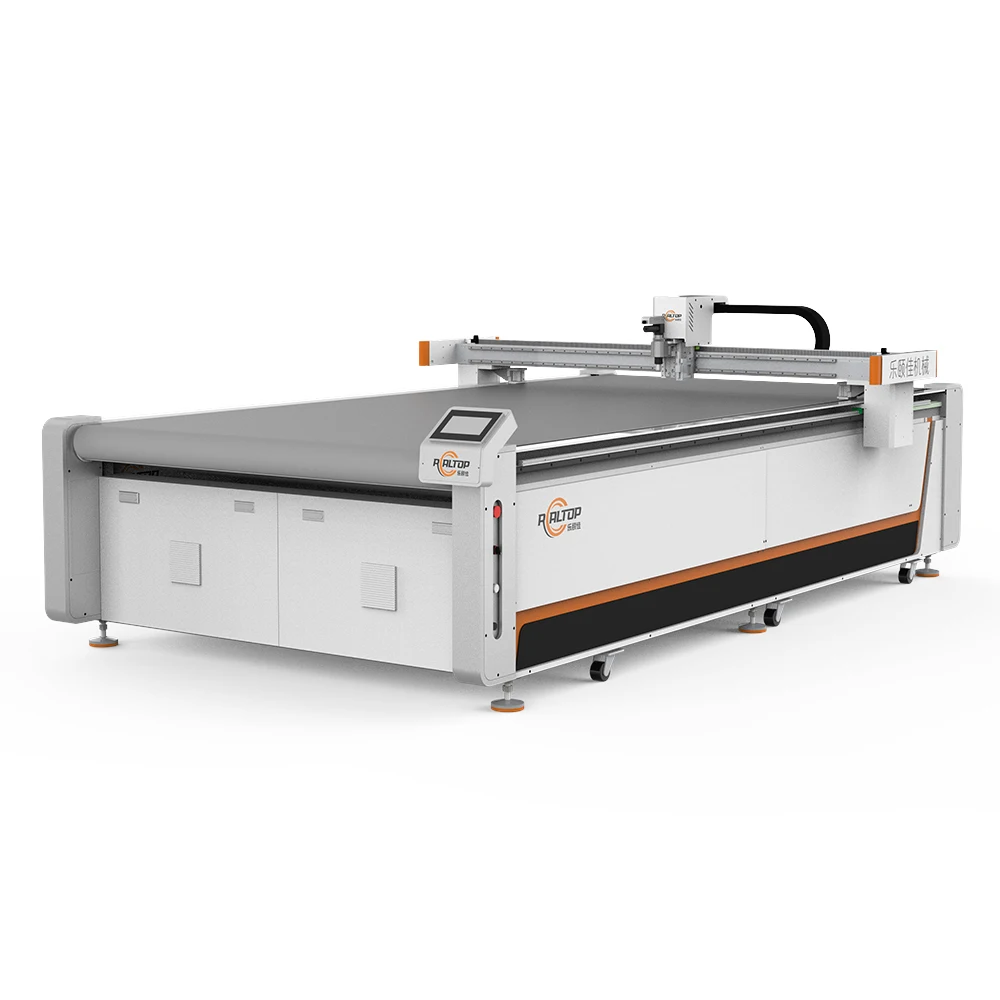
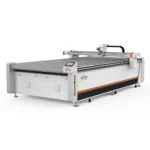
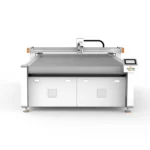
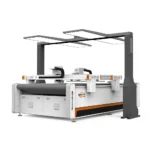
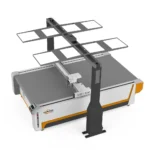
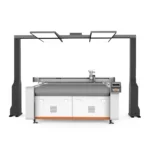
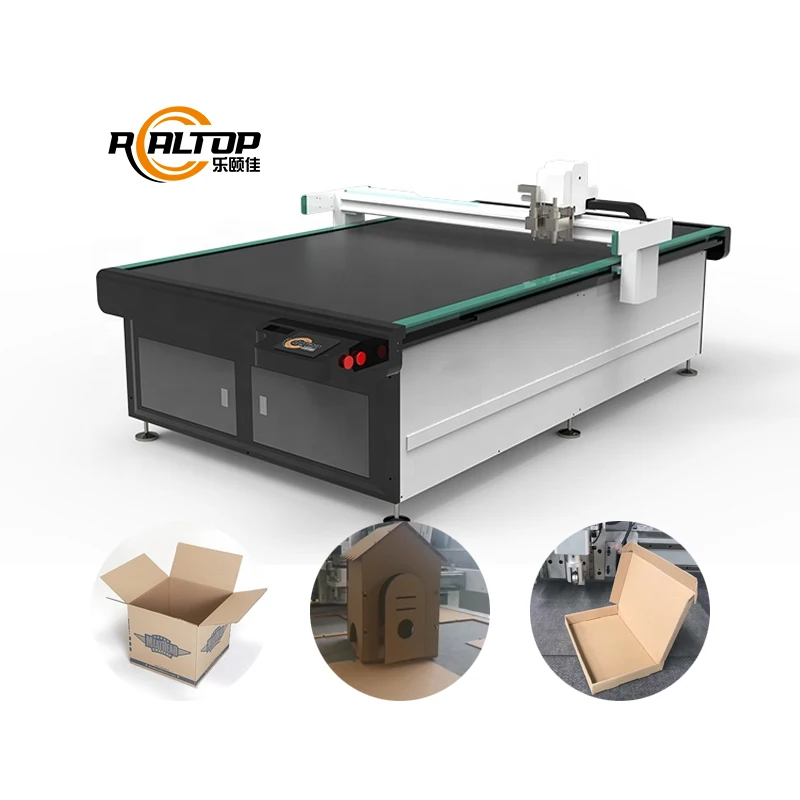
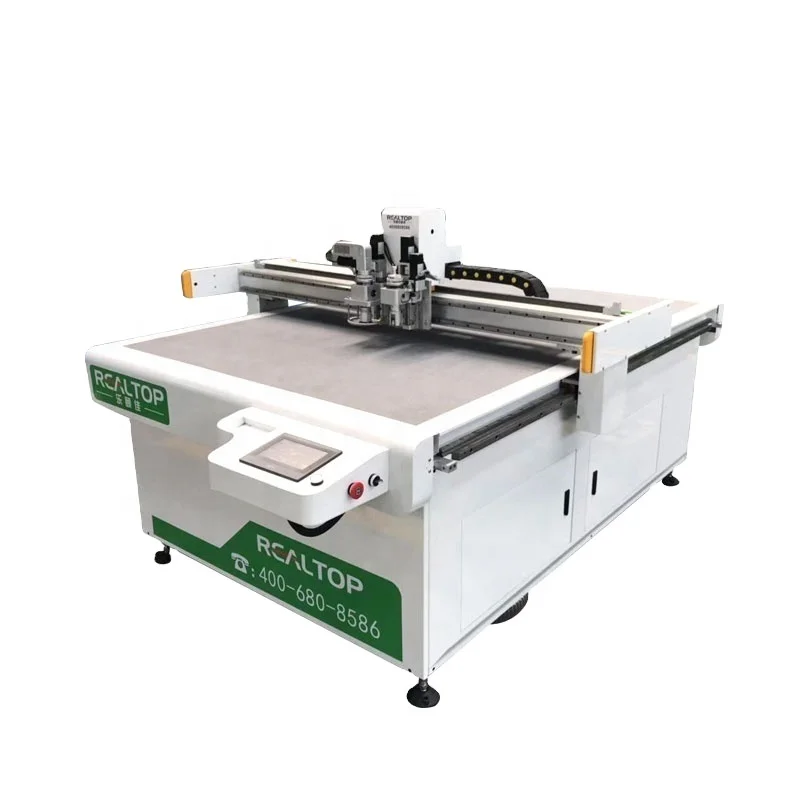
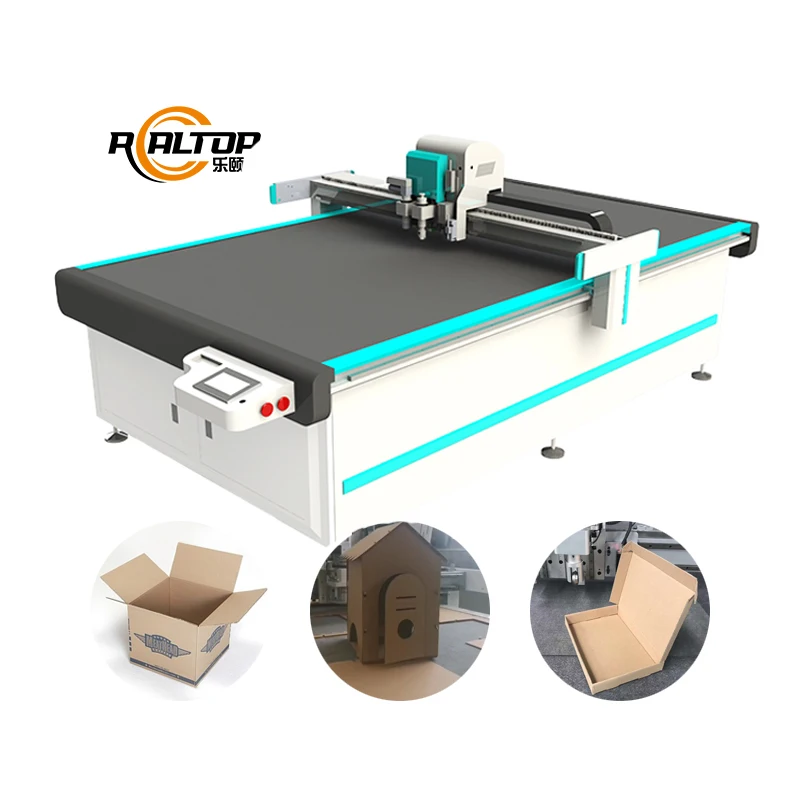
| Product Type | CNC Oscillating Knife Cutting Machine |
| Working Area | 1600 × 2500 mm |
| Cutting Thickness | Up to 30 mm (basis to be confirmed with specific material) |
| Cutting Speed | 0–2000 mm/s (basis to be confirmed with specific material and thickness) |
| Cutting Accuracy | ±0.1 mm |
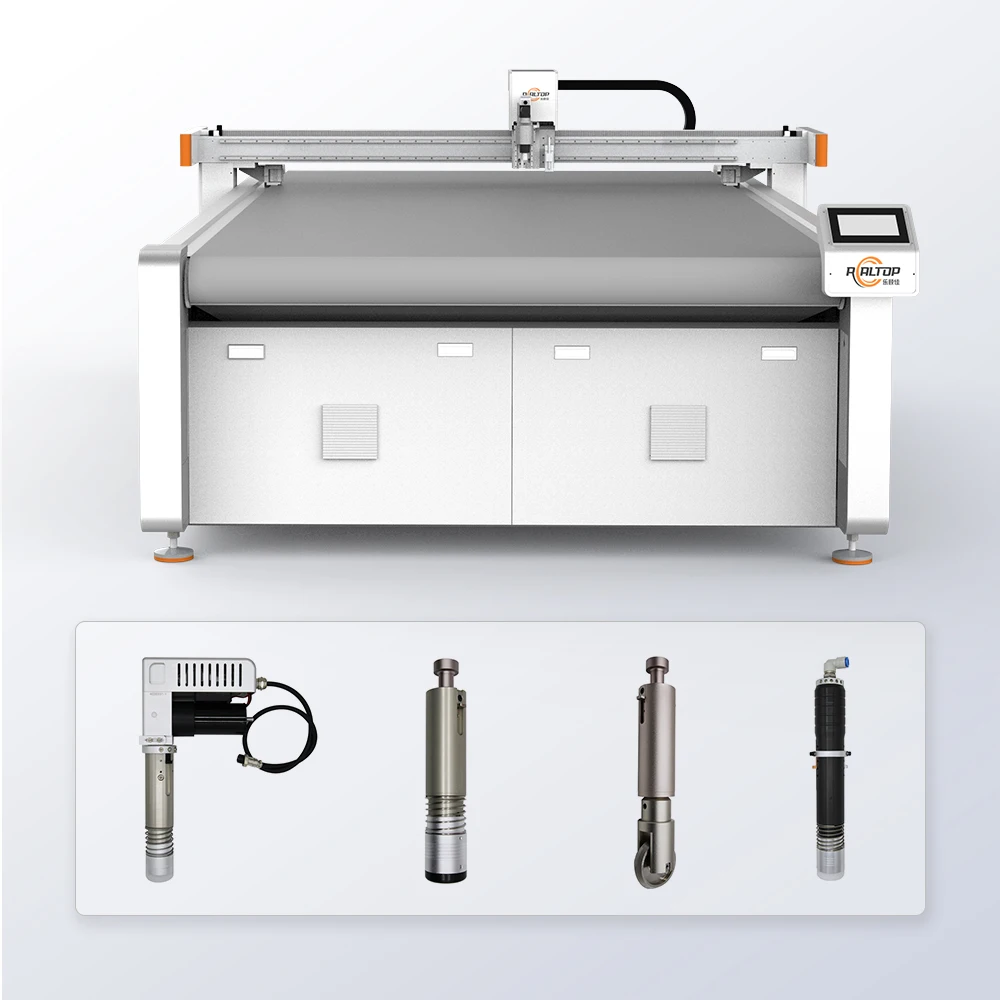
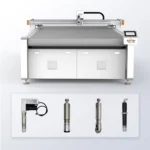
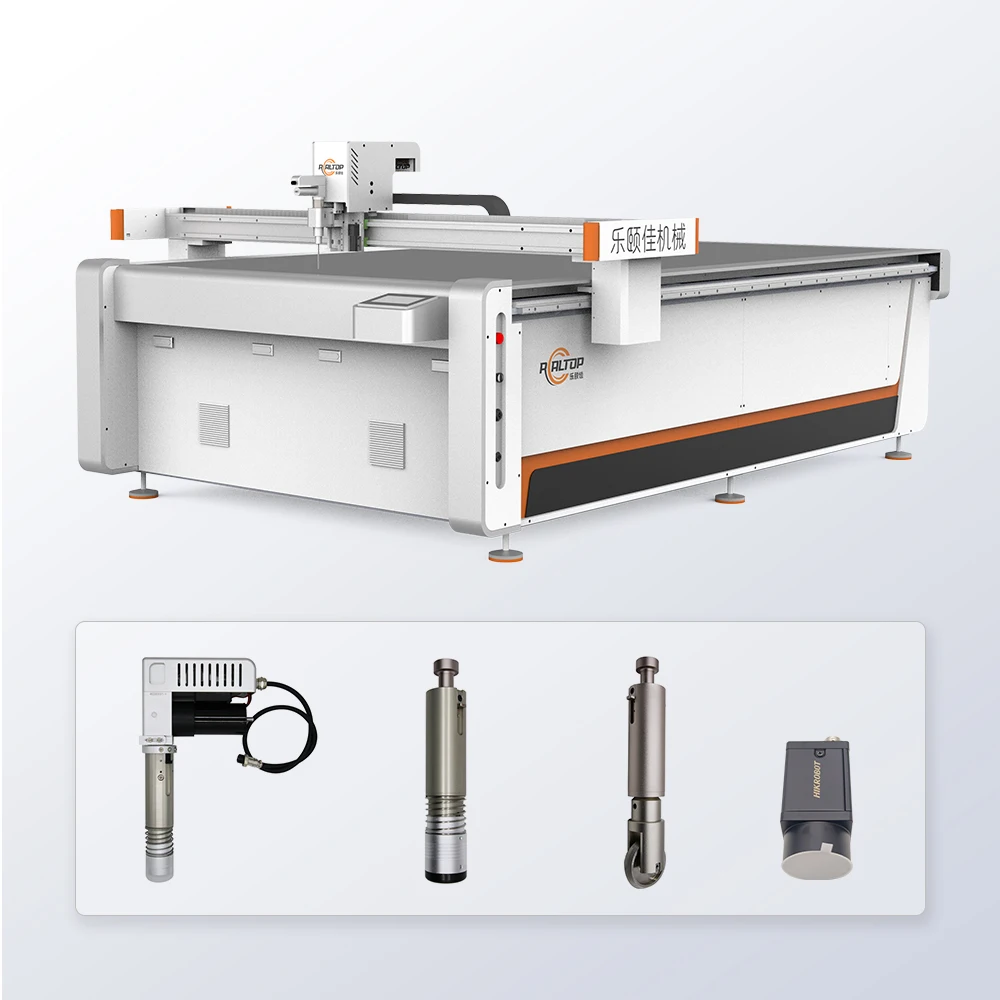
| Available Tool Heads | Oscillating knife, Driven rotary knife, Creasing wheel, Kiss cutting tool, Pneumatic knife, Milling tool, V-groove knife |
| Vacuum Table | Aluminum bellows with full-surface adsorption |
| Vacuum Pump | 9 kW |
| Drive System | Servo motors (Panasonic, Delta, or Dorna options) |
| Control System | PLC control panel |
| Camera System | CCD camera for contour recognition and positioning |
| Profile Formats | PLT, DXF, AI, PDF |
| Voltage Options | 110V, 220V, 380V (configurable) |
| Software Languages | English, Russian, Italian, Chinese (custom languages available) |
| Safety Devices | Infrared sensor device and emergency stop device |
| Machine Size | 3300 × 2100 × 1350 mm |
| Compliance | CE |
Application Suitability
| Application | Material or Output |
|---|---|
| Shoe upper cutting | Genuine leather, PU leather, synthetic suede |
| Bag and luggage panel cutting | Coated PU, split leather, heavy-duty canvas |
| Automotive seat cover contouring | Perforated leather, automotive-grade vinyl |
| Sofa and upholstery patterning | Thick hide, bonded leather, multi-layer textile |
| Apparel leather components | Garment-weight lambskin, goat leather, cowhide splits |
| Gasket and industrial leather | Compressed fiber, PTFE sheets, rubber compounds |
Why Specified Cutting Thickness Is Not the Whole Story on Leather
Leather density varies more than any synthetic, and a configuration that slices through soft garment suede can stall on coated luggage PU.
When a buyer tells me the machine handles 30 mm, they assume it applies to whatever they load. That is rarely true. Hard coated PU used in luggage and shoe soles resists the blade differently from soft nappa of the same thickness. The oscillating frequency, blade angle and vacuum hold-down all need adjustment. I once watched a workshop run production numbers on a sample that turned out softer than their real order material — the cut quality dropped and the daily output was nowhere near expectation. Always insist on a cutting trial with your exact leather stock, not a catalogue generic [NEED_CITE: material variability in leather grades and coatings].
Frame and Motion Build for Continuous Leather Production
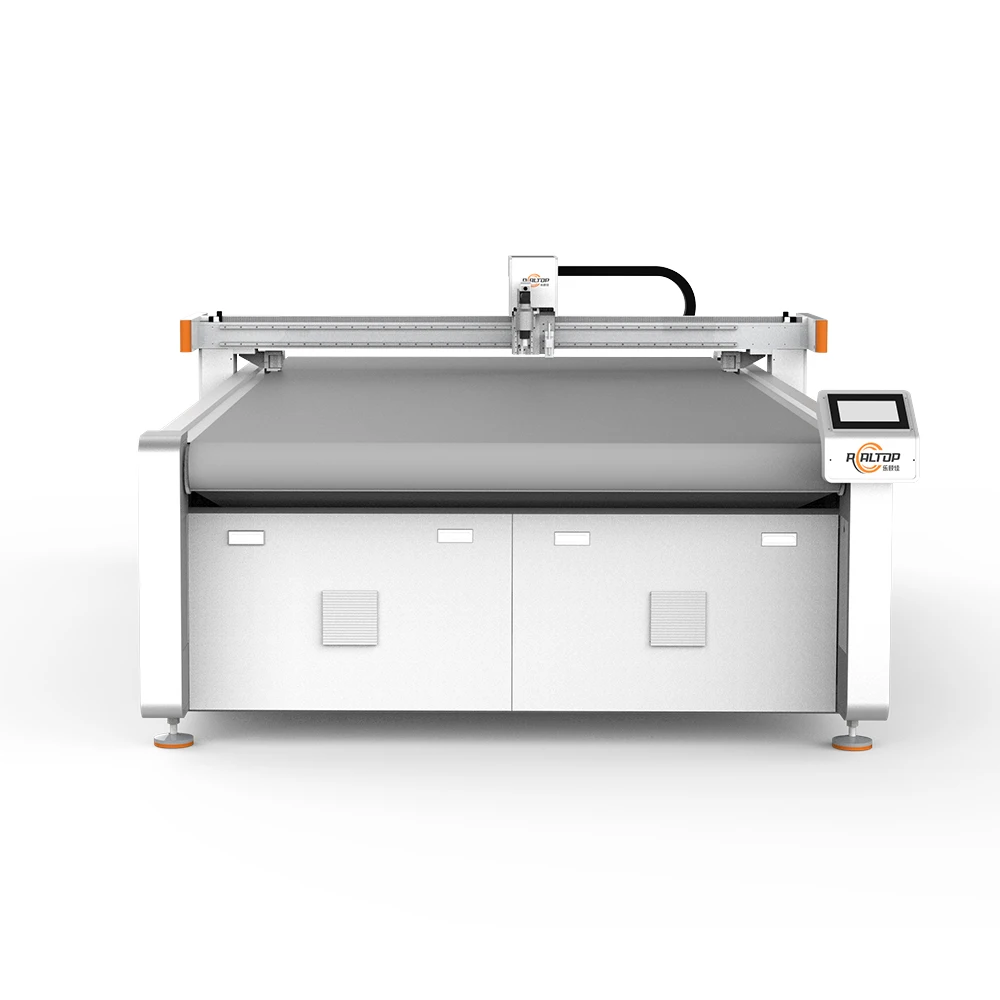
The 1625(Standard) sits on a heavy-duty frame with a precision-ground table surface. For a CNC Oscillating Knife Cutting Machine manufacturer, frame rigidity is not a cosmetic detail — it controls how vibration travels into the tool head during high-frequency oscillation. When the blade strikes dense leather at thousands of strokes per minute, any frame flex shows up as edge chatter on the finished piece. Servo motors from Panasonic, Delta or Dorna are specified depending on the buyer’s market and service network, giving distributors a known motion platform to support locally.
Tool Head Matching Before the Machine Leaves the Factory
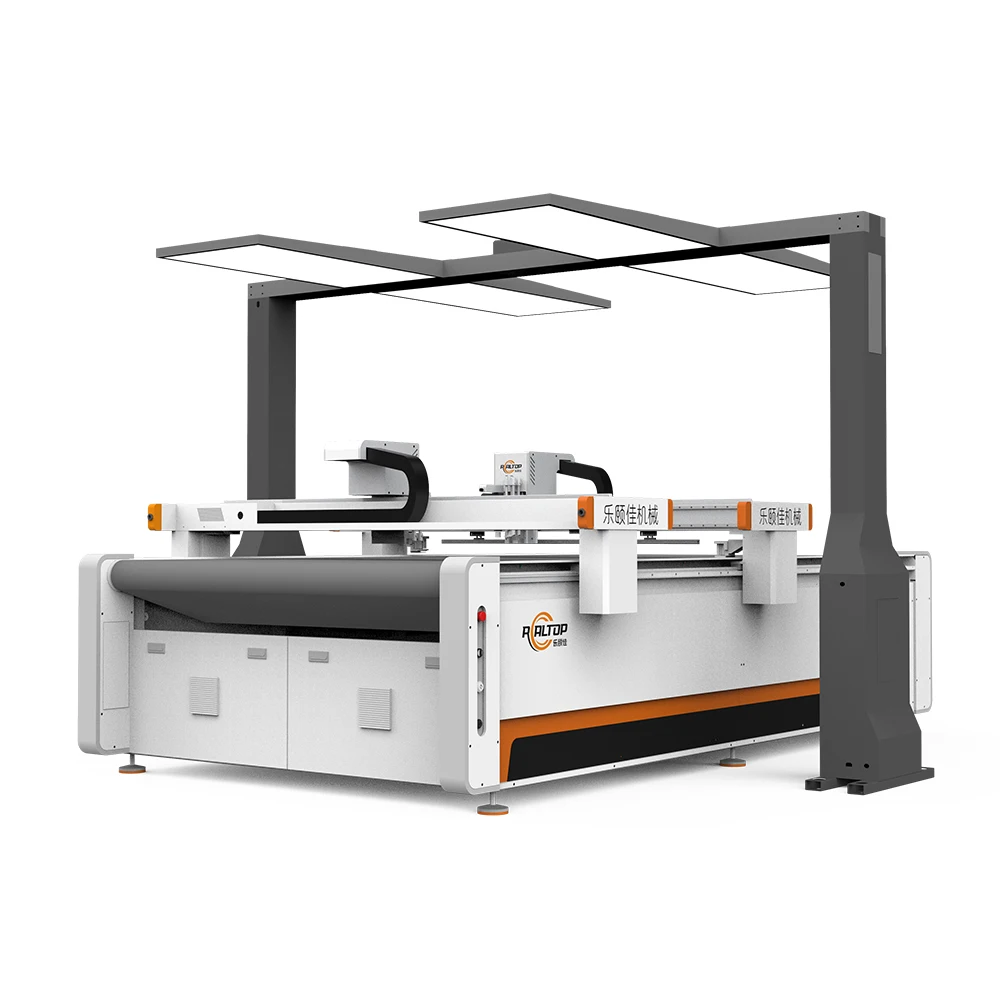
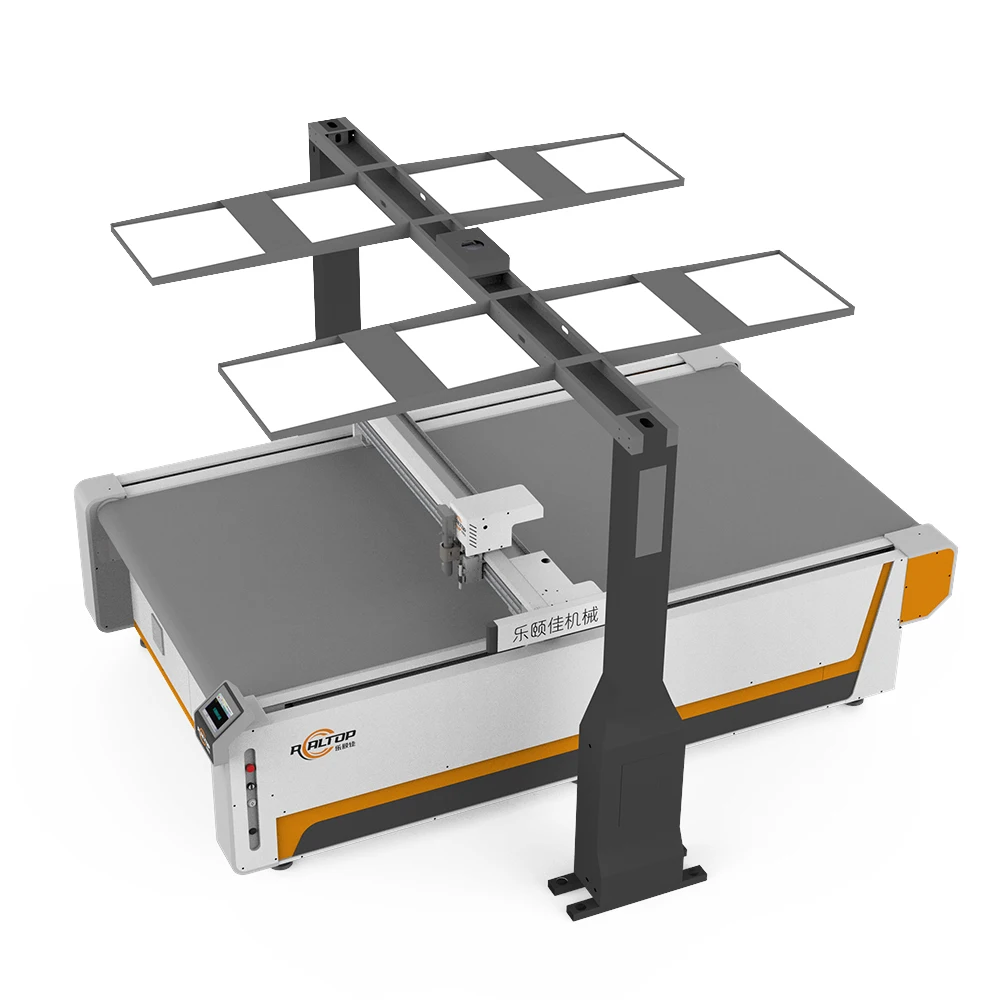
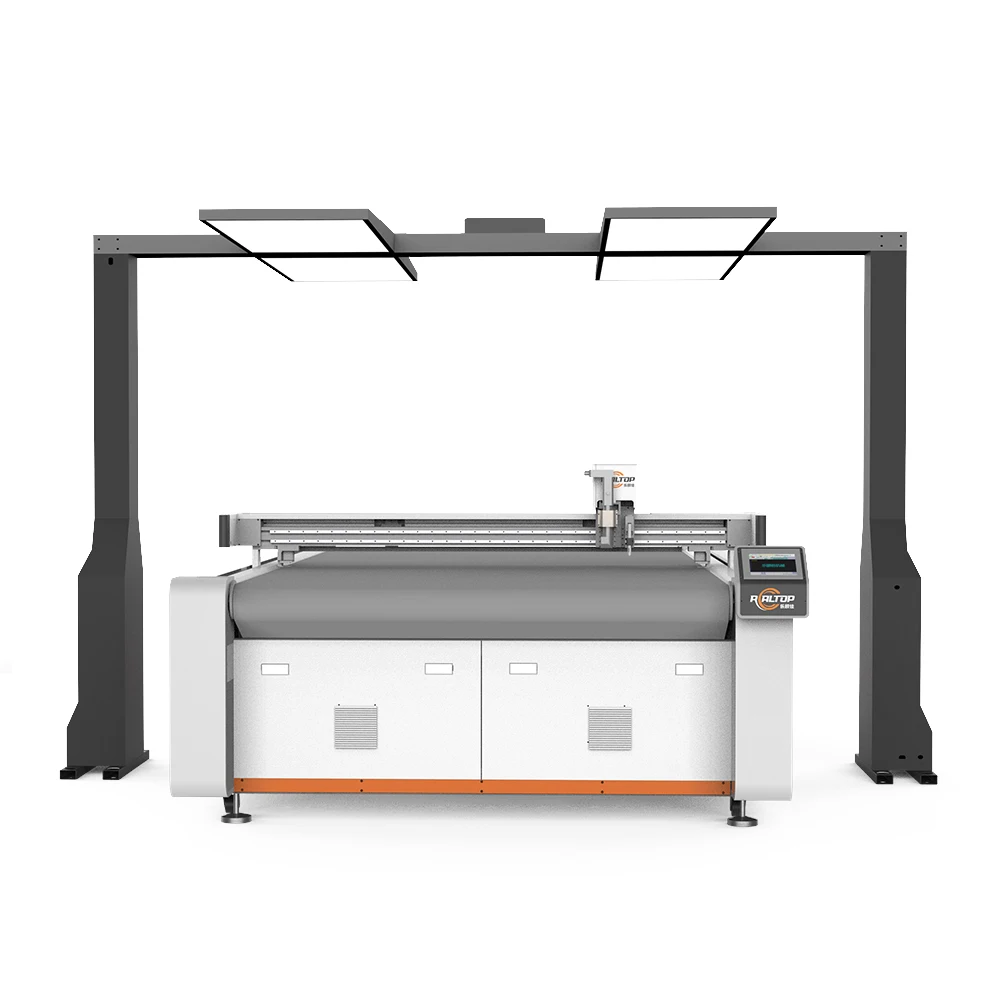
Leather is not one material. The oscillating knife handles most garment and bag leathers cleanly, but thick or fibrous stock often needs the pneumatic knife for its greater downward force. Driven rotary knives suit continuous long cuts on rolled synthetic leather, while the V-groove tool scores fold lines on rigid leatherboard for cases and boxes. Each tool head is selected against the buyer’s material profile and daily volume, then documented on the configuration sheet. CCD camera positioning is integrated for printed leather and patterned hides where the camera tracks registration marks to align every cut piece [NEED_CITE: CCD contour recognition accuracy on printed leather surfaces].
Reading the Specs That Actually Affect Your Leather Output
The 1600 × 2500 mm working area fits full hides and standard synthetic leather rolls without re-sheeting, reducing handling time between loads. The 9 kW vacuum pump paired with an aluminum bellows table provides full-surface adsorption — this matters when cutting small shoe upper pieces that tend to lift under knife drag. Cutting accuracy at ±0.1 mm keeps nested pattern pieces within garment-industry tolerances so downstream stitching lines up. The PLC control panel runs the nesting software and accepts PLT, DXF, AI and PDF profiles, which covers the file formats most leather workshops already generate from their grading systems.
The Cost of Skipping the Material Trial
Buyers who skip the sample cutting trial often discover problems on day one of production. A vacuum zone layout that holds a full hide perfectly may leave small tongue or strap pieces lifting during the cut. A blade type that produces clean edges on sample stock may crush or fray the actual order material. Voltage mismatches discovered after shipment mean weeks of downtime while transformers are sourced locally. These are not warranty claims — they are configuration errors that a pre-shipment trial on the buyer’s own leather would have caught [NEED_CITE: common configuration mismatches in CNC leather cutting procurement].
Why Procurement Teams Source This Machine Here
Our design team and core factory cover both the mechanical build and the cutting-head engineering in one facility. That means the tool head configuration, vacuum zoning and software language are coordinated by the same engineers who assemble the frame, not split across separate vendors. Distributors evaluating build quality can inspect the motion components, servo specification and frame welding directly. Voltage and plug standards are confirmed against the destination market before production starts, so the machine arrives wired correctly. OEM branding, control panel layout and documentation language are configurable for importers building their own product line. Every machine runs a factory test with the buyer’s specified material before packing.
Documentation & Verification
- Machine specification sheet with tool head and vacuum table configuration locked to your leather type
- Sample cutting report on your actual leather stock with edge quality photographs
- Electrical schematic confirming voltage, plug type and frequency for your market
- Factory test record showing cutting accuracy and speed on your specified thickness
- Software licence note with confirmed file format compatibility for PLT, DXF, AI and PDF workflows
Installation, Commissioning & Support
- Requires a level concrete floor able to support the 3300 × 2100 mm footprint and dynamic load
- Dedicated circuit matching confirmed voltage (110V, 220V or 380V) with correct breaker rating
- Machine ships partially assembled; table and gantry are aligned and bolted on site
- First-run calibration includes vacuum zone mapping and CCD camera registration setup
- Operator training covers tool head changeover, nesting software and PLC parameter adjustment
- Spare blade and vacuum seal kit included; consumable list provided for local sourcing
What We Need to Quote the Right Configuration
Send your leather type, thickness range and whether the material is coated or bonded. Include your standard hide or roll dimensions so we can confirm the working area fits. Tell us your local voltage and frequency, preferred control language and whether your design files are in PLT, DXF, AI or PDF format. If daily volume targets exist, share them alongside the piece count per hide so we can recommend the right tool head and nesting setup.
Frequently Asked Questions
Q: How is the cutting configuration matched to my specific leather type and thickness?
A: We run a sample cutting trial using your actual leather stock. The tool head type, blade angle, oscillation frequency and vacuum hold-down pressure are then adjusted and documented before the order is finalized, so the configuration matches your material rather than a generic catalogue setting.
Q: What is the factory build quality and frame construction standard?
A: The frame is welded and stress-relieved in our core factory, with a precision-ground aluminum bellows table surface. Motion components use servo motors from established brands, and every assembled unit undergoes a factory test record before dispatch to verify cutting accuracy and repeatability.
Q: Can voltage, control language and software be customized for my market?
A: Yes. Voltage is configurable across 110V, 220V and 380V with the correct plug standard. The PLC control panel language and software interface can be set to English, Russian, Italian, Chinese or a custom language, and file format compatibility is confirmed before shipment.
Q: What OEM capability and customization range do you offer?
A: Distributors and importers can specify branding on the machine body, custom control panel layout, documentation language and packaging. The in-house design team handles these modifications within the same factory, keeping build quality and component sourcing under one roof.
Q: How do I verify cutting performance on my material before shipment?
A: We produce a sample cutting report using your supplied leather, documenting edge quality, cutting accuracy and cycle data. A factory test record accompanies the machine, and you receive photographs and video of the test run before the unit is packed for shipment.
You may also like

商品评价
Clear filtersThere are no reviews yet.