




-
 Courier delivery
-
 DHL Courier delivery
-
 Warranty 1 year
-
 Free 30-Day returns

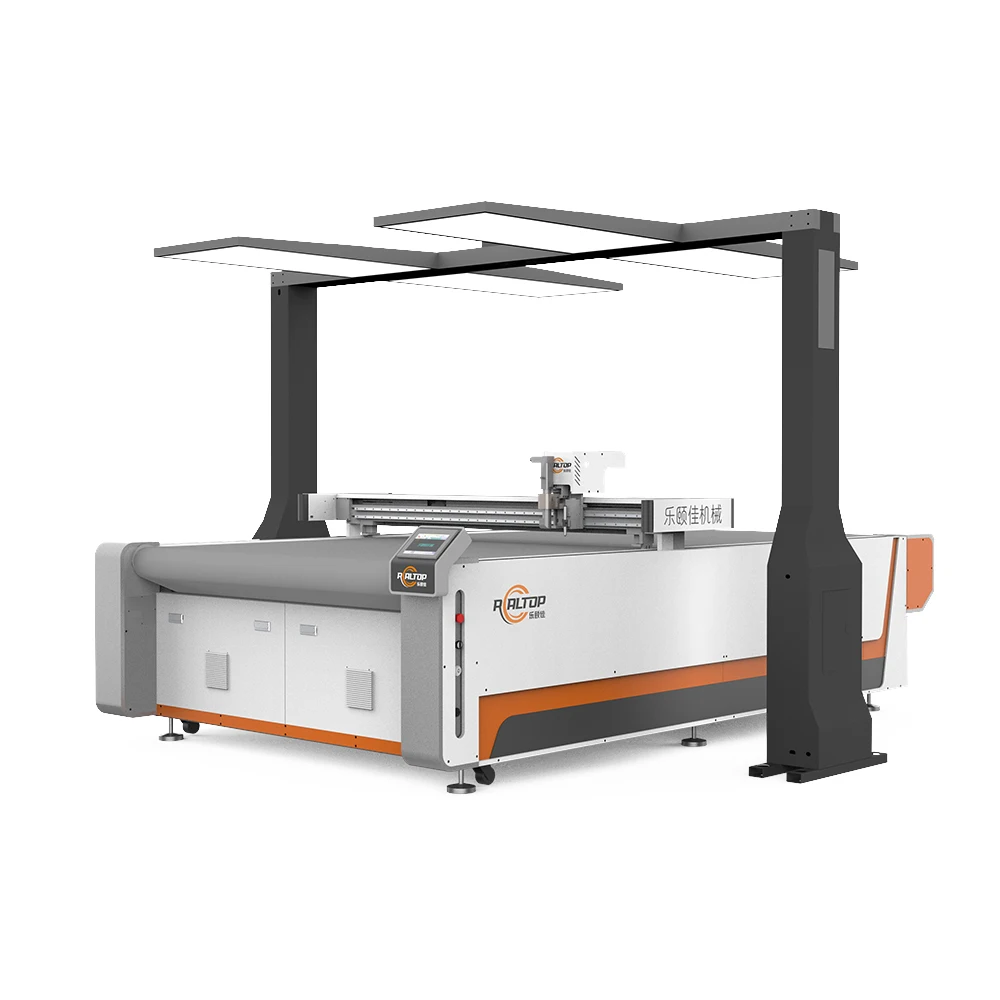
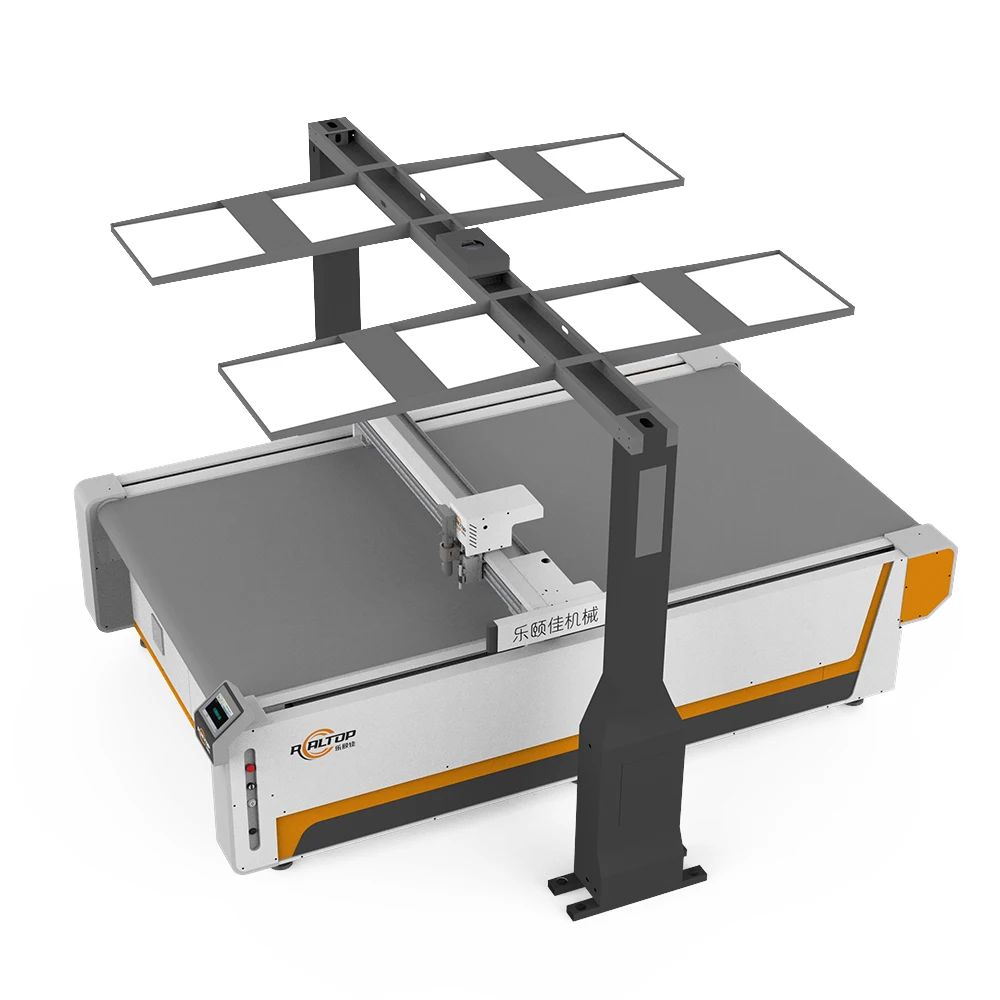
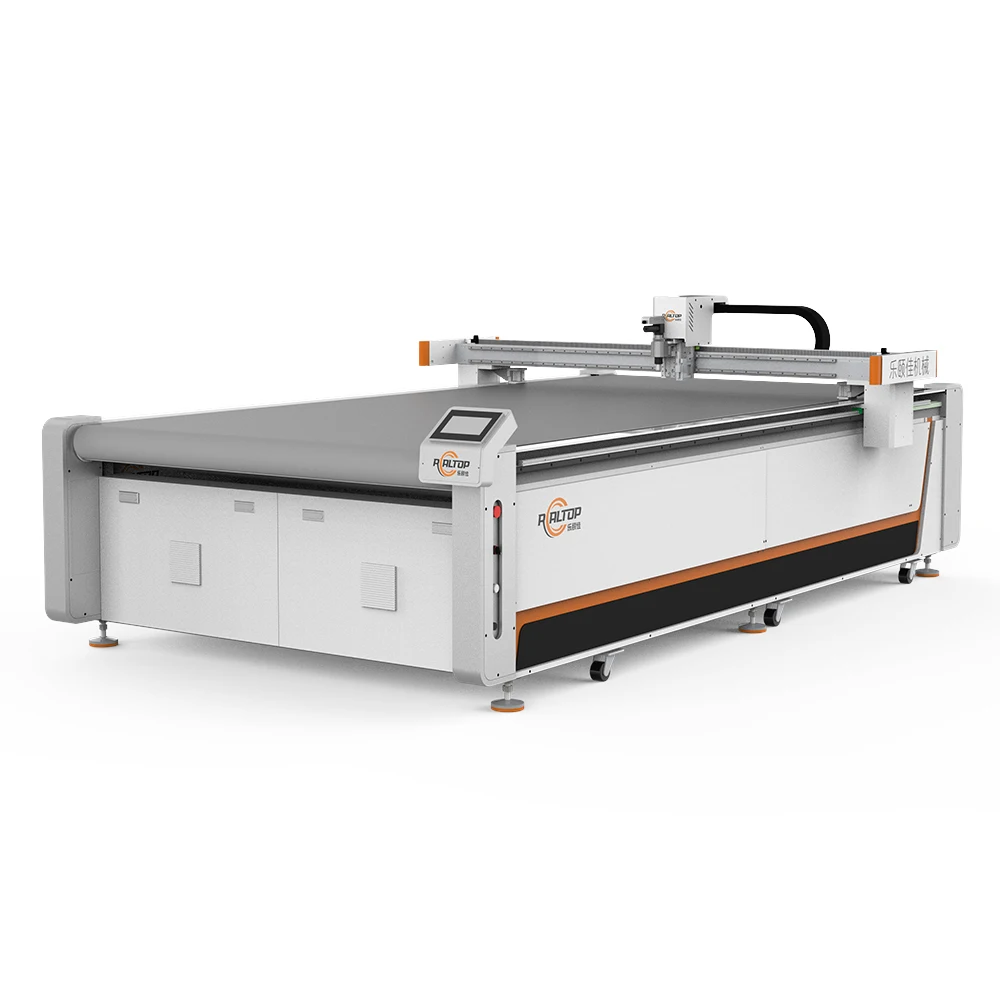
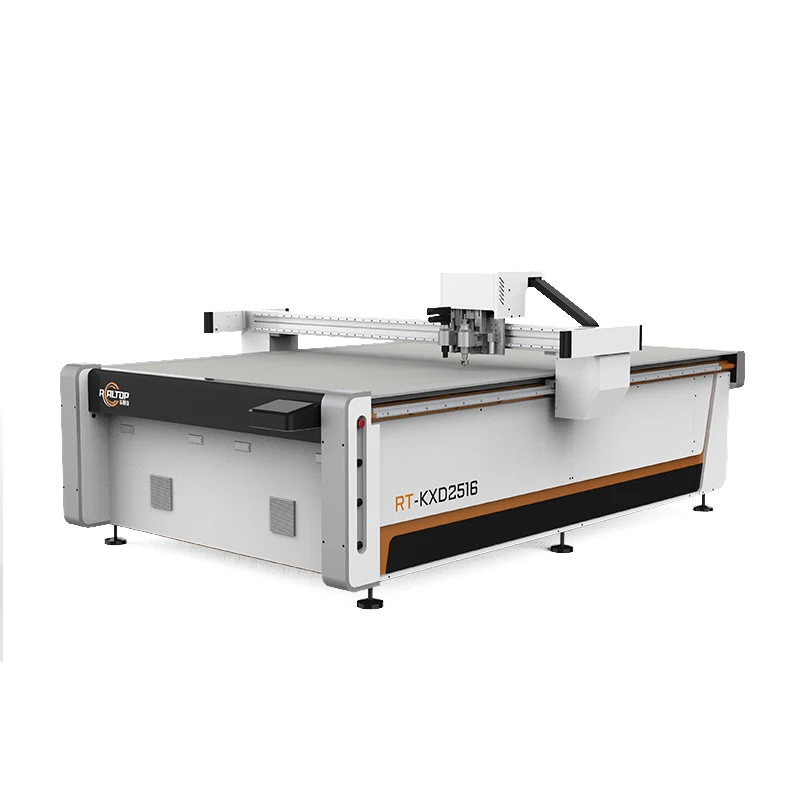
Tool Head Matched to Material — Every REALTOP CNC leather cutting machine ships with a tool configuration selected after sample cutting on the buyer’s actual leather, composite or foam, not guessed from a catalog grid.
Technical Specifications
| Parameter | Value |
|---|---|
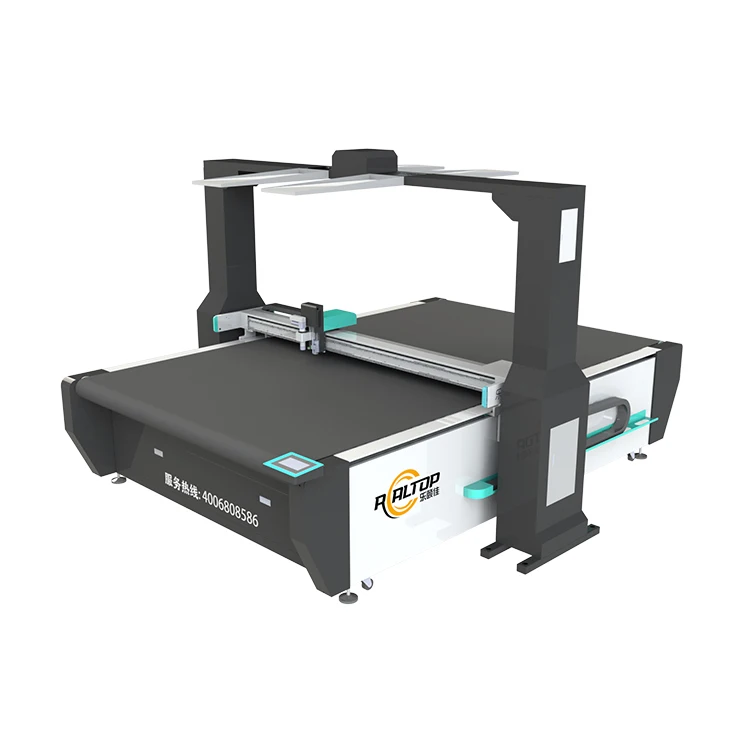
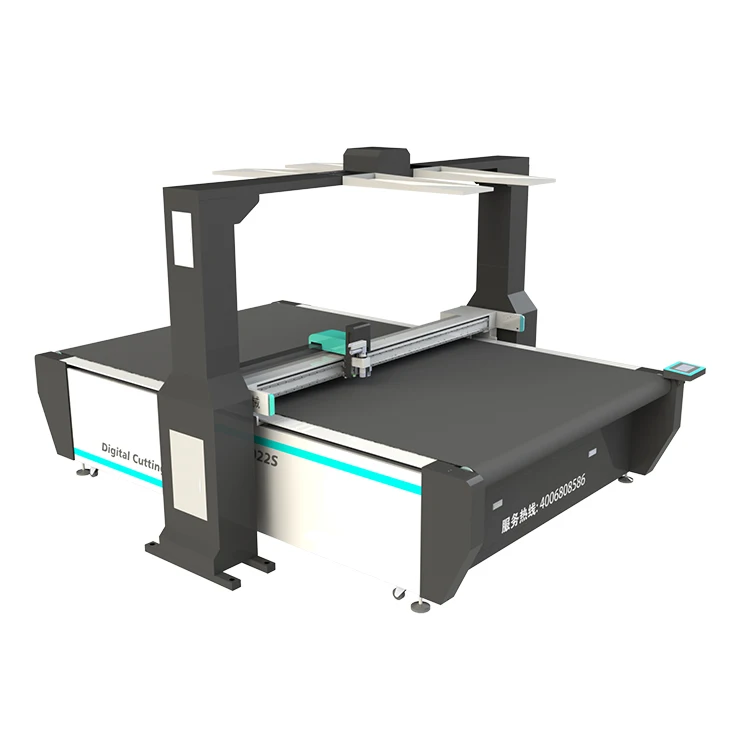
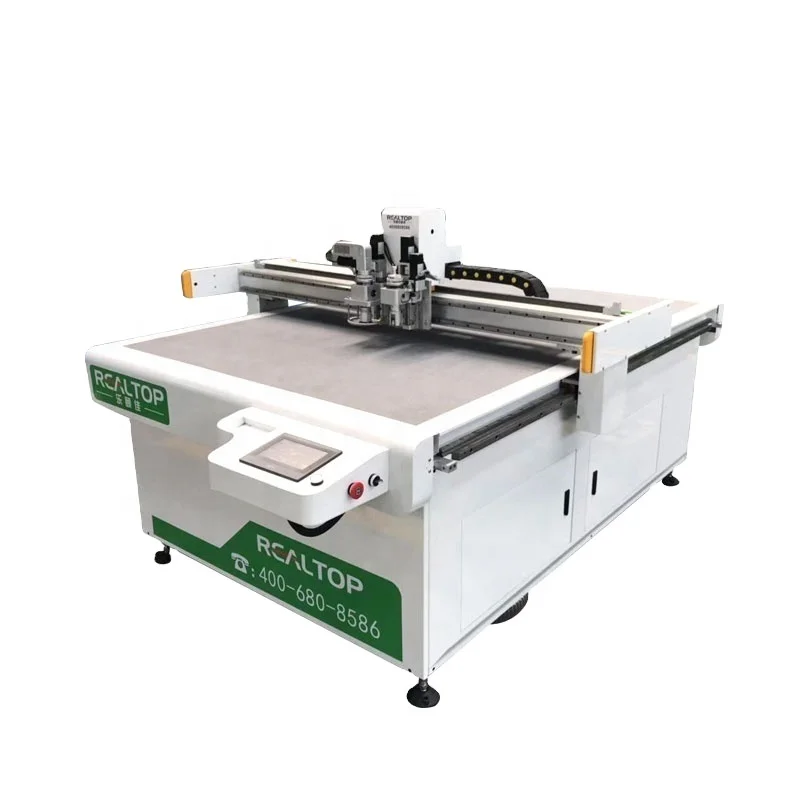
| Product Type | CNC Oscillating Knife Leather Cutting Machine |
| Working Area | 1600 × 2500 mm |
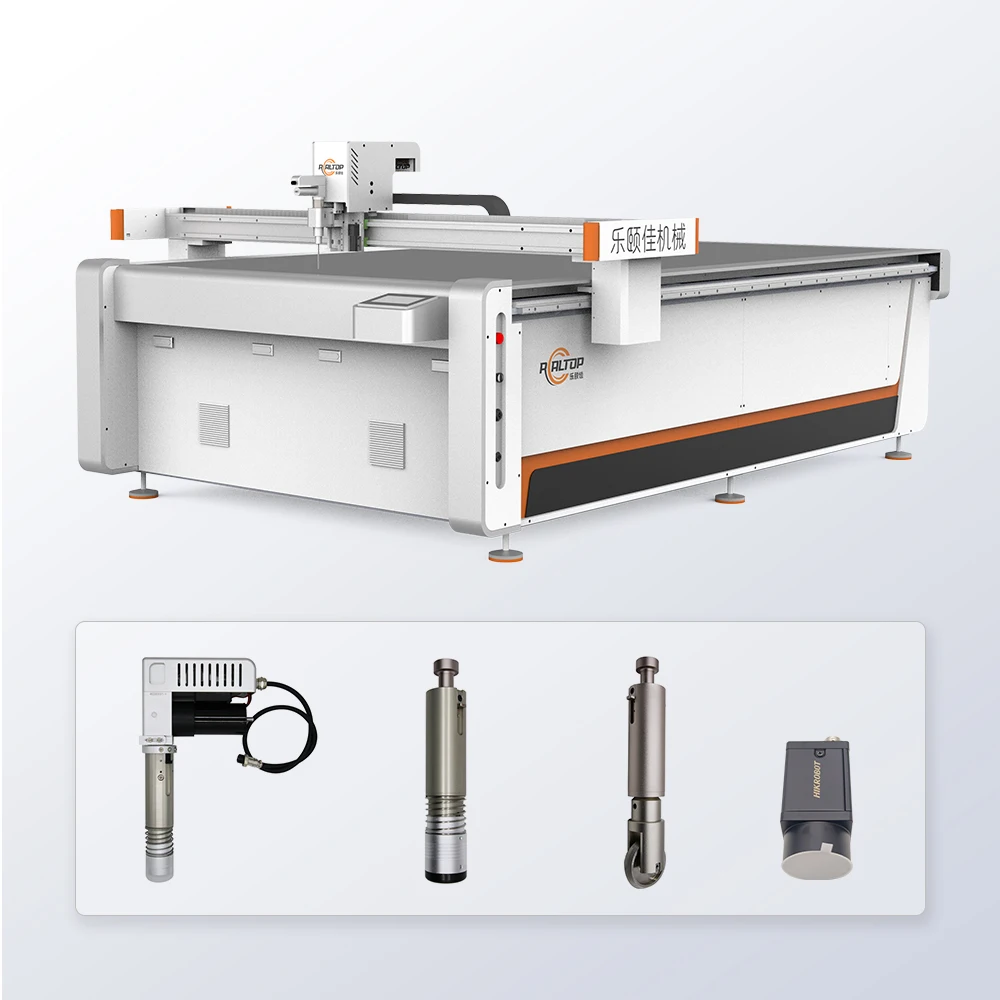
| Tool Head Options | Oscillating knife, Driven rotary knife, Creasing wheel, Kiss cutting tool, Pneumatic knife, Milling tool, V groove knife |
| Cutting Speed | 0–2000 mm/s |
| Cutting Thickness | ≤ 30 mm (basis not stated in source) |
| Cutting Accuracy | ±0.1 mm |
| Vacuum Pump Power | 9 kW |
| Vacuum Table | Aluminum bellows vacuum table |
| Control System | PLC control panel with optional display languages |
| Servo Drive Options | Panasonic, Delta, Dorna (rated or peak not specified in source) |
| Voltage Options | 110V / 220V / 380V |
| CCD Camera | Yes (contour recognition and positioning) |
| Safety Devices | Infrared sensor device, Emergency stop device |
| Machine Dimensions (L×W×H) | 3300 × 2100 × 1350 mm |
| Supported File Formats | PLT, DXF, AI, PDF |
| Language Options | English, Russian, Italian, Chinese (special languages customizable) |
| Certification | CE |
Application Suitability
| Application | Material or Output |
|---|---|
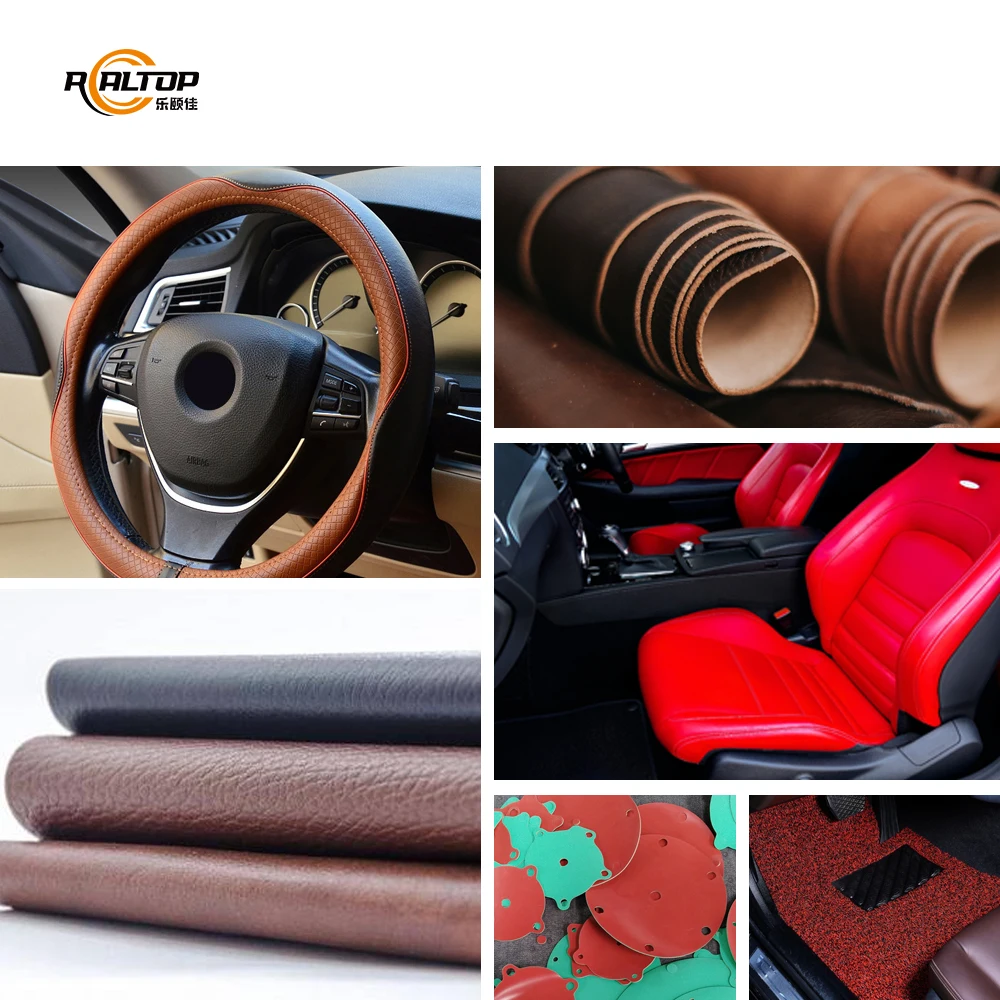
| Footwear and leather goods | Shoe uppers, handbags, and apparel from genuine leather, PU, and synthetic hides |
| Automotive interior production | Seat covers, car mats, and interior panels from composite leather and fabric laminates |
| Home furnishing fabrication | Sofa upholstery, soft composite panels, and lampshade materials |
| Advertising and signage | Vehicle wraps, PVC sheets, adhesive stickers, and foam boards |
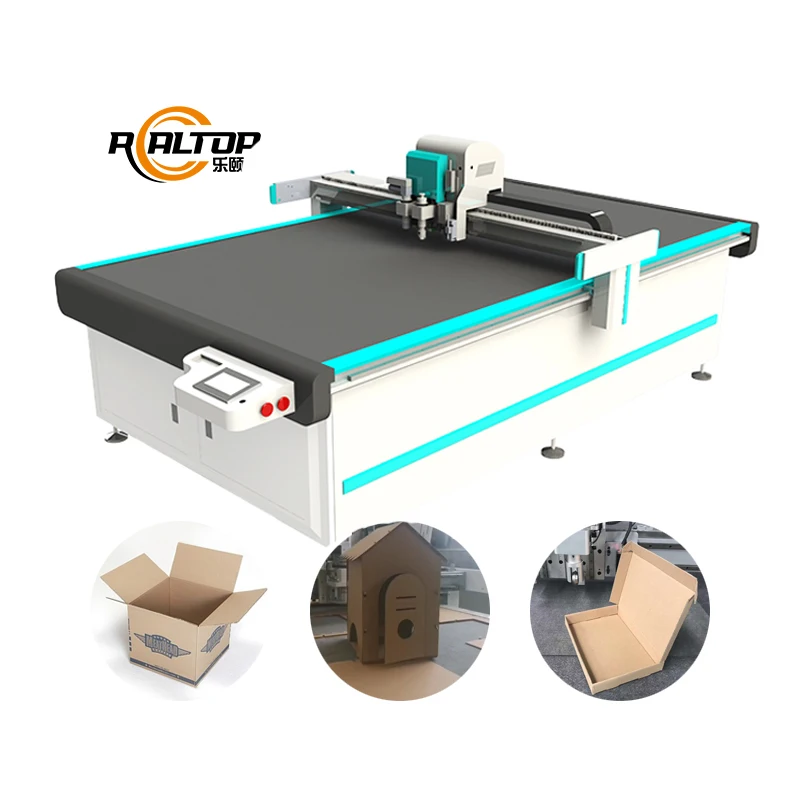
| Packaging sample making | Gift boxes, cartons, and corrugated inserts |
Why Material Thickness Decides the Tool Head Before Anything Else
The cutting edge fails long before the machine does when the wrong tool head meets the wrong leather stack.
A CNC leather cutting machine manufacturer who only asks for working area dimensions is leaving the hardest question unanswered. Three layers of bonded leather with foam backing behave nothing like a single sheet of standard PU. I once watched an operator push a standard oscillating blade through a three-layer composite, and the foam compressed under the blade, leaving a torn, ragged profile across every piece in that batch. The machine was not at fault. The configuration was [NEED_CITE: oscillating knife cutting parameters for multi-layer leather and foam composites].
How Tool Heads and Vacuum Zoning Work Together on Real Leather
The tool head list on this CNC oscillating knife cutting system is not a menu of extras. Each head exists because a specific material demands it. Genuine leather with irregular grain requires a driven rotary knife to follow natural contours without dragging. Synthetic PU responds well to the standard oscillating knife. Kiss cutting tools score adhesive-backed leather for stickers without cutting through the backing paper. A V-groove knife handles folding lines on rigid leather board used in luxury packaging.
The aluminum bellows vacuum table holds the material flat, but flatness alone is not enough. Small shoe upper pieces need concentrated suction in one zone while the rest of the hide stays movable for the next nesting layout. If the zoning cannot isolate suction to the active cutting area, small parts lift during high-speed passes and the dimensional accuracy drifts beyond the ±0.1 mm tolerance.
What the 9 kW Vacuum Pump and Servo Options Mean on the Floor
A 9 kW vacuum pump on a 1600 × 2500 mm bed generates enough suction to hold full hides of heavy genuine leather without mechanical clamps that would mark the surface. The aluminum bellows construction provides a flat sealing surface that does not warp under continuous vacuum load. When the table is divided into zones, the pump must overcome leakage at zone boundaries. This is where the difference between a well-sealed table and a poorly sealed one shows up as lifted edges on small pattern pieces [NEED_CITE: vacuum table zoning effectiveness on CNC flatbed cutting systems].
The servo drive options — Panasonic, Delta, or Dorna — each bring different response characteristics to the gantry motion. At 2000 mm/s travel speed, the servo must decelerate precisely at the end of each stroke without overshoot. An oscillating knife vibrating at high frequency adds another variable the servo must compensate for. The choice among these drives is not about brand preference but about matching the servo response curve to the actual cutting load profile of the buyer’s material.
The Cost of Skipping the Sample Cutting Step
Buyers who skip sample testing on their own material discover the mismatch only after the machine is installed. The vacuum zoning might be insufficient for their specific small-part nesting layout. The CCD camera might track printed registration marks fine at low speed but lose lock at production speed on glossy printed leather. The tool head might produce clean edges on single-layer PU but crush the foam core of a three-layer automotive seat cover laminate. These are not machine defects. They are specification gaps that surface only when real material meets real production conditions [NEED_CITE: CNC cutting sample testing protocols before equipment purchase].
Why Buyers Source This Equipment Directly from the Factory
REALTOP designs both knife and laser cutting systems in-house, so a buyer processing leather alongside acrylic or wood can match the cutting method to each material instead of forcing one technology across all substrates. The tool head and table configuration is specified per material type and daily production volume, documented in a configuration list before the order is confirmed. CCD camera positioning is verified on the buyer’s printed leather or patterned roll stock during the sample cutting stage, not assumed from a generic specification.
Voltage, plug type, and control panel language are confirmed in writing before production begins, so a 380V machine does not arrive in a workshop wired for 220V. Every CNC leather cutting machine manufacturer should do this. Fewer actually do. The sample cutting report on the buyer’s own material becomes part of the shipping documentation, providing a baseline for comparison when the machine arrives on site.
Documentation & Verification
- Machine specification sheet with confirmed tool head and table configuration for your leather type
- Electrical schematic and voltage confirmation matched to your workshop supply before shipment
- Sample cutting report on your leather, composite, or foam material with edge quality photographs
- Software licence and file format compatibility note confirming PLT, DXF, AI, and PDF import
- Factory test record documenting cutting accuracy and vacuum hold-down on your specified material
Installation, Commissioning & Support
- Foundation must support 3300 × 2100 × 1350 mm footprint with level tolerance for the aluminum bellows vacuum table
- Dedicated circuit required for the 9 kW vacuum pump plus servo and control panel load on the confirmed voltage
- Machine ships partially assembled with gantry and tool head requiring on-site alignment and calibration
- First-run commissioning includes tool head selection verification against your leather samples and nesting files
- Operator training covers CCD camera contour setup, tool head changeover, and vacuum zone configuration
- Spare parts list includes oscillating knife blades, vacuum seals, and servo-specific consumables
What to Include in Your Inquiry
Send the specific leather types you cut, including single-layer and multi-layer composites, along with typical sheet dimensions and daily cutting volume. Confirm your workshop voltage and frequency, and note any existing nesting software or file formats your design team already uses. If your production includes printed leather or patterned rolls that require CCD contour tracking, include a sample of the printed registration marks so the camera system can be tested before your machine enters production.
Frequently Asked Questions
Q: How do I choose between oscillating knife and driven rotary knife for my leather products?
A: The choice depends on your material structure. Single-layer genuine leather and synthetic PU generally suit the oscillating knife. Genuine leather with irregular grain or thick composite laminates often require the driven rotary knife for cleaner edge tracking. REALTOP tests both heads on your actual material during sample cutting and documents the result so the correct tool ships with your machine.
Q: Can the CCD camera track printed contours on leather at full production speed?
A: CCD contour recognition depends on mark contrast, print quality, and cutting speed. The camera system on this machine tracks printed registration marks for contour cutting, but performance must be verified on your specific printed leather at your target production speed. This verification happens during the sample cutting stage before order confirmation.
Q: Is vacuum table zoning sufficient for small shoe upper pieces?
A: The aluminum bellows vacuum table supports zoning to concentrate suction on the active cutting area. Small parts like shoe uppers require adequate localized hold-down to prevent lifting during high-speed knife passes. The zoning configuration is specified during the sample cutting phase based on your actual nesting layout and part dimensions.
Q: What voltage and language options are confirmed before shipment?
A: Voltage is configurable across 110V, 220V, and 380V, and the PLC control panel supports English, Russian, Italian, and Chinese with additional languages available on request. Both voltage and control language are confirmed in writing with electrical schematics before the machine enters production, preventing mismatches at installation.
You may also like

商品评价
Clear filtersThere are no reviews yet.