



-
 Courier delivery
-
 DHL Courier delivery
-
 Warranty 1 year
-
 Free 30-Day returns

In-house design capability — Our engineering team builds both knife and complementary tool systems under one roof, so buyers match the cutting method to the material rather than forcing a single technology onto every job.
Technical Specifications
| Parameter | Value |
|---|---|
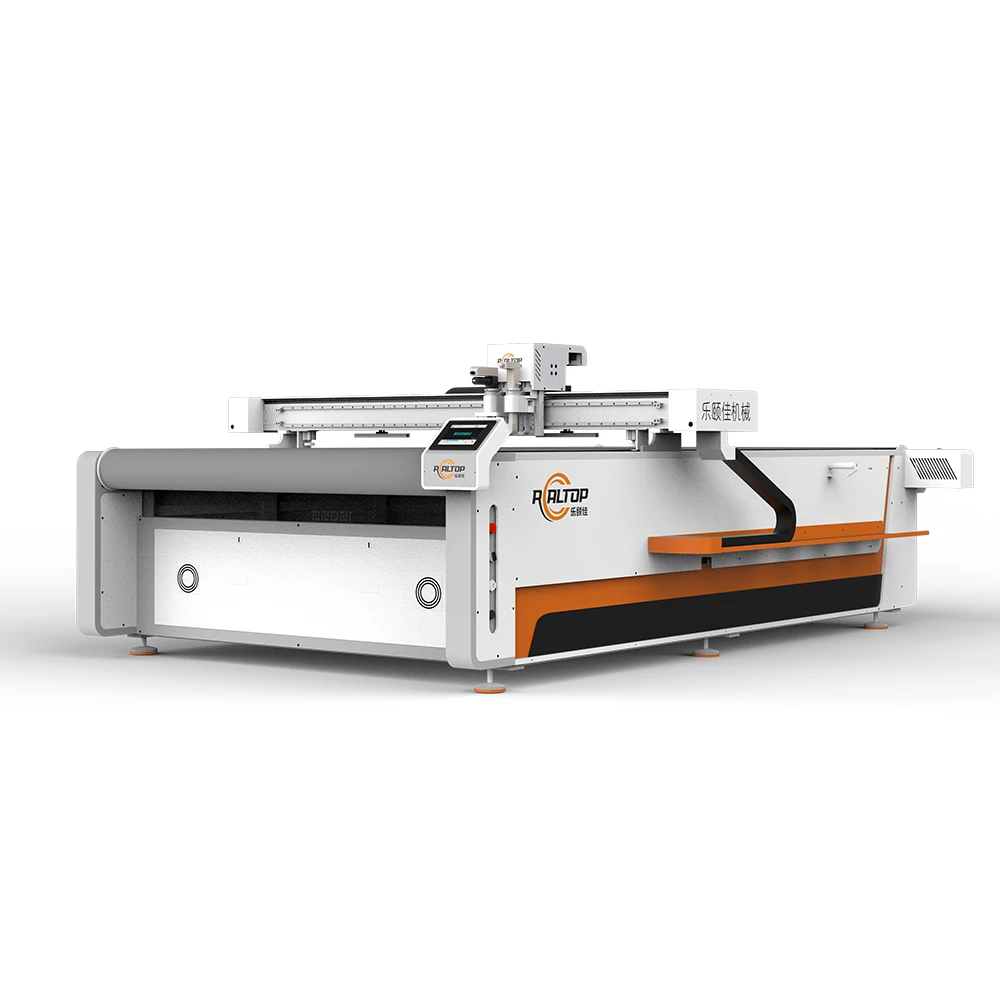
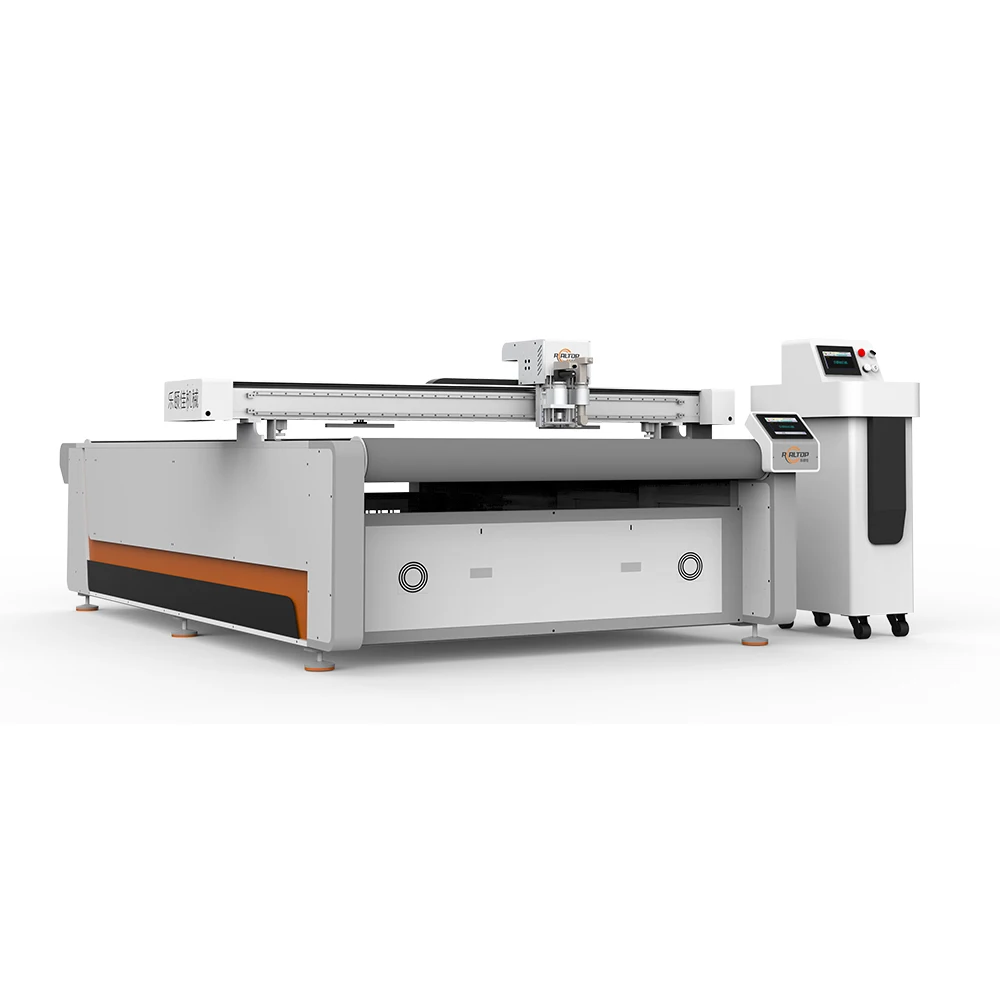
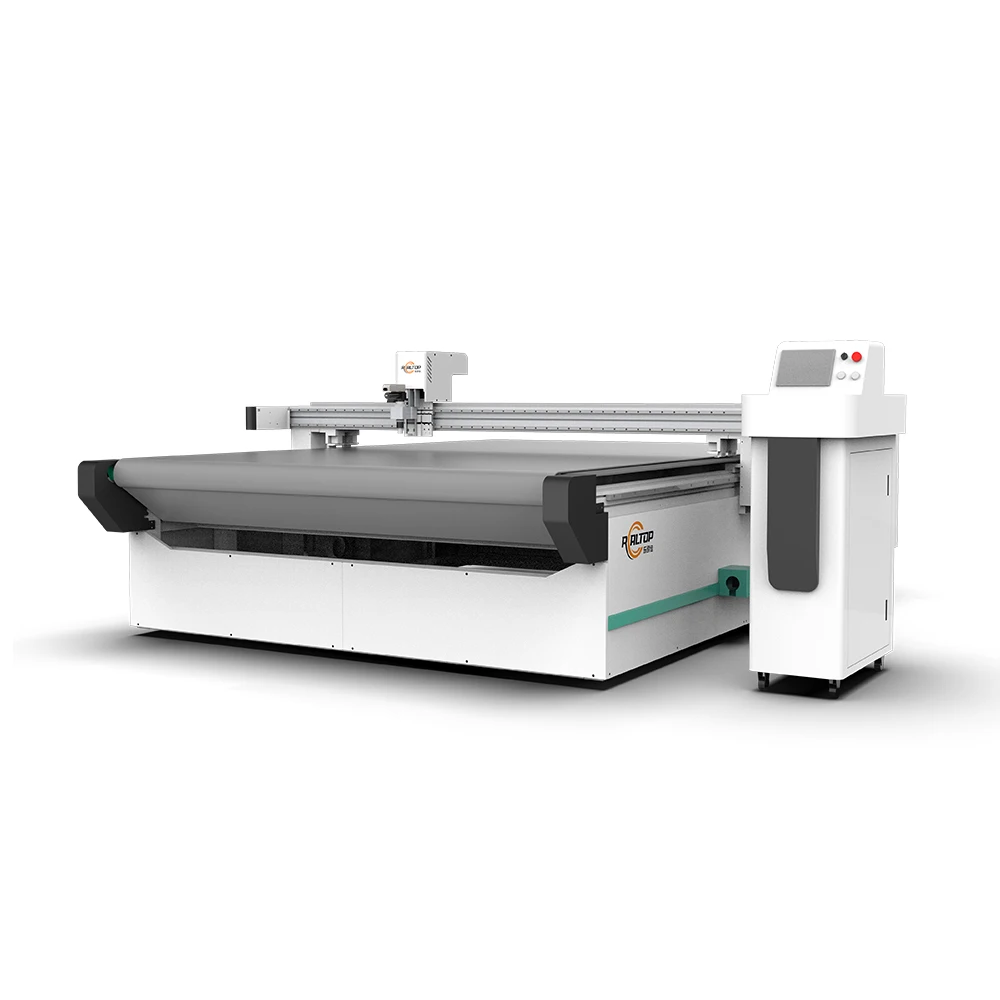
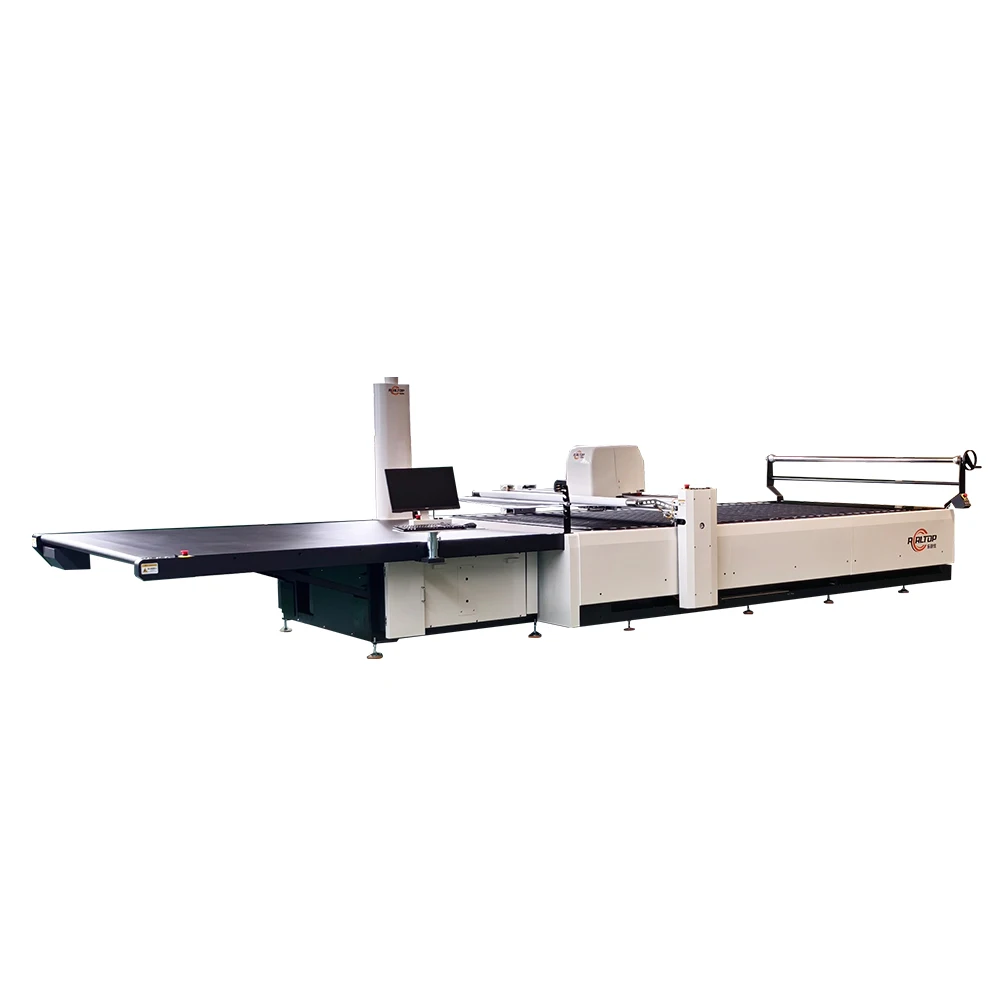
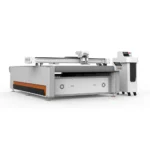
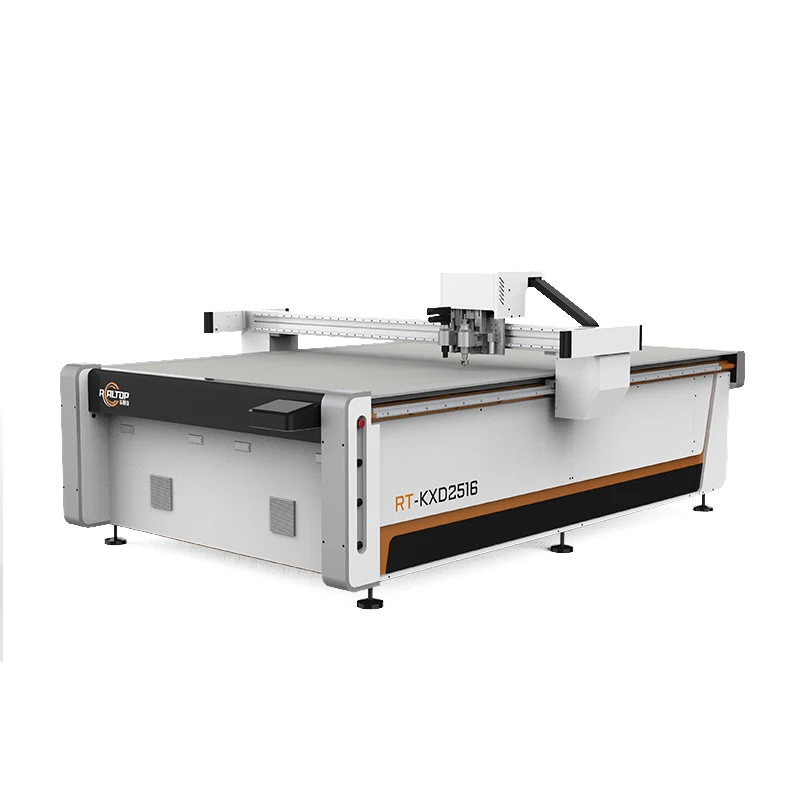
| Product Type | CNC Oscillating Knife Flatbed Cutting Machine |
| Working Area | 1600×2500 mm |
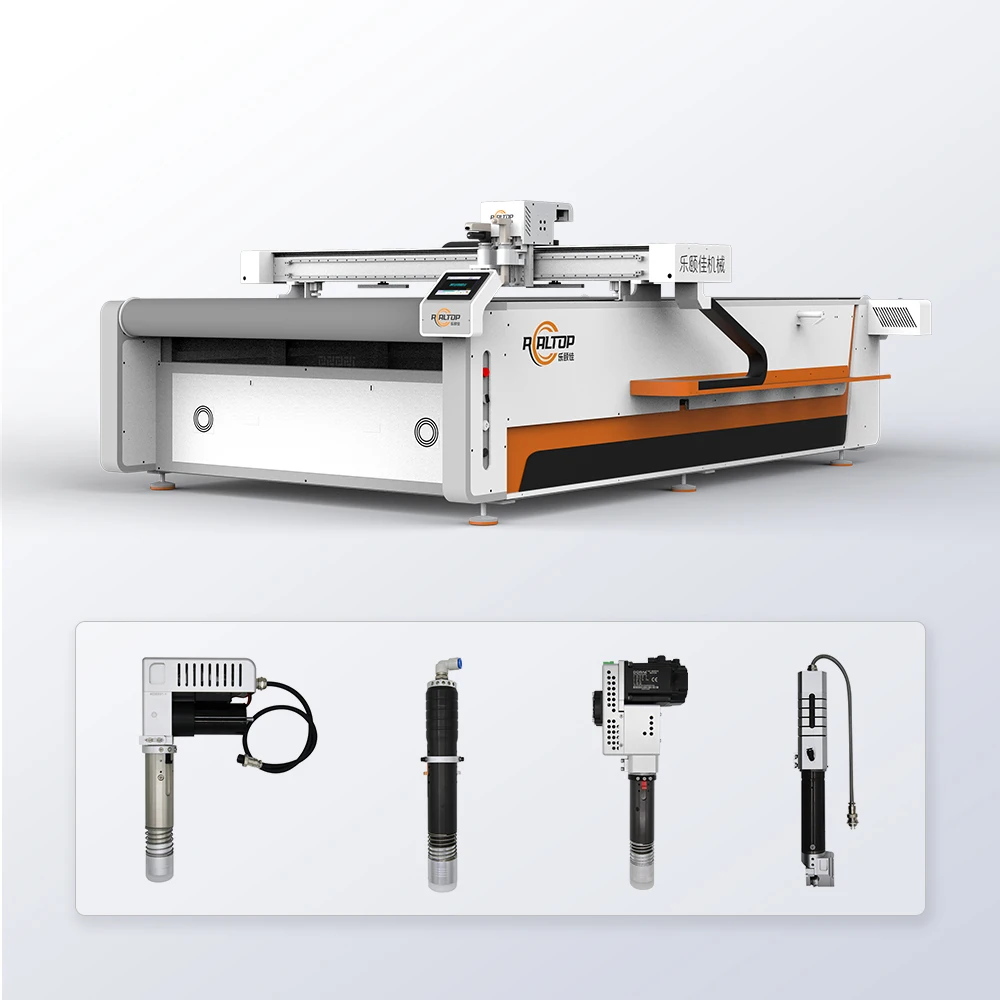
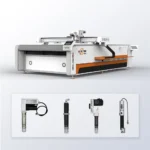
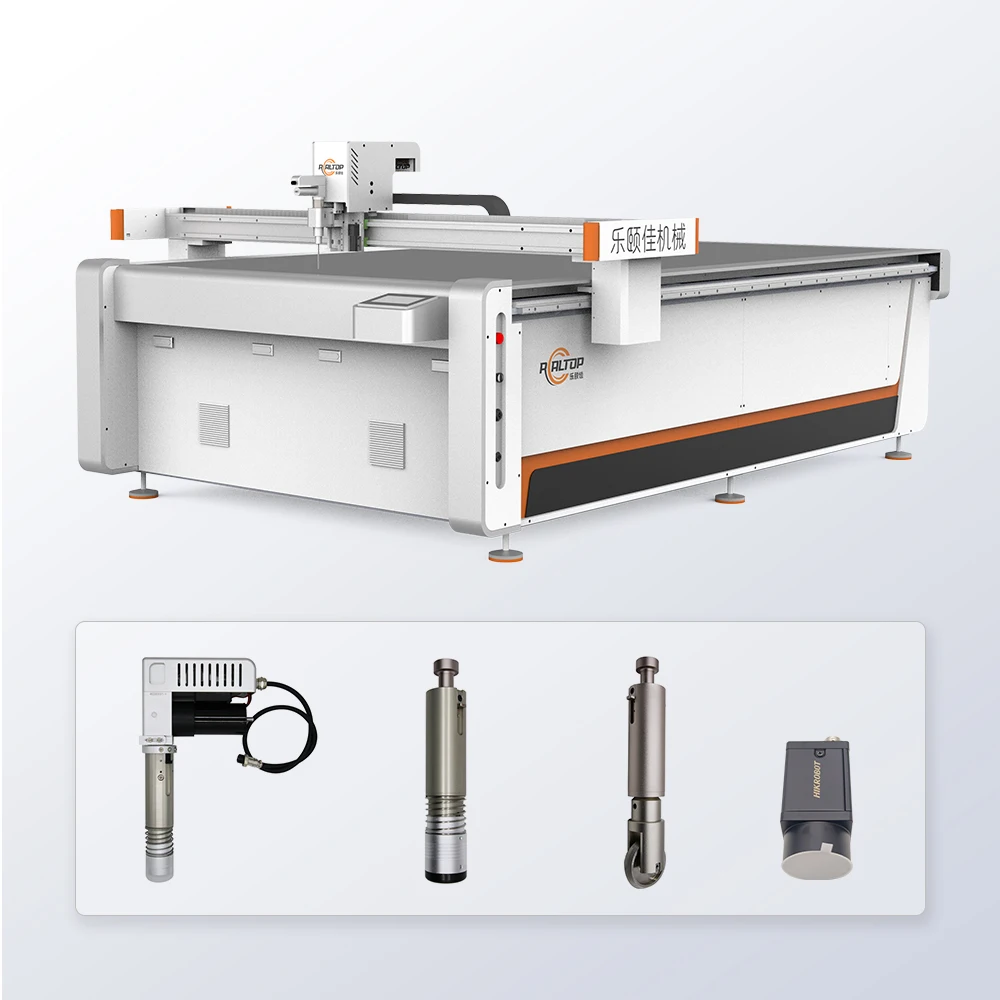
| Tool Head Options | Oscillating knife, Driven rotary knife, Creasing wheel, Kiss cutting tool, Pneumatic knife, Milling tool, V groove knife |
| Cutting Speed | 0–2000 mm/s |
| Cutting Thickness | ≤ 30mm (basis to be confirmed) |
| Cutting Accuracy | ±0.1 mm |
| Positioning Accuracy | ±0.1 mm repeatability |
| Vacuum Pump | 9 kW |
| Vacuum Table | Aluminum bellows vacuum table |
| Control System | PLC control panel |
| Servo Motors | Panasonic, Delta, Dorna options |
| Voltage Options | 110V, 220V, 380V (frequency 50/60 Hz to be confirmed) |
| Software Formats | PLT, DXF, AI, PDF |
| Nesting | Intelligent nesting system with defect avoidance |
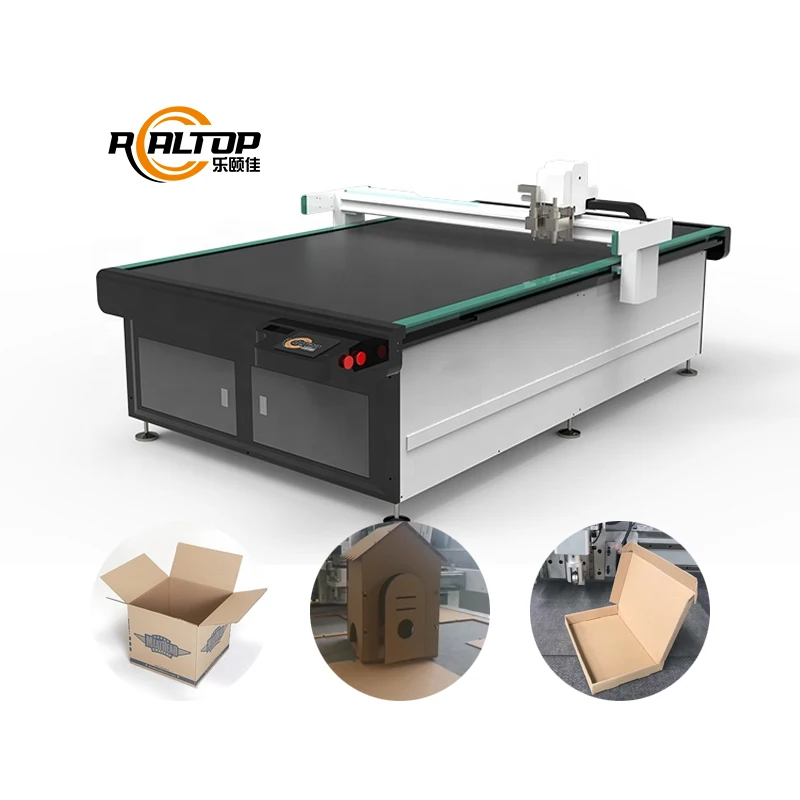
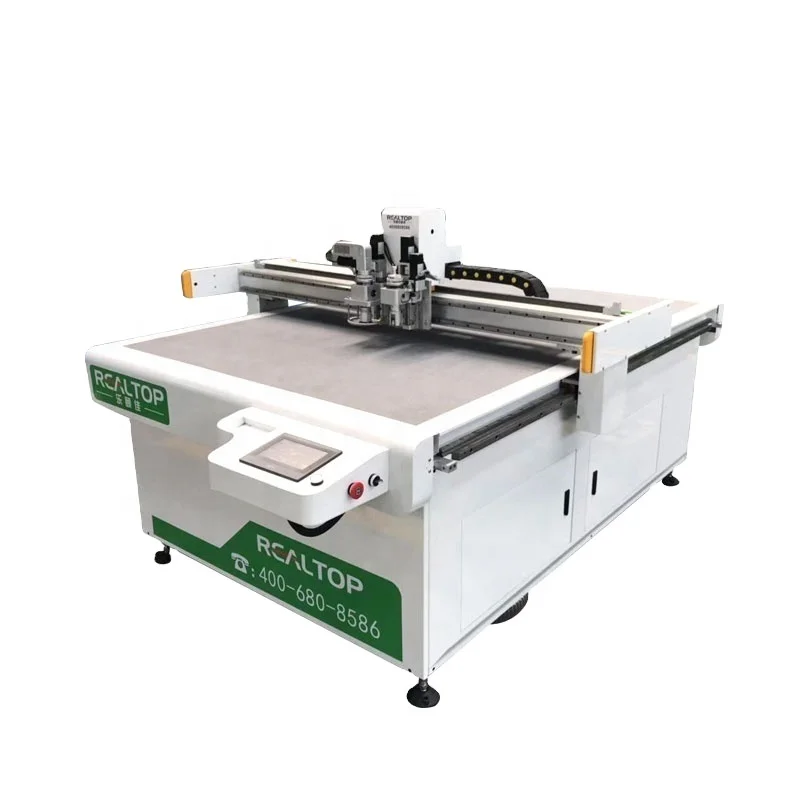
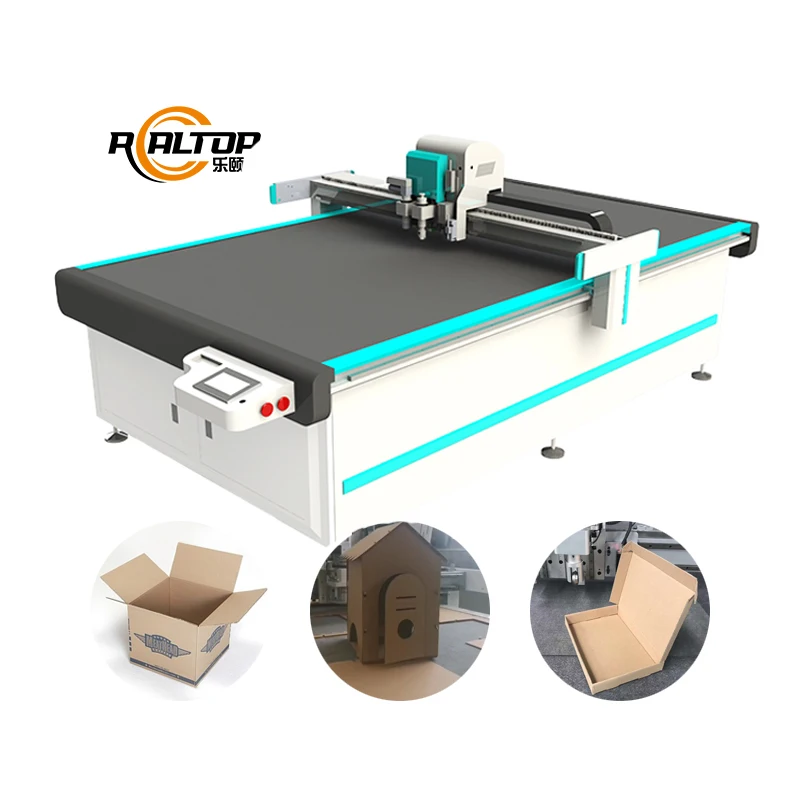
| Machine Size | 3300×2100×1350 mm |
| Safety | Infrared sensor device and emergency stop |
Application Suitability
| Application | Material or Output |
|---|---|
| Automotive interior production | Seat fabrics, carpets, PVC mats requiring burr-free edges |
| Apparel manufacturing | Suits, knitwear, lace, complex pattern-matching layouts |
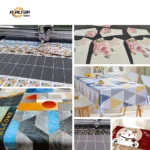
| Home textile fabrication | Sofa fabrics, curtains, rugs with multi-layer vacuum cutting |
| Composite material processing | Carbon fiber prepreg, aramid, damage-free without delamination |
| Industrial gasket fabrication | PTFE, rubber, foam sheets for sealing applications |
Why Material Thickness Claims Fail on the Production Floor
A CNC flatbed cutting machine manufacturer quotes maximum cutting thickness based on soft foam, then the buyer runs denser composite materials and finds the knife cannot penetrate cleanly.
Cutting capacity depends on material density, layer count, and tool head selection — not just blade stroke length.
I watched a production line stall last year because the specified oscillating knife handled standard PU leather well during sampling, but shredded when the customer switched to fiberglass-reinforced composite leather. Tool wear tripled, edges frayed, and the cutting station became the bottleneck. [NEED_CITE: material density impact on oscillating knife cutting performance] This is why our configuration process starts with your actual production material, not a generic sample.
Design and Build Under One Roof
The CNC flatbed cutting machine manufacturer advantage begins with an in-house design team controlling both knife cutting and complementary tool technologies. Buyers specify the cutting method after material testing, avoiding the compromise of forcing one approach onto incompatible substrates.
Frame construction, motion components, and vacuum table zoning receive the same engineering attention whether the application involves delicate lace or dense automotive carpet. This integrated approach means technical questions reach the people who built the system, not a reseller relaying messages between departments.
Tool Head Specification by Material Behavior
Seven interchangeable tool heads cover the range from kiss-cutting vinyl to V-grooving rigid foam board. Each tool head pairs with specific materials based on thickness, fiber structure, and edge quality requirements.
Oscillating knives suit woven textiles and non-wovens where fiber pull-out ruins the edge. Driven rotary knives handle multi-layer fabric stacks where speed matters more than single-ply precision. [NEED_CITE: oscillating versus rotary knife selection criteria for textile cutting] Pneumatic knives address thicker materials requiring downward blade pressure, while milling tools route rigid substrates that knife tools cannot penetrate. The configuration decision happens after sample cutting on your actual material, eliminating guesswork.
How Core Parameters Translate to Production Reality
Working area dimensions of 1600×2500 mm accommodate standard fabric rolls and automotive carpet blanks without requiring intermediate repositioning. Cutting speed ranges from 0 to 2000 mm/s, though actual throughput depends on contour complexity, material thickness, and tool head engagement.
Positioning repeatability of ±0.1 mm ensures pattern pieces align during nesting, reducing material waste on expensive composites. The 9 kW vacuum pump generates sufficient adsorption force to prevent material lift on small parts, though zoning configuration should be confirmed for your specific part geometry.
PLC control with multi-language interface options reduces training time for international operators. Intelligent nesting software with defect avoidance maximizes yield from expensive materials by routing around flaws automatically. Voltage options of 110V, 220V, or 380V accommodate different export markets, but frequency and plug type must be locked down before production.
The Cost of Wrong Configuration Decisions
Buyers who select based on working area alone discover the machine cannot handle their material thickness, forcing manual completion of cuts that should have been automated. [NEED_CITE: common CNC cutting machine specification errors] Wrong tool head selection produces ragged edges requiring secondary finishing or generates crushed foam that fails quality inspection.
Insufficient vacuum table zoning causes small parts to lift during cutting, ruining nested layouts and wasting material. Software that cannot import the buyer’s existing DXF or PLT files forces manual redrawing, adding hours to each production run. Voltage mismatches discovered at installation delay commissioning by weeks while transformers are sourced locally.
Why Buyers Source This Equipment Here
In-house design and production covering both knife and complementary cutting technologies means buyers match the method to the material, not the reverse. Tool head and table configuration gets specified per material type and daily production volume after sample testing.
Software compatibility with existing file formats is confirmed before the order is placed, not discovered as a problem during commissioning. Voltage, control language, and plug type customization happens during production, eliminating field modifications.
Sample cutting on the buyer’s own material before commitment removes the guesswork from configuration decisions. Factory test records with photographs document machine condition and performance before shipment, providing verification that specifications were met.
Documentation & Verification
- Machine specification sheet with tool head and vacuum table configuration locked to your material
- Electrical schematic confirming voltage, frequency, and plug type for your destination market
- Sample cutting report on your actual production material before order commitment
- Factory test record with photographs documenting performance parameters before dispatch
- Software license and file format compatibility confirmation for your existing workflow
- Spare parts list with recommended consumables for your specific tool head configuration
Installation, Commissioning & Support
- Foundation must support 3300×2100×1350 mm footprint with level tolerance for aluminum vacuum table flatness
- Dedicated electrical circuit sized for 9 kW vacuum pump plus servo motors and PLC control system
- Machine arrives partially assembled requiring vacuum pump connection and tool head calibration on-site
- First-run commissioning includes vacuum zoning adjustment and cutting parameter optimization for your material
- Operator training covers PLC interface navigation, tool change procedures, and nesting software operation
- Preventive maintenance schedule for oscillating knife bearings, vacuum pump filters, and servo motor inspection
What to Include in Your Inquiry
Provide material type, thickness range, and typical sheet dimensions so we can recommend the appropriate tool head and vacuum table configuration. Specify your daily production volume and whether you run single-ply or multi-layer cutting to determine whether oscillating knife or driven rotary knife suits your workflow better.
Confirm your facility voltage, frequency, and preferred control language so these details are locked into the build specification. If you have existing DXF or PLT files, share samples so we can verify software import compatibility before quotation.
Frequently Asked Questions
Q: How is the tool head matched to my specific material?
A: We run sample cuts on your actual production material using different tool heads — oscillating knife for woven textiles, driven rotary for multi-layer stacks, pneumatic knife for thicker substrates. Edge quality, cutting speed, and tool wear are evaluated before configuration is finalized.
Q: What voltage and language options are confirmed before shipment?
A: Voltage options include 110V, 220V, and 380V. Frequency and plug type are confirmed for your destination market during order specification. Control interface language options include English, Russian, Italian, and Chinese, with custom languages available.
Q: Can I send material for sample cutting before ordering?
A: Sample cutting on your production material is standard procedure. We test cutting parameters, edge quality, and vacuum hold-down performance, then provide a report documenting the recommended tool head and configuration.
Q: What documentation comes with the machine?
A: You receive machine specification sheet, electrical schematic, sample cutting report, factory test record, operation manual, software license, file format compatibility note, and spare parts list with your specific tool head consumables.
Q: Does OEM customization extend beyond the machine frame?
A: OEM capability covers software branding, control interface customization, and specific tool head configurations based on your market requirements. Frame color, safety device placement, and documentation language can also be customized for distributor requirements.
You may also like

商品评价
Clear filtersThere are no reviews yet.