


-
 Courier delivery
-
 DHL Courier delivery
-
 Warranty 1 year
-
 Free 30-Day returns

Direct Manufacturing Access — The design team that engineers the machine frame and specifies the motion components is the same team handling your inquiry, eliminating the specification guesswork that happens when a trading company sits between you and the factory floor.
Technical Specifications
| Parameter | Value |
|---|---|
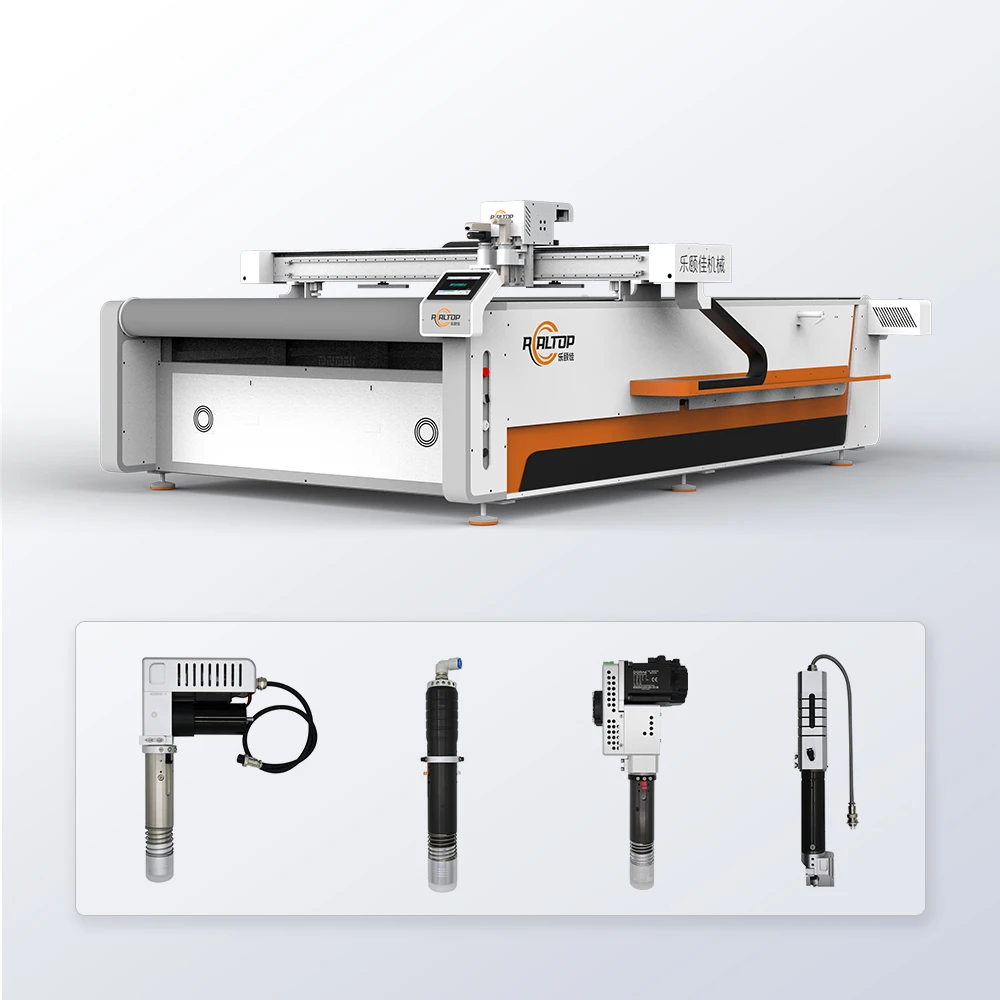
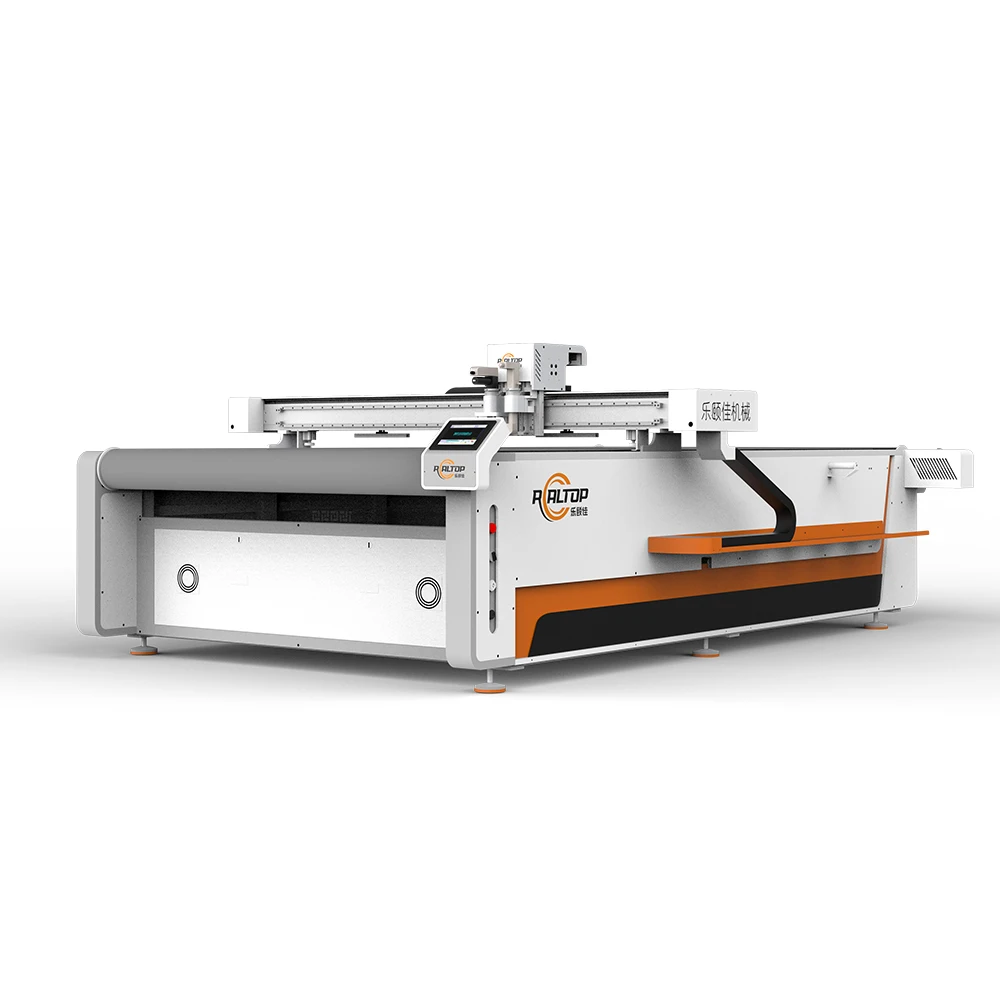
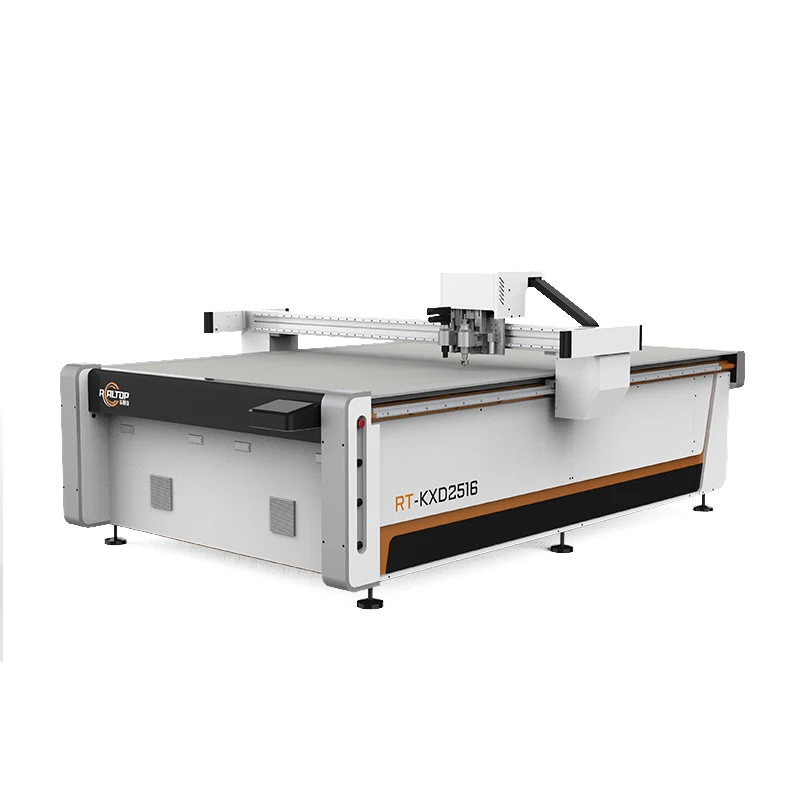
| Model | RT-D2516/RT-S2516 |
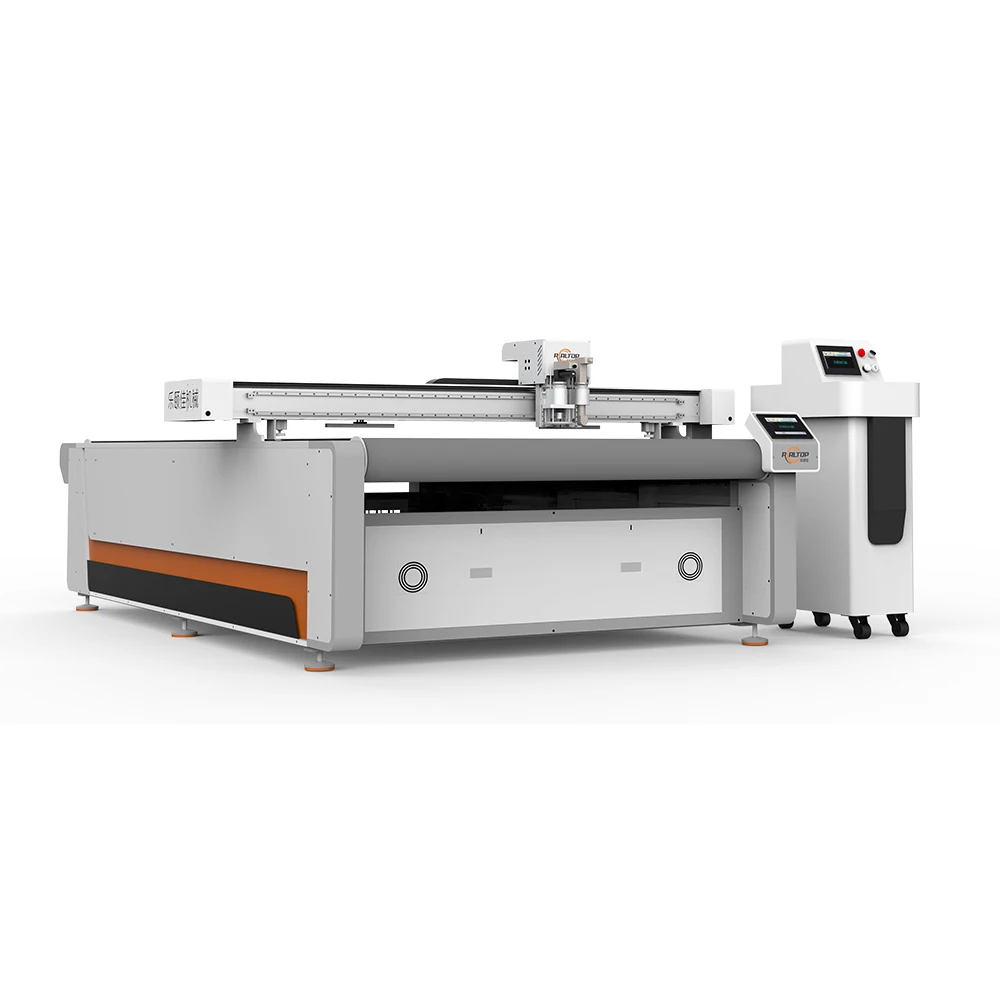
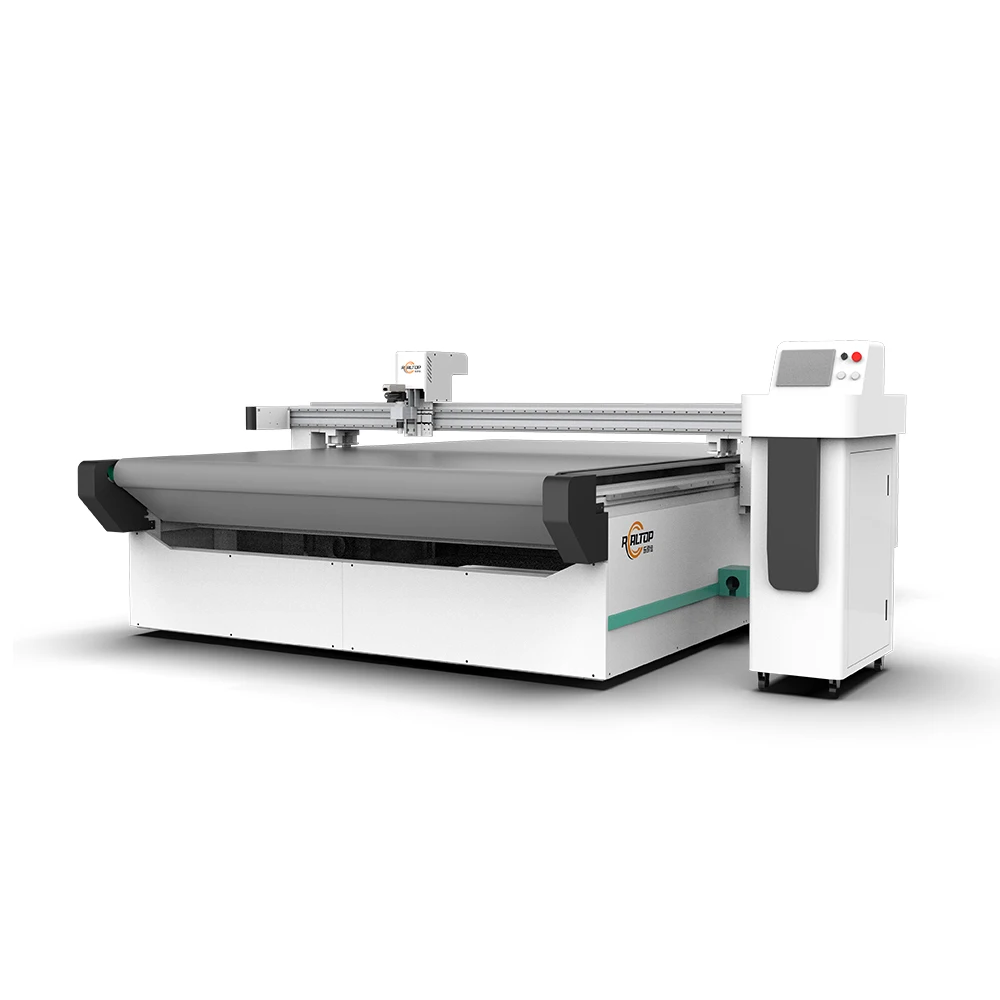
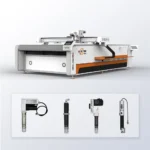
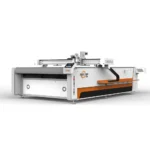
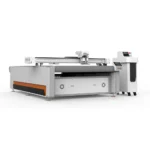
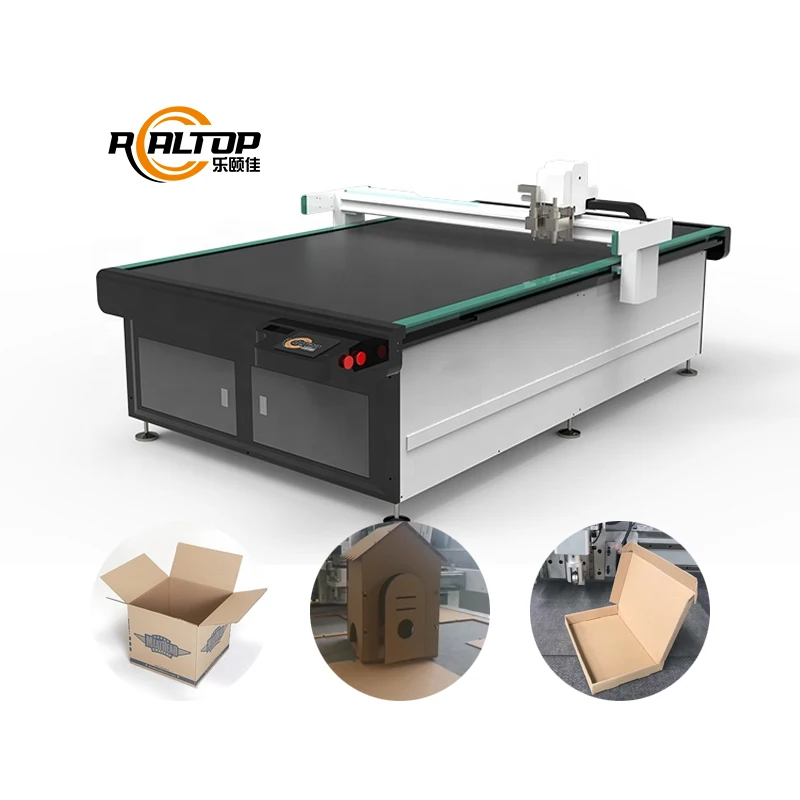
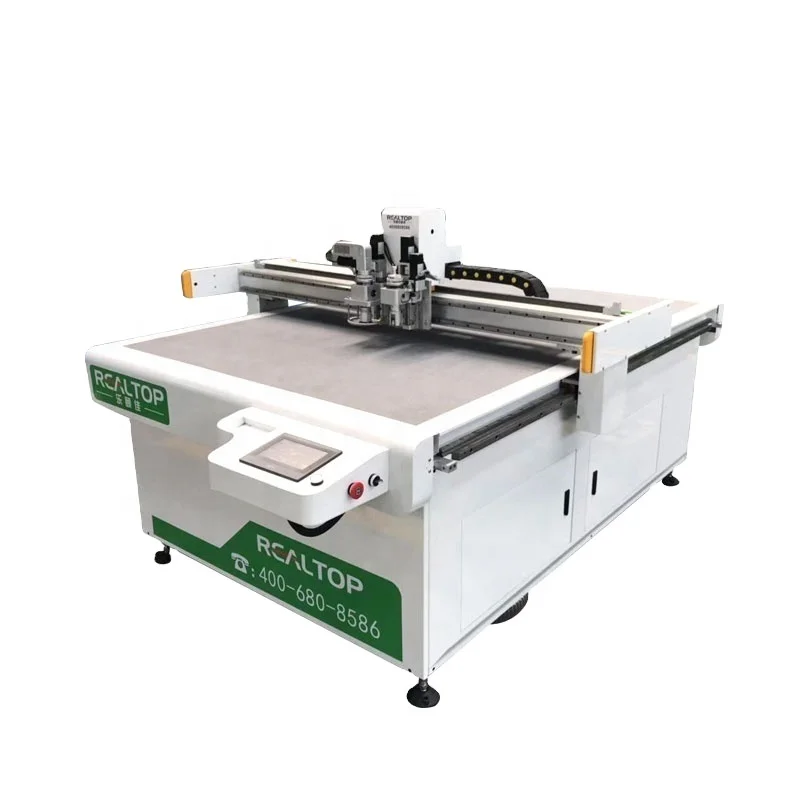
| Product Type | CNC Digital Fabric Roll Cutting Machine |
| Working Area | 1600×2500 mm |
| Machine Dimensions | 3450×2300×1250 mm |
| Rated Power | 9 kW |
| Voltage | 380V±10% (frequency to be confirmed for destination market) |
| Vacuum Pump Power | 7.5 kW |
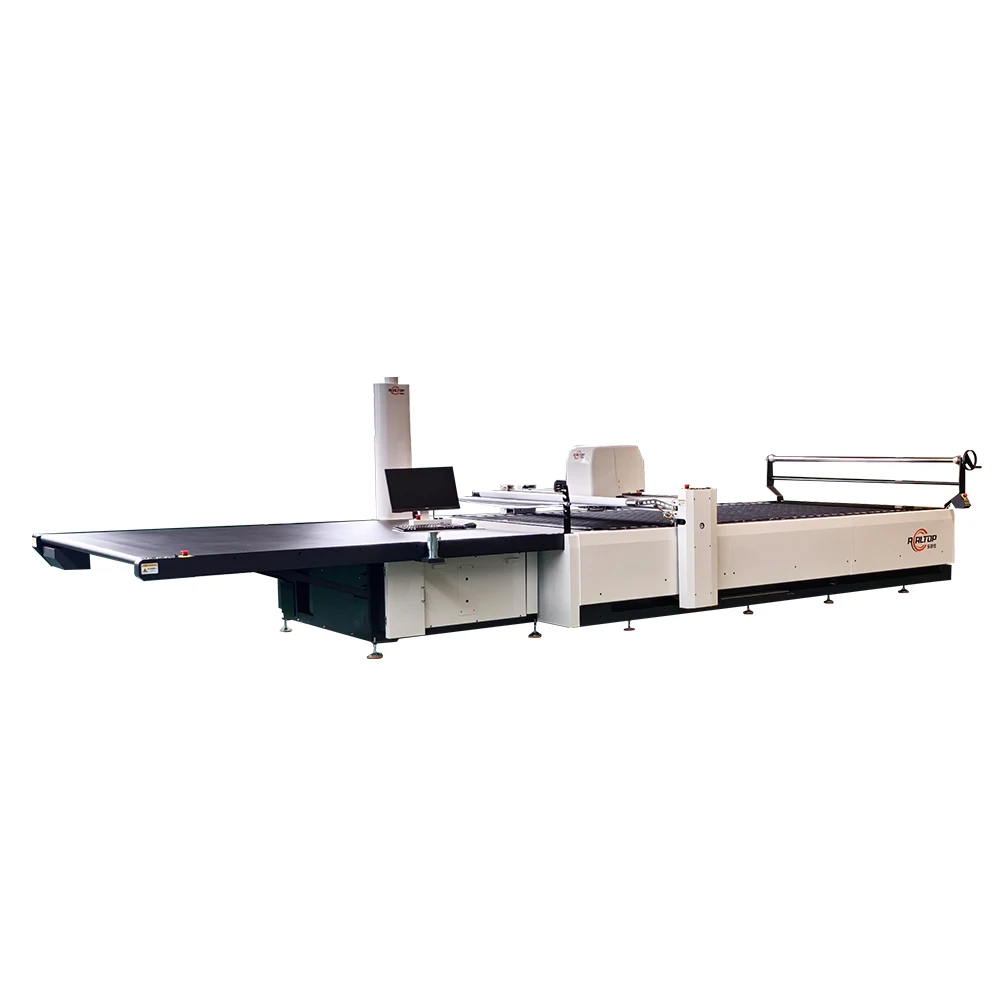
| Table Options | Flat working table or auto-feeding conveyor table |
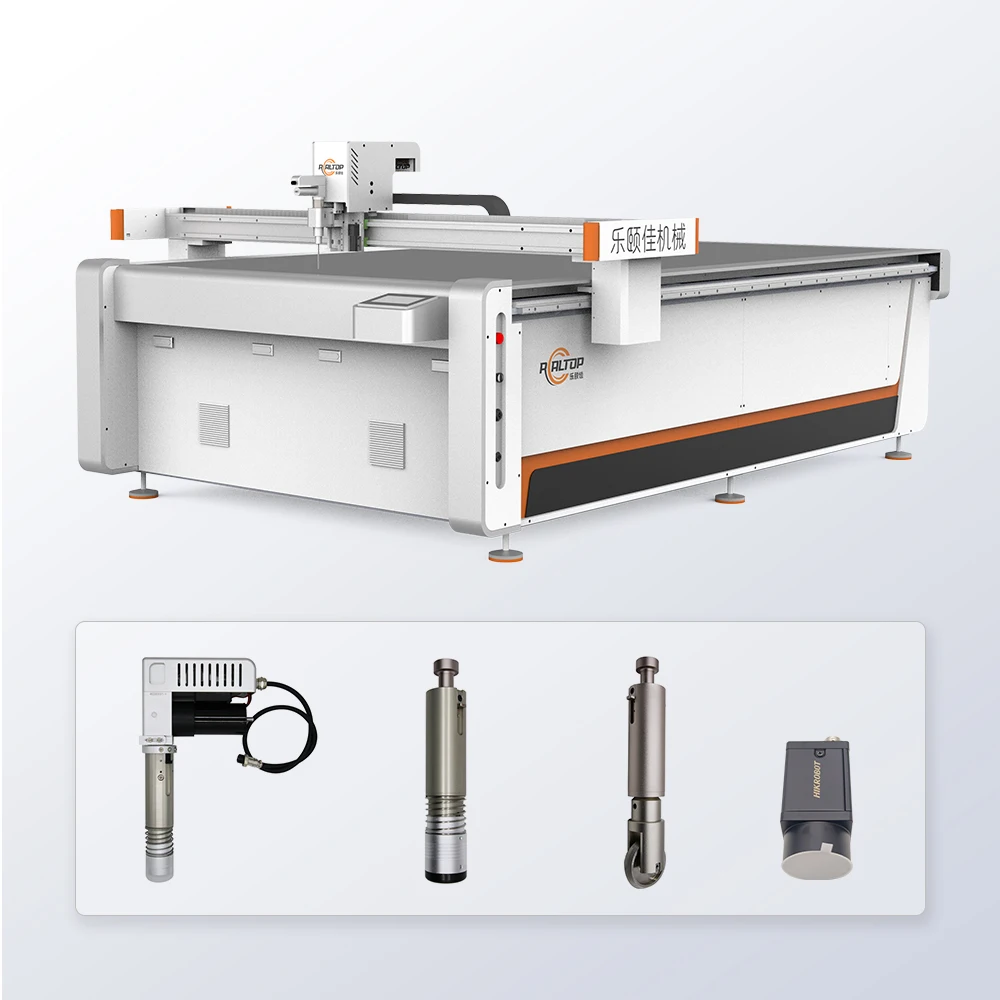
| Tool Head | Swiss imported knife (vibration full/half cutting, cursor location); optional oscillating, pneumatic, high-power vibrating, circular, V-cutting, drag, creasing, dotted line, punching, brush heads |
| Visual Positioning | Small CCD camera mark point, panoramic camera recognition, projection positioning |
| Cutting Speed | 800–2000 mm/s (translational velocity) |
| Cutting Thickness | Up to 100 mm (varies by material density and tool head selection — basis to be confirmed) |
| Repeated Accuracy | ≤0.1 mm |
| Drive System | Digital servo motor (Delta or Panasonic optional, IP67-rated), linear guide, synchronous belt, ball screw |
| Vacuum Platform | Magnesium-aluminum alloy, PVDF powder coating, anodic oxidation, hard oxidation finish |
| Safety Devices | Infrared induction blocking, beam-side anti-collision sensors, emergency stop with in-situ resume |
| Control Interface | Touch screen panel with multi-language support (English, Russian, Italian, Chinese; others customizable) |
| Software Compatibility | Auto nesting; accepts PLT, DXF, AI, HP-GL compatible formats |
| Standards | CE declaration |
Application Suitability
| Application | Material or Output |
|---|---|
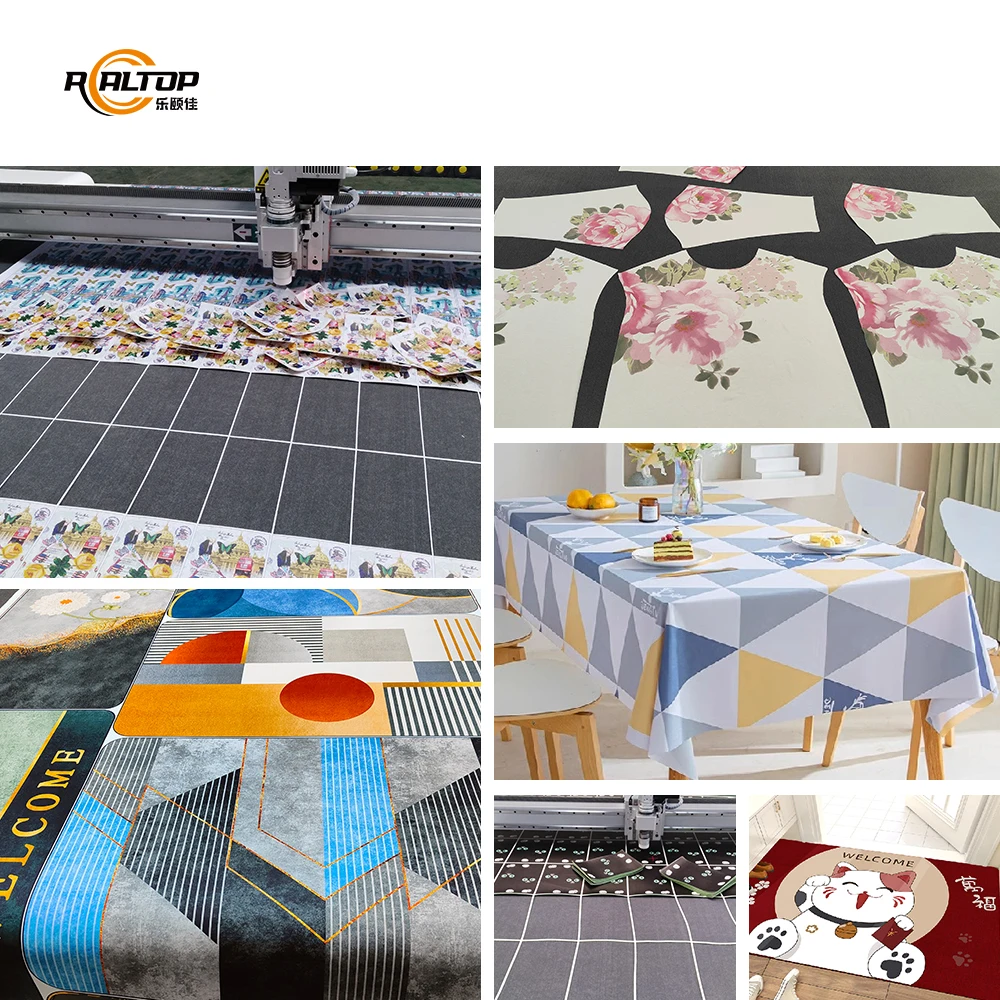
| Automotive floor mats | PVC-backed composite rolls, synthetic leather with foam backing, carpet materials |
| Seat covers and headliners | Automotive fabric, perforated vinyl, non-woven textile layers |
| Door panel inserts | Soft-touch composite sheets, fabric-wrapped foam panels |
| Footwear uppers and insoles | Natural and synthetic leather, EVA foam sheets, textile composites |
| Luggage and bag panels | Ballistic nylon, coated polyester, PU leather sheets |
| Sealing gaskets | Cork-rubber composites, fiber gasket material, closed-cell foam |
| Packaging sample making | Corrugated board, folding carton stock, foam inserts |
| Signage and graphics | Self-adhesive vinyl, magnetic sheet, rigid PVC board |
Why Voltage Confirmation Must Come Before You Sign the Contract
A machine wired for 380V/50Hz will not start on a 220V/60Hz supply, and rewiring after delivery is an expensive, downtime-heavy correction.
I once watched a distributor in South America take delivery of a cutting system only to discover the servo motors and vacuum pump were configured for a grid that did not exist in their plant. The CNC digital cutting machine manufacturer had built the machine exactly as specified — the problem was that nobody had confirmed the local electrical standard before production started. The entire unit sat idle for weeks while transformers were sourced locally. This kind of oversight is entirely preventable when the electrical specification is locked down during the inquiry stage, not treated as an afterthought [NEED_CITE: voltage and frequency standards by export market].
Frame Welding and Dimensional Stability Over Machine Life
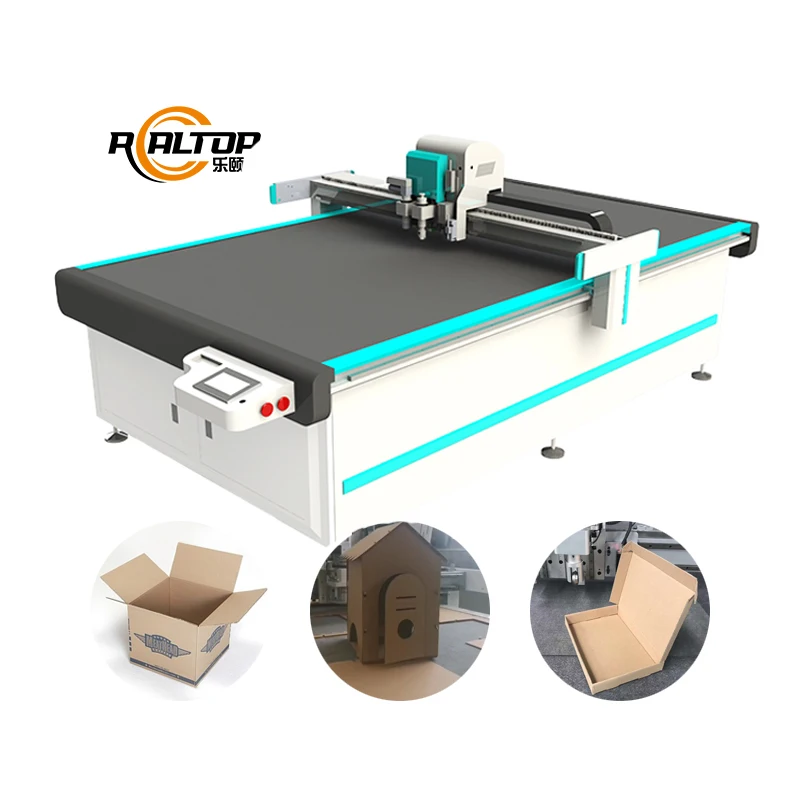
The chassis of the RT-D2516/RT-S2516 is welded from thick-walled seamless steel tubing, then put through a high-temperature tempering cycle before final machining on a CNC boring center. This sequence matters because it relieves internal stresses that would otherwise cause the frame to shift gradually over months of vibration. For a CNC digital cutting machine manufacturer, the frame is the foundation every other component references — if it drifts, the linear rails lose parallelism, and cutting accuracy degrades across the 1600×2500 mm working area.
Vacuum Platform Surface Treatment and Its Role in Flatness
The magnesium-aluminum alloy vacuum table goes through a multi-stage finishing process: PVDF fluorocarbon powder spraying, anodic oxidation, and hard oxidation. Each layer addresses a different threat — corrosion from moisture in the material, surface wear from repeated loading of heavy rolls, and micro-scratches that would compromise the seal against thin films. The integrated aviation aluminum pump housing includes built-in silencer sponge to reduce noise at the source, which matters on a production floor where operators work next to this equipment all day.
Understanding What the Specification Sheet Actually Means for Production
The 800–2000 mm/s cutting speed range refers to translational velocity — how fast the tool head moves between cuts — not how many finished parts drop per minute. Actual throughput depends on material density, layer count, and cut complexity. The 9 kW rated power covers the drive system and control electronics; the separate 7.5 kW vacuum pump draws its own circuit, meaning your electrical planning must account for both loads independently. The IP67-rated Delta or Panasonic servo motors resist coolant and dust ingress, which extends service intervals in environments where cutting generates fine particulate or where operators clean with pressurized air [NEED_CITE: IP67 ingress protection rating definition].
The Cost of Skipping Material Trials Before Committing
Last year a buyer ordered an oscillating knife head configured for automotive leather based on thickness alone. The material turned out to be a PVC-backed composite with a rigid scrim layer the knife could not penetrate cleanly. The result was ragged edges and broken blades, and the entire batch of floor mats missed its delivery window. Configuring the tool head — whether oscillating, pneumatic, drag, or creasing — without first cutting a sample of the actual production roll is a gamble. The cost of a wrong specification compounds through wasted material, missed deadlines, and operator frustration [NEED_CITE: material-specific tooling requirements for composite automotive textiles].
Why Working Directly With the Design Team Changes the Outcome
The engineering group that selects the linear guide specification and programs the vacuum zoning logic is the same group that reviews your inquiry. In-house design covers both knife and laser cutting technology, so the recommendation is based on what the material actually needs rather than which machine happens to be in stock. Every machine ships with a factory test record documenting cuts on the buyer’s own material, electrical schematics confirming the voltage match, and a tool head configuration list that matches the material stack discussed at order stage. The production schedule is managed internally, which means lead time questions are answered by the people building the machine, not relayed through a third party.
Documentation & Verification
- Machine specification sheet confirming working area, tool head selection, and electrical configuration per your order
- Electrical schematic with voltage and frequency matched to destination country standards
- Factory test record with sample cutting report run on your submitted material before dispatch
- CE declaration included in shipment documentation package
- Software licence with confirmed file format compatibility note for PLT, DXF, AI, and HP-GL
- Spare parts list identifying consumable blades, belts, and wear items with part numbers
Installation, Commissioning & Support
- The 3450×2300 mm footprint requires a level concrete floor with clearance on all sides for material roll loading
- Separate 380V circuits needed for the 9 kW main system and 7.5 kW vacuum pump with proper earthing
- Machine ships fully assembled; confirm knock-down option if container height is a constraint
- On-site engineer dispatch available for first startup, with buyer covering travel and accommodation
- Touch screen language set during commissioning to match operator preference from available options
- Warranty covers parts replacement for one year; buyer arranges return shipping for defective components
What to Include With Your Inquiry
Send the actual material samples you plan to cut, including the backing layer and any adhesive films. Specify your local voltage and frequency, the control language your operators need, and whether your workflow uses a conveyor feed or flat table loading. If you have an existing nesting software or file format in production, mention it so compatibility is verified before the machine enters build.
Frequently Asked Questions
Q: What can be customized for private-label or OEM branding?
A: Branding on the machine body, control panel color, splash screen logo, and HMI language are all configurable at order stage. The design team confirms all cosmetic and interface specifications in writing before production begins, and a pre-shipment photo package documents the finished branding for your approval.
Q: Can I receive video of the factory test on my own material?
A: Yes. After you submit material samples, the factory runs cutting tests using the exact tool head and vacuum configuration specified in your order. A video report and written sample cutting record are provided before shipment, showing edge quality, cut completeness, and registration accuracy on your material.
Q: Which brands supply the servo motors and linear guides?
A: Delta or Panasonic servo motors are offered as options, both IP67-rated. Linear guide and ball screw specifications are documented in the machine specification sheet. All motion component brands and part numbers are listed so you can verify sourcing and arrange local spare parts supply independently.
Q: How is voltage adaptation handled for different export markets?
A: The 380V±10% system is the standard configuration. For markets requiring different voltage or frequency, the electrical specification must be confirmed during the inquiry stage. Transformers, motor rewinding, or component substitution are arranged before build, not retrofitted after delivery, to avoid field rework and warranty complications.
Q: What is the typical lead time from order confirmation to container loading?
A: Lead time depends on configuration complexity, tool head selection, and whether custom voltage adaptation is required. The production schedule is managed internally at the Jinan factory, and a build timeline with milestone dates is provided once the specification and voltage confirmation are signed off by both parties.
You may also like

商品评价
Clear filtersThere are no reviews yet.