




-
 Courier delivery
-
 DHL Courier delivery
-
 Warranty 1 year
-
 Free 30-Day returns

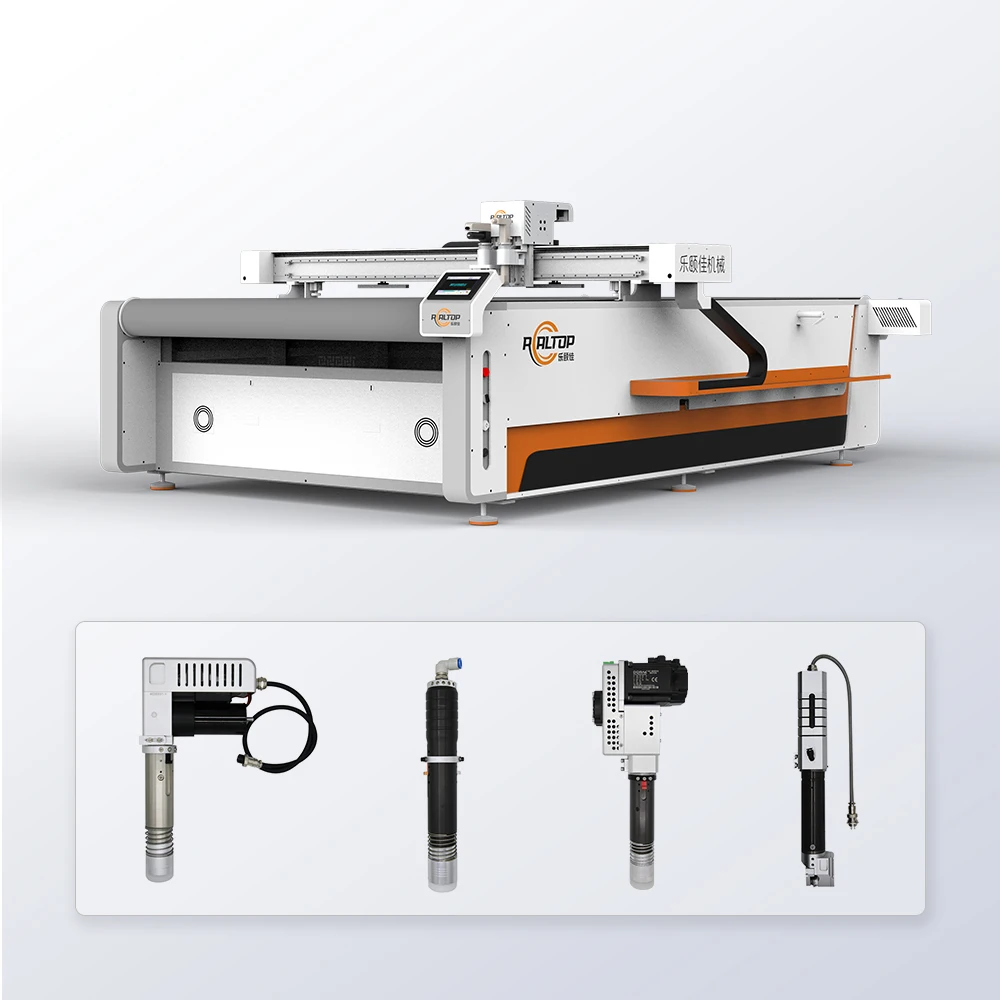
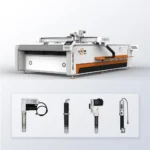
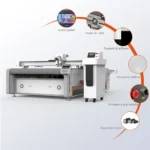
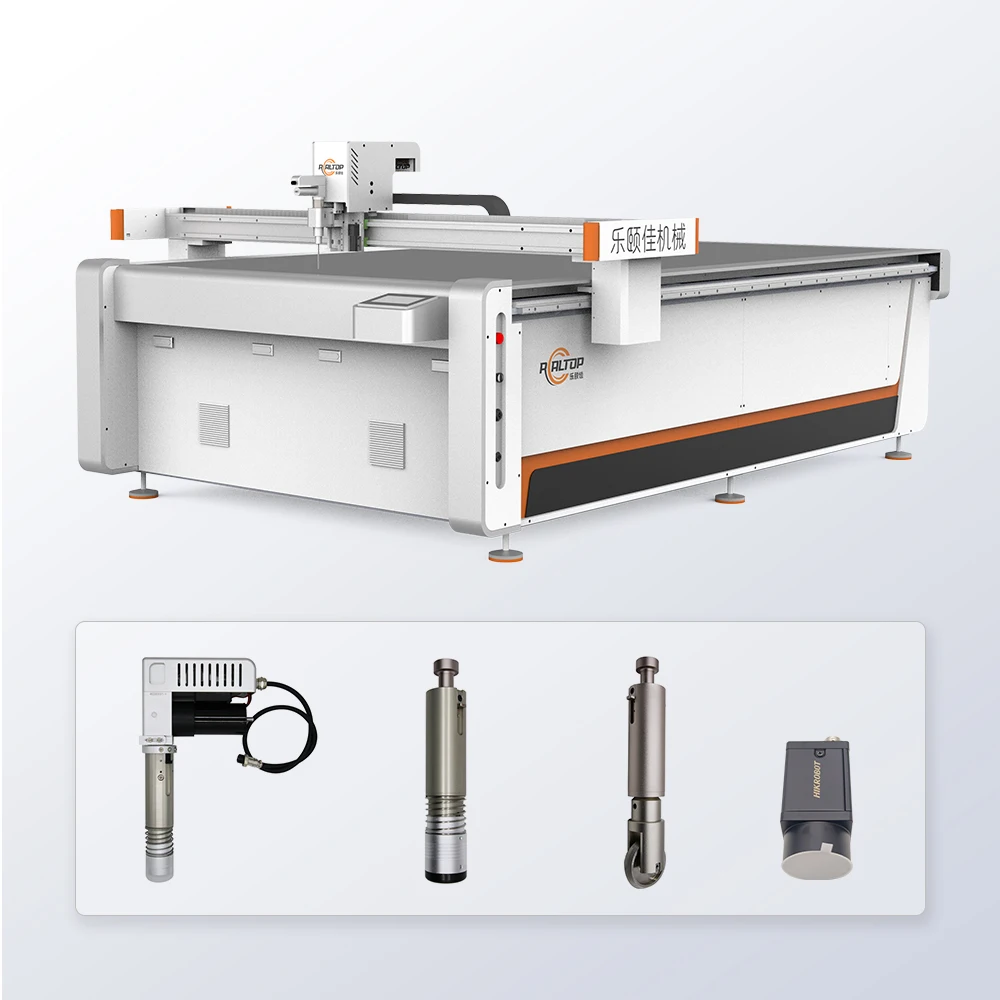
Configurable Tool Head Platform — Oscillating knife, driven rotary, creasing wheel, milling and V-groove options available so the cutting method follows the material, not the other way around.
Technical Specifications
| Parameter | Value |
|---|---|
| Model | 1625 |
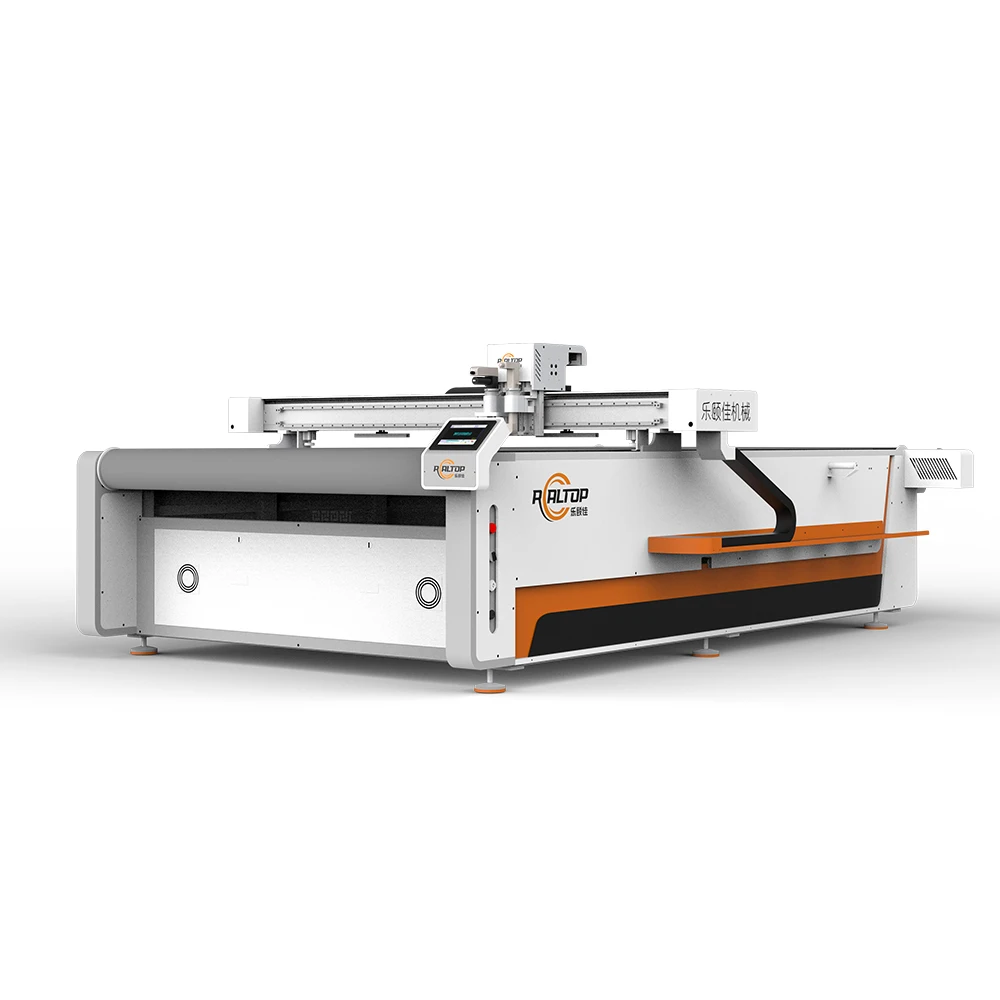
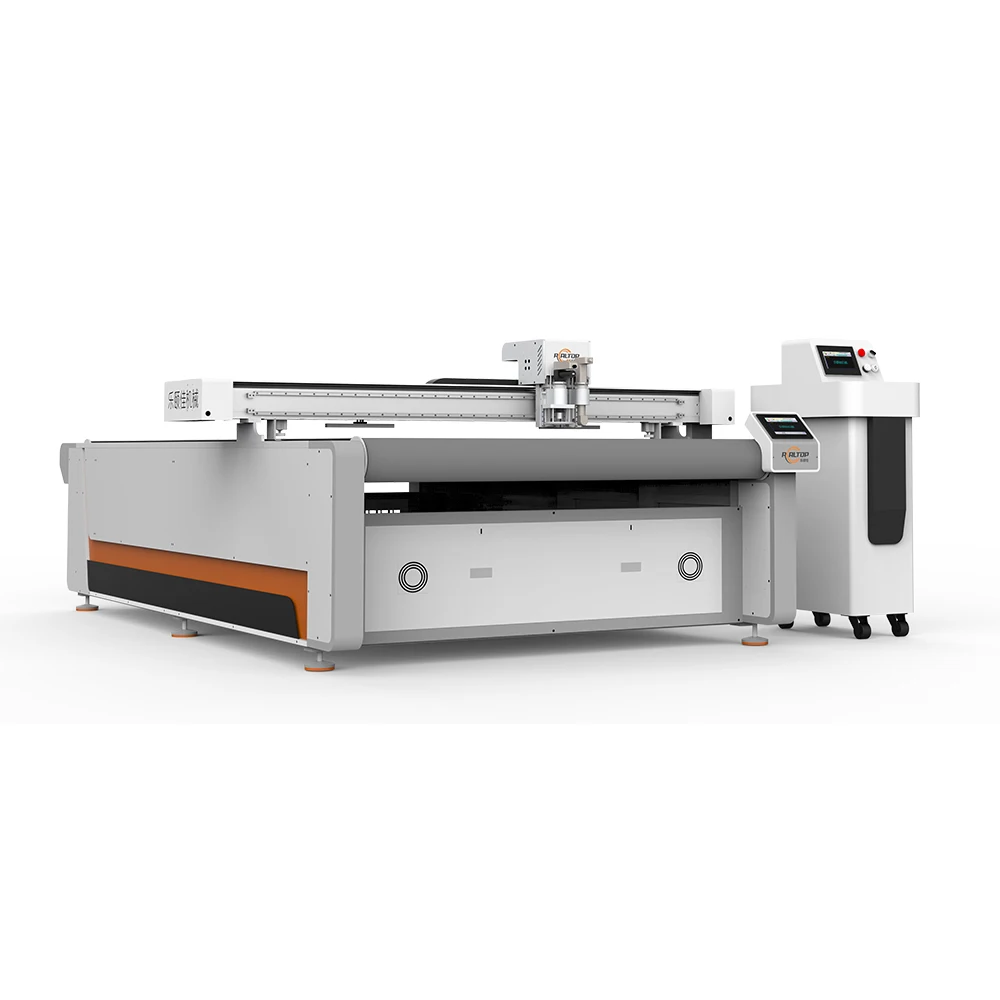
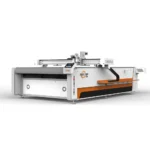
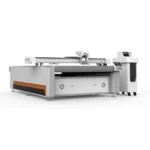
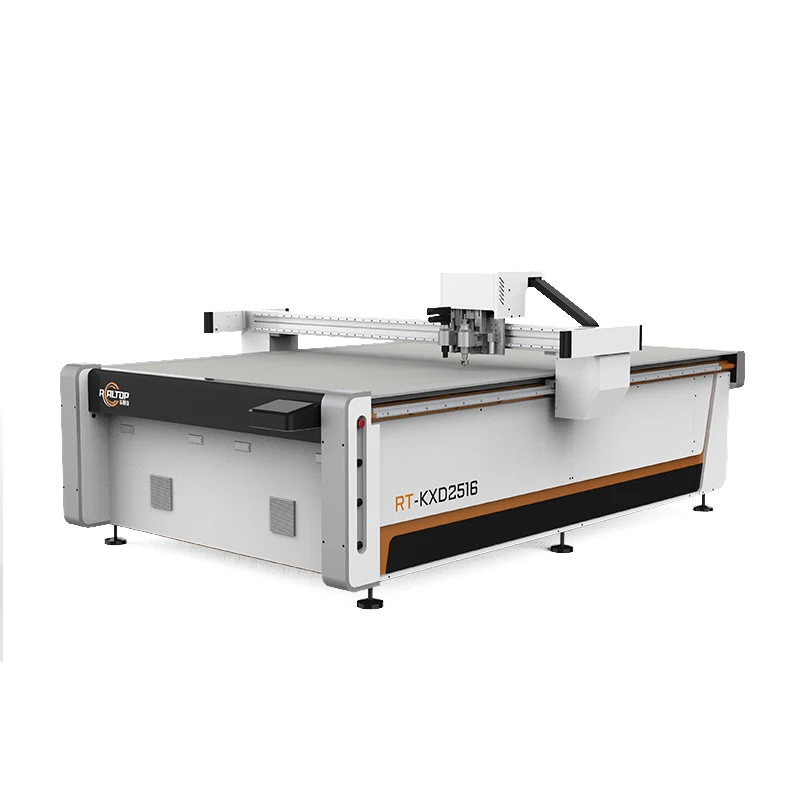
| Product Type | CNC Oscillating Knife Fabric Cutting Machine |
| Working Area | 1600×2500 mm |
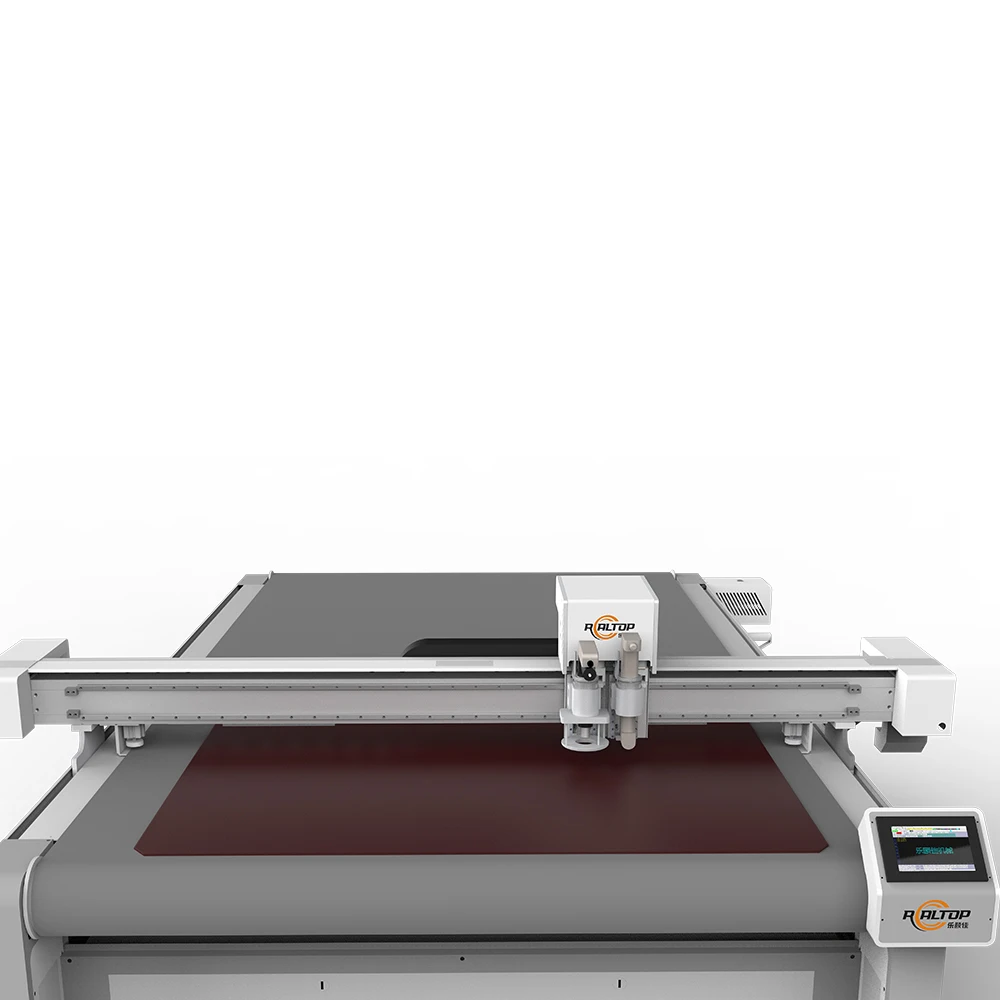
| Tool Head Options | Oscillating knife, Driven rotary knife, Creasing wheel, Kiss cutting tool, Pneumatic knife, Milling tool, V groove knife |
| Cutting Speed | 0–2000 mm/s |
| Maximum Cutting Thickness | ≤30 mm (basis not stated in source — confirm material type and layer configuration) |
| Cutting Accuracy | ±0.1 mm repeatability |
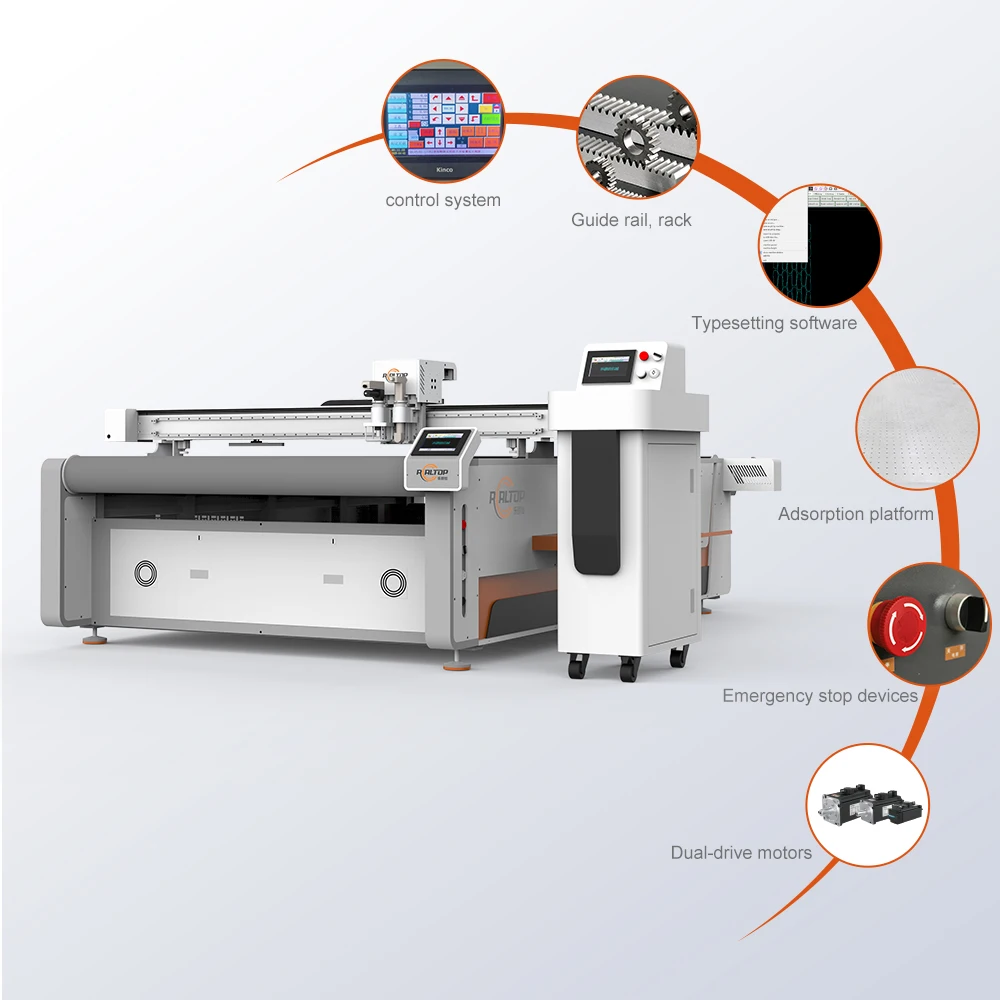
| Vacuum Table | Aluminum bellows construction, full-surface adsorption |
| Vacuum Pump Power | 9 kW |
| Control System | PLC control panel |
| Servo Motor Options | Panasonic, Delta, Dorna (final brand subject to configuration) |
| Voltage Options | 110V / 220V / 380V (frequency to be confirmed per market) |
| Supported File Formats | PLT, DXF, AI, PDF |
| Nesting Software | Intelligent layout with defect avoidance |
| Safety Devices | Infrared sensor, Emergency stop |
| Machine Dimensions (L×W×H) | 3300×2100×1350 mm |
| Language Options | English, Russian, Italian, Chinese (additional languages available on request) |
| Standards | CE declaration referenced |
Application Suitability
| Application | Material or Output |
|---|---|
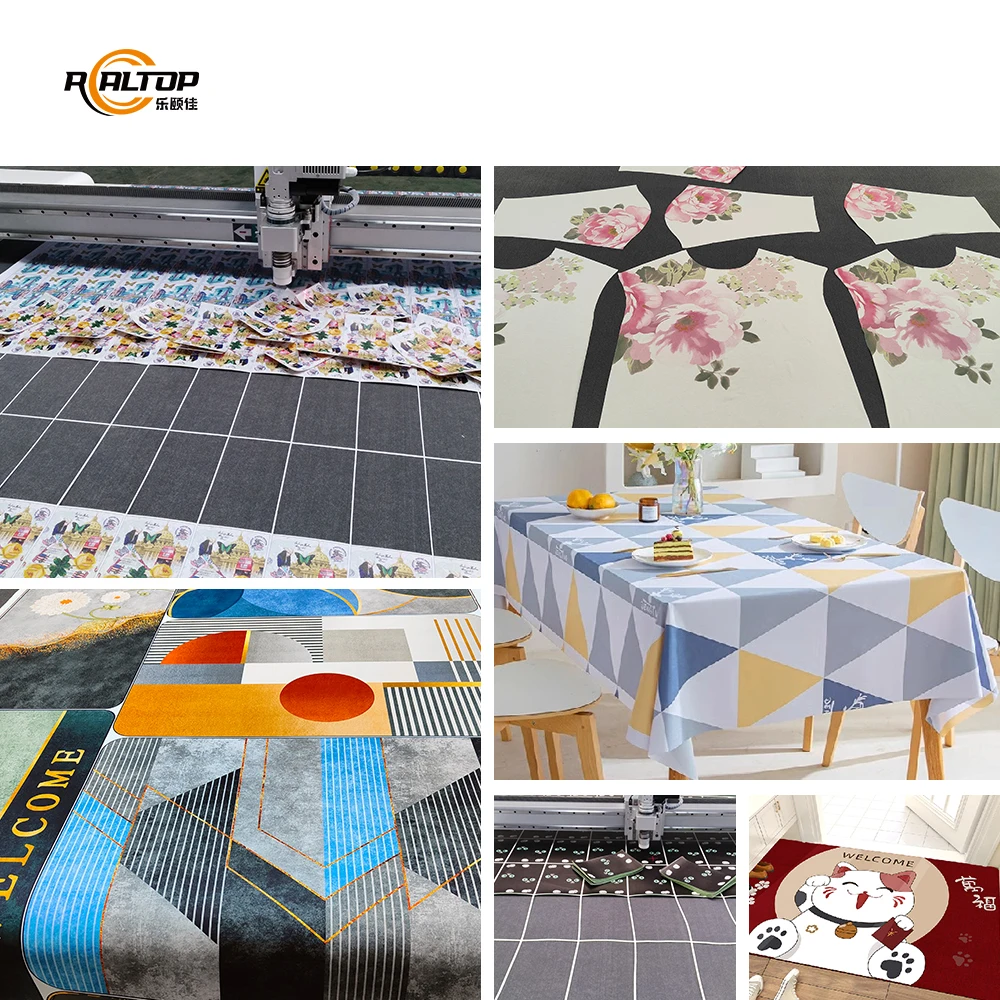
| Apparel manufacturing | Suits, knitwear, lace, pattern-matching fabric layouts |
| Automotive interiors | Seat fabrics, carpets, PVC mats |
| Home textiles | Sofa fabrics, curtains, rugs, multi-layer fabric stacks |
| Composite processing | Carbon fiber prepreg, aramid, specialty flexible materials |
| General flexible materials | Knits, wovens, plush, leather, foam (0.1–50 mm range) |
Why Working Area Is Not the Only Spec That Matters
Buyers often choose a CNC oscillating knife cutting machine manufacturer based on table size alone, only to discover the machine cannot handle their material density or that the wrong tool head leaves crushed foam or frayed knits. The right configuration starts with the material, not the footprint.
I remember an automotive mat customer who selected a standard oscillating knife head for what turned out to be a dense composite underlay. The cutting depth fell short, edges were ragged, and they spent days on the shop floor retuning parameters before production resumed [NEED_CITE: oscillating knife cutting performance on dense composite materials]. Specifying the tool head and vacuum zoning against the actual material avoids that kind of downtime entirely.
Matching the Tool Head to the Material Stack
The 1625 carries seven interchangeable tool head options, each designed for a different material behaviour. An oscillating knife works well on layered knits and foams, while a driven rotary knife is better suited to continuous cuts on woven fabric where edge seal matters. A CNC oscillating knife cutting machine manufacturer should confirm which head fits the buyer’s primary material before the order is placed.
Vacuum Table Zoning and Small Part Stability
The aluminum bellows vacuum table runs a 9 kW pump across the full 1600×2500 mm surface. When cutting small pattern pieces — gussets, collars, insole shapes — uneven adsorption causes lift and positional drift. Full-surface adsorption helps, but zoning the vacuum to active cutting areas is what actually holds the material flat during high-speed passes [NEED_CITE: vacuum hold-down requirements for small fabric parts in CNC cutting].
What ±0.1 mm Repeatability Means in Practice
The PLC-controlled servo system targets ±0.1 mm repeatability across the entire cutting envelope. For apparel manufacturers running pattern-matching layouts on striped or checked fabric, that tolerance keeps pattern pieces aligned so downstream sewing does not have to compensate for drift. On multi-layer automotive seat fabric stacks, it means every ply in the stack receives the same cut path, reducing recuts and material waste.
The Hidden Cost of Skipping a Material Sample
Choosing a tool head from a catalogue without running the buyer’s actual material is the most common source of post-delivery friction. A pneumatic knife may cut clean through a single ply of leather but struggle on a three-layer stack with adhesive interlining. Without a sample cutting report on the specific material, the buyer is essentially guessing — and guessing after the machine arrives on the factory floor costs far more than testing beforehand [NEED_CITE: sample cutting verification in industrial fabric cutting procurement].
Why Source This Machine From REALTOP
The design team and core factory operate under one roof, which means tool head selection and table configuration are adjusted per material and production volume rather than locked to a standard build. Sample cutting on the buyer’s own material is completed before commitment, confirming edge quality and achievable thickness. Voltage, plug type and control language are confirmed in writing before shipment. Software licence and file format compatibility are verified so existing nesting workflows carry over without modification. CE documentation is prepared for markets that require it.
Documentation & Verification
- Factory test record run on buyer’s specified fabric type and layer count
- Tool head and vacuum table configuration list matched to production material
- Voltage and plug confirmation document signed before dispatch
- Software licence and file format compatibility note for PLT, DXF, AI, PDF workflows
- CE declaration where applicable to destination market
- Packing photographs taken at factory before container loading
Installation, Commissioning & Support
- Floor space requirement based on 3300×2100 mm footprint plus operator access clearance
- Dedicated electrical circuit sized for 9 kW vacuum pump plus PLC and servo loads
- Machine arrives on 1600×2500 mm frame requiring level concrete floor with anchor points
- First-run parameter tuning performed on buyer’s material using selected tool head
- Operator training covers PLC panel in confirmed language and nesting software workflow
- Spare parts list includes oscillating knife blades, vacuum seals and servo consumables
Preparing Your Inquiry
To receive an accurate configuration, share the material type, single-ply thickness, number of layers in your typical stack, and daily cutting volume. Specify your local voltage and frequency, preferred control language, and any existing nesting software you plan to keep using. If your material is a composite or specialty fabric, send a sample sheet so we can run it on the table before finalising the tool head recommendation.
Frequently Asked Questions
Q: How is cutting capacity verified against my specific material thickness and layer count?
A: We run a sample cutting test on your actual material before the order is confirmed. The test records the tool head used, layer count, cutting speed and edge quality achieved. You receive the sample cutting report so you can verify the 1625 handles your production stack before committing to a build.
Q: Which tool head configuration is recommended for my material?
A: The recommendation depends on material density, ply count and edge quality requirement. Oscillating knife suits most foams and layered knits, driven rotary knife handles wovens where sealed edges matter, and pneumatic knife is preferred for single-ply leather. We confirm the selection after the sample test on your material.
Q: Can the control system and software interface be set to my local language before delivery?
A: Yes. The PLC control panel and nesting software are configured to your preferred language before shipment. Standard options include English, Russian, Italian and Chinese, with additional languages available on request. Language is confirmed in writing during the specification sign-off stage.
Q: What voltage and plug configuration will be confirmed for my target market?
A: Voltage options include 110V, 220V and 380V. Frequency and plug type are confirmed based on your destination country before production begins. The electrical schematic and voltage confirmation document are signed off so there are no surprises when the machine arrives at your facility.
Q: Is sample cutting available on my own material before I place the order?
A: Yes. Send a sample of your production material and we will run it on the 1625 with the recommended tool head and vacuum configuration. The resulting sample cutting report documents edge quality, achievable thickness and cutting speed so you can evaluate the machine’s suitability before ordering.
You may also like

商品评价
Clear filtersThere are no reviews yet.