


-
 Courier delivery
-
 DHL Courier delivery
-
 Warranty 1 year
-
 Free 30-Day returns

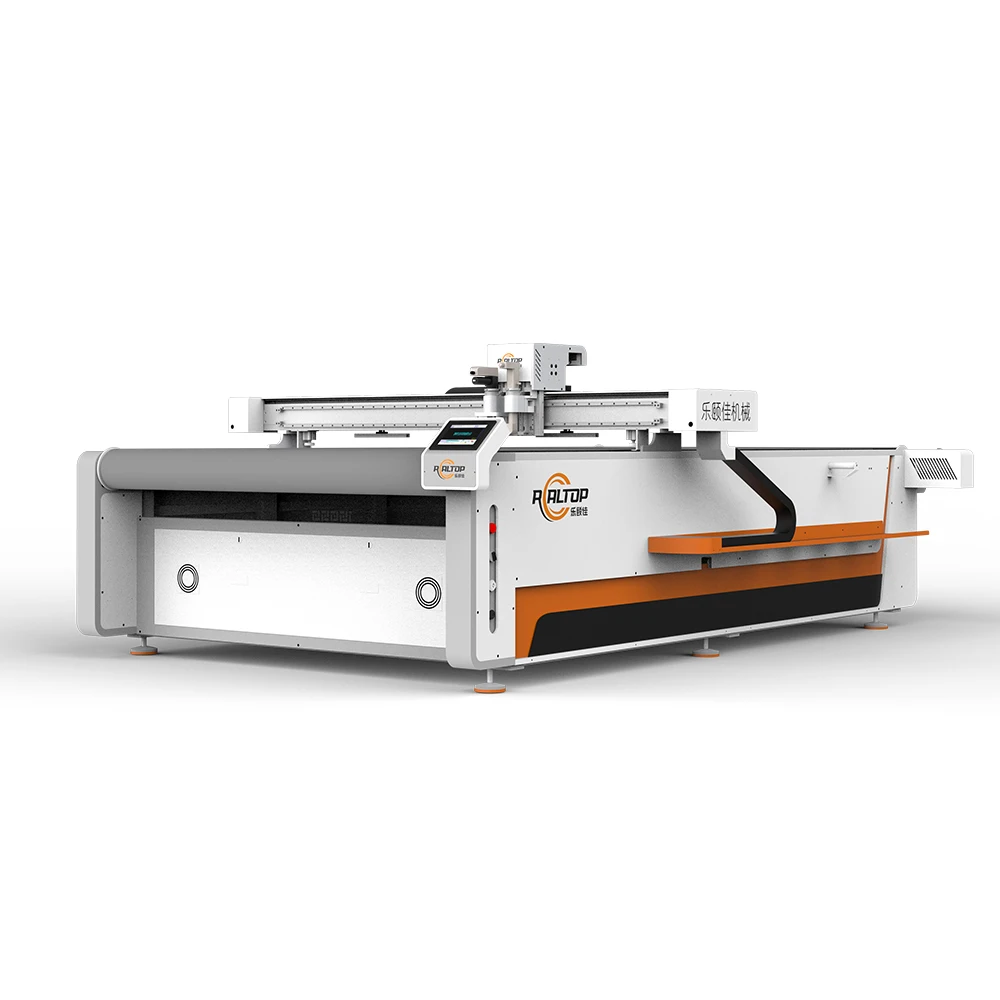
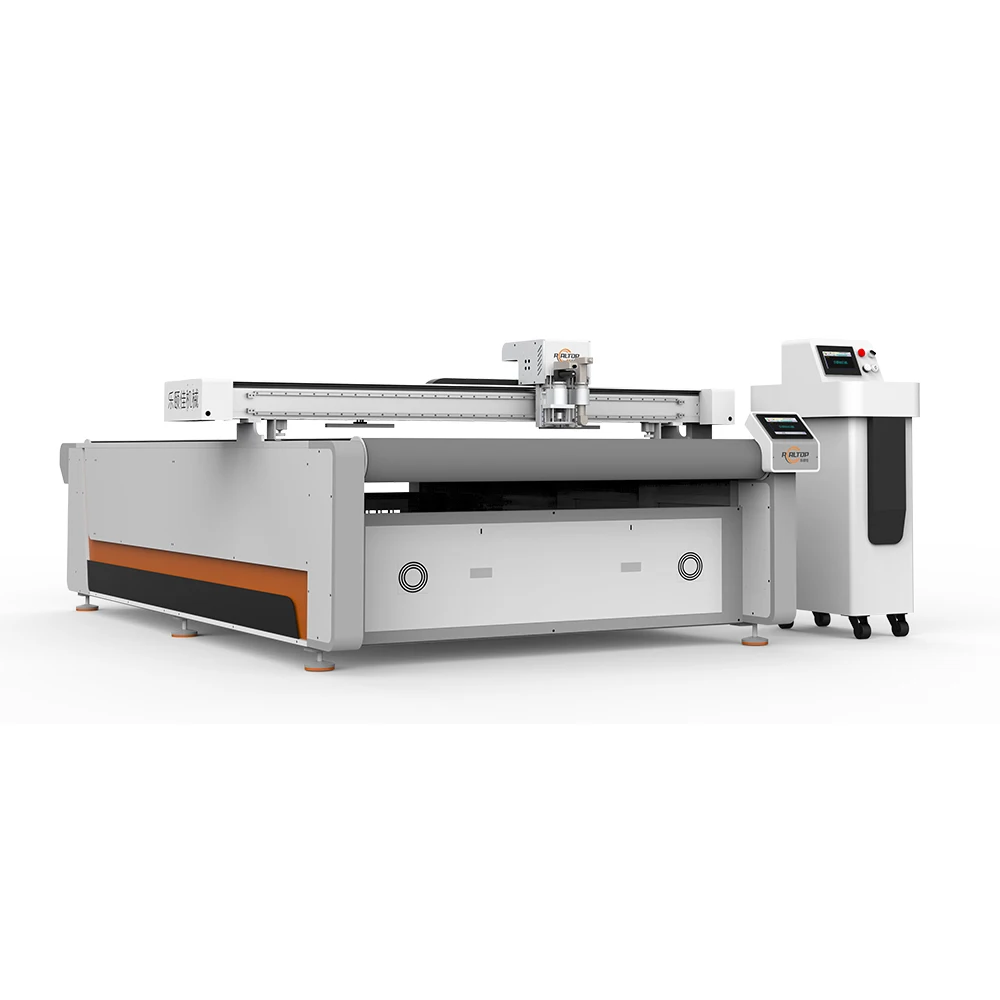
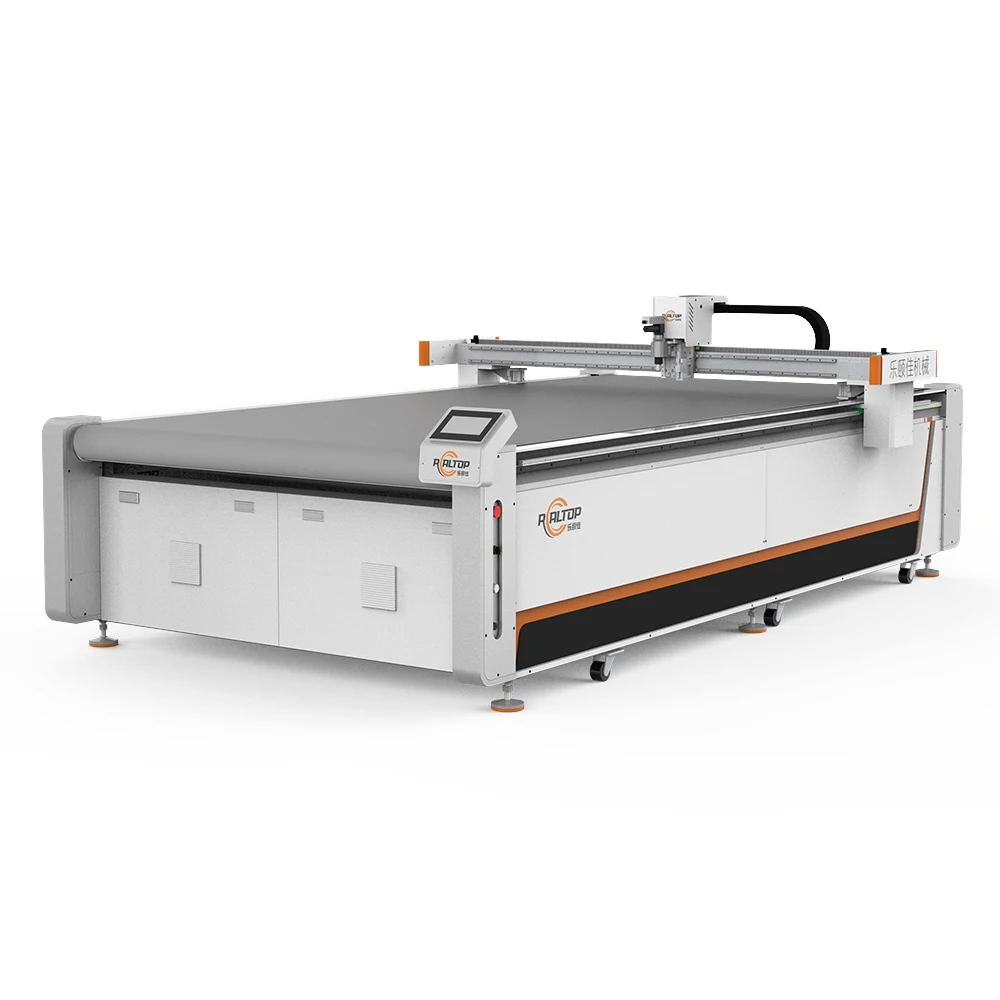
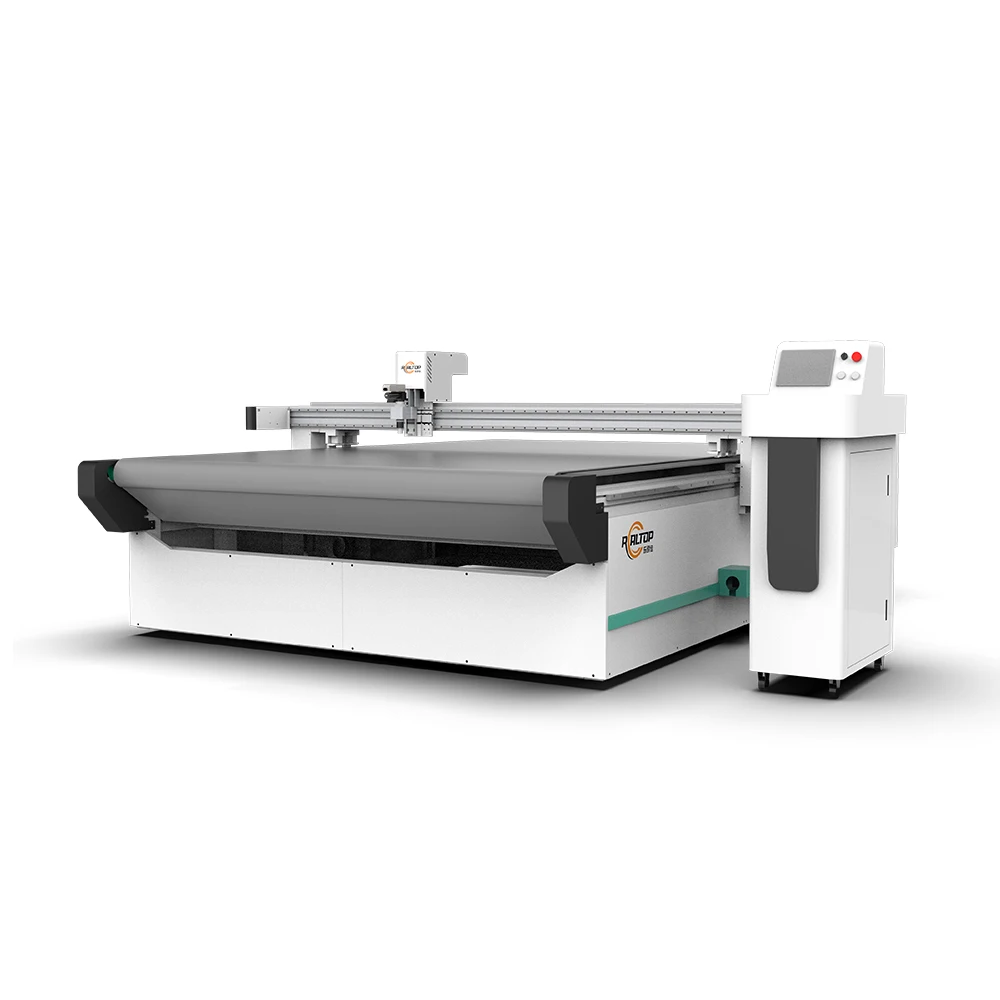
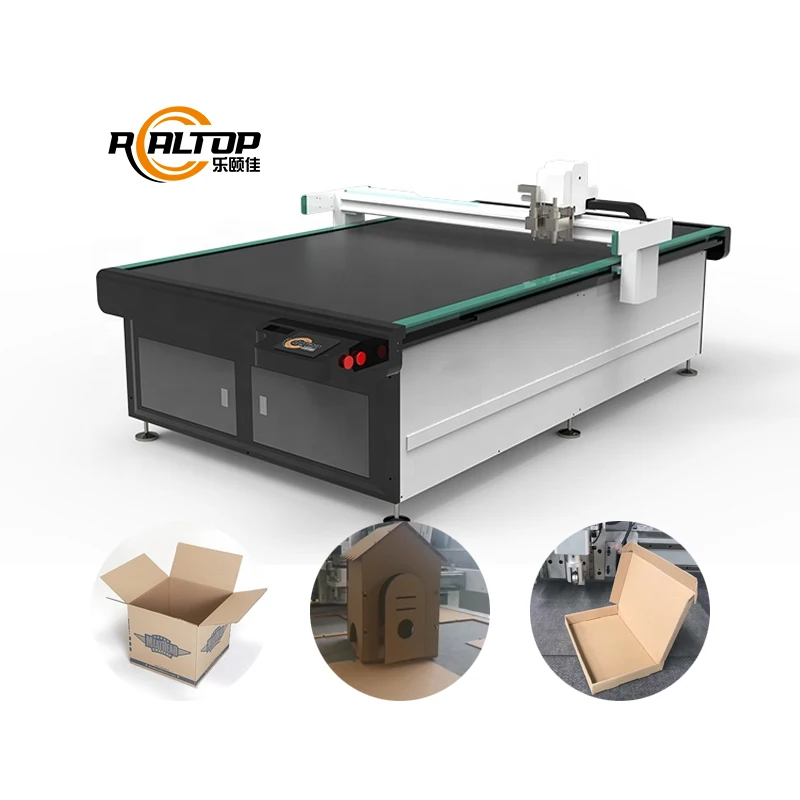
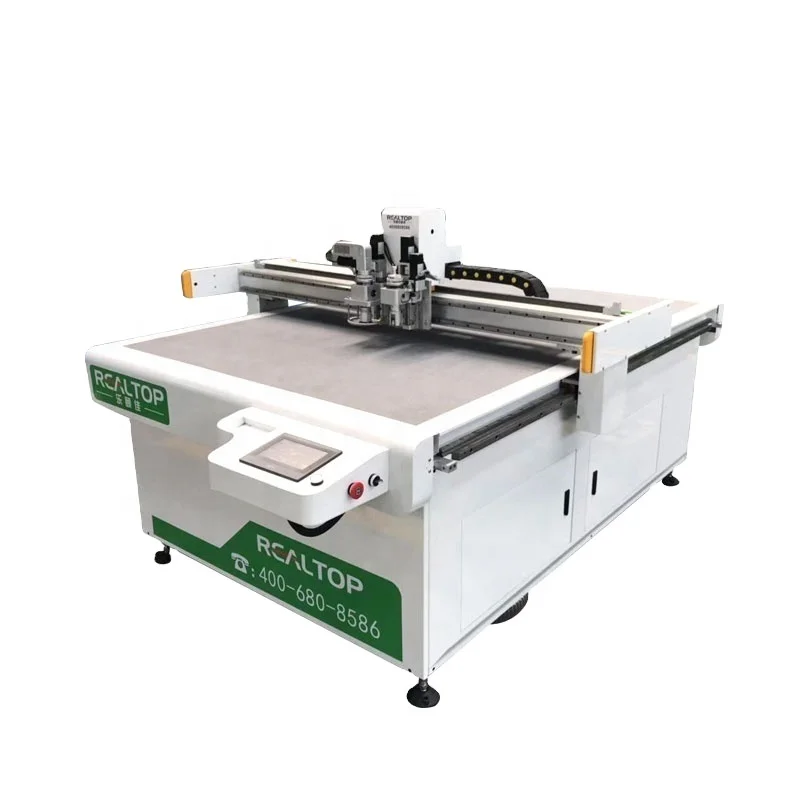
In-house cutting engineering — The 1625 flatbed is designed and assembled under one roof in Shandong, matching knife frequency, vacuum zoning, and tool head geometry to your material before the crate is sealed.
Technical Specifications
| Parameter | Value |
|---|---|
| Model | 1625 |
| Product Type | CNC Oscillating Knife Cutting Machine |
| Working Area | 1600 × 2500 mm |
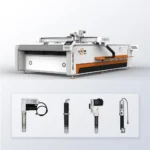
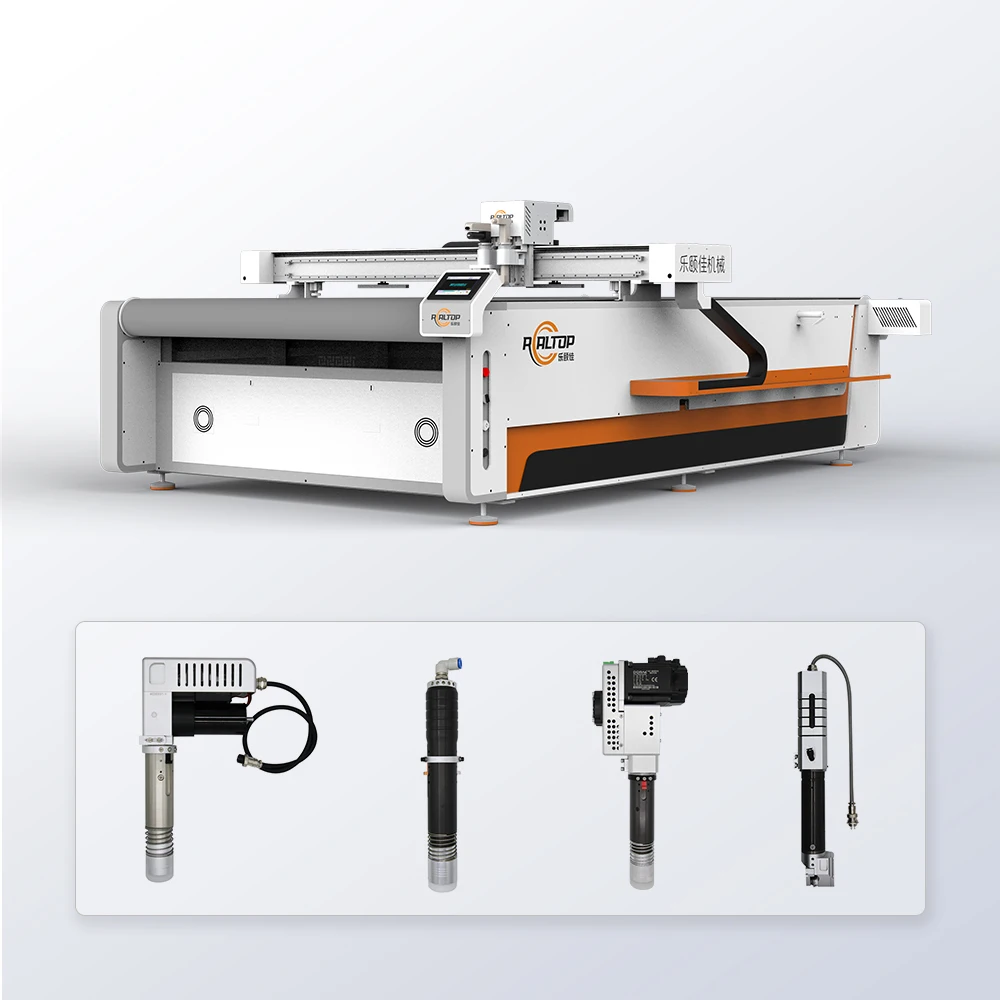
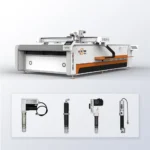
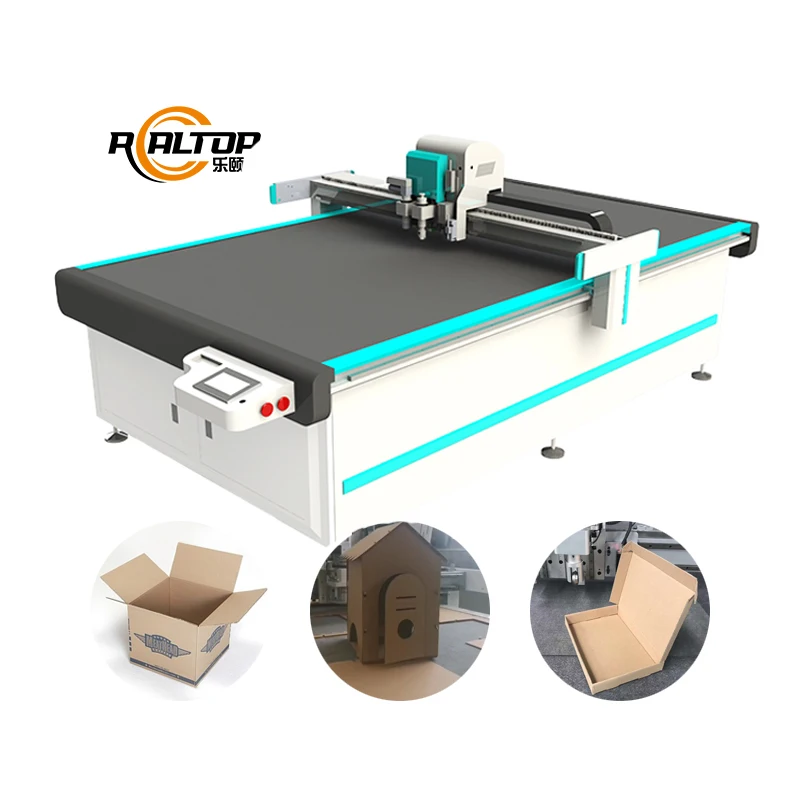
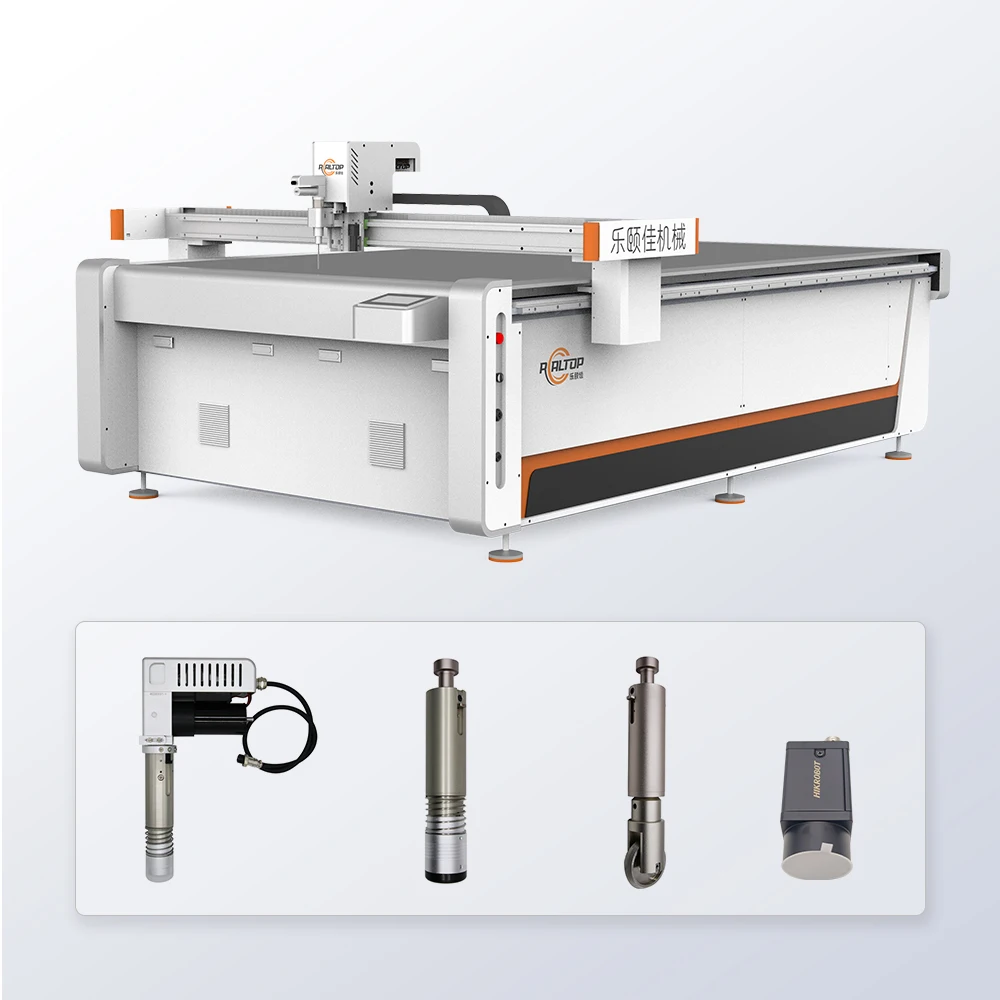
| Tool Head Options | Oscillating knife, Driven rotary knife, Creasing wheel, Kiss cutting tool, Pneumatic knife, Milling tool, V-groove knife |
| Cutting Speed | 0 – 2000 mm/s |
| Cutting Thickness | ≤ 30 mm (basis not stated in source — confirm material type and density) |
| Cutting Accuracy | ±0.1 mm |
| Vacuum Pump | 9 kW |
| Vacuum Table | Aluminum bellows vacuum table |
| Machine Frame | Heavy-duty frame with precision-ground surface |
| Control System | PLC control panel with intuitive interface |
| Software & File Formats | PLT, DXF, AI, PDF; dedicated packaging box structure design software included |
| Nesting | Intelligent nesting system with automatic defect avoidance |
| Servo Motor Options | Panasonic, Delta, Dorna |
| Voltage Options | 110V, 220V, 380V (frequency to be confirmed by market) |
| Language Options | English, Russian, Italian, Chinese; special languages customizable |
| Safety Devices | Infrared sensor device and emergency stop device |
| Machine Size | 3300 × 2100 × 1350 mm |
| Certification | CE |
Application Suitability
| Application | Material or Output |
|---|---|
| Apparel manufacturing | Suits, knitwear, lace, complex woven and printed fabrics with pattern-matching layouts |
| Automotive interiors | Seat fabrics, carpets, PVC floor mats requiring burr-free edges |
| Home textiles | Sofa upholstery fabrics, heavy curtains, woven and tufted rugs |
| Composite material processing | Carbon fiber prepreg, aramid weaves, specialty laminates without delamination |
| Packaging and carton sampling | Corrugated board, folding carton, gasket sheets |
| Leather and synthetic goods | Full-grain and split leather, PU and PVC sheets for footwear and bags |
Why "Cutting Speed 2000 mm/s" Means Nothing Without Material Context
The actual throughput of a CNC oscillating knife cutting machine manufacturer quotes depends entirely on what you are cutting and how thick it sits under the knife.
I once watched a buyer in Eastern Europe receive a flatbed cutter that ran flawlessly on the supplier’s standard PVC test sheet. The first production run was on reinforced composite — the blade pressure was insufficient, the oscillation frequency could not separate the fiber layers, and the entire first week of material went to scrap. The machine was not defective; it was specified against the wrong material profile [NEED_CITE: material-specific oscillation frequency requirements for composite cutting]. When you evaluate the 1625, the conversation must start with your actual roll goods, ply count, and daily volume, not a headline speed number pulled from a brochure.
Frame Rigidity and Motion Accuracy on the 1625 Platform
The heavy-duty frame with a precision-ground surface is not a marketing line — it is the foundation that holds the ±0.1 mm cutting accuracy across the full 1600 × 2500 mm working area. A frame that deflects under dynamic load introduces positional drift that accumulates over long nesting layouts, particularly on multi-layer fabric stacks where the knife encounters varying resistance. This CNC oscillating knife cutting machine uses a ground aluminum bellows vacuum table that sits flush with the frame rails, maintaining flatness so the material does not shift mid-cut.
Vacuum Zoning, Hold-Down, and the Small-Part Problem
The 9 kW vacuum pump feeds an aluminum bellows vacuum table designed for full-surface adsorption. In garment and automotive cutting, nesting layouts often produce small offcuts and narrow strips that can lift at the trailing edge if the vacuum zone is too coarse. The bellows design segments the suction area so that even narrow parts remain pinned throughout the oscillating knife stroke. When cutting carbon fiber prepreg or aramid, inadequate hold-down does more than shift the part — it causes delamination at the cut edge, ruining material that costs far more than the machine hour [NEED_CITE: delamination risks in prepreg cutting with insufficient vacuum hold-down].
Reading the Specs That Actually Matter in Production
The tool head selection is the single most consequential choice on this machine. The oscillating knife handles most woven and non-woven fabrics up to the stated thickness range, but a driven rotary knife is better suited to continuous cuts on knitwear and stretch fabrics where the oscillating stroke can pull the yarn. The creasing wheel and V-groove knife are intended for carton and packaging board, while the kiss cutting tool scores vinyl and adhesive films without penetrating the backing. Choosing the wrong head produces ragged edges, crushed foam cores, or incomplete kiss cuts that fail at the weeding station.
The intelligent nesting system with automatic defect avoidance addresses material yield directly. On expensive composite prepregs or full-grain leather hides, the software maps flaws and re-positions pattern pieces around them, reducing waste that would otherwise go unnoticed until the end-of-roll tally. The dedicated packaging box structure design software is a separate module relevant to carton sample makers who need to generate crease and cut paths from structural templates rather than importing external CAD files.
Servo motor selection — Panasonic, Delta, or Dorna — affects acceleration behavior and long-term positional repeatability. The PLC control panel supports multiple display languages, and file import covers PLT, DXF, AI, and PDF, which addresses the common frustration of arriving at a machine that cannot read the buyer’s existing design workflow.
The Cost of Skipping the Material Test Before Shipment
Buyers who approve a configuration based on a working area dimension and a quoted cutting speed, without sending their actual production material for a test cut, inherit every mismatch the factory could not anticipate. Wrong oscillation frequency for the ply count means incomplete separation and manual rework on every nested sheet. Insufficient vacuum zoning on small pattern pieces causes edge lift and scrapped parts. A voltage specification that was never confirmed against the buyer’s facility electrical standard leads to transformer failures within weeks of commissioning [NEED_CITE: industrial voltage and frequency mismatches in exported machinery]. These are not warranty claims — they are specification failures that happen before the machine ever leaves the factory.
Why Source This CNC Oscillating Knife Cutting Machine from Realtop
In-house design and production means the knife cutting technology on the 1625 is engineered by the same team that assembles and tests it, not sourced from a third-party integrator and rebranded. Tool head and table configuration are specified per material and production volume, so a buyer cutting multi-layer suit fabric receives a different machine build than a buyer cutting single-ply carbon fiber prepreg. CCD camera positioning is available for printed contour work where registration marks must be tracked at production speed. Software compatibility is confirmed against the buyer’s existing file formats before the order is finalized, not discovered as a problem at commissioning. Sample cutting on the buyer’s own material is performed before commitment, with a cutting report provided for approval.
Documentation & Verification
- Machine specification sheet confirming tool head and table configuration for your material
- Electrical schematic and voltage confirmation matched to your facility standard
- Sample cutting report produced on your actual fabric or composite before dispatch
- Factory test record documenting positional accuracy across the full working area
- Operation and maintenance manual in your selected control language
- Spare parts list identifying wear items and recommended replacement intervals
Installation, Commissioning & Support
- Foundation must be level to support the 3300 × 2100 mm machine footprint without frame twist
- Dedicated electrical circuit required matching confirmed voltage option (110V, 220V, or 380V) and local frequency
- Machine ships partially assembled; vacuum table and gantry require on-site alignment
- First-run parameter setup includes oscillation frequency, vacuum zoning, and servo tuning for your material
- Operator training covers tool head changeover, nesting software, and PLC panel navigation
- Wear parts include oscillating knife blades, vacuum seals, and bellows covers with sourcing guidance
What We Need to Configure Your 1625 Correctly
Send your material type, maximum ply count or sheet thickness, and the largest single-piece dimension you need to cut. Confirm your facility voltage, frequency, and the control language your operators require. If you are working with printed fabrics that need contour recognition, let us know the registration mark format so we can specify the CCD configuration before production begins.
Frequently Asked Questions
Q: How do I choose the right tool head for my material?
A: The 1625 offers seven interchangeable tool heads. Oscillating knife suits most woven fabrics and foams, driven rotary knife handles knits and stretch materials, and the creasing wheel or V-groove knife covers carton and board. We recommend a tool head based on your specific material sample, verified by a test cut before the machine is finalized.
Q: Can I send my material for sample cutting before ordering?
A: Yes. Send a roll or sheet of your production material to the factory. We run a test cut on the 1625 using the recommended tool head and vacuum configuration, then provide a sample cutting report showing edge quality, dimensional accuracy, and cycle time for your review before commitment.
Q: What control languages and software file formats does the machine support?
A: The PLC control panel is available in English, Russian, Italian, and Chinese, with other languages configurable on request. The software imports PLT, DXF, AI, and PDF files, and includes a dedicated packaging structure design module. We confirm file format compatibility against your existing design workflow before production.
Q: How are voltage and plug type confirmed before shipment?
A: We require your facility voltage, phase, and frequency at the inquiry stage. The 1625 is configurable for 110V, 220V, or 380V, and the electrical schematic is sent for your approval before assembly. Plug type matches your local standard, and a voltage confirmation document is included in the shipment documentation.
Q: What spare parts are included, and how are replacements sourced?
A: Each shipment includes a spare parts list covering blades, vacuum seals, and bellows covers. Consumables are standard industrial items available through local suppliers or direct from the factory. The operation manual specifies replacement intervals based on material type and cutting hours.
You may also like

商品评价
Clear filtersThere are no reviews yet.