

Blog
How thick of wood can a CNC cut through?

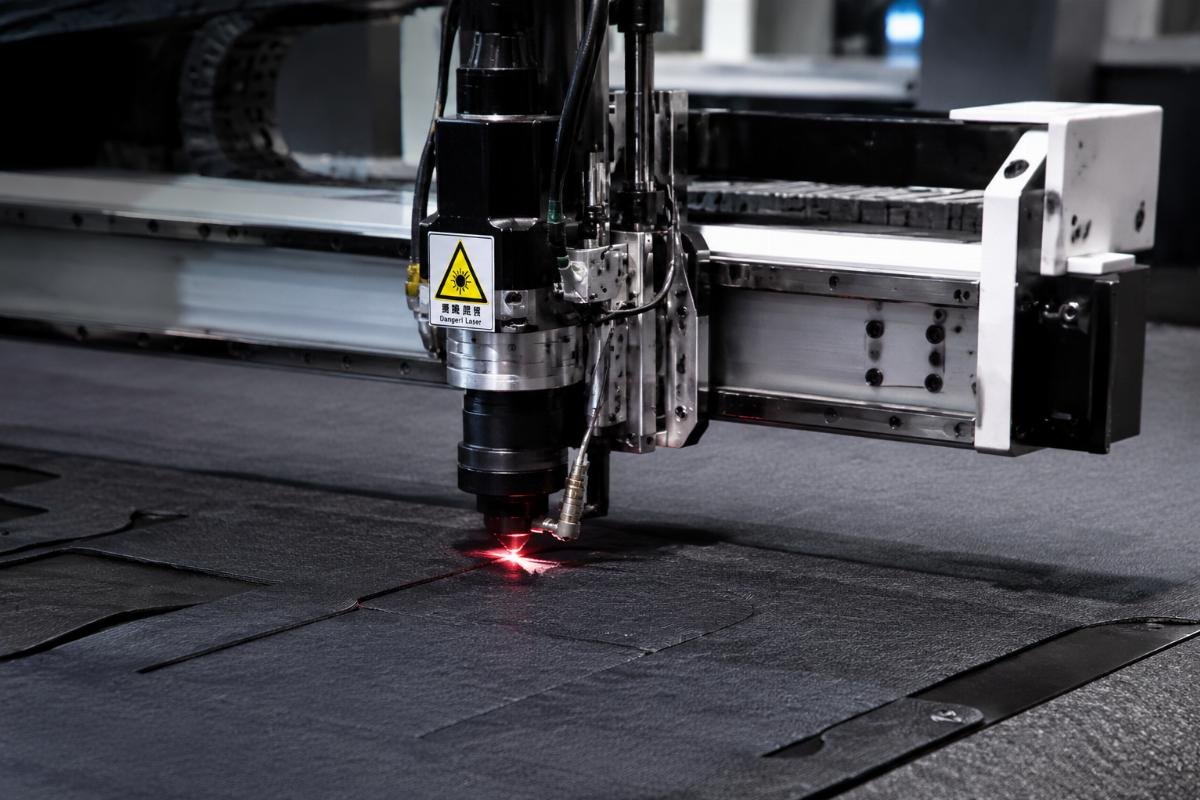
How thick of wood can a CNC cut through?
I get this question almost every week in my inbox. A potential customer finds our website, sees our CNC knife cutting machines, and asks: "Can this cut wood? How thick?" They expect a simple number. But here's the truth: if you're asking about wood thickness on a flexible material cutter, you might be looking at the wrong machine category altogether.
CNC knife cutting machines are built for flexible materials like fabric, leather, and composites1—not thick wood. Thin wood products like veneer or balsa may work depending on density and blade limits, but these machines are not designed as primary wood cutters. If your main application is wood, a CNC router or laser cutter is the right tool, not a knife-based flexible material cutter.
I need to share this upfront because mismatched expectations cause real problems after purchase. Let me walk you through why this question requires a longer answer than most buyers expect.
What type of CNC are we actually talking about?
When someone searches "how thick wood can CNC cut," they're usually lumping together three completely different machine types. I see this confusion in almost every inquiry that mentions wood.
The term "CNC" just means computer numerical control—it describes how the machine moves, not what it cuts or how it cuts2. A CNC knife cutter, a CNC router, and a CNC laser cutter all use computer control, but their cutting mechanisms, material compatibility, and thickness limits are completely different.
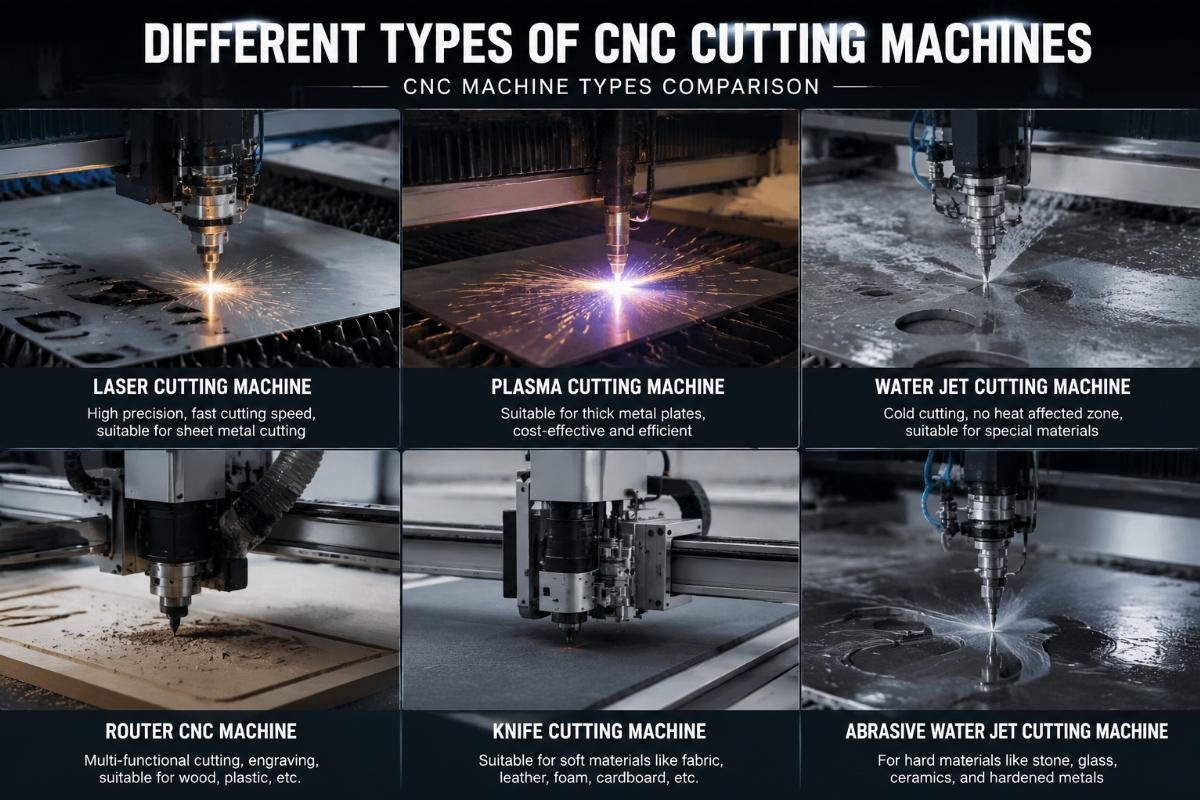
| Machine Type | Cutting Method | Primary Materials | Typical Wood Capability |
|---|---|---|---|
| CNC Knife Cutter | Oscillating or drag blade | Fabric, leather, rubber, thin composites | Thin veneer, balsa, or soft wood sheets under specific conditions |
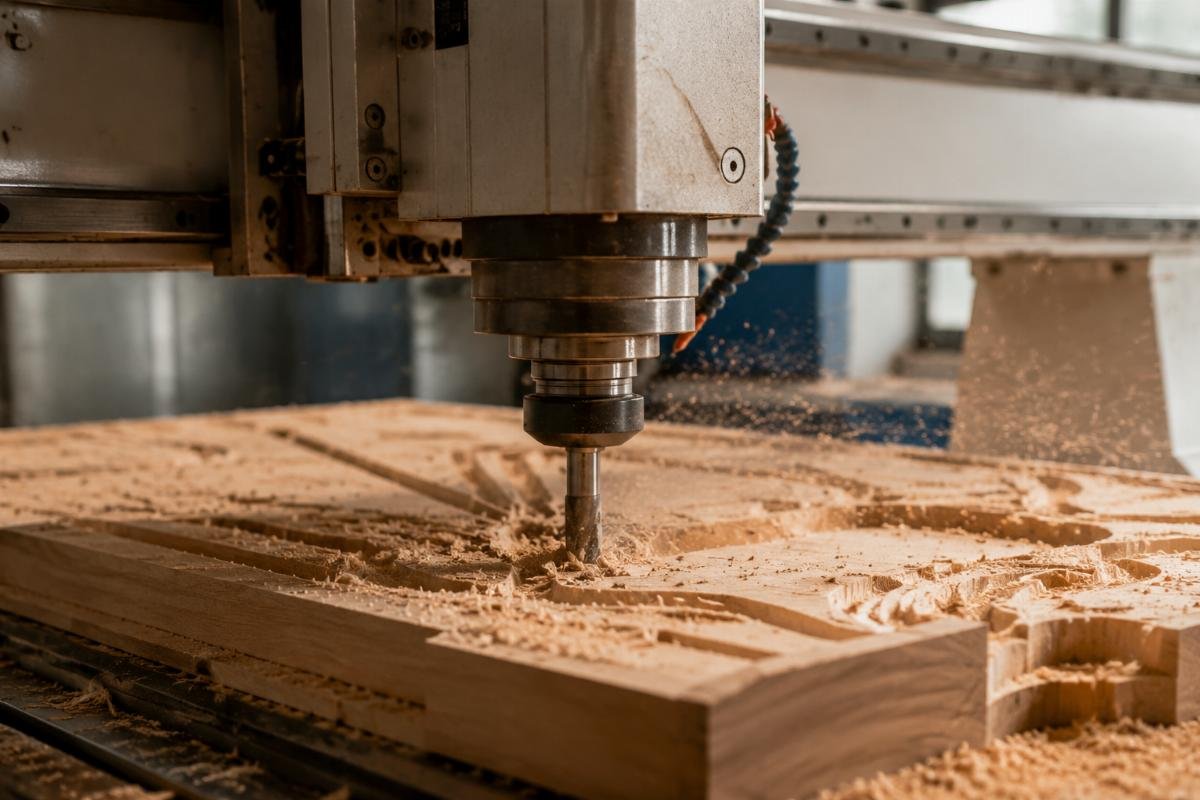
| CNC Router | Rotating spindle with bit | Wood, MDF, plywood, plastics, soft metals | Hardwood up to several inches thick depending on spindle power |
| CNC Laser Cutter | Focused laser beam | Acrylic, wood, paper, thin metal | Varies by wattage; typically plywood up to 20mm for CO2 lasers3 |
Our machines at Realtop fall into the first category. We manufacture CNC knife cutting machines for flexible materials. The blade oscillates or drags through material held on a flat bed. This works beautifully for fabric rolls, leather hides, or gasket sheets. It does not work the same way on dense hardwood planks.
When clients ask me about cutting wood, my first response is always: "Tell me about your actual application. What product are you making, and what material specs do you have?" Because the answer is never just about thickness.
Can flexible material CNC knife cutters handle any wood at all?
Yes, but with major limitations. I've had clients successfully cut thin wood products on our machines, but only when the material characteristics matched what the blade system can handle.
Thin wood composites like veneer sheets, balsa wood, or soft plywood under certain thickness and density ranges can work on knife-based CNC cutters—but this is application-specific, not a general capability. The machine was not designed for wood as a primary function. You're working at the edge of what the blade force and material hold-down can manage.
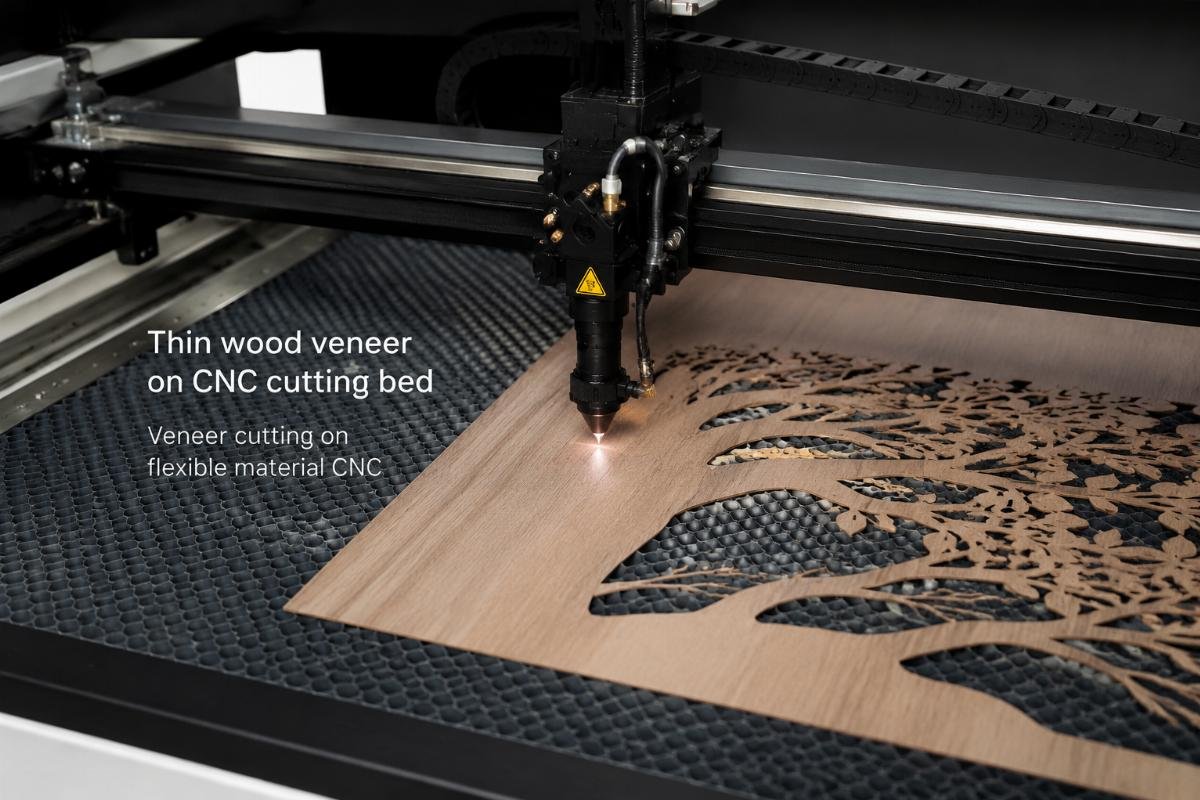
Here's what I've learned from client feedback and material supplier discussions:
-
Veneer sheets: These are thin wood slices, often under 3mm. If the veneer is flexible enough to lay flat on the cutting bed and the blade depth can penetrate fully without excessive force, cutting is possible. Clients making decorative inlays or craft products have reported success with veneer on our machines.
-
Balsa wood: This is extremely soft and lightweight. Thin balsa sheets can be cut with an oscillating blade if the material is secured properly. But even balsa has limits—thicker pieces will dull blades quickly or require multiple passes.
-
Soft plywood or composite boards: Some clients have asked about cutting thin plywood for packaging prototypes or model-making. If the plywood is under a certain thickness and the wood layers are bonded with softer adhesive, you might achieve a clean cut. But this is not reliable for production volume.
The key variables are not just thickness. They are material density, blade sharpness, machine downforce capability, and whether the wood bends or splinters under blade pressure. I cannot give you a universal maximum thickness because these factors change with every wood type.
Why blade-based cutting has hard limits on wood thickness
The cutting force in a knife-based CNC comes from blade oscillation or drag motion combined with downward pressure4. This is fundamentally different from a router's rotating bit or a laser's heat-based cutting.
Blade cutters rely on shearing force through material. When wood density exceeds blade sharpness and machine downforce, the blade either deflects, dulls immediately, or fails to penetrate fully5. This is not a machine defect—it's a design boundary.
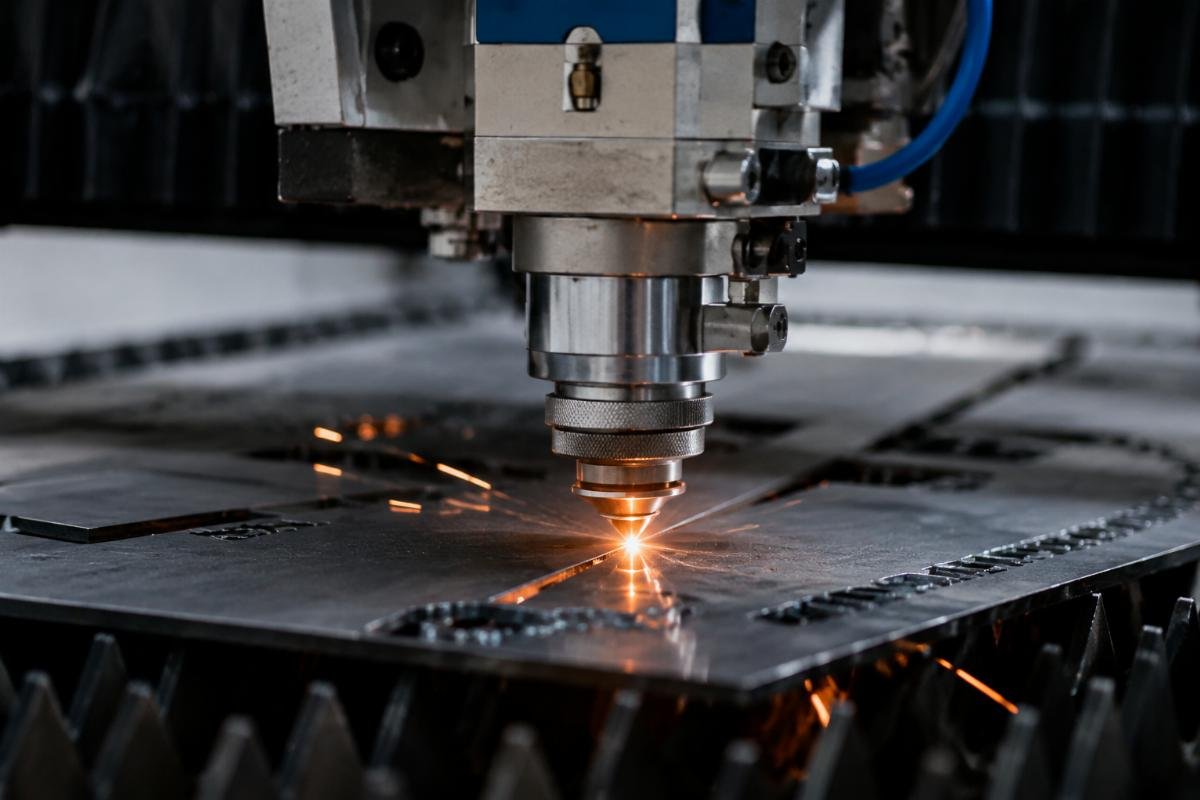
I've seen clients try to push thicker wood through our machines and the results are predictable:
- Incomplete cuts: The blade scores the surface but does not cut through. You end up with a groove, not a separated piece.
- Blade damage: Wood hardness wears down blade edges faster than fabric or leather6. After a few attempts on dense wood, the blade loses sharpness and starts tearing material instead of cutting cleanly.
- Machine strain: The motor and drive system work harder to push the blade through resistant material. Over time, this can cause mechanical wear or alignment issues.
If your wood application requires through-cutting on material thicker than a few millimeters, or if the wood is hardwood species like oak or maple, a knife cutter is not the right tool. You need a CNC router with a spindle designed for wood cutting. The router uses rotational cutting force and can handle much greater material thickness and density7.
What should you do if you need to cut wood for your application?
I always tell clients: match the machine to your primary material and application. If wood is your main product, invest in a CNC router. If you occasionally need thin wood components alongside fabric or leather cutting, then we can discuss whether a knife cutter fits that secondary need.
Choose your CNC machine based on your primary application material. If wood is central to your product, a CNC router or laser cutter is the correct investment. If you cut flexible materials and occasionally need thin wood, a knife cutter might handle limited wood tasks—but only after testing with your specific material.
Here's a practical decision framework based on conversations I've had with hundreds of buyers:
If your primary material is wood:
- Plywood, MDF, or solid wood over 5mm thick8: You need a CNC router. Blade cutters cannot handle this reliably.
- Hardwood species: Always use a router. Knife blades will fail quickly on dense hardwood.
- High production volume: Even if the wood is thin, a router will give you better speed, consistency, and tool life.
If your primary material is flexible (fabric, leather, composites):
- Occasional thin wood components: Test with sample material first. If the wood is veneer, balsa, or soft composite under 3mm, a knife cutter might work for low-volume tasks.
- Prototyping or short runs: You can experiment with thin wood on a knife cutter, but expect blade wear and possible need for frequent blade replacement.
- No expectation of hardwood capability: Make sure everyone on your team understands the machine is not designed for wood. Avoid using it as a primary wood cutter.
If you need both capabilities:
- Consider two machines: A flexible material cutter for fabric and leather, and a separate router for wood. Trying to do both on one machine usually means compromising on quality or machine lifespan.
- Evaluate laser cutters: Depending on your wood thickness and design requirements, a laser cutter might handle both thin wood and some flexible materials. But lasers have their own limitations on thick or reflective materials.
I always recommend requesting sample cutting tests before purchase. Send us your actual material samples, including the wood product you want to cut. We can run tests on our machines and show you the results honestly. If the material is outside our machine's capability, I will tell you directly and suggest the right machine type.
Conclusion
The question "how thick wood can a CNC cut" needs context: which CNC type, which wood material, and for what application? For flexible material knife cutters like ours at Realtop, wood cutting is possible only with thin, soft wood products—not thick hardwood. Match your machine choice to your primary material, and test before you invest.
"[PDF] Materials for CNC Knives (Die Cutters, Vinyl Cutters)", https://materialseducation.org/educators/matedu-modules/docs/CNC_Knife_Materials.pdf. Knife-based cutting systems use oscillating or drag blade mechanisms that apply shearing force perpendicular to the material surface, a method optimized for materials with flexibility that allows controlled separation without requiring rotational cutting force. Evidence role: mechanism; source type: education. Supports: the engineering principles behind knife-based cutting systems and their material compatibility. Scope note: Source describes general cutting mechanism principles rather than specific CNC knife cutter design specifications ↩
"Computer numerical control - Wikipedia", https://en.wikipedia.org/wiki/Computer_numerical_control. Computer Numerical Control (CNC) refers to the automated control of machining tools through programmed commands encoded on a storage medium, governing the motion and positioning of the tool rather than the cutting mechanism itself. Evidence role: definition; source type: encyclopedia. Supports: the technical definition of computer numerical control as a motion control system. ↩
"How thick of plywood should a 130w CO2 laser be able to cut and at ...", https://www.reddit.com/r/lasercutting/comments/17fuzac/how_thick_of_plywood_should_a_130w_co2_laser_be/. CO2 laser cutters with power ratings between 100-150 watts can typically cut plywood up to 15-20mm thickness in a single pass, with actual capacity varying based on laser power, cutting speed, material density, and number of plywood layers. Evidence role: statistic; source type: education. Supports: typical maximum cutting thickness for plywood using CO2 laser systems. Scope note: Cutting capacity varies significantly with specific laser power output and plywood composition ↩
"[PDF] Force during Slicing and Pressing Cuts - Georgia Tech", https://aimrl.gatech.edu/publication/conference/2006_IEEE%20ICRA%20pp.2256-2261..pdf. Oscillating blade cutting systems generate cutting force through high-frequency reciprocating motion (typically 1,000-5,000 oscillations per minute) combined with controlled downward pressure, creating a shearing action that separates material fibers without requiring continuous rotational force. Evidence role: mechanism; source type: education. Supports: the mechanical principles of force generation in oscillating blade cutting systems. Scope note: Source describes general oscillating blade mechanics rather than specific CNC knife cutter implementations ↩
"Shear force", https://en.wikipedia.org/wiki/Shear_force. Successful blade penetration requires that the applied shearing stress exceed the material's shear strength; when material density and hardness create resistance beyond the blade's edge sharpness and available downforce, the blade experiences deflection, accelerated wear, or incomplete penetration. Evidence role: mechanism; source type: education. Supports: the relationship between material density, blade sharpness, and cutting force in determining penetration success. Scope note: Source addresses general cutting mechanics principles rather than specific CNC knife cutter performance thresholds ↩
"The Effect of Selected Factors on the Strength of Stitches of ... - PMC", https://pmc.ncbi.nlm.nih.gov/articles/PMC9572404/. Blade wear rate correlates with material hardness and abrasiveness; wood contains cellulose fibers and lignin with higher hardness values than protein-based materials like leather or textile fibers, resulting in accelerated edge degradation through abrasive contact. Evidence role: general_support; source type: education. Supports: the relationship between material hardness and cutting blade wear rates. Scope note: Source provides general material hardness principles rather than specific comparative wear rate data for these material categories ↩
"[PDF] Theory of Metal Machining", https://www.egr.msu.edu/~pkwon/me477/machining. Rotational cutting tools generate continuous cutting force through high-speed rotation (typically 10,000-24,000 RPM), with multiple cutting edges engaging the material sequentially, enabling chip removal and heat dissipation that allows penetration of significantly thicker and denser materials than single-edge shearing methods. Evidence role: mechanism; source type: education. Supports: the mechanical advantages of rotational cutting force for thick and dense materials. ↩
"Choosing the Right Blades Cut Depth Based on Material Type", https://www.sinseungok.com/products-news/choosing-the-right-blades-cut-depth-based-on-material-type/. Oscillating blade cutting systems typically achieve optimal performance on materials under 5-6mm thickness, as blade deflection, oscillation amplitude limitations, and available downforce become constraining factors for thicker materials requiring deeper penetration. Evidence role: general_support; source type: education. Supports: typical thickness limitations for oscillating blade cutting systems. Scope note: Source describes general oscillating blade limitations rather than specific wood cutting thresholds for CNC knife cutters ↩