



-
 Courier delivery
-
 DHL Courier delivery
-
 Warranty 1 year
-
 Free 30-Day returns

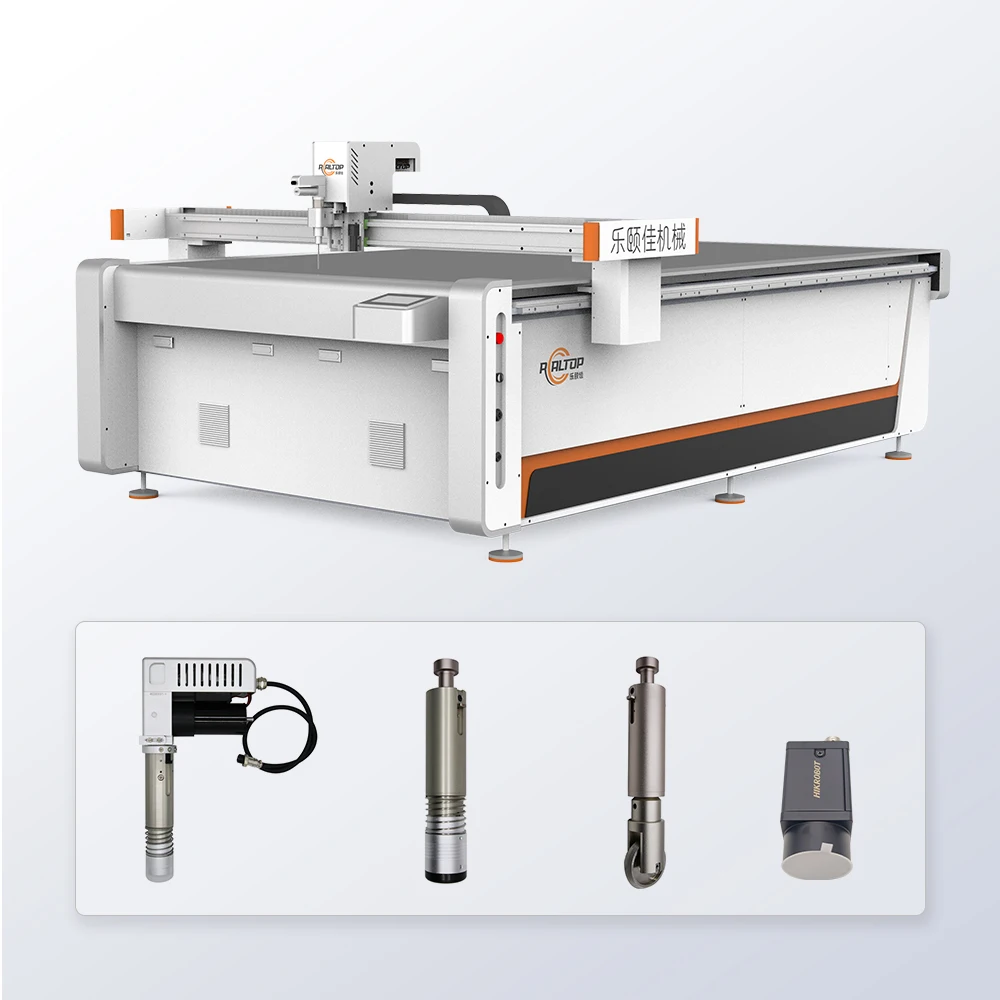
In-house knife and laser design — tool head and vacuum configuration matched to your corrugated flute or foam density before order confirmation, not after.
Technical Specifications
| Parameter | Value |
|---|---|
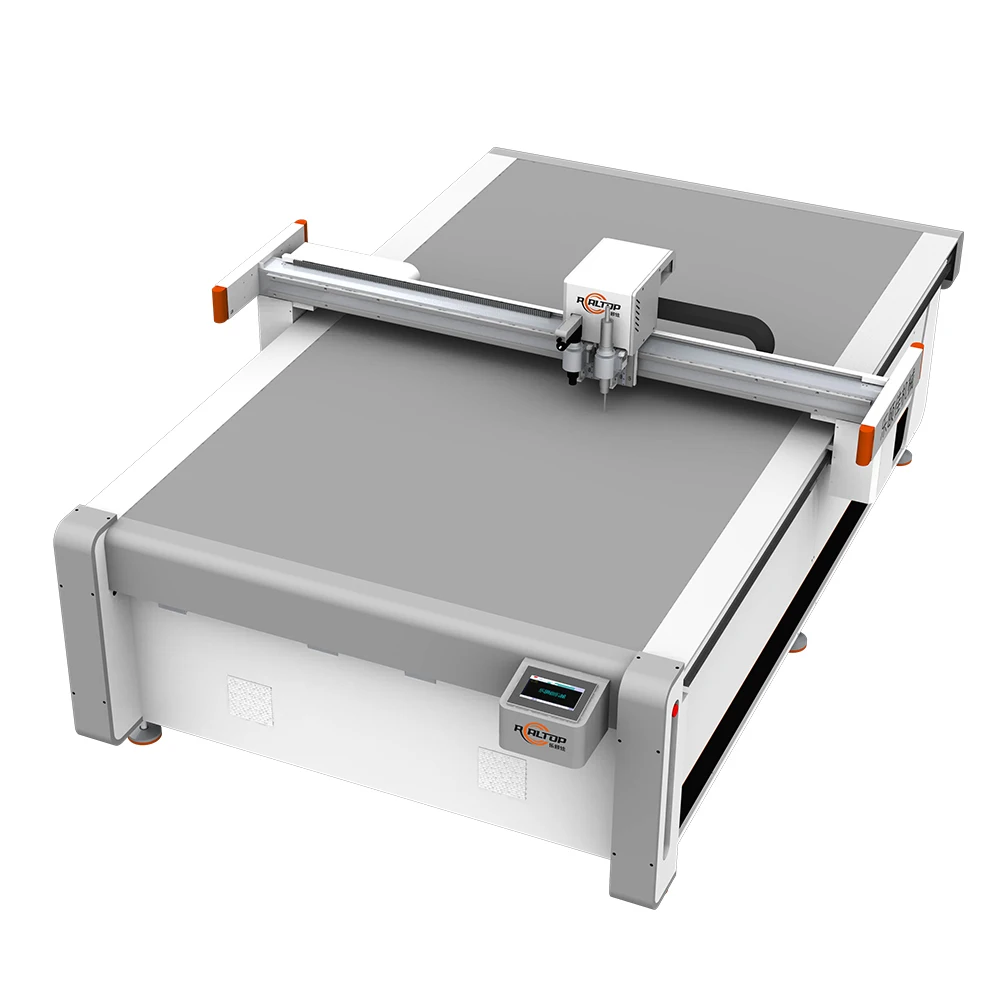
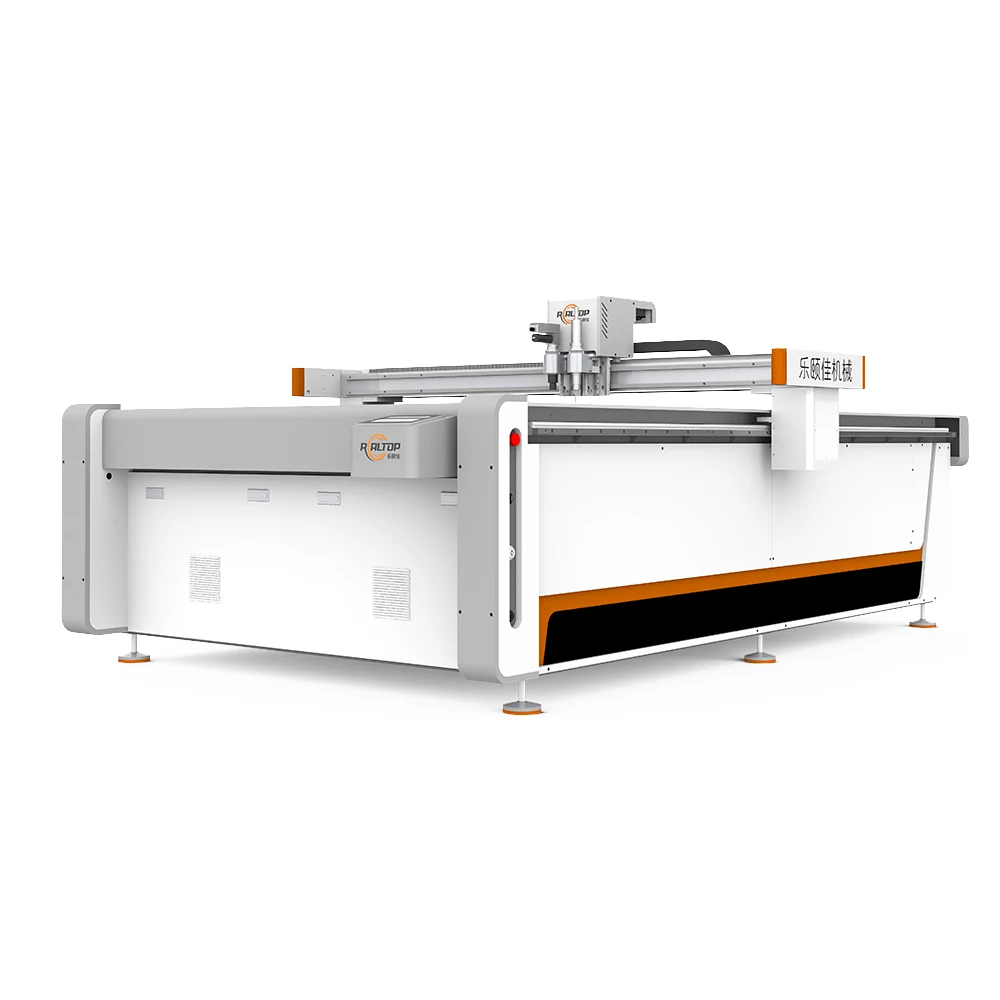
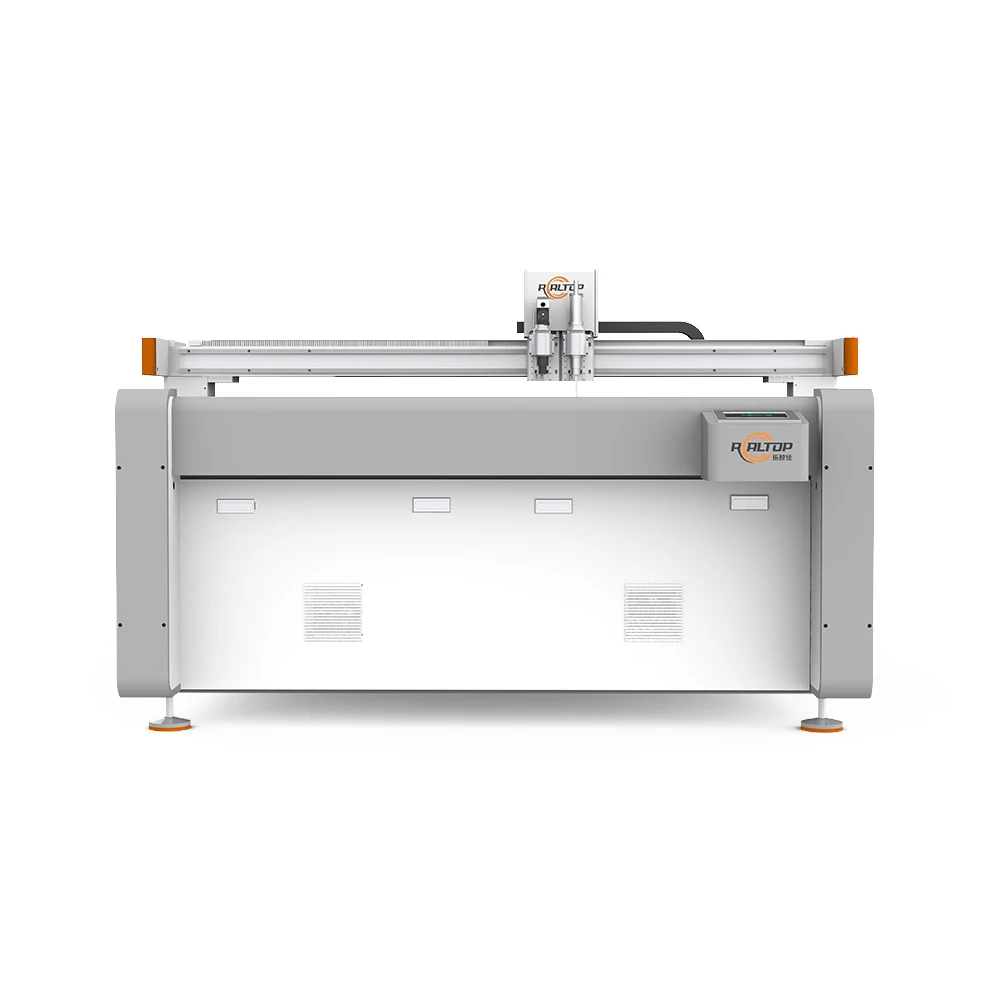
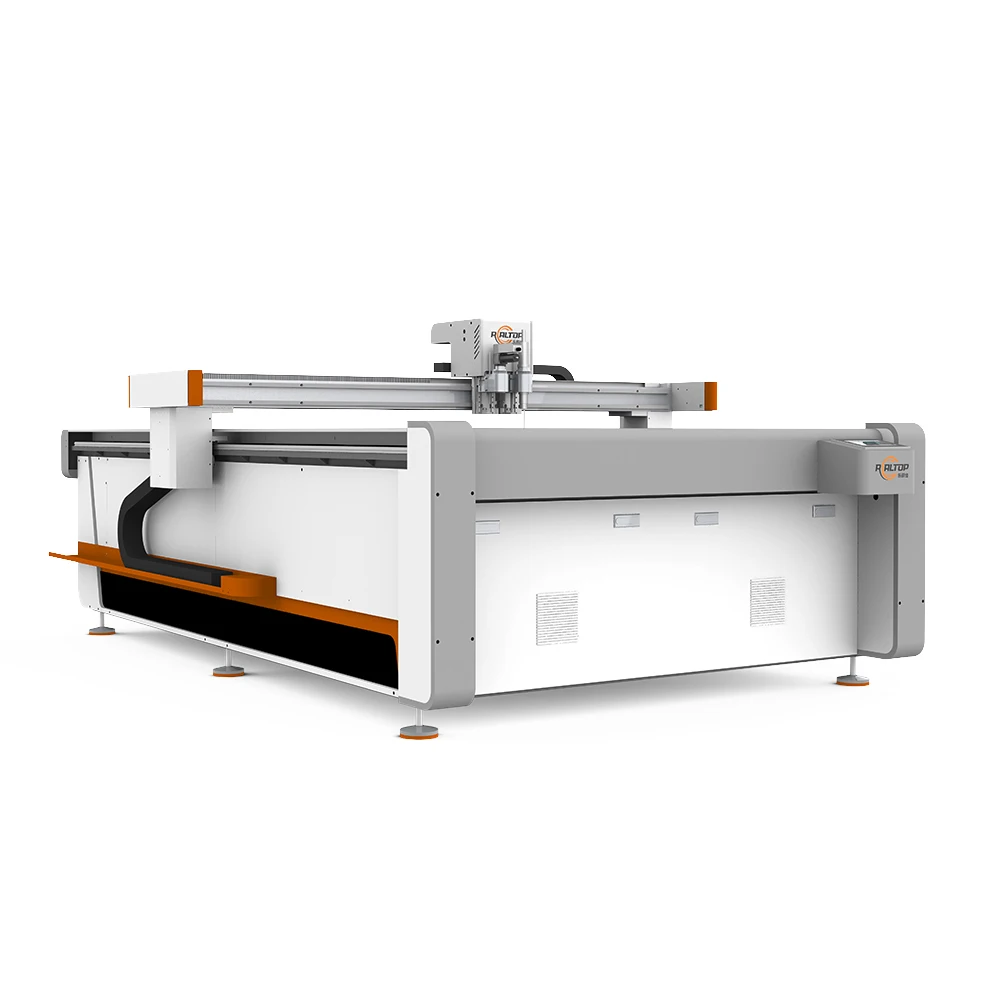
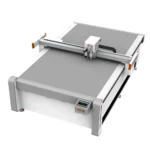
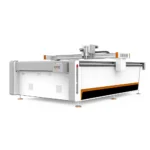
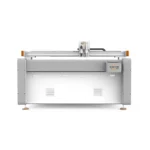
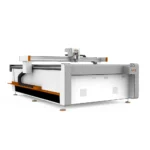
| Product Type | CNC Oscillating Knife Digital Cutting Table |
| Model | 1625 |
| Working Area | 1600×2500 mm |
| Tool Head Options | Oscillating knife, Driven rotary knife, Creasing wheel, Kiss cutting tool, Pneumatic knife, Milling tool, V groove knife |
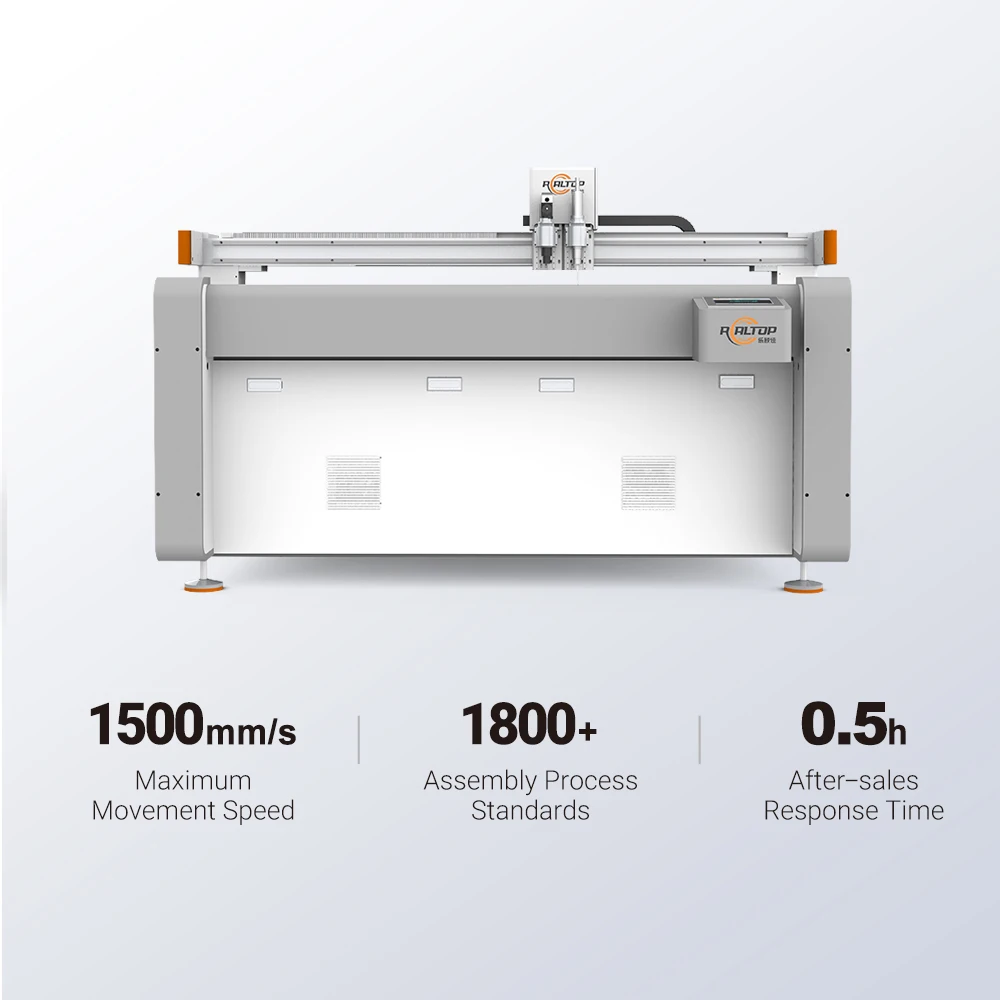
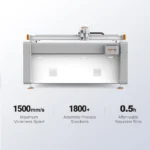
| Cutting Speed | 0-1500 mm/s |
| Cutting Thickness | ≤ 40mm (basis not stated in source) |
| Positioning Accuracy | ±0.1 mm |
| Vacuum Pump Power | 9 kW |
| Vacuum Table Type | Aluminum bellows vacuum table |
| Control System | PLC control panel |
| Software File Formats | PLT, DXF, AI, PDF |
| Voltage Options | 110V, 220V, 380V |
| Safety Devices | Infrared sensor, Emergency stop |
| Machine Frame | Heavy-duty frame, precision-ground surface |
| Overall Dimensions | 3300×2100×1350 mm |
| Servo Drive Options | Panasonic, Delta, Dorna (source value — verify against manufacturer catalog) |
| Language Options | English, Russian, Italian, Chinese; special languages customizable |
| Compliance | CE (certificate number and scope to be verified) |
Application Suitability
| Application | Material or Output |
|---|---|
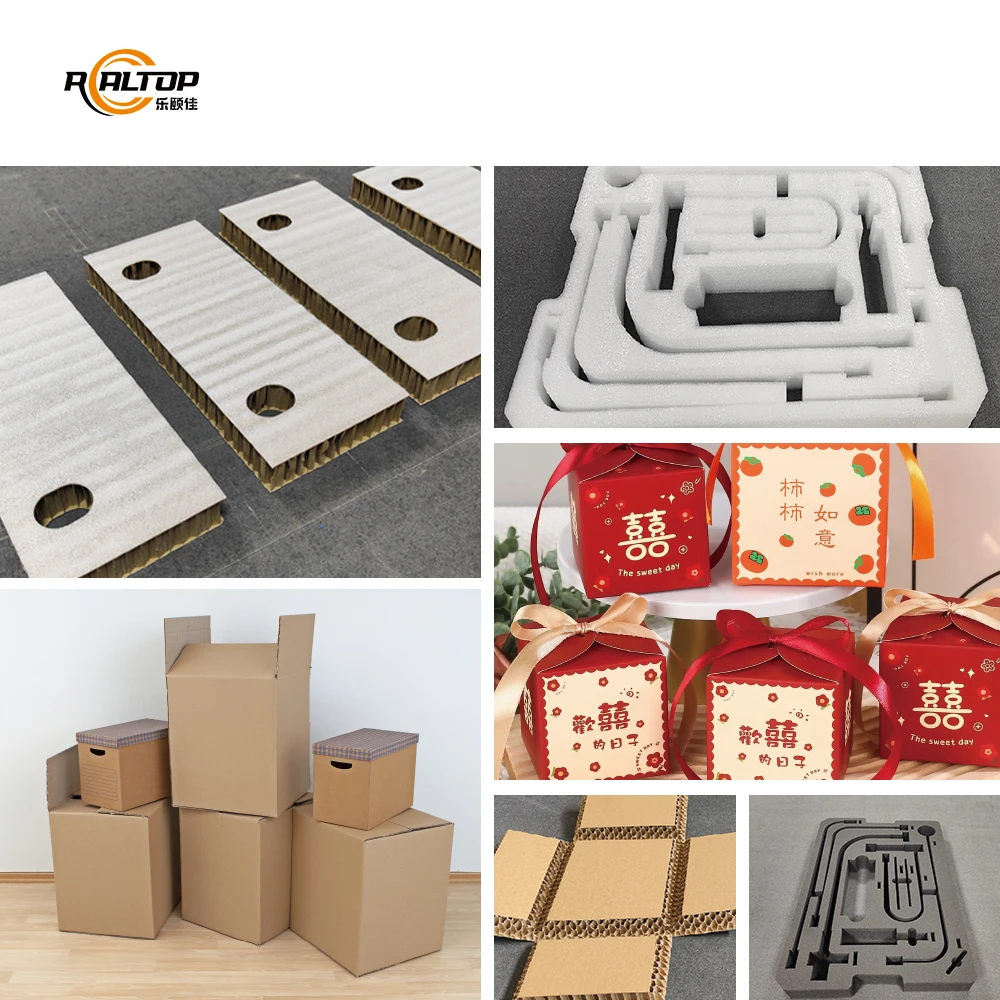
| Carton sample making and short-run production | Corrugated board (E-flute, B-flute, BC-flute), greyboard, cardstock, art paper |
| Protective packaging insert fabrication | EVA, EPE, PU foam sheets, rubber mats |
| Flexible substrate cutting | Velvet, fleece fabric, non-woven fabric, thin plastic sheets (PVC, PET) |
| Leather and composite packaging components | Genuine leather, synthetic leather, composite and adhesive-backed materials |
When "Working Area Only" Quoting Breaks Down at First Cut
Cutting corrugated board or foam on a table specified only by sheet size often reveals tool head and vacuum mismatches the day production starts.
I have watched a packaging sample line stall because the oscillating knife was swapped for a generic drag knife to cut BC-flute — the crushed edges then failed creasing tests, forcing a full re-run. Another shop discovered their vacuum table had no zoning, so small carton blanks lifted during the final pass. Specifying a CNC oscillating knife cutting table manufacturer without confirming the exact flute profile and foam density leads to these avoidable stoppages [NEED_CITE: common CNC cutting machine specification errors in packaging sample shops].
Matching Tool Heads to Corrugated and Foam Substrates
The 1625 table supports interchangeable tool heads — oscillating knife, creasing wheel, kiss cutting tool, V groove knife, milling tool, and pneumatic knife — each selected against the buyer’s actual material stack. A creasing wheel paired with an oscillating knife handles E-flute and B-flute in one setup, while dense PU foam inserts for protective packaging typically require a different blade frequency and stroke depth. This configuration approach is central to what a packaging carton sample cutting machine factory must confirm before building the machine.
Vacuum Zoning and Flatness for Thin Packaging Stocks
The aluminum bellows vacuum table provides full-surface hold-down across the 1600×2500 mm work area. Thin art paper and specialty cardstock demand even suction distribution to prevent wrinkling at the blade entry point, while heavy BC-flute board requires stronger localized zones to resist the lateral force of the oscillating knife [NEED_CITE: vacuum table flatness requirements for digital cutting of corrugated board]. The 9 kW vacuum pump is sized to maintain adequate negative pressure across the entire table surface.
Reading the Specs That Matter for Sample Accuracy
Positioning accuracy of ±0.1 mm ensures that crease lines register correctly against cut edges — a tolerance that directly affects fold quality in finished carton prototypes. The PLC control panel manages acceleration curves and blade oscillation frequency, which together determine edge cleanliness on mixed-material runs. Software bundled with the machine imports PLT, DXF, AI, and PDF files, and the dedicated packaging box structure design module reduces the translation step between structural design and cutting output. Servo drive options from Panasonic, Delta, or Dorna offer different cost and availability profiles depending on the buyer’s local service network.
The Hidden Cost of Skipping Material-Based Configuration
A machine shipped with a generic tool head forces the buyer to experiment on production material, generating scrap before finding the correct blade and stroke combination. Insufficient vacuum zoning causes small carton flaps to lift, producing reject samples that fail dimensional checks. When voltage and frequency are not confirmed against local supply before dispatch, the servo drives may fault intermittently or overheat during extended sample-making sessions [NEED_CITE: servo drive failure rates linked to incorrect voltage configuration on exported CNC equipment].
Why Procure This Table Through REALTOP
REALTOP designs and builds both knife and laser cutting systems in-house, meaning the cutting method is selected to match the material rather than forcing one technology onto every substrate. The 1625 configuration — tool head, vacuum table zoning, and software workflow — is documented per buyer material before production begins. Sample cutting on the buyer’s own corrugated board or foam is completed and recorded before order commitment. Voltage, plug type, and control panel language are confirmed and documented before shipment, avoiding on-site commissioning delays. The factory test record includes actual cut samples from the buyer’s material batch.
Documentation & Verification
- Electrical schematic confirming voltage, frequency, and plug type for your destination market
- Tool head and table configuration list matched to your corrugated flute and foam samples
- Sample cutting report on your actual packaging material before dispatch
- Software licence and file format compatibility note for your existing design workflow
- Factory test record documenting cut quality and creasing depth on your substrates
Installation, Commissioning & Support
- Foundation must accommodate 3300×2100×1350 mm footprint with level tolerance for precision-ground frame
- Dedicated circuit required matching confirmed voltage option (110V, 220V, or 380V) and local frequency
- Machine ships partially assembled; vacuum table and gantry require on-site alignment and calibration
- First-run parameter setting includes servo tuning, blade oscillation frequency, and vacuum zone mapping
- Operator training covers PLC panel navigation and packaging structure software file import workflow
- Spare blade and creasing wheel kit shipped with machine to prevent early-production downtime
Before You Request a Quote
Provide the corrugated flute types or foam densities you cut most often, along with sheet sizes and daily sample volume targets. Confirm your workshop’s available voltage, frequency, and the control panel language your operators need. If you currently use specific DXF or AI-based design software, share a sample file so compatibility can be verified on the 1625 before the order is finalized.
Frequently Asked Questions
Q: How is cutting thickness verified for my corrugated flute or foam?
A: We cut samples on your actual material before order confirmation, documenting edge quality, creasing depth, and throughput in a sample cutting report. The tool head and blade configuration are then specified based on those results rather than a generic thickness claim.
Q: Can I switch tool heads for different packaging jobs?
A: Yes. The 1625 supports oscillating knife, creasing wheel, kiss cutting, V groove, and milling tool heads that can be changed between jobs. We recommend a configuration based on your material mix and include the necessary mounting hardware with each order.
Q: Does the included software accept my existing DXF and AI files?
A: The bundled packaging structure design software imports PLT, DXF, AI, and PDF formats. We verify compatibility with a sample file from your workflow before order confirmation and document any required file preparation steps in the compatibility note shipped with the machine.
Q: What voltage and control language will the machine ship with?
A: Voltage, plug type, and control panel language are confirmed and documented before shipment. Available options include 110V, 220V, and 380V supply, with control language selectable from English, Russian, Italian, Chinese, or custom languages upon request.
Q: Can I send material for a test cut before ordering?
A: Yes. Send a representative sample of your corrugated board, foam, or composite material to our facility. We run it on the 1625 with the recommended tool head configuration and return the cut samples along with a detailed test report for your evaluation.
You may also like

商品评价
Clear filtersThere are no reviews yet.