



-
 Courier delivery
-
 DHL Courier delivery
-
 Warranty 1 year
-
 Free 30-Day returns

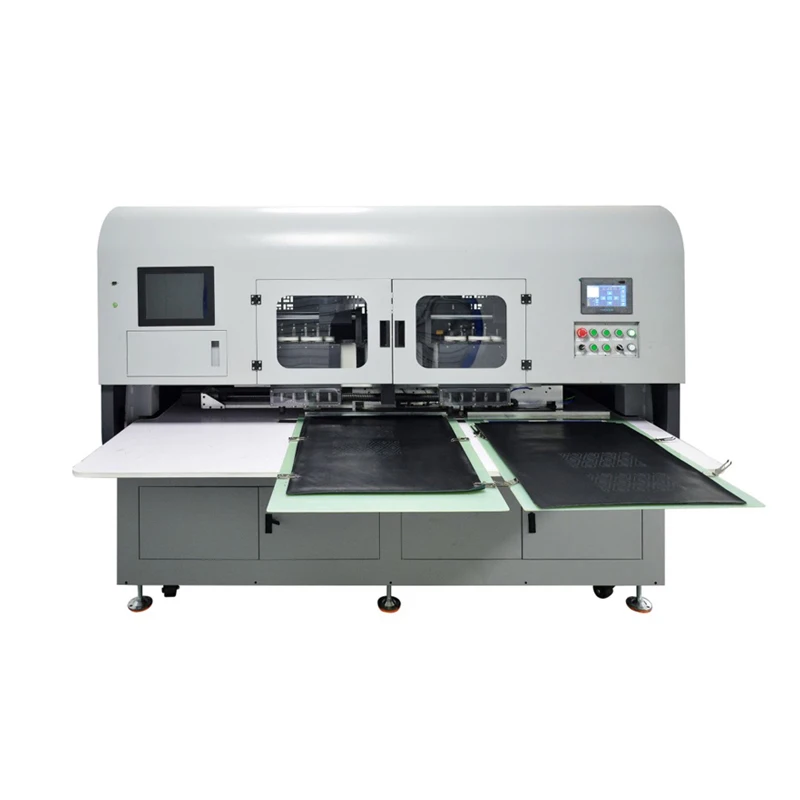
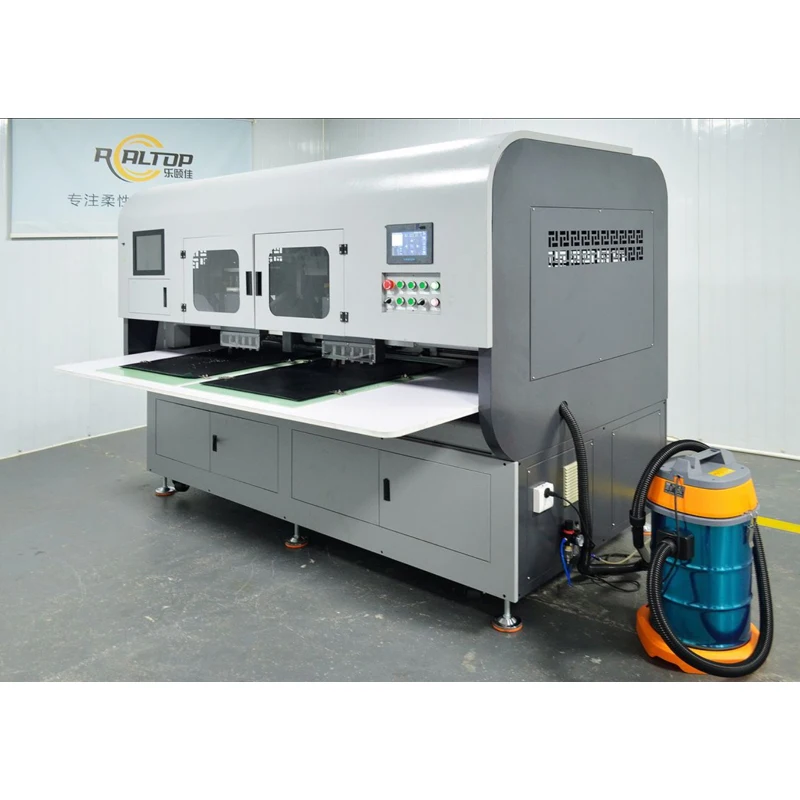
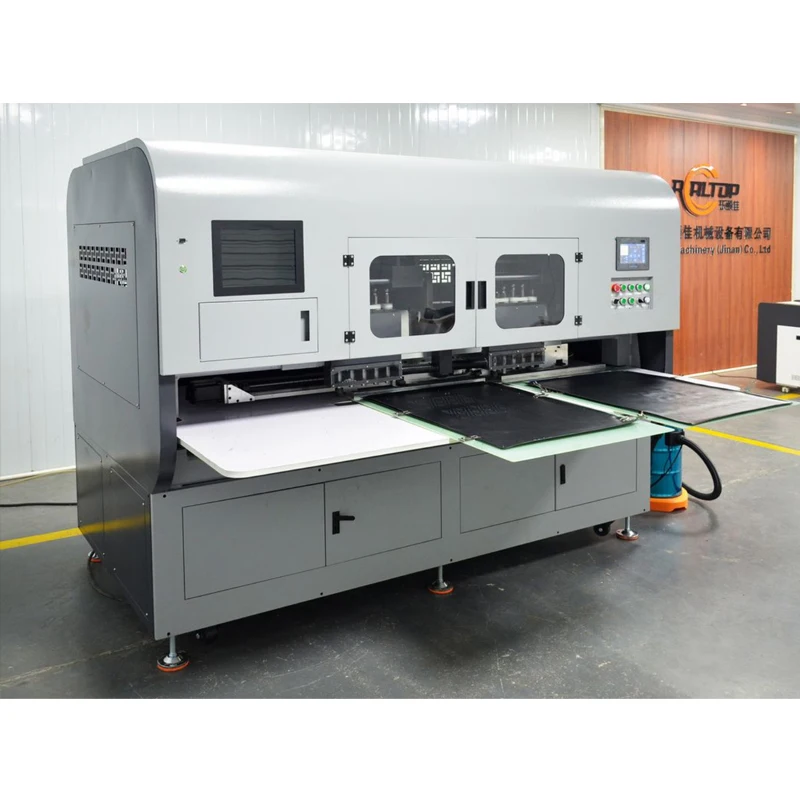
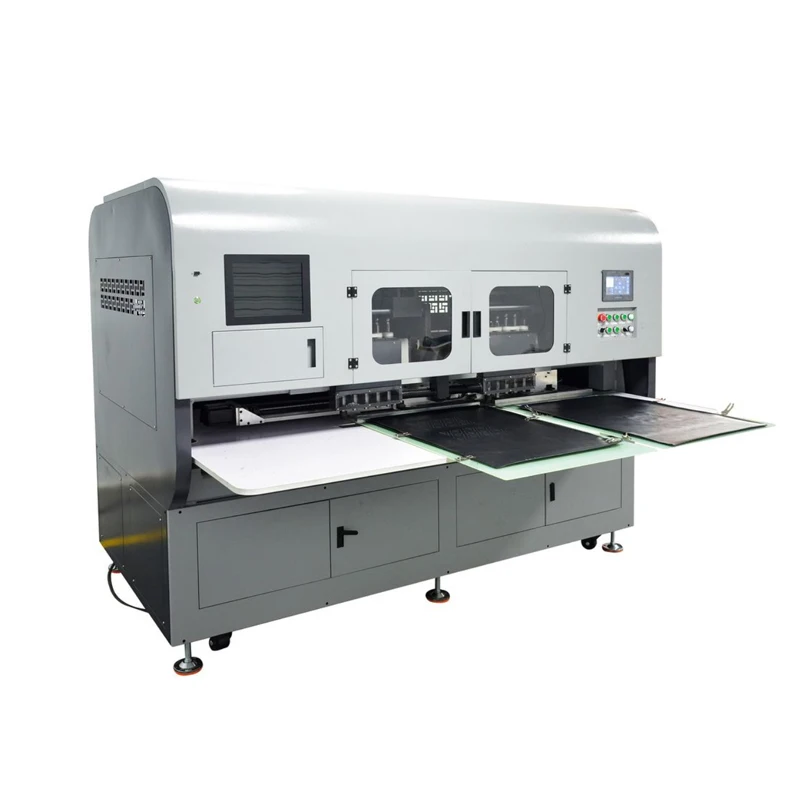
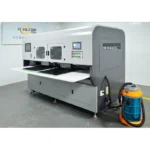
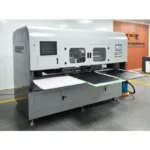
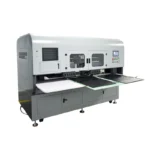
In-house design and production — The RT-A2 CNC leather perforating machine is engineered and assembled under one roof, allowing punching configuration to be matched directly to your leather type and production volume rather than sold as a generic unit.
Technical Specifications
| Parameter | Value |
|---|---|
| Model | RT-A2 |
| Product Type | CNC Leather Perforating Machine |
| Punching Speed | 900/min (basis not stated in source) |
| Punching Area | 600×500 mm |
| Material Thickness Range | 1–6 mm |
| Pore Size Range | 0.8–12 mm |
| Punching Accuracy | ±0.1 mm |
| Equipment Tolerances | ±0.02 mm |
| Overall Dimensions (L×W×H) | 1800×1510×1600 mm |
| Net Weight | 1000 kg |
| Power Supply Voltage | 220V |
| Power Frequency | 50/60Hz |
| Rated Power | 1.5 kW |
| Compressed Air Pressure | 5–6 bar |
| Control System | NC system with smart cutter function, break-point memory |
| Punch Jig Options | 12 optional punch jigs |
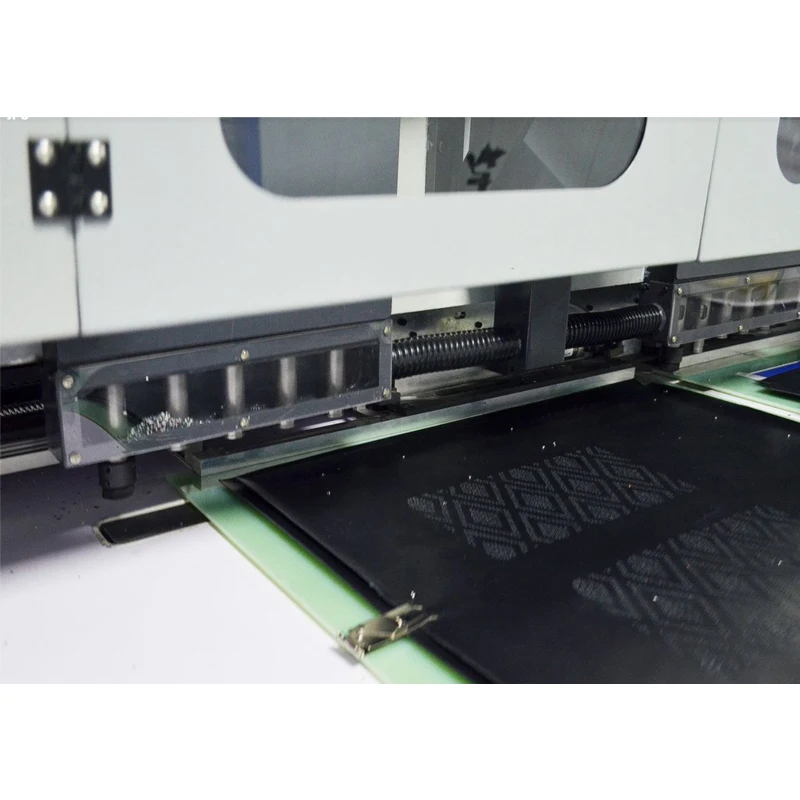
| Dust Extraction | Independent dust collecting system |
| Key Features | Auxiliary leather positioning, dedicated angle and height adjustment mechanism with visible window |
Application Suitability
| Application | Material or Output |
|---|---|
| Automotive interior production | Perforated leather for car seats, headrests, steering wheel covers |
| Leather goods manufacturing | Perforated uppers for footwear, handbags, fashion accessories |
| Furniture upholstery | Perforated panels for sofas and premium seating |
| Dedicated punching workshops | Contract perforation for multiple leather traders |
Why Punching Tolerance Collapses on Coated Leather
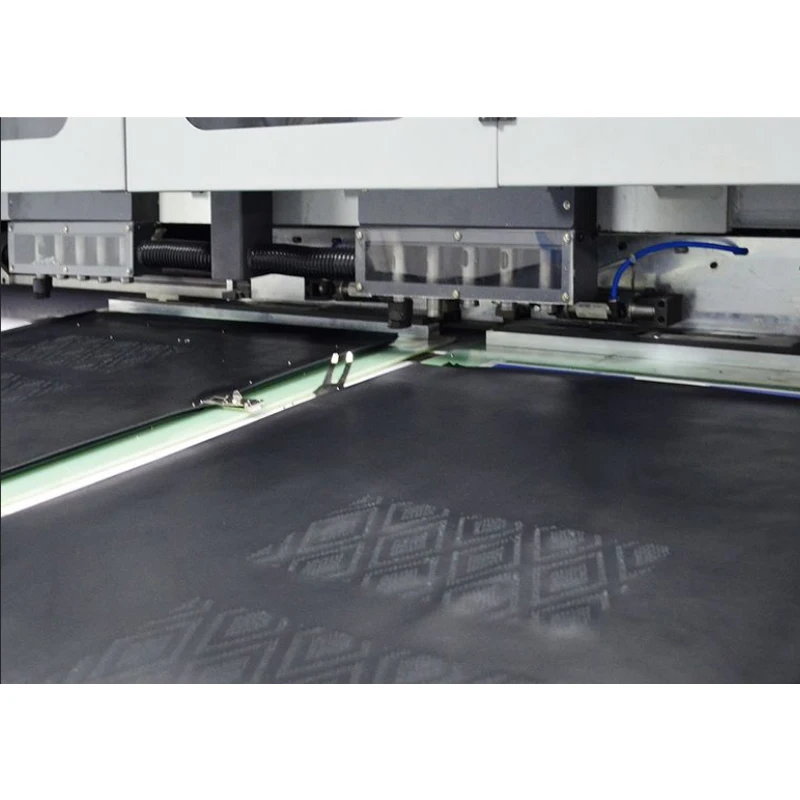
Punching accuracy depends on the material being tested, not just the machine being built. A CNC leather perforating machine manufacturer can guarantee ±0.1 mm on standard cowhide, but coated automotive leather changes the equation entirely. The surface coating resists the punch differently than raw grain, and if the machine is set up on a sample that does not represent production stock, the hole edges tear or the coating delaminates.
I was on-site in Riyadh when a client’s automotive leather had a coating our sample tests never accounted for. The punch kept tearing through the top layer, and it took two weeks to re-profile the blade frequency and pressure settings before the perforation pattern held clean edges. That delay could have been avoided if the actual production material had been on the floor during the factory acceptance test [NEED_CITE: material-specific tooling validation in leather processing].
Build Quality From a Core Factory
The RT-A2 is not assembled from sourced sub-assemblies. The frame, motion system, and punching head are designed and manufactured in-house, which means the tolerance stack-up between the punch jig and the leather positioning system is controlled from the engineering stage rather than adjusted during final assembly. This level of integration is what separates a CNC leather perforating machine manufacturer that stands behind its equipment from one that passes warranty claims to third-party component suppliers.
How the NC System Handles Interrupted Production
Break-point memory is not a luxury when you are perforating expensive automotive leather. If a compressed air supply dips below 5 bar mid-cycle or a punch jig requires mid-batch replacement, the NC system records the exact position and resumes without re-punching holes that have already been formed. The smart cutter function optimizes the punch path to reduce unnecessary travel across the 600×500 mm work area, keeping cycle times consistent across different hole patterns [NEED_CITE: NC control system benefits in leather perforation workflows].
Punch Jig Selection and Tolerance in Practice
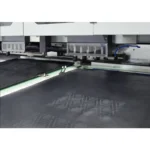
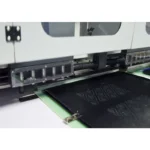
The 12 interchangeable punch jigs cover a pore size range from 0.8 mm to 12 mm, but the choice of jig is not just about hole diameter. Leather thickness between 1 mm and 6 mm requires different punch clearances to prevent the material from being pushed into the die rather than cleanly pierced. The ±0.02 mm equipment tolerance ensures that when a jig is swapped, the positional accuracy holds across the full punching area. The dedicated angle and height adjustment mechanism with a visible window lets operators confirm jig seating without trial punches on production material. The independent dust collecting system removes leather particulate from the work platform continuously, preventing debris from accumulating under the hide and shifting it off position during long runs.
What Happens When Punch Jigs Are Underspecified
A buyer who selects a machine based on punching area alone often discovers that the available jig range does not cover the pore sizes their customers demand. Swapping to a non-standard jig on a machine not engineered for it introduces positional drift, and the ±0.1 mm punching accuracy degrades across the work envelope. The visible window on the adjustment mechanism exists precisely to catch this before a batch of automotive seat leather is ruined [NEED_CITE: leather perforation quality control standards].
Why Buyers Source the RT-A2 Direct
The design team controls the punching head geometry and the NC software together, so the smart cutter path is written for the actual jig set rather than a generic punch profile. The factory tests every RT-A2 on the buyer’s own leather at the specified thickness and hole pattern before the crate is sealed. Voltage, frequency, and compressed air requirements are confirmed against the buyer’s facility specifications, not assumed from a regional default. Spare parts including punch jig consumables are listed with availability timelines in the documentation package. The in-house design capability means that if a buyer needs a jig outside the standard 12, it can be engineered as a custom option rather than declined.
Documentation & Verification
- Machine specification sheet confirming punching area, jig range, and compressed air requirement for your facility
- Factory test record on your leather thickness and hole pattern before dispatch
- Electrical schematic with voltage and frequency confirmed for your local supply
- Sample punching report on your production material demonstrating edge quality and positional accuracy
- Spare parts list covering punch jig consumables with lead times
- Operation and maintenance manual with jig changeover procedure
Installation, Commissioning & Support
- Floor space requirement based on the 1800×1510 mm footprint plus operator access clearance
- Dedicated 220V circuit at 1.5 kW with confirmed frequency for your region
- Compressed air supply verified at 5–6 bar with clean, dry air to protect the punch mechanism
- First-run commissioning includes jig calibration on your leather stock at target pore size
- Operator training covers NC system break-point recovery and smart cutter path adjustment
- Scheduled maintenance intervals for punch jig inspection and dust extraction filter replacement
Before You Request a Quotation
Send your leather type, thickness range, and the hole pattern files you currently run in production. Confirm your facility voltage, frequency, and compressed air capacity. If your material has a surface coating or lamination, include a sample large enough for a full punching test.
Frequently Asked Questions
Q: How is punching speed verified and what material conditions does it affect?
A: The 900/min figure is a machine capability rating that does not account for material variables. Actual throughput depends on leather thickness within the 1–6 mm range, hole density in your pattern, and whether the NC smart cutter path has been optimized for your specific jig selection. We verify achievable speed on your material during the sample punching test.
Q: How do I match punch jig selection to my leather thickness and hole diameter?
A: Each of the 12 jigs is rated for a pore size within the 0.8–12 mm range, but leather thickness affects the effective clearance. Thicker stock near 6 mm requires jigs with greater punch-to-die clearance to prevent material deformation. We recommend a jig set based on your thickest and thinnest production materials.
Q: What voltage, frequency, and compressed air specifications need confirmation before shipment?
A: The RT-A2 is configured for 220V at 50/60Hz, but your facility supply must be confirmed to avoid motor and control system damage. Compressed air must deliver a stable 5–6 bar with filtration to prevent moisture from reaching the punch mechanism. We require written confirmation of these values before production begins.
Q: Can the NC system import my existing hole pattern files?
A: The NC system accepts standard file formats used in leather perforation workflows. We confirm file compatibility during the inquiry stage and run your actual pattern files during the factory test to verify that the smart cutter path produces the expected hole layout without manual translation.
Q: What does the factory test cover and can I receive video documentation?
A: The factory test runs your leather at your specified thickness and hole pattern, measuring positional accuracy against the ±0.1 mm tolerance and edge quality across the 600×500 mm punching area. Video of the test run and the completed sample are provided before the machine is released for packing.
You may also like

商品评价
Clear filtersThere are no reviews yet.