



-
 Courier delivery
-
 DHL Courier delivery
-
 Warranty 1 year
-
 Free 30-Day returns

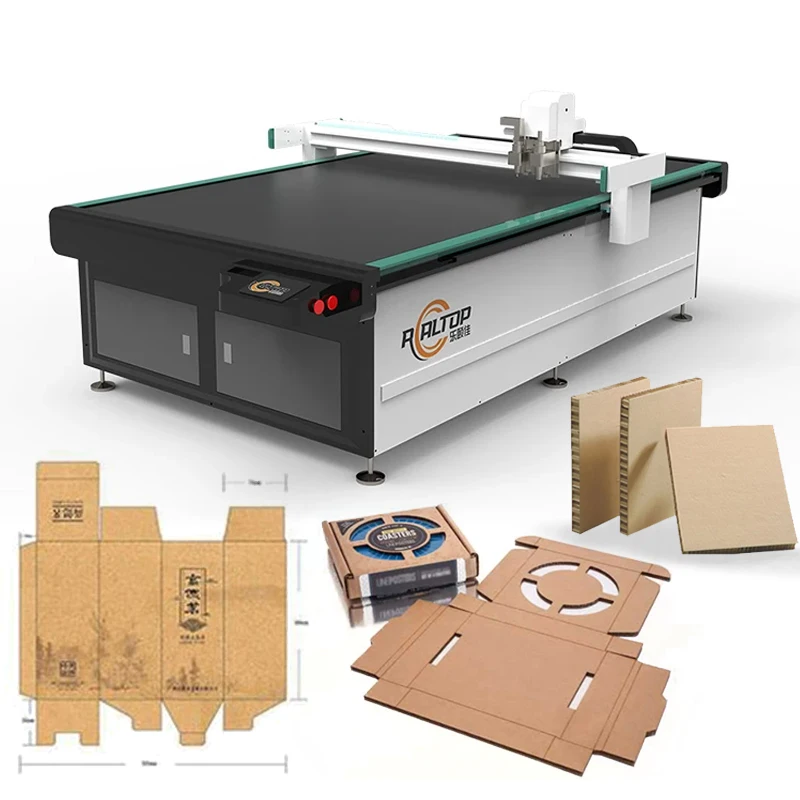
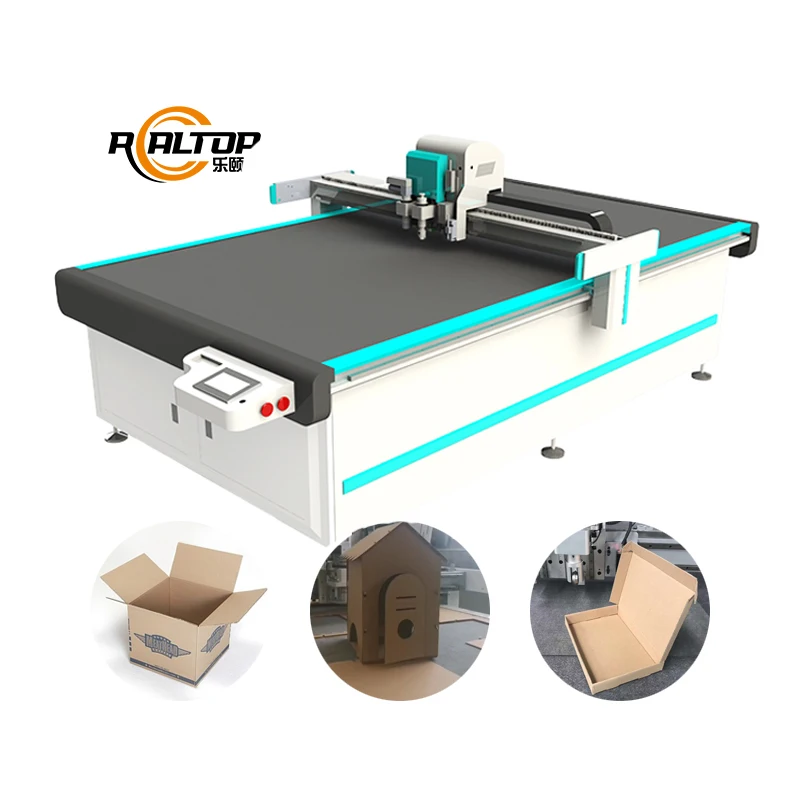
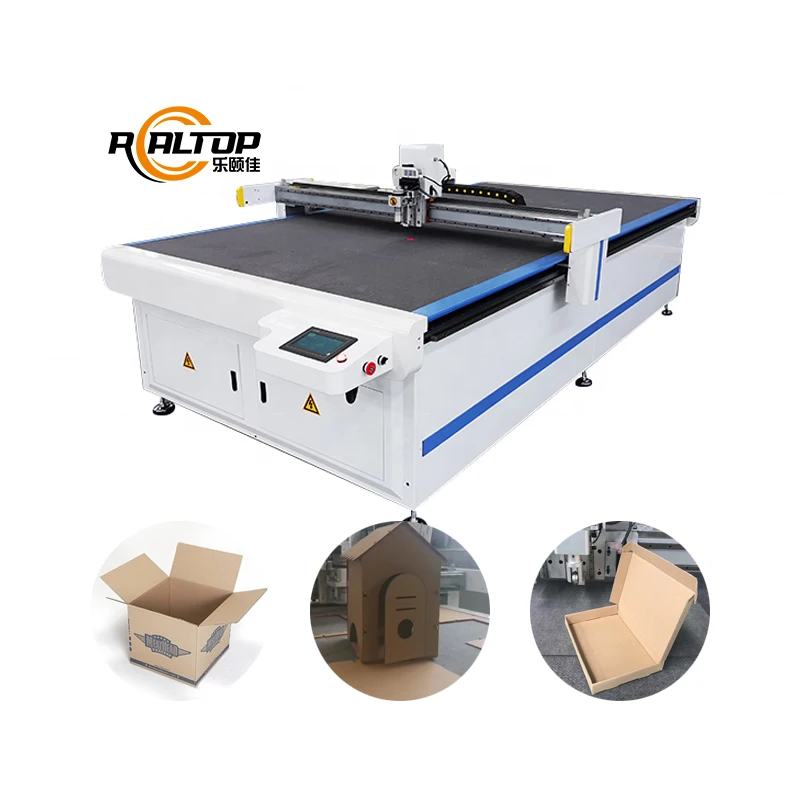
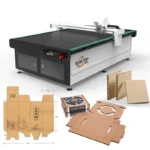
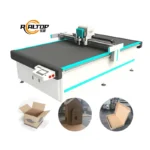
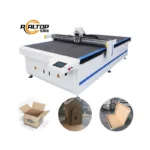
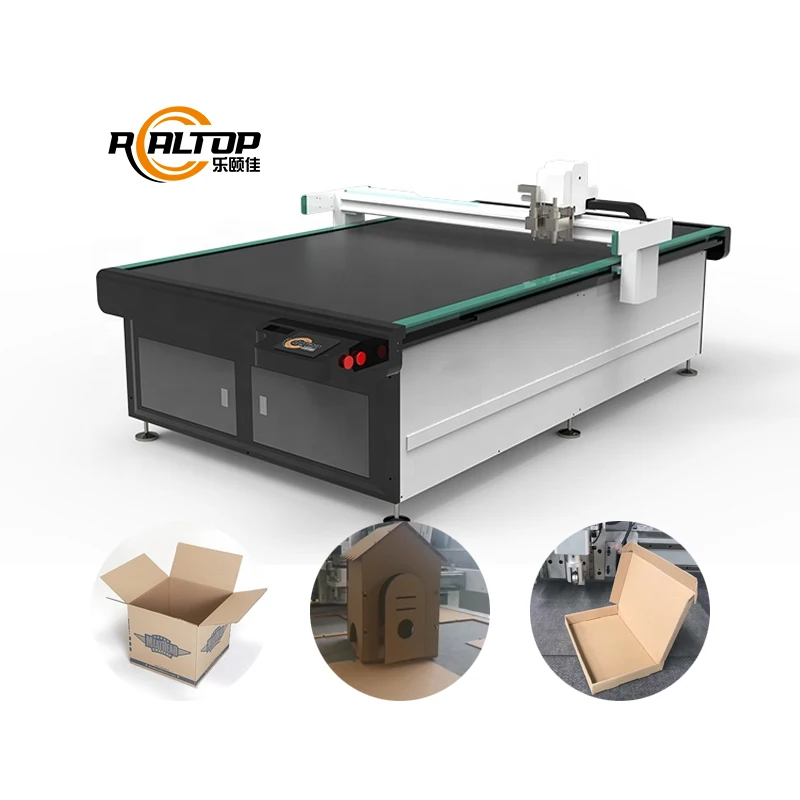
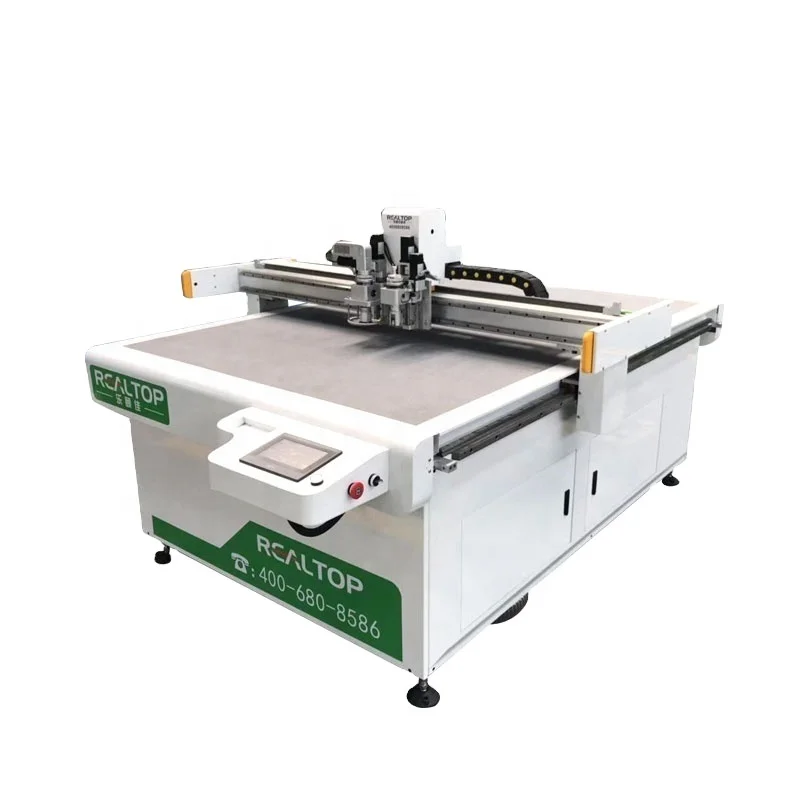
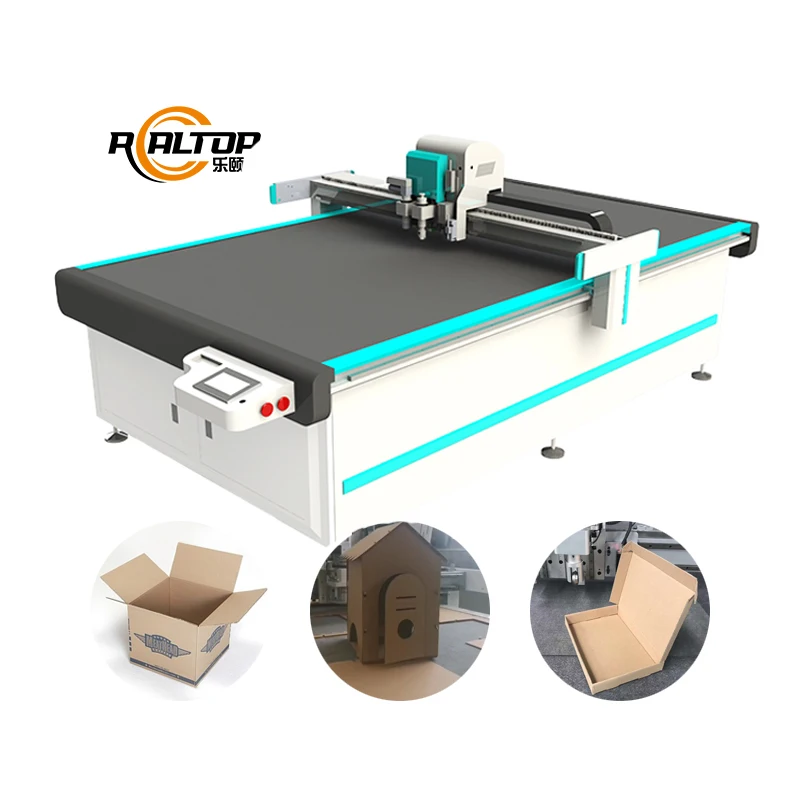
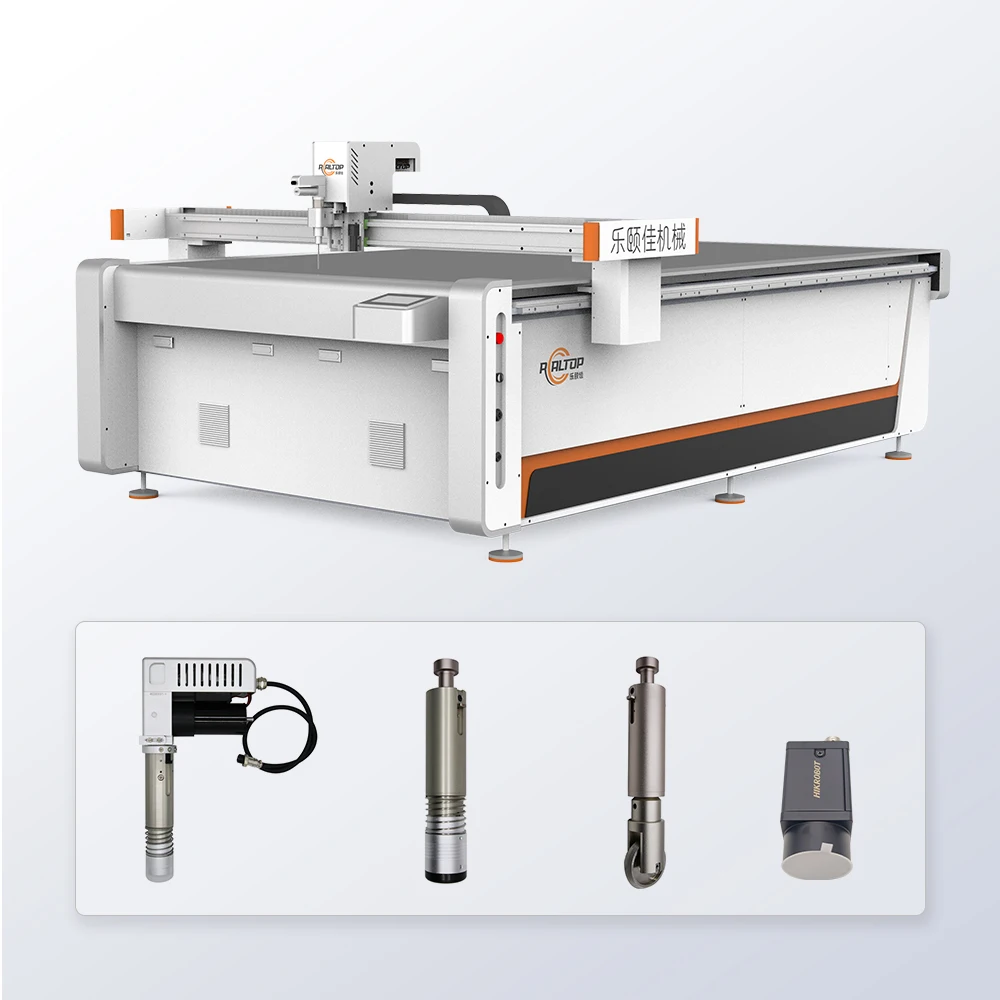
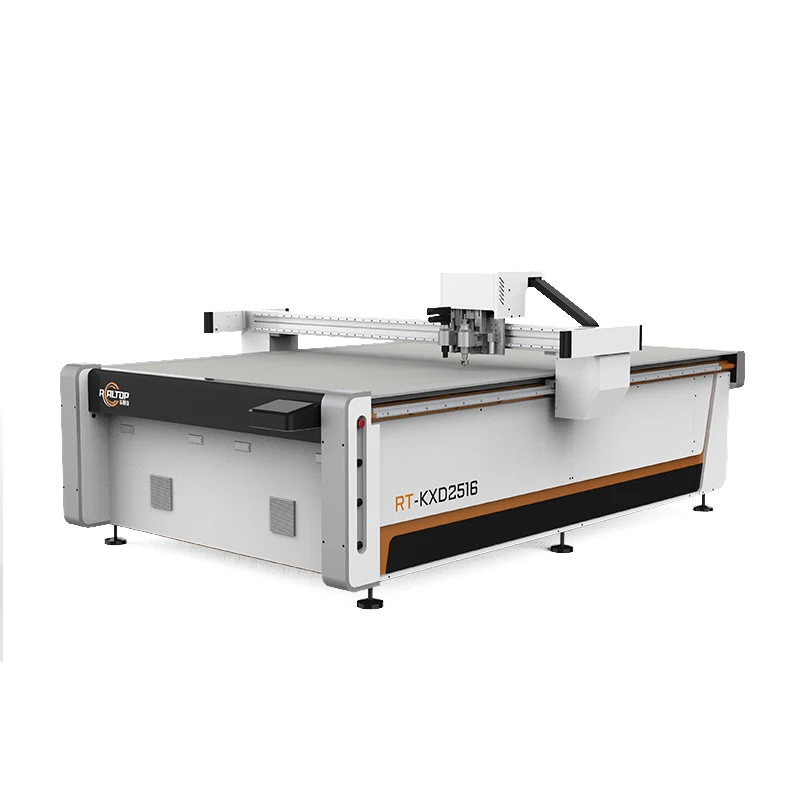
Integrated Motion Engineering — The frame, servo drive and vacuum zones are designed as a single system in Jinan, giving importers one accountable source for the RT–R2513, RT-D2516 and RT-S2516 packaging CNC cutting machine range.
Technical Specifications
| Parameter | Value |
|---|---|
| Product Type | CNC Oscillating Knife Cutting Machine for Packaging |
| Model | RT–R2513 / RT-D2516 / RT-S2516 |
| Working Area | 2500×1300 mm (RT–R2513) / 1600×2500 mm (RT-D2516 / RT-S2516) |
| Machine Size | 3550×1910×1400 mm (RT–R2513) / 3450×2300×1250 mm (RT-D2516 / RT-S2516) |
| Cutting Thickness | ≤18 mm (basis not stated in source — confirm material type, density and flute grade) |
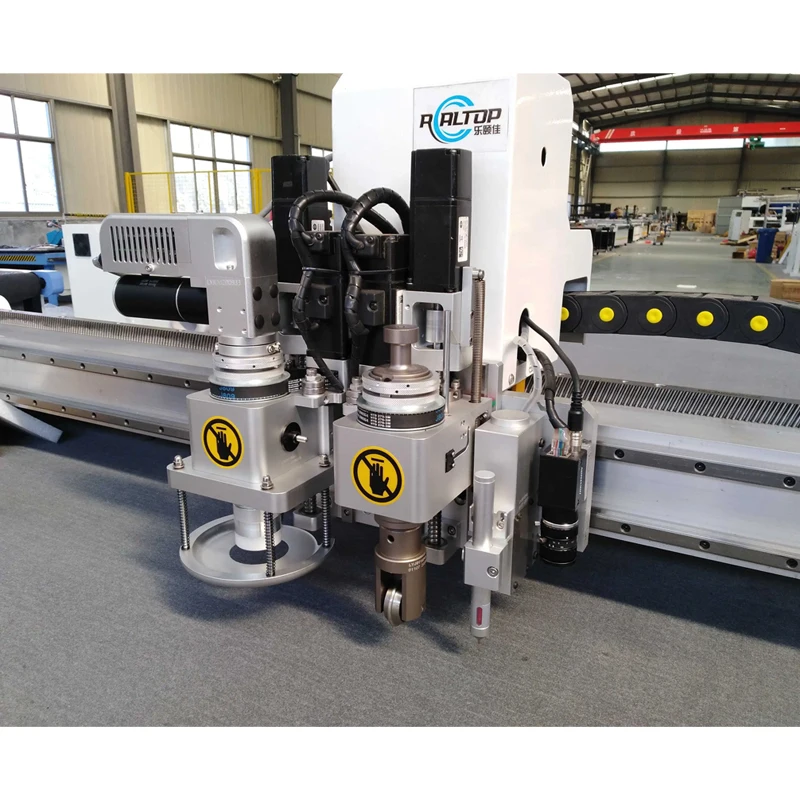
| Cutting Tools | Oscillating knife, creasing tool, kiss-cut knife, round punch |
| Fixing Method | Vacuum system with aluminum alloy honeycomb table |
| Rated Power | 9 kW |
| Voltage | 380 V (frequency to be confirmed per target market) |
| Servo Motor | Dongling servo (Delta servo motor available as option) |
| Repeated Accuracy | <0.05 mm |
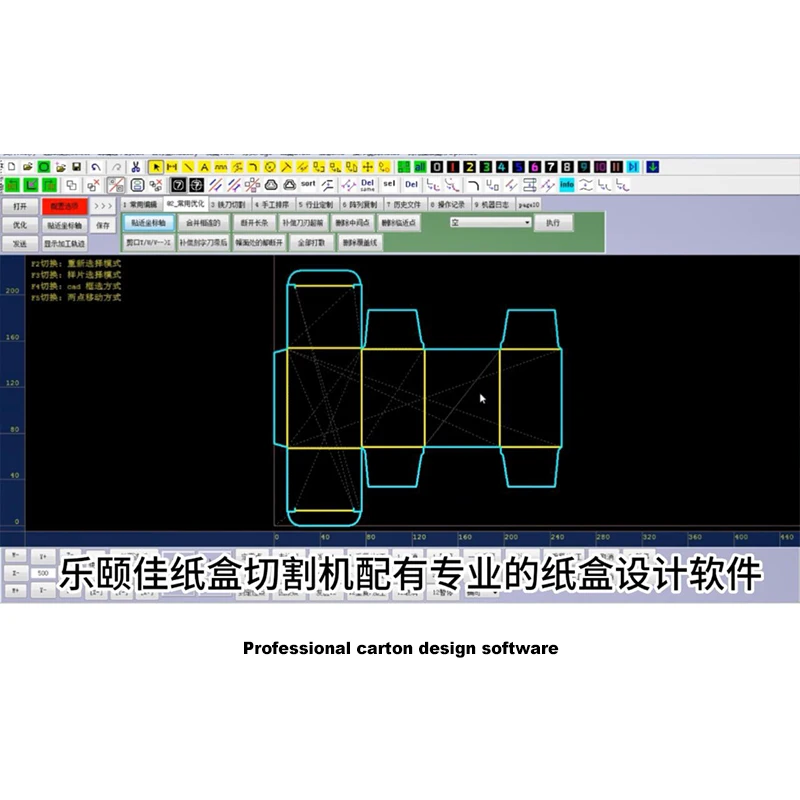
| Profile Format | DXF, OLT, PDF, AI |
| Transmission | Ethernet port |
| Safety Device | Infrared sensors |
| Control Language | Customizable (English, Russian, Italian, Chinese confirmed) |
| Warranty | 1 year (excludes felt and knife blades) |
| Delivery Time | <30 working days |
Application Suitability
| Application | Material or Output |
|---|---|
| Carton and packaging sample making | Corrugated board, solid board, folding carton stock |
| Short-run packaging production | E-flute, B-flute and double-wall corrugated up to rated thickness |
| Sticker and label contour cutting | Self-adhesive vinyl, PP paper, sticker sheets |
| Advertising signage and billboard cutting | PVC foam board, lightweight sheet materials |
| Business card and tag production | Coated card stock, laminated paper |
Why Voltage Must Be Confirmed Before the CNC Oscillating Knife Cutting Machine Factory Builds Your Unit
A packaging cutting table that trips the breaker on day one is a production loss, not a teething problem.
I still recall a carton plant outside Riyadh where the machine arrived, was wired in, and immediately tripped the main breaker. The quotation had specified 380V/50Hz, but the shop ran 220V/60Hz. Three weeks of idle time followed while a step-down transformer was sourced, and the sample backlog grew every day. Now I ask for the single-line diagram before any other document when evaluating an OEM packaging cutting table supplier [NEED_CITE: voltage and frequency standards by export market]. Frequency mismatch is less visible than voltage but can degrade servo performance and vacuum pump efficiency over time.
Frame Rigidity and Long-Term Cutting Accuracy
The RT–R2513, RT-D2516 and RT-S2516 models are built on a welded thick square seamless steel structure that undergoes high-temperature treatment. This process relieves internal stresses introduced during welding, which matters when the machine runs continuous creasing and cutting cycles on dense corrugated board. A frame that has not been stress-relieved can shift gradually, pushing cutting accuracy outside the <0.05 mm repeated accuracy specification over months of operation. For distributors stocking inventory or fulfilling repeat orders, frame stability is the difference between a machine that holds tolerance in year three and one that requires recalibration every quarter.
Vacuum Zoning and the Small-Part Problem
The aluminum alloy honeycomb vacuum table is divided into zones that can be activated independently. This follow-cutting approach directs suction only to the area where cutting is happening, which holds small packaging samples and sticker contours flat without requiring the full 7.5 kW vacuum pump to run across the entire bed at once. When cutting narrow carton flaps or intricate label shapes, zoned vacuum prevents material lift at the edges — a common cause of ragged cuts and blade damage on machines with single-zone tables [NEED_CITE: vacuum adsorption principles for flatbed cutting tables]. Reduced power consumption on the pump also lowers the total electrical load, which matters in facilities running multiple CNC machines on a shared supply.
Reading the Specifications That Matter for Packaging Work
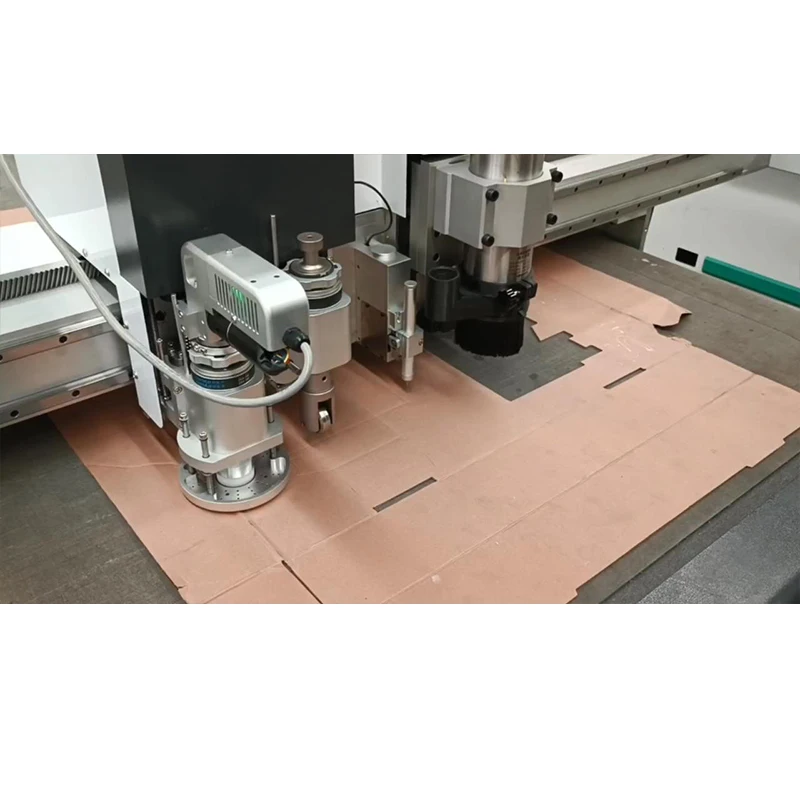
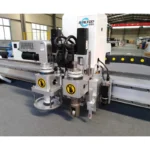
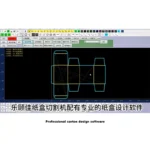
The multi-tool head configuration — oscillating knife, creasing tool, kiss-cut knife and round punch — allows a single work unit to cut, crease and punch without manual tool changes. For packaging sample makers, this means a complete carton blank with fold lines and registration holes can be finished in one cycle. The 9 kW rated power covers both the cutting head and the vacuum system, so buyers should verify that their workshop circuit can sustain continuous draw at this level. Profile format compatibility with DXF, OLT, PDF and AI files removes the need for intermediate conversion steps that can introduce dimensional errors into packaging templates. Ethernet transmission from the design workstation to the machine avoids the file corruption issues sometimes seen with USB-based transfer on busy shop floors. The Dongling servo is standard, with Delta servo motors available as an alternative for buyers who specify that brand for their maintenance and spare parts ecosystem.
The Cost of Choosing the Wrong Tool Head for Your Board Grade
Selecting an oscillating knife optimized for thin card stock and then running it on double-wall corrugated will produce crushed flutes rather than clean cuts. Creasing wheels must match the board thickness and flute profile; a wheel set too deep will crack the liner, while one set too shallow leaves a fold line that tears during assembly. Kiss-cut tooling for sticker sheets requires precise depth control — too deep and the backing paper is scored, too shallow and the waste matrix will not strip cleanly. These mismatches do not show up in a factory demonstration on standard test material; they appear on the buyer’s own stock, which is why sample cutting on the actual material before commitment is essential [NEED_CITE: tool head selection criteria for corrugated and solid board].
Why Distributors Source This Range from a Single Factory
The in-house design team covers both the machine frame engineering and the motion system integration, so specification changes for OEM branding or custom bed sizes are handled within one facility rather than negotiated across multiple subcontractors. Factory test records are generated on the buyer’s specified material before dispatch, providing documented evidence that the tool head and vacuum configuration performs as quoted. Voltage, plug type and control language are confirmed against the target market’s electrical standards before production begins, avoiding the transformer delay scenario. The CE declaration is prepared where applicable, supporting market entry in regions that require it. OEM capability extends to branding, documentation language and configuration flexibility, giving importers a product line they can position under their own name.
Documentation & Verification
- Machine specification sheet listing tool head and vacuum table configuration per model
- Electrical schematic with voltage and frequency confirmed for target market
- Sample cutting report produced on buyer’s own board grade and thickness
- Factory test record documenting repeated accuracy and cutting quality before dispatch
- Spare parts list with consumables such as felt and oscillating blades clearly identified
- Operation and maintenance manual in buyer’s specified control language
Installation, Commissioning & Support
- Workshop floor must support 3450×2300 mm footprint with level concrete for the RT-D2516 and RT-S2516 units
- Dedicated 380 V circuit with adequate breaker rating for the 9 kW continuous rated power draw
- Machines ship fully assembled; position and level on site, then connect power and vacuum lines
- First-run commissioning includes vacuum zone calibration and servo parameter tuning on buyer’s material
- Ten oscillating blades included; replacement blade sourcing and creasing tool maintenance covered in training
- Vacuum pump and honeycomb table inspection scheduled per the operation manual maintenance intervals
What to Include in Your Inquiry
Provide the board grades and maximum thickness you plan to cut, along with typical sheet sizes and daily sample volume. Confirm your workshop voltage, frequency and available circuit capacity so the electrical configuration is set before production. If you require OEM branding, custom documentation language or specific servo motor sourcing, include those details in the initial inquiry to keep the lead time within the standard window.
Frequently Asked Questions
Q: What OEM and custom configuration options are available for distributors?
A: The RT–R2513, RT-D2516 and RT-S2516 models support OEM branding, custom control language, and configurable tool head combinations. Voltage, plug type and servo motor selection can be specified per target market. Frame size adjustments and conveyor belt options are available for repeat orders. All customizations are documented in the specification confirmation before production begins.
Q: How is build quality controlled from frame welding through to dispatch?
A: Each frame is welded from thick square seamless steel and undergoes high-temperature stress relief. Imported straight-line guide rails and rack transmission are installed and aligned in the factory. The completed unit runs a cutting test on the buyer’s specified material, with accuracy and edge quality recorded in the factory test report before crating.
Q: What documentation ships with the machine?
A: Buyers receive the machine specification sheet, electrical schematic matching the confirmed voltage and frequency, operation manual in the selected language, spare parts list, and the factory test record. CE declaration is provided where applicable. Software license details and file format compatibility notes for DXF, OLT, PDF and AI are included.
Q: How are voltage and frequency confirmed for different export markets?
A: The buyer provides a single-line diagram or utility specification for their workshop. Voltage and frequency are locked in during the specification confirmation stage, and the electrical schematic is updated accordingly. This prevents the transformer delay and servo performance issues that arise when standard 380V/50Hz units are shipped to markets running different supply standards.
Q: What is the standard lead time for bulk distributor orders?
A: Standard lead time is under 30 working days per unit from specification confirmation. Bulk and repeat orders are scheduled in sequence, with production slots confirmed at the time of order placement. Early confirmation of voltage, language and tool head configuration helps keep multi-unit orders within the standard delivery window.
You may also like

商品评价
Clear filtersThere are no reviews yet.