


-
 Courier delivery
-
 DHL Courier delivery
-
 Warranty 1 year
-
 Free 30-Day returns

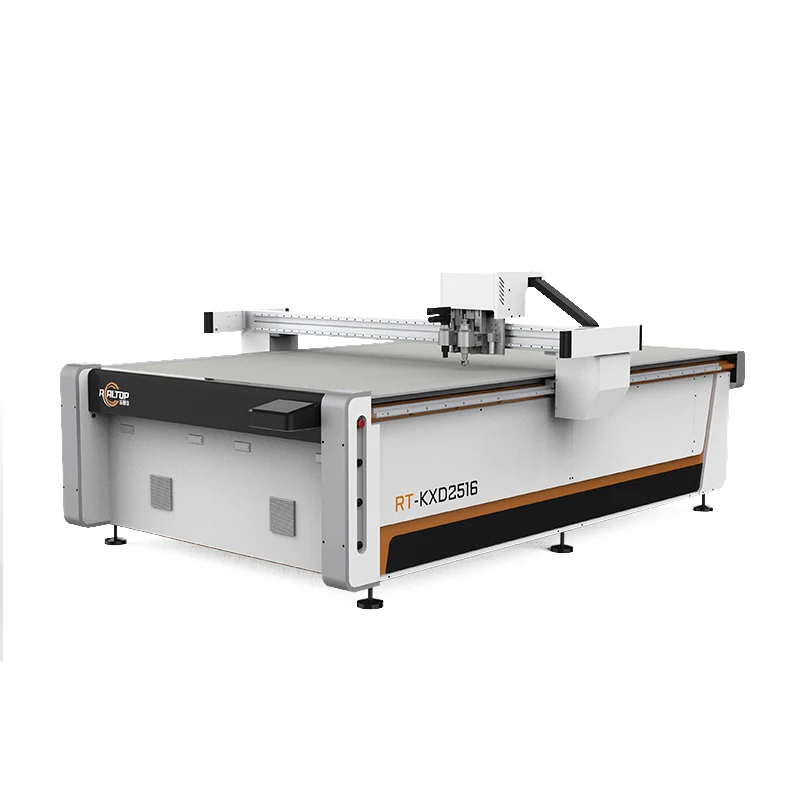
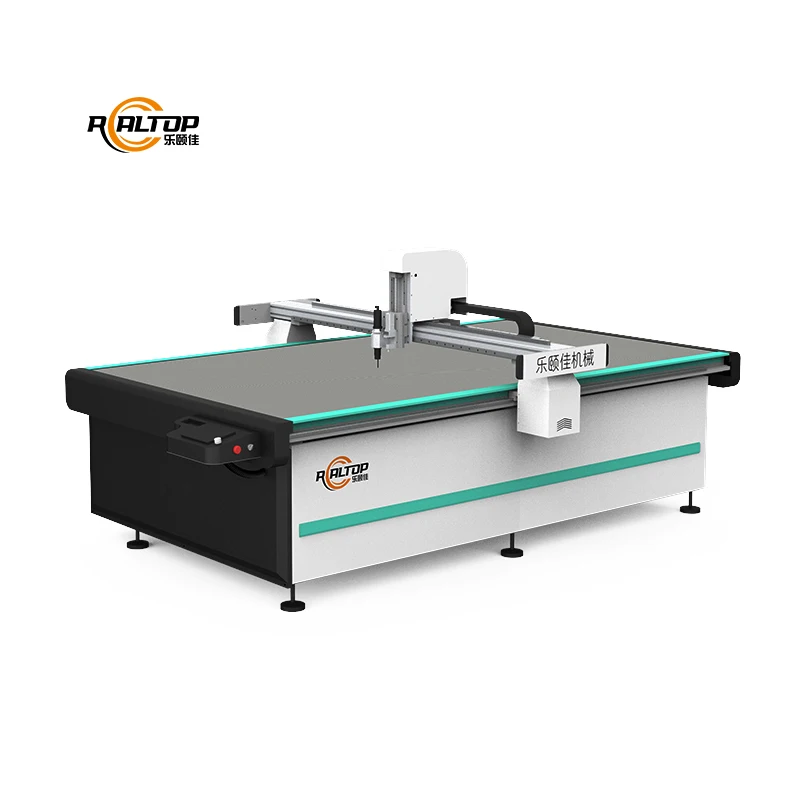
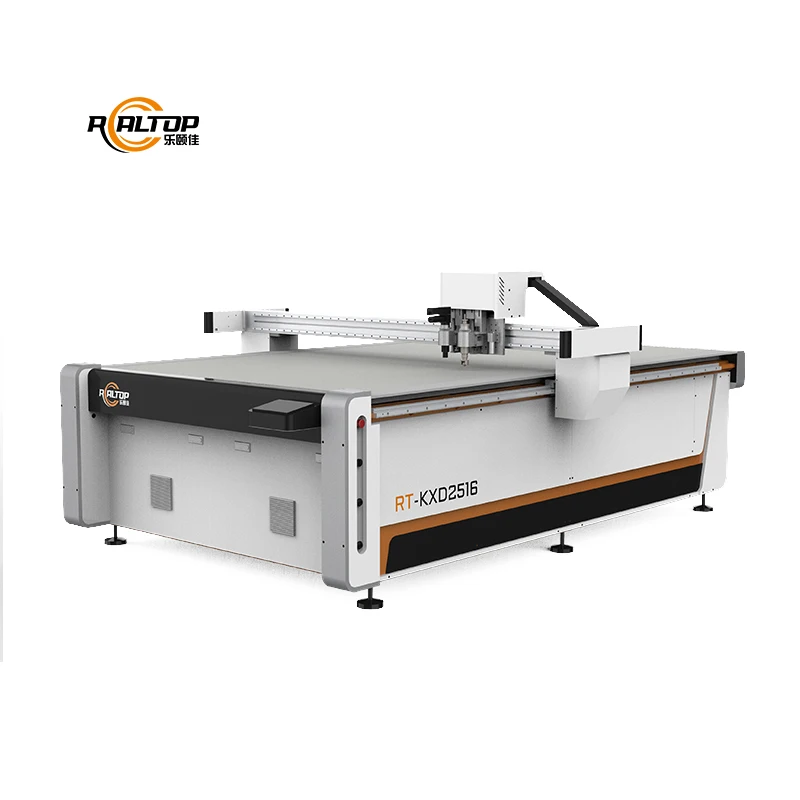
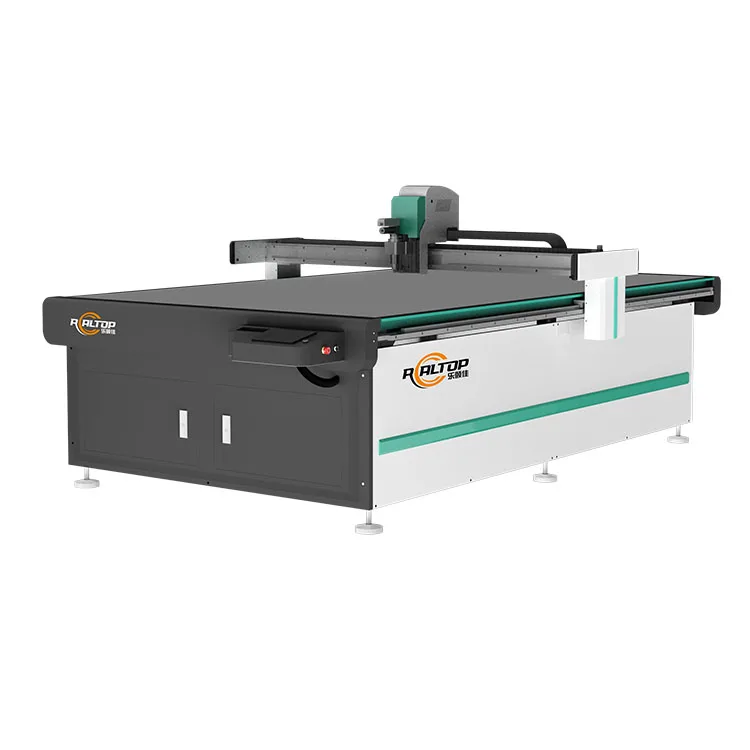
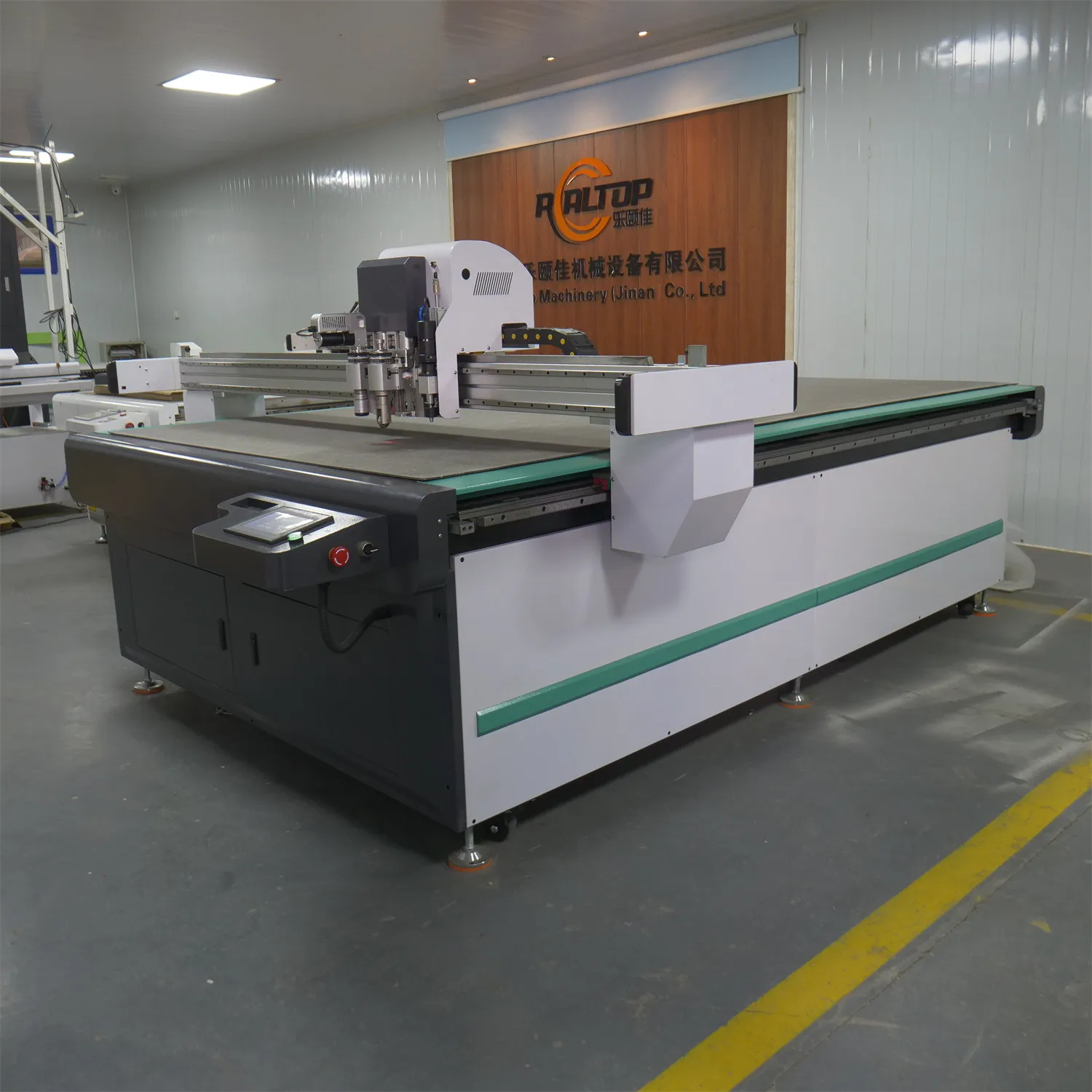
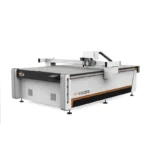
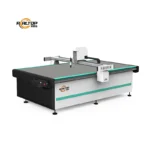
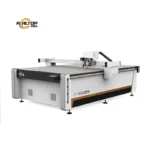
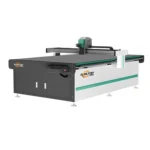
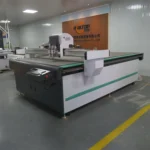
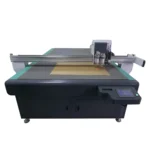
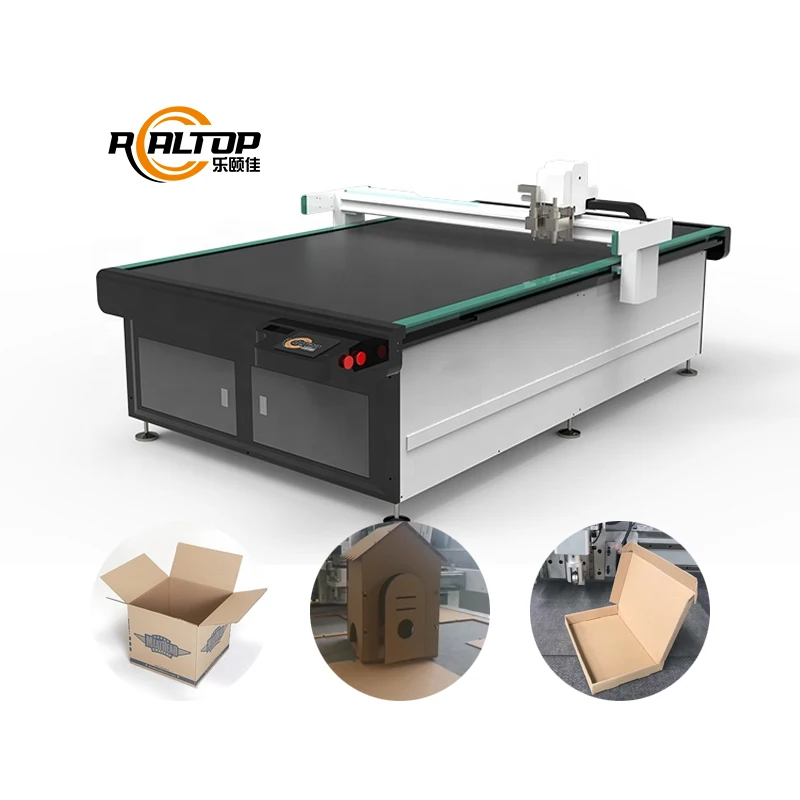
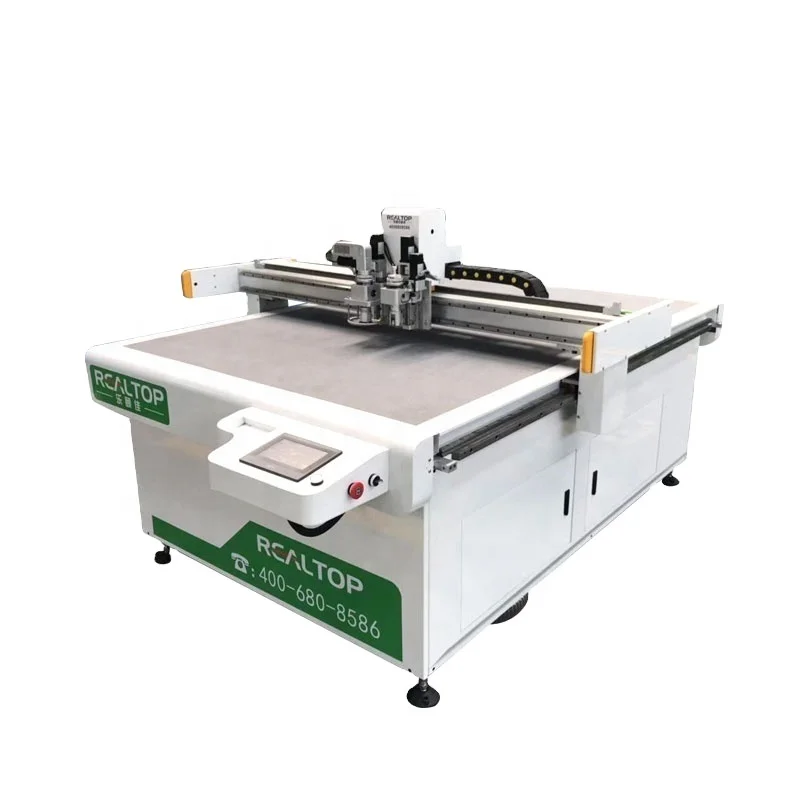
In-house built flatbed cutter — every oscillating knife and vacuum zone is configured against your actual material density and daily nesting volume before we confirm the order.
Technical Specifications
| Parameter | Value |
|---|---|
| Product Type | CNC Oscillating Knife Cutting Machine |
| Working Area Options | 1600×2500mm / 2500×1300mm |
| Machine Dimensions | 3450×2300×1250mm / 3550×1910×1400mm |
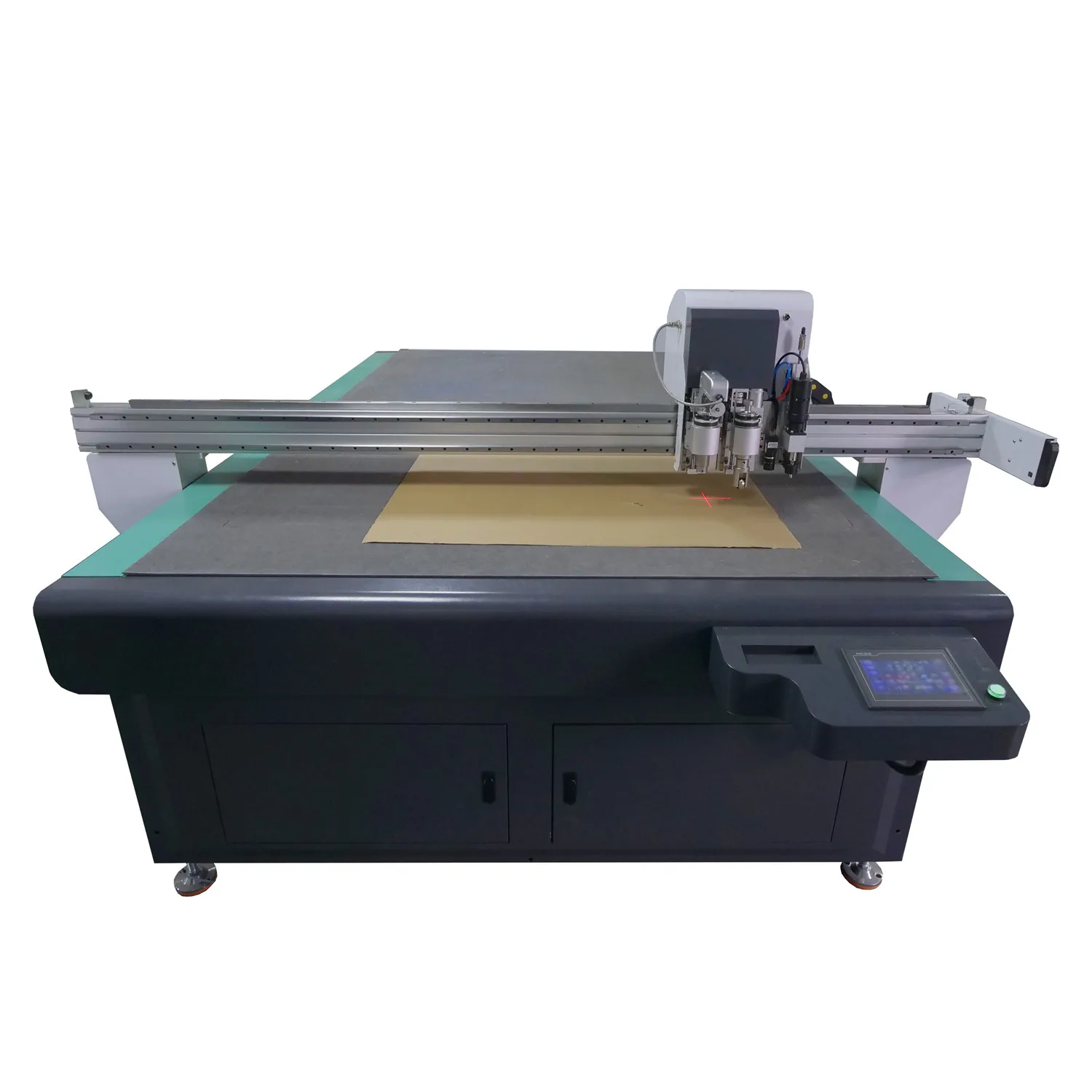
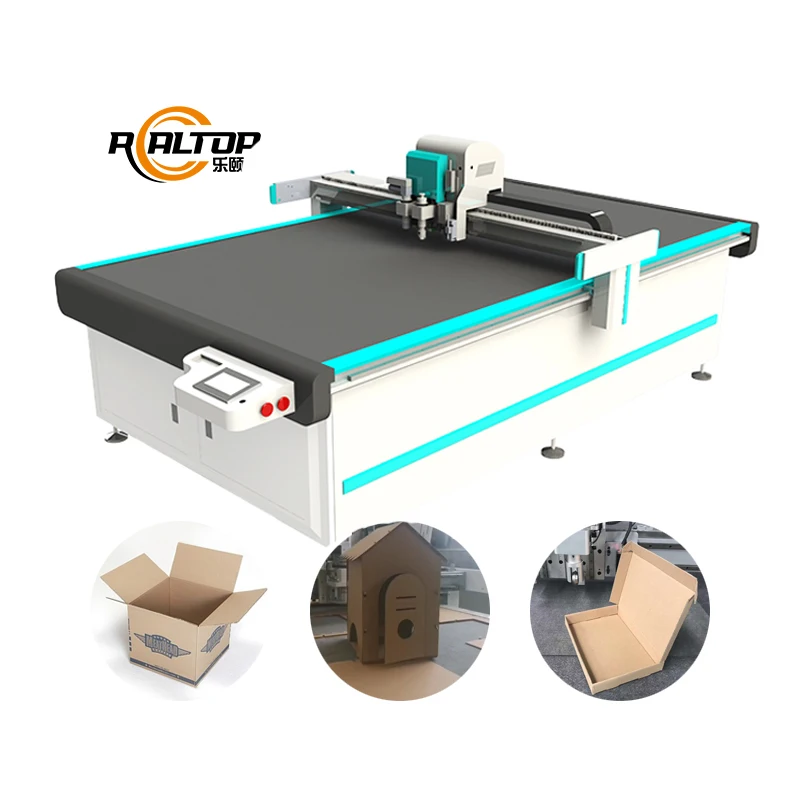
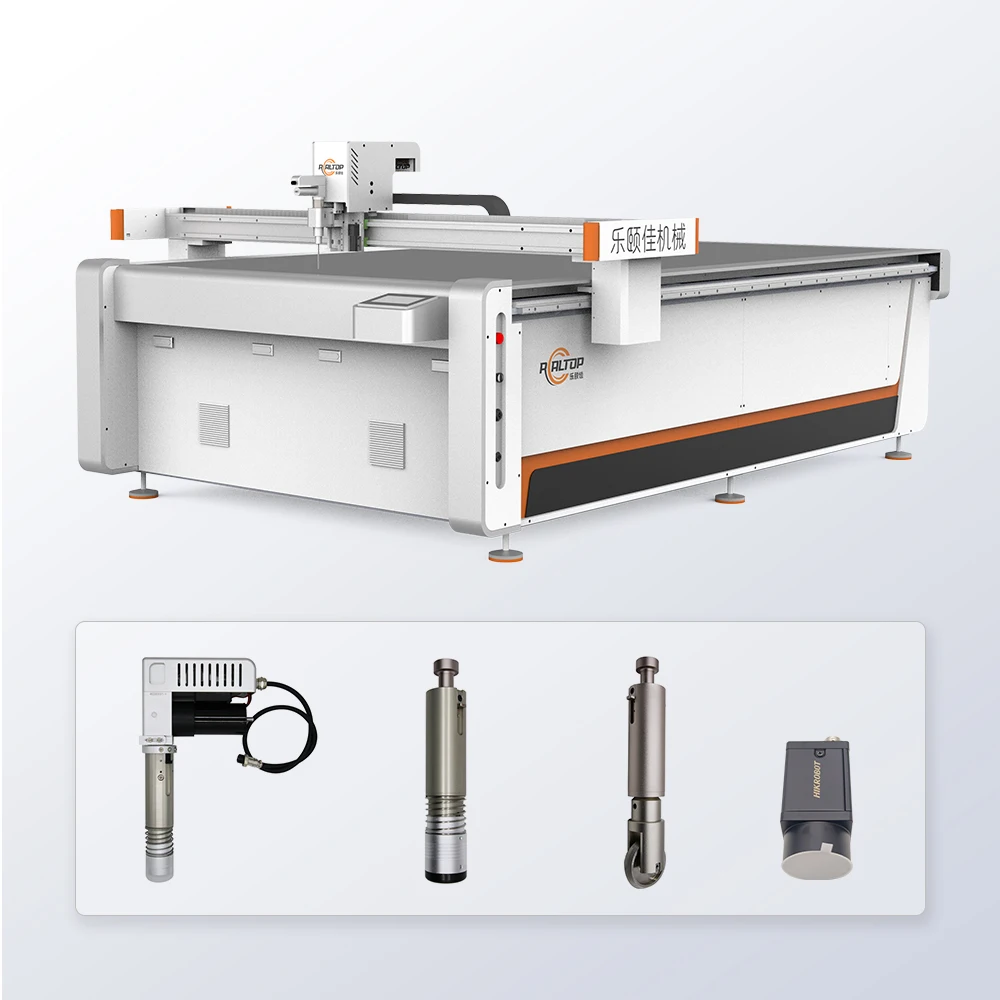
| Cutting Tools | Oscillating knife, creasing tool, kiss-cut knife, round punch |
| Cutting Thickness | ≤18mm (basis not stated in source — confirm material type and density) |
| Repeated Accuracy | <0.05mm |
| Rated Power | 9kW |
| Voltage | 380V |
| Servo Motor | Dongling or Delta servo motor (verify final configuration) |
| Transmission | Ethernet port, rack transmission, imported straight-line square guide |
| Vacuum Table | Aluminum alloy honeycomb structure vacuum adsorption platform |
| Vacuum Pump | 7.5kW (source value — verify against manufacturer catalog) |
| Linear Rail | Taiwan Hiwin rail |
| Auto Feeding | Supported |
| Profile Formats | DXF, OLT, PDF, AI |
| Safety Devices | Infrared sensors, emergency stop devices |
| Conveyor Belt | Germany imported conveyor belt (source value — verify against manufacturer catalog) |
| Software | Professional carton nested software, customized language support |
| Language Options | English, Russian, Italian, Chinese (customizable) |
| Warranty | 1 year (excluding felt and knife blades) |
| Delivery Time | <30 working days |
Application Suitability
| Application | Material or Output |
|---|---|
| Carton packaging sample making | Corrugated cardboard, gray board, kraft paper for short-run die-line proofs |
| Sticker and label contour cutting | Self-adhesive vinyl, PP paper, printed sticker sheets with CCD positioning |
| Leather pattern cutting | Genuine and synthetic leather for bags, footwear and accessories |
| Advertising board processing | KT board, foam PVC, chevron board for signage and displays |
| Express and snack box prototyping | Folding carton stock for food packaging and gift box structural samples |
What a Working Area Figure Does Not Tell You About Cutting Quality
Matching the tool head to your material prevents the ragged edges and crushed layers that a size-only specification overlooks.
I once walked into a packaging sample room where the operator was fighting with a machine bought purely on bed size. The oscillating knife was tearing through corrugated board because the vacuum hold-down was a single zone and the smaller nesting pieces lifted every time the blade retracted. The buyer had specified a 1600×2500mm table without discussing cardboard density, ply count, or whether the vacuum pump could sustain hold on nested small parts. A CNC oscillating knife cutting machine manufacturer should be asking what you cut before asking how big your sheet is. [NEED_CITE: vacuum hold-down requirements for nested small-part cutting on digital flatbed tables]
Knife Head Configuration Against Material Behavior
The oscillating knife on this flatbed table delivers a vertical reciprocating stroke suited to fibrous and compressible substrates like corrugated board, foam, and leather. The creasing tool sits on the same tool bridge, letting the machine score fold lines on carton stock in the same pass that it cuts the outline. For kiss-cut work on self-adhesive vinyl, a dedicated kiss-cut knife tool controls penetration depth so the backing liner stays intact. A round punch handles registration marks and internal cutouts. The point is that each tool head engages the material differently, and swapping between them is a configuration decision tied to what you actually produce, not an accessory afterthought.
Vacuum Platform and Small-Part Stability
The aluminum alloy honeycomb vacuum adsorption platform distributes suction across the entire bed. On a single-zone setup, small sticker parts or narrow offcuts near the table edge can lose grip as the knife exits the material. Multi-zone vacuum routing lets the operator isolate suction to the region where the head is working, keeping nested small pieces flat through the last cut. The 7.5kW vacuum pump rating matters less than how the zoning matches your typical nesting layout. [NEED_CITE: vacuum zoning strategies for small-part retention on oscillating knife cutting tables]
Drive Train and Repeated Accuracy in Production Runs
The rack transmission paired with imported straight-line square guides and servo motor drive holds repeated accuracy below 0.05mm. On a packaging sample run of fifty identical carton prototypes, that tolerance keeps fold-line registration consistent from the first piece to the last. The Taiwan Hiwin linear rail supports the carriage across the full 1600×2500mm travel without deflection buildup at the far end of the stroke. For contour-cut stickers printed on a digital press, the positional repeatability determines whether the knife follows the printed edge or drifts into the artwork.
The Cost of Skipping the Material Conversation
When a buyer specifies working area and nothing else, the downstream problems are predictable. Wrong tool head geometry on dense corrugated board produces delaminated edges that fail the sample approval. A single-zone vacuum table on a sheet of nested kiss-cut stickers means half the parts shift before the cut completes, wasting material and press time. A software package that cannot import the buyer’s existing DXF or AI nesting files forces a manual redraw of every die-line. These are not defects in the machine — they are gaps in the specification conversation that happened before the order was placed. [NEED_CITE: common specification gaps in digital flatbed cutting machine procurement]
Why Production Managers Source This Build
The design team engineers the frame, motion components, and tool head mounting in-house rather than assembling sourced sub-assemblies, so configuration changes during the order process stay within one engineering loop. Both knife cutting and laser cutting technologies sit under the same roof, which means a buyer evaluating this oscillating knife table can cross-check whether a CO2 laser would serve a secondary material better before committing. Sample cutting on your own material runs before the order is finalized, producing a documented report on edge quality and hold-down performance. Voltage, plug standard, and control language are confirmed against the destination market before the build starts. The professional carton nesting software supports DXF, OLT, PDF, and AI file import with a customizable interface language so operators in different markets work in their own environment.
Documentation & Verification
- Sample cutting report on your specific board grade and sticker stock before order confirmation
- Electrical schematic with 380V wiring diagram and plug standard matched to destination country
- Tool head and vacuum zone configuration list documenting which heads are fitted and why
- Software licence note confirming DXF, AI, PDF, OLT file format compatibility with your workflow
- Factory test record showing repeated accuracy measurement across the full 1600×2500mm travel
- Operation and maintenance manual in the agreed interface language with spare parts list
Installation, Commissioning & Support
- 9kW rated power requires a dedicated 380V three-phase circuit with confirmed amperage at your facility
- Machine footprint up to 3550×1910mm needs level floor with clearance on three sides for material loading
- Vacuum pump exhaust routing planned before arrival to meet workshop noise and air quality standards
- First-run commissioning includes calibration of repeated accuracy across the full working area
- Operator training covers tool head changeover, vacuum zoning setup, and nesting software workflow
- Ten oscillating blades supplied free; felt replacement excluded from the one-year warranty
What to Send With Your Inquiry
Send a sample of the primary material you cut — including board grade, ply count, and adhesive type if applicable — along with a typical nesting file in your preferred format. Confirm the voltage and frequency standard at your facility and the control language your operators need. If you run an existing nesting or CAD workflow, share a file so we can verify software import before quoting.
Frequently Asked Questions
Q: How is the cutting thickness verified against my specific material and density?
A: We run a sample cut on your actual material before the order is finalized. The test records edge quality, hold-down performance, and achievable depth on your specific board grade or leather type. Cutting thickness varies with material density and compressibility, so the 18mm reference only applies once we see how your substrate responds to the oscillating knife stroke.
Q: What voltage and plug standard is confirmed before shipment to my country?
A: The standard build runs on 380V three-phase power. Before production starts, we confirm the voltage, frequency, and plug type required at your facility and document this in the electrical schematic. If your site uses a different supply standard, the motor and control panel are configured accordingly before the factory test.
Q: How does the vacuum table zoning handle small sticker parts without lift during cutting?
A: The aluminum honeycomb platform can be configured with multiple vacuum zones so suction is concentrated where the knife head is actively working. Small nested parts stay held because the open zones are not drawing air away from the cutting area. Zone layout is specified based on your typical nesting pattern and part sizes.
Q: Can the software import my existing DXF or AI nesting workflow without conversion?
A: The nesting software supports DXF, OLT, PDF, and AI file formats. Before the order, we ask you to send a representative file from your current workflow so we can test import accuracy, layer recognition, and cut path assignment. Any compatibility issue is resolved before the machine ships, not discovered on day one.
Q: What is the lead time from order to factory test and shipment?
A: Typical lead time is under 30 working days from specification confirmation. The build includes a factory test cycle covering repeated accuracy, vacuum performance, and a sample cut on your material. The test record ships with the machine so you can verify performance against the documented results at your facility.
You may also like

商品评价
Clear filtersThere are no reviews yet.