





-
 Courier delivery
-
 DHL Courier delivery
-
 Warranty 1 year
-
 Free 30-Day returns

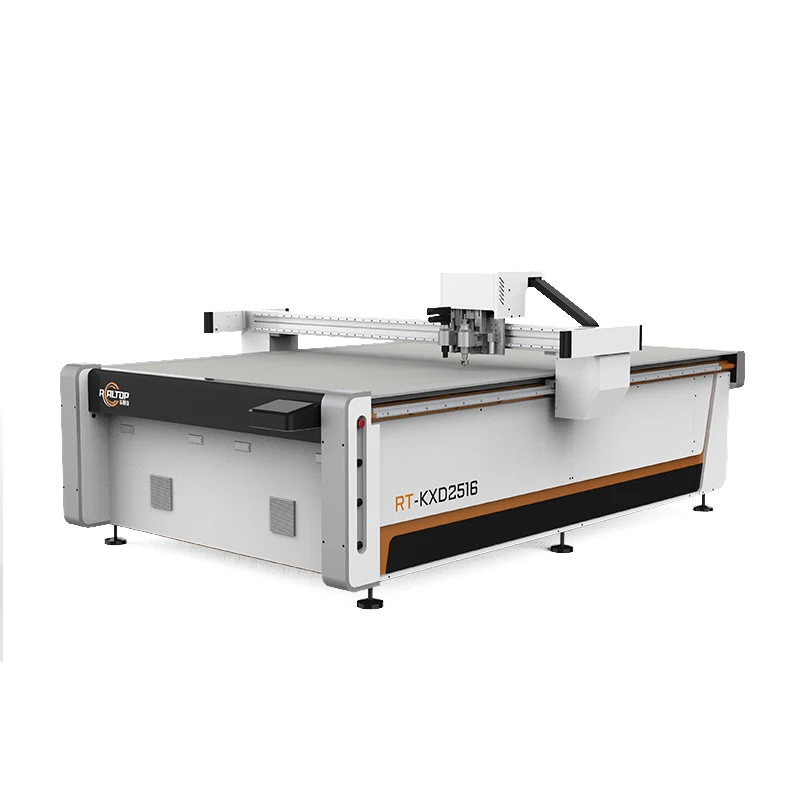
Factory-Built Configuration — Every leather cutting table leaves our Jinan facility only after tool head, vacuum zoning, and cutting depth are validated against the buyer’s own material sample, eliminating the guesswork between catalogue specs and actual production reality.
Technical Specifications
| Parameter | Value |
|---|---|
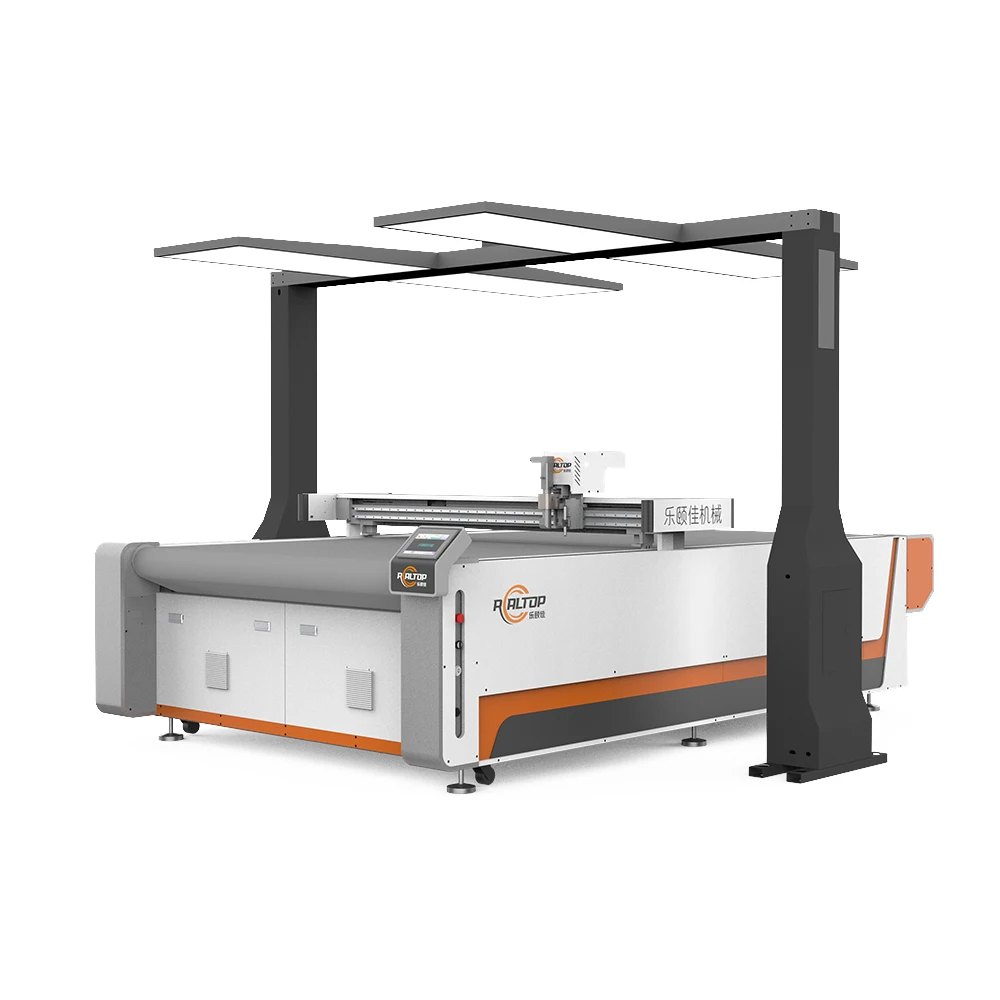
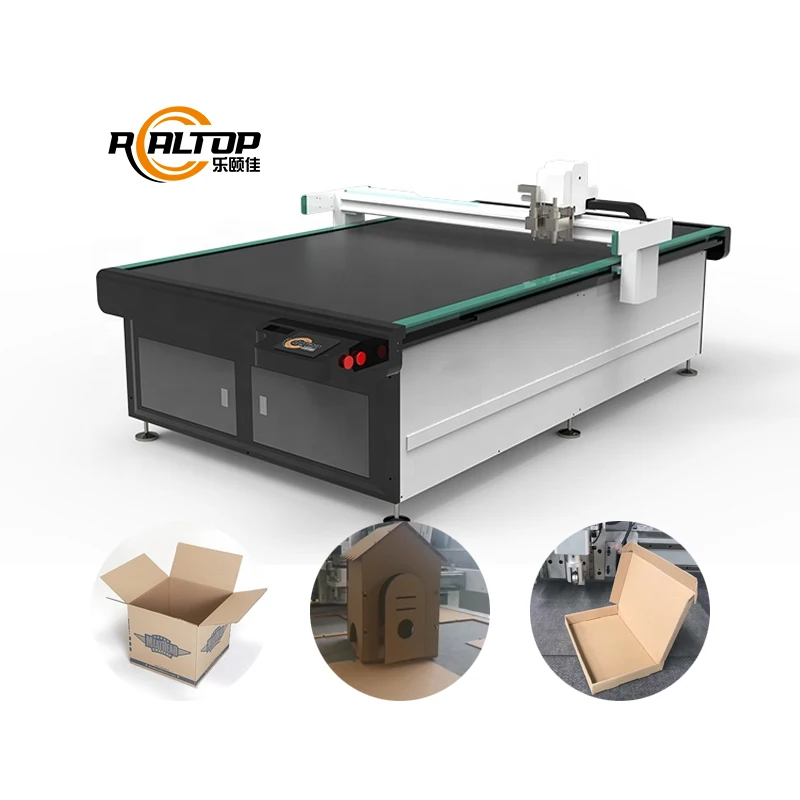
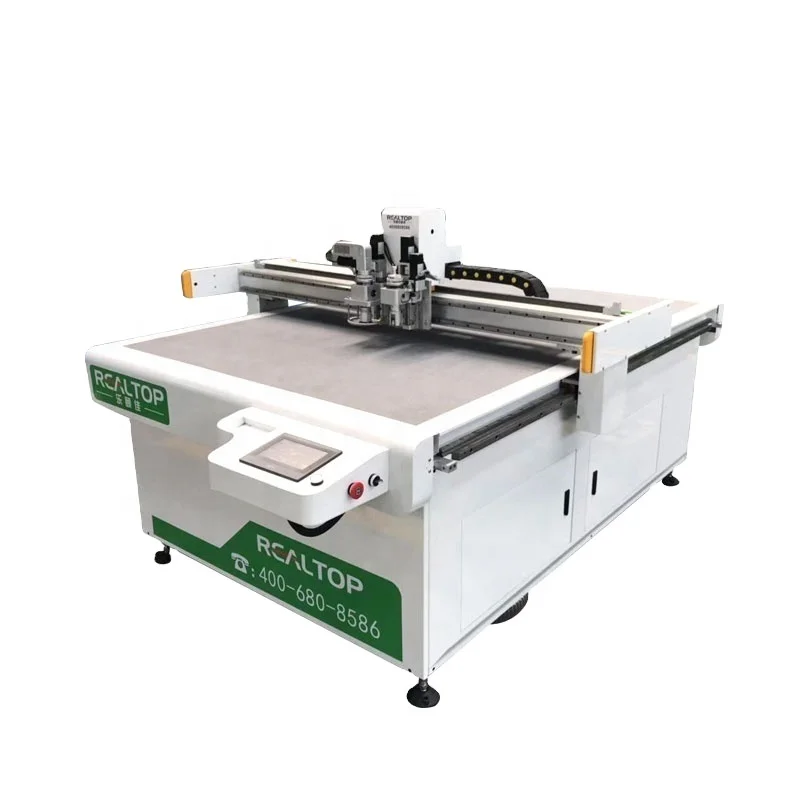
| Product Type | CNC Oscillating Knife Cutting Machine |
| Working Area | 1600 × 2500 mm |
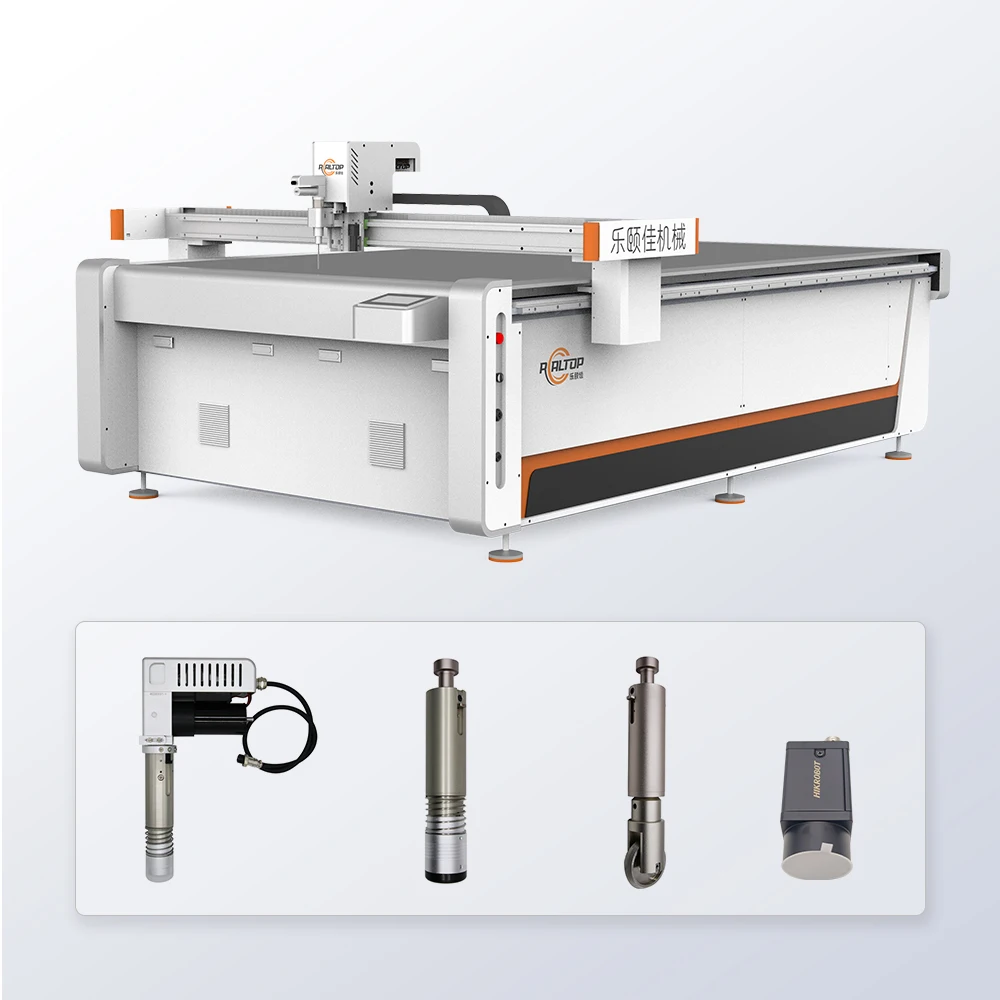
| Tool Head Options | Oscillating knife, Driven rotary knife, Pneumatic knife, Creasing wheel, Kiss cutting tool, Milling tool, V-groove knife |
| Cutting Speed Range | 0–2000 mm/s |
| Maximum Cutting Thickness | ≤ 30 mm |
| Positioning Accuracy | ±0.1 mm |
| Vacuum System | 9 kW pump with aluminum bellows table |
| Voltage Options | 110V / 220V / 380V configurable |
| Control Interface | PLC panel with multi-language display |
| Servo Drives | Panasonic, Delta, or Dorna options |
| File Format Compatibility | PLT, DXF, AI, PDF |
| Machine Footprint | 3300 × 2100 × 1350 mm |
| Safety Systems | Infrared sensor array and emergency stop |
| Certification | CE |
Application Suitability
| Application | Material or Output |
|---|---|
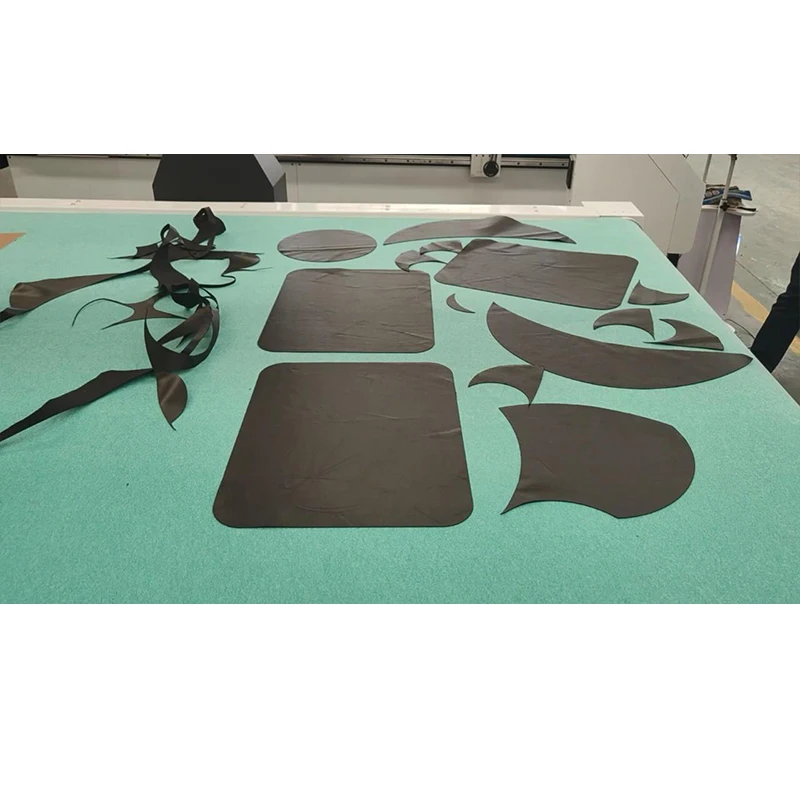
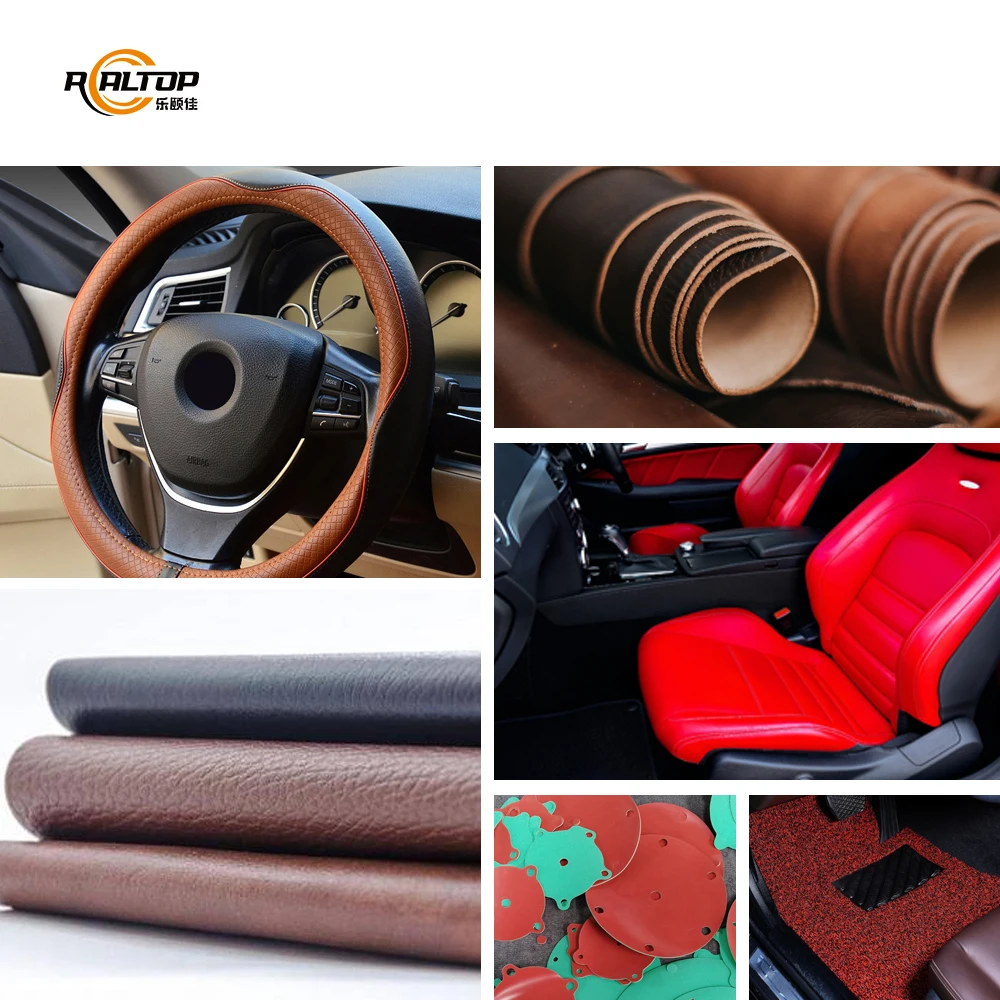
| Footwear upper cutting | Genuine leather, bonded leather, synthetic PU sheets |
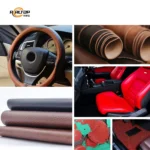
| Automotive seat covers and mats | Leather hides, automotive-grade textiles, composite foams |
| Bags and leather goods | Full-grain and corrected-grain hides, patterned materials |
| Upholstery components | Sofa fabrics, home furnishing composites, soft trim materials |
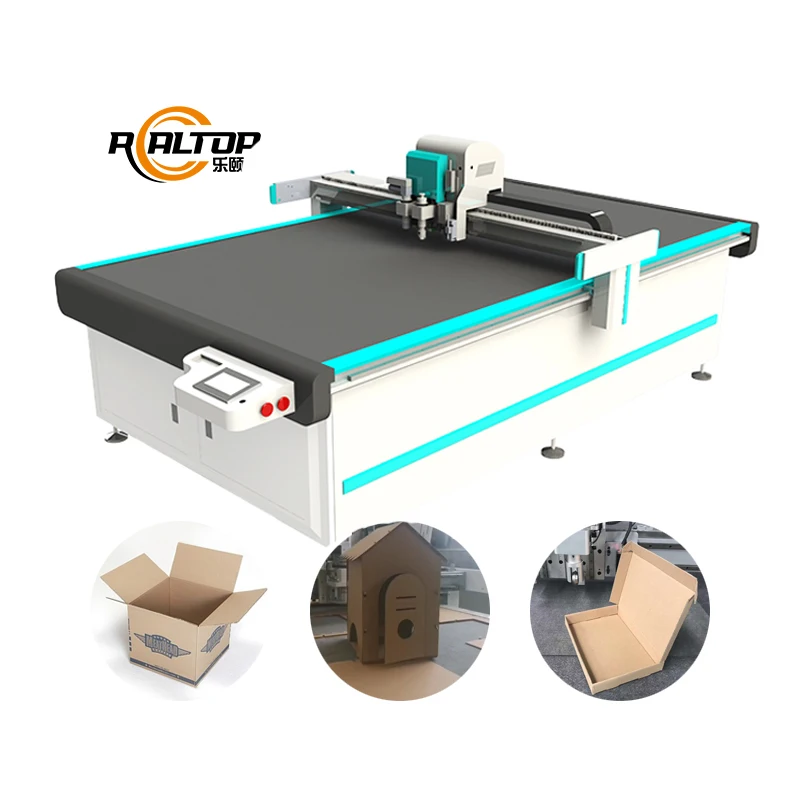
| Packaging sample making | Foam boards, PVC sheets, cardboard, carton stock |
| Advertising and signage | Adhesive vinyl, vehicle wrap films, acrylic panels |
Why "Standard Configuration" Fails at the Leather Cutting Table
The wrong tool head on the right machine still produces scrap.
I spent my early years on the assembly floor tightening gantry bolts, and one pattern showed up again and again: a CNC oscillating knife cutting machine manufacturer ships a unit configured for general fabric work, and the buyer discovers on day one that their bonded leather with a heavy PU backing crushes under the oscillating blade. Edges come out ragged, blade consumption doubles, and nesting yield drops because the operator keeps reducing speed to compensate. The machine was never wrong for the task in principle — it was specified without anyone asking what was actually going on the table. [NEED_CITE: material-specific tooling selection for CNC knife cutting]
In-House Design Means the Frame and the Tool Head Were Engineered Together
When a single factory designs both the motion system and the cutting head, the Z-axis travel, downforce, and oscillation frequency are tuned as one assembly rather than bolted together from separate suppliers. On this leather CNC cutting platform, the servo drive options — Panasonic, Delta, or Dorna — are selected based on the buyer’s production rhythm and material resistance profile. That integration matters when a driven rotary knife is slicing through layered genuine leather at full table speed; any mismatch between gantry acceleration and blade response shows up immediately as a nicked edge at the contour turn.
Build Quality You Can Trace to the Assembly Bay
Every machine that leaves our core factory carries a build record linking the frame weldment, linear guide installation, and tool head calibration to the technicians who assembled it. This traceability matters when a buyer in a humid climate reports belt wear earlier than expected — we can pull the original assembly notes and identify whether the tensioning was set for a dry or humid environment, then ship the correct replacement with adjusted specifications. [NEED_CITE: factory quality control standards for CNC cutting equipment]
Reading the Specs That Actually Determine Edge Quality
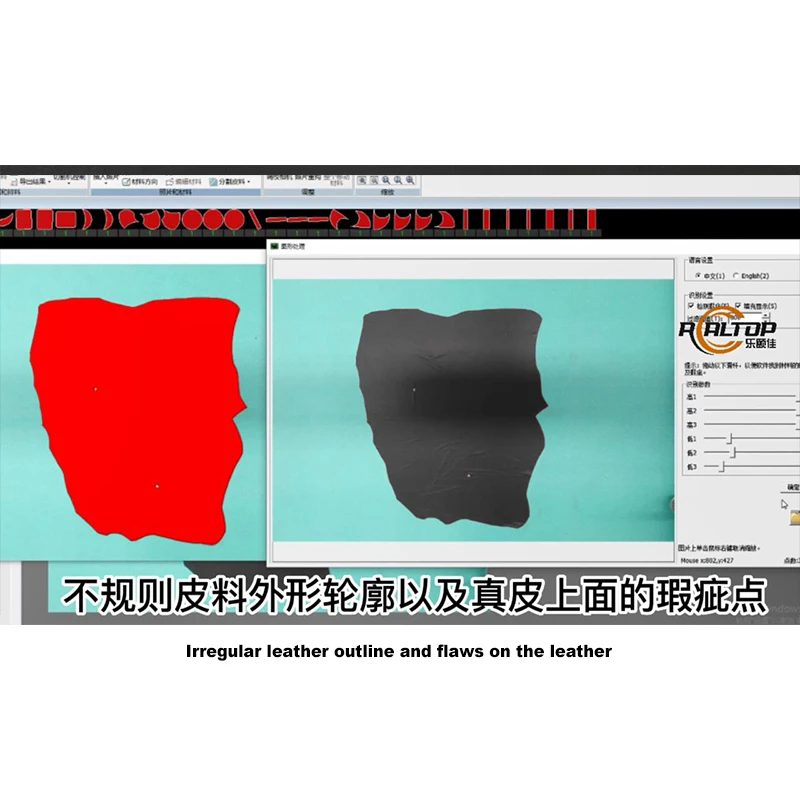
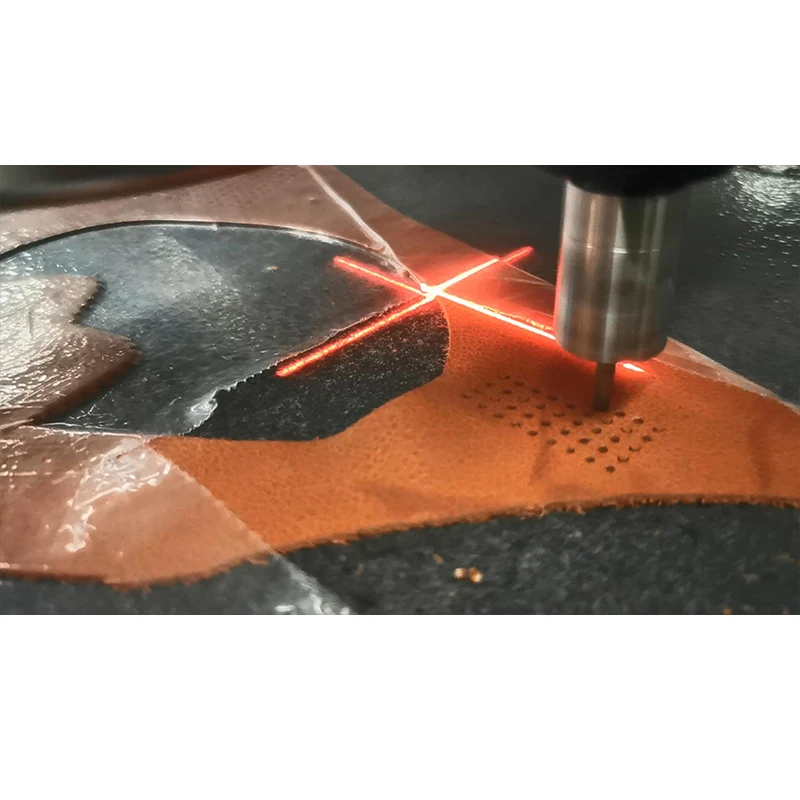
The ±0.1 mm positioning accuracy figure only tells half the story. On leather hides with irregular grain patterns, the CCD camera contour recognition option — available on this platform — reads printed fiducial marks to adjust the cutting path in real time, compensating for hide stretch that no servo motor alone can correct. The 9 kW vacuum pump paired with the aluminum bellows table creates distributed suction zones; for small leather components like wallet panels or watch strap blanks, zoning prevents the material from lifting mid-cut, which is where most contour errors actually originate. The PLC control panel accepts DXF, PLT, AI, and PDF imports directly, so a footwear shop running nested layouts from their existing CAD system does not need to re-draw files through a proprietary converter. Cutting thickness up to 30 mm covers the full range from thin garment leather through bonded automotive upholstery stock, but the tool head must be matched to density — an oscillating knife handles mid-weight hides cleanly, while a driven rotary knife is the better choice for thick, fibrous sole leather.
What Happens When Voltage and Software Are Assumed Rather Than Confirmed
The most expensive mistake I have seen in Latin American workshops was not a mechanical failure — it was a 380V machine arriving at a facility wired for 220V three-phase, sitting idle for weeks while transformers were sourced locally. Almost as costly is the software mismatch: a buyer’s nesting workflow built around AI-format files, only to discover the control software on arrival requires DXF conversion that scrambles the layer structure their operators depend on for color-coded cut paths. [NEED_CITE: industrial voltage and frequency standards across export markets]
What You Actually Get When You Order From the Factory
In-house production of both knife and laser cutting platforms means the cutting method is matched to your material rather than forced into one technology — leather hides go on the knife table, acrylic signage goes on the laser, and the same engineering team supports both. Tool head and table configuration is specified per your leather type, thickness, and daily volume, documented in writing before the build begins. Sample cutting on your own material is standard procedure; you review the edge quality and contour accuracy report before authorizing shipment. Voltage, plug type, and control panel language are confirmed in the electrical schematic, so nothing is left to interpretation at the loading dock. Software compatibility with your existing file formats is verified during the specification phase, not discovered at commissioning.
Documentation & Verification
- Machine specification sheet confirming tool head selection and vacuum zone layout matched to your leather type and thickness
- Sample cutting report on your own hide stock demonstrating edge quality and ±0.1 mm contour accuracy before dispatch
- Electrical schematic with voltage, plug configuration, and PLC display language confirmed before production starts
- Software licence and file format compatibility note covering DXF, PLT, AI, and PDF import validation
- Factory test record documenting servo calibration and vacuum pressure readings across the full 1600 × 2500 mm working area
- CE declaration of conformity with applicable machinery directive requirements
Installation, Commissioning & Support
- Floor space allocation of 3300 × 2100 mm minimum with clearance for material loading on the 1600 × 2500 mm table
- Dedicated circuit matching confirmed voltage option — 110V, 220V, or 380V — with appropriate breaker rating for the 9 kW vacuum pump draw
- Machine arrives on a single skid; gantry and tool head are pre-assembled, requiring table leveling and vacuum hose connection on site
- First-run commissioning includes Z-depth calibration against your leather stock and vacuum zone testing with your smallest component profile
- Operator training covers PLC panel navigation in your confirmed language, tool change procedures across all installed head options
- Spare parts list identifies blades, vacuum seals, and servo drive consumables with reorder intervals based on your material abrasiveness
What We Need to Specify Your Machine Correctly
Tell us the leather type — genuine, bonded, synthetic, or composite — along with typical thickness range and the smallest component you cut daily. Share your current nesting software and file format so we verify import compatibility before the quote is finalized. Confirm your facility voltage and preferred control panel language so the electrical build matches your workshop from day one.
Frequently Asked Questions
Q: How do you select the correct tool head for different leather types?
A: Oscillating knives suit mid-weight garment and upholstery leather where clean contour turns matter. Driven rotary knives handle thicker, fibrous sole leather and heavy bonded stock. Pneumatic knives work on compressible foam-backed materials. We specify the head after reviewing your material sample and cutting profile, never from a catalogue default.
Q: Will this machine accept my existing nesting files and CAD workflow?
A: The control software imports DXF, PLT, AI, and PDF natively. Before order confirmation, we run a compatibility test with your actual production files to verify layer recognition, cut path sequencing, and contour accuracy. If conversion is needed, it is resolved before the machine ships.
Q: How are voltage, plug type, and control language confirmed?
A: Your facility’s voltage and phase are documented in the electrical schematic before production begins. Plug type matches your local standard. The PLC display language — English, Russian, Italian, Chinese, or a custom option — is set at the factory and verified during commissioning.
Q: What does the sample cutting process look like before I commit?
A: Send us a representative sample of your leather stock. We configure the tool head, set Z-depth and vacuum zoning, run your nesting file, and document edge quality, contour accuracy, and cutting speed in a written report. You approve the results before authorizing the build.
Q: Can the working area or tool configuration be customized for my production line?
A: The 1600 × 2500 mm table is the standard format, but custom working areas, multi-head configurations, and conveyor-fed setups are available through our OEM capability. Each variation is engineered and tested in-house, not adapted from a third-party integrator.
You may also like

商品评价
Clear filtersThere are no reviews yet.