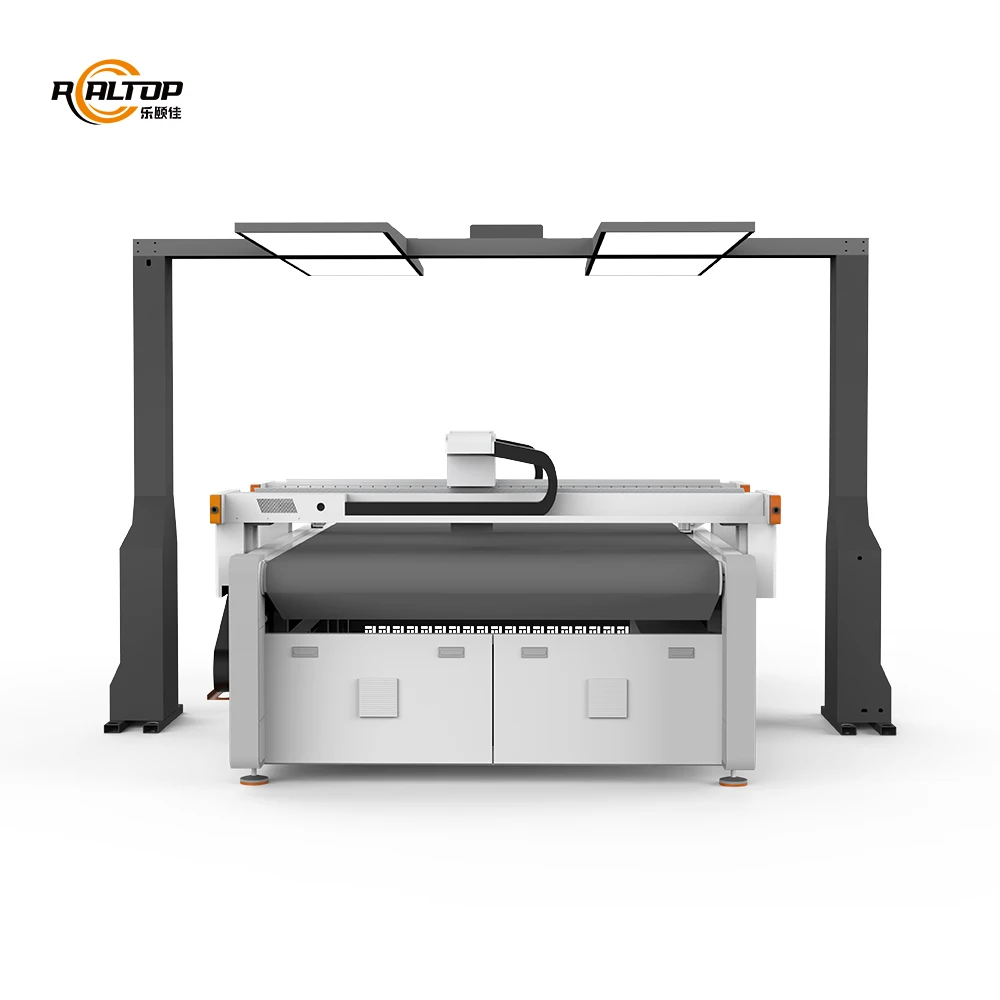
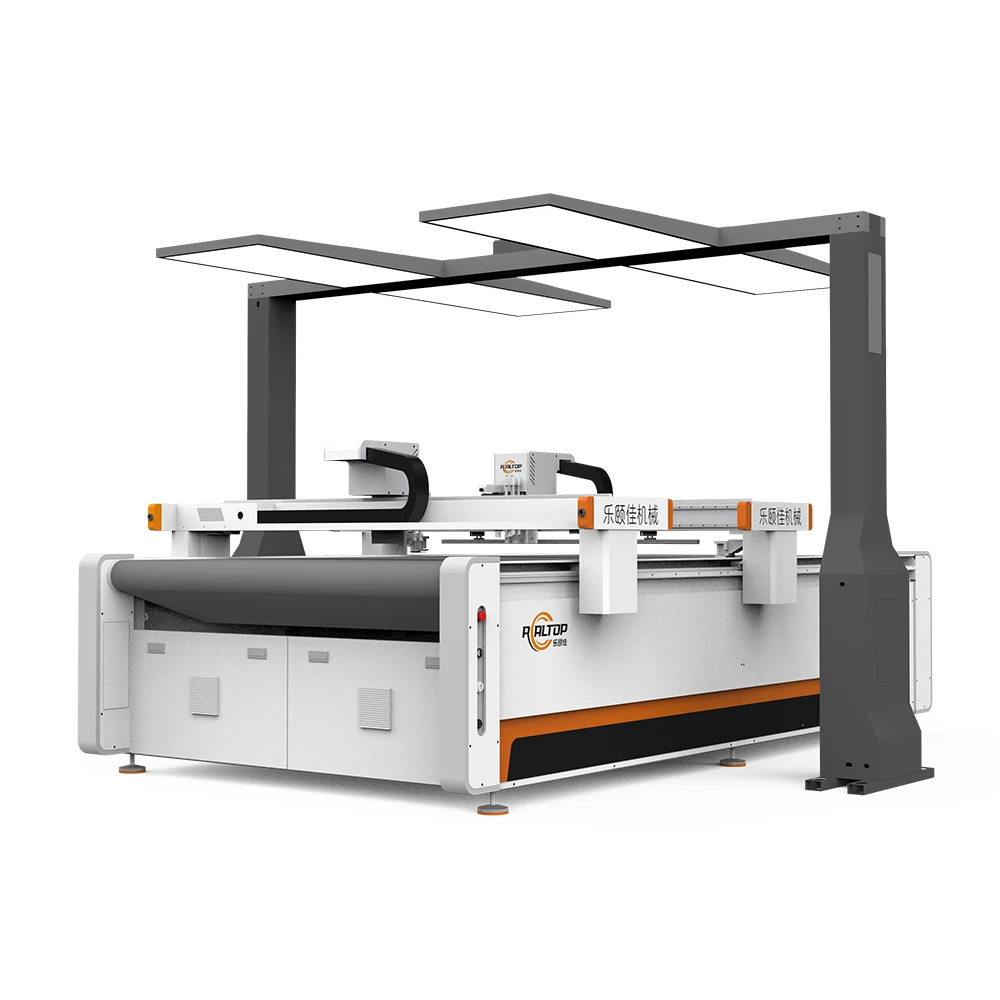
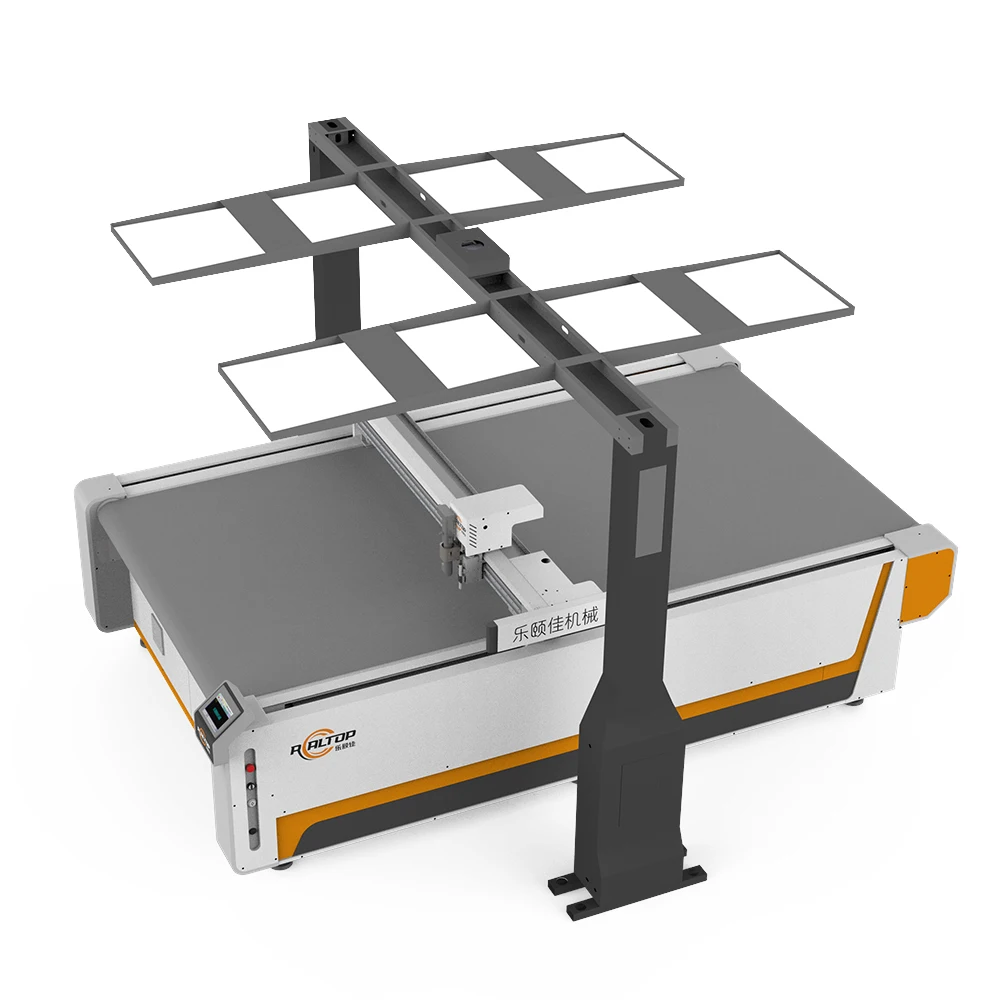
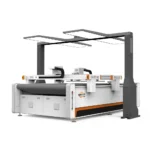
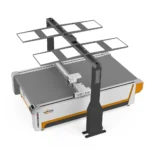
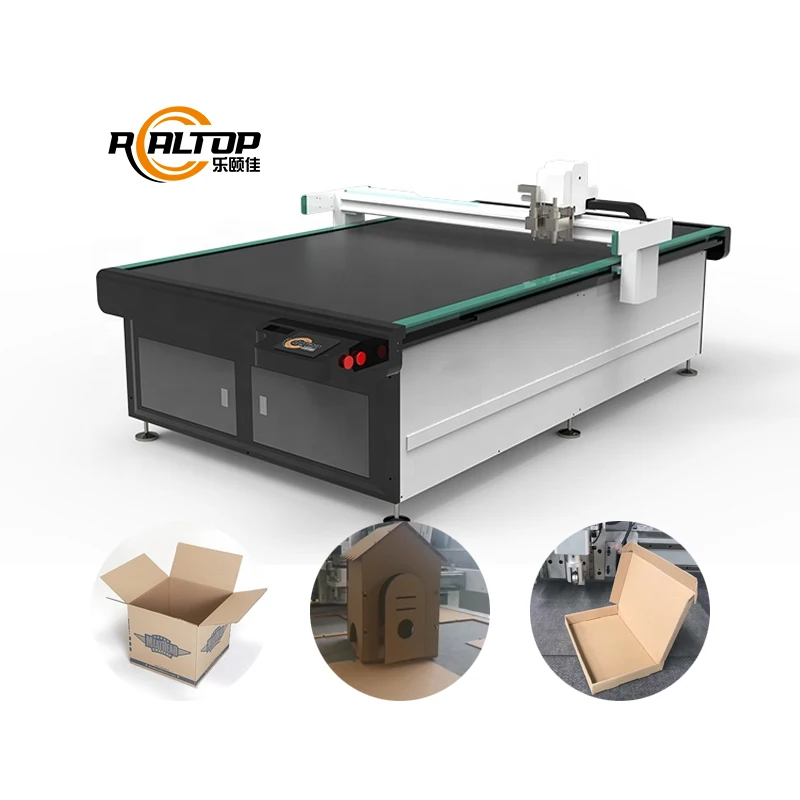
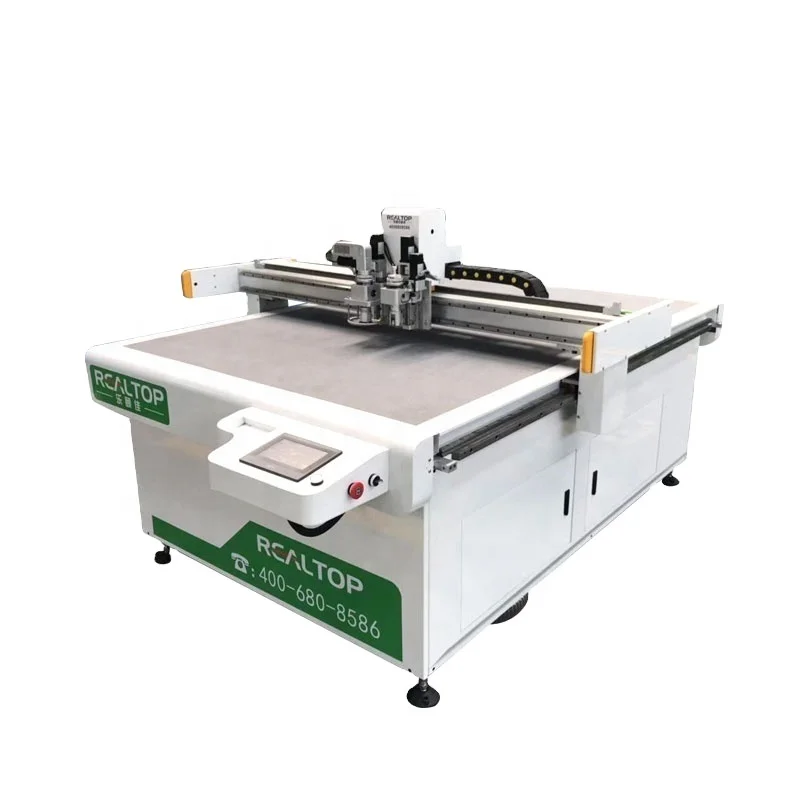
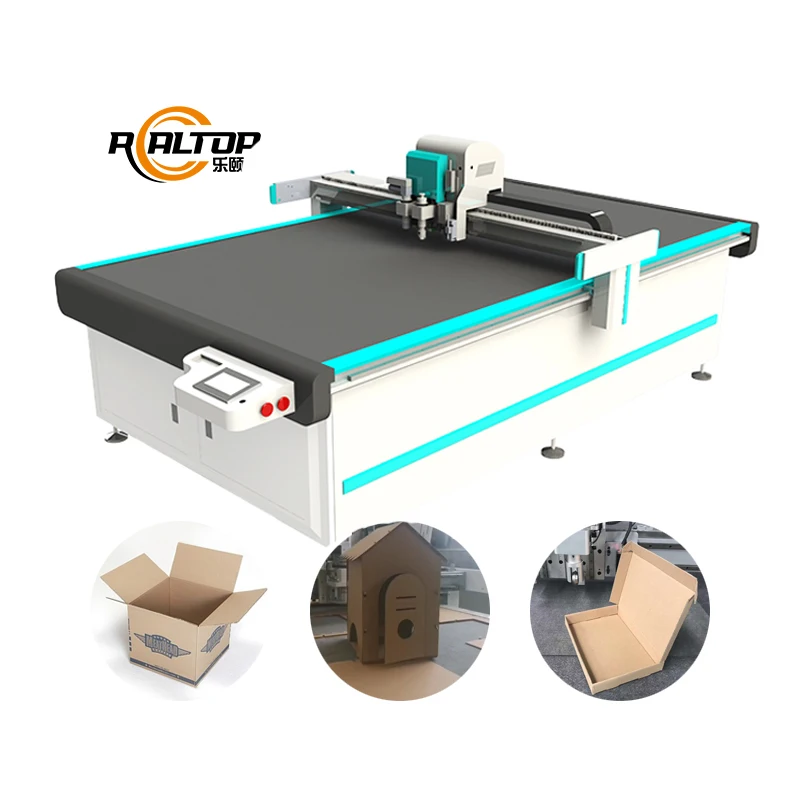
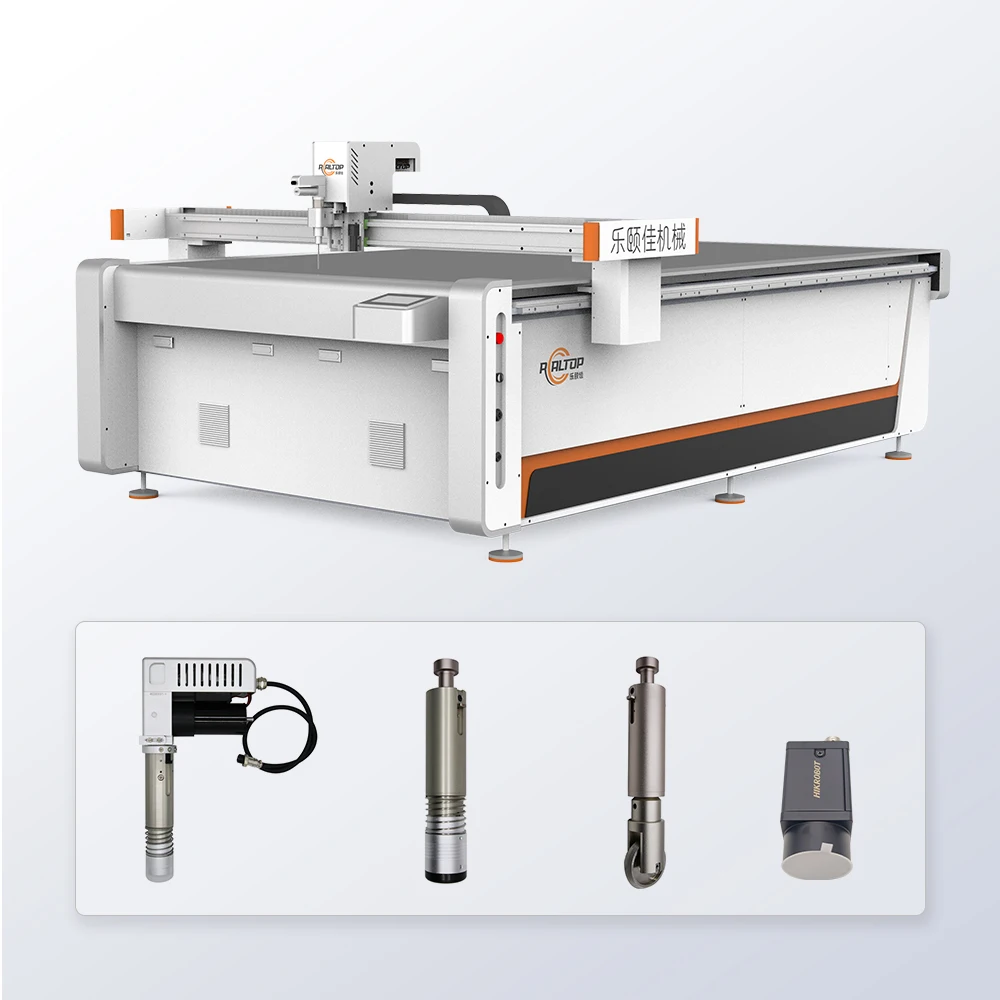
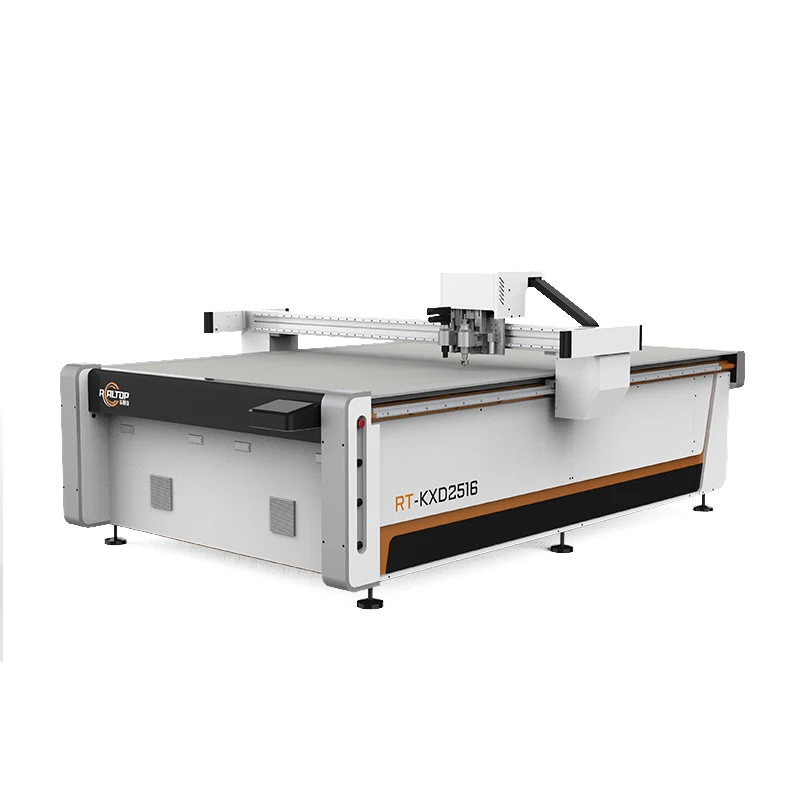
1625 CNC Oscillating Knife Cutting Machine, 1600×2500mm, ≤30mm Thickness, ±0.1mm Accuracy — configured per material and production volume rather than sold as a one-size-fits-all unit.
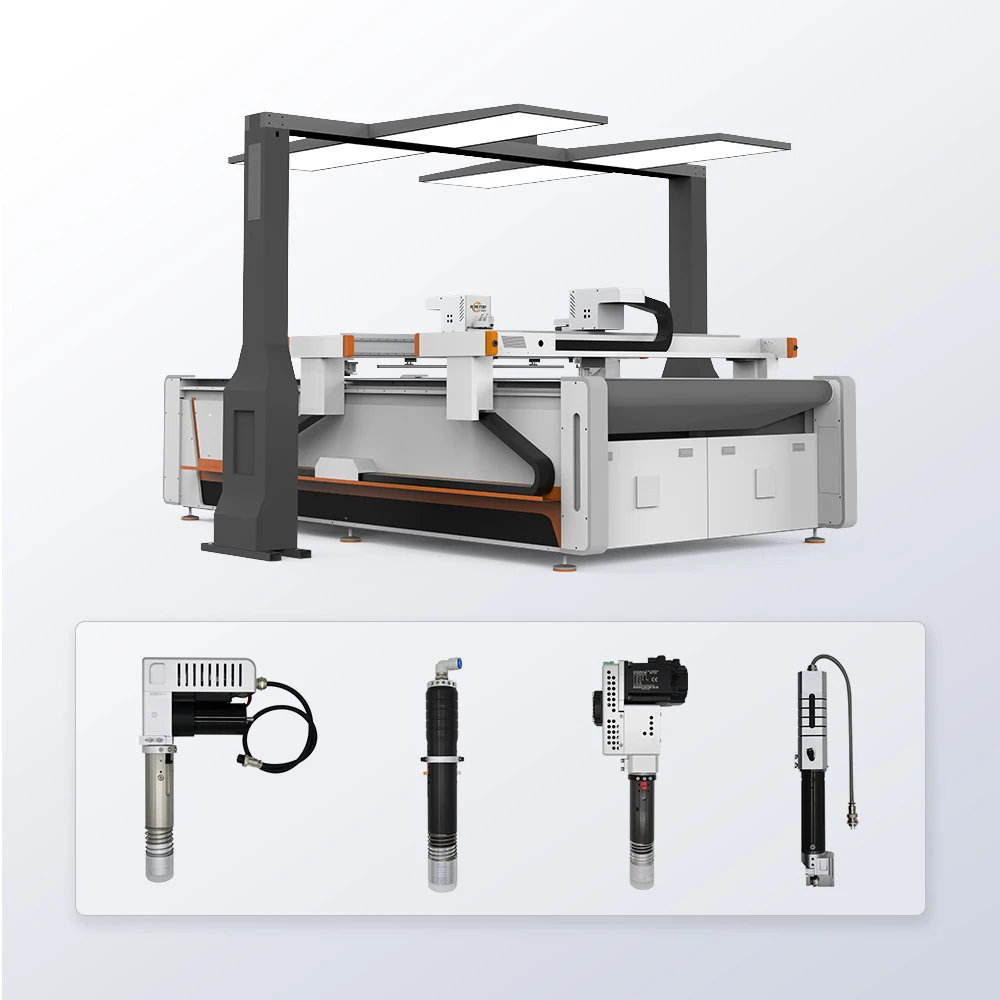
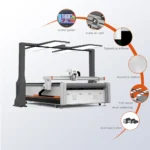
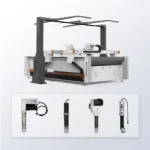
Interchangeable tool heads including oscillating knife, driven rotary knife, creasing wheel and V-groove knife, matched to leather, textile and flexible materials at order stage
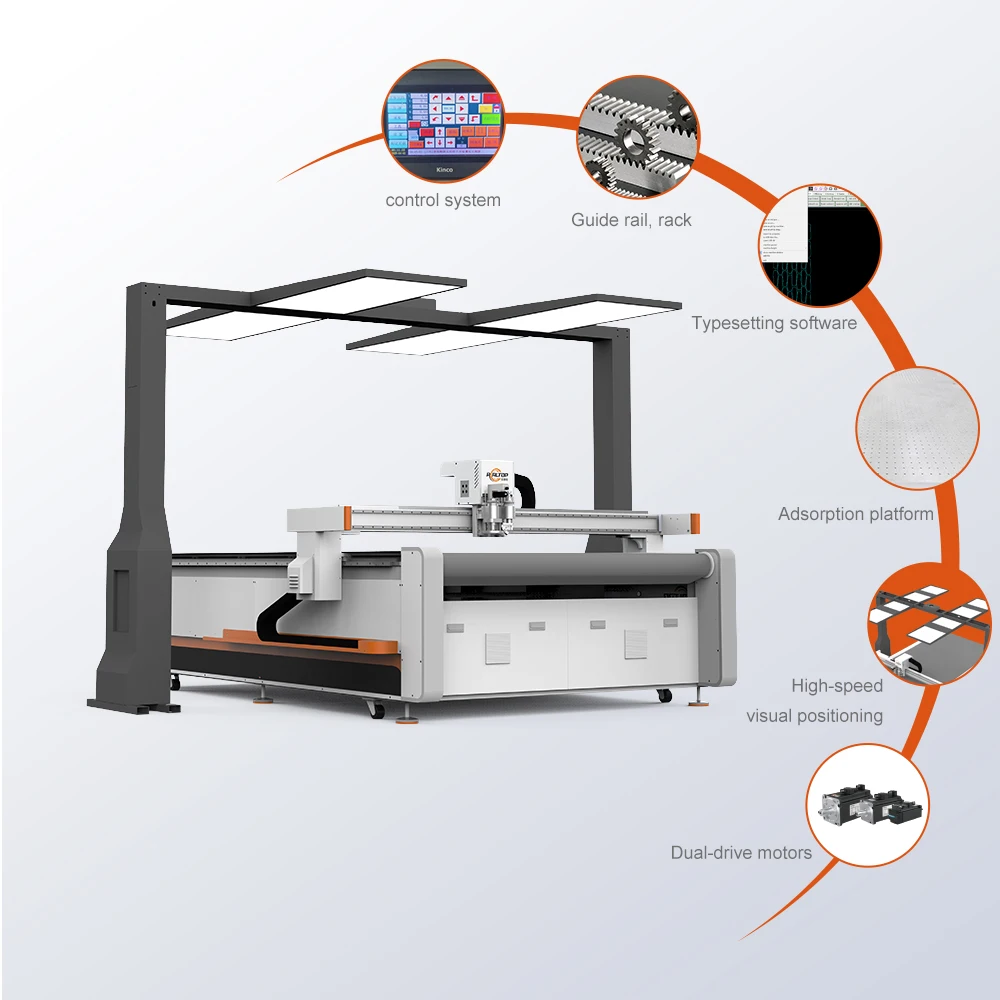
CCD camera contour recognition for printed pattern positioning, aluminum bellows vacuum table with 9KW pump for consistent hold-down
PLC control with multi-language interface, supports PLT, DXF, AI, PDF file formats
In-house design and production covering both knife tooling and machine integration, so the cutting method is matched to your material stack. Sample cutting on your own material is completed and verified before commitment.
Integrated Tooling and Motion Design — the 1625 platform is engineered and assembled under one roof, allowing knife configuration and motion tuning to match the buyer’s exact leather grade and hide thickness before the machine ships.
Technical Specifications
Parameter
Value
Model
1625
Product Type
CNC Oscillating Knife Cutting Machine
Working Area
1600×2500 mm
Tool Head Options
Oscillating knife, Driven rotary knife, Creasing wheel, Kiss cutting tool, Pneumatic knife, Milling tool, V groove knife
Cutting Speed
0–2000 mm/s
Cutting Thickness
≤ 30mm (basis not stated in source — confirm block format / material / thickness)
Cutting Accuracy
±0.1 mm
Vacuum Pump
9 kW
Vacuum Table
Aluminum bellows vacuum table
Voltage Options
110V, 220V, 380V
Control System
PLC control panel
Servo Motors
Panasonic, Delta, Dorna options
CCD Camera
Contour recognition and positioning
File Formats
PLT, DXF, AI, PDF
Software Language
English, Russian, Italian, Chinese (custom languages available)
Safety Devices
Infrared sensor, emergency stop
Machine Size
3300×2100×1350 mm
Standards
CE (referenced in documentation, confirm specific certificate)
Application Suitability
Application
Material or Output
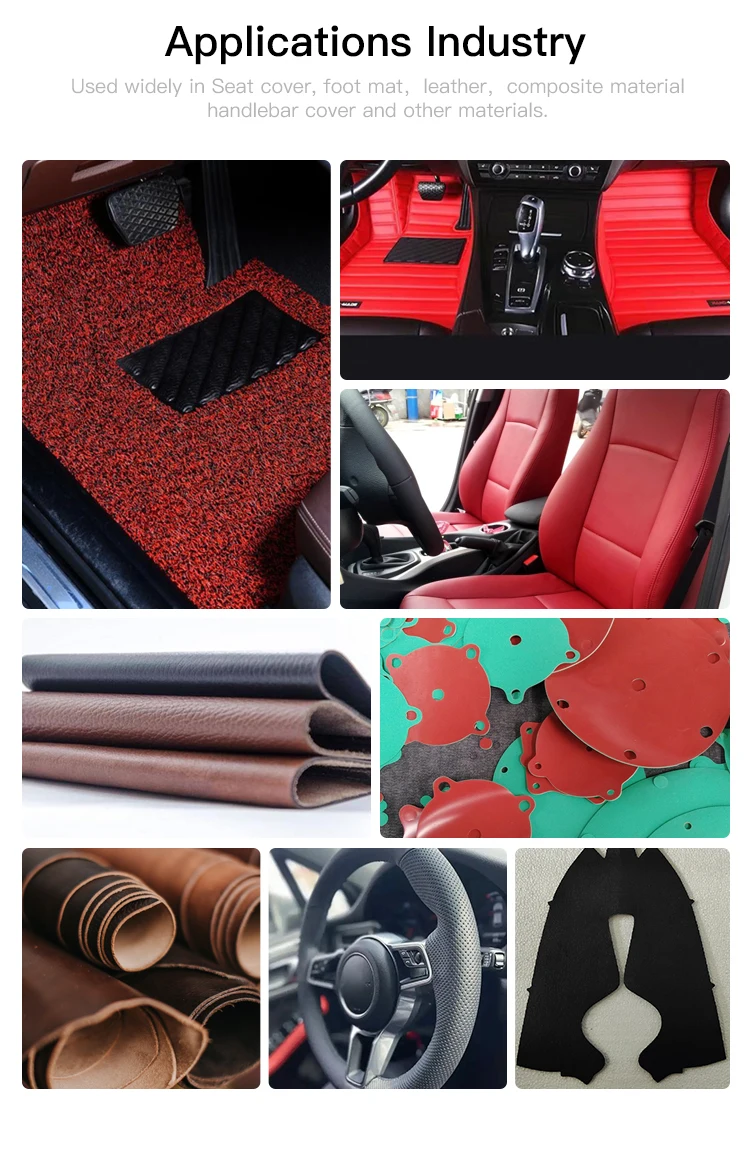
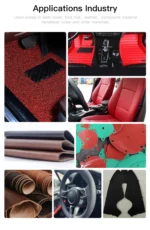
Footwear and leather goods
Shoe uppers, bags, genuine and bonded leather hides
EPE foam, insulating materials, home composite laminates
Why the Wrong Tool Head Ruins More Leather Than the Blade Itself
Edge quality on natural hides starts with oscillation frequency matched to the backing layer, not just the leather face.
I have watched a clean test cut on a bonded leather swatch turn into frayed, dragged edges the moment the production roll hit the table — the difference was a heavier PVC backing that the original knife setup could not penetrate. Specifying a CNC Oscillating Knife Cutting Machine manufacturer on working area alone leaves out the tool head, oscillation frequency, and blade pressure that actually determine whether your hides come off the table ready to stitch or headed to the scrap bin [NEED_CITE: oscillating knife selection criteria for layered leather and synthetic backing materials].
Blade Selection Protocol for Variable Hide Density
Natural leather varies across the hide — belly sections are softer and thinner, while the shoulder and backbone carry denser fiber structure. The 1625 supports seven interchangeable tool heads, including the oscillating knife for standard cuts, the driven rotary knife for continuous fabric rolls, and the pneumatic knife for thicker stacked hides. Each CNC Oscillating Knife Cutting Machine is configured at the order stage after reviewing the buyer’s actual production-grade material, so the tool head matches the hide rather than the brochure.
CCD Positioning on Printed and Patterned Leather
Printed contour work demands that the camera track registration marks at production speed, not just in a static demo. The 1625 integrates CCD camera contour recognition for positioning printed materials — patterned leather, branded textile panels, and graphic substrates — where cut paths must follow printed outlines precisely [NEED_CITE: CCD camera tracking performance on moving material surfaces]. The auto-nesting system adds camera-based defect detection, routing cut paths around natural hide flaws such as scars, tick marks, and brand stamps to reduce waste without manual intervention.
Interpreting the Specs That Matter on the Floor
The 1600×2500 mm working area accommodates full hides and wide textile rolls, but usable area depends on vacuum hold-down consistency. The aluminum bellows vacuum table paired with a 9 kW pump maintains suction across the full bed, keeping smaller cut pieces from lifting during high-speed passes. Cutting speed ranges from 0 to 2000 mm/s, though actual throughput depends on material density, contour complexity, and the number of internal cutouts. Accuracy at ±0.1 mm is measured on the motion system — real-world edge precision also depends on blade sharpness, material grip, and correct oscillation frequency for the backing layer. The PLC control panel supports multiple languages including English, Russian, Italian, and Chinese, configurable before shipment.
The Cost of Skipping the Material Test
Choosing a machine from a spec sheet without running your actual production leather through it invites a cascade of problems. Wrong oscillation frequency for a PVC-backed bonded leather produces delaminated edges that fail downstream stitching. Insufficient vacuum zoning on small pattern pieces causes lift mid-cut, ruining the panel and the blade. Software that cannot import your existing nesting files means operators rebuild patterns from scratch, adding hours to every shift [NEED_CITE: common causes of CNC cutting rework in leather workshops].
Why Source This Machine Through REALTOP
The design team covers both knife and laser cutting technologies under one roof, so the cutting method is selected to suit the material rather than forcing every job through one platform. Tool head and table configuration are specified per material type and production volume at order stage, not left as generic defaults. Every 1625 ships with a sample cutting report run on the buyer’s own hide stock, confirming edge quality before the machine leaves the factory. Voltage, plug type, and control language are confirmed before production begins — not discovered at the dock. Software compatibility with the buyer’s existing file formats and nesting workflow is verified during the specification phase.
Documentation & Verification
Machine specification sheet listing the exact tool head and vacuum table configuration per your material stack
Electrical schematic confirming voltage, amperage, and plug type for your facility
Sample cutting report on your production-grade leather documenting edge quality and accuracy
Software license documentation with file format compatibility notes for PLT, DXF, AI, and PDF workflows
Factory test record and packing photographs taken before crate closure
Installation, Commissioning & Support
Requires a level floor capable of supporting the 3300×2100×1350 mm frame with clearance for material loading on all sides
Dedicated electrical circuit matching confirmed voltage — 110V, 220V, or 380V — with proper grounding for the PLC panel
Machine ships as a single assembly; vacuum pump and table are pre-mounted, reducing on-site mechanical work
First-run commissioning includes vacuum pressure calibration and oscillation frequency tuning on your leather stock
Operator training covers tool head changeover between the seven available options and CCD camera calibration
Spare parts list provided at shipment, covering blades, knife holders, and vacuum table seals
What to Include in Your Inquiry
Send us the leather type, thickness range, and hide dimensions you run daily, along with your target cutting volume per shift. Specify your facility voltage and preferred control language so we configure the 1625 before production begins. If your workflow depends on a specific nesting software or file format, include a sample file so we can verify import compatibility.
Frequently Asked Questions
Q: How is the correct tool head selected for my specific leather type and thickness?
A: We request a sample of your actual production-grade hide — not a showroom swatch — and run test cuts with multiple tool heads. The oscillating knife suits most genuine leather, while bonded leather with heavy PVC backing may require adjusted oscillation frequency or the pneumatic knife. The selected tool head is documented in your specification sheet before the order is locked.
Q: Can the CCD camera track printed marks on my material at production speed?
A: The CCD system on the 1625 performs contour recognition and positioning for printed leather, patterned textiles, and graphic substrates. We test tracking accuracy on your printed material during the sample phase, confirming that registration marks are detected reliably at the cutting speed your production volume requires, not just during a slow demonstration pass.
Q: What voltage and control language will be configured before shipment?
A: The 1625 supports 110V, 220V, and 380V configurations, with control language options including English, Russian, Italian, and Chinese. Custom languages are available on request. Voltage and language are confirmed during the specification phase and documented on the electrical schematic, so the machine arrives ready to connect.
Q: How do I verify cutting accuracy and edge quality before placing the order?
A: We produce a sample cutting report using your own material, documenting edge quality, dimensional accuracy against the ±0.1 mm specification, and the tool head used. This report ships with your machine. A factory test record is also completed before dispatch, with photographs of the packed unit.
Q: What software file formats does the system accept, and is it compatible with my existing nesting workflow?
A: The 1625 accepts PLT, DXF, AI, and PDF files natively. If your workflow relies on a specific nesting or pattern-making software, send us a sample file during the inquiry stage. We verify import compatibility and document the result in your software license notes before the CNC Oscillating Knife Cutting Machine enters production.




 Courier delivery
 DHL Courier delivery
 Warranty 1 year
 Free 30-Day returns


商品评价
Clear filtersThere are no reviews yet.