


-
 Courier delivery
-
 DHL Courier delivery
-
 Warranty 1 year
-
 Free 30-Day returns

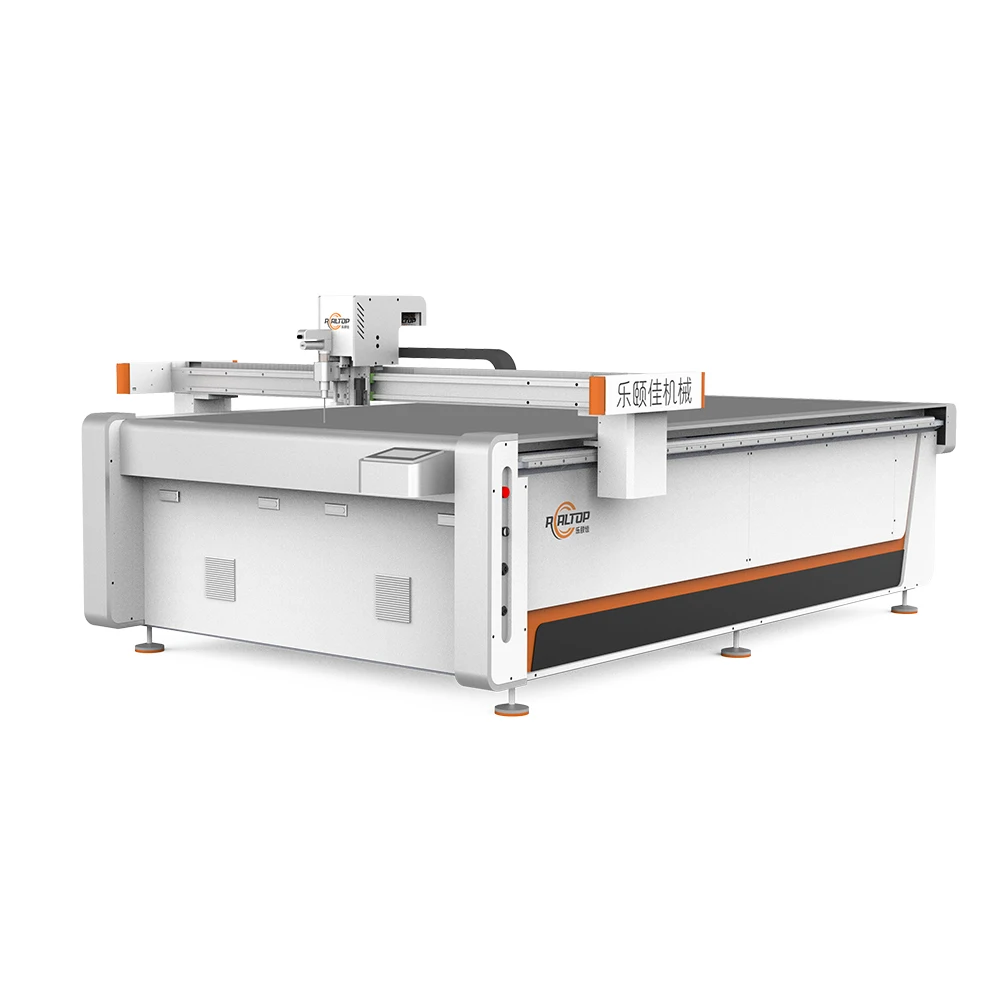
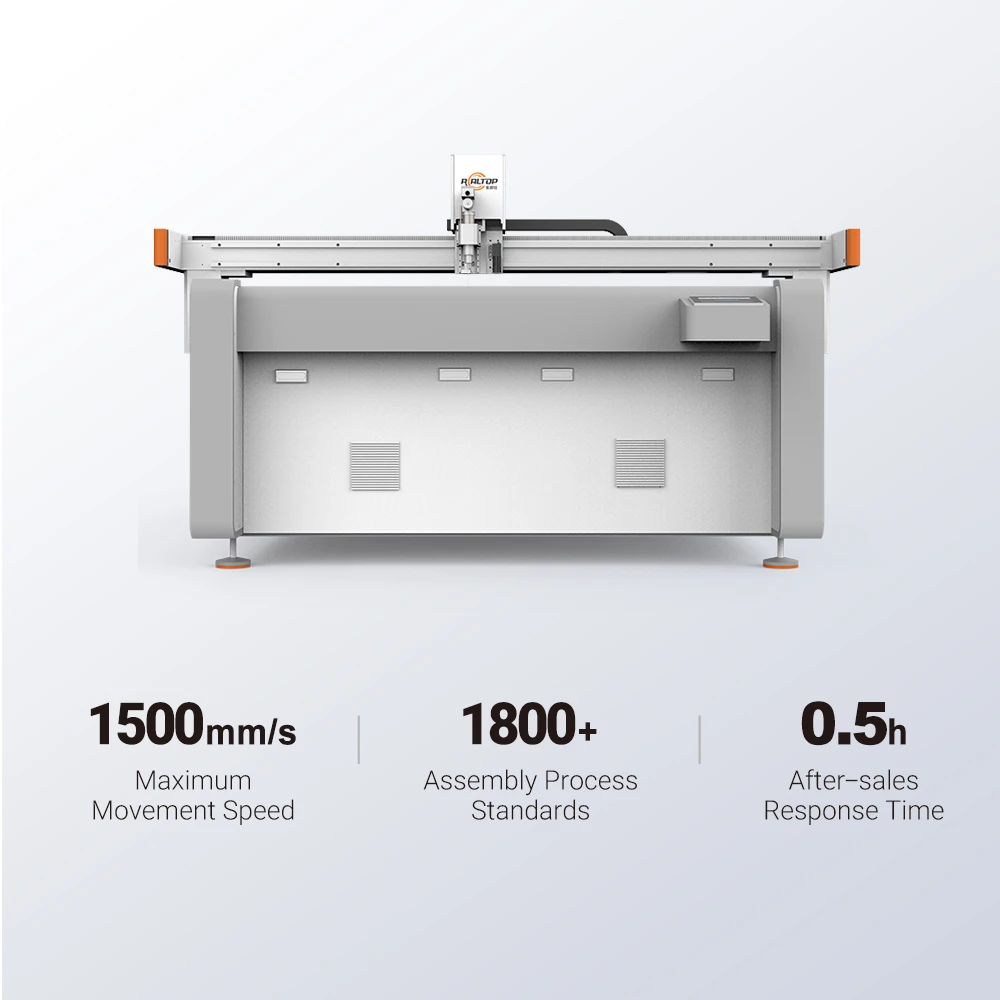
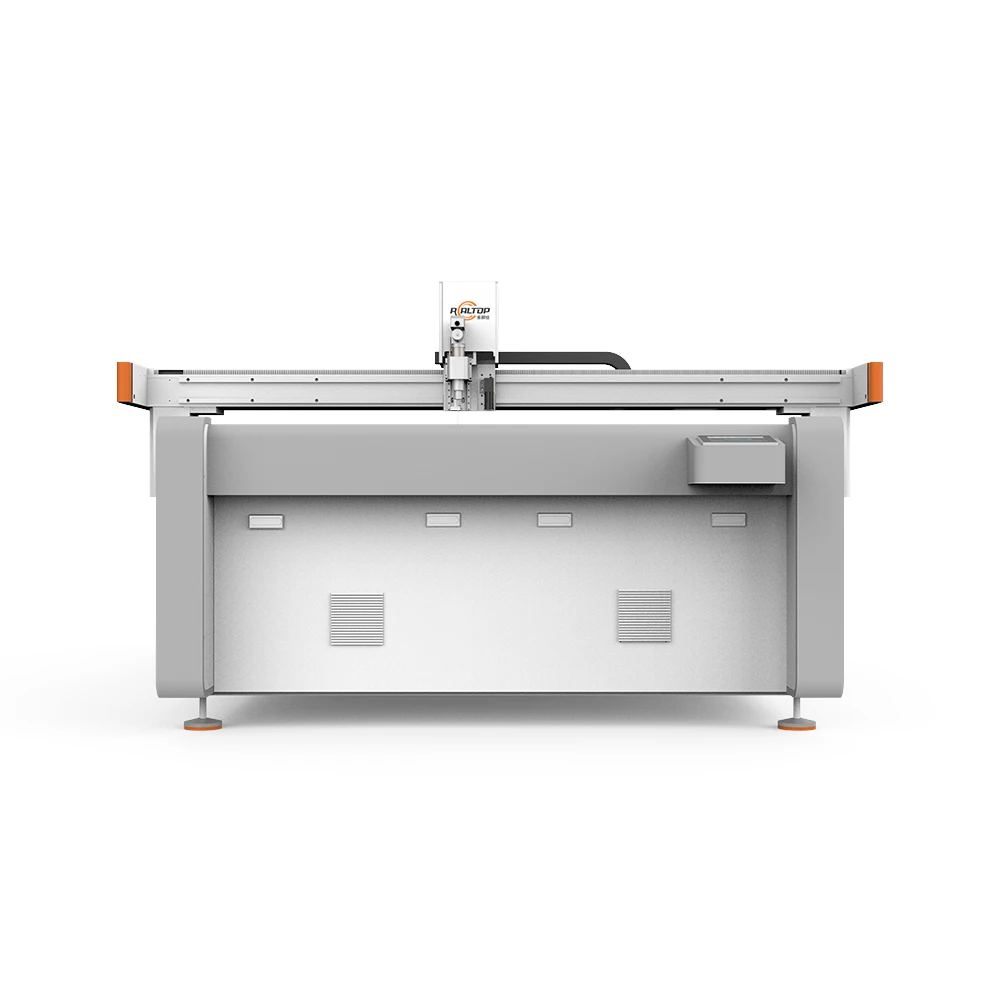
In-House Frame Fabrication — every weld, ground surface and assembly torque on this oscillating knife platform is controlled inside our Jinan shop, not outsourced to a third-party fabricator.
Technical Specifications
| Parameter | Value |
|---|---|
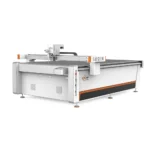
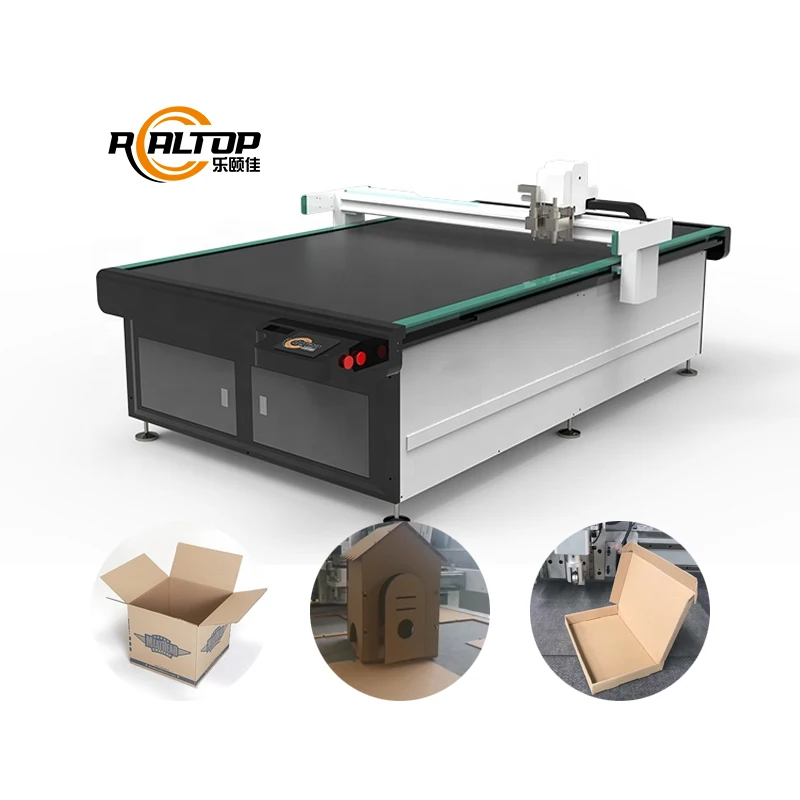
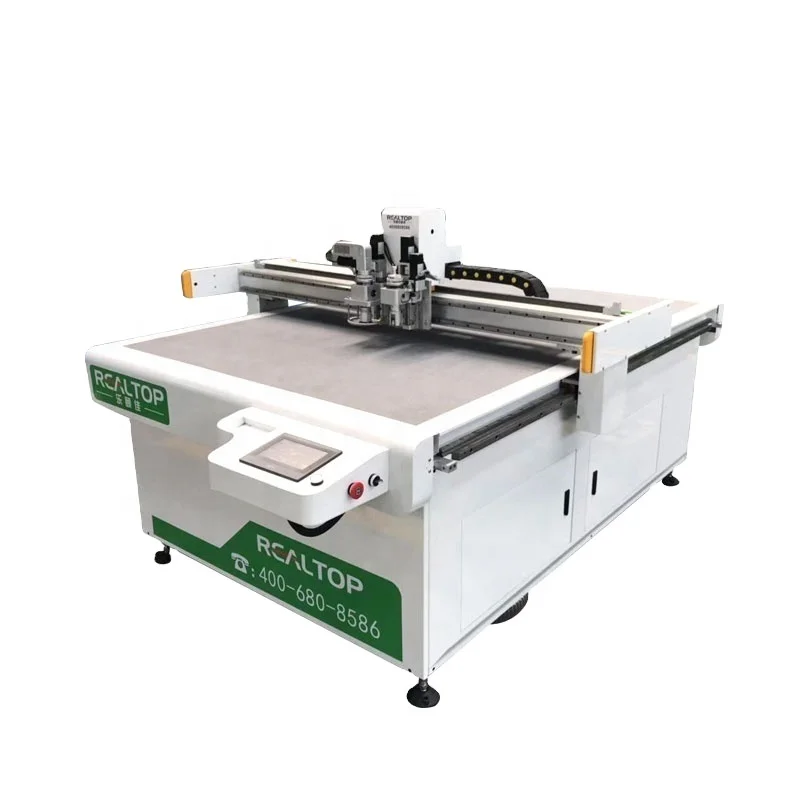
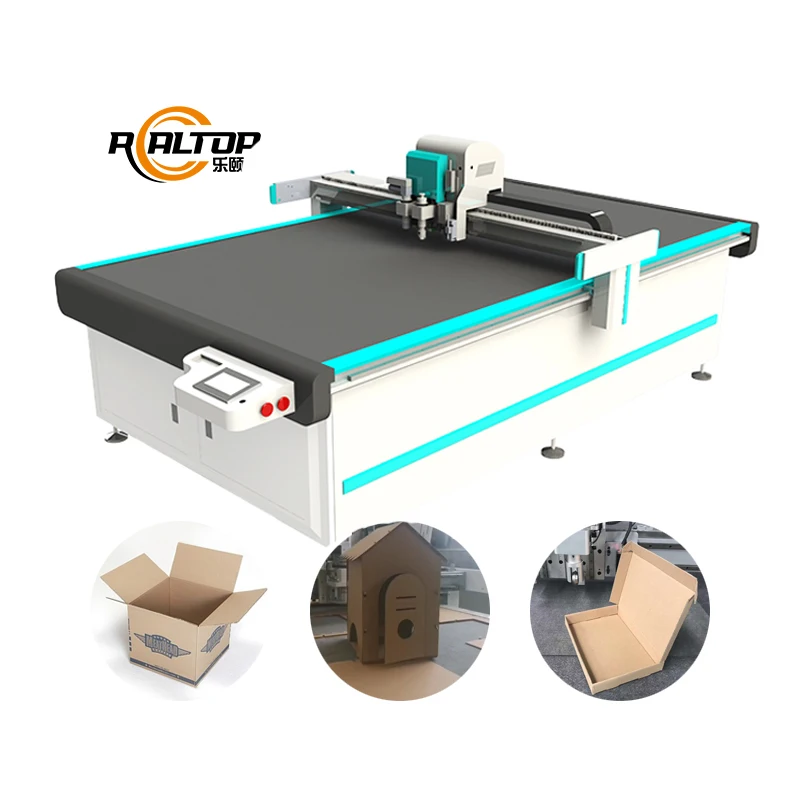
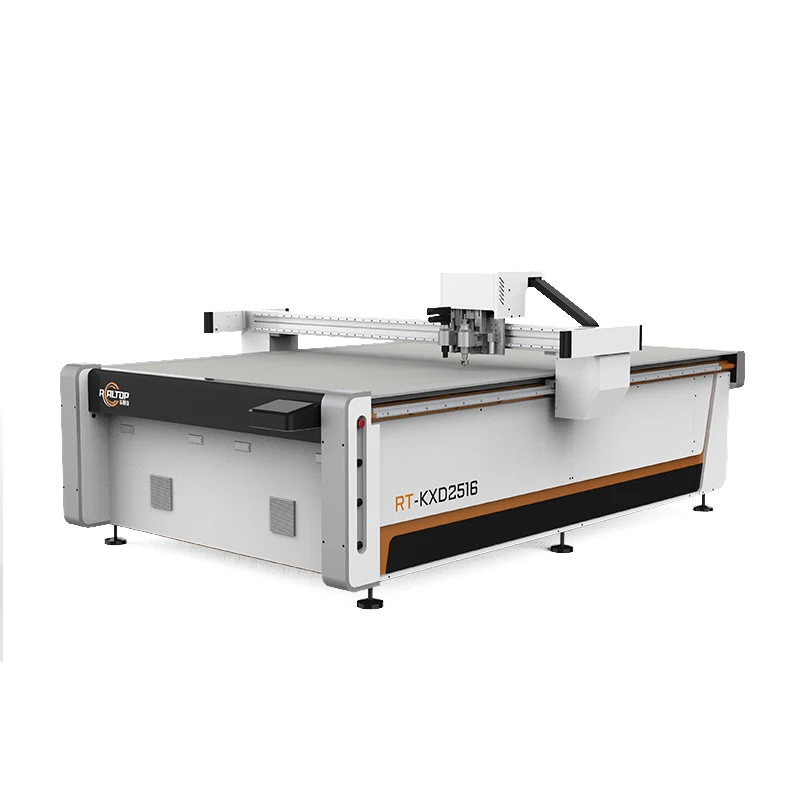
| Product Type | CNC Oscillating Knife Cutting Machine for Composites |
| Working Area | 1600 × 2500 mm |
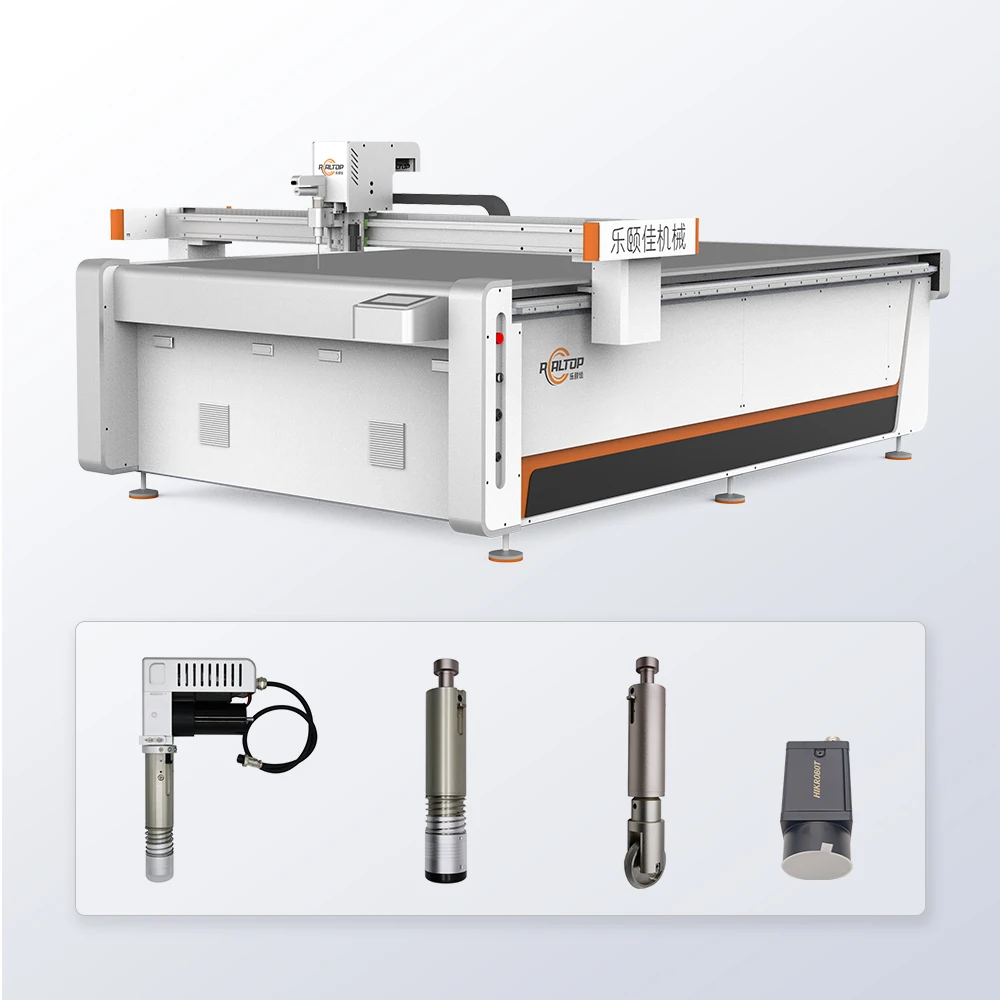
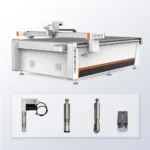
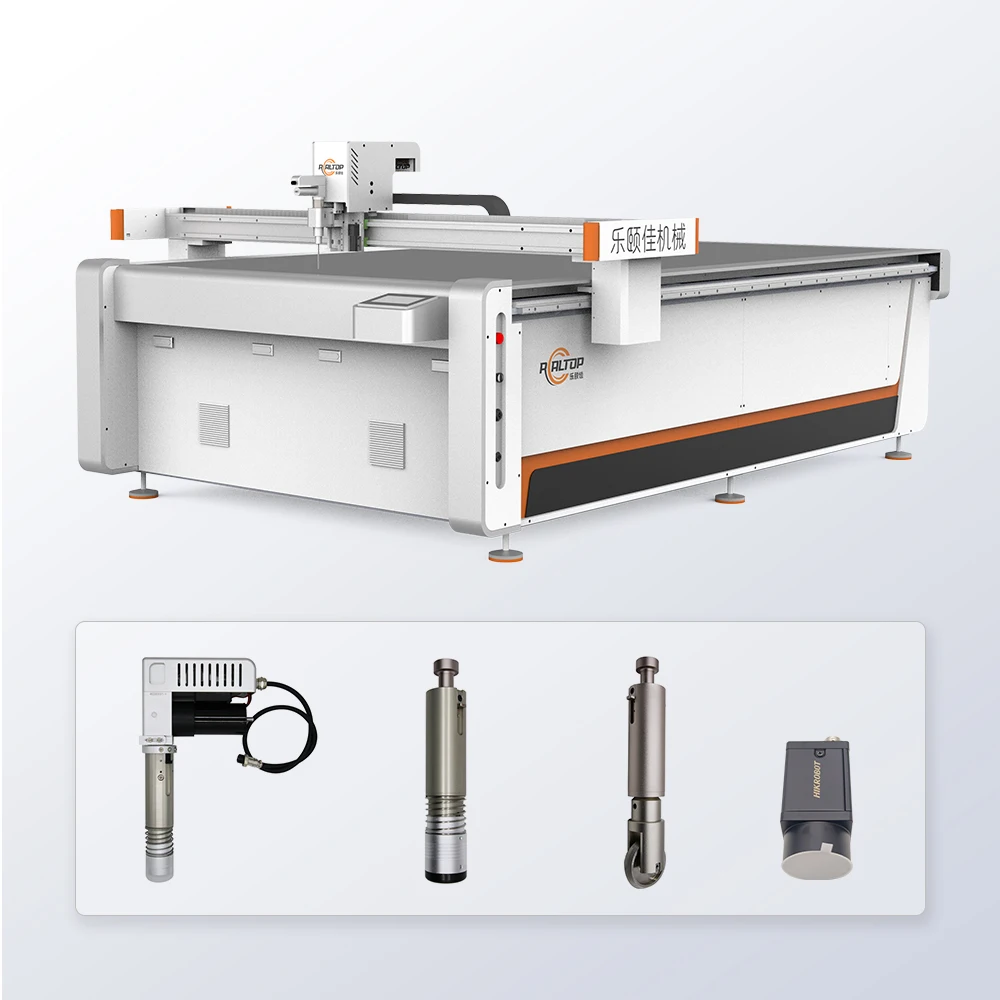
| Tools Available | Oscillating knife, Driven rotary knife, Creasing wheel, Kiss cutting tool, Pneumatic knife, Milling tool, V groove knife |
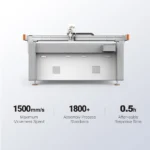
| Cutting Speed | 0–2000 mm/s |
| Cutting Thickness | ≤ 30 mm |
| Cutting Accuracy | ±0.1 mm |
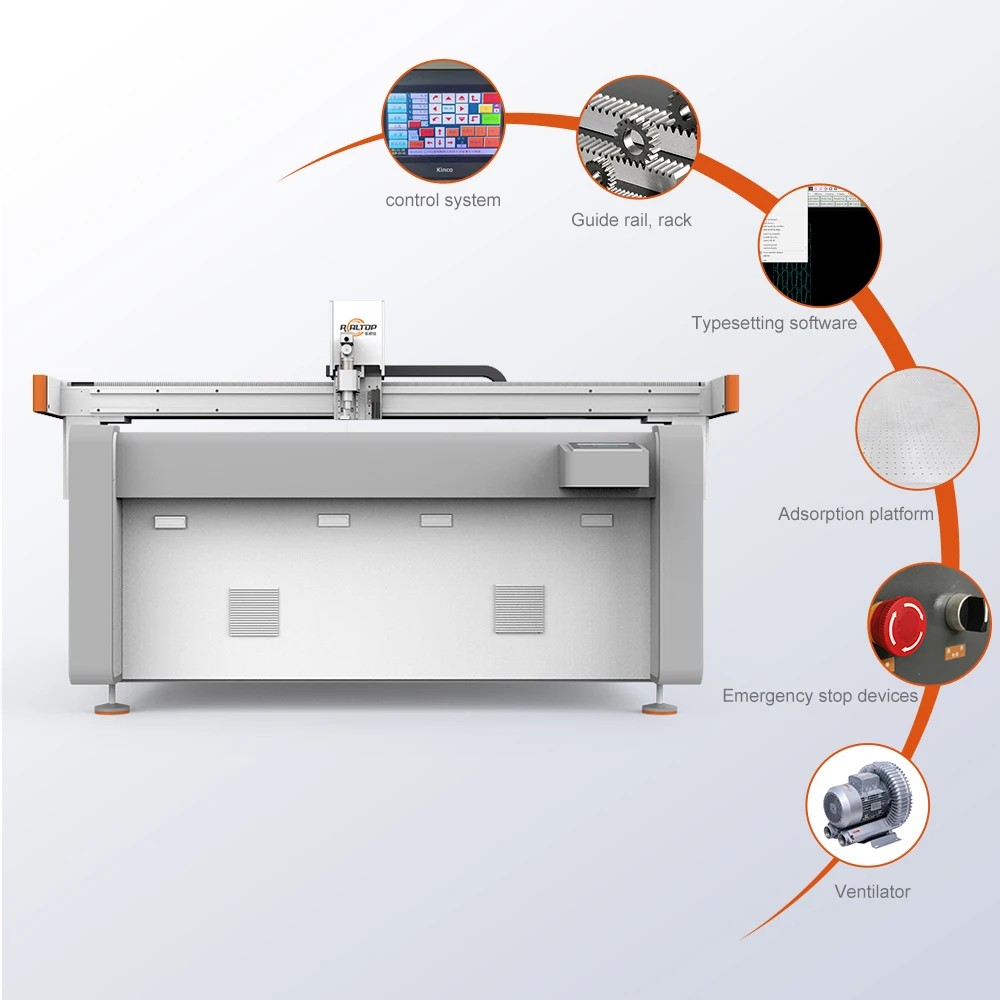
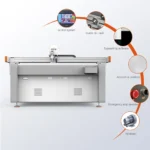
| Vacuum Pump | 9 kW |
| Vacuum Table | Aluminum bellows vacuum table |
| Control System | PLC control panel |
| Servo Motors | Panasonic, Delta, Dorna options |
| Voltage Options | 110V, 220V, 380V |
| Profile Formats | PLT, DXF, AI, PDF |
| Safety Devices | Infrared sensor and emergency stop |
| Language Options | English, Russian, Italian, Chinese, custom available |
| Machine Size | 3300 × 2100 × 1350 mm |
| Certification | CE (declaration where applicable) |
Application Suitability
| Application | Material or Output |
|---|---|
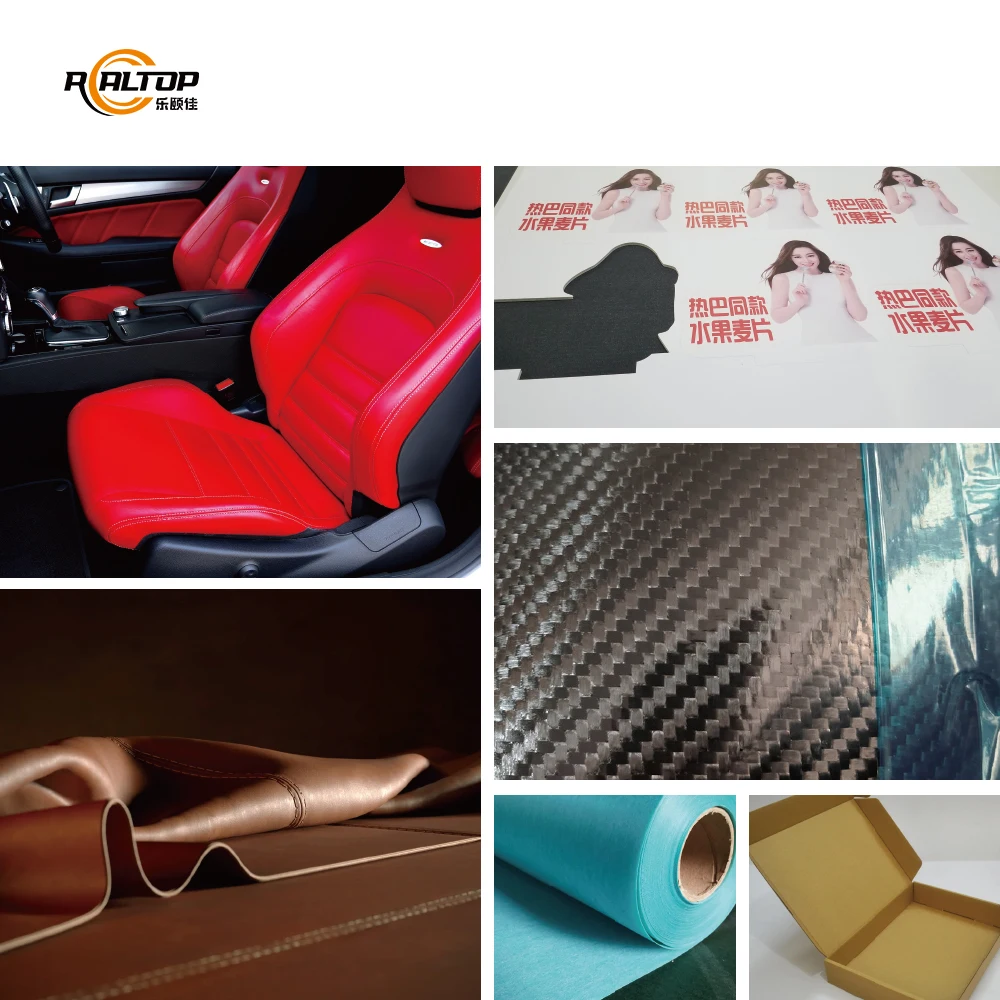
| Aerospace interior and skin panels | Carbon fiber prepreg, aramid honeycomb, wing and tail skin laminates |
| Automotive and rail interior trim | Carbon fiber covers, FRP panels, acoustic felt, automotive carpets |
| Wind energy blade and nacelle components | Fiberglass cloth, vacuum infusion mesh, foam core materials, battery insulation sheets |
| Sporting goods layup and finishing | Carbon fiber sheets, Kevlar reinforcement, helmet liners, surfboard blanks, ski cores |
Why "Working Area" Alone Will Not Cut Aramid Honeycomb
A rigid frame and correctly specified tool head matter more than table size when slicing composite laminates.
I have watched distributors buy a CNC oscillating knife cutting machine factory unit purely on bed dimensions, then discover the frame flexes under the lateral load of a driven rotary knife pushing through 15 mm aramid honeycomb. The edge delaminates, the vacuum loses grip on small offcuts, and the entire batch gets scrapped. Frame mass, servo torque and vacuum zoning have to match the densest material you plan to run, not the lightest [NEED_CITE: composite cutting forces and edge delamination mechanics].
Frame Build and Motion Components
The 3300 × 2100 × 1350 mm footprint reflects a welded steel frame that is stress-relieved and precision-ground before the gantry rails are mounted. This matters for composite work because carbon fiber prepreg and G10 epoxy board demand consistent knife penetration depth across the entire 1600 × 2500 mm bed; even a fraction of a millimeter of frame twist translates into incomplete cuts at the corners. Panasonic, Delta or Dorna servos are offered so that buyers can align the motion system with existing maintenance inventories or regional service networks.
Vacuum Zoning for Small Composite Offcuts
A 9 kW vacuum pump pulls through an aluminum bellows table, which provides more uniform suction than a flat platen when cutting irregular nesting layouts typical of aerospace interior panels. When aramid honeycomb cells collapse under a dull knife, they lift without sufficient hold-down. We configure the vacuum zones based on the smallest part in your nesting file so that suction concentrates where the material footprint is smallest [NEED_CITE: vacuum hold-down requirements for cellular composite cores].
Specs That Matter on the Shop Floor
Cutting thickness up to 30 mm covers most single-pass composite stack requirements, but achieving ±0.1 mm accuracy at that depth depends on pairing the right knife profile with correct oscillation frequency. The oscillating knife handles carbon fiber prepreg without fraying the weave, while the driven rotary knife suits thicker foam cores where a reciprocating blade would chatter. PLC control stores tool-offset data per material, so an operator switching from 3 mm fiberglass cloth to 20 mm PET foam core does not re-enter parameters manually. Profile import via PLT, DXF, AI and PDF keeps the workflow inside the nesting software buyers already use.
What Wrong Tooling Costs You on Composite Runs
Choosing a standard drag knife for carbon fiber prepreg produces frayed edges that fail visual inspection in aerospace supply chains. Undersizing the vacuum pump for a nested layout of small gasket pieces lets parts shift mid-cut, ruining tolerance. Skipping the V groove knife on sandwich panels forces secondary milling to achieve clean fold lines. Every one of these mistakes surfaces after the machine is installed, when the distributor’s reputation is already on the line [NEED_CITE: tooling selection errors in composite fabrication].
Why Source This Platform Directly
We fabricate the frame, machine the ground surfaces and assemble the gantry in-house, which means dimensional inspection data traces back to our own shop rather than a subcontractor. Servo brand, voltage and PLC language are specified per purchase order, so a distributor in Europe can request 380V with Italian interface while a buyer in South America orders 220V with Spanish-ready screens. Sample cutting runs on buyer-supplied composite material happen before order confirmation, documenting edge quality, cutting speed and accuracy on the actual prepreg or honeycomb you will process. OEM buyers can adjust working area, add custom tool heads or request private-label documentation without negotiating with a trading intermediary.
Documentation & Verification
- Machine specification sheet listing frame dimensions, servo brand and vacuum pump rating
- Electrical schematic with voltage and frequency confirmation matching target market
- Tool head and table configuration list specifying knife type per composite material
- Factory test record documenting ±0.1 mm accuracy on buyer-supplied sample
- Software license and PLT/DXF/AI/PDF file format compatibility confirmation
- Packing photographs showing crate bracing and moisture barrier before dispatch
Installation, Commissioning & Support
- Floor plan must accommodate 3300 × 2100 mm footprint plus material staging on long axis
- Dedicated circuit sized for 9 kW vacuum pump plus servo and PLC draw at confirmed voltage
- Gantry arrives pre-aligned; re-leveling required after forklift positioning on shop floor
- First-run parameter tuning performed on buyer’s composite sample to set oscillation frequency and feed rate
- Operator training covers PLC tool-offset entry, nesting file import and knife changeover
- Spare knife blades, vacuum seals and infrared sensor replacements itemized in packing list
What We Need to Quote Accurately
Send the specific composite materials you run — fiber type, resin system, sheet thickness and whether they arrive as prepreg rolls or rigid panels. Include your standard sheet dimensions, daily volume and whether your nesting software outputs PLT, DXF or another format. Confirm local voltage, frequency and the control language your operators need on the PLC panel. If you can ship sample material to our Jinan facility, we will run a documented cutting test and return the parameter set with the quotation.
Frequently Asked Questions
Q: How is the machine frame constructed to maintain rigidity during composite cutting?
A: The frame is welded from heavy-section steel, stress-relieved and precision-ground before rail mounting. This process eliminates residual weld distortion so that the gantry maintains ±0.1 mm positional accuracy across the full 1600 × 2500 mm working area, even under the lateral forces generated when cutting dense materials like G10 epoxy board or aramid honeycomb.
Q: What OEM customization scope is available for distributors?
A: Working area, voltage from 110V to 380V, PLC interface language, servo motor brand and tool head configuration are all configurable per purchase order. Distributors can request private-label documentation, custom packing and spare parts kits tailored to their local service market, all produced in-house without third-party relabeling.
Q: How does factory testing confirm cutting accuracy before shipment?
A: We run the buyer’s own composite sample through a full cutting cycle, measuring dimensional accuracy, edge quality and vacuum hold-down performance. Results are recorded in a factory test report that ships with the machine, so the buyer can verify performance against documented parameters from day one.
Q: What documentation confirms build quality and component origin?
A: Each machine ships with a specification sheet, electrical schematic, tool configuration list, software compatibility note and factory test record. Servo motor and vacuum pump origin details are included so that maintenance teams can source replacement parts through their existing supply channels.
Q: Can we send sample material for a cutting test before ordering?
A: Yes. Ship composite panels or prepreg rolls to our Jinan facility and we run them on the configured machine, documenting cutting speed, edge condition and accuracy. The sample cutting report accompanies the formal quotation so every parameter is matched to your actual material before commitment.
You may also like

商品评价
Clear filtersThere are no reviews yet.