






-
 Courier delivery
-
 DHL Courier delivery
-
 Warranty 1 year
-
 Free 30-Day returns

Specified Tooling and Zoning — REALTOP engineers the tool head, vacuum layout, and cutting depth per material before the order, so a machine built for inflatable SUP boards is not the same configuration as one built for garment fabric.
Technical Specifications
| Parameter | Value |
|---|---|
| Model | 1625 |
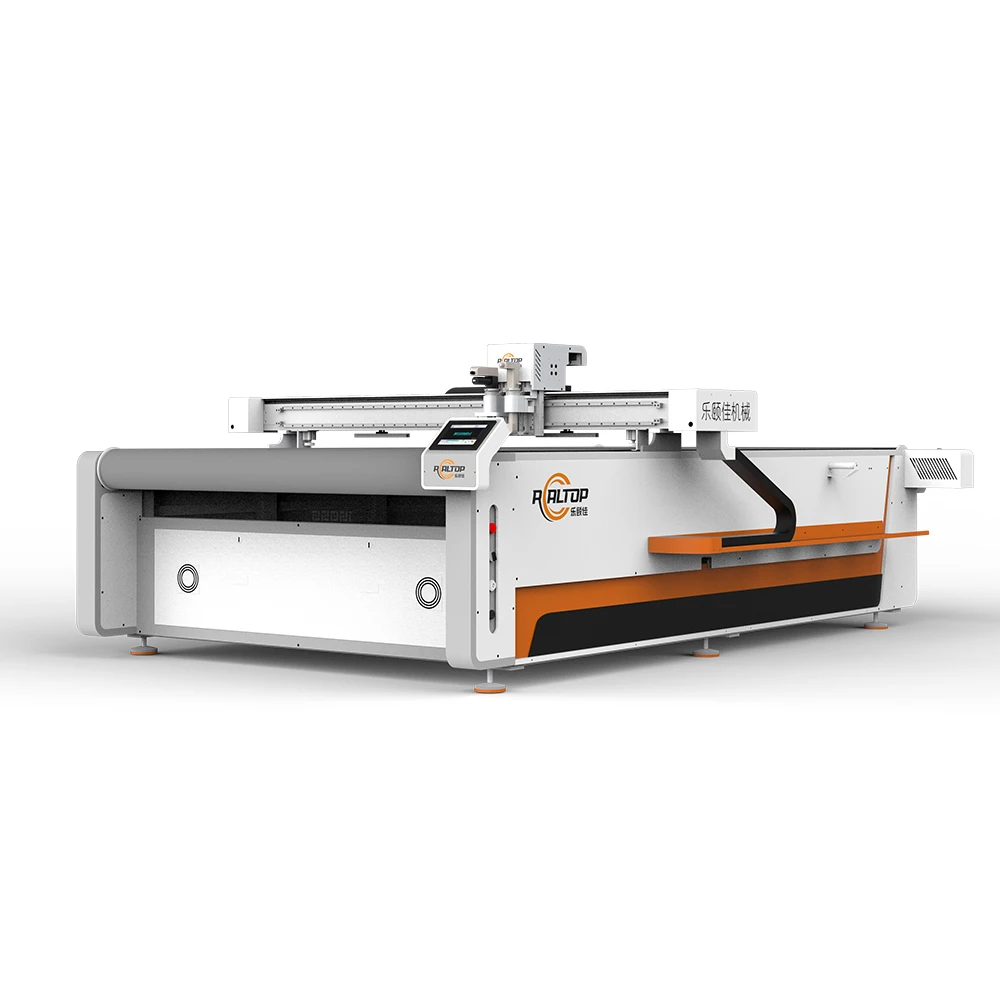
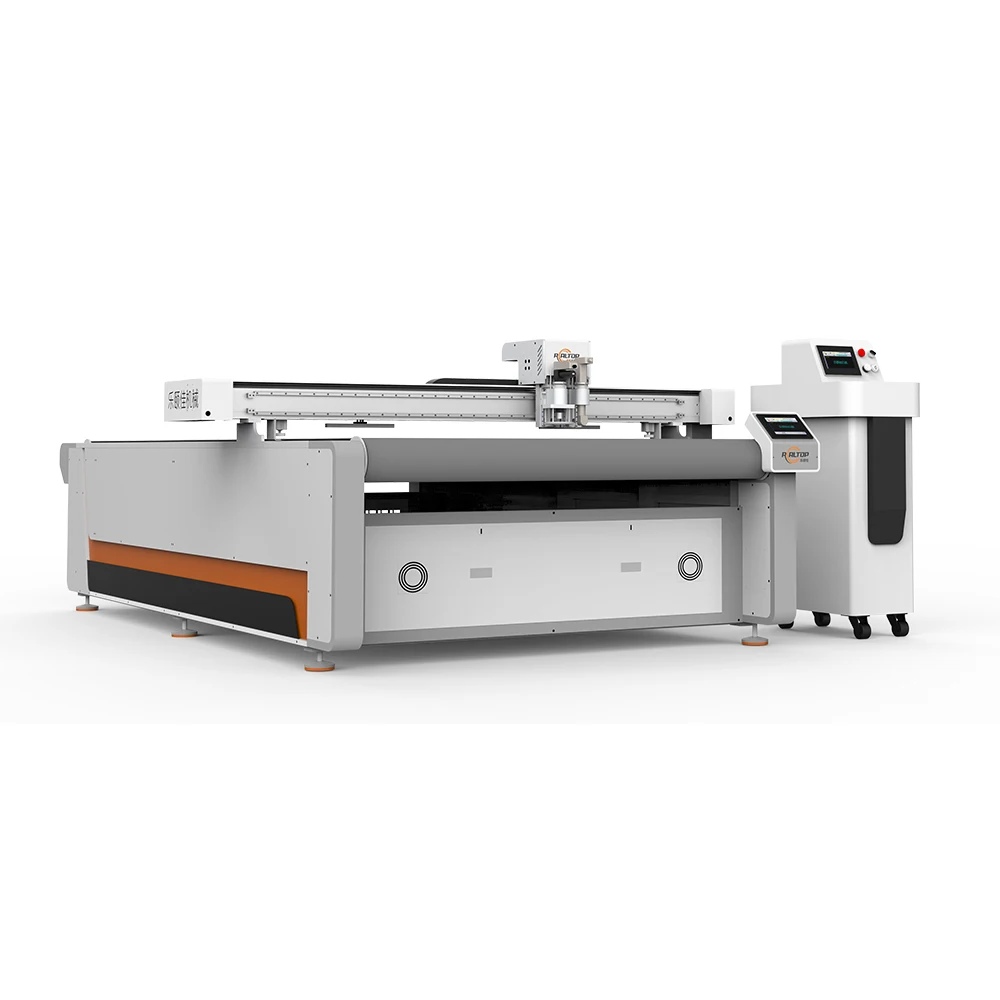
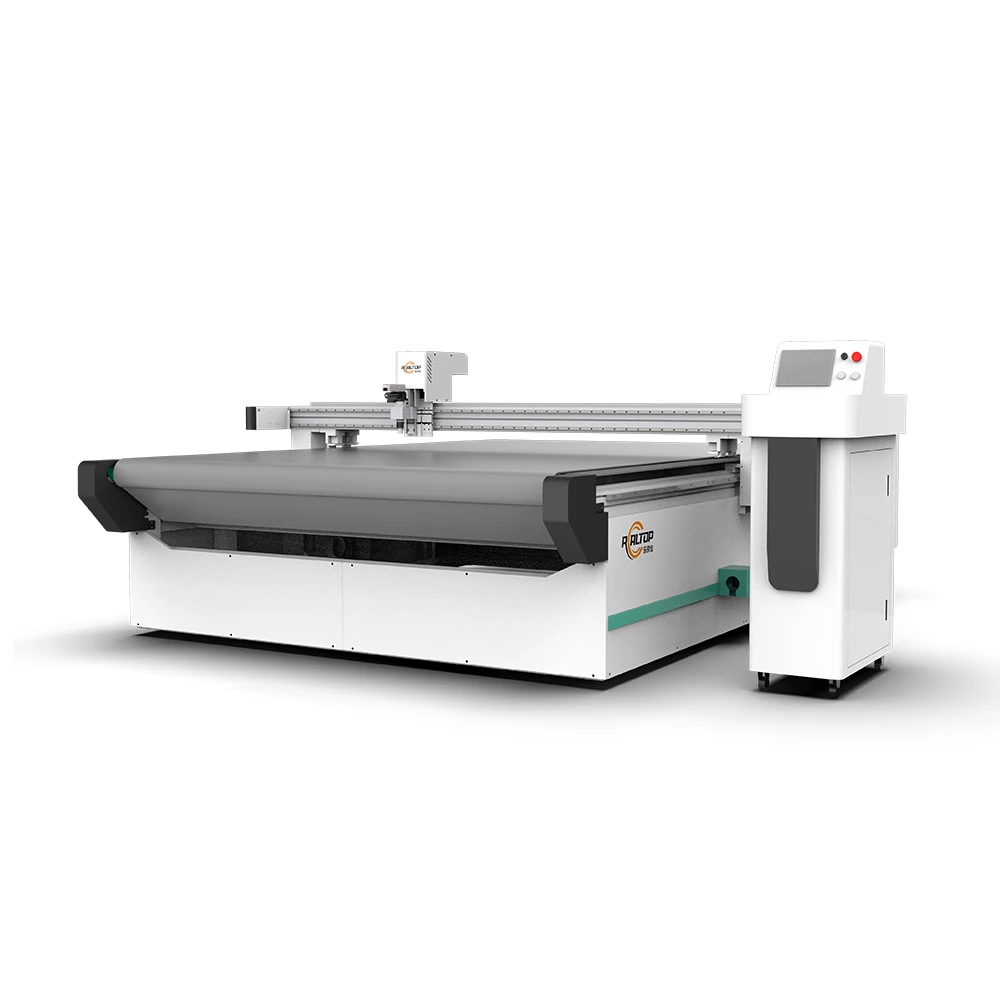
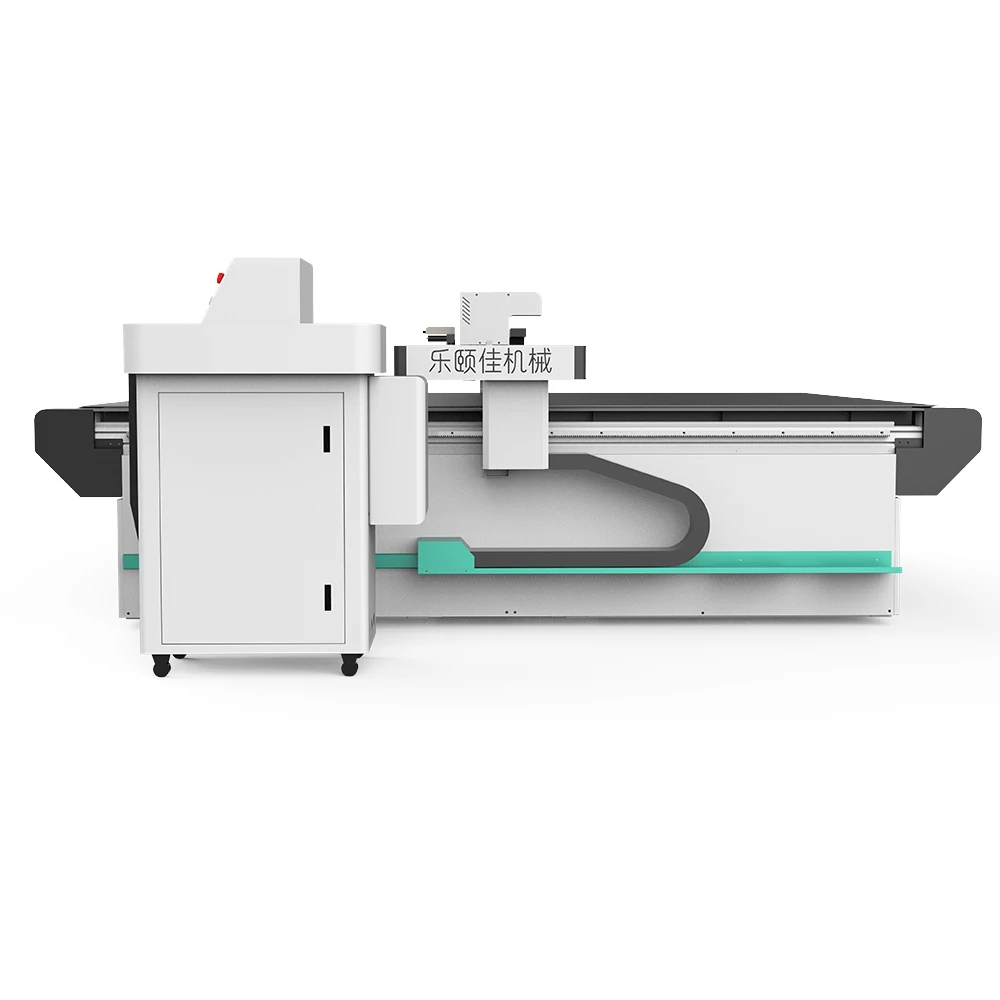
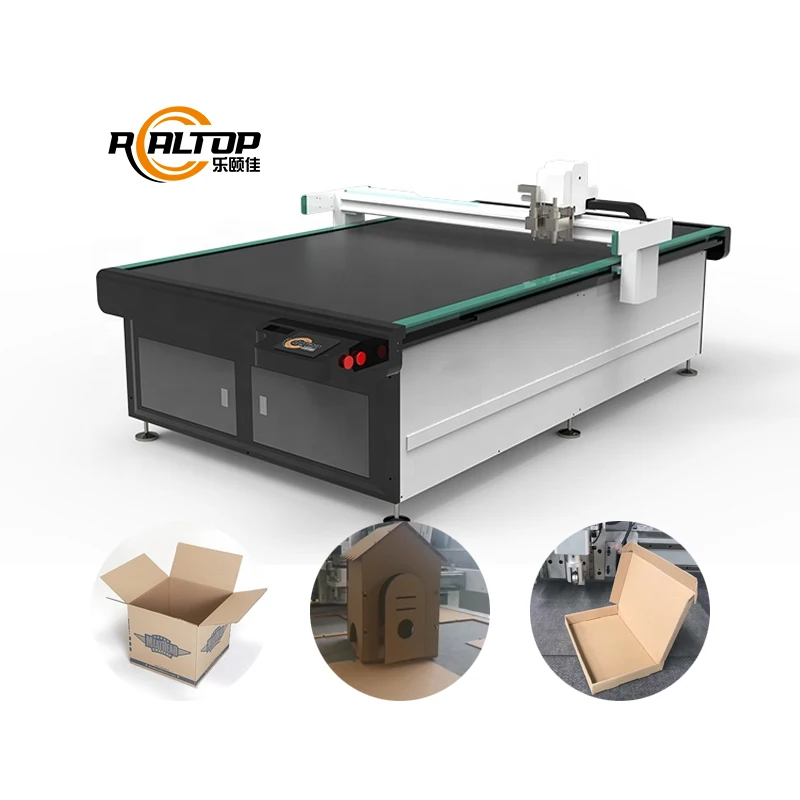
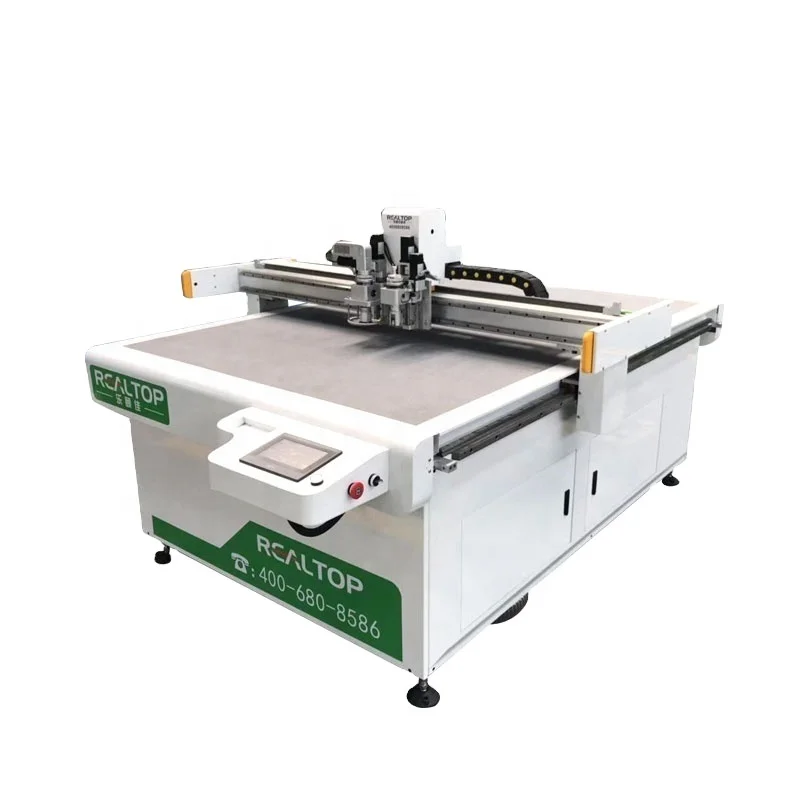
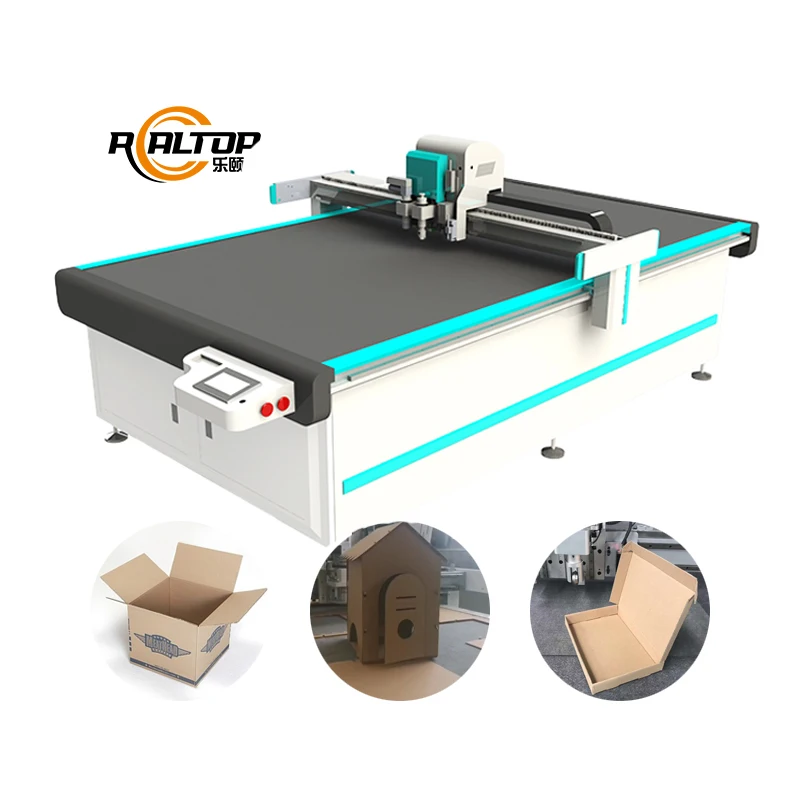
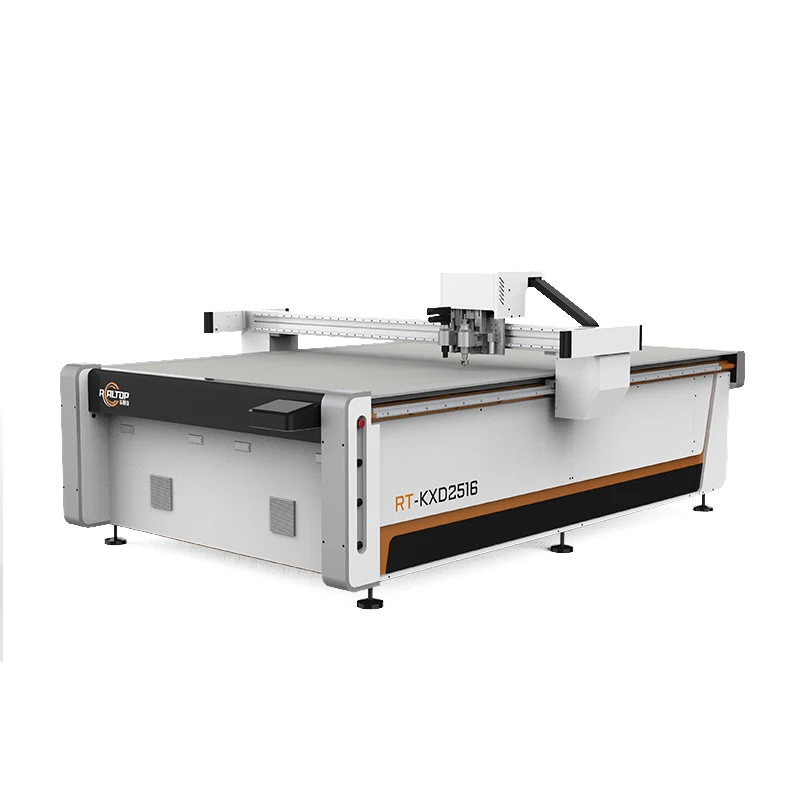
| Product Type | CNC Oscillating Knife Cutting Machine |
| Working Area | 1600 × 2500 mm |
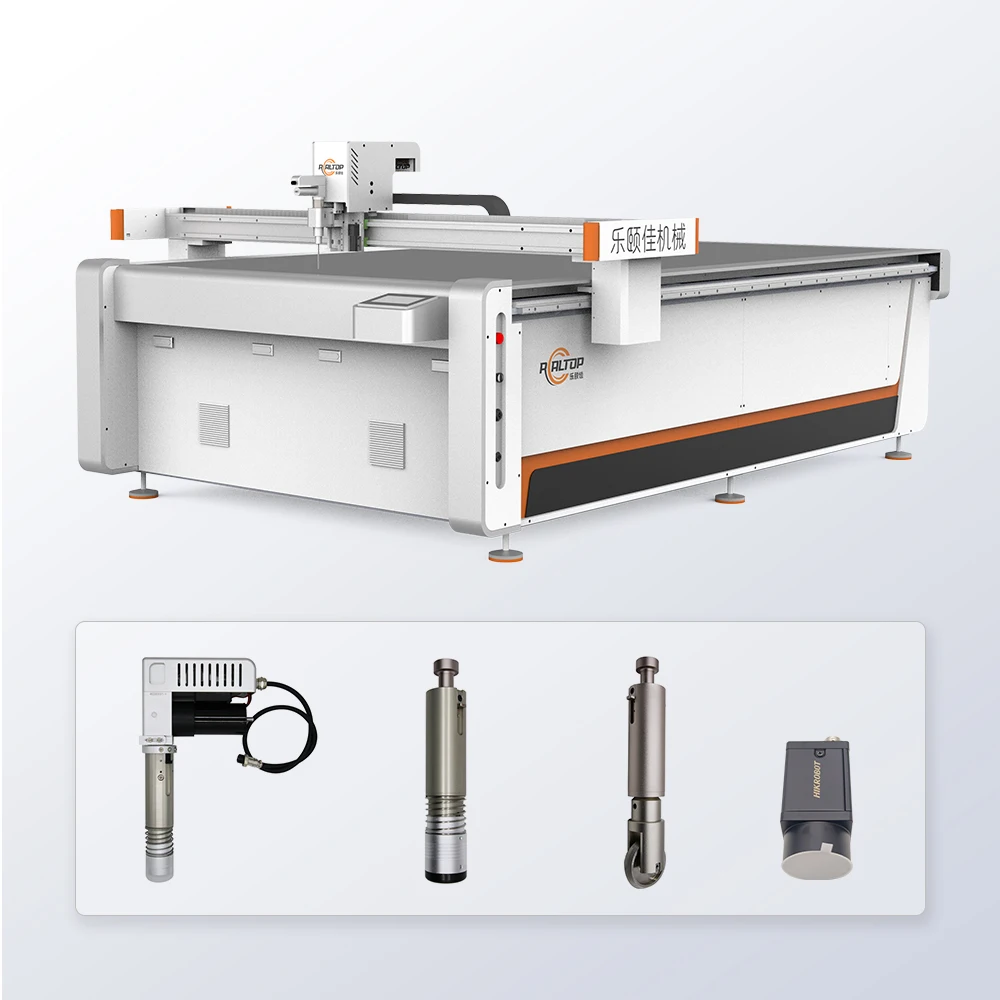
| Tool Head Options | Oscillating knife, Driven rotary knife, Creasing wheel, Kiss cutting tool, Pneumatic knife, Milling tool, V-groove knife |
| Cutting Speed | 0–2000 mm/s |
| Cutting Thickness | ≤ 30 mm |
| Cutting Accuracy | ±0.1 mm |
| Vacuum Pump | 9 kW |
| Vacuum Table | Aluminum bellows vacuum table |
| Control System | PLC control panel |
| Servo Motor Options | Panasonic, Delta, Dorna (rated or peak not specified in source) |
| Voltage Options | 110V, 220V, 380V |
| File Formats | PLT, DXF, AI, PDF |
| Safety Device | Infrared sensor and emergency stop |
| Machine Size | 3300 × 2100 × 1350 mm |
| Multi-layer Capacity | up to 30–50 mm thickness (basis not stated in source) |
| Certifications | CE (certificate number to be verified) |
Application Suitability
| Application | Material or Output |
|---|---|
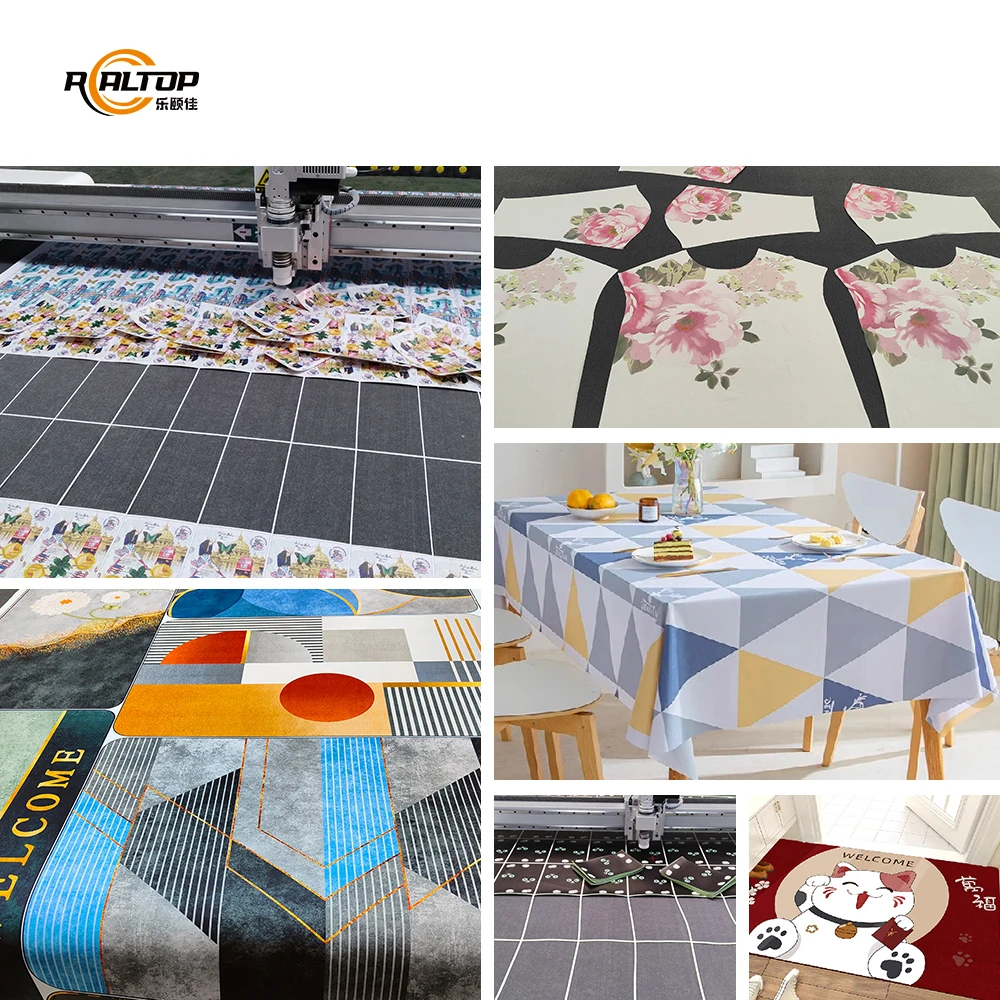
| Inflatable SUP board production | PVC drop-stitch fabric, reinforced double-layer cloth |
| Automotive interior trimming | Seat fabrics, carpets, PVC floor mats |
| Apparel and knitwear cutting | Suits, lace, complex woven and knitted textiles |
| Home textile manufacturing | Sofa upholstery, curtain panels, area rugs |
| Composite material processing | Carbon fiber prepreg, aramid fabric sheets |
Why a "1600×2500 Working Area" Is Not Enough to Specify a Cutter
The cutting area defines the footprint, not the capability — tool head selection, vacuum zoning, and blade stroke determine whether the machine actually processes your material.
I spent years on the assembly floor before moving to technical sales, and the most expensive mistakes I witnessed started with a purchase order that listed only table size. A buyer ordered a flatbed cutter for inflatable paddle board production, assuming the 1625 working area meant it could handle their double-layer drop-stitch fabric. When the machine arrived, the oscillating knife stroke was set for single-layer PVC, the vacuum zones were configured for large panels rather than narrow board strips, and the edges came out fused and delaminated. That entire first batch was scrapped [NEED_CITE: material compatibility failures in cold cutting of multi-layer technical textiles]. A CNC oscillating knife cutting machine factory that builds in-house can reconfigure the tooling, vacuum layout, and software nesting parameters before the machine ships, rather than asking the buyer to solve the problem on their own shop floor.
How Tool Head Selection Determines Edge Quality on Technical Textiles
Drop-stitch fabric used in inflatable SUP boards is fundamentally different from standard PVC tarpaulin. The internal yarn structure resists clean shearing, which means an oscillating knife must be tuned for stroke frequency and blade angle specific to that density. The 1625 platform supports interchangeable heads — oscillating knife, driven rotary knife, pneumatic knife — and the correct choice depends on the material’s tensile behavior, not just its thickness. A CNC oscillating knife cutting machine factory with in-house tool head design can match the cutting geometry to the buyer’s actual roll stock.
Vacuum Zoning and Small-Part Retention During Multi-Board Cutting
When a production run nests multiple board outlines across the 1600×2500 mm table, the perimeter zones often lose suction once the knife penetrates the fabric. The aluminum bellows vacuum table on this model provides full-surface adsorption, but the zoning must be configured for the specific board width and nesting layout. If a narrow SUP outline sits across a zone boundary, the trailing edge can lift mid-cut and produce a jagged profile [NEED_CITE: vacuum table zoning effects on narrow-part retention in flatbed cutting].
Reading the Specs That Actually Matter for SUP Board Producers
The 9 kW vacuum pump is sized to maintain suction across the full table area, but real holding force depends on how many zones are active and whether the fabric is porous enough to leak air. The ±0.1 mm cutting accuracy is achievable on rigid substrates; on flexible drop-stitch material, actual edge precision depends on vacuum hold-down and nesting software compensation. The PLC control panel supports multiple display languages, which matters when the operator’s first language is not English and a misread parameter can ruin a full sheet of expensive composite fabric. File format compatibility with PLT, DXF, AI, and PDF covers most board design workflows, but the nesting system’s ability to avoid material defects automatically should be verified against the buyer’s specific roll quality before commitment.
The Hidden Cost of Shipping Without a Material Sample Test
A machine configured for standard PVC will not automatically cut reinforced double-layer drop-stitch fabric correctly, and discovering this after delivery means the buyer absorbs the cost of return shipping, reconfiguration, and lost production time. In my experience, the failures that reach after-sales support almost always trace back to a specification conversation that never happened — the buyer assumed the tool head was universal, and the seller assumed the material was standard [NEED_CITE: post-delivery reconfiguration costs in industrial cutting equipment]. Requesting a sample cut on the buyer’s own roll stock before the order is finalized eliminates this class of failure entirely.
Why Source This Machine from the Factory That Designs It
The frame, motion system, and tool head are engineered under one roof, which means a change to the vacuum table zoning does not require coordination with a third-party integrator. Electrical schematics and voltage configurations are confirmed against the buyer’s local grid before production starts, not discovered at the container terminal. The factory test record documents actual cutting performance on the specified material, not a generic bench test. Servo motor selection from Panasonic, Delta, or Dorna is matched to the buyer’s duty cycle and maintenance capability. OEM branding and interface customization are available for distributors who need a consistent product line without managing multiple upstream suppliers.
Documentation & Verification
- Sample cutting report generated on buyer’s own drop-stitch or technical fabric before order confirmation
- Electrical schematic confirming voltage, plug type, and circuit requirements for the destination country
- Tool head and vacuum zone configuration list matched to the specified material thickness and nesting pattern
- Factory test record with measured cutting accuracy and edge quality photographs
- Software license and file format compatibility note covering PLT, DXF, AI, and PDF workflows
- CE declaration documentation with applicable machinery directive references
Installation, Commissioning & Support
- The 3300 × 2100 × 1350 mm machine footprint requires a level concrete floor with clearance for material loading on at least two sides
- The 9 kW vacuum pump and servo system may require a dedicated circuit; confirm local amperage and breaker rating before connection
- PLC control panel language is set during factory configuration — verify the operator language before the machine ships
- First-article cutting test on production material should be run before committing to full batch output
- Oscillating knife blades and vacuum table seals are wear items; confirm spare part quantities with the initial order
- Monthly vacuum pump filter inspection and linear guide lubrication maintain cutting accuracy over the machine’s service life
Before You Request a Quote
Tell us the exact material — not just "PVC" but whether it is single-layer tarpaulin, double-layer drop-stitch, or a reinforced composite with woven scrim. Provide the maximum board width and the number of boards you need to nest per cycle. Confirm your workshop voltage, frequency, and the language your operators read on a control screen. If you have an existing nesting software workflow, share a sample file so we can verify compatibility before any commitment is made.
Frequently Asked Questions
Q: How does REALTOP specify the correct tool head and vacuum zoning for my inflatable SUP board material?
A: We request a sample of your actual roll stock — including the specific drop-stitch density and surface coating — and run a cutting test with multiple tool head options. The vacuum zone layout is then configured for your board width and nesting pattern, and the results are documented in a sample cutting report before the order is finalized.
Q: What voltage, plug, and control language options are confirmed before shipment?
A: The 1625 platform supports 110V, 220V, and 380V configurations. We issue an electrical schematic confirming the exact voltage, plug type, and circuit requirements for your facility. The PLC control panel language — English, Russian, Italian, Chinese, or a custom option — is locked in during production, not adjusted after delivery.
Q: Can I visit the factory or request a sample cut on my own material before ordering?
A: Both are standard practice. You can visit the production floor to inspect frame construction, motion components, and assembly quality. If travel is not practical, ship us a roll sample and we will return a cutting report with edge quality photographs, measured accuracy, and the specific tool head and vacuum configuration recommended for your material.
Q: What is the OEM and customization range for distributors and importers?
A: Distributors can specify branded control panel interfaces, custom machine color, and documentation in the destination market’s language. The tool head configuration, vacuum table layout, and software nesting parameters are all adjustable per the distributor’s target customer base, with full technical documentation provided under the distributor’s brand.
Q: How are frame build quality and motion components inspected during production?
A: The heavy-duty frame is precision-ground for flatness before the linear guides and servo motors are mounted. Each axis is tested for positional accuracy under load, and the final factory test record documents cutting performance on a specified material at the configured speed and thickness before the machine is released for packing.
You may also like

商品评价
Clear filtersThere are no reviews yet.