


-
 Courier delivery
-
 DHL Courier delivery
-
 Warranty 1 year
-
 Free 30-Day returns

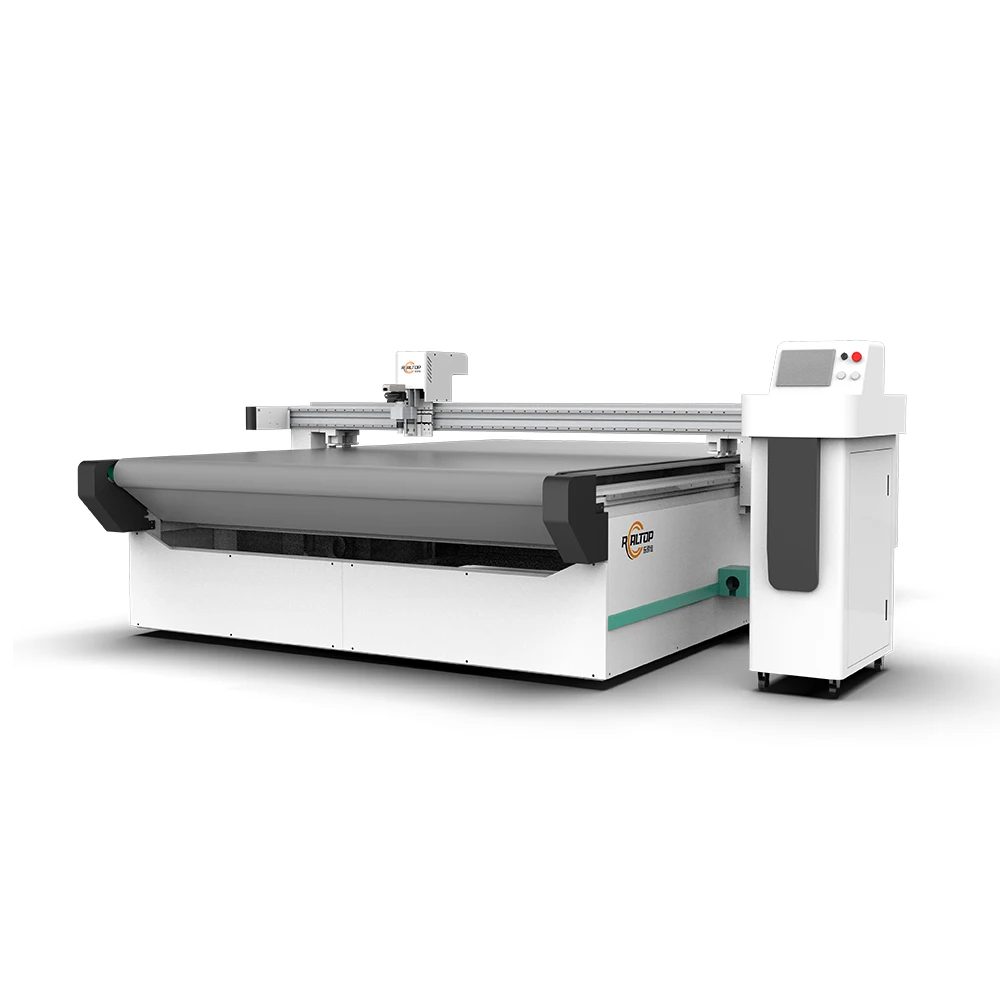
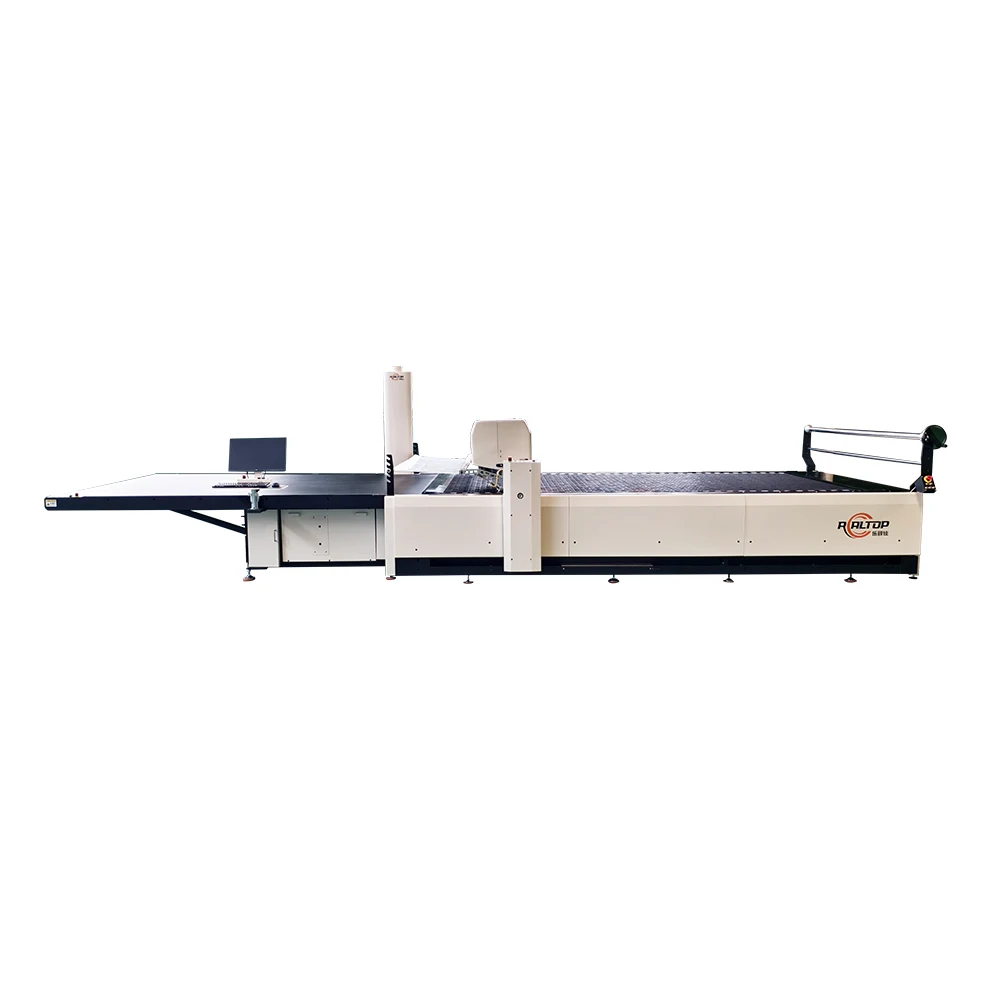
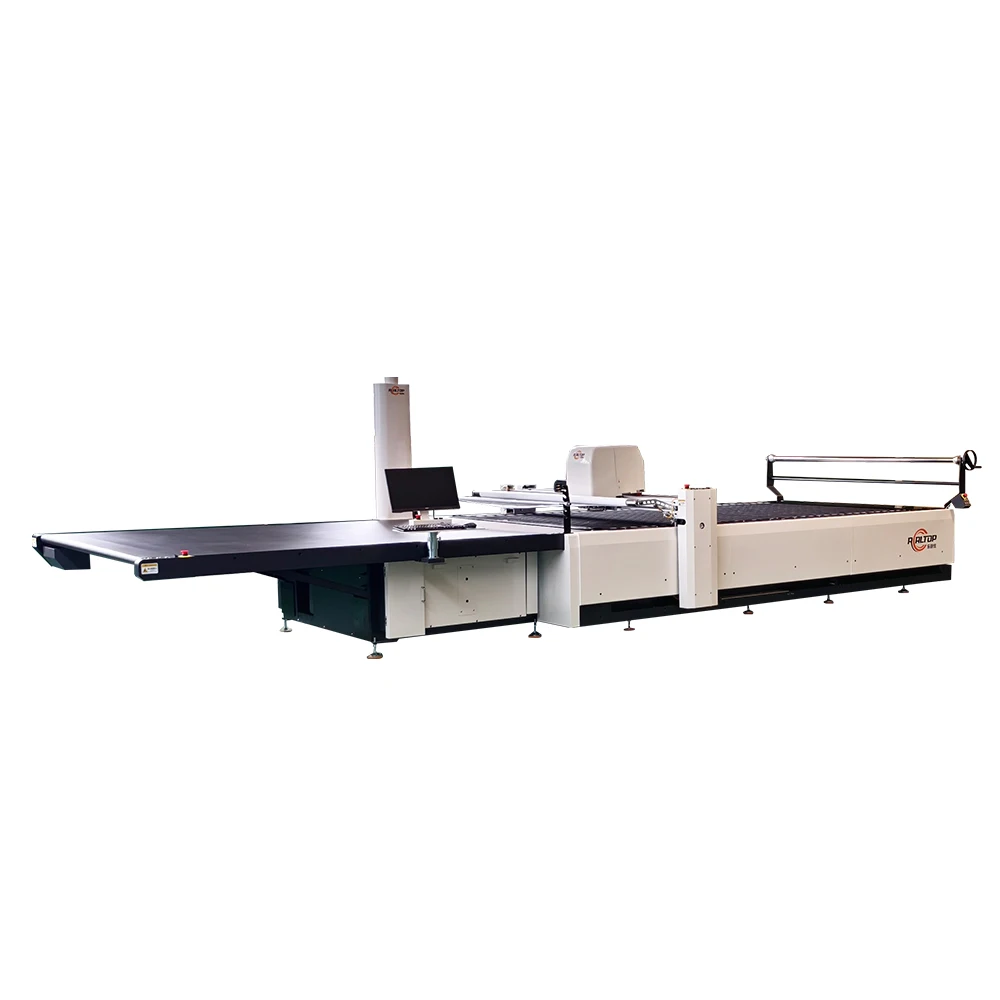
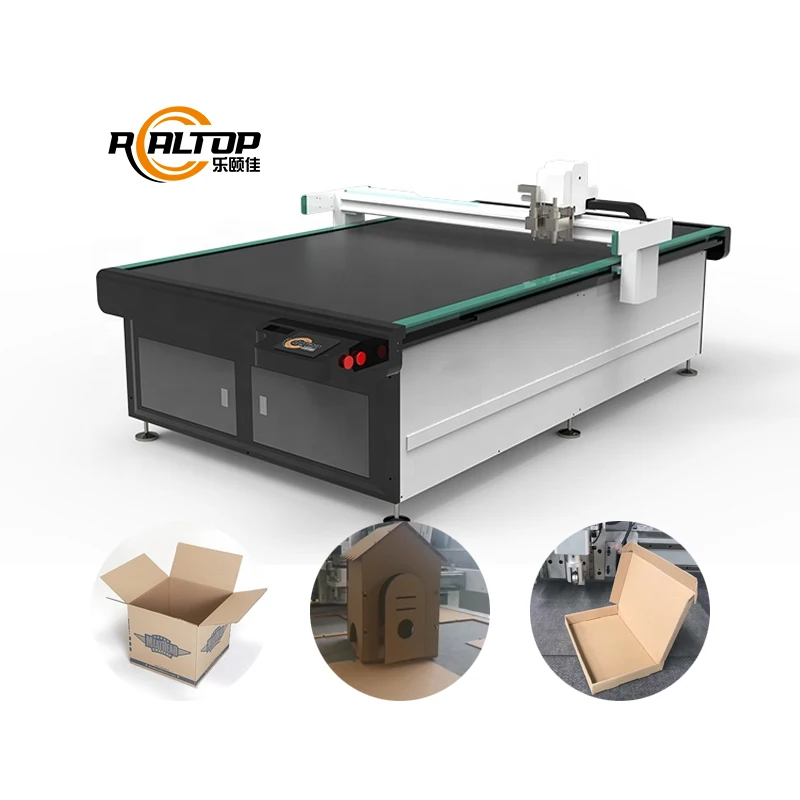
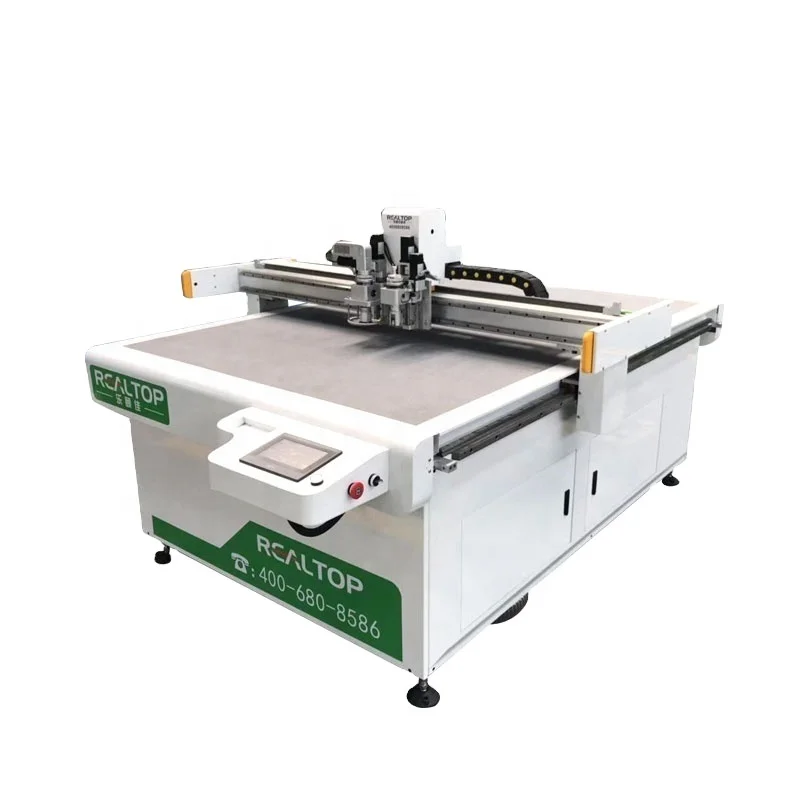
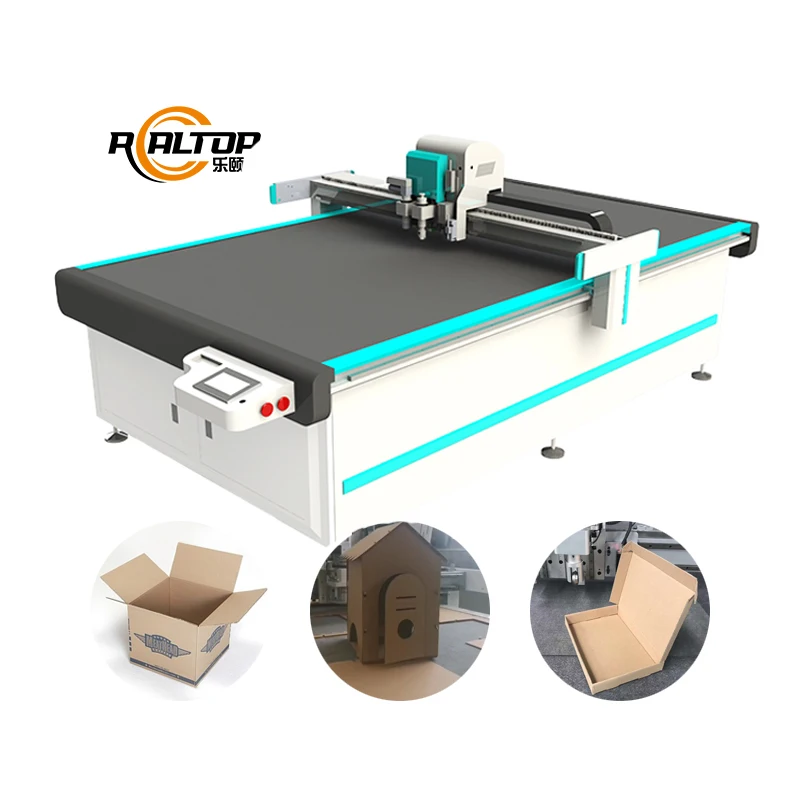
Factory-Direct Configuration — Every CNC flatbed cutting system is designed and produced in-house, matching tool head and vacuum table to your material rather than adapting a standard build.
Technical Specifications
| Parameter | Value |
|---|---|
| Product Type | CNC Oscillating Knife Cutting Machine |
| Working Area | 1600×2500 mm |
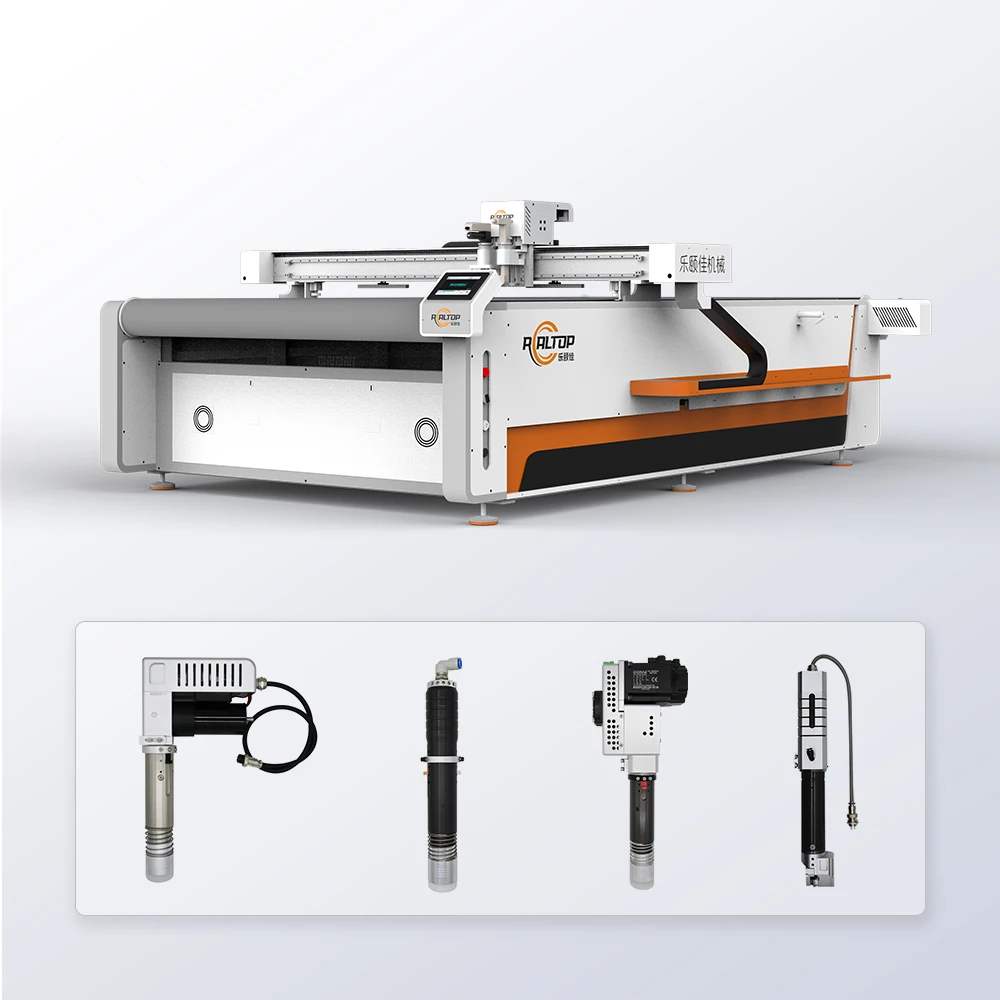
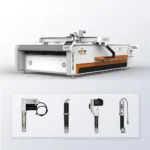
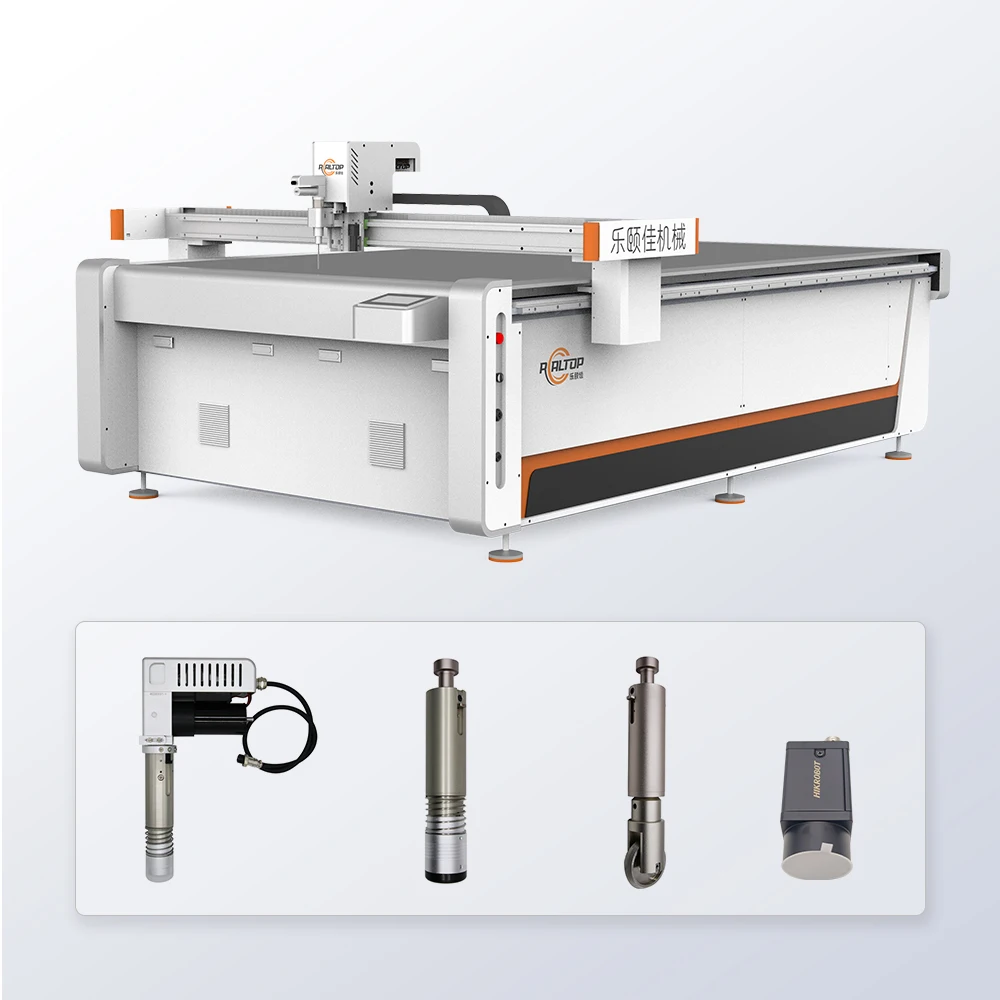
| Tool Head Options | Oscillating knife, Driven rotary knife, Creasing wheel, Kiss cutting tool, Pneumatic knife, Milling tool, V groove knife |
| Cutting Speed | 0–2000 mm/s (basis not stated in source — confirm material and thickness) |
| Cutting Thickness | ≤ 30 mm (basis not stated in source — confirm specific material) |
| Cutting Accuracy | ±0.1 mm |
| Repeat Positioning Accuracy | ±0.1 mm |
| Vacuum Pump | 9 kW |
| Vacuum Table | Aluminum bellows vacuum table |
| Control System | PLC control panel |
| Servo Drive Options | Panasonic, Delta, Dorna (rated or peak not specified in source) |
| Voltage | 110V / 220V / 380V (frequency not specified in source) |
| File Formats | PLT, DXF, AI, PDF |
| Safety Device | Infrared sensor device and emergency stop device |
| Machine Size | 3300×2100×1350 mm |
| Language Options | English, Russian, Italian, Chinese (custom languages available) |
| Certification | CE declared |
Application Suitability
| Application | Material or Output |
|---|---|
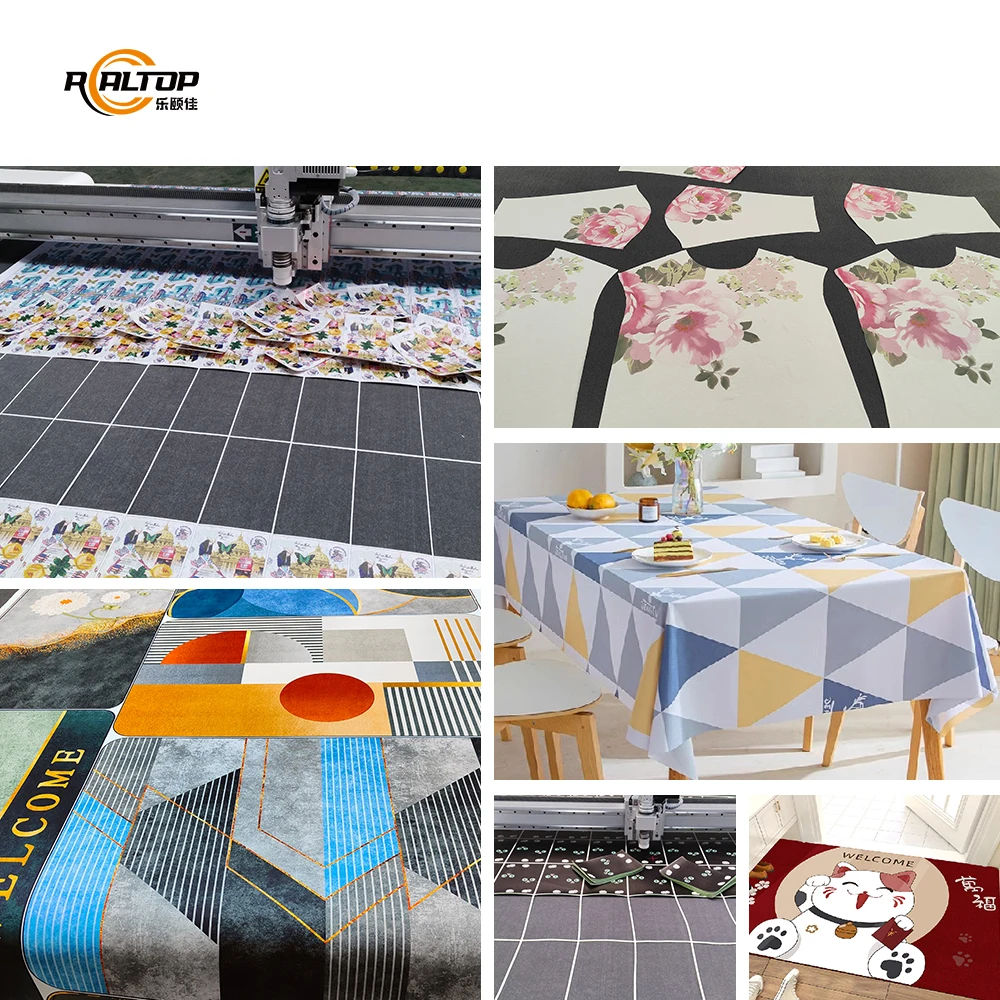
| Apparel manufacturing | Suits, knitwear, lace, complex fabrics requiring clean cold-cut edges |
| Automotive interiors | Seat fabrics, carpets, PVC mats cut to burr-free tolerances |
| Home textiles | Sofa fabrics, curtains, rugs, multi-layer cutting with minimal fraying |
| Composite material processing | Carbon fiber prepreg, aramid, specialty materials without delamination |
| General non-metal fabrication | Cardboard, carton, mats, PVC, EVA, leather, acrylic, foam, PTFE, rubber |
Why Material Thickness Exposed After Delivery Means You Asked the Wrong Questions First
A CNC oscillating knife cutting machine manufacturer must confirm real cutting depth on your actual material — not quote a blanket maximum.
Too many buyers discover after shipment that the machine struggles at the thickness they need daily. The cutting speed figure drops when material density rises, and the vacuum hold-down loses grip on porous composites. I have watched production managers stand in front of a running bed wondering why the edges on their carbon fiber prepreg are fraying, only to find the oscillation frequency was set for standard PVC during the factory test [NEED_CITE: material-specific oscillation frequency requirements for composite cutting].
Interchangeable Tool Head System Built Around the Material, Not the Catalog
This platform supports seven distinct tool head types: oscillating knife, driven rotary knife, creasing wheel, kiss cutting tool, pneumatic knife, milling tool, and V groove knife. Rather than forcing a single cutting method across every job, the configuration starts with the buyer’s material profile — fiber type, thickness range, edge quality requirement — and selects the head accordingly. A CNC oscillating knife cutting machine manufacturer that offers interchangeable heads reduces the chance of crushed foam or ragged fabric edges caused by the wrong blade geometry.
Vacuum Table Design and Flatness Across the Full Working Envelope
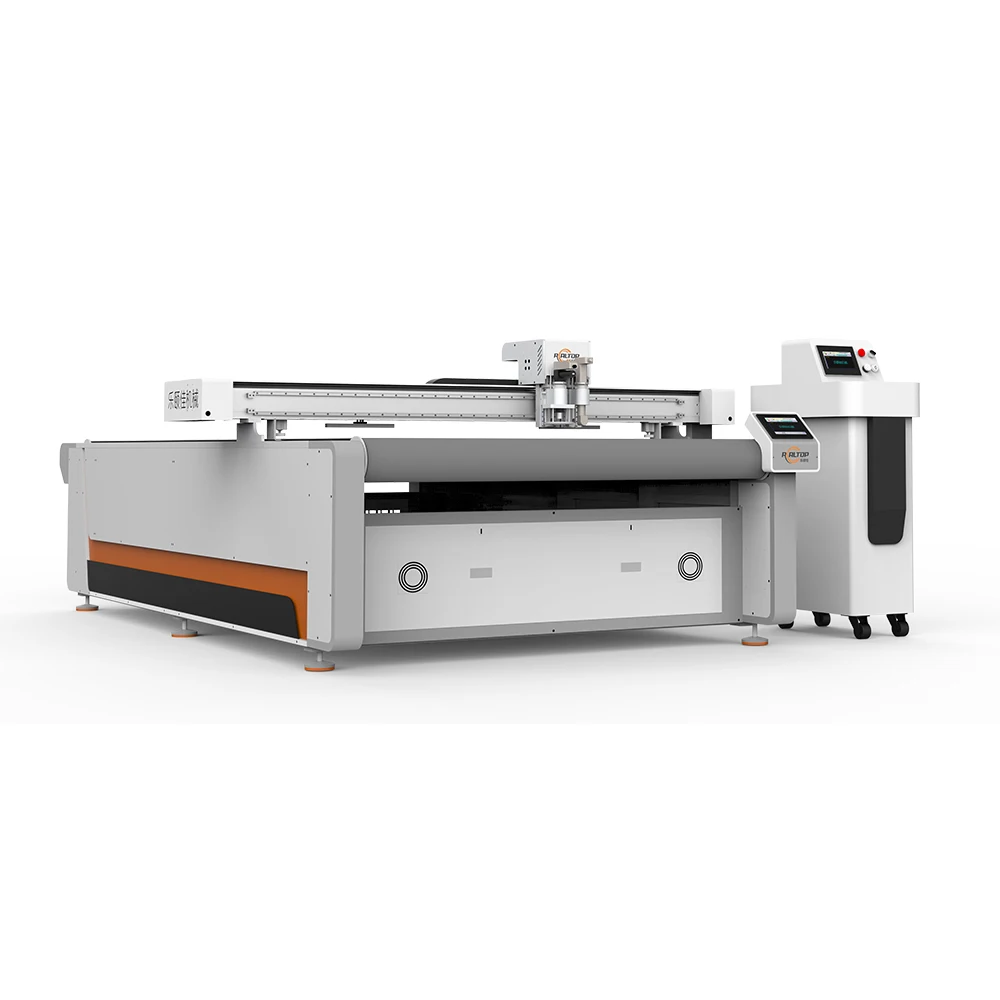
The aluminum bellows vacuum table paired with a 9 kW pump delivers full-surface adsorption across the 1600×2500 mm area. Aluminum bellows construction maintains flatness under repeated loading cycles, which matters when cutting multiple plies of prepreg or layered textiles where even minor surface deviation causes material shift. The table zoning allows isolation of active sections, so small-pattern nesting does not lose suction at the perimeter [NEED_CITE: vacuum table zoning standards for small-part digital cutting].
Reading the Specifications That Actually Matter on the Shop Floor
Cutting accuracy and repeat positioning accuracy both sit at ±0.1 mm, which determines whether nested garment panels align after cutting and whether automotive seat covers meet assembly tolerances without manual trimming. The servo drive selection — available from Panasonic, Delta, or Dorna — affects axis response during direction changes, and that response directly influences corner quality on intricate lace patterns. The PLC control panel handles file import in PLT, DXF, AI, and PDF formats, meaning most existing design workflows connect without intermediate conversion steps. Voltage options span 110V, 220V, and 380V, but frequency must be confirmed against the destination grid before the electrical cabinet is wired.
The Hidden Cost of Skipping the Sample Cut Step
When a machine leaves the factory tested only on generic PVC or cardboard, the buyer inherits all the parameter tuning work. Prepreg resins have different tack levels than test materials, and adhesive buildup on the blade changes cutting behavior within the first hour. I once configured a vibrating knife system for carbon fiber prepreg but ran the sample test on standard PVC without recalibrating knife pressure and spindle speed — the actual material stuck to the blade and tore at the edges, shutting down the customer’s line until I flew in to re-tune the parameters. That is why every configuration here requires a sample cut on the buyer’s own material before commitment [NEED_CITE: resin tack variation effects on oscillating knife blade performance].
Why Sourcing This Machine Directly from the Build Floor Changes the Conversation
The design team and production floor operate in the same facility, so a tool head change requested during configuration review does not require a third-party supplier negotiation. Both knife and laser cutting technologies are developed in-house, meaning the buyer can evaluate whether oscillating knife or CO2 laser better suits a specific material rather than being pushed toward whichever technology a reseller stocks. Voltage, plug type, and control language are confirmed before the electrical cabinet is assembled, not discovered mismatched at the destination port. Software compatibility with the buyer’s nesting workflow is verified during the sample phase, and the machine specification sheet, electrical schematic, and tool head configuration list are issued as part of the order documentation, not requested afterward.
Documentation & Verification
- Machine specification sheet listing confirmed tool head and table configuration per material
- Electrical schematic and voltage confirmation matched to destination grid frequency
- Sample cutting report produced on buyer’s own material with edge quality documentation
- Factory test record covering full working area travel and vacuum hold-down verification
- Software licence and file format compatibility note for PLT, DXF, AI, PDF workflows
- CE declaration accompanying shipment documentation where applicable
Installation, Commissioning & Support
- 3300×2100×1350 mm footprint requires level concrete floor with clearance for material loading on all sides
- 9 kW vacuum pump demands a dedicated circuit separate from the PLC and servo drive power supply
- Machine ships with tool head and table pre-assembled; final leveling and axis calibration completed on-site
- Voltage confirmation at 110V, 220V, or 380V verified before cabinet wiring to avoid transformer retrofit
- Operator training covers tool head changeover, vacuum zoning adjustment, and file import from existing nesting software
- Spare parts list provided covering blades, knife holders, and vacuum seals specific to configured tool head type
What to Include in Your First Inquiry
Send the specific material type, thickness range, and sheet dimensions you plan to process daily, along with your local voltage and frequency standard. Confirm which file format your current design or nesting software exports so compatibility is verified before build. If you are cutting composites or tacky prepregs, provide a sample roll so the tool head and oscillation parameters are set on real material rather than generic test stock.
Frequently Asked Questions
Q: How is tool head and cutting configuration matched to my specific material and thickness?
A: The process begins with your material type, thickness, and edge quality requirement. From seven available tool heads — including oscillating knife, driven rotary knife, and pneumatic knife — the configuration is selected and tested on your actual material sample before the machine enters production. Knife pressure, oscillation frequency, and cutting speed are all recorded in the sample cutting report.
Q: What voltage, plug type and control language are confirmed before shipment?
A: Voltage options include 110V, 220V, and 380V, but frequency must match your local grid. Plug type and control panel language — available in English, Russian, Italian, Chinese, or custom languages — are confirmed during the specification review stage, before the electrical cabinet is assembled, so no on-site rewiring or interface translation is needed.
Q: Can I send my own material for a sample cutting test before placing an order?
A: Yes. Sending your actual production material is required, not optional. The sample cut tests real cutting depth, edge quality, and vacuum hold-down under production-relevant conditions. A sample cutting report documenting the results accompanies the quotation so you can evaluate performance before committing.
Q: How does the vacuum table zoning handle small parts to prevent material lift during cutting?
A: The aluminum bellows vacuum table with the 9 kW pump allows section isolation, so suction concentrates on the active cutting zone rather than dissipating across the full 1600×2500 mm area. This zoning keeps small nested parts — such as garment panels or gasket shapes — flat and secure even at high oscillation speeds.
Q: What documentation is provided with the machine before and after shipment?
A: Documentation includes a machine specification sheet, electrical schematic with confirmed voltage, tool head and table configuration list, sample cutting report, software licence and file format compatibility note, spare parts list, and CE declaration where applicable. Factory test records and operation manuals ship with the machine.
You may also like

商品评价
Clear filtersThere are no reviews yet.