



-
 Courier delivery
-
 DHL Courier delivery
-
 Warranty 1 year
-
 Free 30-Day returns

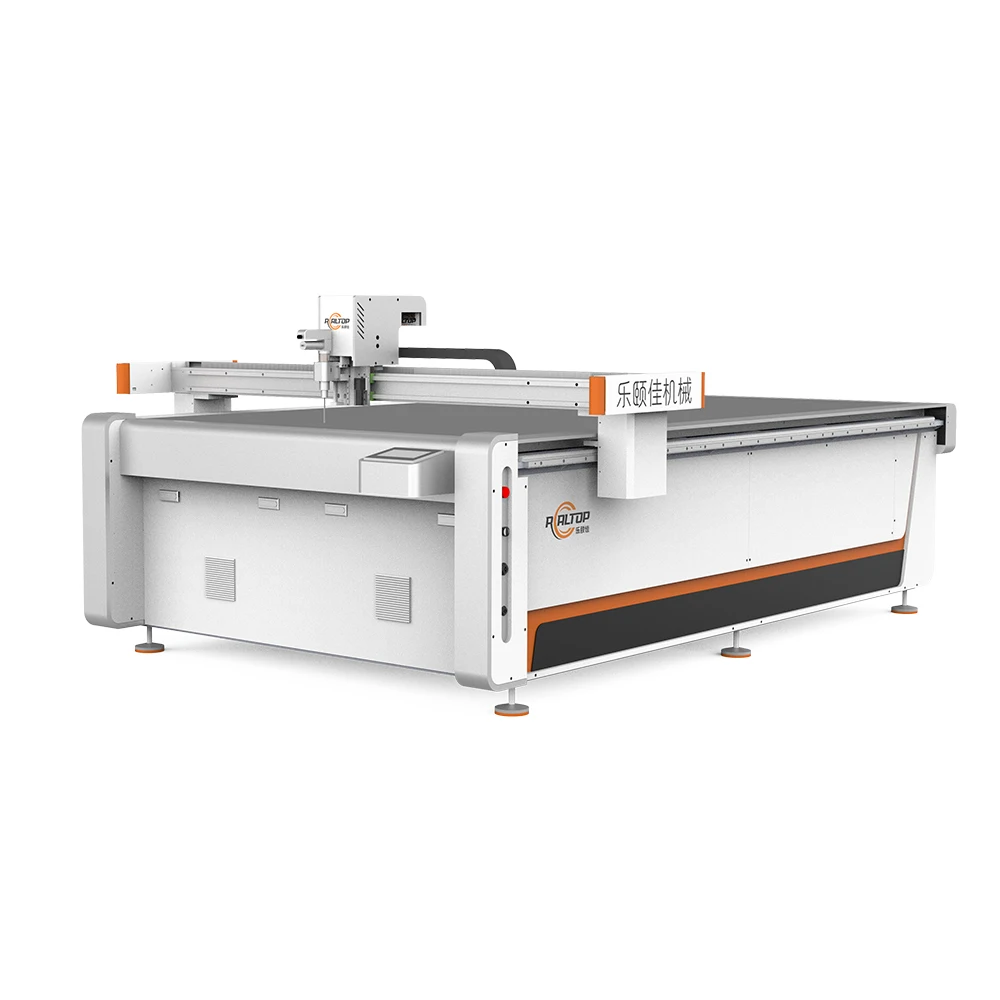
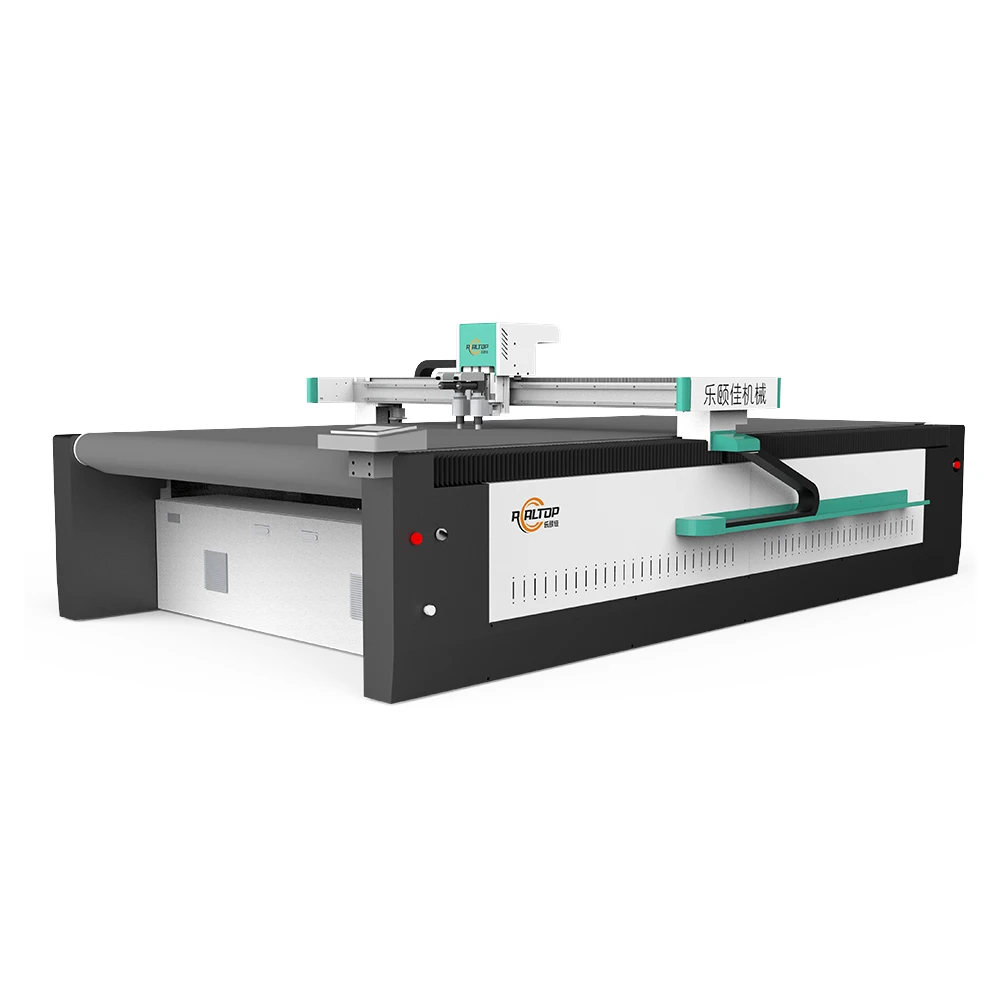
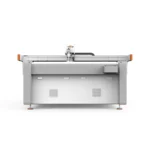
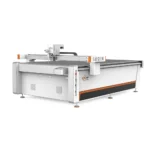
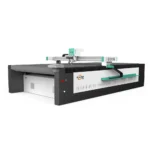
In-House Factory Build — The 1625 platform is designed and assembled under one roof in Jinan, with motion components, frame welding and tool head calibration all controlled internally rather than outsourced to third-party integrators.
Technical Specifications
| Parameter | Value |
|---|---|
| Model | 1625 |
| Product Type | CNC Oscillating Knife Cutting Machine |
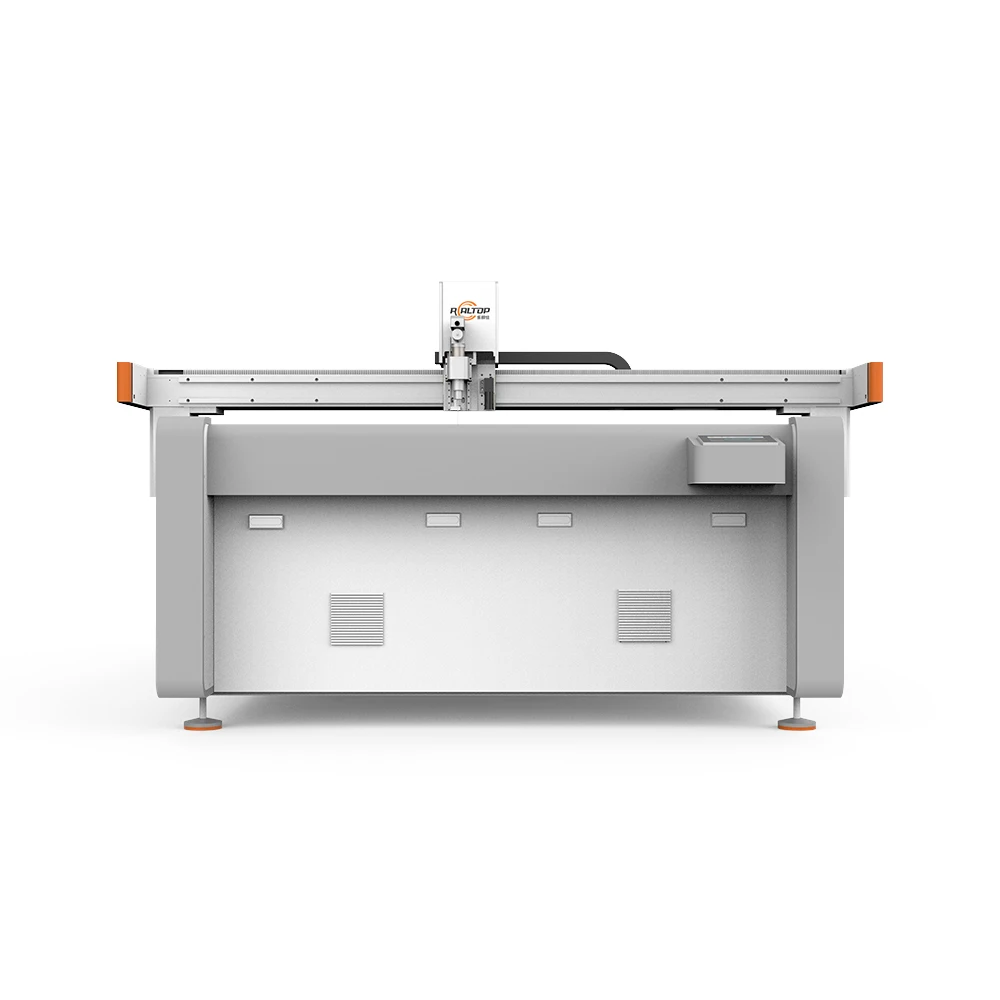
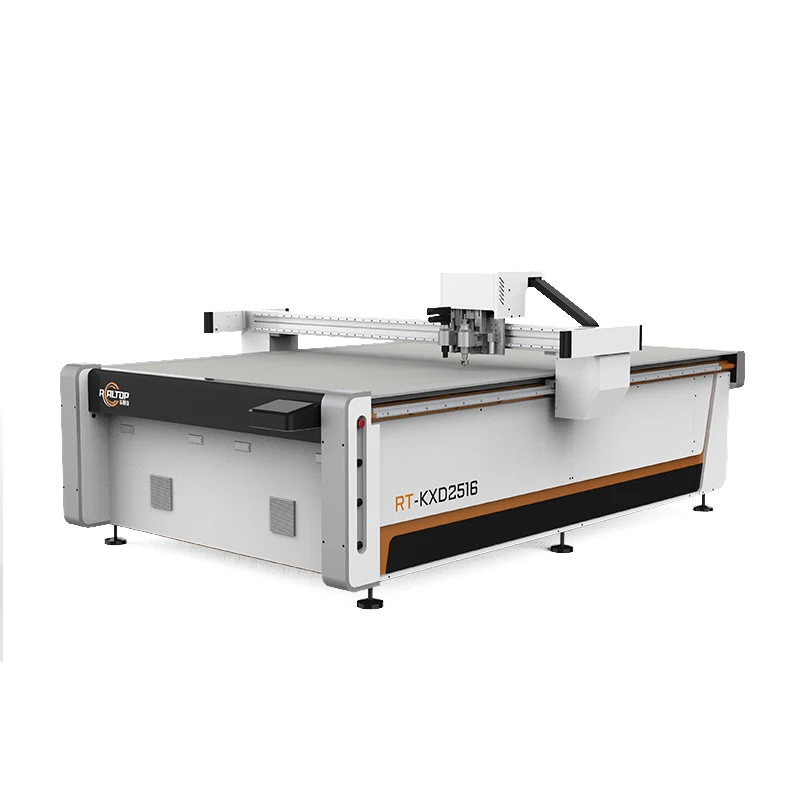
| Working Area | 1600×2500 mm |
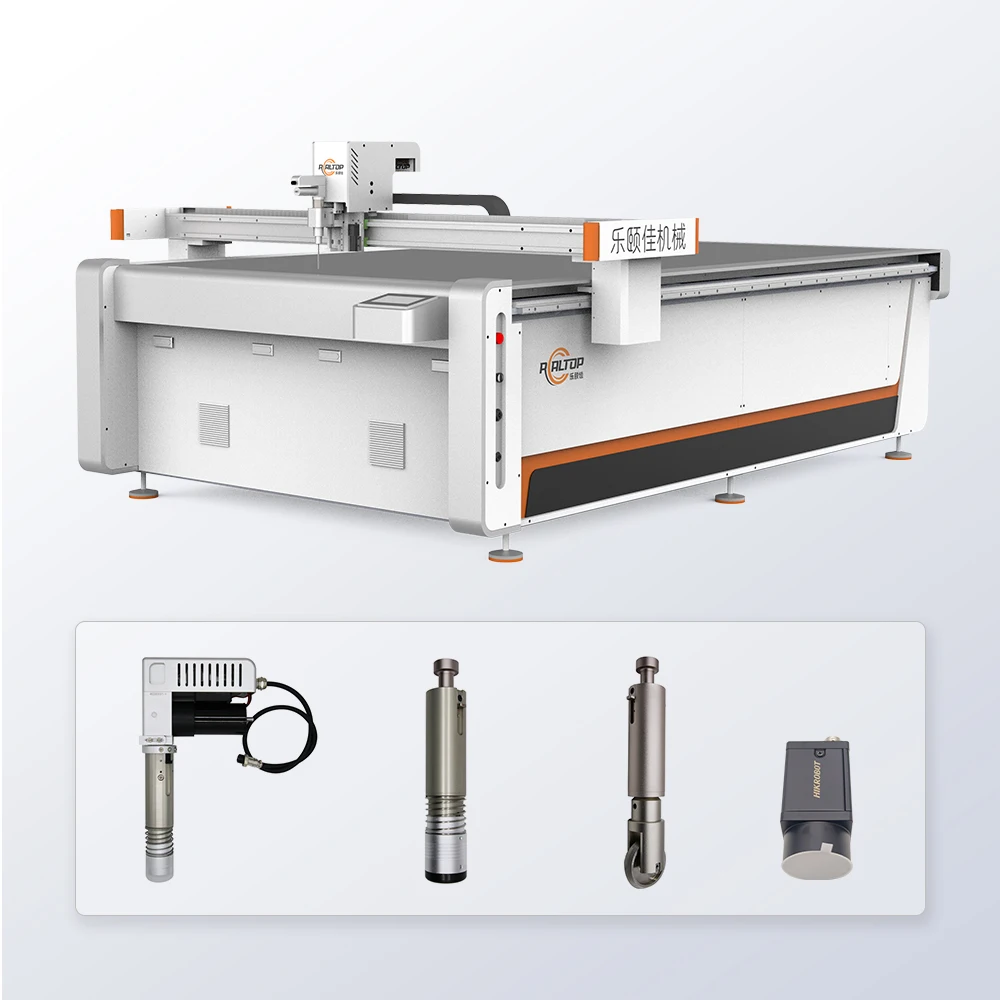
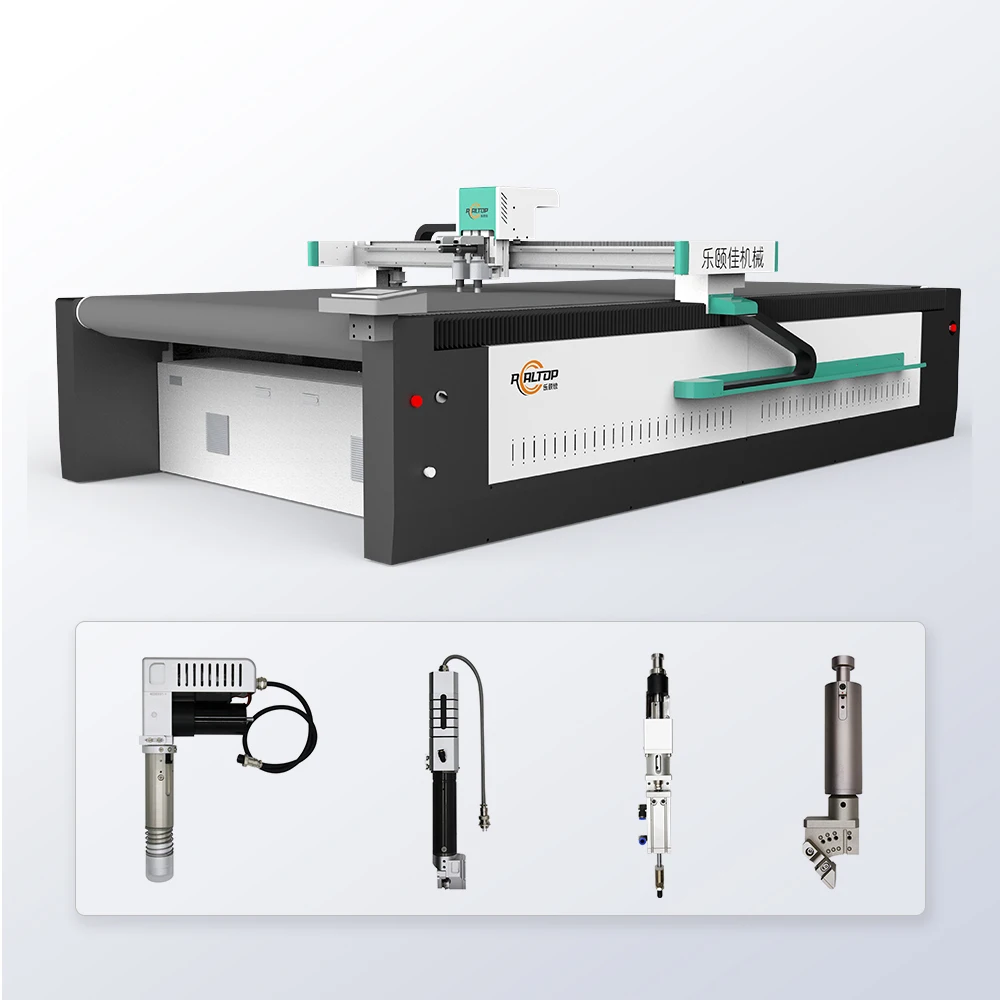
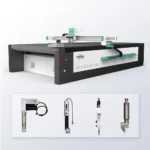
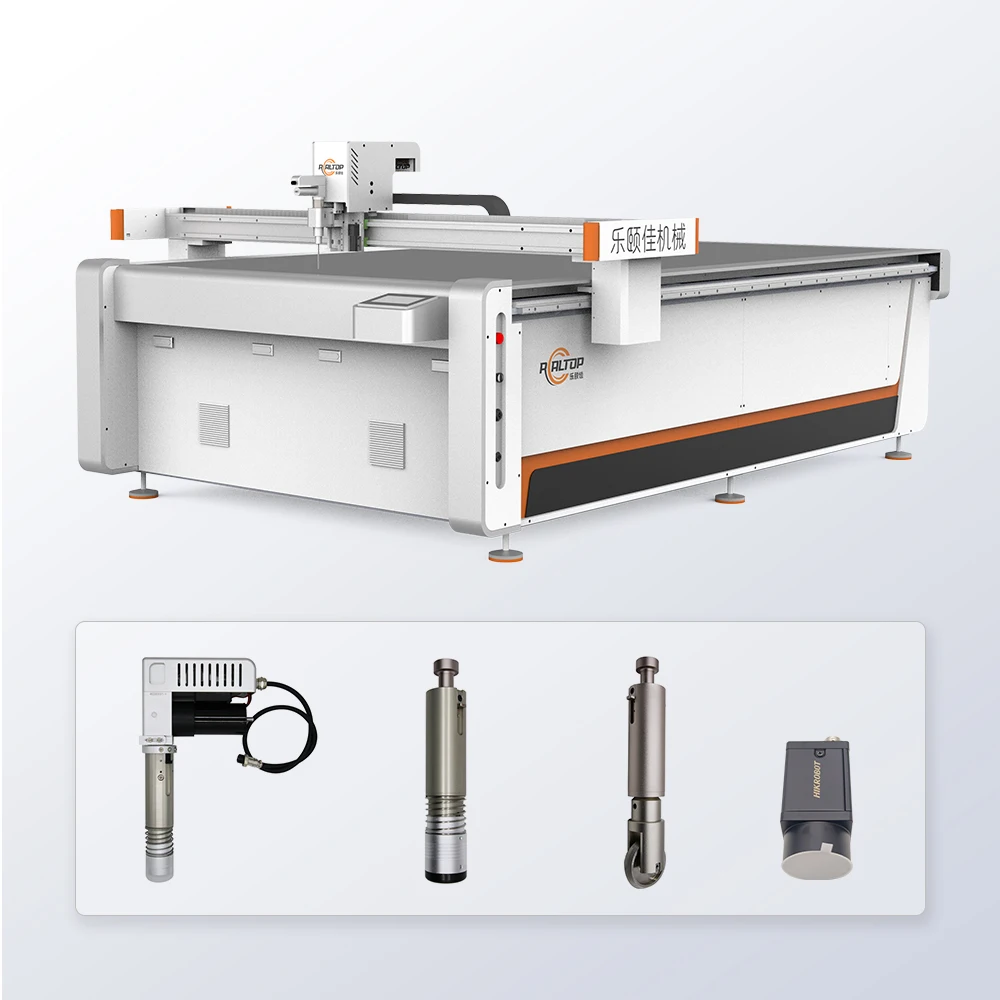
| Tool Head Options | Oscillating knife, Driven rotary knife, Creasing wheel, Kiss cutting tool, Pneumatic knife, Milling tool, V groove knife |
| Cutting Speed | 0–2000 mm/s |
| Cutting Thickness | ≤ 30 mm |
| Cutting Accuracy | ±0.1 mm |
| Vacuum Pump | 9 kW |
| Vacuum Table | Aluminum bellows vacuum table |
| Control System | PLC control panel |
| Servo Drive Options | Panasonic, Delta, Dorna (source value — verify against manufacturer catalog) |
| Voltage Options | 110V, 220V, 380V |
| File Formats | PLT, DXF, AI, PDF |
| Safety Device | Infrared sensor device and emergency stop device |
| Machine Size | 3300×2100×1350 mm |
| Language Options | English, Russian, Italian, Chinese (special languages customizable) |
| Certification | CE |
Application Suitability
| Application | Material or Output |
|---|---|
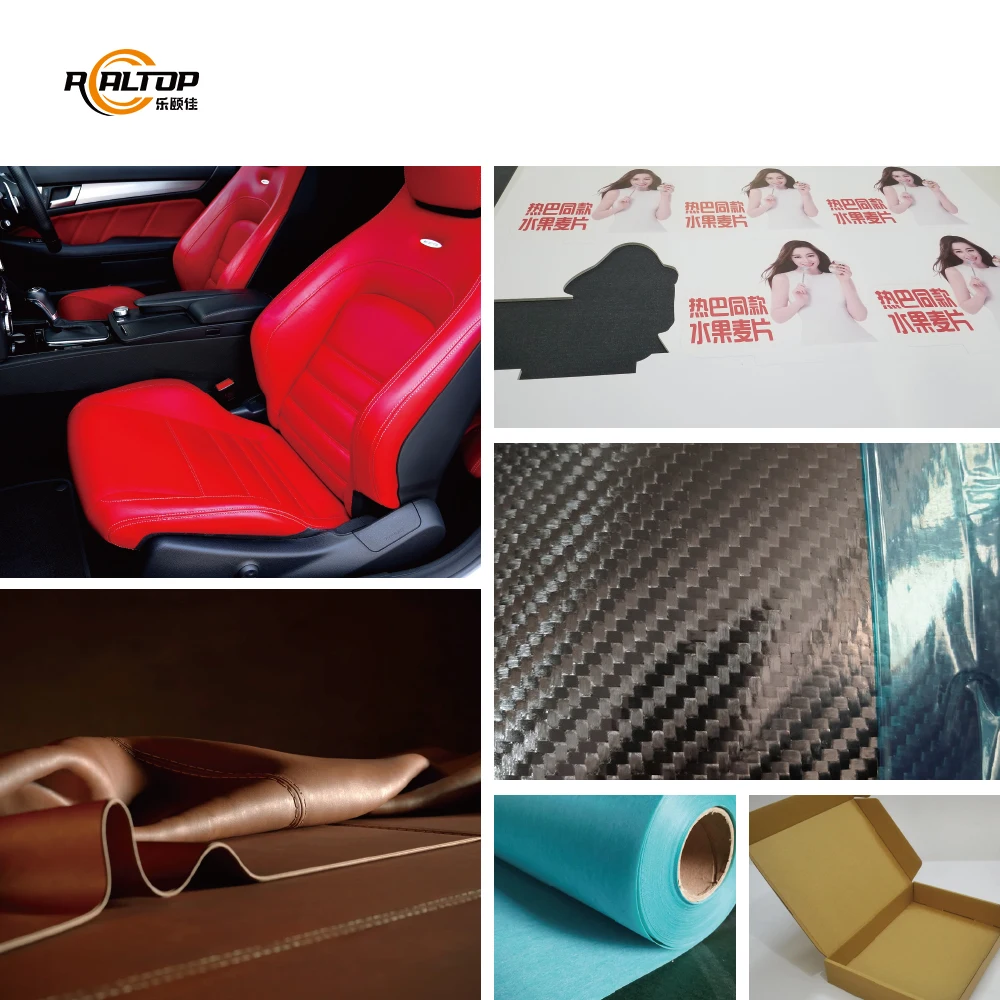
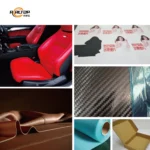
| Aerospace composite preform cutting | Carbon fiber prepreg, aramid honeycomb, fiberglass cloth |
| Automotive interior panel production | Leather, fabric, foam, gasket materials |
| Wind power blade manufacturing | Infusion mesh, core material preforms |
| Sporting goods fabrication | Bicycle frame prepreg, helmet liners, surfboard foam |
| Garment and textile cutting | Multi-layer fabric, technical textiles |
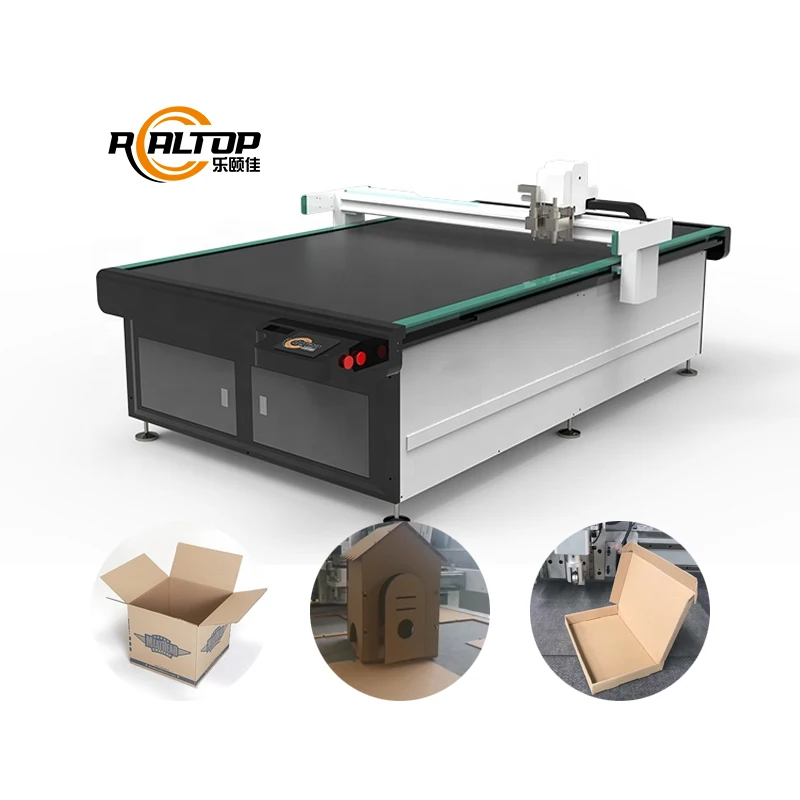
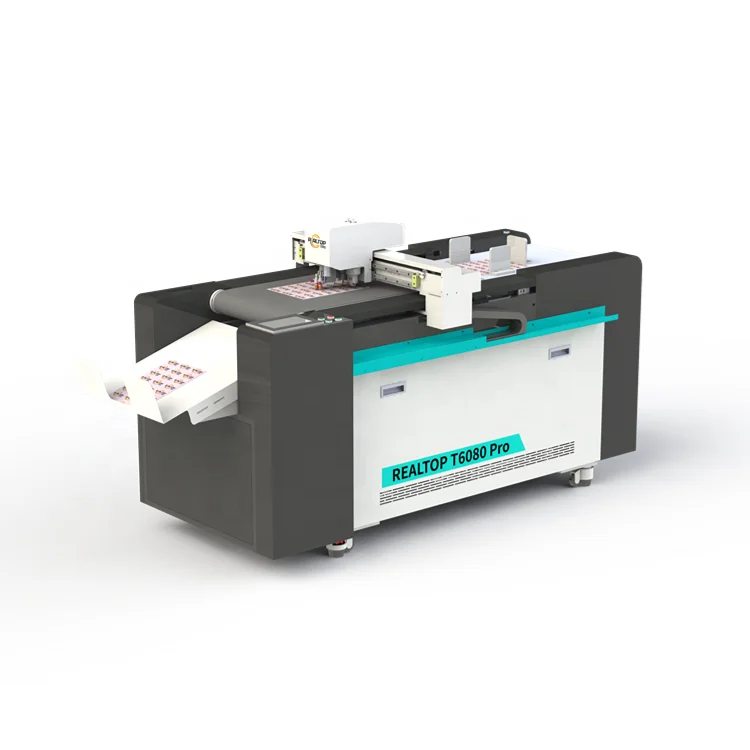
| Packaging sample making | Cardboard, carton, corrugated board |
Why Material Thickness Should Dictate Configuration, Not Working Area Alone
A cutting table sized only by sheet dimensions will underperform when the material profile changes.
I have seen buyers specify a 1600×2500 mm bed because their fabric rolls fit that footprint, then discover the oscillating knife cannot cleanly shear through 20 mm foam laminates used in automotive headliners. The CNC oscillating knife cutting machine manufacturer you choose should be asking about material density and layering before discussing table size. A machine built for thin garment textiles operates under entirely different tooling forces than one cutting carbon fiber prepreg stacks [NEED_CITE: cutting force requirements by material type and thickness].
How the Factory Matches the Tool Head to Your Material Stack
The 1625 runs up to seven interchangeable tool heads — oscillating knife, driven rotary knife, creasing wheel, kiss cutting tool, pneumatic knife, milling tool and V groove knife — each mounted on a common carriage. For fabric and textile work, the oscillating knife handles woven and non-woven materials up to 30 mm without fraying edges. For cardboard packaging samples, the creasing wheel scores fold lines while the drag knife cuts outlines in a single pass. The CNC oscillating knife cutting machine manufacturer configures which heads ship on your machine based on sample cutting tests run on the actual material you send to the factory.
Why Cold-Cutting Matters for Composite and Prepreg Layups
Thermal cutting processes like laser or hot knife melt resin matrices in carbon fiber prepreg and aramid honeycomb, leaving hardened edges that compromise downstream layup quality. The oscillating knife on the 1625 shears material mechanically at high frequency, keeping the cutting zone at ambient temperature [NEED_CITE: thermal degradation thresholds in epoxy resin systems]. This preserves the mechanical properties of aerospace-grade composites and prevents delamination at the cut boundary. For wind power blade manufacturers cutting infusion mesh and core foams, cold cutting means the preform holds its shape during vacuum infusion without edge sealing issues.
Reading the Specs: What the Numbers Mean on the Shop Floor
The 9 kW vacuum pump paired with the aluminum bellows table generates hold-down force across the full 1600×2500 mm surface. In practice, this matters when cutting small gasket parts or narrow fabric strips that tend to lift under knife vibration — zoning the vacuum into segments keeps those pieces flat. The ±0.1 mm cutting accuracy is measured at the tool tip under load, not as a static positioning figure, which is what determines whether nested pattern pieces actually fit together during assembly. Cutting speed of 0–2000 mm/s is a travel range; actual feed rate depends on material resistance. A dense 25 mm foam will require slower traversal than a single-layer polyester fabric to maintain edge quality. PLC control with multi-language interface means the operator does not need to navigate a second language during shift changes [NEED_CITE: PLC interface language requirements for international machinery exports].
What Happens When Tool Head and Material Are Mismatched
Using a standard oscillating knife on coated composite materials often produces ragged edges because the coating stretches rather than shears cleanly. One customer sent sofa fabric samples that cut perfectly, but their production material had a PVC backing that required switching to a pneumatic knife with different stroke frequency and blade geometry. Three days of parameter adjustment followed before the line ran smoothly. Wrong vacuum zoning causes small cut pieces to drift during the final passes, producing scrap that only shows up at the nesting stage. Selecting a driven rotary knife for materials that need oscillating action crushes foam cores instead of cutting through them, leaving compressed edges that reject during quality inspection [NEED_CITE: knife selection criteria for coated and laminated materials].
Why Sourcing Directly from the Factory Matters Here
The 1625 is built in Realtop’s own facility in Jinan, meaning the design team that specifies the frame weldments also calibrates the tool head carriage on the same floor. Buyers evaluating an CNC oscillating knife cutting machine manufacturer can verify motion components, servo drive selection and vacuum table construction before the machine crates close. Tool head and table configuration are matched to the buyer’s material and daily volume rather than pulled from a standard catalog page. Voltage, control language and software file format compatibility are confirmed before production starts, not discovered at commissioning. Sample cutting runs on the buyer’s own material are standard practice — the factory will not ship until the cut edge meets the buyer’s acceptance standard.
Documentation & Verification
- Machine specification sheet with full tool head and table configuration matched to your material
- Electrical schematic with voltage and frequency confirmed for your destination market
- Sample cutting report on your actual fabric, composite or packaging material before dispatch
- Factory test record documenting cutting accuracy and vacuum hold-down verification
- CE declaration documentation with machinery directive compliance
- Software licence and file format compatibility note for PLT, DXF, AI and PDF imports
Installation, Commissioning & Support
- 3300×2100×1350 mm footprint requires a level concrete floor with clearance for material loading on three sides
- 9 kW vacuum pump plus servo drives require a dedicated 380V three-phase circuit with appropriate breaker rating
- Machine ships partially disassembled; frame, table and gantry are bolted and aligned on site
- First-day commissioning includes vacuum zoning calibration and tool head stroke adjustment on your material
- Operator training covers PLC panel navigation, file import workflow and blade change procedures
- Spare parts list includes oscillating knife blades, vacuum seals and drive belts with recommended reorder intervals
What We Need to Size Your Configuration
Tell us the material types you cut most frequently, including thickness range and whether materials are single-layer or stacked. Share your typical sheet or roll dimensions and approximate daily cutting volume so we can recommend vacuum table zoning and tool head combination. Confirm the voltage and frequency standard at your facility, the control language your operators need, and whether you want sample cutting on your material before the machine ships.
Frequently Asked Questions
Q: What OEM and custom configuration options does the factory offer for tool heads, voltage and control language?
A: The factory builds the 1625 with any combination of the seven available tool heads based on your material profile. Voltage is configurable across 110V, 220V and 380V to match your local supply. Control panel language options include English, Russian, Italian and Chinese, with special languages available on request. Servo drive brands can be specified from the available options before production begins.
Q: How does the in-house design team match cutting method to a specific material and production volume?
A: The design team reviews your material samples, thickness range and daily volume before recommending knife cutting versus laser. For composites and fabrics, the oscillating knife avoids thermal damage. Sample cutting is run on your actual material to verify edge quality and cutting speed before the configuration is locked for production.
Q: What quality control and factory test procedures are performed before shipment?
A: Every 1625 undergoes a factory test that includes cutting accuracy verification at ±0.1 mm, vacuum hold-down testing across all table zones, and tool head stroke calibration. A test record and sample cutting report on the buyer’s material are generated before crating. Electrical systems are checked against the confirmed voltage and frequency specification.
Q: Can the factory accommodate servo drive brand preferences and motion component specifications?
A: Yes. The servo drive can be specified from the available options including Panasonic, Delta or Dorna depending on your preference and regional service availability. The factory confirms the selection during the specification stage before assembly. Motion components and frame construction are all handled in-house for consistent build quality.
Q: What documentation ships with the machine?
A: Each 1625 ships with a machine specification sheet, electrical schematic matching your confirmed voltage, tool head and table configuration list, sample cutting report, CE declaration, operation and maintenance manual, software licence with file format compatibility note, and a spare parts list with recommended reorder items.
You may also like

商品评价
Clear filtersThere are no reviews yet.