Fabric CNC Oscillating Knife Cutter – Factory Direct
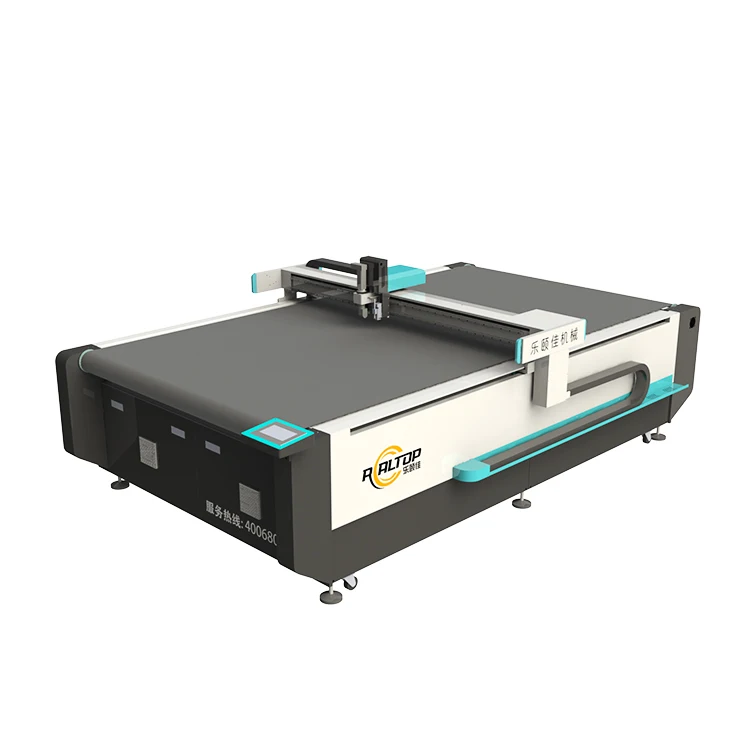
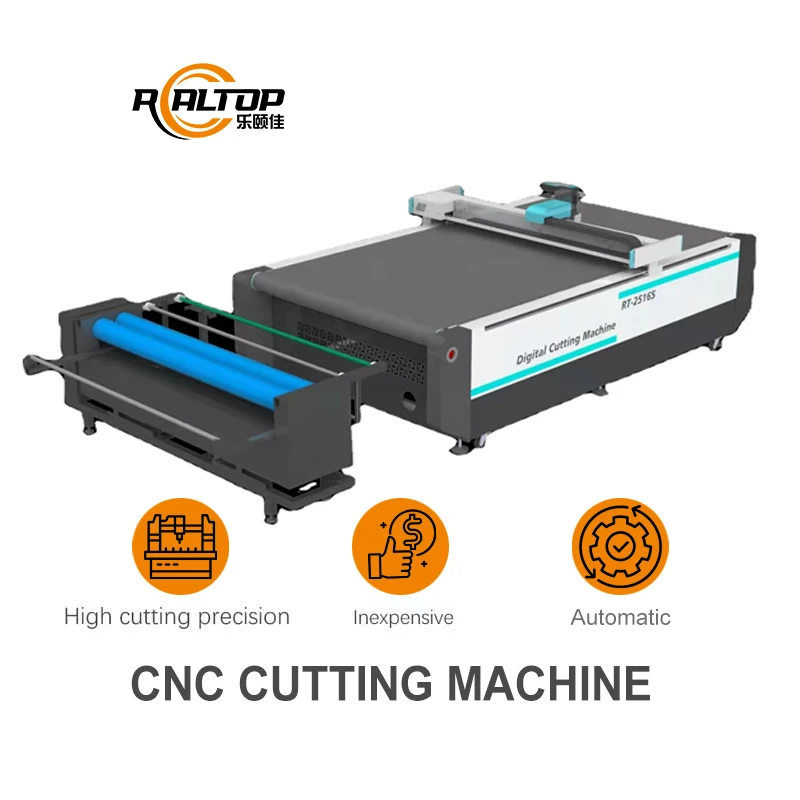
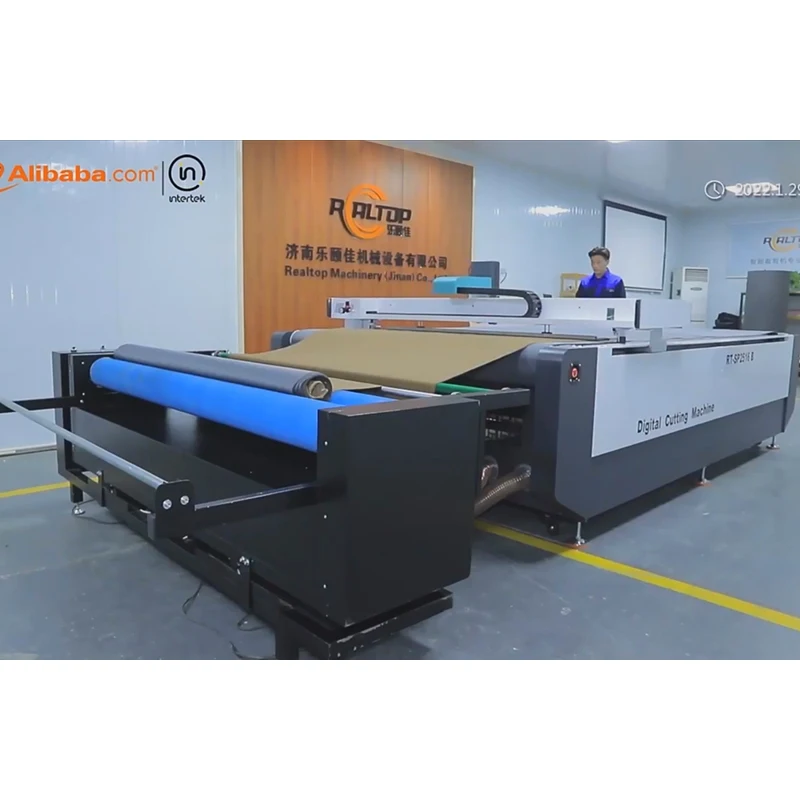
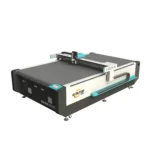
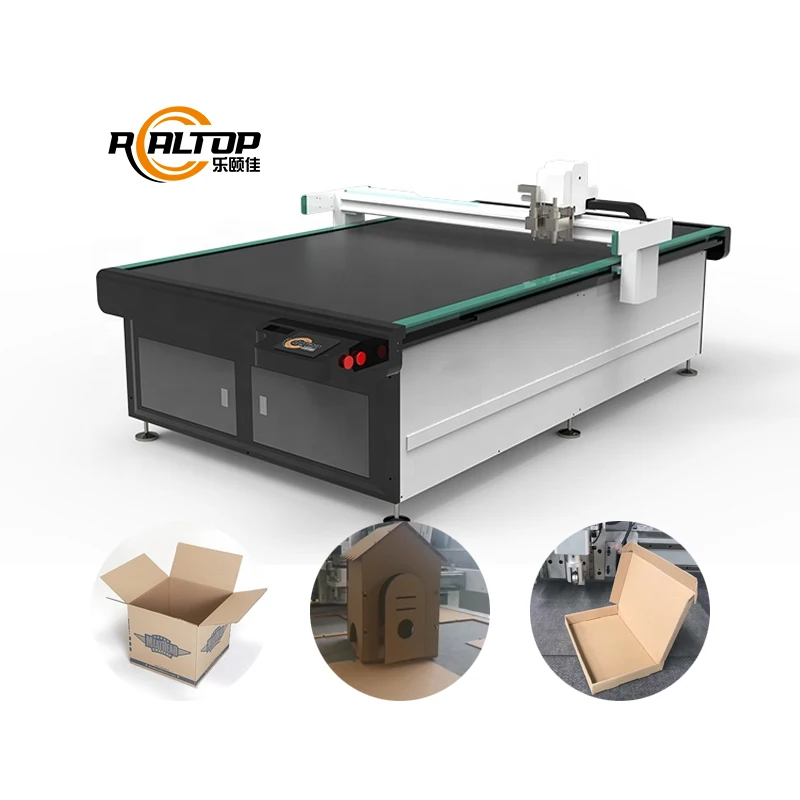
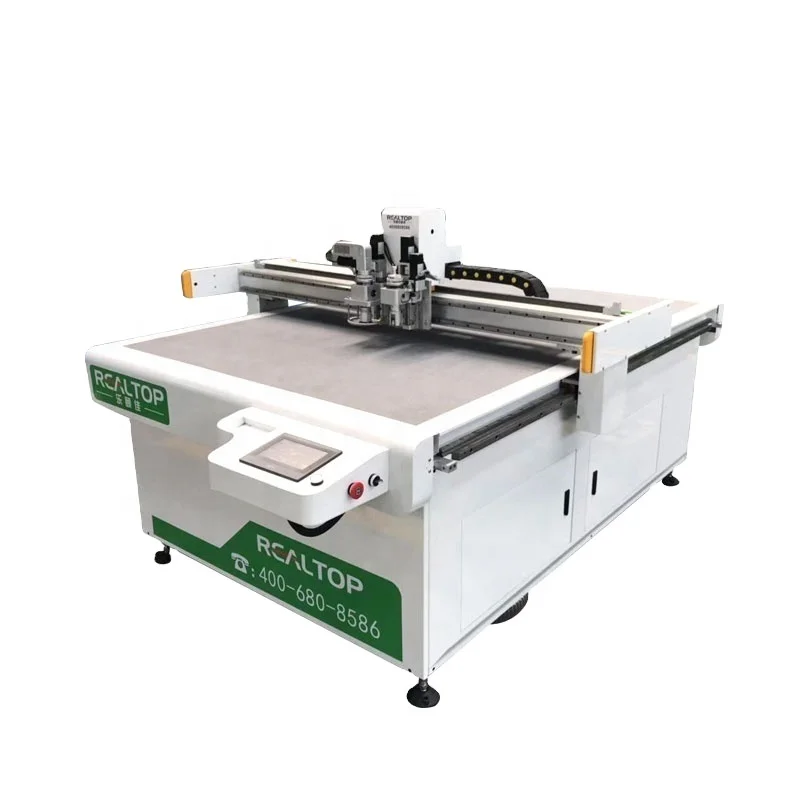
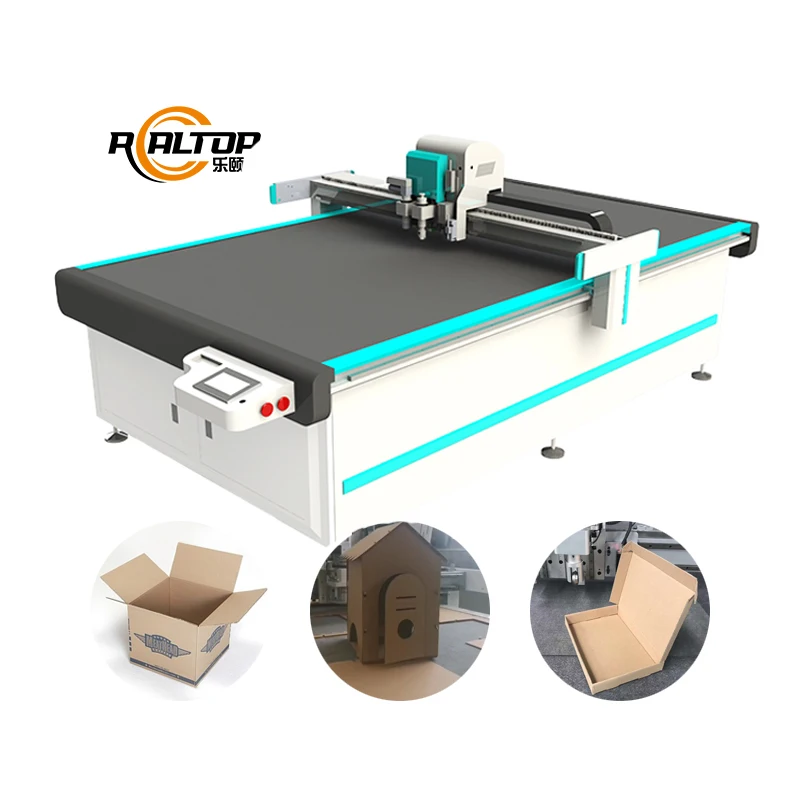
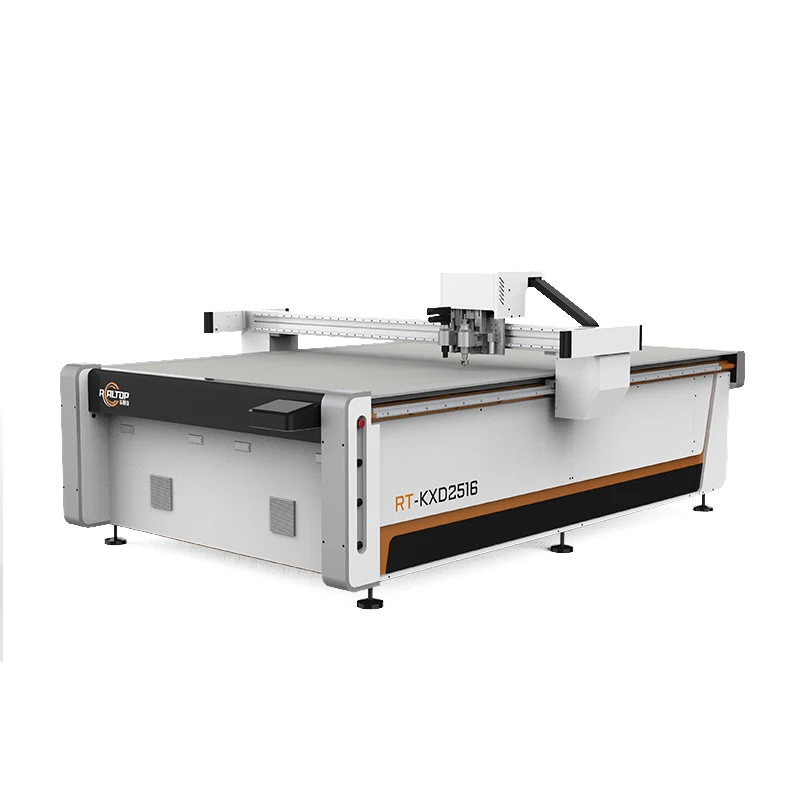
RT-D2516/RT-S2516 CNC Oscillating Knife Cutting Machine, 1600×2500mm, 9kW, ≤50mm Cutting Thickness — configured per material with Swiss oscillating knife, rack-and-pinion drive and Panasonic servo motors for ≤0.1mm repeatability. Aviation aluminum vacuum countertop with 7.5kW pump holds small fabric and leather parts flat during multi-layer cutting. – In-house design and core factory production covering knife and laser technologies – Voltage, control language and tool head specified per buyer’s material before order – Sample cutting on buyer’s own material provided before commitment
In-house design and factory control — REALTOP engineers the frame, motion system and tool head layout together, so the cutting geometry is tuned to the buyer’s material stack rather than adapted after assembly.
Technical Specifications
Parameter
Value
Model
RT-D2516/RT-S2516
Working Area
1600 × 2500 mm
Overall Dimensions
3450 × 2300 × 1250 mm
Rated Power
9 kW
Voltage
380V ±10% (configurable for target market)
Control System
CNC, HP-GL compatible
Tool Head
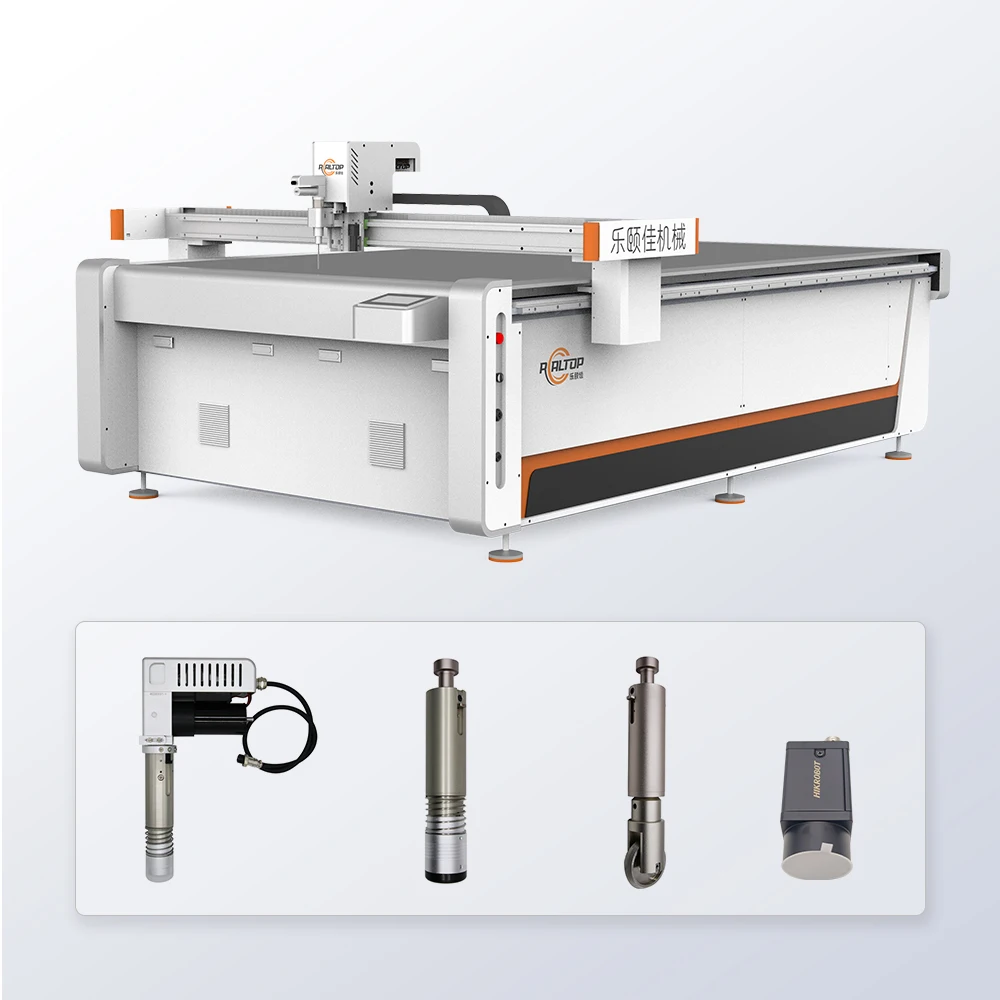
Swiss imported oscillating knife — full-cut, half-cut, cursor location; modular holder for round knife, marking pen, auto feeder
Cutting Thickness
≤50 mm depending on material density and composition (basis to be confirmed per sample)
Translational Velocity
800–1200 mm/s
Repeated Accuracy
≤0.1 mm
Transmission
Rack and pinion, digital servo motor, linear guide, ball screw
Servo Motor
Panasonic (Delta available under alternate configuration)
Linear Guide
Taiwan Hiwin
Vacuum Pump
7.5 kW
Table Surface
Aviation aluminum countertop with internal wind-channel structure, high-density felt
Auto Feeding
Included — Germany imported conveyor belt
Safety Device
Infrared sensors
Machine Structure
Fully welded bed, imported milling finish on guide rail and rack surfaces
Electrical Box
Fuselage-mounted, high-flexibility cables
Software Language
English, Russian, Italian, Chinese; custom languages available
Certification
CE
Warranty
One year (parts free; buyer covers shipping and on-site travel)
Application Suitability
Application
Material or Output
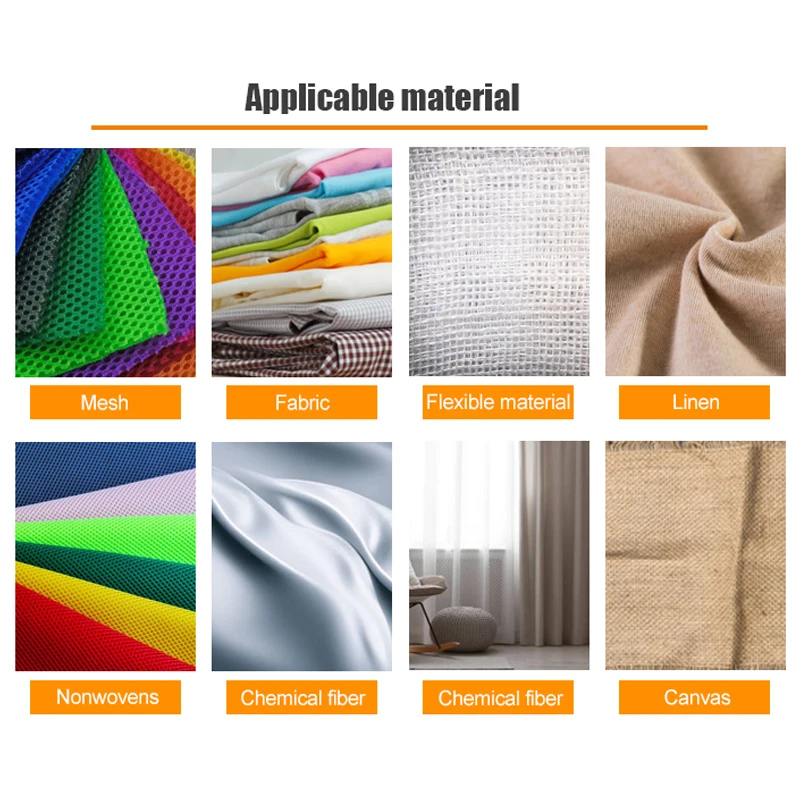
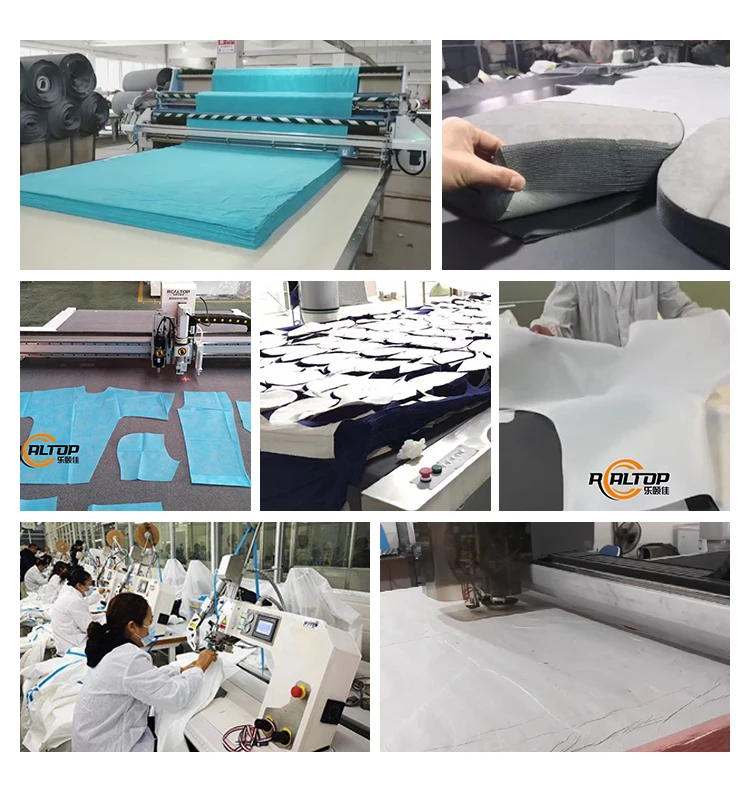
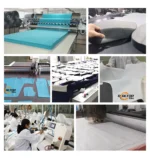
Garment fabric cutting
Single and multi-layer woven, knit and technical textiles
Leather and synthetic leather
Natural hide, PU/PVC composite leather for footwear and bags
Automotive interior textiles
Sponge-backed composite leather, headliner fabric, door panel trim
Gasket and seal production
Rubber sheet, silicone, soft PTFE
Flexible packaging samples
PVC, soft glass, corrugated board prototypes
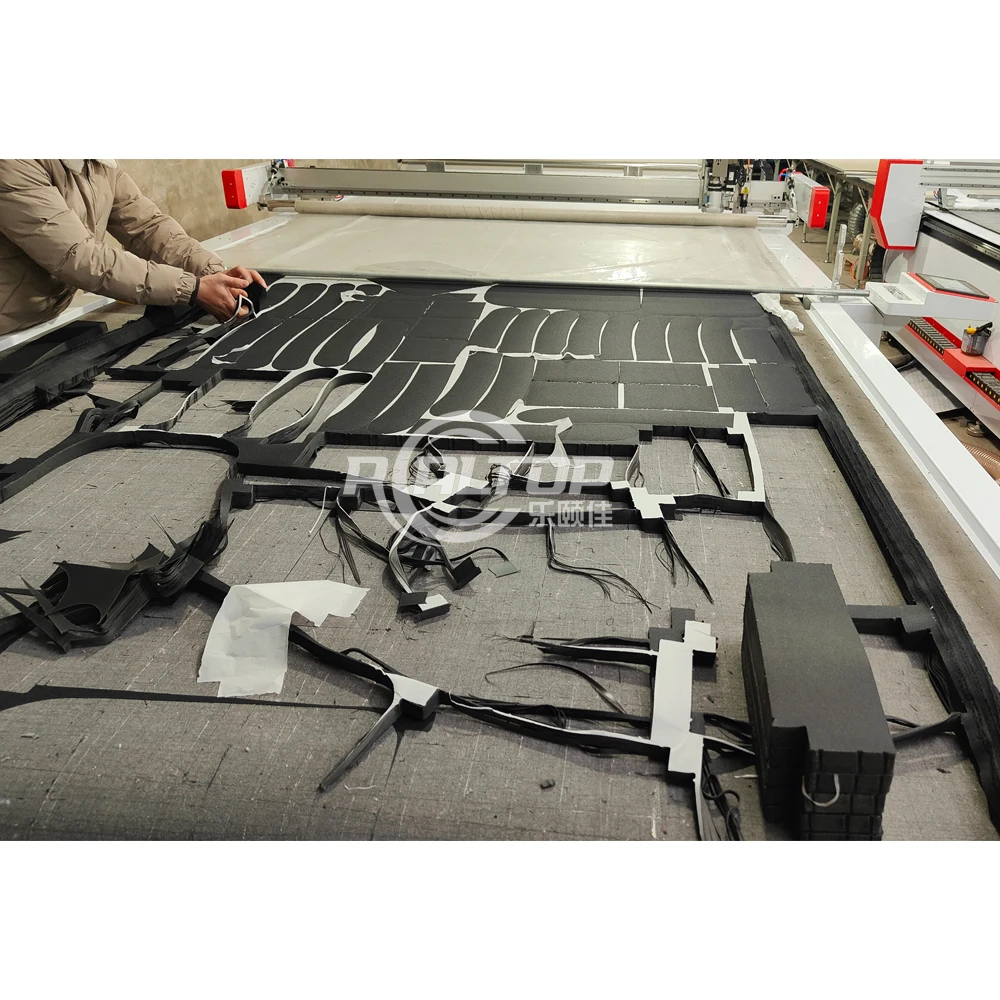
Foam and sponge fabrication
Open-cell and closed-cell foam up to rated thickness
Why the Voltage Question Should Come Before the Price Quote
A cutting table configured for the wrong frequency can burn out its servo drives before the first production shift ends.
When a buyer narrows selection to working area alone, the electrical reality of the destination workshop often surfaces only after the machine arrives. A 380V ±10% supply assumes a stable three-phase grid; regions with fluctuating frequency or single-phase industrial service need transformer and drive confirmation at the inquiry stage [NEED_CITE: voltage and frequency standards by export market]. I have watched CNC oscillating knife cutting machine factory shipments sit idle on a dock because the control cabinet was wired for 50 Hz while the plant ran 60 Hz — a mismatch that takes days to diagnose and weeks to rectify.

Where Design Authority Changes the Machine You Receive
Most cutting tables in this range are assembled from catalog components. The distinction here is that REALTOP maintains in-house engineering over the frame welding sequence, the guide rail mounting surface and the internal vacuum channel layout — decisions that determine whether the RT-D2516/RT-S2516 holds ≤0.1 mm repeatability after months of continuous vibration cutting. A CNC oscillating knife cutting machine factory that controls these steps can also adjust the table zoning and tool head sequence to the buyer’s specific material stack before the machine leaves Jinan.
Build Traceability From Bed Welding to Final Dispatch
The bed undergoes full welding followed by imported milling on the guide rail and rack mounting surfaces, which removes the residual stress and flatness deviation that shortcut fabricators leave in the frame. Electrical routing uses high-flexibility cables rated for wear, moisture and temperature variation, gathered into a fuselage-mounted box rather than a separate cabinet — reducing cable chain length and the failure points that come with it [NEED_CITE: cable flex life in high-vibration CNC environments]. Every unit ships with a factory test record run on the buyer’s own sample material, so the cutting parameters are locked before packing photographs are taken.
Reading the Specs That Actually Matter in Production
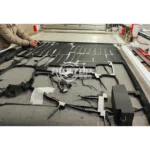
The Swiss imported oscillating knife head supports full-cut, half-cut and cursor-location modes in a single tool holder, which means a garment shop can score fold lines and cut outlines without a tool change. Rack-and-pinion transmission paired with Taiwan Hiwin linear guides and Panasonic servo motors sustains ≤0.1 mm repeatability across the full 1600 × 2500 mm envelope — a tolerance that matters most when nesting software packs pattern pieces with only millimeters of margin. The 7.5 kW vacuum pump feeds an aviation aluminum countertop with internal wind channels; this structure distributes suction more evenly than a simple plenum, keeping small leather or gasket pieces flat when the knife exits a cut.

What Happens When Vacuum Zoning Is an Afterthought
A table with insufficient vacuum zones allows small parts to lift the moment the oscillating knife completes its path, dragging the felt and shifting adjacent pieces. On multi-layer fabric stacks, partial suction causes the top plies to drift during long nesting runs, turning what should be identical cut pieces into mismatched panels that fail downstream quality checks [NEED_CITE: multi-layer fabric cutting drift causes]. Buyers who skip the vacuum zoning conversation at the inquiry stage often discover the limitation only after their first full production order.
Procurement Anchored in Factory Evidence
The design team specifies tool head and table configuration per material rather than quoting a single default setup, so a buyer cutting sponge composite leather receives different vacuum zoning and knife frequency settings than one cutting woven garment fabric. Sample cutting runs on the buyer’s actual material batch — not a generic demo sheet — with a written report before order confirmation. Voltage, plug type and control language are documented in the electrical schematic and locked before production begins. The in-house production scope covers both knife and complementary cutting technologies, allowing a distributor to consolidate OEM orders under one factory audit. Spare parts inventory is held at the factory for international shipments, reducing the lead time on consumable knife blades and felt replacement.
Documentation & Verification
Machine specification sheet listing tool head and table configuration matched to your material type and thickness
Electrical schematic confirming voltage, frequency and plug standard for your destination market before production
Factory test record with sample cutting report run on your own fabric or composite batch
Software licence note with HP-GL file format compatibility confirmed against your existing nesting workflow
Packing photographs and spare parts list included in the shipping documentation set
Installation, Commissioning & Support
3450 × 2300 mm footprint requires level concrete floor with clearance for the auto feeder conveyor belt extension
9 kW rated load plus 7.5 kW vacuum pump demands dedicated three-phase circuit matching confirmed voltage
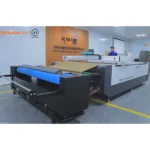
Machine ships fully assembled; table felt and conveyor belt tensioned and aligned during on-site commissioning
First-run parameter setting uses your material batch to lock oscillating knife frequency and vacuum zone map
Operator training covers modular tool holder changeover between oscillating knife, round knife and marking pen
One-year parts warranty with factory-held spares inventory for blade and felt replacement shipments
What to Include With Your Inquiry
Share the material type, ply count and sheet dimensions you plan to cut, along with your daily volume target, so the tool head and vacuum zoning can be specified before quotation. Confirm your workshop voltage, frequency and preferred control language — these lock the electrical build and avoid post-shipment rewiring. If your nesting software exports in a specific format beyond HP-GL, send a sample file so compatibility is verified before the order is placed.
Frequently Asked Questions
Q: How does REALTOP configure the tool head and vacuum zoning for my specific material?
A: The process starts with your material sample — type, thickness and ply count. The design team selects the oscillating knife frequency, blade type and vacuum zone map based on test cuts run on that exact sample. A written cutting report accompanies the quotation, so the configuration is documented and locked before production begins.
Q: What OEM and customization scope is available on this cutting table?
A: The RT-D2516/RT-S2516 platform supports custom working area dimensions, voltage and frequency matching, control panel language, branding on the machine body and software interface. The in-house design team adjusts frame geometry and vacuum layout to fit distributor specifications, all verified during a single factory audit.
Q: How is build quality verified before the machine ships?
A: Each bed is fully welded and then milled on imported equipment to ensure guide rail and rack mounting flatness. A factory test run is conducted on the buyer’s own material, with results documented in a cutting report. Packing photographs and a spare parts list are provided before dispatch.
Q: What electrical details are confirmed before production starts?
A: Voltage, frequency, plug type and circuit requirements are documented in the electrical schematic and agreed with the buyer at the quotation stage. This prevents the common situation where a machine arrives configured for a grid standard that does not match the destination workshop [NEED_CITE: CE machinery directive electrical requirements].
Q: What does the spare parts and after-sales structure look like for international distributors?
A: The factory maintains an inventory of consumable blades, felt sheets and high-flexibility cables for international shipment. The one-year warranty covers parts at no cost, with the buyer responsible for shipping and any on-site engineer travel. Remote troubleshooting is available for control system and software issues.





 Courier delivery
 DHL Courier delivery
 Warranty 1 year
 Free 30-Day returns


商品评价
Clear filtersThere are no reviews yet.