



-
 Courier delivery
-
 DHL Courier delivery
-
 Warranty 1 year
-
 Free 30-Day returns

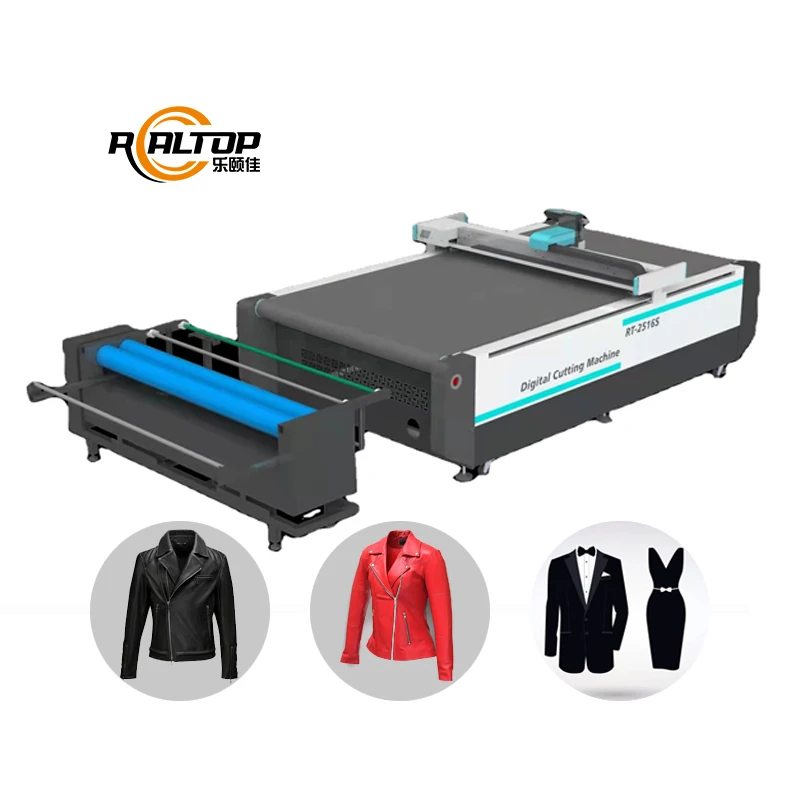
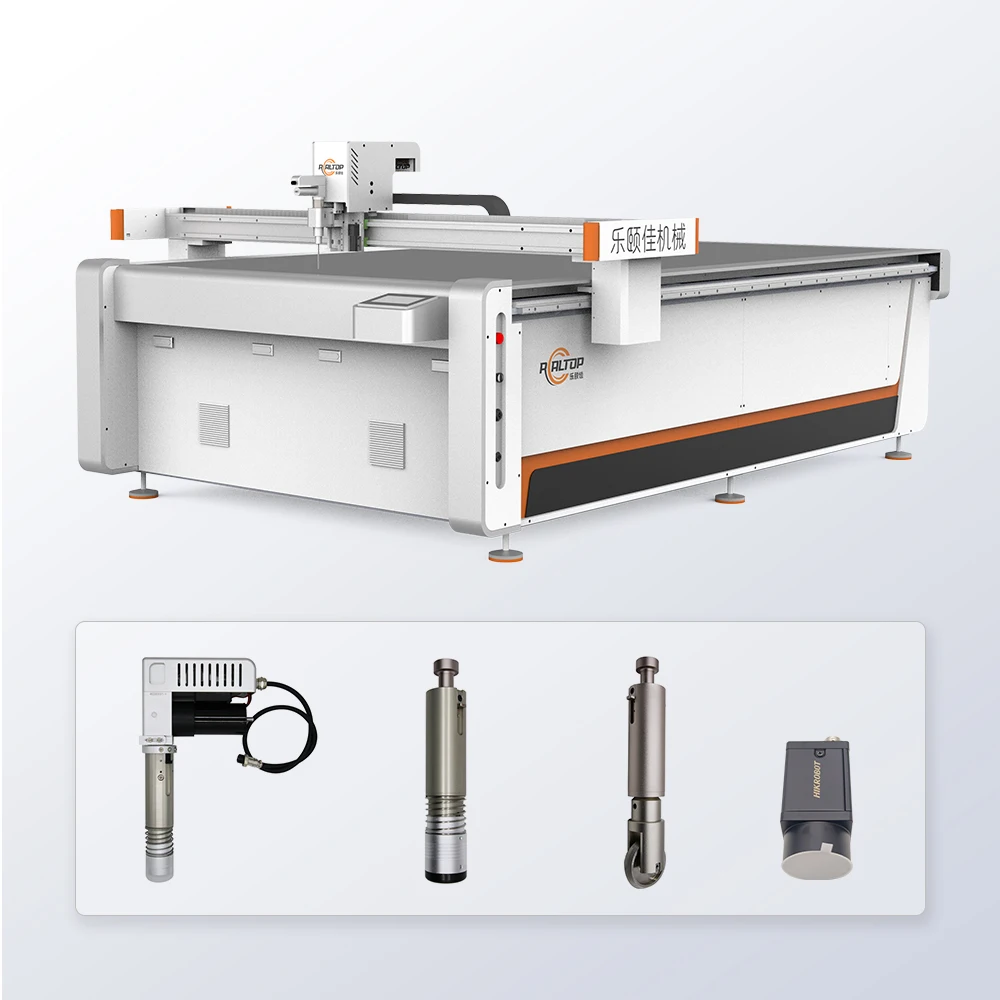
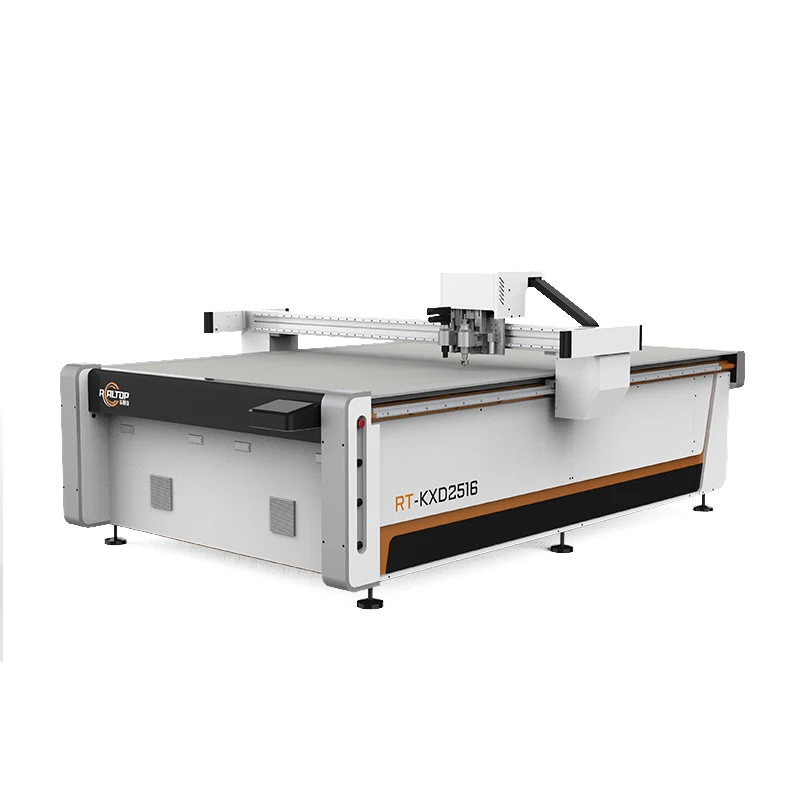
Tool head and table configuration specified per material and production volume — every RT-D2516/RT-S2516 ships with a vacuum zone map and knife selection matched to your exact fabric, foam or composite stack, not a generic catalogue build.
Technical Specifications
| Parameter | Value |
|---|---|
| Model | RT-D2516 / RT-S2516 |
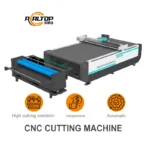
| Product Type | CNC Oscillating Knife Cutting Machine |
| Working Area | 1600 × 2500 mm |
| Machine Size (L × W × H) | 3450 × 2300 × 1250 mm |
| Rated Power | 9 kW |
| Voltage | 380V ±10% (other voltages configurable) |
| Table Type | Flat magnesium-aluminum alloy with PVDF coating |
| Vacuum Pump | 7.5 kW, aviation aluminum shell with built-in silencer |
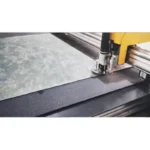
| Multifunctional Head | Swiss imported knife — vibration full cut, half cut, cursor location |
| Tool Head Options | Oscillating knife, pneumatic knife, high-power vibrating knife, circular knife, V-cutting knife, drag knife, creasing wheel, dotted line knife, punching, brush |
| Visual Positioning | Small CCD mark point, panoramic camera recognition, projection positioning |
| Translational Velocity | 800–1200 mm/s |
| Cutting Thickness | 20–80 mm (basis not stated in source — confirm material type and density) |
| Repeatability | ≤0.1 mm |
| Transmission System | Digital servo motor, linear guide, synchronous belt, ball screw |
| Servo Motor | Delta (Panasonic optional) |
| Linear Rail | Taiwan Hiwin |
| Conveyor Belt | Germany imported |
| Instruction Format | HP-GL compatible |
| Safety Devices | Infrared sensors, beam anti-collision, emergency stop with in-situ resume |
| Software Language | English, Russian, Italian, Chinese (custom languages available) |
Application Suitability
| Application | Material or Output |
|---|---|
| Automotive interior trimming | Composite fabrics, synthetic leather, foam-backed textiles |
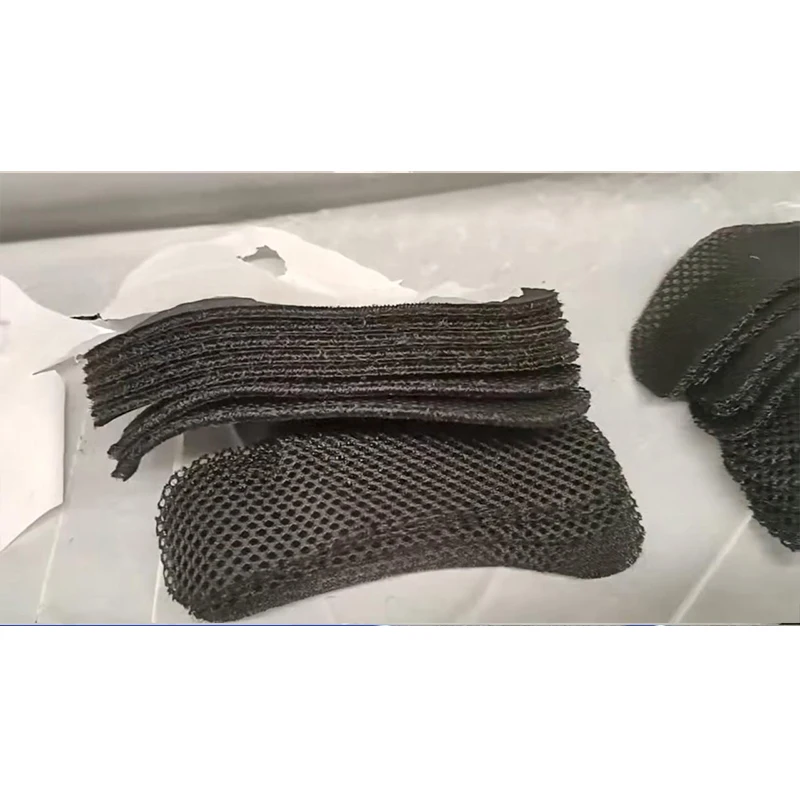
| Footwear and luggage cutting | PU, EVA, genuine leather, non-woven fabric layers |
| Gasket and sealing pad production | Rubber, PTFE, ETFE, fiberglass, compressed fiber sheets |
| Packaging sample making | Corrugated cardboard, carton board, plastic box stock |
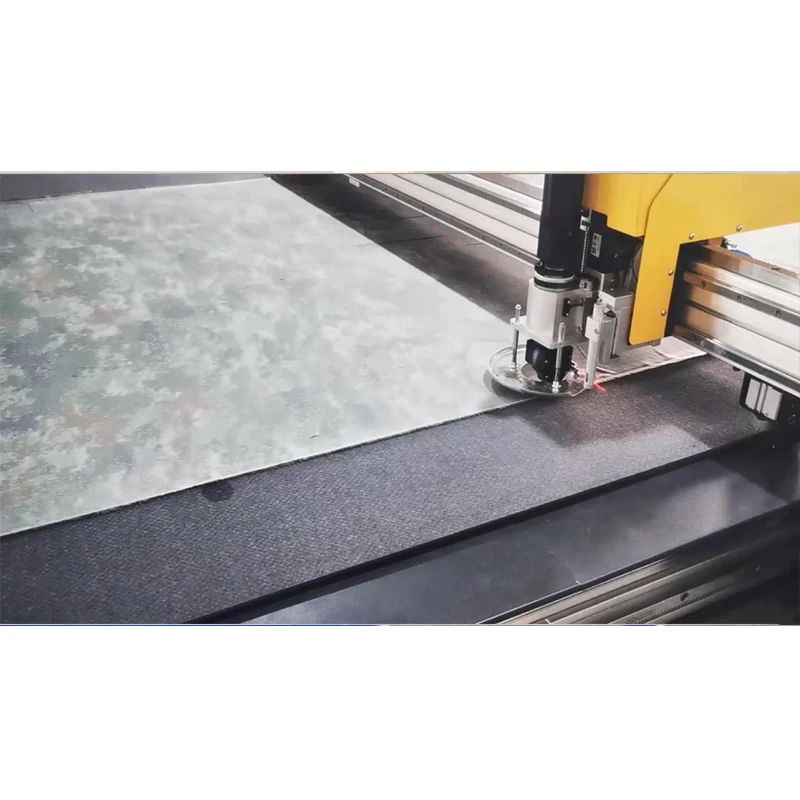
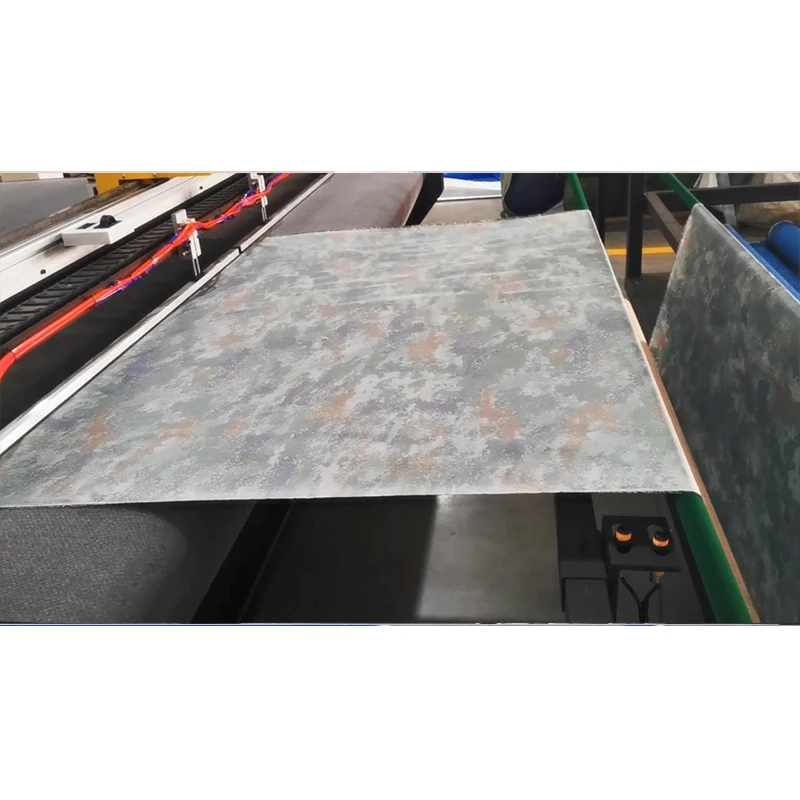
| Carpet and floor mat fabrication | Woven carpet, XPE foam, sponge, multi-layer composites |
| Soft furnishing panels | Upholstery fabric, foam laminates, PVC-coated textiles |
Why Specifying Working Area Alone Leads to Failed Deliveries
A cutting table sized only by sheet dimensions will fail the moment the material thickness exceeds the knife stroke or the vacuum hold-down cannot keep small parts flat.
I have seen this exact scenario play out with an automotive interior buyer in the Middle East. The machine was ordered to match a 1600 × 2500 mm panel size, which the RT-D2516/RT-S2516 handles without issue. But the composite fabric they actually ran was three millimeters thicker than the sample we received. The oscillating knife could not penetrate cleanly, edge fraying appeared on every cut, and their production line sat idle while replacement tool heads were shipped [NEED_CITE: tool head and material thickness matching for oscillating knife systems]. That single oversight cost a full week of downtime. With a CNC knife cutting machine factory building your unit, these conversations happen before the frame goes to the machining center, not after the crate arrives at your dock.
Frame Rigidity and Long-Term Dimensional Accuracy
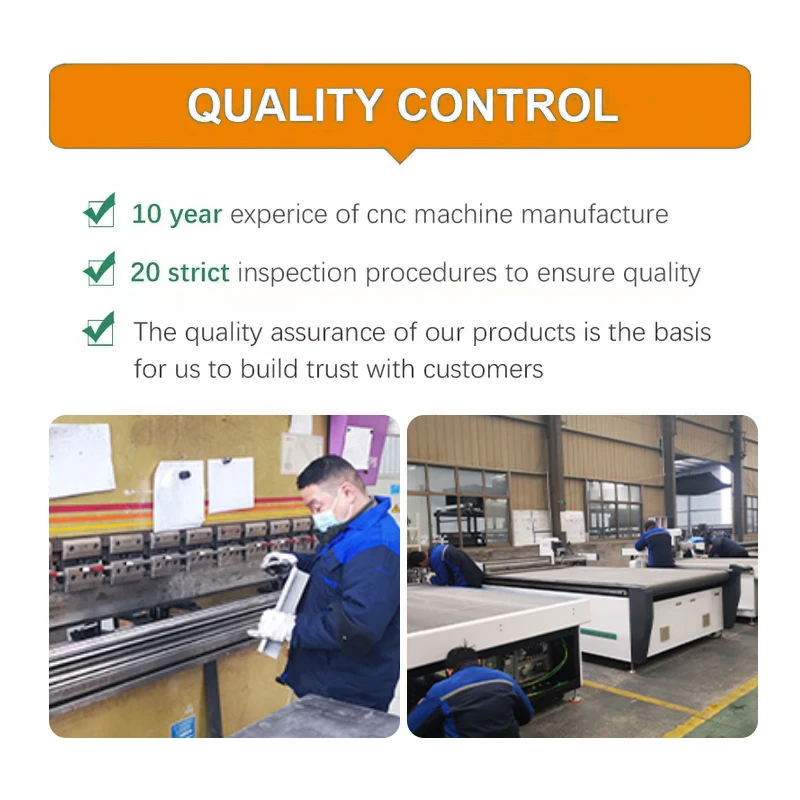
The frame is welded from thick-walled seamless steel and put through high-temperature tempering before final machining on a CNC machining center. This sequence eliminates residual welding stress, which is the primary cause of table drift over months of continuous operation. For a distributor evaluating an OEM manufacturer, this matters because a frame that holds tolerance in month one but shifts by month six generates warranty claims that erode your margin.
Vacuum Table Engineering for Small-Part Hold-Down
The magnesium-aluminum alloy table surface receives a PVDF powder coating followed by hard anodic oxidation. This combination resists the scoring and adhesive buildup that degrades suction uniformity on bare aluminum tables. The 7.5 kW vacuum pump is housed in an integrated aviation aluminum shell with internal silencer sponge, reducing noise at the operator station while maintaining the suction pressure needed to prevent part lift during high-speed contour cuts.
What the Specs Mean on the Shop Floor
The 800–1200 mm/s translational velocity range governs how fast the head travels between cuts; actual cutting speed depends on material density and knife type. Repeatability of ≤0.1 mm is achievable because the Delta servo motors (Panasonic available as an option) drive Taiwan Hiwin linear rails with ball screw transmission on critical axes — this pairing controls backlash far better than belt-only drives. The CCD and panoramic camera options address different production scenarios: the small CCD tracks printed registration marks at defined intervals, while the panoramic camera captures the entire sheet for contour recognition on printed textiles. HP-GL compatible instruction format ensures the machine accepts nesting output from most mainstream CAD systems without a secondary post-processor. Software language can be set to English, Russian, Italian, Chinese, or customized, which removes a persistent source of operator error in multilingual workshops. The Swiss imported knife head supports vibration full cutting, half cutting, and cursor location within a single tool station [NEED_CITE: oscillating knife tool path strategies for multi-layer textile cutting].
The Cost of Skipping the Sample Cutting Step
When a buyer approves configuration based on a data sheet rather than a physical cut on their own material, three problems typically surface after installation. First, the chosen tool head may produce ragged edges on composites that cut cleanly on the single-layer sample. Second, vacuum zoning may prove insufficient for small nested parts, causing lift and mis-cuts that waste material. Third, the software may fail to import the buyer’s existing nesting files, forcing a workflow overhaul that stalls production for weeks [NEED_CITE: material-specific vacuum zoning requirements for flatbed digital cutting]. These are not edge cases — they are the most frequent reasons a CNC knife cutting machine factory receives urgent support calls within the first month.
Why Source Directly from the Manufacturer
In-house design covers both knife and laser cutting technologies, so the buyer matches the cutting method to the material rather than forcing one approach onto every application. Tool head and table configuration are specified per material stack and confirmed through sample cutting before order commitment. Electrical schematics and voltage are verified against the destination market’s grid standard before production begins. Every machine ships with a factory test record documenting performance on the buyer’s specific material. Software compatibility and file format support are confirmed in writing, preventing import failures at first startup.
Documentation & Verification
- Machine specification sheet listing every tool head option and vacuum zone layout for the RT-D2516/RT-S2516
- Sample cutting report performed on your actual fabric, foam or composite before order confirmation
- Electrical schematic with voltage and frequency matched to your local grid standard
- Software licence and file format compatibility note covering your existing nesting workflow
- Factory test record with dimensional measurement data from production-speed runs
Installation, Commissioning & Support
- 3450 × 2300 mm machine footprint requires a level concrete floor with clearance on all sides for material loading
- 9 kW rated power demands a dedicated 380V circuit with appropriate breaker sizing per local code
- Flat table ships fully assembled; vacuum pump and conveyor belt connect on-site during commissioning
- First-run parameter setting covers knife frequency, vacuum zoning, and camera calibration for your material
- Operator training addresses tool head changeover across oscillating, drag, V-cut, and creasing configurations
- Spare parts list covers knives, vacuum seals, and belt segments with supply terms at bare cost
What to Include in Your Inquiry
Provide the exact material type, thickness range, and maximum sheet size you intend to process. Include your local voltage and frequency standard, preferred control language, and the CAD or nesting software currently in use. If you need sample cutting before commitment, send a representative material swatch with your typical cutting pattern file.
Frequently Asked Questions
Q: What OEM and customization range does the factory offer for distributors?
A: Frame dimensions, tool head configuration, vacuum table zoning, voltage, frequency, control panel language, and branding can all be customized. Distributors receive OEM documentation packages and factory test records. The engineering team works directly with you to adapt the RT-D2516/RT-S2516 platform to your market’s requirements before production starts.
Q: How is the factory test protocol structured before shipment?
A: Each machine undergoes a production-speed test run using the buyer’s own material or a verified equivalent. The test record documents cutting accuracy, edge quality, vacuum hold-down performance, and camera positioning repeatability. Results are shared before the machine is cleared for packing and dispatch.
Q: How do I match the right tool head to my material?
A: Oscillating knives handle thick foam and multi-layer textiles. Drag knives suit thin vinyl and sticker films. V-cutting knives address beveled edges on packaging board. The manufacturer specifies the correct head based on your material sample and sends a cut report for approval before the order is finalized.
Q: How are spare parts and after-sales support handled overseas?
A: Consumable parts including knife blades, vacuum seals, and belt segments are itemized in the spare parts list and supplied at bare cost. Remote troubleshooting is available via the control system, and engineer dispatch terms are defined in the purchase agreement for on-site support when needed.
You may also like

商品评价
Clear filtersThere are no reviews yet.