



-
 Courier delivery
-
 DHL Courier delivery
-
 Warranty 1 year
-
 Free 30-Day returns

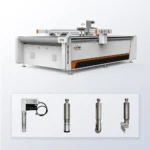
In-house design and production — tool head and vacuum table configured per corrugated flute profile and board grade before the order is locked.
Technical Specifications
| Parameter | Value |
|---|---|
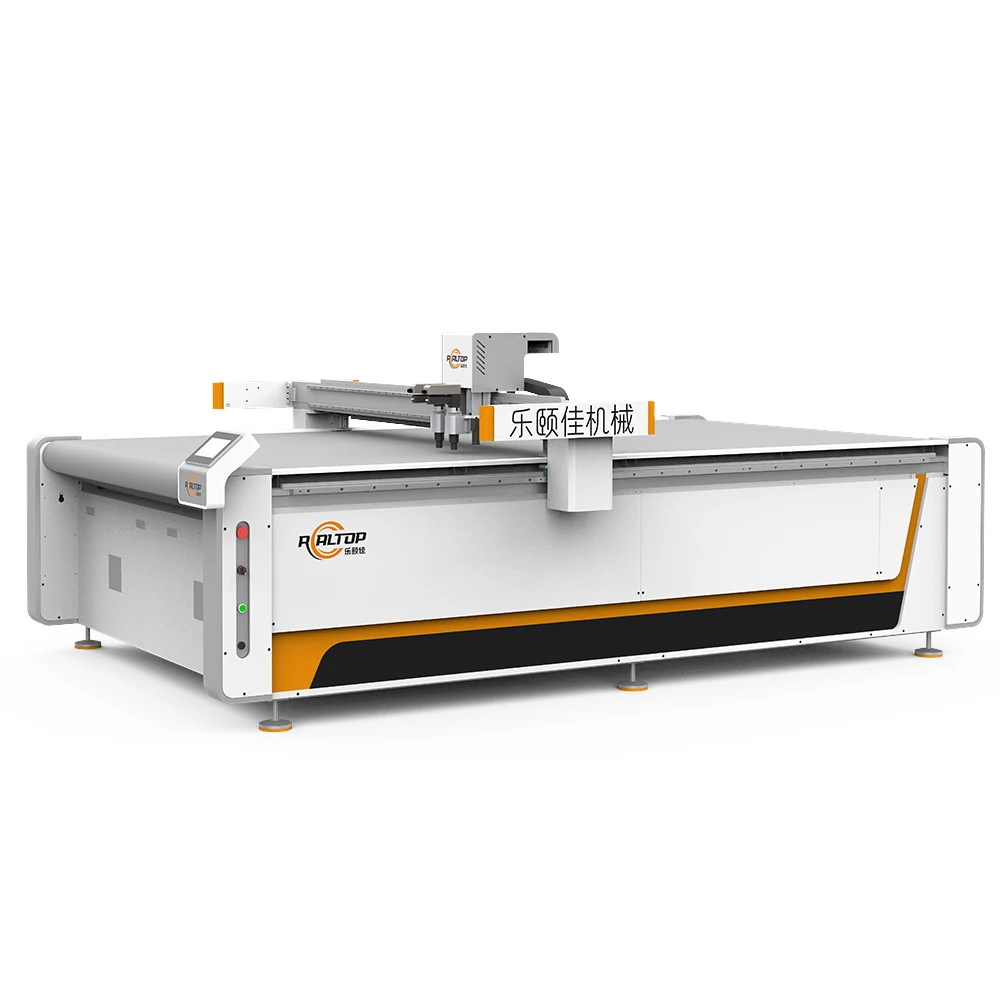
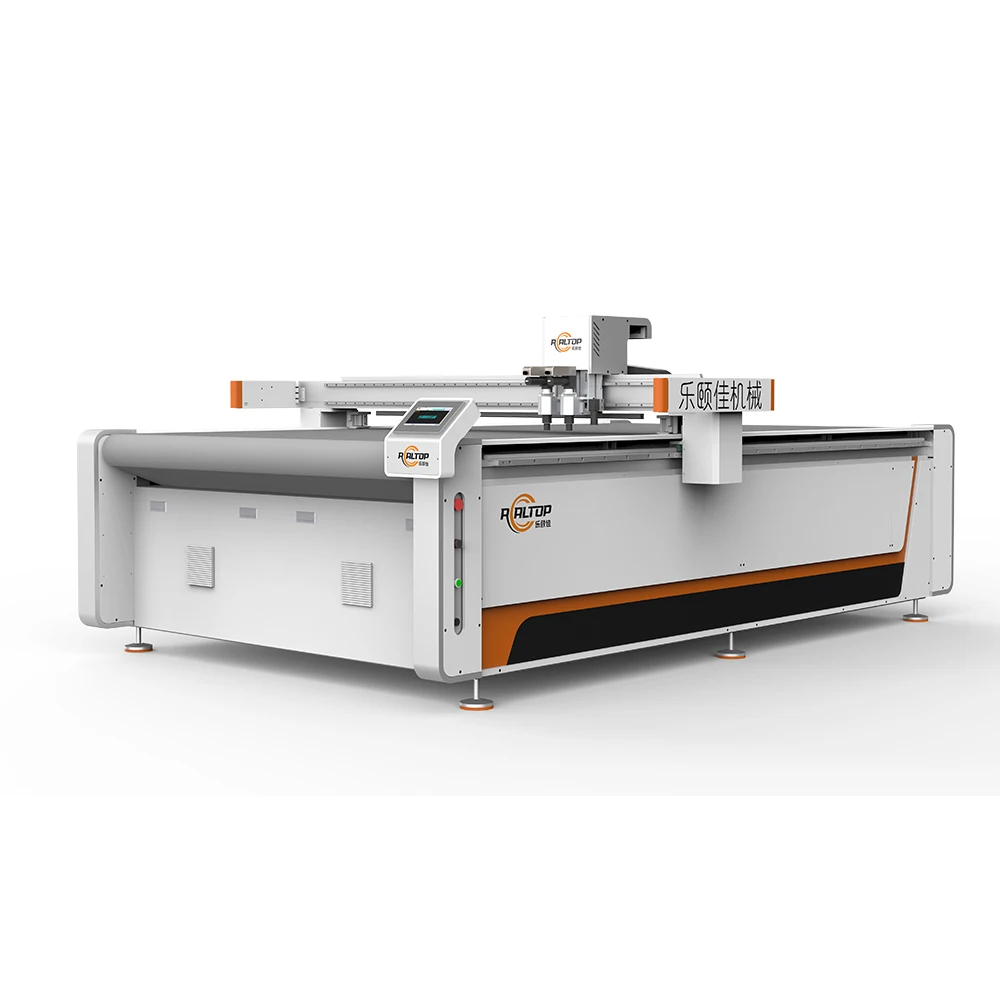
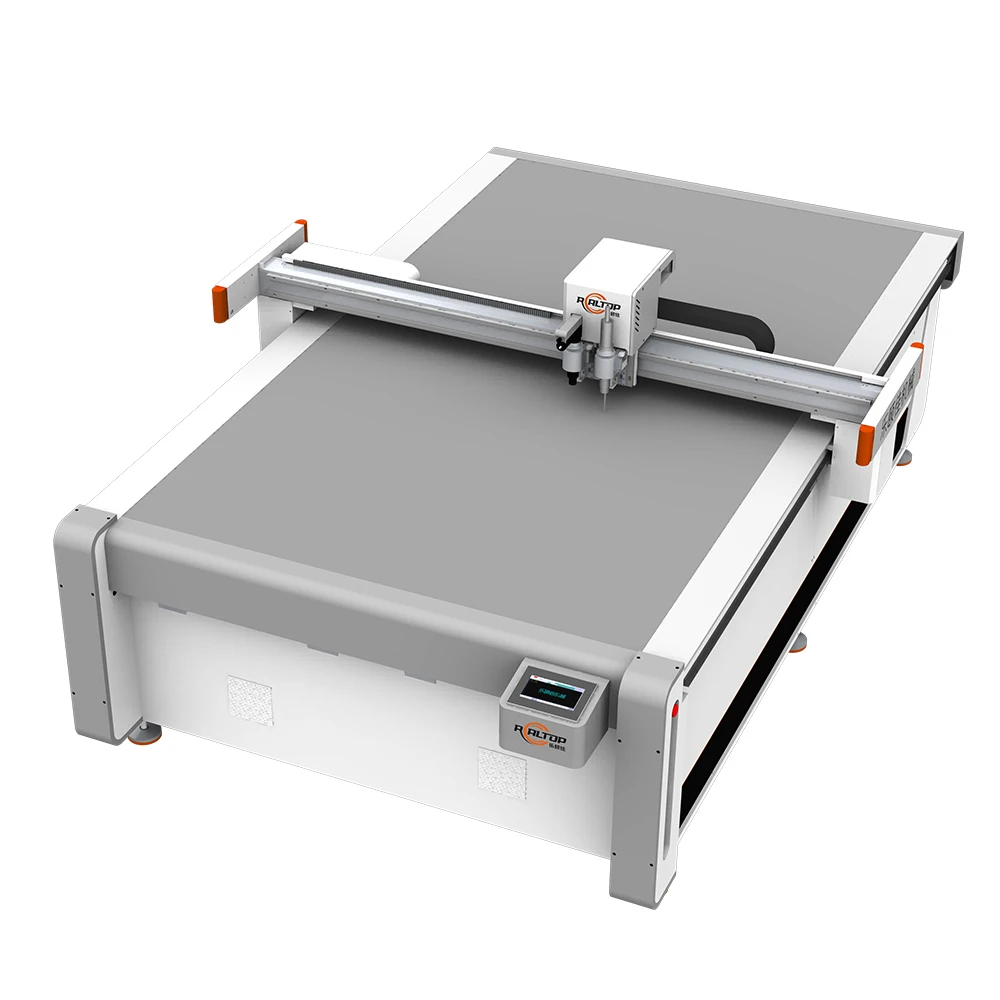
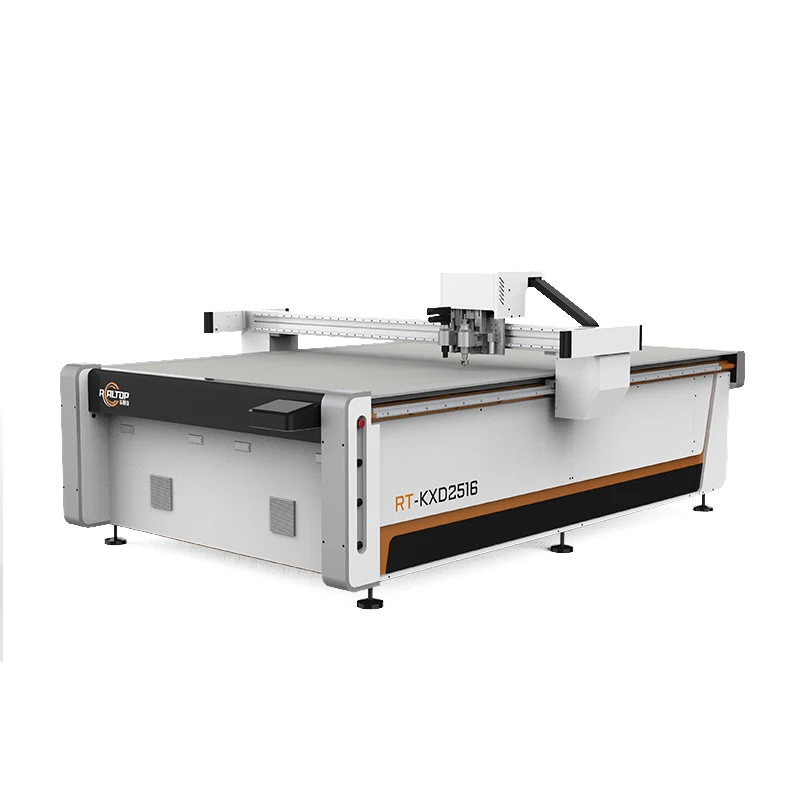
| Product Type | CNC Oscillating Knife Cutting Machine for Packaging |
| Model | 1625(std.) |
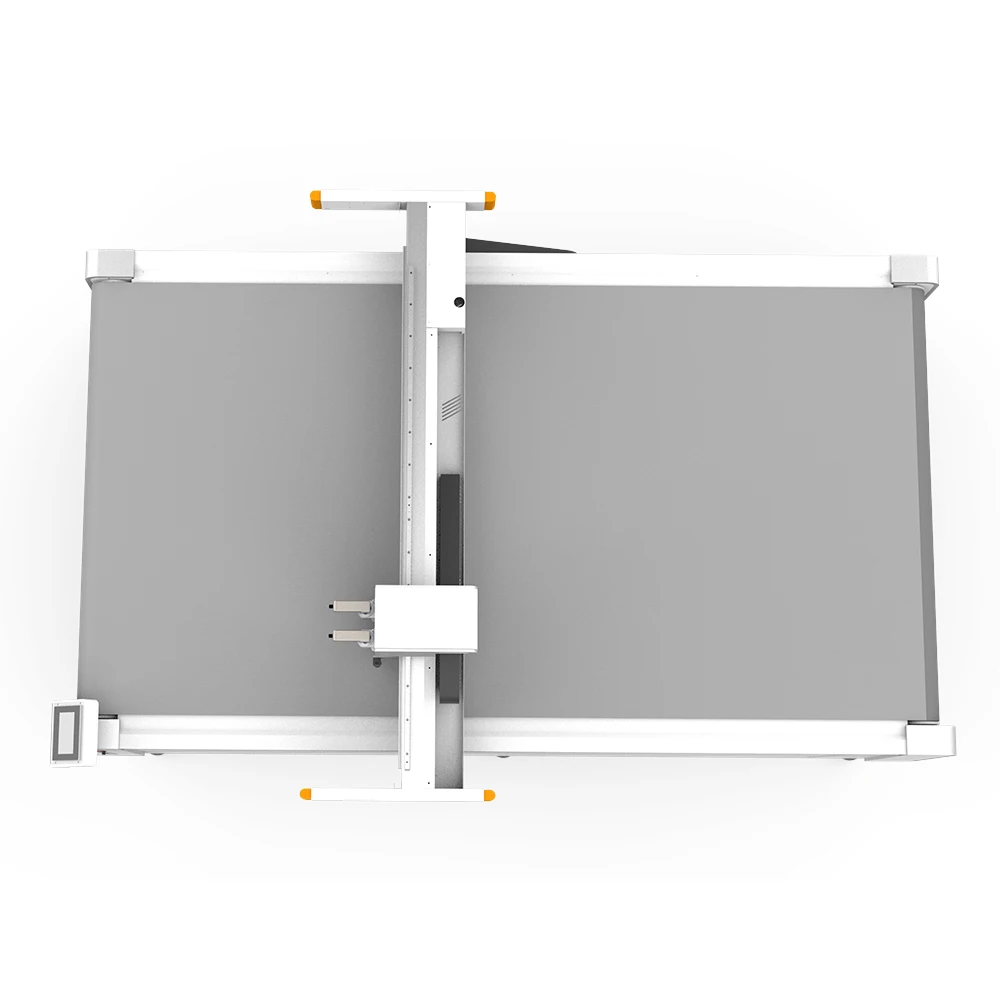
| Working Area | 1600 × 2500 mm |
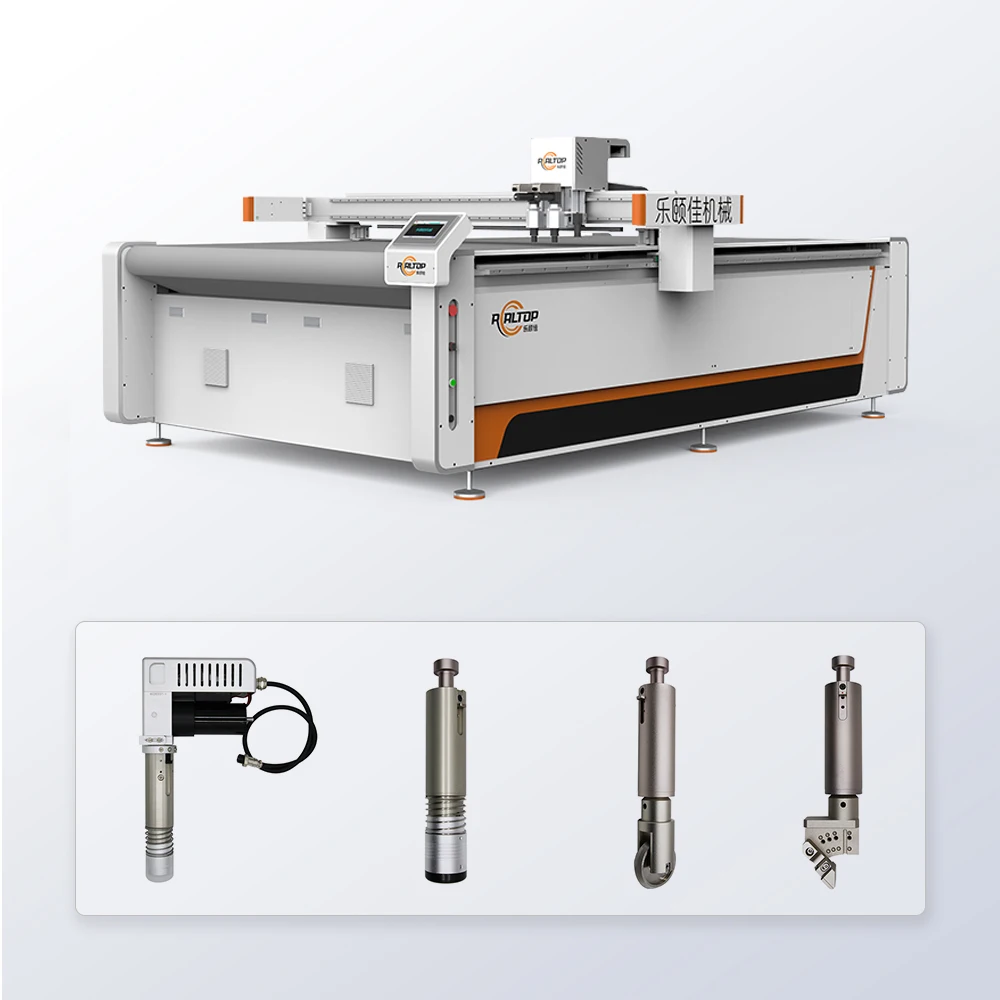
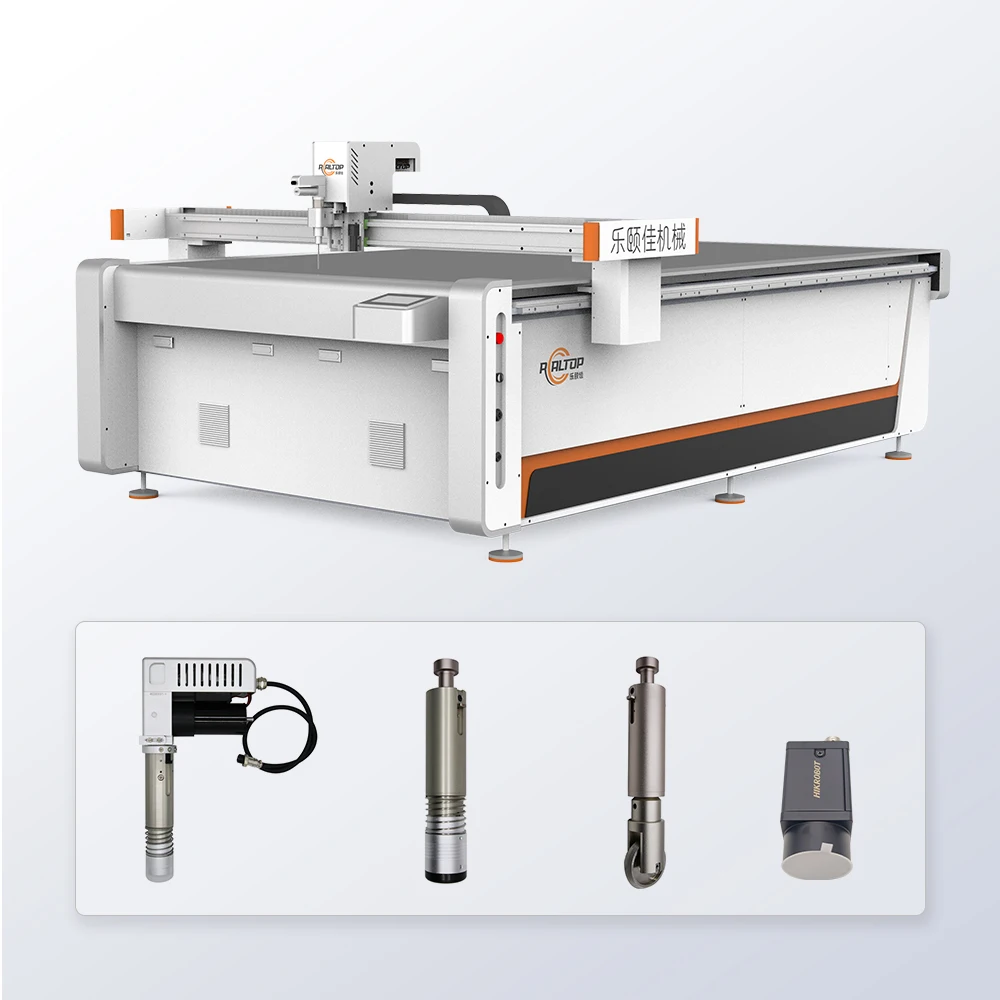
| Tool Head Options | Oscillating knife, Driven rotary knife, Creasing wheel, Kiss cutting tool, Pneumatic knife, Milling tool, V groove knife |
| Cutting Speed | 0–1500 mm/s |
| Cutting Thickness | ≤ 40 mm |
| Cutting Accuracy | ±0.1 mm |
| Vacuum Pump Power | 9 kW |
| Vacuum Table | Aluminum bellows vacuum table |
| Control System | PLC control panel with dedicated packaging box structure design software |
| File Formats Supported | PLT, DXF, AI, PDF |
| Servo Motor Options | Panasonic, Delta, Dorna |
| Voltage Options | 110V, 220V, 380V |
| Language Options | English, Russian, Italian, Chinese (custom languages available) |
| Machine Size | 3300 × 2100 × 1350 mm |
| Safety Device | Infrared sensor device and emergency stop device |
| Machine Frame | Heavy-duty frame with precision-ground surface |
| Standards | CE (source value — verify against manufacturer catalog) |
Application Suitability
| Application | Material or Output |
|---|---|
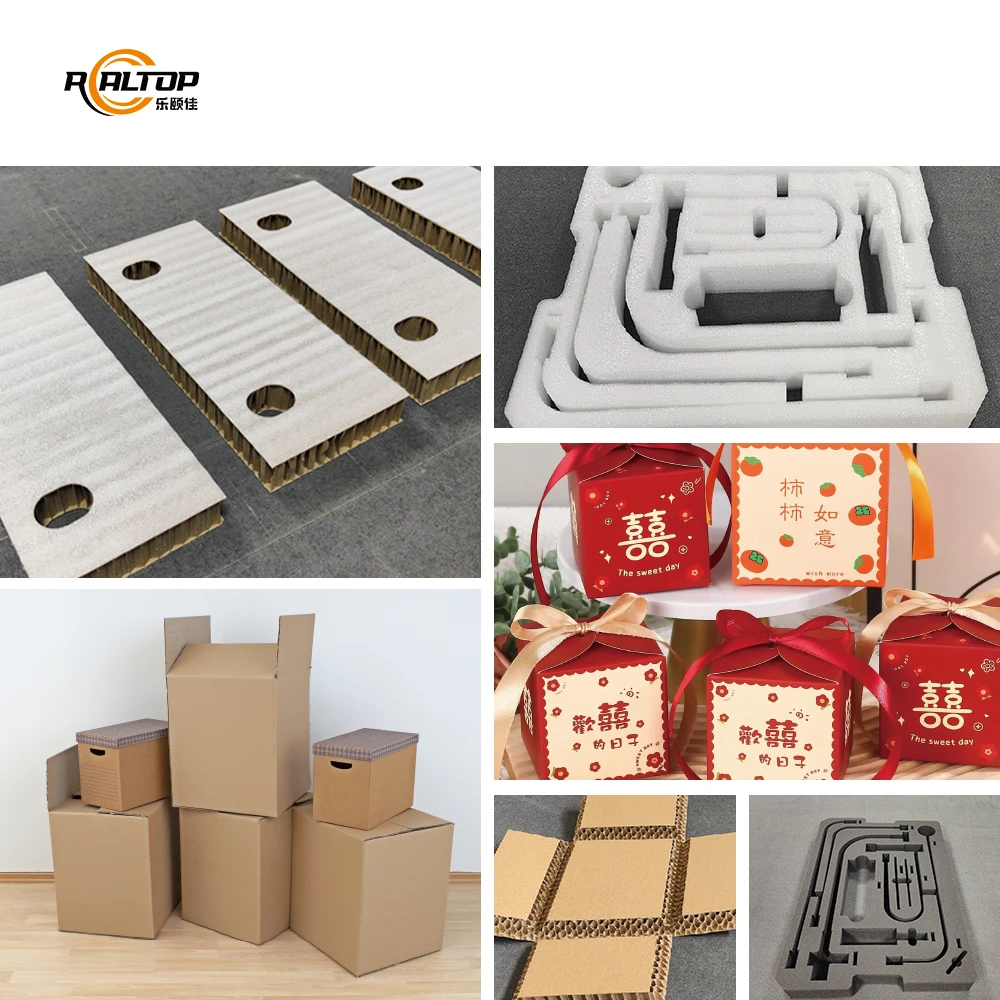
| Corrugated carton sample making | E-flute, B-flute, BC-flute corrugated board |
| Greyboard and art paper prototyping | Greyboard, cardstock, specialty paper |
| Protective insert cutting | EVA foam, EPE foam, PU foam |
| Flat pack box short-run production | Corrugated board with frequent design changeovers |
| Custom packaging component cutting | Rubber mats, PVC, PET thin plastic sheets |
| Leather and composite gasket work | Leather, synthetic leather, composite materials |
Why Board Grade Must Drive the Configuration, Not the Other Way Around
A cutting table specified on working area alone will fail the moment a heavy BC-flute sheet meets an undersized vacuum zone.
I once watched a flat pack carton cutter sit idle in a Dubai workshop for two weeks. The vacuum zoning could not hold small flap pieces at speed — sheets lifted mid-cut, edges crushed, and a full day’s output was scrapped [NEED_CITE: vacuum table zoning standards for small-part digital cutting]. The machine was not defective. It was simply specified for the wrong substrate mix. When you source a CNC oscillating knife cutting machine manufacturer, the first question should never be about table size. It should be about what you are cutting today, what you might cut next quarter, and how the tool head and vacuum layout map to that reality.
Matching the Tool Head to the Flute Profile
Every corrugated grade responds differently to a blade. E-flute board at roughly 1.5 mm thickness cuts cleanly under a standard oscillating knife at higher speeds. Move to BC-flute at 7 mm or more and the same knife tends to compress the flutes before the cut completes, leaving a ragged edge and a weakened crease line. The 1625 platform carries interchangeable heads — oscillating knife, creasing wheel, V groove knife, kiss cutting tool, pneumatic knife, driven rotary knife, and milling tool — so the configuration can follow the material stack rather than force one blade across every job [NEED_CITE: tool head selection criteria for corrugated packaging substrates].
Holding the Sheet When the Parts Are Small
Large corrugated sheets sit flat under vacuum without much effort. The problem appears once nesting software fills that sheet with dozens of small carton blanks and flap cutouts. The aluminum bellows vacuum table on this model works with a 9 kW pump to maintain suction across the working area. For producers running high-mix packaging runs with many small parts, confirming vacuum zoning against your typical nest layout prevents the lift-and-crush failures that scrap entire batches.
Reading the Specs That Matter for Packaging Work
Cutting accuracy of ±0.1 mm matters most on crease lines. A creasing wheel that drifts even half a millimeter off the scored line produces a carton that folds unevenly, which your customer notices immediately on the packing line. The 1500 mm/s maximum cutting speed is useful on straight runs of simple box blanks, but intricate die-cut shapes with tight radii require slower passes to keep the oscillating knife from tearing the liner. The PLC control panel integrates dedicated packaging box structure design software that imports PLT, DXF, AI, and PDF files directly, removing a file-conversion bottleneck that stalls many sample-making departments. Servo motor selection across Panasonic, Delta, and Dorna lets a buyer match motion performance to the throughput expected on the floor [NEED_CITE: servo motor performance differences in CNC flatbed cutting applications].
The Cost of Skipping the Material Test
When a distributor ships a machine without running the buyer’s own board stock, the first production day becomes the real test — and the buyer pays for it. Crushed flutes on BC-grade, incomplete kiss cuts on adhesive-backed foam inserts, and crease wheels that score too shallow on greyboard all surface after installation. Each issue means downtime, wasted material, and a service call that could have been a factory sample report [NEED_CITE: pre-shipment sample cutting protocols for CNC packaging equipment].
What the Factory Floor Brings to the Table
In-house design covers both the knife cutting system and the packaging-specific software workflow, so configuration decisions happen under one roof rather than across three vendors. The heavy-duty frame with a precision-ground surface keeps the gantry square across the full 1600 × 2500 mm travel, which is where cutting accuracy lives or dies on long corrugated sheets. Voltage is confirmed against the buyer’s facility supply — 110V, 220V, or 380V — before the wiring harness is built, eliminating the transformer workaround that burns out control boards within months. Custom control languages are available beyond the standard English, Russian, Italian, and Chinese options. Sample cutting on the buyer’s own material is standard practice before the machine leaves Jinan.
Documentation & Verification
- Machine specification sheet listing every tool head and table option in the confirmed configuration
- Electrical schematic with voltage and frequency matched to the destination facility
- Sample cutting report run on buyer-supplied corrugated or greyboard stock
- Software licence and file format compatibility note for PLT, DXF, AI, and PDF workflows
- Factory test record documenting cutting accuracy across the full working area before crating
Installation, Commissioning & Support
- Floor space planning around the 3300 × 2100 × 1350 mm footprint with clearance for sheet loading
- Dedicated electrical circuit sized for 9 kW vacuum pump plus servo and control draw
- Machine arrives partially assembled; gantry and tool head carriage require on-site alignment
- First-run parameter setting for crease depth and knife oscillation frequency per board grade
- Operator training on packaging design software and tool head changeover procedure
- Spare parts list covering oscillating knife blades, creasing wheels, and vacuum table seals
Before You Request a Quote
Send the exact board grades and flute profiles you run most often, along with typical sheet sizes and the daily volume of carton blanks or sample prototypes your department produces. Include your facility voltage and frequency, preferred control language, and the CAD file formats your designers currently use. If you have adhesive-backed inserts or foam protective elements in the mix, note those materials and thicknesses so the tool head list covers the full scope.
Frequently Asked Questions
Q: How do I confirm the machine can handle my corrugated flute range?
A: Provide samples of your thinnest E-flute and thickest BC-flute board. The factory runs a cutting test on each, recording edge quality, crease definition, and cutting speed. You receive a sample cutting report with the results before committing to the order, ensuring the 40 mm maximum thickness capacity covers your actual material stack.
Q: Which tool heads do I need for creasing versus full cutting on different flutes?
A: A creasing wheel handles score lines on E-flute and B-flute board cleanly. For BC-flute, a V groove knife may be required to open the flutes before the oscillating knife completes the cut. The configuration list specifies which heads ship with your machine based on the material data you provide during the inquiry stage.
Q: Will my existing CAD files import without conversion issues?
A: The dedicated packaging design software accepts PLT, DXF, AI, and PDF formats. Before the order is finalized, you send a sample file from your current workflow. The factory confirms import compatibility and notes any layer or line-weight adjustments needed so your designers do not face surprises on day one.
Q: How are voltage and control language confirmed before shipment?
A: Your facility voltage and frequency are recorded at the inquiry stage and written into the electrical schematic. The PLC control panel is configured in your chosen language — English, Russian, Italian, Chinese, or a custom option — and verified during the factory test so operators see the correct interface from the first power-on.
You may also like

商品评价
Clear filtersThere are no reviews yet.