


-
 Courier delivery
-
 DHL Courier delivery
-
 Warranty 1 year
-
 Free 30-Day returns

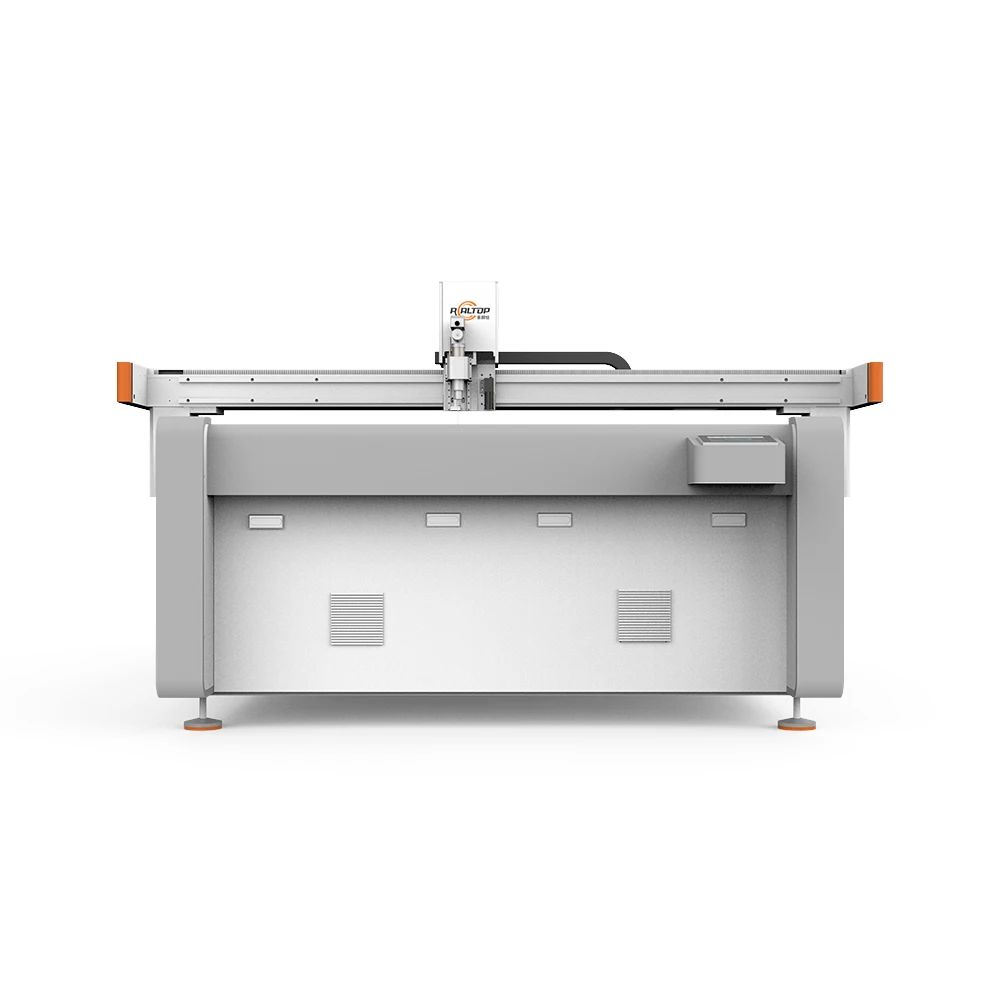
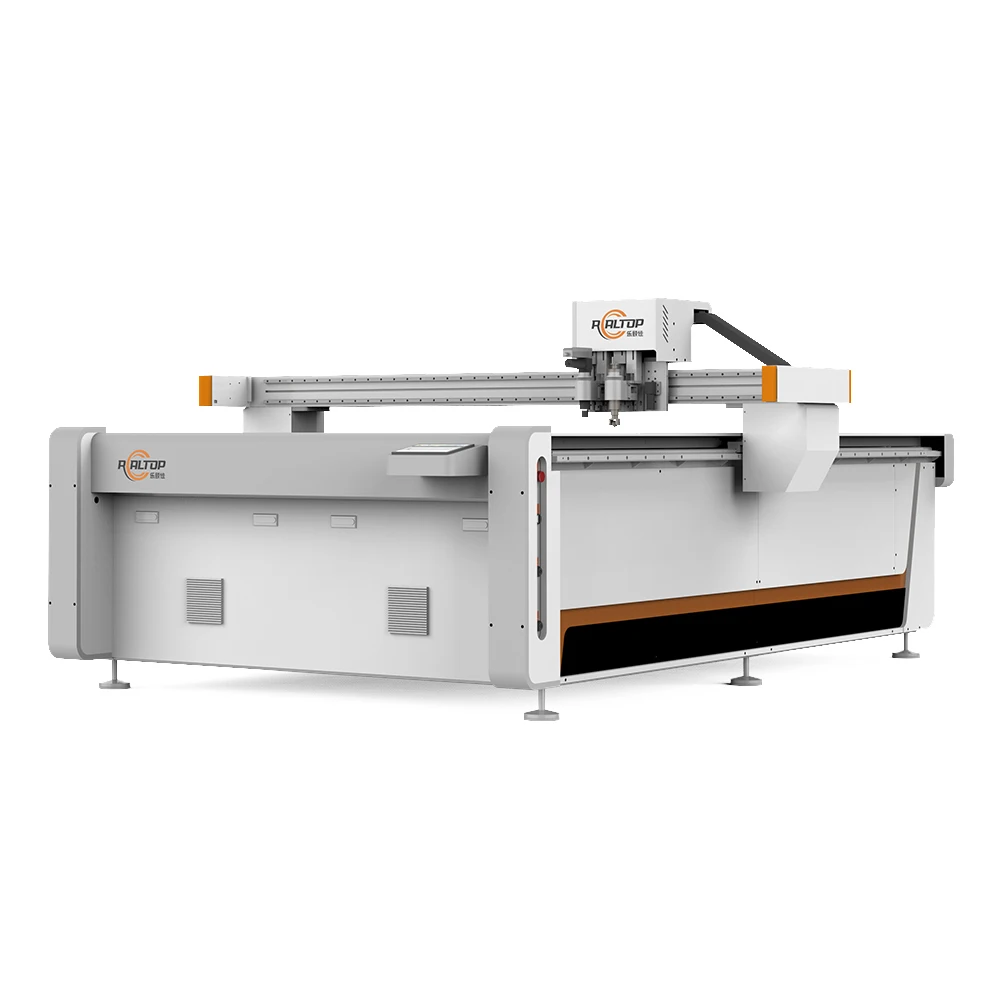
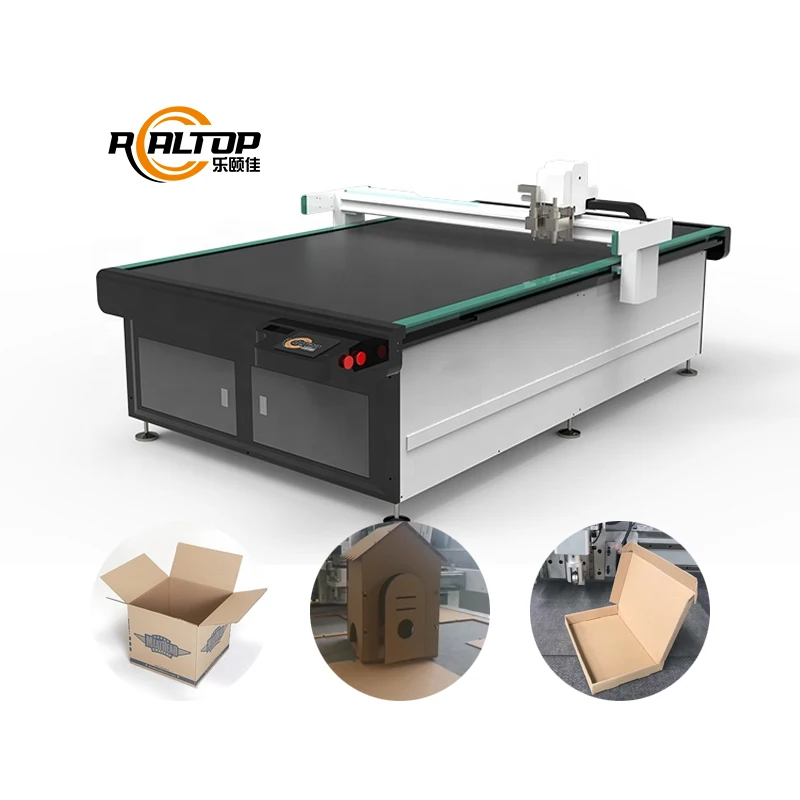
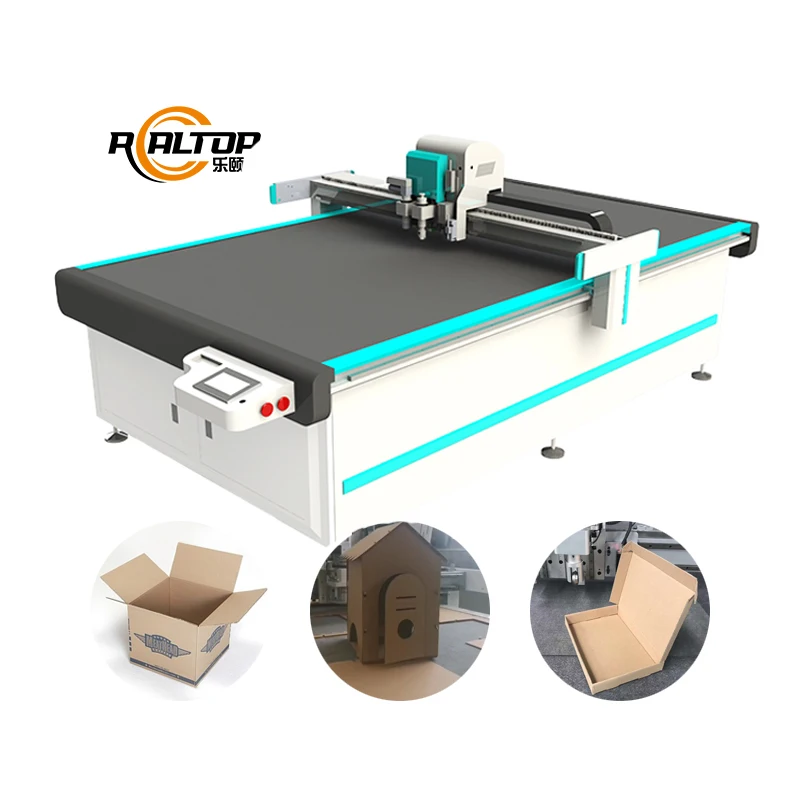
Core Factory Build — Realtop fabricates the frame, motion assembly, and tool head integration under one roof, eliminating the integration gaps common when a trading company sources components from multiple vendors and assembles them off-site.
Technical Specifications
| Parameter | Value |
|---|---|
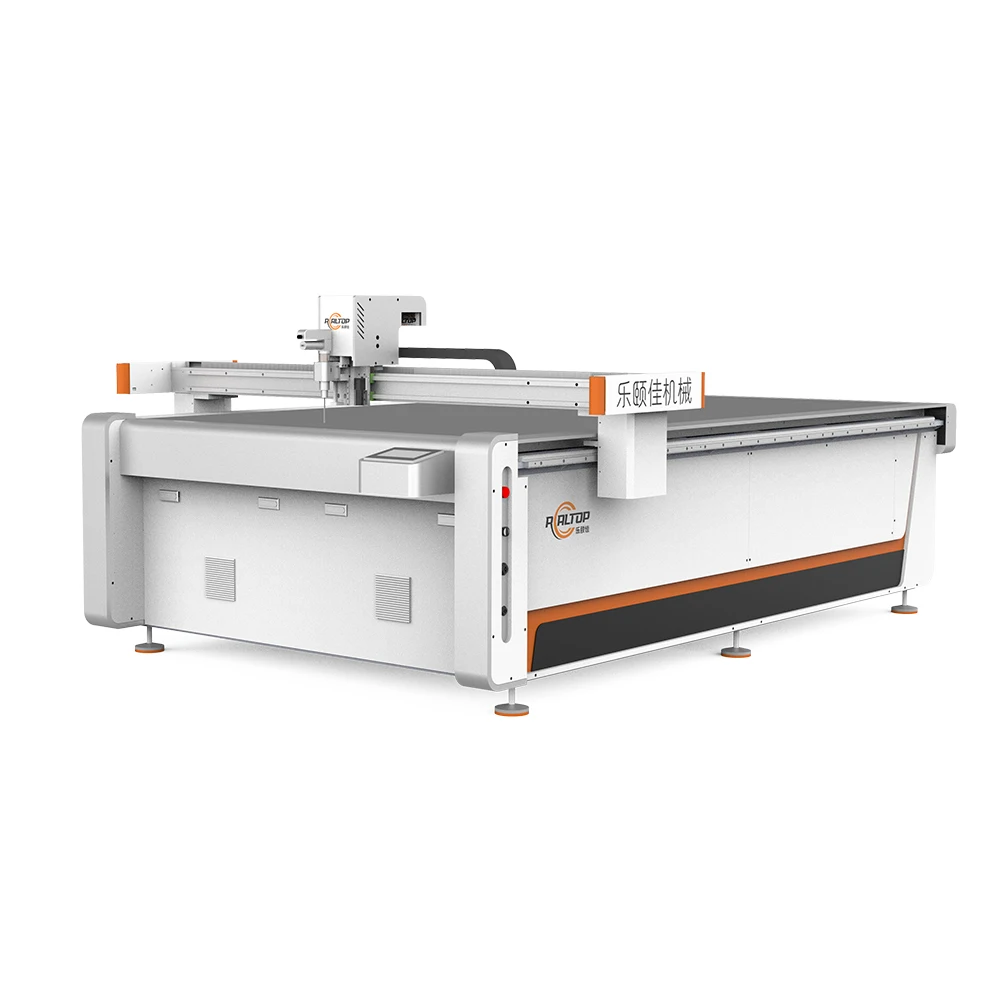
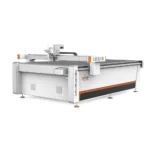
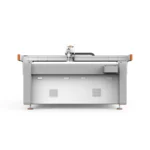
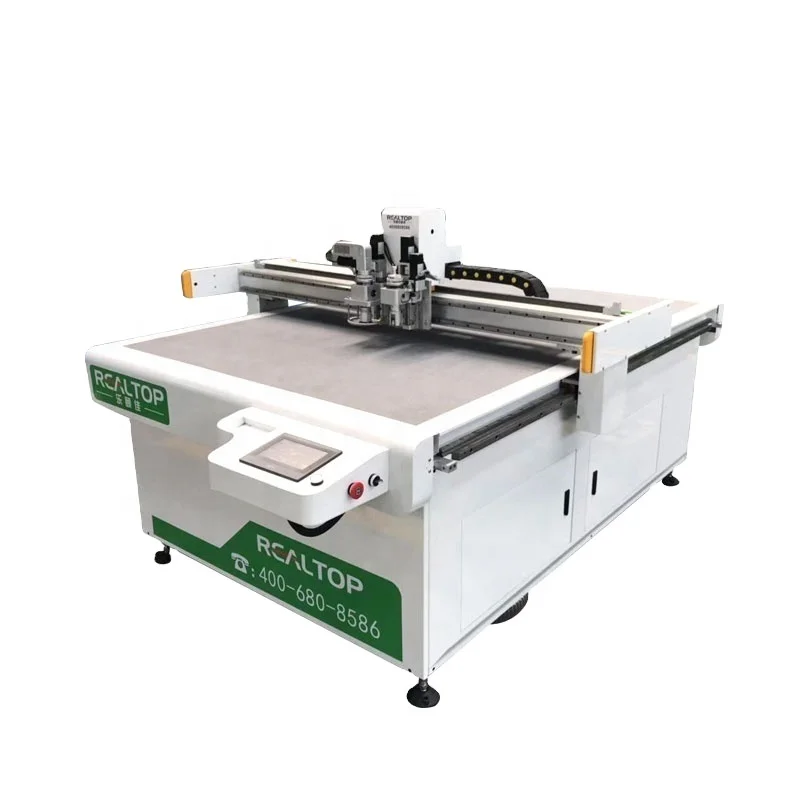
| Product Type | CNC Oscillating Knife Cutting Machine |
| Working Area | 1600×2500 mm |
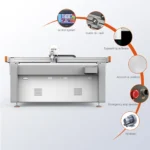
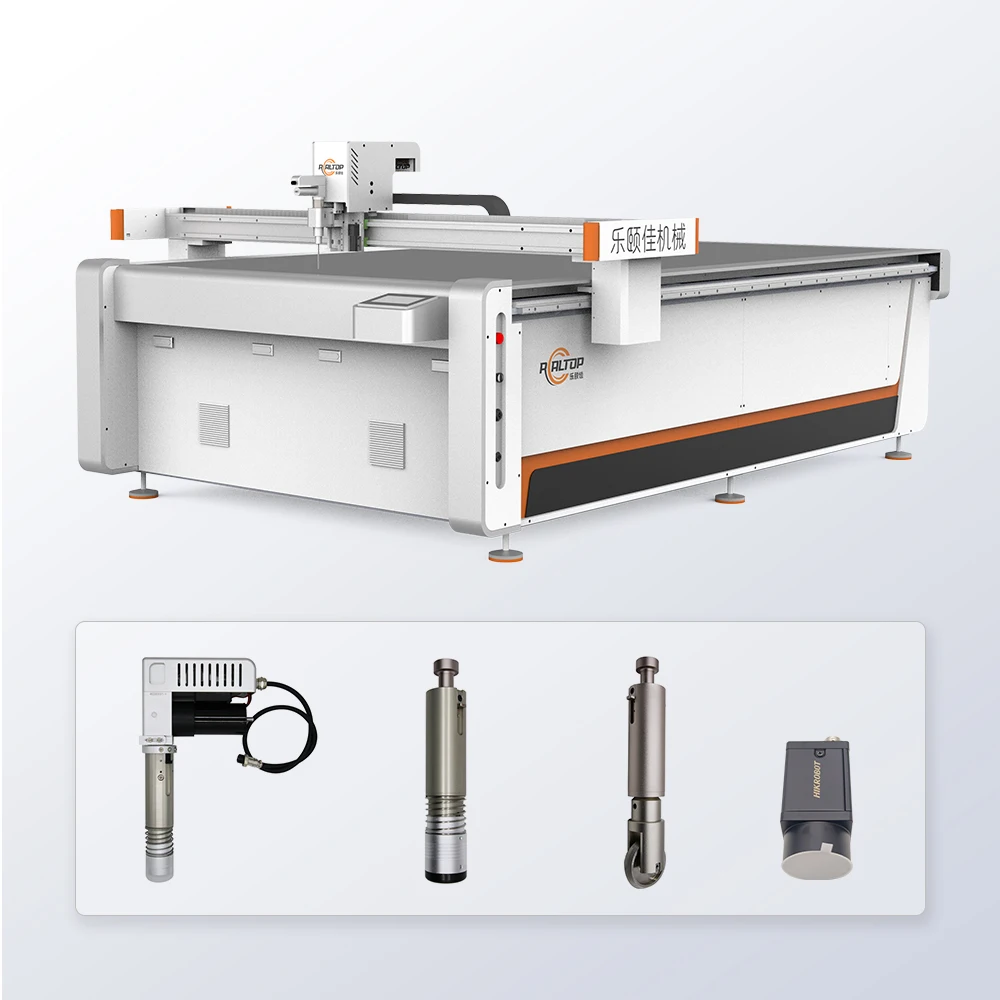
| Tool Head Options | Oscillating knife, driven rotary knife, creasing wheel, kiss cutting tool, pneumatic knife, milling tool, V-groove knife |
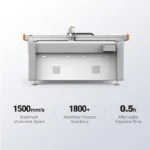
| Cutting Speed | 0–2000 mm/s |
| Cutting Thickness Capacity | Up to 30 mm |
| Cutting Accuracy | ±0.1 mm |
| Vacuum Pump Power | 9 kW |
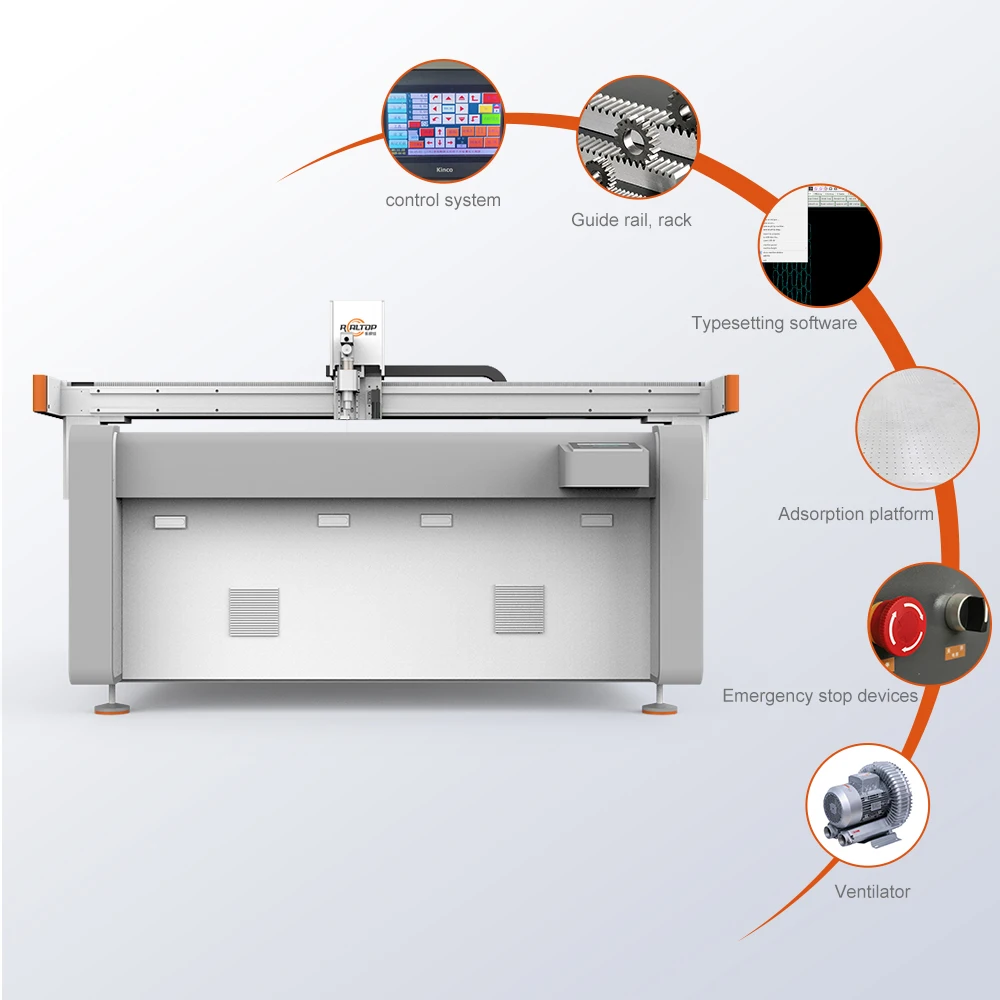
| Vacuum Table | Aluminum bellows vacuum table with high flatness and sealing |
| Machine Frame | Heavy-duty frame with precision-ground surface |
| Control System | PLC control panel with intuitive interface |
| Voltage Options | 110V, 220V, 380V (configurable) |
| Software Language | English, Russian, Italian, Chinese (customizable) |
| Supported File Formats | PLT, DXF, AI, PDF |
| Servo Motor Options | Panasonic, Delta, Dorna |
| Safety Devices | Infrared sensor device and emergency stop device |
| Machine Dimensions (L×W×H) | 3300×2100×1350 mm |
| Certification | CE |
Application Suitability
| Application | Material or Output |
|---|---|
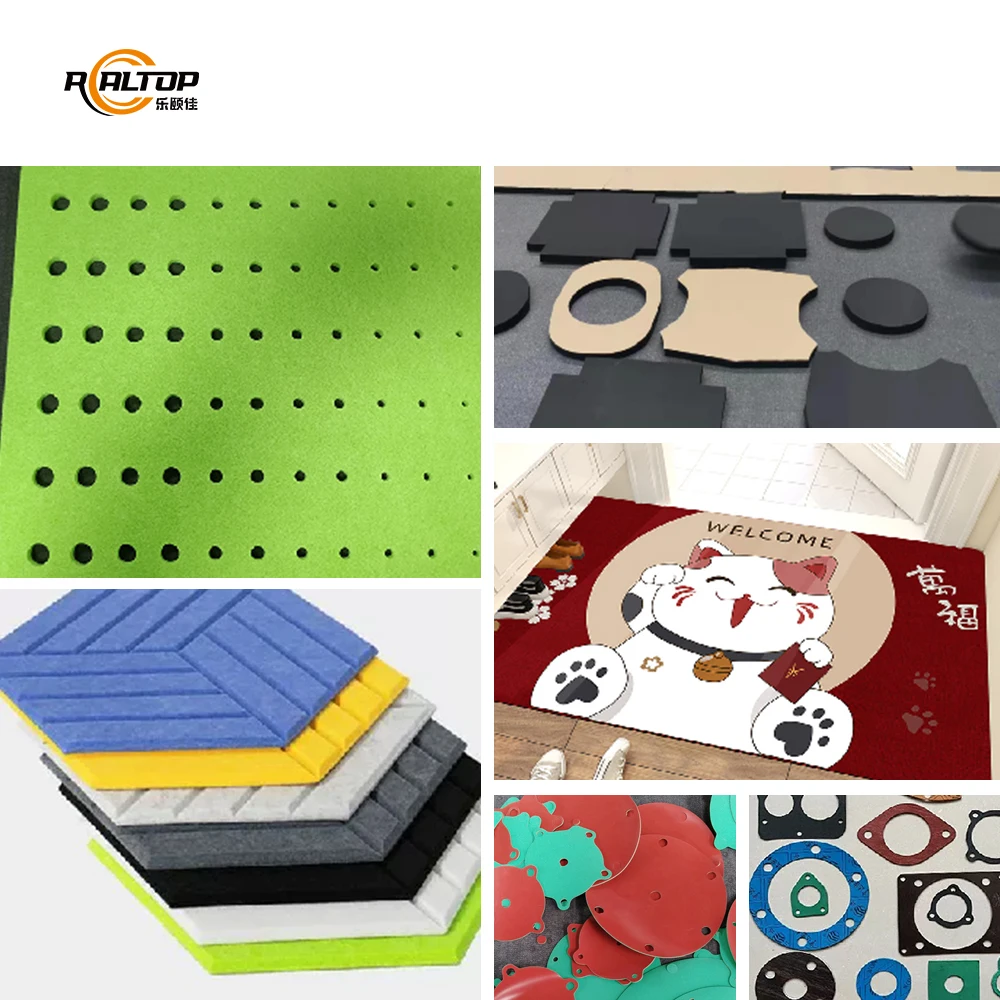
| Gasket and seal production | PTFE sheets, rubber compounds, aramid fiber, composite gasket laminates |
| Aerospace component fabrication | Carbon fiber prepreg, Nomex honeycomb, ceramic fiber blankets, thermal insulation foam |
| Automotive interior and sealing | Acoustic felt, damping pads, carpeting, sealing strips, battery insulation pads |
| Wind energy blade manufacturing | Fiberglass cloth, vacuum infusion mesh, PET/PVC foam core, insulating barriers |
| Sporting goods composites | Carbon fiber sheets, Kevlar fabric, high-performance foam cores, composite layups |
Why Material Thickness Alone Does Not Define the Machine You Need
A cutting table rated for 30 mm does not automatically cut every 30 mm material cleanly — tool head selection, vacuum hold-down zoning, and blade oscillation frequency must all match the specific material behavior.
I once watched a buyer receive a machine that handled 20 mm rubber gaskets perfectly during factory testing, only to struggle with 15 mm PTFE back at their plant. The oscillation frequency was set for elastomeric materials, and the vacuum zones were configured for large sheets rather than the small gasket profiles they actually ran. The machine was not defective; it was specified without regard to their real production mix. This is why confirming the actual material stack — type, density, sheet size, and part geometry — matters more than quoting a maximum thickness number. [NEED_CITE: material-specific cutting configuration requirements for industrial gasket production]
How the In-House Design Process Shapes the Final Machine
Realtop’s engineering team controls the design path from frame welding to motion calibration, which means a CNC oscillating knife cutting machine manufacturer can adjust the vacuum table zoning layout before the table surface is machined. When a gasket producer sends their part nesting files, the team maps the vacuum zones to match the actual distribution of small and large profiles across the 1600×2500 mm work area. This prevents the common failure mode where suction concentrates in the center while edges lift during high-speed passes.
Cold Cutting Preserves Material Integrity Across Composite Stacks
Thermal cutting methods leave melted edges on PTFE, scorch marks on aramid, and delamination on layered composites — defects that compromise seal performance in critical applications. The oscillating knife process removes material through mechanical shearing at high frequency, producing a clean edge without heat-affected zones. For aerospace suppliers cutting carbon fiber prepreg or Nomex honeycomb cores, this means the resin matrix remains intact at the cut boundary and the laminate does not fray during subsequent layup and curing stages. [NEED_CITE: thermal damage mechanisms in composite material cutting processes]
Reading the Specs That Actually Affect Your Daily Output
The ±0.1 mm cutting accuracy figure matters most when cutting stacked gasket layers or tight-tolerance aerospace seals where cumulative error across hundreds of parts leads to assembly rejection. The 9 kW vacuum pump paired with the aluminum bellows table generates consistent suction across the working area, but the real variable is how the zoning valves are configured — a single-zone setup will lose grip on small gasket profiles while a multi-zone layout matched to your nesting pattern keeps every piece anchored. The PLC control panel supports file imports in PLT, DXF, AI, and PDF formats, which covers most CAD outputs from gasket design software, though confirming your specific nesting workflow compatibility before order prevents software integration delays on the factory floor.
The Hidden Cost of Skipping Material Trials Before Shipment
When a buyer accepts a machine based on specification sheets alone, the first sign of trouble arrives after installation — ragged edges on foam, crushed gasket profiles, or small parts lifting off the table mid-cut. Correcting these issues remotely means weeks of back-and-forth video calls, replacement tool heads shipped internationally, and production downtime while the configuration is reworked. In some cases, the vacuum table requires physical re-zoning, which means the machine must be partially disassembled. Running sample cuts on the buyer’s actual material before the machine leaves the factory eliminates nearly all of this post-delivery troubleshooting. [NEED_CITE: post-installation reconfiguration costs for industrial cutting equipment]
What Building In-House Means for Your Procurement Process
The design team reviews each order against the buyer’s material samples and production volume rather than pulling a standard configuration from inventory. The frame is fabricated and precision-ground at the core factory, so dimensional accuracy of the motion system does not depend on a third-party welder’s schedule. Tool head selection — whether oscillating knife for dense rubber, driven rotary knife for fabric, or pneumatic knife for thick foam — is confirmed through sample cutting before the quotation is finalized. Voltage, plug type, and control language are locked in during the specification confirmation stage, so the machine arrives wired for the local grid with an interface the operators can read. The CE-certified build documentation travels with the machine, supporting customs clearance and local compliance requirements in regulated markets.
Documentation & Verification
- Machine specification sheet listing the exact tool head and vacuum zone configuration selected for your material
- Sample cutting report produced on your gasket stock, including edge quality photographs and dimensional measurements
- Electrical schematic with confirmed voltage, frequency, and plug type matched to your facility supply
- Software licence documentation with file format compatibility verification for your existing CAD workflow
- Factory test record showing cutting accuracy verification across your specified material thickness range
- CE declaration and packing photographs for shipping insurance and customs documentation
Installation, Commissioning & Support
- The 3300×2100×1350 mm footprint requires a level concrete floor with clearance for material loading on at least two sides
- The 9 kW vacuum pump requires a dedicated circuit separate from the PLC control and servo drive power supply
- Machine arrives partially assembled; the frame, gantry, and table are joined and leveled on-site during commissioning
- First-run calibration includes vacuum zone testing with your actual gasket material and tool head speed adjustment
- Operator training covers PLC interface navigation, tool head changeover, and nesting file import in your selected language
- Spare parts list identifies consumable blades, vacuum seals, and wear items with reorder part numbers
Before You Request a Quote
To match the right configuration to your production, we need to know the specific gasket or composite materials you cut, the typical sheet dimensions and thickness range, and the daily part volume you need to sustain. Share your local voltage and frequency standards, preferred control language, and whether your existing nesting software outputs PLT, DXF, or another format. If you have material samples available, sending them for trial cutting allows us to confirm edge quality, hold-down performance, and tool head selection before any commitment is made.
Frequently Asked Questions
Q: How is the tool head and vacuum table configuration matched to my specific gasket or composite material?
A: We review your material type, thickness, density, and part geometry, then run sample cuts using different tool head options — oscillating knife, driven rotary, or pneumatic — to identify which produces the cleanest edge. Vacuum zones are then mapped to your typical nesting layout so small gasket profiles receive adequate hold-down without wasting suction on empty table areas.
Q: What voltage, plug type, and control language options are confirmed before shipment?
A: The machine supports 110V, 220V, and 380V configurations. We confirm your facility voltage, frequency, and plug standard during the specification stage and lock in the PLC interface language — available in English, Russian, Italian, Chinese, or other options — so operators can navigate controls from the first day of production.
Q: Can I send my material for sample cutting to verify edge quality and thickness capacity before ordering?
A: Yes. Sending your actual gasket or composite material allows us to test cutting accuracy, edge finish, and vacuum hold-down under real conditions. You receive a sample cutting report with dimensional measurements and edge photographs before deciding on the final configuration and placing your order.
Q: What OEM and customization scope does the in-house design team support?
A: The design team can adjust working area dimensions, configure single or multi-head setups, integrate conveyor feed systems, and modify vacuum table zoning layouts. Because frame fabrication and motion assembly happen in the core factory, these changes are engineered into the machine structure rather than bolted on as afterthoughts.
Q: What documentation is provided with the machine?
A: Each shipment includes the machine specification sheet, electrical schematic, tool head and table configuration list, sample cutting report, CE declaration, factory test record, operation manual, software licence with file format notes, spare parts list, and packing photographs for logistics and compliance purposes.
You may also like

商品评价
Clear filtersThere are no reviews yet.