


-
 Courier delivery
-
 DHL Courier delivery
-
 Warranty 1 year
-
 Free 30-Day returns

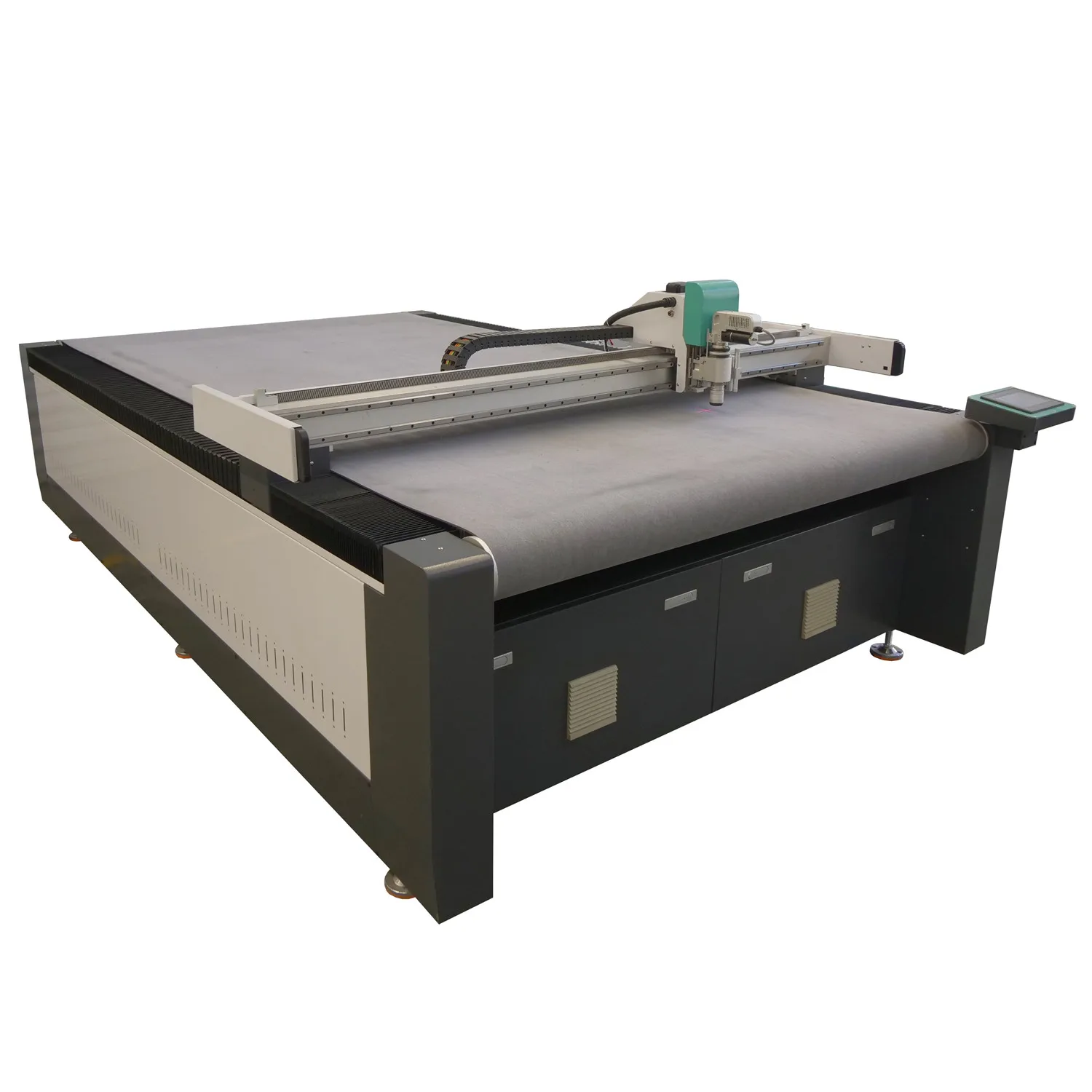
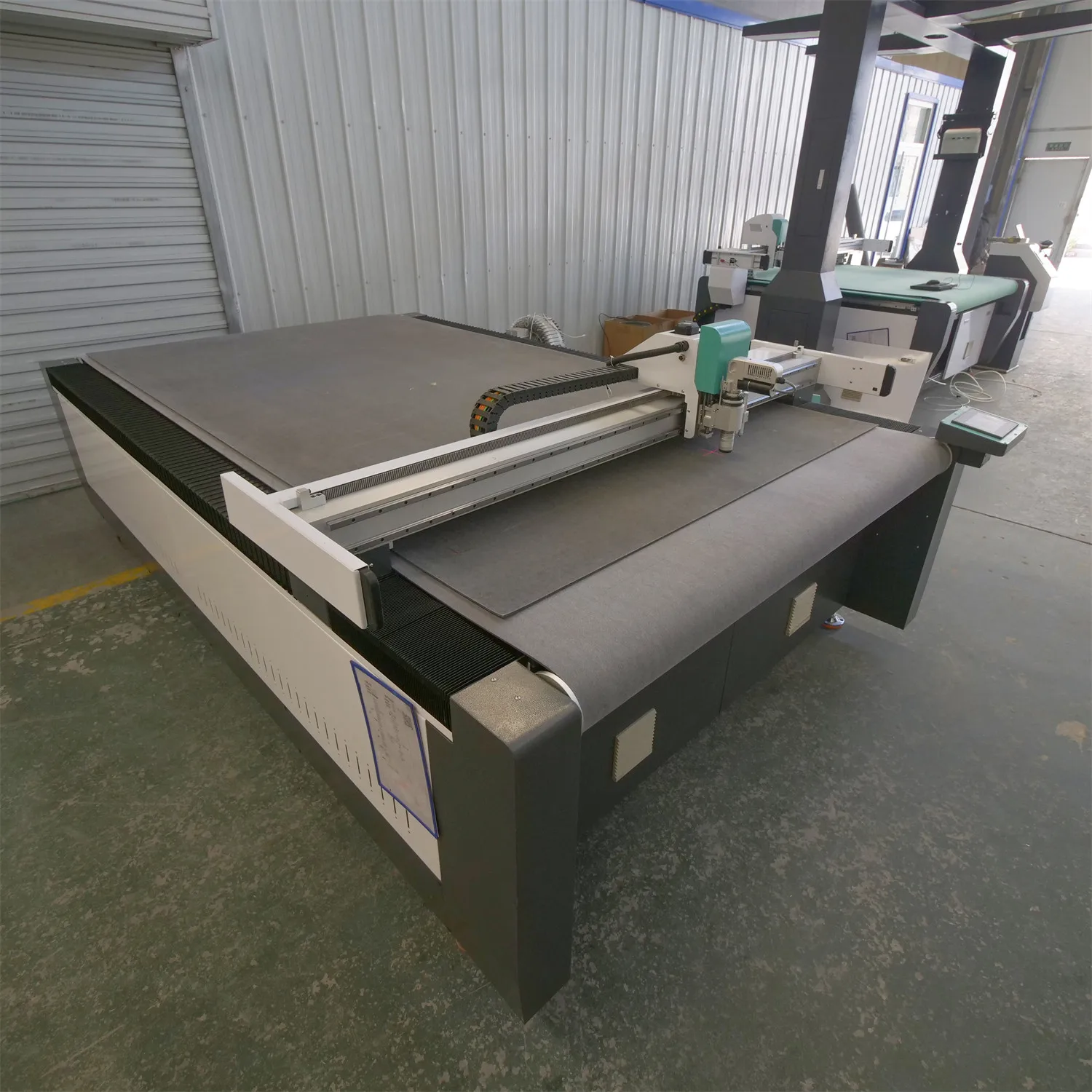
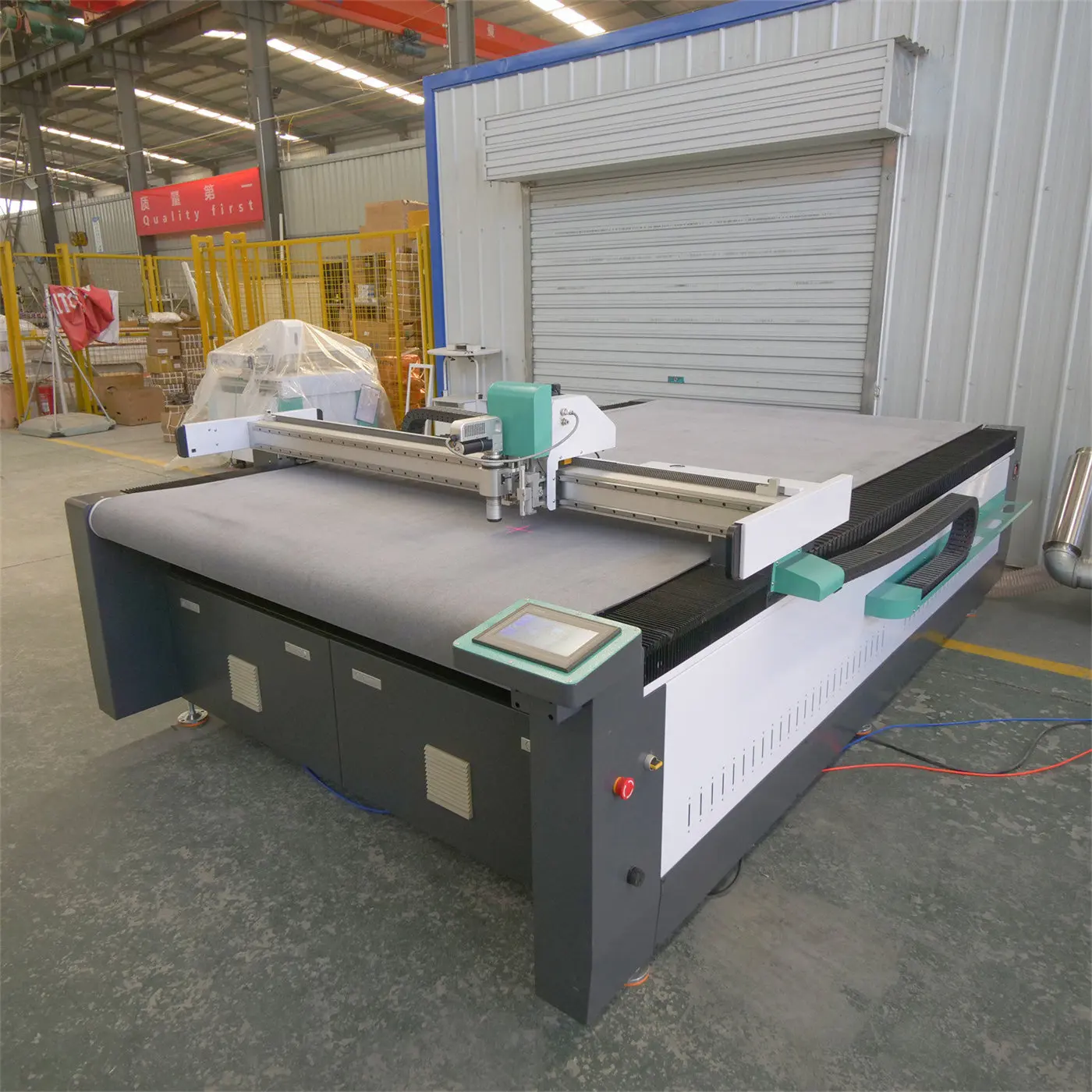
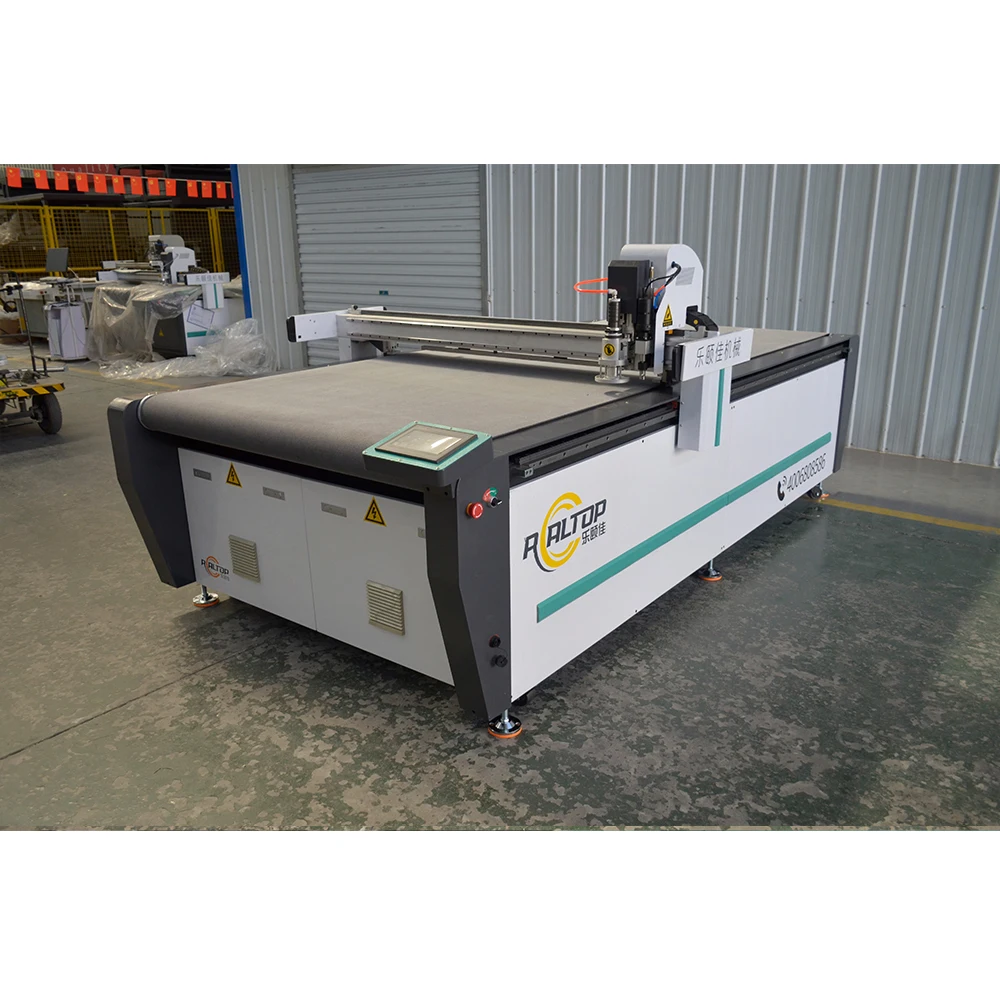
Factory-Built Frame Integrity — Every RT-D2516/RT-S2516 chassis undergoes high-temperature tempering and CNC machining center finishing before assembly, ensuring the dimensional stability leather processors need when cutting irregular hides at high travel speeds.
Technical Specifications
| Parameter | Value |
|---|---|
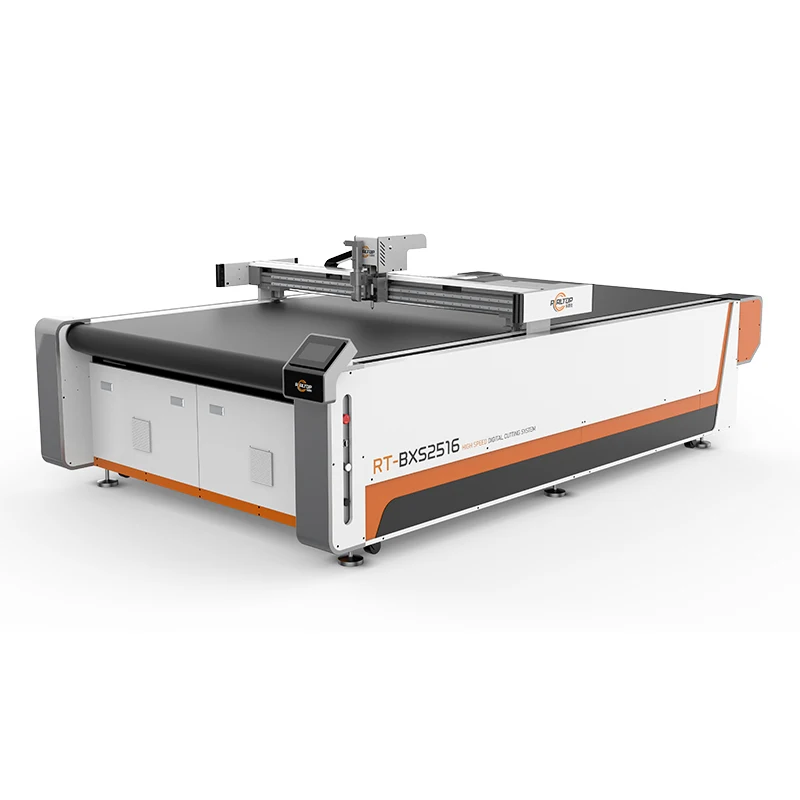
| Model | RT-D2516/RT-S2516 |
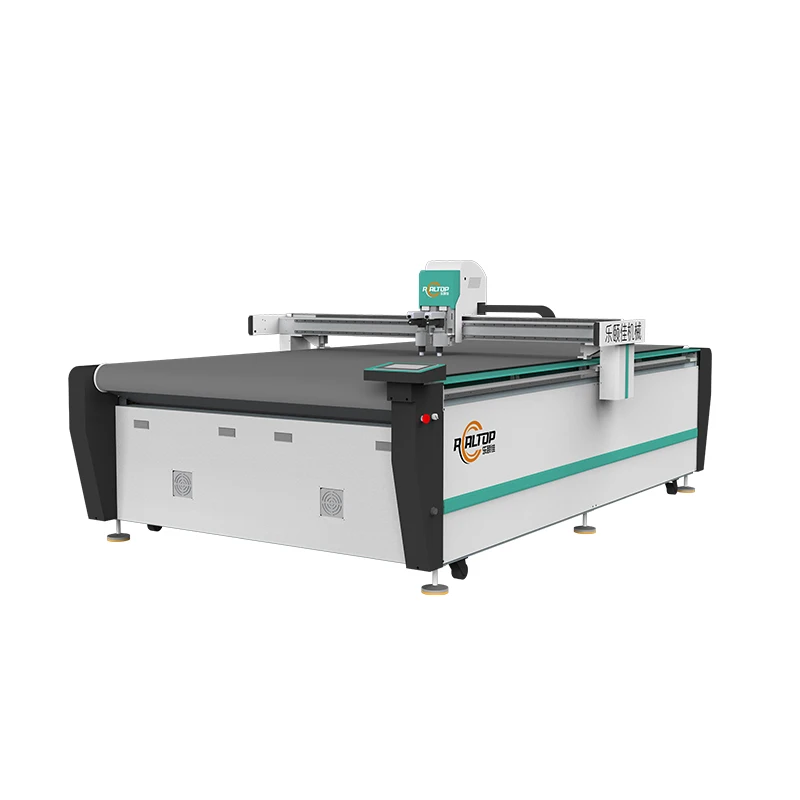
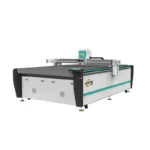
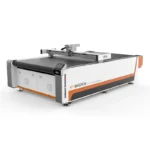
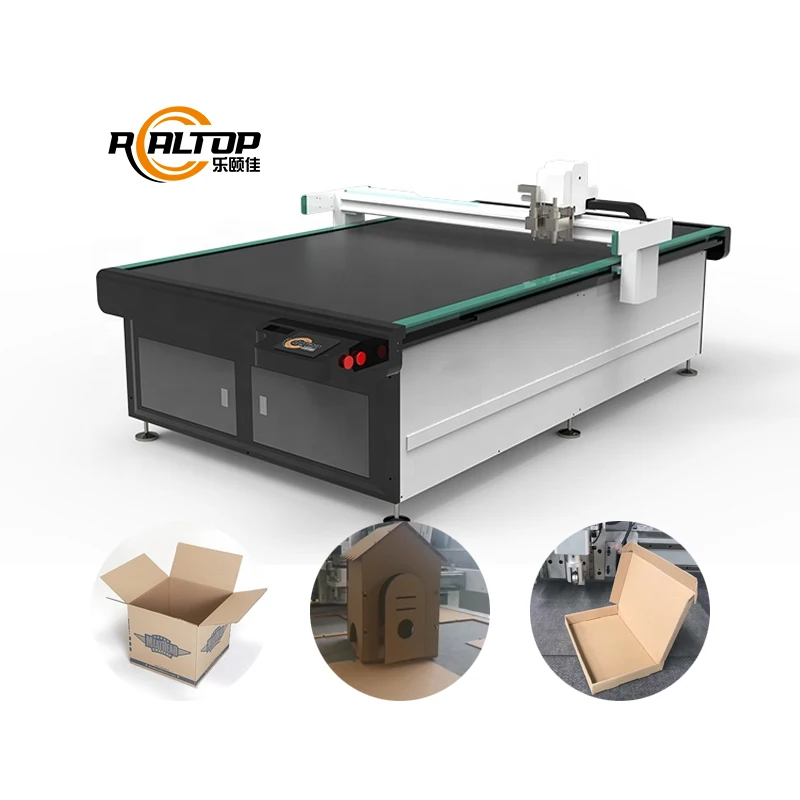
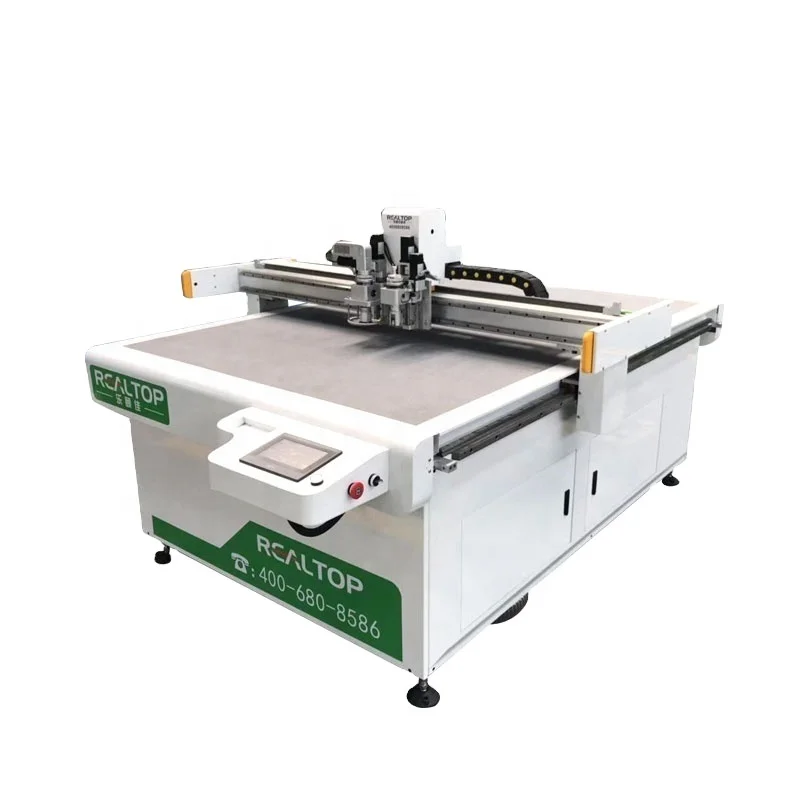
| Product Type | CNC Oscillating Knife Leather Cutting Machine |
| Working Area | 1600×2500 mm |
| Machine Size | 3450×2300×1250 mm |
| Rated Power | 9 kW |
| Table Type | Magnesium-aluminum alloy vacuum adsorption table with fluorocarbon PVDF powder spraying, anodic and hard oxidation |
| Multifunctional Tool Head | Swiss imported knife (vibration full cutting, vibration half cutting, cursor location); optional heads: oscillating knife, pneumatic knife, high-power vibrating knife, circular knife, V cutting knife, drag knife, creasing wheel, dotted line knife, punching, brush |
| Visual Positioning | Small CCD camera mark point positioning, panoramic camera recognition positioning, projection positioning |
| Safety Device | Infrared sensors, infrared induction blocking, anti-collision, emergency stop |
| Translational Velocity | 800–1200 mm/s |
| Cutting Thickness | 20–80 mm (depending on material) |
| Cutting Materials | Leather, clothing flexible materials, sponge composite leather, PVC, soft glass, silicon, rubber |
| Repeated Accuracy | ≤0.1 mm |
| Transmission System | Imported digital servo motor, linear guide, synchronous belt, ball screw |
| Instruction System | HP-GL compatible format |
| Voltage | 380V±10% (50/60 Hz to be confirmed for target market) |
| Servo Motor | Delta (Panasonic optional), IP67 waterproof, multi-functional real-time automatic gain adjustment, vibration suppression |
| Vacuum Pump | 7.5 kW, integrated aviation aluminum shell, built-in silencer sponge reducing noise by 35% |
| Frame Construction | Thick-walled seamless steel structure, high-temperature tempering, CNC machining center finished |
| Software Language Options | English, Russian, Italian, Chinese (special languages customizable) |
| Assembly State | Fully assembled |
| Warranty | 1 year |
Application Suitability
| Application | Material or Output |
|---|---|
| Shoe and bag production | Genuine leather, composite PU leather, sponge-bonded hides, irregular outline extraction with flaw avoidance |
| Automotive interior manufacturing | Precision nested cutting of dash and seat leather panels from irregular hide shapes |
| Garment and leather goods factories | Digital die-free cutting of apparel leather, flexible textile composites and soft trim materials |
| Home furnishings and upholstery | Sofa and cushion panel cutting from thick composite leather and sponge-bonded materials |
| Industrial gasket and seal fabrication | PVC, soft glass, silicon and rubber sheet cutting for non-automotive applications |
Why Cutting Depth Promises Fall Short on Composite Leather
Matching oscillation frequency and amplitude to the actual hide density — not the brochure thickness — is the only way to avoid frayed edges on composite materials.
When a buyer specifies a CNC leather cutting machine manufacturer based solely on working area and maximum thickness rating, the real variable gets overlooked: composite PU leather behaves entirely differently from genuine full-grain hide at the same nominal thickness. The oscillation frequency that slices cleanly through a 3 mm cowhide will crush and fuzz the backing layer of a 3 mm sponge-bonded synthetic. I have stood on factory floors in Riyadh watching operators re-cut entire batches because the test sample ran on genuine leather settings while the production run used composite stock. The machine is not at fault — the configuration was never matched to the material [NEED_CITE: material-specific oscillation parameters for CNC knife cutting].
How the Core Factory Controls Build Quality
The RT-D2516/RT-S2516 frame starts as thick-walled seamless steel, welded into a single structure and then subjected to high-temperature tempering to relieve internal stress. This CNC leather cutting machine manufacturer runs every welded frame through a CNC machining center for final surface finishing, which means the mounting planes for the linear guides and vacuum table are milled to tolerance rather than hand-shimmed on the assembly floor. A distributor evaluating this machine should inspect the frame before and after tempering — the difference in long-term dimensional stability is measurable when the machine operates at translational velocities up to 1200 mm/s daily.
Vacuum Table Engineering for Irregular Hide Fixation
Leather hides are never rectangular, and small offcuts tend to lift during cutting if the vacuum zoning is too coarse. The magnesium-aluminum alloy table on this CNC oscillating knife leather cutting machine uses fluorocarbon PVDF powder spraying with anodic and hard oxidation to resist abrasion from repeated hide loading. The 7.5 kW vacuum pump integrates an aviation aluminum shell with built-in silencer sponge, reducing operational noise significantly while maintaining the suction needed for thin garment-weight hides. When processing small shoe upper pieces, verifying that the multi-zone adsorption is configured to match the part layout prevents lift-induced miscuts [NEED_CITE: vacuum zoning standards for flatbed digital cutting tables].
Reading the Specification Sheet Like a Production Manager
The 9 kW rated power covers the combined draw of the servo system, oscillating tool head, vacuum pump and conveyor feed — buyers should confirm their workshop circuit can supply this alongside other production equipment on the same line. The Delta servo motors with IP67 protection and real-time automatic gain adjustment maintain positioning accuracy at ≤0.1 mm even when the machine encounters density variations across a natural hide. The Swiss imported knife head offers vibration full cutting, half cutting and cursor location as standard functions, while the optional high-power vibrating knife extends capacity into thicker sponge-bonded composites. Visual positioning ranges from a small CCD camera for mark point registration to a panoramic camera for full-hide contour recognition, and the selection should match whether the buyer processes pre-printed synthetic sheets or irregular natural hides. The HP-GL compatible instruction system accepts files from most nesting software platforms, but confirming file format compatibility before order prevents workflow interruptions at commissioning.
The Cost of Skipping Material-Specific Configuration
Choosing a tool head based on price rather than material behavior leads to compounding losses: ragged edges on composite leather force secondary trimming, crushed foam backing ruins the bonding surface for downstream lamination, and incorrect vacuum zoning causes small parts to shift mid-cut, producing scrap. I have seen shoe factories absorb noticeable material waste per shift because the drag knife was specified for a material that required oscillation. The machine will run — it simply produces defects that show up at the stitching station, not on the cutting table [NEED_CITE: downstream defect tracing in leather cutting operations].
Why Procurement Teams Source This Machine From the Core Factory
The in-house design team covers both knife and laser cutting technologies, so a leather processor can match the cutting method to the material rather than force one method onto every hide. Tool head and table configuration is specified per material type and production volume, not selected from a fixed menu. CCD camera positioning for printed contour work is validated on the buyer’s own stock during sample cutting before order confirmation. Voltage, control language and software compatibility are locked in during the specification phase, with electrical schematics reviewed for the target market. The core factory produces the frame, assembles the motion system and runs the full machine test — meaning OEM partners receive a unit built and verified at the source, not assembled from sub-contracted modules.
Documentation & Verification
- Machine specification sheet detailing tool head options, vacuum table zoning and CCD camera capabilities
- Electrical schematic and voltage confirmation matched to your facility’s 380V±10% supply and frequency
- Sample cutting report on your own leather stock, covering thickness, type and edge quality achieved
- Factory test record documenting repeated accuracy and translational velocity verification before dispatch
- Operation and maintenance manual with software licence and file format compatibility notes included
- Spare parts list identifying wear items specific to your configured tool head and knife type
Installation, Commissioning & Support
- Fully assembled delivery requires a level floor rated for 3450×2300 mm footprint and 9 kW dedicated circuit
- 380V±10% power connection with confirmed frequency and plug type before shipment to avoid on-site rewiring
- First-run parameter setting includes oscillation frequency, vacuum zone mapping and CCD mark calibration on your leather
- Operator training covers HP-GL file import, nesting workflow and tool head changeover across configured options
- Spare knife blades, vacuum table seals and silencer sponge replacements identified in the shipped spare parts list
- Scheduled maintenance intervals for linear guide lubrication and vacuum pump inspection based on daily run hours
What to Include in Your Inquiry
Send your leather type, thickness range, typical hide dimensions and daily cutting volume so the tool head and vacuum configuration can be matched before quotation. Specify your facility voltage, frequency and preferred control language to avoid field modifications after delivery. If your workflow depends on a specific nesting software or file format, share a sample file so compatibility can be verified during the sample cutting stage.
Frequently Asked Questions
Q: How is the machine frame built and quality-controlled at the factory?
A: The frame uses thick-walled seamless steel, welded into a single structure and then high-temperature tempered to relieve internal stress. Final mounting surfaces are finished on a CNC machining center, ensuring linear guide and vacuum table planes meet tolerance without hand shimming. This process is critical for maintaining ≤0.1 mm repeated accuracy when the machine runs at full translational velocity over extended production shifts.
Q: What OEM and customization range is available from the core factory?
A: Working area, tool head configuration, vacuum pump specification, voltage rating, control language and software package can all be adjusted to match the buyer’s production requirements. The in-house design team evaluates each request against the material and volume data provided during inquiry. OEM partners receive full documentation including electrical schematics tailored to their target market specifications.
Q: How are build components sourced — servo motors, rails, vacuum pump?
A: Delta servo motors with IP67 waterproof protection are standard, with Panasonic available as an option. Linear guides are Taiwan Hiwin specification, and the 7.5 kW vacuum pump uses an integrated aviation aluminum shell. The Swiss imported knife head is the primary cutting tool, while additional heads from oscillating to punching are configured based on the buyer’s material range and production application.
Q: Can I visit the factory for sample cutting on my own leather before shipment?
A: Yes. Buyers are encouraged to send their actual leather stock — including composite and sponge-bonded materials — so the sample cutting report reflects real production conditions. The test verifies edge quality, oscillation parameter settings and vacuum holding performance on the specific hide types the machine will process in daily operation at the buyer’s facility.
Q: What documentation ships with the machine?
A: Each unit ships with a machine specification sheet, electrical schematic, voltage confirmation, tool head and table configuration list, sample cutting report, factory test record, operation and maintenance manual, software licence with file format compatibility notes and a spare parts list. CE declaration documentation is provided where applicable based on the destination market requirements.
You may also like

商品评价
Clear filtersThere are no reviews yet.