


-
 Courier delivery
-
 DHL Courier delivery
-
 Warranty 1 year
-
 Free 30-Day returns

Precision-Matched Tooling — Every oscillating knife cutting table leaves our Jinan facility only after the buyer’s own leather or fabric has been cut, measured, and approved on that specific machine configuration.
Technical Specifications
| Parameter | Value |
|---|---|
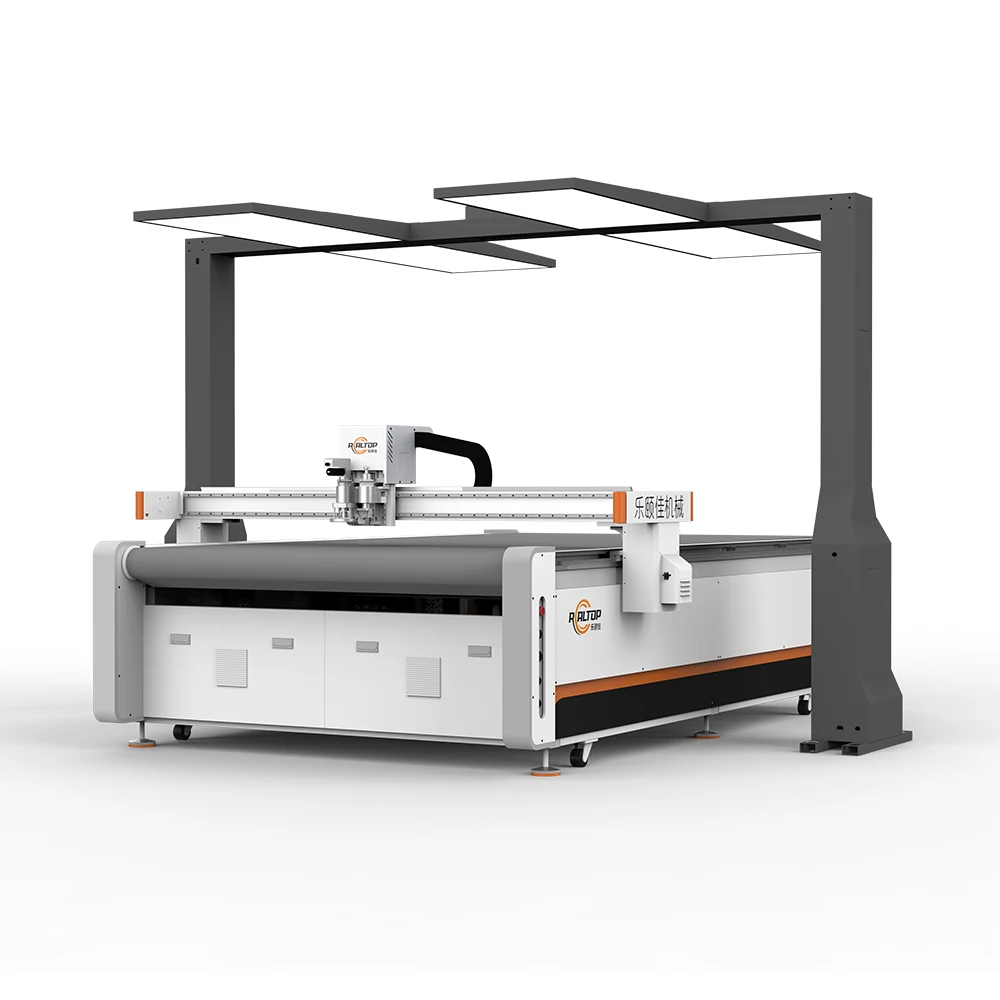
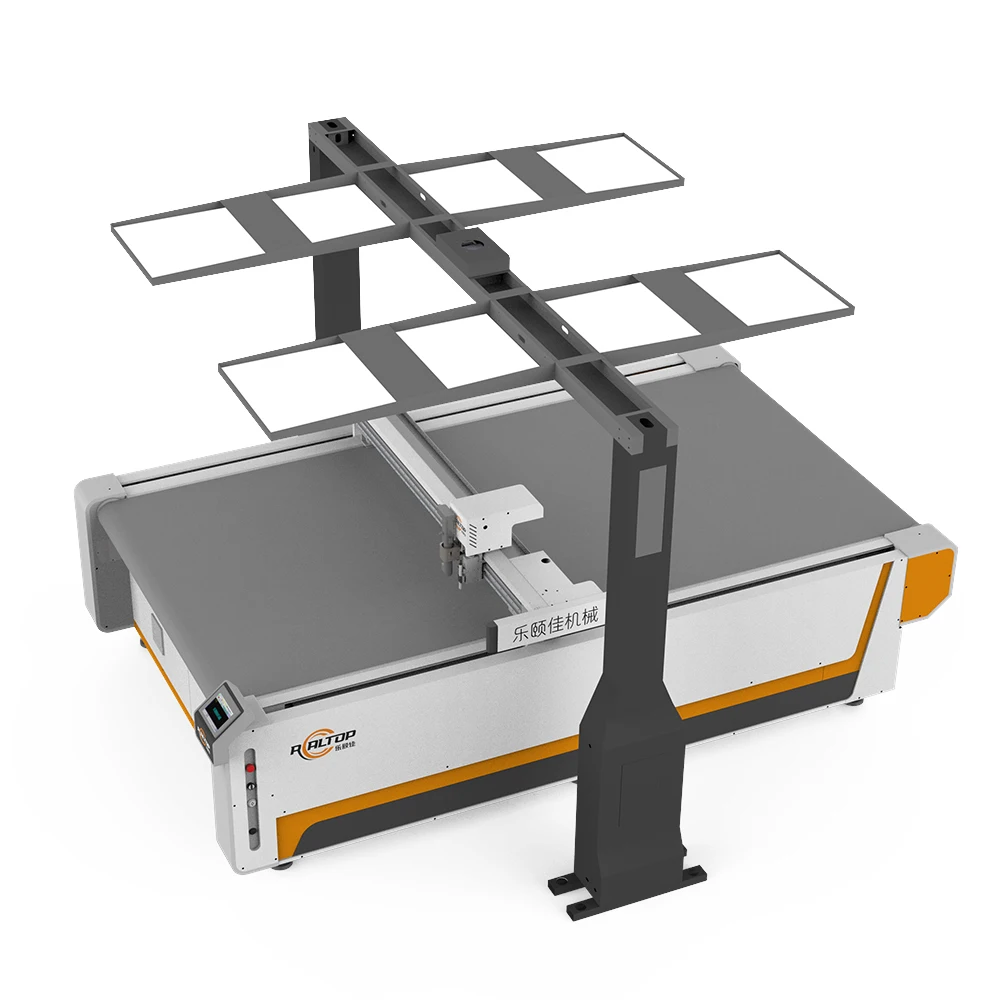
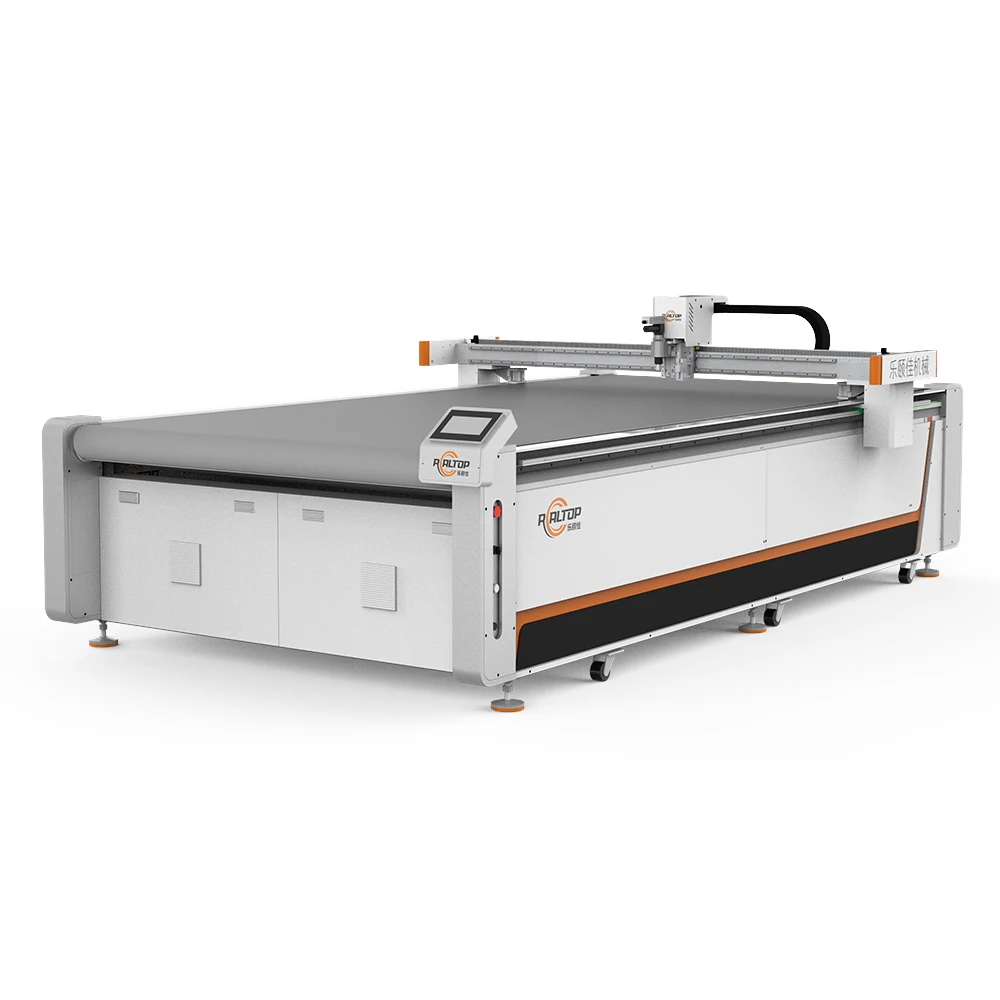
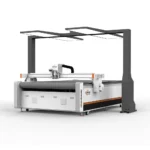
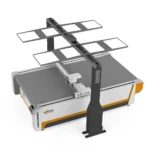
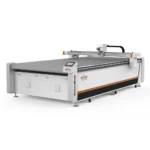
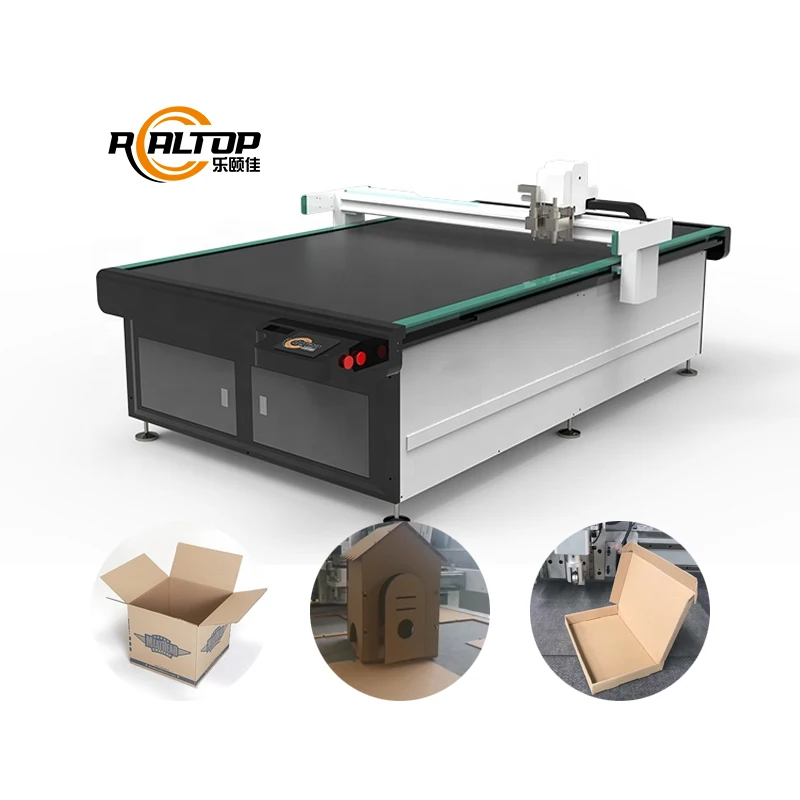
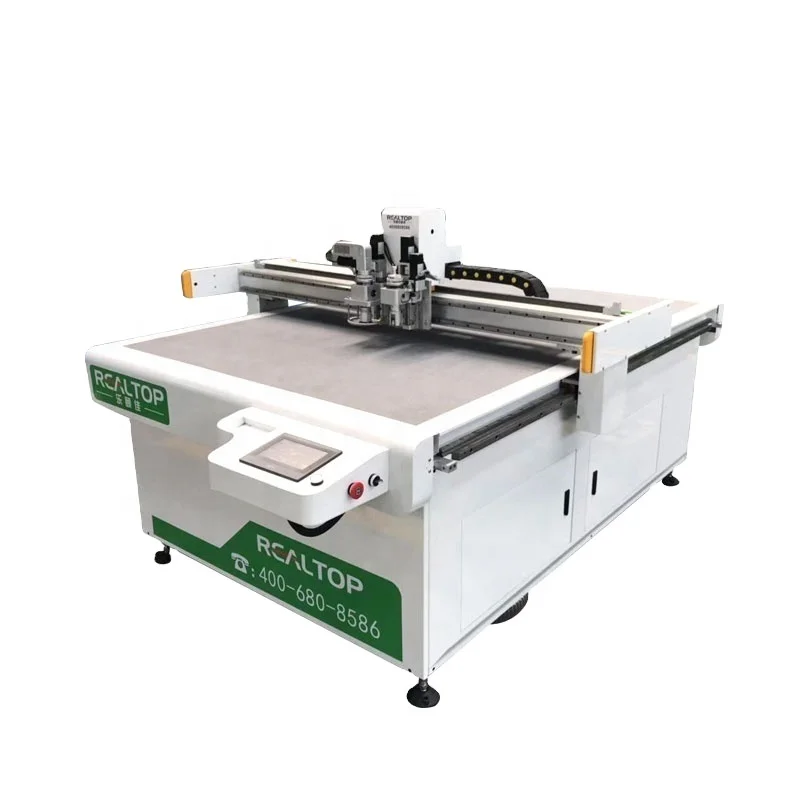
| Product Type | CNC Oscillating Knife Cutting Table |
| Working Area | 1600 × 2500 mm |
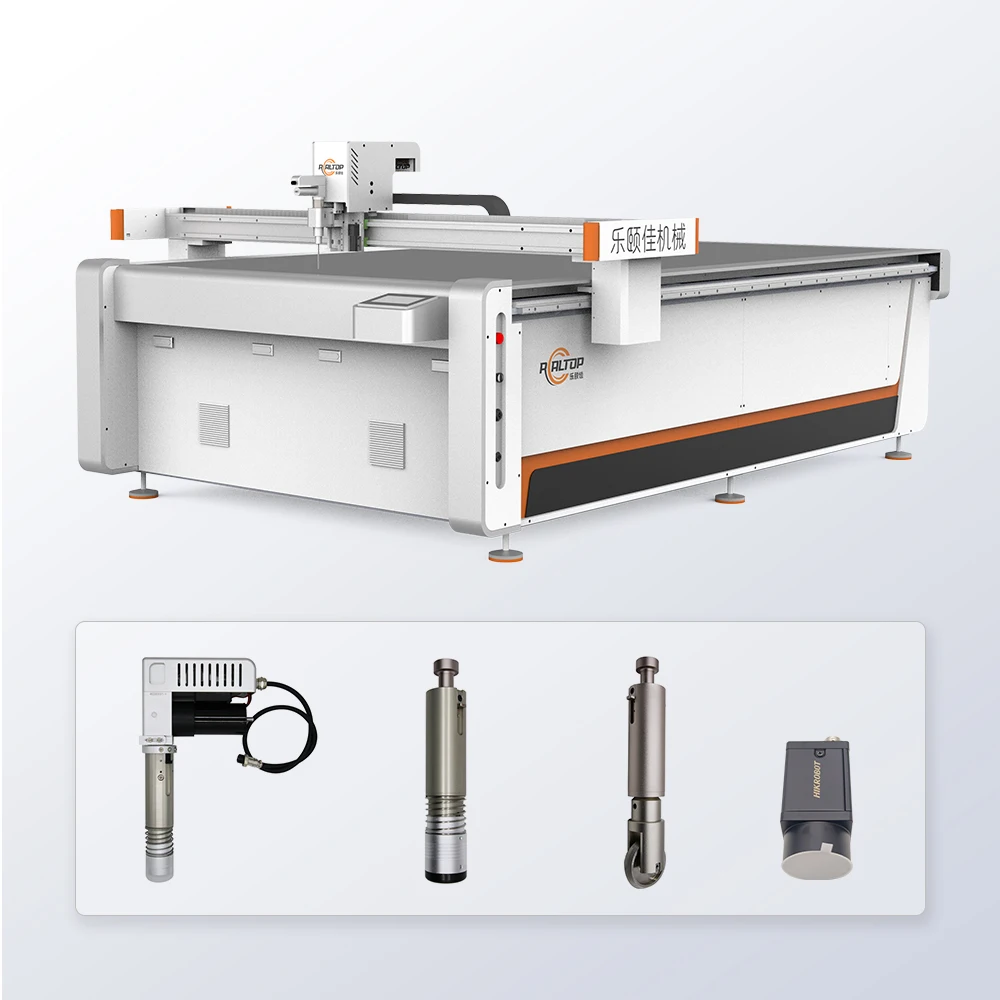
| Tool Head Options | Oscillating knife, Driven rotary knife, Creasing wheel, Kiss cutting tool, Pneumatic knife, Milling tool, V groove knife |
| Cutting Thickness | Up to 30 mm (basis not stated in source — confirm material type and density) |
| Cutting Speed | 0 – 2000 mm/s |
| Cutting Accuracy | ±0.1 mm |
| Vacuum Pump | 9 kW, aerospace-grade aluminum cast |
| Vacuum Table | Aluminum bellows construction |
| Servo Motor Options | Panasonic, Delta, Dorna |
| Control System | PLC control panel with intuitive interface |
| Supported File Formats | PLT, DXF, AI, PDF |
| Voltage Options | 110V, 220V, 380V (frequency to be confirmed: 50/60 Hz) |
| Safety Devices | Infrared sensor device, emergency stop device |
| Machine Dimensions (L×W×H) | 3300 × 2100 × 1350 mm |
| Language Options | English, Russian, Italian, Chinese (special languages customizable) |
| Assembly State | Fully assembled (shipping condition to be confirmed) |
| Certification | CE (certificate number and scope to be verified) |
Application Suitability
| Application | Material or Output |
|---|---|
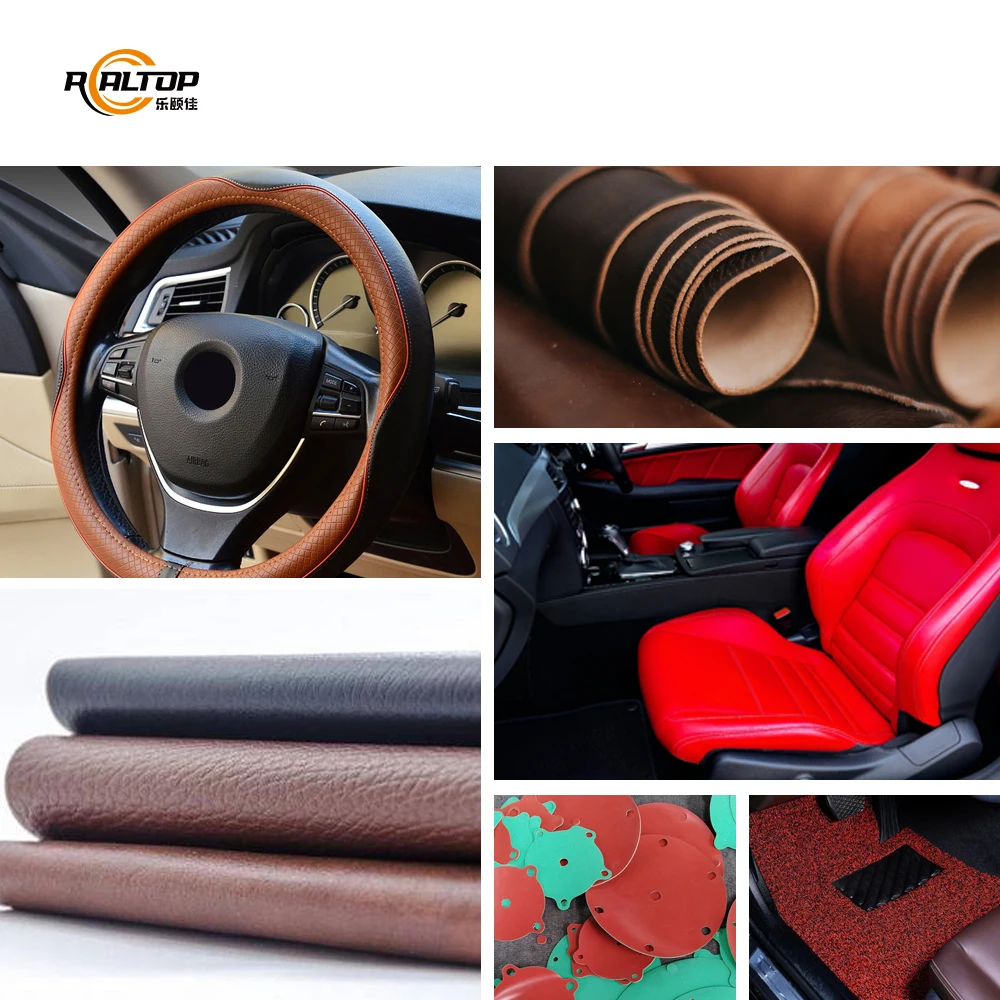
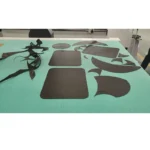
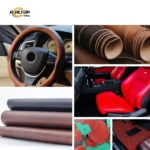
| Footwear and leather goods production | Shoe uppers, bags, wallets, belts — genuine leather, PU, synthetic leather |
| Automotive interior trimming | Seat covers, car mats, headliners — leather, composite fabrics, foam laminates |
| Garment and fashion accessories | Apparel patterns, jacket panels, handbag components — textile, suede, coated fabrics |
| Sofa and upholstery manufacturing | Furniture panels, cushion templates, decorative covers — heavy upholstery fabric, bonded leather |
| Contour-cut printed materials | Stickers, vehicle wraps, labels — vinyl, adhesive film, printed PVC |
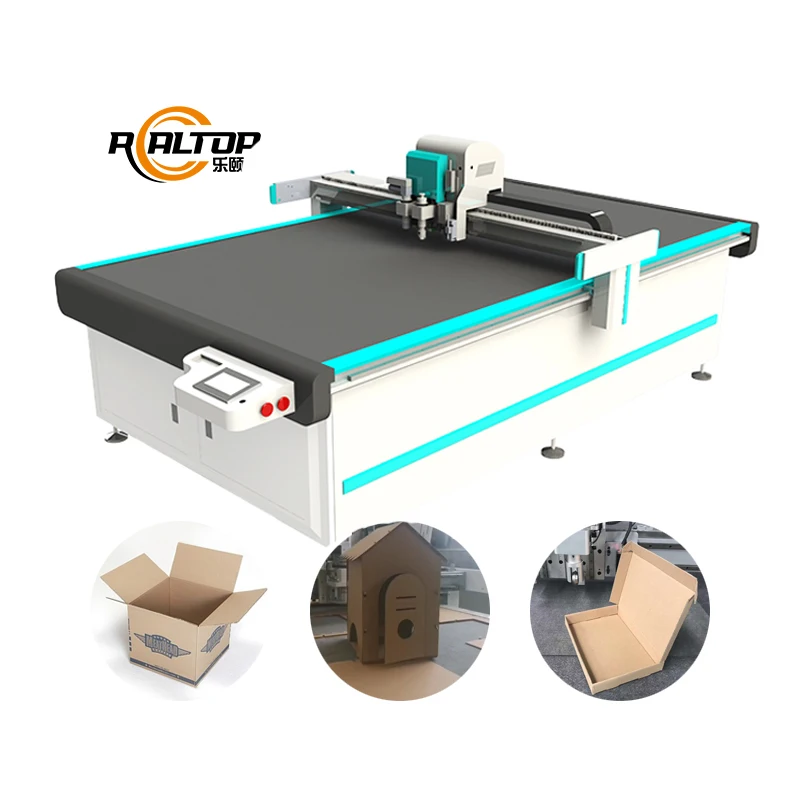
| Advertising and packaging prototypes | Foam boards, carton samples, gift boxes — PVC sheets, corrugated board, acrylic |
Why the Wrong Tool Head Destroys Your Leather Yield
A mismatched oscillating knife and vacuum zone layout will crush soft hides or leave ragged edges on stiff belts — before you notice, entire batches are scrap.
I remember a shoe factory owner who sent us a batch of thick, chrome-tanned cowhide. His previous machine was specified by working area alone, with no attention paid to the leather’s density. The oscillating knife tore through the grain layer, producing frayed edges that forced the cutting operator to re-trim every piece by hand. The material waste was significant, and the labor cost doubled. When buyers select a CNC Oscillating Knife Cutting Table manufacturer, the conversation often starts with table size and ends there — yet material behavior under the blade is what actually determines whether the machine earns its keep [NEED_CITE: material-specific tooling selection for CNC knife cutting].
The issue extends beyond the blade itself. If the vacuum table zones are too broad, small pattern pieces lift during cutting, drifting just enough to throw off nesting accuracy. If the hold-down force is uneven across the aluminum bellows surface, thick leather buckles at the edges. These are not defects in the machine — they are defects in the specification process.
Matching the Blade to the Hide
Leather is not a single material. Full-grain cowhide for belts, soft lambskin for garment linings, and bonded leather for automotive trim each demand a different knife frequency, blade geometry, and downward pressure. A CNC Oscillating Knife Cutting Table built for general-purpose cutting often forces the operator to choose between clean edges on thick stock and acceptable speed on thin layers — rarely both.
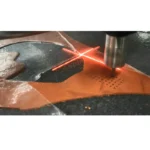
Our tool head library — oscillating knife, driven rotary knife, pneumatic knife, kiss cutting tool, and V groove knife — exists because no single blade solves every leather problem. The driven rotary knife handles continuous contour cuts on soft suede without dragging, while the pneumatic knife delivers the downward force needed for dense, multi-layer stacks. Each configuration is tested on the buyer’s actual material sample before we finalize the build sheet.
Vacuum Zoning and the Small-Piece Problem
Footwear cutting nests contain dozens of small upper pieces, counter pieces, and tongue panels. On a vacuum table with only two or three broad zones, pieces near the zone boundary experience weaker suction and can shift mid-cut. The result is a dimensional error that only shows up during stitching, when the upper does not align with the sole pattern.
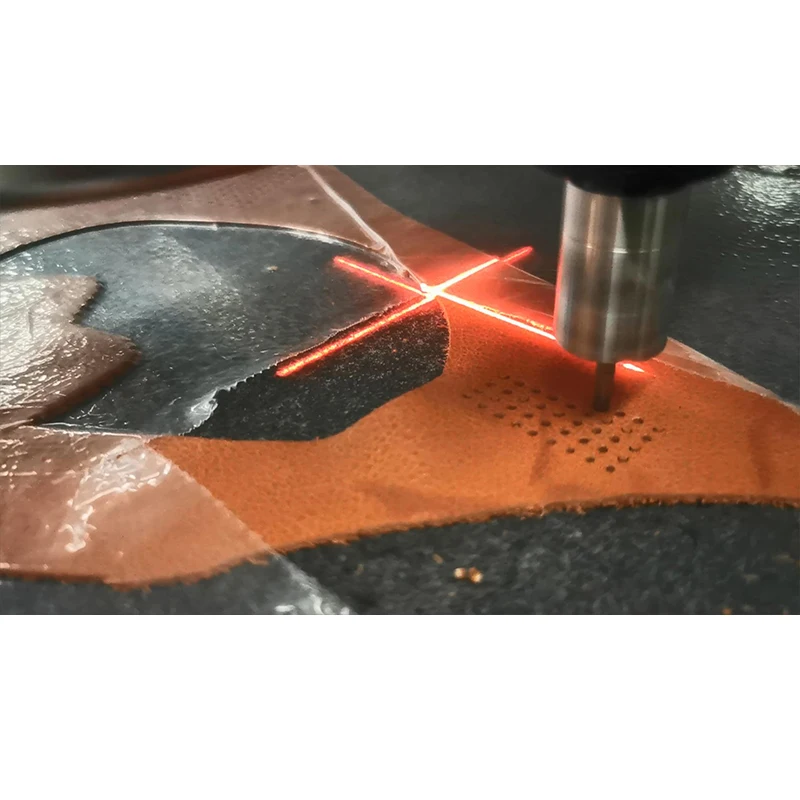
The aluminum bellows vacuum table on this 1600 × 2500 mm cutting bed is designed to maintain consistent flatness and seal integrity. We map the typical nesting layout for the buyer’s product range and confirm that vacuum distribution covers the smallest piece in the nest. CCD camera contour recognition adds another layer of control: when cutting printed leather or hides with natural grain contours, the camera positions each cut path to the actual material boundary rather than relying on manual alignment [NEED_CITE: CCD contour recognition accuracy in leather cutting applications].
Reading the Spec Sheet Like a Production Manager
Four parameters on the table above deserve closer attention than they usually receive. First, the cutting accuracy of ±0.1 mm matters most when cutting interlocking pattern pieces for shoe uppers, where a cumulative tolerance stack across six pieces can force the lasting operator to compensate by hand. Second, the 9 kW vacuum pump is sized for sustained hold-down across the full working area; an undersized pump loses suction as the table surface fills with cut pieces and air leaks increase.
Third, the choice of servo motor — Panasonic, Delta, or Dorna — influences not just positioning speed but long-term repeatability under the vibration loads that dense leather produces. Fourth, the PLC control panel with support for PLT, DXF, AI, and PDF file formats means the machine can import cutting paths from most nesting software packages without requiring an intermediate conversion step that might distort curves on complex leather patterns.
The Cost of Skipping the Sample Cut
Buyers who commit to a machine based on a brochure specification — without sending their own leather for a sample cut — absorb several hidden risks. The cutting edge on their specific chrome-tanned hide may fray at speeds above a certain threshold, forcing the operator to slow down well below the machine’s rated 2000 mm/s. The vacuum hold-down that works on the factory’s test material may fail on the buyer’s oily or waxed leather surface, causing piece shift [NEED_CITE: surface finish effects on vacuum hold-down performance].
Worse, the wrong tool head may compress foam-backed leather instead of slicing through it, leaving a crushed cross-section that is rejected during quality inspection. By the time these problems surface, the machine is already on the production floor, and the cost of rework exceeds the value of the material itself.
Why Production Teams Source This Machine Here
In-house design and production covering both knife and laser technologies means a buyer processing leather alongside acrylic templates can match each material to its correct cutting method under one roof, rather than forcing leather through a laser or acrylic under an oscillating knife.
Tool head and table configuration are specified per material type and production volume — the build sheet for a shoe upper line running full-grain cowhide will differ from one cutting thin synthetic leather for bag linings, even on the same 1600 × 2500 mm platform.
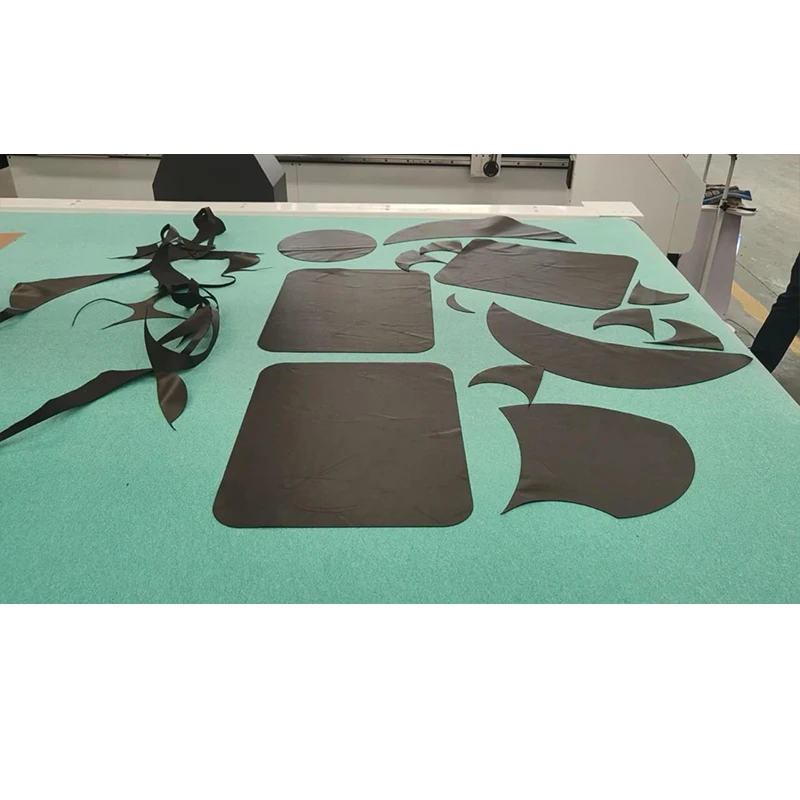
Sample cutting on the buyer’s own material happens before order commitment, with a written report documenting edge quality, cutting speed achieved, and dimensional accuracy on the actual leather supplied.
Voltage, plug type, and control panel language are confirmed and documented before the machine leaves the facility — 110V, 220V, or 380V options with customizable interface language eliminate on-site electrical surprises.
Software and file format compatibility is verified against the buyer’s existing nesting workflow, ensuring PLT, DXF, AI, or PDF files import without geometry distortion or missing contour data.
Documentation & Verification
- Machine specification sheet listing confirmed tool heads and vacuum zone layout for your leather type
- Electrical schematic with voltage and frequency matched to your facility supply
- Factory test record showing cut samples on your supplied leather material before dispatch
- CE declaration covering applicable machinery directive requirements
- Software licence and file format compatibility note matching your nesting platform
- Spare parts list covering blades, vacuum seals, and wearable components with part numbers
Installation, Commissioning & Support
- Foundation must support the 3300 × 2100 × 1350 mm machine footprint with level tolerance across the full vacuum table surface
- Dedicated electrical circuit sized for the selected voltage option and 9 kW vacuum pump draw
- Machine ships fully assembled; on-site positioning requires adequate door clearance for the full frame dimensions
- First-run commissioning includes vacuum zone calibration and servo tuning on your production leather stock
- Operator training covers tool head changeover procedures and CCD camera calibration for printed contour jobs
- Preventive maintenance schedule addresses blade replacement intervals and vacuum seal inspection cycles
Preparing Your Inquiry
To receive a configuration that matches your production reality, share the following with your inquiry: the specific leather or fabric types you cut, including thickness range and surface finish; your typical sheet size and daily cutting volume; the local voltage and frequency at your facility; and the control panel language your operators require. If you run existing nesting software, send a sample file so we can verify format compatibility before quoting. Sending a material sample for test cutting is the fastest path to a confirmed build sheet.
Frequently Asked Questions
Q: How is the tool head and vacuum table zoning configured for my specific leather type and thickness?
A: We run your supplied leather sample through multiple tool head options — oscillating, rotary, pneumatic — and measure edge quality, cutting force, and piece stability on the vacuum bed. The configuration that delivers clean edges without material shift is then locked into your build sheet. The aluminum bellows table zoning is mapped against your typical nesting layout to confirm suction reaches the smallest piece.
Q: What voltage and control language options are available, and how are they confirmed before shipment?
A: The machine supports 110V, 220V, and 380V configurations, with frequency confirmed to match your local grid at 50 or 60 Hz. The PLC control panel interface is available in English, Russian, Italian, Chinese, or a custom language. Both specifications are documented on the electrical schematic and confirmed with the buyer before the machine enters final assembly.
Q: Can I send my own material for sample cutting to verify edge quality and cutting accuracy?
A: Yes — sample cutting on buyer-supplied material is a standard step before order commitment. We cut your leather or fabric on the configured machine and produce a written report covering edge condition, achieved cutting speed, dimensional accuracy against the nesting file, and any tool head adjustments required. This report accompanies the final quotation.
Q: What software and file formats does the machine support, and can it integrate with my existing nesting workflow?
A: The control system accepts PLT, DXF, AI, and PDF files directly. We verify compatibility with your nesting software by importing a sample file and checking for geometry distortion, missing contours, or layer assignment errors. If your workflow requires a specific file format outside this list, confirm this during the inquiry stage so compatibility testing can be completed before production.
Q: What documentation is provided with the machine, including CE certification and factory test records?
A: Each shipment includes a machine specification sheet, electrical schematic with confirmed voltage, tool head and vacuum zone configuration list, factory test record on your material, CE declaration, operation and maintenance manual, software licence note, and a spare parts list with part numbers. Packing photographs are provided before dispatch to document the machine’s condition at the time of crating.
You may also like

商品评价
Clear filtersThere are no reviews yet.